It’s easy to think a migraine is just a “head problem,” but the real source of your pain often lies in your neck and shoulders. A targeted massage for migraines goes far beyond simple relaxation—it’s a powerful tool that directly addresses the physical triggers behind your attacks. By loosening those tight, knotted muscles, we can improve blood flow and release pinched nerves. This also helps calm your entire nervous system, lowering the stress that can make you more vulnerable to head pain. This guide will show you exactly how these techniques work to bring you lasting relief and put you back in control.
Key Takeaways
- Address migraine triggers with targeted massage: Massage provides effective relief by focusing on the root causes of pain, such as releasing chronic muscle tension in your neck and shoulders, improving circulation, and calming your nervous system to reduce stress.
- Prioritize prevention with a consistent schedule: Think of massage as a long-term wellness strategy, not just a one-time fix. Regular sessions, ideally every four to six weeks, can manage tension and stress proactively, helping to stop migraines before they even start.
- Build your support team for comprehensive care: Massage is a powerful tool that works best when it complements professional medical advice. Always consult a doctor for a proper diagnosis, then work with a licensed therapist to create a safe and personalized treatment plan that fits your specific needs.
How Does Massage Actually Help Migraines?
If you’ve ever dealt with a migraine, you know it’s much more than just a bad headache. The throbbing pain, sensitivity to light, and nausea can be completely debilitating, bringing your entire day to a halt. While medication is a common approach, massage therapy offers a powerful, hands-on way to manage and even prevent migraine attacks. It works by addressing some of the root physical and emotional triggers of migraines, like muscle tension, poor circulation, and stress.
Think of it as a reset for your body and nervous system. A targeted massage can interrupt the pain signals that scream during a migraine, calm your overstimulated senses, and help restore a sense of balance. It’s a proactive approach that empowers you to take control of your wellness instead of just reacting to the pain. By focusing on key areas and using specific techniques, a skilled therapist can provide significant relief and help you get back to your life. Let’s look at exactly how massage works its magic on migraine pain.
It Eases the Muscle Tension That Triggers Pain
One of the biggest contributors to migraines is muscle tension, especially in your neck, shoulders, and the base of your skull. When these muscles are chronically tight, they can compress nerves and restrict blood flow, creating the perfect storm for a migraine. Massage therapy directly targets these problem areas. A therapist can use techniques like a focused deep tissue massage to release stubborn knots and lengthen tight muscle fibers. This targeted work reduces the strain on your head and neck, easing the constant pressure that so often triggers migraine pain and providing a deep sense of release.
It Encourages Healthy Blood Circulation
Proper circulation is essential for a healthy, pain-free brain. Some researchers believe that changes in blood flow to the brain can play a significant role in migraines. Massage helps by improving circulation throughout your body. The pressure and movement from a massage encourage blood to move through congested areas, flushing out metabolic waste and bringing in fresh, oxygenated blood. This improved flow delivers more oxygen and vital nutrients to your brain, which can lessen migraine symptoms and help your body function more efficiently. Better circulation means your tissues are healthier and less prone to the vascular issues that can lead to a painful attack.
Calming Your Body’s Stress Response
Stress is a major migraine trigger for many people. When you’re stressed, your body releases hormones like cortisol, which can increase inflammation and make you more susceptible to pain. Massage is a fantastic way to counter this physiological response. It helps shift your body out of its “fight or flight” mode and into a state of deep relaxation. This process lowers your heart rate, reduces stress hormone levels, and calms your entire nervous system. A gentle and soothing Swedish massage, for example, can soothe your body and mind, making you far less likely to experience a stress-induced migraine.
It Helps Regulate Your “Happy Chemical”
Serotonin is a key chemical in your brain that helps regulate mood, sleep, and pain perception. It’s no surprise, then, that low levels of serotonin are often linked to migraines. The great news is that massage therapy can naturally help your body produce more of this feel-good neurotransmitter. Studies have shown that regular massage can lead to a significant increase in serotonin. This not only helps reduce the frequency and severity of migraines but also improves sleep quality and lowers anxiety. By helping to balance your brain chemistry, massage creates a stronger foundation for long-term relief and overall well-being.
Understanding the Four Phases of a Migraine Attack
A migraine isn’t just a single event; it’s a complex neurological process that often unfolds in stages. Recognizing these phases can help you understand your body’s signals, anticipate what’s coming, and find better ways to manage your symptoms. While not everyone experiences all four phases, and the symptoms can vary widely, learning this general timeline can be incredibly empowering. It allows you to identify patterns and triggers, giving you a sense of control over a condition that can often feel unpredictable. Think of it as creating a personal roadmap of your migraine experience, so you know where you are and what to expect next.
Prodrome: The Warning Signs
Long before the headache hits, your body might send out subtle warnings. This first stage, known as the prodrome, can begin a few hours or even a couple of days before the main attack. You might feel unusually tired, have trouble concentrating, or experience unexplained mood swings. Some people notice specific food cravings or frequent yawning. One of the most common physical symptoms is neck stiffness and pain, which is a clear sign that muscle tension is building. Paying attention to these early clues is key, as it gives you a window of opportunity to take proactive steps, like gentle stretching or stress reduction, before the more severe symptoms begin.
Aura: The Visual Disturbances
Following the prodrome, some people—about one in three—will experience the aura phase. This stage is characterized by temporary sensory disturbances that typically last from 20 to 60 minutes. Most often, auras are visual, appearing as flashing lights, sparkly spots, or zigzag lines that drift across your field of vision. In some cases, it can feel like you have tunnel vision. Auras can also manifest as other sensory changes, such as a tingling or numb sensation in your hands or face, or even difficulty speaking. While it can be an unsettling experience, an aura is a clear indicator that the headache phase is about to begin.
Headache: The Main Attack Phase
This is the phase most people associate with a migraine. The headache itself is often a severe, throbbing, or pulsing pain, usually concentrated on one side of the head. But the pain is only part of the story. This phase is frequently accompanied by an extreme sensitivity to your surroundings, including light, sound, and smells, which can make normal activities feel impossible. Nausea and vomiting are also very common. A migraine attack can last anywhere from a few hours to several days, and for many, the only source of relief is to rest in a quiet, dark room until the storm passes.
Postdrome: The Recovery Period
After the intense pain of the headache finally subsides, you enter the postdrome phase, often called the “migraine hangover.” Even though the worst is over, you likely won’t feel back to normal right away. This recovery period can leave you feeling completely drained, sluggish, and mentally foggy for a day or two. Some people feel confused or have trouble concentrating, while others might experience a sense of mild euphoria or relief. It’s important to be gentle with yourself during this time, as your body and brain are working hard to recover from the significant stress of the migraine attack.
Which Type of Massage Is Best for Migraines?
Finding the right massage for your migraines depends on your specific triggers and what your body responds to best. Some people find relief with gentle, relaxing strokes, while others need deep, targeted pressure to release the tension that contributes to head pain. The key is to find a style that addresses the root cause of your discomfort, whether it’s stress, muscle knots, or something else entirely. A skilled massage therapist can work with you to identify your needs and customize a session. Here are five effective types of massage that can provide significant relief.
Swedish Massage: Your Go-To for Gentle Relief
If stress is one of your primary migraine triggers, a Swedish massage is an excellent place to start. This classic style uses long, flowing strokes, gentle kneading, and circular movements to calm your nervous system and promote full-body relaxation. The focus isn’t on deep, intense pressure but on reducing overall muscle tension and improving blood circulation. By easing your body into a state of rest, a Swedish massage can help lower stress hormones like cortisol, which are often linked to migraine attacks. It’s a perfect choice if you’re new to massage or prefer a lighter touch that still delivers powerful therapeutic benefits.
Deep Tissue: Targeting Stubborn, Chronic Tension
For many migraine sufferers, the problem starts with chronic tension held in the neck, shoulders, and upper back. Deep tissue massage is designed to tackle these problem areas head-on. Using firm pressure and slow, deliberate strokes, your therapist can reach the deeper layers of muscle and connective tissue to break up stubborn knots. Releasing these tight spots can relieve the referred pain that often travels up into your head. While a deep tissue massage is more intense than a Swedish massage, it should never be painful. Always communicate with your therapist to ensure the pressure is effective but comfortable for you.
Ashiatsu: For When You Need Serious Pressure
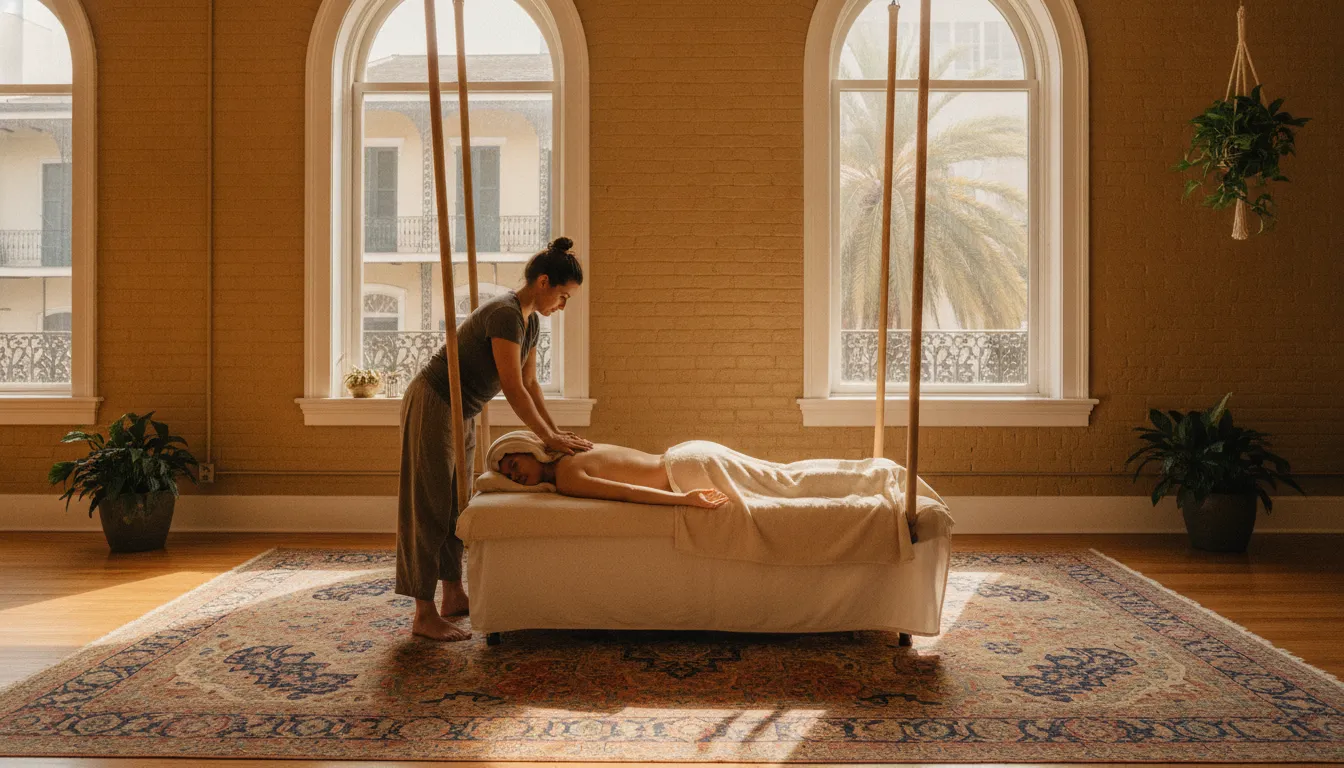
If you love deep tissue but want an even more consistent and intense pressure, Ashiatsu is a fantastic option. In this unique therapy, the massage therapist uses their feet to deliver long, gliding strokes, using overhead bars for balance and support. This technique allows for a much broader pressure that can cover large muscle groups at once, releasing deep-seated tension without the sharp, pokey feeling of an elbow or thumb. Ashiatsu Deepfeet Bar Therapy is incredibly effective at loosening the entire back and shoulder girdle, which can dramatically reduce the muscular tension that contributes to migraines.
Trigger Point Therapy: Zeroing In on Painful Knots
Trigger points are tight, painful knots in your muscles that can cause pain in other parts of your body. For example, a trigger point in your shoulder might be the source of the pain you feel in your temple. Trigger point therapy focuses on identifying and deactivating these specific points. A therapist applies direct, sustained pressure to the knot until it releases. This technique is often integrated into a deep tissue or Swedish massage rather than being a standalone treatment. By addressing the precise source of the referred pain, trigger point therapy can be highly effective at reducing both the frequency and intensity of your migraines.
Craniosacral Therapy: A Gentle Touch for Your Nervous System
Craniosacral therapy is a very gentle, non-invasive technique that can have profound effects on the nervous system. The therapist uses a light touch to assess and influence the movement of cerebrospinal fluid around the brain and spinal cord. The goal is to release restrictions and relieve tension in the central nervous system, which can become overstimulated during a migraine. This subtle approach helps calm the body’s stress response and can be particularly helpful for those who are sensitive to pressure or find traditional massage too intense. It’s a deeply relaxing therapy that works to restore balance from the inside out, making it a powerful tool for migraine management.
Cold Stone Therapy: Calming Inflamed Nerves
If you’ve ever reached for a cold compress during a migraine, you already understand the core principle behind cold stone therapy. This technique uses chilled marble stones placed on key areas like your forehead, temples, and the back of your neck to provide targeted relief. The sustained cold helps to calm the inflamed nerves that are often responsible for migraine pain, offering a soothing sensation that can be incredibly effective during an active attack. At Nola Bliss, we often use Himalayan Salt Stones for their therapeutic properties, and they can be used cool to provide a similar calming effect, reducing inflammation and easing the throbbing sensation associated with migraines.
Thai Massage: Active Stretching for Pain Relief
Thai massage offers a completely different approach to pain relief. Instead of passively relaxing on a table, you’ll be guided through a series of assisted stretches, similar to yoga. This active style of massage is designed to improve flexibility, release muscle tension throughout your entire body, and encourage better circulation. For migraine sufferers, this can be especially beneficial. The comprehensive stretching helps to decompress your spine and open up your shoulders and neck, addressing postural issues that can contribute to head pain. Research suggests this dynamic approach can lead to less intense migraine pain by tackling tension from a whole-body perspective.
Reflexology: Applying Pressure to Hands and Feet
It might seem surprising, but targeted pressure on your hands and feet can have a powerful impact on migraine pain. Reflexology is based on the idea that specific points on the feet and hands correspond to different organs and systems in the body. By applying firm pressure to the points related to the head, neck, and nervous system, a therapist can help release tension and promote deep relaxation. This can be a wonderful option if you’re experiencing a migraine and are too sensitive for direct work on your head or neck. It’s a gentle yet effective way to reduce stress and pain, helping to calm your system from the ground up.
Shiatsu: Using Pressure Points to Calm the Nervous System
Shiatsu is a Japanese form of bodywork that uses finger and palm pressure on specific points along the body’s energy pathways. The goal is to restore balance and calm the nervous system, which is often in overdrive during a migraine. A Shiatsu session might involve sustained pressure on points along your neck, shoulders, and the base of your skull, combined with gentle stretching to release tension. This technique is highly adaptable; during an active migraine, a therapist can use lighter pressure to soothe the area without causing more discomfort. By focusing on these key points, Shiatsu can help regulate your nervous system and ease the intensity of your symptoms.
Does Science Back Up Massage for Migraines?
If you live with migraines, you’ve probably tried just about everything for relief. The good news is that massage therapy isn’t just a hopeful remedy; it’s a treatment supported by a growing body of research. Studies show that a consistent massage routine can be a powerful tool for managing migraine symptoms. It works by addressing some of the root causes of head pain, like muscle tension, stress, and even hormonal imbalances.
So, what does the science actually tell us? Researchers have looked into how different massage techniques affect migraine frequency, duration, and intensity. The findings point toward some clear benefits, from reducing the stress hormone cortisol to increasing serotonin, which helps regulate pain and mood. Let’s look at what clinical studies have uncovered about using massage for migraine relief and how you can apply that knowledge to your own wellness plan.
What Clinical Studies Have Found
Several studies highlight just how effective massage can be. Research has found that regular massage therapy can significantly reduce migraine pain and lead to more headache-free days. One study showed that participants who received massages twice a week for five weeks not only had less pain but also slept better. This is likely because massage helps lower stress hormones while increasing serotonin, the body’s natural “feel-good” chemical. Another study confirmed these benefits, noting that weekly massages led to less anxiety and better sleep quality, with the positive effects lasting even after the treatment period ended. This shows that massage can create long-term improvements in how your body manages stress and pain.
The Official Status of Massage as a Treatment
While many people swear by massage for migraine relief, it’s fair to ask where it stands in the medical community. Currently, massage therapy is considered a powerful complementary treatment rather than an “official” first-line defense recommended by major organizations like the American Headache Society. This isn’t because it’s ineffective, but because the medical world requires numerous large-scale studies to formally endorse a treatment, and research on non-drug therapies often moves at a different pace. However, as WebMD notes, it’s recognized as a helpful way to deal with migraines, especially for those who struggle with medication side effects. Think of it as a highly effective tool in your wellness arsenal that works alongside your doctor’s advice.
Key Study Findings on Frequency and Hormones
The real magic of massage for migraines seems to lie in consistency. It’s not just a one-time fix; it’s a cumulative therapy that retrains your body’s response to pain and stress. One key study found that people who received massages twice a week for five weeks experienced significantly less migraine pain, had more headache-free days, and enjoyed better sleep. They also showed an increase in “feel-good” hormones that help regulate mood and pain. Another study highlighted in the Massage Therapy Journal found that weekly massages over six weeks led to fewer migraines, less anxiety, and lower levels of stress hormones. The best part? These benefits lasted even after the massages stopped, suggesting long-term positive changes.
How Massage Compares to Medication
It’s important to see massage as a partner to your medical care, not a replacement. However, the results are compelling enough that some research suggests massage therapy may be as effective as certain common medications used to prevent migraines. For individuals who are sensitive to medication or looking for non-drug options to add to their treatment plan, this is fantastic news. While the body of scientific evidence is still growing, countless patients report that massage is a vital part of managing their migraine pain. It empowers you with a hands-on, proactive way to manage your symptoms and can be a crucial component of a comprehensive care plan designed by you and your doctor.
Why Consistency and Frequency Are Key
Consistency is key when using massage to manage migraines. Think of it less as a one-time fix and more as a preventative practice. Regular massage helps keep muscle tension from building up in your neck, shoulders, and back, which are common trigger areas for headaches. The National Headache Foundation suggests that a massage every four to six weeks can be effective for managing muscle tension. By making massage a regular part of your routine, you can help reduce the stress hormone cortisol and maintain higher levels of pain-reducing serotonin. Over time, this consistent care can lead to fewer, less intense migraines, giving you more control over your health.
Why Your Results May Vary
While the research is promising, it’s important to remember that everyone’s experience with migraines is unique. Your results will depend on your specific headache type, triggers, and overall health. Some studies note that even if clinical tests don’t show a major change, patients often report feeling much better, having fewer migraines, and enjoying better sleep. The most important factor is working with a skilled professional. A trained massage therapist can tailor the session to your needs, focusing on your specific pain points and adjusting the pressure accordingly. Communicating openly with your therapist ensures you get the most effective and comfortable treatment possible for your body.
Can You Get a Massage During a Migraine?
It’s the question many migraine sufferers ask: should you get a massage when you’re in the middle of an attack? The answer isn’t a simple yes or no. For some, a massage can be a lifeline that eases the pain, while for others, it can make symptoms feel worse. The key is to understand your own body, know the best time to schedule a session, and maintain open communication with your therapist. Finding what works for you can turn massage into a powerful tool for managing your migraines.
When to Book Your Massage: Before, During, or After?
Ideally, regular massages can help prevent migraines from happening in the first place. But if you miss that window, timing is everything. Many experts suggest that the best time to get a massage is at the very first sign of a migraine, during what’s known as the prodrome or aura phase. Catching it early can sometimes stop the headache from fully developing or at least lessen its severity. For some people, a gentle session during a full-blown migraine can also provide relief. However, if you’re experiencing extreme sensitivity to light, sound, or touch, it might be best to wait. The most important thing is to listen to your body and book one of our massage services when it feels right for you.
How to Communicate with Your Therapist
Your comfort and safety are the top priorities, so clear communication is essential. Before your session begins, tell your therapist that you suffer from migraines. Explain your common symptoms, triggers, and what has helped in the past. Our team of experienced therapists will use this information to customize your treatment. During the massage, don’t hesitate to speak up. Let them know if the pressure is too much or too little, if the room is too bright, or if you’d prefer no music. A great therapist will check in with you and will always appreciate your feedback to ensure the session is helping, not hurting.
When to Stop or Reschedule Your Massage
While massage is generally safe, it’s important to know when to seek medical advice first. If you experience a headache that is sudden, severe, and unlike anything you’ve felt before, it’s time to see a doctor. You should also consult a physician if your headache is accompanied by other symptoms like vision loss, weakness, or confusion. These can be signs of a more serious condition that needs immediate medical attention. Remember, massage therapy is a wonderful complementary treatment for managing chronic migraines, but it is not a substitute for a medical diagnosis. Always put your health first and consult a doctor when something doesn’t feel right.
Important Considerations for Migraine Sufferers
To get the most out of your massage, a little preparation and communication can make all the difference. Migraines are a complex condition, and what feels good one day might be too much the next. Your massage therapist is your partner in this process, but they need your input to create the perfect session for you. Being aware of your sensitivities and triggers allows you to guide the experience, ensuring it’s a source of pure relief, not discomfort. Here are a few key things to keep in mind and discuss with your therapist before you get on the table.
Communicating Touch Sensitivity (Allodynia)
During a migraine attack, you might experience something called allodynia, where even the lightest touch can feel painful. The National Headache Foundation notes that for some people, even their hair can hurt. If you have areas that are particularly tender, especially your scalp, neck, or shoulders, it is crucial to let your therapist know before they begin. Don’t be shy about pointing out exactly where you’re sensitive. A professional therapist is trained to adapt their technique, using a lighter touch or avoiding certain areas altogether. This open communication ensures your massage remains a soothing and therapeutic experience from start to finish.
Addressing Smell Sensitivity
A heightened sense of smell is another common symptom that accompanies migraines. A scent that is normally pleasant can become overwhelming and even trigger nausea during an attack. Because many massage studios use essential oils or scented lotions to create a relaxing atmosphere, it’s important to address this ahead of time. Simply let your therapist know if you are sensitive to smells. They can easily use unscented oils and lotions for your session. It’s a simple request that can prevent a pleasant massage from turning into an uncomfortable experience, ensuring the air in the room is as calming as the therapy itself.
The Importance of Hydration
Staying well-hydrated is one of the simplest yet most effective ways to manage migraines. Dehydration is a well-known trigger, as it can reduce blood flow to the brain. It’s a good practice to drink plenty of water before and after your massage. Massage therapy helps release metabolic waste from your muscle tissues, and water is essential for flushing these toxins out of your system. Replenishing your fluids post-massage not only supports this natural detoxification process but also helps prevent a potential dehydration-induced headache later on. Think of it as the final step in your treatment, locking in the benefits of your session.
Recognizing Other Common Triggers
Beyond physical tension, stress is one of the most significant migraine triggers. When you’re under pressure, your body releases cortisol, a stress hormone that can increase inflammation and make you more susceptible to pain. This is why the stress-reducing effects of massage are so beneficial. By calming your nervous system, massage helps break the cycle of stress and pain. It’s also helpful to be aware of your other personal triggers, whether they’re related to sleep, diet, or hormonal changes. Sharing this information with your therapist can help them create a more holistic and effective treatment plan tailored just for you.
Self-Massage Techniques for Quick Relief
While nothing compares to a session with a professional massage therapist, a migraine doesn’t always strike when you have an appointment booked. When you feel the familiar throb of a headache starting, you need relief right away. These simple self-massage techniques can help you manage your symptoms in the moment. Think of them as your first line of defense, perfect for using at home, at your desk, or wherever a migraine finds you. They target key areas where tension builds up and contributes to head pain, offering a bit of peace until your next professional massage.
A Simple Scalp and Temple Routine
That tight, squeezing sensation around your head is a common feature of both tension headaches and migraines. A gentle scalp and temple massage can help ease that pressure. Start by placing the pads of your fingertips on your temples. Apply light, steady pressure and move your fingers in slow, circular motions. After a minute, move your hands to your hairline and work your way across your entire scalp, maintaining that same gentle, circular pressure. This simple act increases blood flow and can provide a welcome distraction from the pain. Close your eyes, breathe deeply, and focus on the feeling of the tension melting away from your head.
Applying Pressure to Facial Points
When a migraine brings on sinus pressure, your face can feel tender and congested. You can relieve sinus pressure with a few targeted techniques. Start by placing your thumb pads just under your eyebrow bones, close to your nose. Gently press upward and inward, holding for about 20 seconds. Next, use your index fingers to press along your eyebrow bone, moving from the inside corner outward. To address the sinuses directly, press your index fingers into the area just beside each nostril and hold. Finish by gently massaging this area in small circles. This can help break up congestion and ease the pressure that contributes to your head pain.
Performing a Suboccipital Release
The small muscles at the base of your skull, known as the suboccipitals, are a common source of tension that can trigger migraines. To release them, find the two small hollows or dimples where your neck muscles meet the base of your skull. You can do this while lying down with a small, firm ball or by using your own fingertips. Apply steady, firm pressure to these points for about a minute, breathing deeply as you do. You should feel the tension begin to soften and melt away. This technique can relieve deep tension and is often a key part of a professional massage for headache relief.
Massaging Jaw Muscles and Foot Pressure Points
Many of us clench our jaw when we’re stressed, which can easily lead to a tension headache or migraine. To counteract this, gently massage the large masseter muscles along your jawline using your fingertips in a circular motion. After a minute, slowly open and stretch your jaw downward to release any lingering tightness. You can also use acupressure on your feet to help reduce migraine frequency. Apply firm pressure to the soft, fleshy area between your big toe and second toe. Another effective point is located between your fourth and fifth toes. Hold each point for about a minute to help calm your system.
Easy Stretches to Release Neck and Shoulder Tension
Tension in your neck and shoulders is a major trigger for many migraine sufferers. When these muscles are tight, they can refer pain up into your head. To release this tension, sit in a comfortable chair with your feet flat on the floor. Reach your right hand over to your left shoulder, near the base of your neck. Gently squeeze the fleshy muscle there (your trapezius) for 10 to 15 seconds, then release. Repeat this a few times before switching to the other side. Follow up with a gentle neck stretch by slowly tilting your ear toward your shoulder. For chronic knots, a deep tissue massage can provide more lasting relief.
Using Hand Reflexology for Migraine Pain
It might sound surprising, but your hands hold a powerful point for headache relief. This technique is based on reflexology, which involves applying pressure to specific points on the body. Locate the fleshy area on your hand between your thumb and index finger. Using the thumb and index finger of your opposite hand, firmly pinch this spot. You should feel a dull ache, but it shouldn’t be sharply painful. Hold the pressure for three to five minutes, breathing steadily throughout. Researchers have found this can significantly reduce headache symptoms. The best part is that you can do it anywhere, making it a discreet and effective tool for quick relief.
Using Aromatherapy for Added Relief
Aromatherapy can be a wonderful addition to your massage, using the power of scent to deepen your relaxation. Certain essential oils like lavender and peppermint are well-known for their calming properties and can help soothe an overstimulated nervous system. When used during a massage, these scents can help quiet your mind and ease you into a more profound state of rest, amplifying the stress-reducing benefits of the massage itself. However, it’s crucial to remember that for some people, strong smells can be a migraine trigger. Always let your therapist know if you’re sensitive to certain scents. A good therapist can help you find a subtle aroma that provides relief without overwhelming your senses.
How Often Should You Get Massages for Migraine Prevention?
Finding relief from migraines is a fantastic first step, but the real goal is keeping them from coming back. This is where consistency with massage therapy truly shines. While a single massage can ease the pain of a current headache, a regular schedule can help prevent them from starting in the first place. Think of it less like a one-time fix and more like a long-term wellness strategy.
The ideal frequency depends on your specific triggers, the severity of your migraines, and how your body responds. By working with your massage therapist, you can create a personalized plan that moves you from reactive pain relief to proactive prevention. This approach helps manage the underlying issues, like chronic muscle tension and stress, that often contribute to migraine attacks. Let’s explore how to build a routine that works for you.
Why a Regular Schedule Matters
To effectively manage and prevent migraines, experts often suggest getting a massage every four to six weeks. This regular interval helps keep chronic muscle tension at bay, preventing the tight knots in your neck and shoulders that can trigger a migraine. A consistent schedule allows your therapist to address problem areas before they become acute, maintaining a state of relaxation in your body. Of course, it’s important to listen to your body. You and your therapist can adjust the frequency based on your needs, ensuring your massage services provide continuous, preventative care rather than just temporary relief.
Pairing Massage with Other Treatments
Massage therapy is a powerful tool, but it often works best as part of a comprehensive wellness plan. For many people, the most effective migraine management strategy combines massage with other treatments recommended by a doctor. This might include medication, physical therapy, acupuncture, or stress-reduction practices like yoga and meditation. Using massage as a complementary therapy can enhance the effects of your other treatments. It helps your body relax, reduces stress, and eases muscle tension, creating a better internal environment for healing and making your primary treatments even more effective. Always keep your doctor informed about any complementary therapies you are using.
Creating Your Long-Term Migraine Plan
The benefits of massage for migraines are cumulative. Research shows that regular sessions can lead to a significant reduction in the frequency and intensity of migraine attacks over time. Building a long-term plan is an investment in your future well-being. Work with your therapist to establish a goal-oriented strategy. This might involve starting with more frequent sessions to get chronic tension under control, then tapering to a maintenance schedule. Your plan could incorporate different modalities, like a focused deep tissue massage one month and a deeply relaxing Ashiatsu session the next, to address your body’s changing needs and keep migraines from disrupting your life.
Can Massage Replace Migraine Medication?
While many people find significant relief from migraines through massage, it’s best viewed as a powerful partner to your existing treatment plan, not a one-for-one replacement for medication. Think of it as another tool in your wellness toolkit. Regular massage can help reduce the frequency and intensity of your attacks by addressing common triggers, but it works best as part of a comprehensive approach to your health.
How Massage Complements Your Current Treatment
Massage therapy is a fantastic complementary treatment for migraines, especially if you struggle with the side effects of medication. Research shows that massage can effectively manage common headache triggers like stress, anxiety, and poor sleep. By calming your nervous system and easing muscle tension, a skilled therapist can help create an environment in your body that is less prone to migraines. While it may not be an officially recommended primary treatment, many find that incorporating regular massage therapy can help them feel more in control of their symptoms and reduce their reliance on pain relievers over time.
Why You Should Talk to Your Doctor First
Before starting any new treatment for migraines, it’s always a good idea to talk to your doctor. A proper medical evaluation can help identify the root cause of your headaches and rule out any other underlying conditions. Your doctor can offer personalized advice and help you build a well-rounded treatment plan that feels right for you. Once you have a diagnosis, you can work with a licensed massage therapist to tailor sessions to your specific needs. This collaborative approach ensures you’re getting safe, effective care that supports your overall health goals.
Debunking Myths About Massage for Migraines
A common misconception is that you should get a massage at the peak of a migraine attack. For some people, this can actually make symptoms worse. The pressure and stimulation might feel overwhelming when your senses are already on high alert. However, the real power of massage lies in prevention. Studies show that consistent massage therapy can reduce the frequency of migraines by lowering stress hormones like cortisol and increasing mood-regulating serotonin. By scheduling sessions between attacks, you can proactively manage tension and stress before they have a chance to trigger a migraine.
How to Choose the Right Massage Therapist
Finding a massage therapist you trust is a huge part of getting effective migraine relief. The right person will not only have the technical skills but will also listen to your needs and create a safe, comfortable environment for you to relax. When you’re dealing with something as complex as migraines, you want to know you’re in good hands. Taking a little time to find the right fit can make all the difference, turning your massage from a simple luxury into a powerful tool for managing your pain.
What Qualifications to Look For
First things first, always make sure your massage therapist is licensed. This is non-negotiable, as it confirms they’ve met professional standards for training and safety. Beyond that, look for a therapist who has experience or specific training in headache and migraine relief. Many therapists take continuing education courses to specialize in certain conditions. You can usually find this information on a studio’s website, like on our About Us page where we highlight our team’s expertise. A therapist who understands the nuances of migraine pain will be much better equipped to help you find relief.
Questions You Should Ask Your Therapist
Don’t be shy about asking a few questions before you book. A good therapist will be happy to talk with you about their approach. A great starting point is to ask potential therapists if they have taken special courses on massage for migraines. You can also ask how much experience they have working with clients who have migraines and what techniques they typically use. This conversation helps you gauge their expertise and comfort level. It also helps you see if your communication styles match, which is essential for building a trusting therapeutic relationship.
Why Specialized Training Matters
Migraines aren’t just bad headaches; they are complex neurological events. That’s why it’s so important to find a professional who understands your specific needs. A therapist with specialized training will know which areas to focus on, what level of pressure is appropriate, and what techniques might trigger a headache instead of relieving one. As the National Headache Foundation points out, a trained professional can tailor the session to your unique situation. This personalized approach is key to getting the most benefit from your massage and making it a reliable part of your migraine management strategy.
Where to Find a Qualified Therapist
Finding a therapist who truly understands migraines is a game-changer for getting effective relief. Your first step is to confirm they are a licensed professional, which ensures they meet crucial safety and training standards. Beyond that, look for therapists with specific training in headache and migraine relief. As the National Headache Foundation explains, a trained professional can tailor the session to your unique situation, which is exactly what you need. Don’t be afraid to ask about their experience with migraine patients and the techniques they prefer before you book. At Nola Bliss, we’re proud of our dedicated team of highly experienced therapists who are passionate about healing. A great therapist will be happy to answer your questions because, ultimately, the right fit comes down to trust and communication, so make sure you feel comfortable and supported.
How to Get the Most Out of Your Massage
Once you’ve found the right massage style and therapist, you can make your sessions even more effective with a few simple enhancements. Think of these as targeted add-ons that work with your massage to address the root causes of migraine pain, like inflammation and muscle tension. A great massage is already a powerful tool for relief, but incorporating elements like CBD or heated stones can deepen the therapeutic benefits and help you find lasting comfort. These additions are easy to request and can make a significant difference in your migraine management plan.
Should You Add CBD to Your Massage?
If you’re looking for an extra layer of relief, adding CBD to your massage is a fantastic option. CBD is known for its powerful anti-inflammatory properties, which can be a game-changer for migraine sufferers. Research suggests that CBD is a powerful antioxidant that helps calm inflammation and ease the discomfort associated with chronic pain. When applied topically during a massage, it can help relax tense muscles in the neck, shoulders, and back that often contribute to tension headaches and migraines. It’s a gentle yet effective way to deepen your relaxation and target pain right at the source.
Try Hot Stones to Melt Away Tension
Incorporating Hot Himalayan Salt Stones into your massage is another wonderful way to soothe migraine-related tension. The gentle heat from the stones penetrates deep into your muscles, helping to release tightness and improve circulation. This process can be incredibly calming for the entire body. The stones themselves contain dozens of trace minerals that can be absorbed through the skin, promoting a sense of balance and well-being. For anyone whose migraines are triggered by neck and shoulder tension, the targeted warmth of the salt stones can provide immediate and satisfying relief.
The Importance of a Relaxing Atmosphere
Never underestimate the power of your surroundings. A peaceful setting is essential for quieting a stressed nervous system, which is often in overdrive during a migraine attack. A tranquil atmosphere helps lower stress and anxiety, two very common migraine triggers. At our studio, we focus on creating this experience with dim lighting, quiet music, and a generally serene space. You can enhance this at home or during your session with aromatherapy. Calming scents like lavender or eucalyptus can deepen your relaxation and make your massage therapy even more effective at keeping migraines at bay.
When to See a Doctor for Your Migraines
While massage can be an incredible tool for managing migraine symptoms, it’s important to remember that it’s one part of a larger wellness plan. Your massage therapist is a partner in your health journey, but they aren’t a substitute for a medical doctor. Knowing when to seek professional medical advice is key to taking control of your health and ensuring you get the comprehensive care you need. It’s about building a team of professionals who support you from all angles.
Think of it this way: massage helps manage the muscular and stress-related components of your migraines, while a doctor can diagnose the underlying cause and rule out more serious conditions. If your headaches are new, changing, or accompanied by concerning symptoms, your first step should always be a conversation with a healthcare provider. They can give you a proper diagnosis and help you build a safe and effective treatment strategy. Once you have a clear picture from your doctor, incorporating regular therapeutic massage can be a powerful way to execute that plan and find lasting relief.
Red Flag Symptoms You Shouldn’t Ignore
Most headaches are just that: headaches. But sometimes, they can signal something more serious. It’s helpful to know which symptoms are considered red flags that warrant an immediate call to your doctor. According to the American Migraine Foundation, one of the most concerning signs is a very sudden and severe headache, often described as the “worst headache of your life.”
Other important symptoms to watch for include a new type of headache that starts for the first time after age 50, pain that wakes you from sleep, or a headache that gets worse with coughing or movement. If you notice a significant change in your usual headache pattern or find yourself needing pain relievers almost every day, it’s time to get it checked out.
When to Follow Up with Your Doctor
If your migraines are interfering with your work, family life, or daily activities, it’s a clear sign that you need a more structured treatment plan. Start by tracking your symptoms and noting how they respond to over-the-counter treatments. If you’re not finding relief, it may be time to consult a specialist. A doctor can help you understand your triggers and explore a wider range of treatment options, from prescription medications to lifestyle adjustments.
It’s especially important to see a doctor if you’re over 50 and experiencing headaches for the first time. While most headaches are manageable, a new onset of pain later in life is more likely to have a secondary cause. Working with a doctor ensures you get an accurate diagnosis and a personalized plan to manage your symptoms effectively.
Related Articles
Frequently Asked Questions
I’m worried a massage might actually trigger a migraine. Is that possible? This is a valid concern, but it’s very unlikely when you’re working with an experienced therapist. A migraine could be triggered if the pressure is too intense or if the therapist works on a sensitive trigger point for too long. The key is communication. A skilled therapist will start gently, check in with you about pressure, and adjust their technique based on your feedback to ensure the session is soothing, not stimulating.
What’s the difference between a regular massage and one specifically for migraines? A massage focused on migraine relief is much more targeted than a general relaxation massage. While overall relaxation is part of the goal, your therapist will concentrate on the specific muscle groups that commonly contribute to head pain, such as those in your neck, shoulders, and the base of your skull. They will use specific techniques to release chronic knots and tension in these areas, addressing the root muscular issues behind your migraines.
How soon will I feel relief from my migraines? Results can vary from person to person. Some people feel an immediate release of tension and pressure during their very first session. However, the most significant benefits for migraine prevention come from consistency. Regular massage helps retrain your muscles and calm your nervous system over time, which can lead to a gradual decrease in both the frequency and severity of your attacks.
I’m very sensitive to pressure, especially around my head and neck. What type of massage should I get? If you’re sensitive to pressure, a Swedish massage is an excellent starting point. It uses long, gentle strokes to promote relaxation without deep, focused pressure. You might also consider Craniosacral Therapy, which uses an extremely light touch to calm the nervous system. Most importantly, let your therapist know about your sensitivity beforehand so they can tailor the session to be comfortable and effective for you.
Do I have to get a full-body massage, or can the therapist just focus on my head and neck? Your session is completely customizable to your needs. While a full-body massage can help with overall circulation and stress reduction, you can absolutely request that your therapist focus primarily on your head, neck, and shoulders. Many clients find that this targeted work provides the most direct relief for their headache and migraine symptoms.