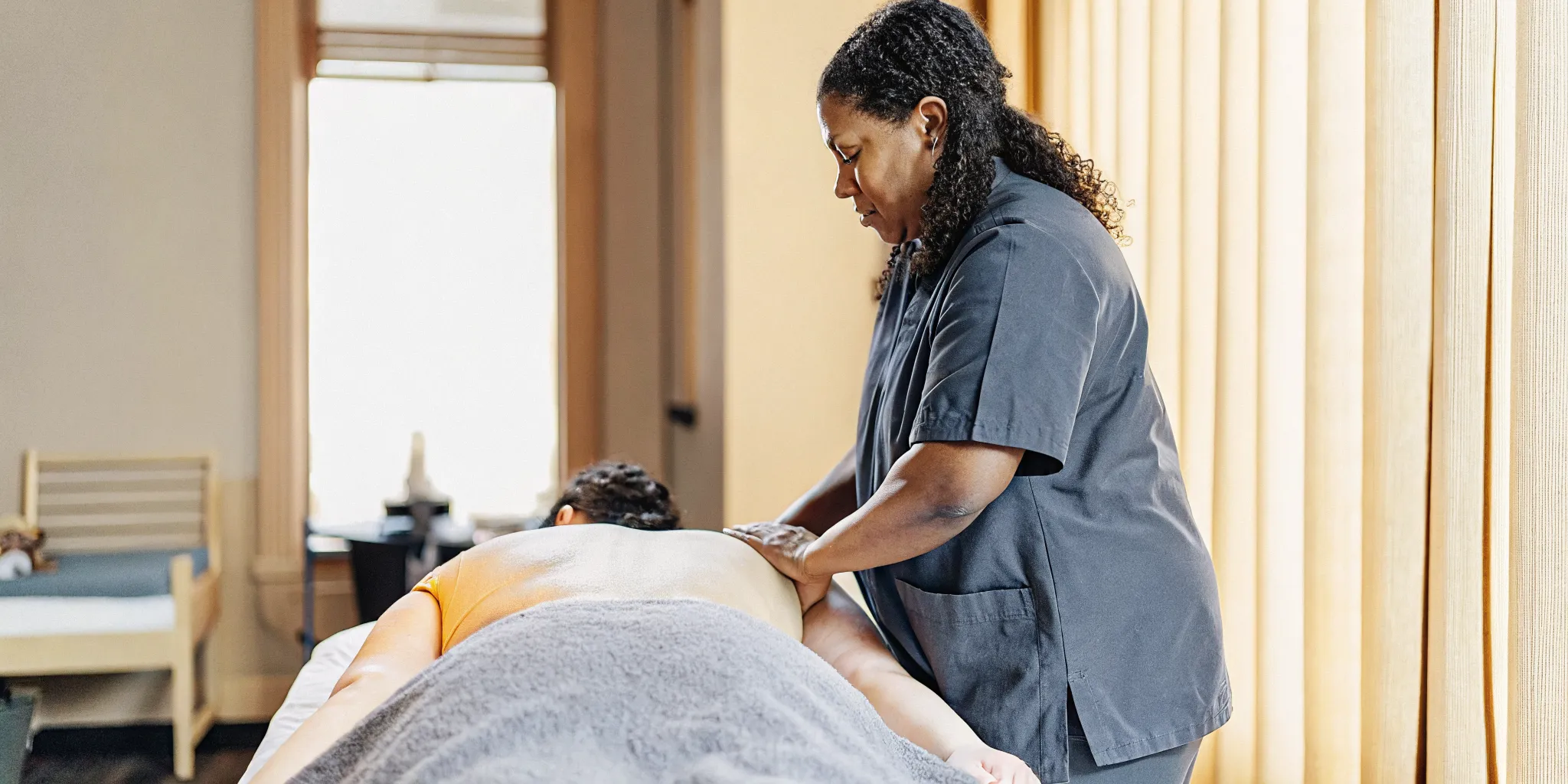
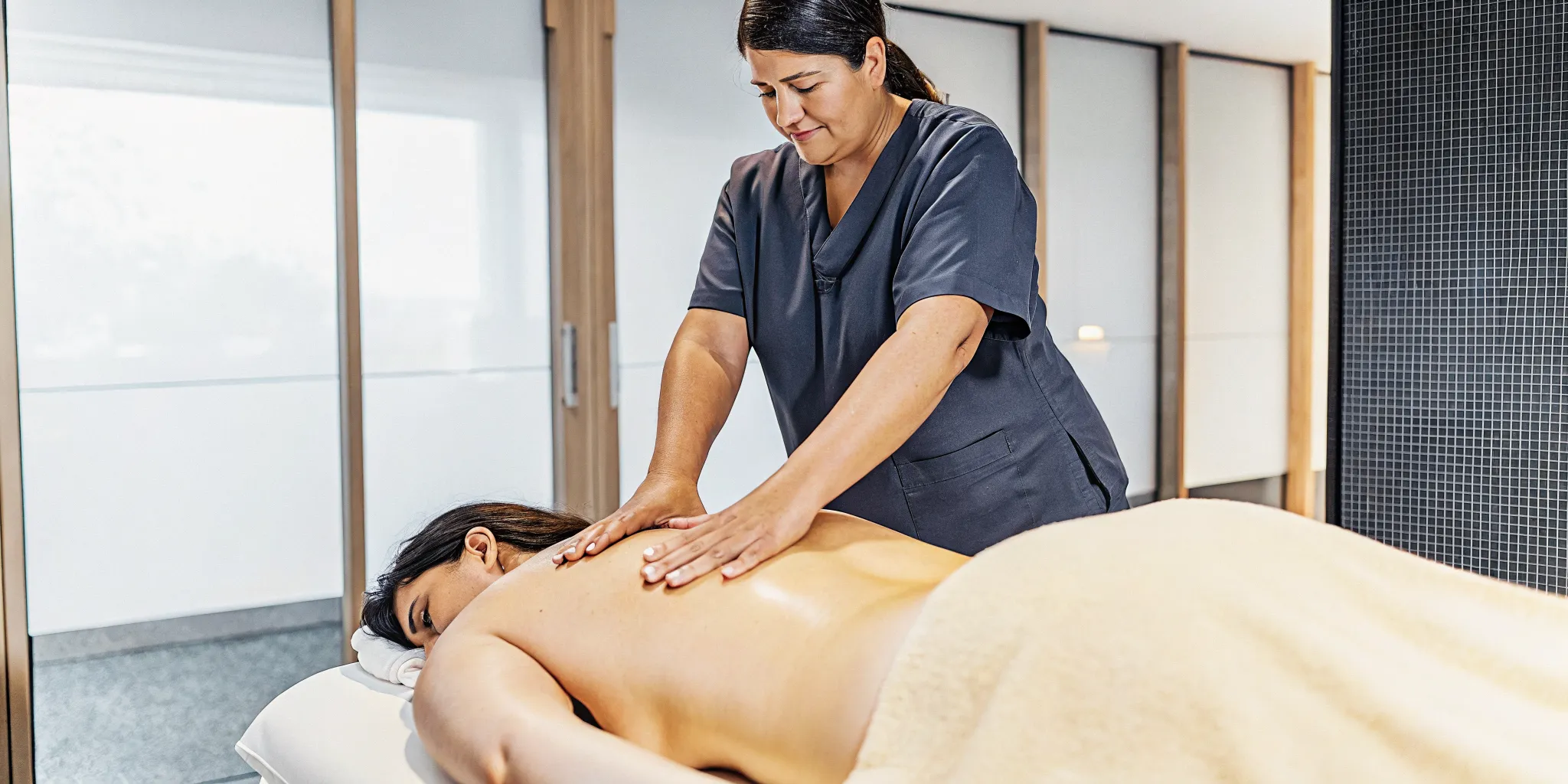
I hear this all the time: “If it doesn’t hurt, it’s not working.” This is one of the biggest myths in massage therapy. You do not have to grit your teeth through a session to get results. A truly therapeutic massage is about skill, not just force. It’s a partnership where we find the right pressure that feels productive, not punishing. This is the entire philosophy behind medical massage for pain. It’s a smarter approach that uses targeted techniques to release tension and promote healing, all while respecting your body’s limits and making sure you feel comfortable and in control.
Key Takeaways
- It’s therapy with a purpose: Medical massage is a goal-oriented treatment designed to address specific health issues, like chronic pain or injury recovery, rather than just providing general relaxation.
- Your session is completely customized: A skilled therapist will create a unique treatment plan for you, often blending different techniques like deep tissue or Ashiatsu to effectively target your specific pain points and health goals.
- Think long-term for lasting relief: Medical massage is a sustainable part of a complete wellness plan, helping you manage chronic conditions and reduce the need for medication over time. It works alongside other treatments from your doctor or physical therapist to support your overall health.
So, What Exactly Is Medical Massage?
You’ve probably heard the term “medical massage” before, but what does it actually mean? Think of it as results-oriented therapy. While any good massage can make you feel great, a medical massage is specifically designed to address a particular health issue you’re facing. It’s a targeted approach where your therapist uses specialized techniques to achieve a specific outcome, like reducing chronic back pain, improving your range of motion after an injury, or relieving tension headaches. It’s all about getting you from point A (in pain) to point B (feeling and moving better).
Instead of a generalized, full-body routine you might get at a spa, a medical massage session is focused on the problem areas that need attention. Your therapist will likely start with an assessment to understand your condition, your pain points, and your goals for the treatment. This type of massage is often recommended by doctors or physical therapists as part of a larger treatment plan because it’s a powerful, non-invasive way to manage pain and support your body’s natural healing process. The focus is less on simple relaxation and more on functional improvement and lasting relief. Our massage services are all performed by highly trained therapists who can tailor your session to meet these specific goals, helping you get back to doing what you love.
Medical vs. Spa Massage: What’s the Difference?
The main difference between medical and relaxation massage comes down to intent. A relaxation massage, like a classic Swedish massage, aims to soothe your nervous system, reduce overall stress, and give you a peaceful escape. It’s a wonderful tool for general wellness and a great way to treat yourself.
A medical massage, on the other hand, is a targeted treatment. It’s a complementary health practice that helps manage pain, improve circulation, and support recovery from injuries or chronic conditions. Your therapist uses specific, assessment-based techniques to resolve a diagnosed issue. While you’ll still feel relaxed, the primary goal is therapeutic change, not just temporary stress relief.
How Does Massage Actually Relieve Pain?
Ever wonder how a massage can actually relieve pain? It’s not magic; it’s physiology. When a therapist works on tight or injured muscles, they help increase blood flow to the area. This fresh, oxygen-rich blood delivers vital nutrients that aid in healing and helps flush out metabolic waste that can contribute to soreness and inflammation.
On a deeper level, massage therapy encourages your body to release its own natural pain relievers called endorphins. These are the same feel-good chemicals your brain produces during exercise. This endorphin release creates a sense of well-being and can significantly reduce your perception of pain, providing both immediate and lasting relief without the need for medication.
Blocking Pain Signals and Releasing Endorphins
Beyond just relaxing muscles, massage directly influences your body’s chemistry to manage pain. Skilled massage techniques stimulate nerve receptors that send signals to your brain, which can help override and block the pain signals coming from a sore or injured area. At the same time, this stimulation encourages your body to release its own natural pain relievers called endorphins. These are the same feel-good chemicals your brain produces during exercise. This endorphin release creates a sense of well-being and can significantly reduce your perception of pain, providing both immediate and lasting relief without the need for medication. It’s a powerful way to work with your body’s innate healing abilities.
Balancing Stress and Feel-Good Hormones
The connection between stress and pain is undeniable; when you’re stressed, your muscles tense up, and your sensitivity to pain can increase. Massage therapy is incredibly effective at breaking this cycle. It helps to significantly lower the levels of stress hormones like cortisol circulating in your body. Simultaneously, it increases the production of feel-good hormones such as serotonin, dopamine, and oxytocin. This hormonal shift doesn’t just make you feel happier and more relaxed—it creates a physiological state that is less reactive to pain, leading to a calmer mind and a more comfortable body. This is why a couples massage can be a great way to de-stress together.
Improving Posture and Digestion
Chronic pain often isn’t just an isolated issue; it can be linked to broader imbalances in the body, like poor posture. Hours spent hunched over a desk or phone can lead to tight chest muscles and a strained back, pulling your body out of alignment. Specialized techniques can release the deep, stubborn muscles contributing to these postural problems, offering long-term relief. Furthermore, by calming the entire nervous system, massage can have a positive ripple effect on other bodily functions, including digestion. When your body shifts from a “fight-or-flight” stress response to a “rest-and-digest” state, it can function more optimally, contributing to your overall sense of well-being.
Don’t Believe These Medical Massage Myths
One of the biggest myths out there is that a massage has to hurt to be effective. Many people believe that intense, painful pressure is the only way to work out muscle knots. This simply isn’t true. While therapeutic techniques like deep tissue massage can feel intense, the session should never be unbearable. Your comfort is the top priority, and open communication with your therapist ensures the pressure is just right for you.
Another common misconception is that massage is just a luxury indulgence, not a legitimate therapy. In reality, massage is a powerful tool for managing serious health conditions. It’s a respected form of treatment for everything from chronic pain and sports injuries to post-surgical recovery.
Types of Medical Massage for Pain Relief
When you hear “medical massage,” it’s not about one specific style. Instead, it’s an approach that uses a variety of hands-on techniques to address pain and specific health conditions. A skilled therapist will often blend several methods into a single session, creating a treatment that’s completely customized to your body’s needs. Think of it as a toolkit where each tool has a special job, from releasing deep-seated knots to calming irritated nerves. Understanding these different techniques can help you communicate your needs to your therapist and feel more confident in your treatment plan. Let’s look at some of the most effective methods for pain relief.
Using Deep Tissue to Target Chronic Pain
If you’re dealing with stubborn, long-lasting pain, a deep tissue massage might be exactly what you need. This technique goes beyond the surface-level muscles to reach the deeper layers of muscle and connective tissue. Using firm pressure and slow, deliberate strokes, your therapist works to break down adhesions, often called “knots,” that can restrict movement and cause chronic pain. It’s especially effective for issues like a stiff neck, sore shoulders, or persistent lower back tightness. While the pressure is intense, it should never be unbearable. A good therapist will communicate with you to find the right level of pressure that feels productive, not painful.
Releasing Knots with Trigger Point Therapy
Have you ever had a tiny, painful knot in your shoulder that sends a shooting sensation down your arm? That’s a trigger point. Neuromuscular therapy is a specialized technique that focuses on finding and releasing these tight spots. By applying concentrated pressure to a trigger point, the therapist can interrupt the pain signals your body is sending and encourage the muscle to relax. This method is incredibly precise and is a game-changer for addressing chronic pain and muscle dysfunction. It helps restore proper movement and provides lasting relief by getting to the root cause of the discomfort, rather than just treating the symptoms.
Ashiatsu: A Unique Approach to Deep Pressure
For a truly unique and deeply effective experience, Ashiatsu Deepfeet Bar Therapy is a must-try. In this technique, the therapist uses their feet to deliver long, gliding, and consistent pressure. By holding onto overhead bars for balance and control, they can apply a much deeper and broader pressure than is possible with hands or elbows. This allows for an incredibly thorough massage that can release tension in large muscle groups like the back, hips, and legs without the poky feeling of more targeted work. It’s a fantastic option for anyone who loves deep pressure or feels like a traditional massage just can’t get deep enough.
Why Swedish Massage Isn’t Just for Relaxation
Don’t mistake Swedish massage as being only for gentle relaxation. While it is incredibly calming, its techniques are also powerful tools for pain management. A classic Swedish massage uses long, flowing strokes, kneading, and circular movements to improve blood circulation throughout the body. This increased blood flow helps your muscles get the oxygen and nutrients they need to heal, which in turn reduces tension and eases pain. It’s an excellent choice if you’re new to massage or if your body is sensitive to intense pressure. It promotes healing and enhances your overall sense of well-being, making it a foundational technique for managing discomfort.
Sports Massage for Athletic Performance and Recovery
If you lead an active life, whether you’re training for a marathon or just enjoy your weekly yoga class, sports massage can be a game-changer for your performance and recovery. This isn’t your typical relaxation massage; it’s a targeted form of deep tissue work that focuses on the specific muscles you use most during your chosen activity. The goal is to relieve soreness, prevent injuries, and improve your flexibility. By addressing muscle imbalances and releasing tension in overused areas, a sports massage can help you move more efficiently and bounce back faster after a tough workout. It’s a proactive way to care for your body and keep you at the top of your game.
Myofascial Release for Releasing Fascial Tension
Sometimes, the source of your pain isn’t in the muscle itself but in the connective tissue surrounding it, called fascia. Think of fascia as a thin web that wraps around every muscle and organ in your body. When it gets tight or restricted due to injury or stress, it can cause widespread pain and limit your range of motion. Myofascial release is a technique that uses gentle, sustained pressure to slowly stretch and loosen this fascial web. Unlike deep tissue massage, the pressure is steady and patient, allowing the connective tissue to unwind naturally. This method is incredibly effective for improving flexibility and relieving stubborn, chronic pain that other techniques might not reach.
Prenatal Massage for Comfort During Pregnancy
Pregnancy is a beautiful journey, but it can also bring a host of new aches and pains. A specialized prenatal massage is designed to provide comfort and relief for expectant mothers. Our trained therapists use supportive pillows and modified positions to ensure you and your baby are safe and comfortable throughout the session. The focus is on easing common discomforts like lower back pain, sore hips, and swollen ankles. By using gentle, adapted techniques, a prenatal massage can help reduce pressure on your joints, improve circulation, and calm your nervous system, making it a wonderful way to support your body during this incredible time of change.
Other Specialized Modalities
The world of therapeutic massage is rich with diverse techniques, each offering a unique path to pain relief and wellness. Beyond the more common methods, several specialized modalities target specific systems in the body, from energy pathways to the nervous system. Exploring these options can help you find a highly tailored solution for your particular health concerns.
Shiatsu
Originating in Japan, Shiatsu is a form of bodywork that uses finger and palm pressure on specific points along the body’s energy pathways, or meridians. The goal is to improve the flow of energy, known as qi, to promote balance and healing from within. By stimulating these points, Shiatsu can help reduce stress, improve circulation, and even support better sleep. It’s performed without oils, and you remain fully clothed, making it a unique and accessible experience for those seeking a holistic approach to wellness that addresses both physical tension and energetic balance.
Lymphatic Drainage
Lymphatic drainage is a very gentle, rhythmic massage designed to support your body’s natural detoxification process. The lymphatic system is responsible for clearing waste and excess fluid, but it can sometimes become sluggish after surgery, injury, or illness. This technique uses light, feather-like strokes to encourage the movement of lymph fluid, which can help reduce swelling and inflammation. It’s an excellent therapy for post-operative recovery, managing lymphedema, or simply giving your immune system a helping hand by promoting a healthy internal environment.
Craniosacral Therapy
If you struggle with headaches, jaw pain, or neck tension, craniosacral therapy might offer the relief you’re looking for. This is an extremely gentle, non-invasive technique that focuses on the bones of the head, spinal column, and sacrum. The therapist uses a soft touch to release compression and restrictions in these areas, which helps soothe the central nervous system. By calming the system that controls your entire body, craniosacral therapy can be profoundly relaxing and effective for relieving chronic pain patterns that originate from deep-seated tension around the brain and spinal cord.
Acupressure
Rooted in traditional Chinese medicine, acupressure is a technique that involves applying firm pressure to specific points on the body. These acupoints are believed to be located along energy channels, and stimulating them can help release blockages, relieve tension, and restore balance. It’s similar to acupuncture but without the needles. By pressing on these key spots, a therapist can help alleviate pain, reduce stress, and promote an overall sense of well-being. It’s a powerful method for targeting localized pain and encouraging the body’s own natural healing abilities.
What Conditions Does Medical Massage Help?
Medical massage isn’t a single technique but a goal-oriented approach to wellness. It can be adapted to address a surprisingly wide range of health concerns, from long-term chronic issues to sudden injuries. The focus is always on achieving a specific therapeutic outcome, whether that’s reducing pain, improving mobility, or speeding up recovery. This targeted approach makes it an effective treatment for many different conditions. Let’s look at some of the specific issues that can benefit from medical massage.
Finding Relief from Chronic Pain and Fibromyalgia
Living with chronic pain or fibromyalgia means dealing with persistent discomfort that can affect your entire life. Medical massage offers a powerful way to manage these symptoms. As a recognized complementary health practice, massage therapy can help reduce pain, improve circulation, and lower stress levels that often make chronic conditions worse. A skilled therapist can use techniques ranging from gentle Swedish strokes to focused deep tissue work to soothe tender points, ease muscle tightness, and promote a sense of well-being. The goal is to provide relief and help you regain control over your body, making daily life more comfortable and manageable.
Easing Muscle Strains, Headaches, and Sports Injuries
Whether you’ve overdone it at the gym, are dealing with a nagging sports injury, or suffer from persistent tension headaches, medical massage can provide targeted relief. Unlike a general relaxation massage, this therapy focuses on getting a specific result, like restoring your range of motion or eliminating pain. Your therapist will apply specific techniques to address the root cause of your issue. This could mean working on strained muscles in your back, releasing trigger points in your neck and shoulders that cause headaches, or helping your body heal faster after an injury. For athletes, specialized treatments like Ashiatsu Deepfeet Bar Therapy can provide the deep, consistent pressure needed for serious muscle recovery.
Supporting Post-Surgical Recovery and Healing
The journey to recovery doesn’t end when you leave the hospital. Medical massage can be a crucial part of your post-surgical healing plan. Gentle, skilled massage around a surgical site can help reduce swelling, improve blood flow, and prevent the buildup of restrictive scar tissue. As you heal, your therapist can work more directly to break down adhesions, which can improve flexibility and reduce feelings of tightness. Beyond the physical benefits, massage also helps release metabolic waste from your system and provides a calming, restorative experience that can ease the stress and anxiety that often accompany a surgical procedure. It’s a supportive therapy that helps your body and mind heal together.
Managing Arthritis and Soothing Joint Pain
Arthritis and other forms of joint pain can be incredibly frustrating, making even simple movements feel difficult. While massage can’t cure arthritis, it is an excellent way to manage the pain and stiffness associated with it. Therapeutic massage works by easing tension in the muscles that support the affected joints, which can take a great deal of pressure off them. It can also stretch tightened tissue and move fluids to reduce inflammation and promote healing in the surrounding area. Adding enhancements like our Hot Himalayan Salt Stones can provide additional soothing warmth to stiff, achy joints, making this a wonderfully effective therapy for finding relief and improving your mobility.
Addressing Sciatica, Carpal Tunnel, and Herniated Discs
Nerve pain from conditions like sciatica, carpal tunnel, or a herniated disc can be more than just an ache; it can disrupt your entire life. Medical massage provides a focused, non-invasive way to address the root causes of this type of pain. Instead of just general relaxation, a therapist will use specific techniques to release the tight muscles and connective tissues that are often compressing the nerves and causing the problem. For example, with sciatica, targeted work on the piriformis and surrounding hip muscles can relieve pressure on the sciatic nerve. This is a prime example of how medical massage helps with many painful conditions, from nerve pain in the leg to wrist discomfort. By calming the nervous system and improving flexibility in the affected area, this therapy can significantly reduce pain and help restore normal function.
Your First Medical Massage: What to Expect
If you’re new to medical massage, you might wonder how it differs from a standard relaxation session. A medical massage is a focused treatment designed to address specific health goals, from relieving chronic pain to aiding in injury recovery. The entire experience is structured to get you results, and it all starts with a conversation. Here’s a step-by-step look at what your session will be like.
Step 1: Your Consultation and Assessment
Your medical massage session begins before you even get on the table. Your therapist will start with a thorough consultation to understand your needs. This is your time to share your medical history, talk about your pain points, and explain what you hope to achieve. Medical massage is a special type of therapy focused on getting a specific result, so this initial assessment is crucial. Our highly trained therapists will ask questions about your lifestyle and how you move to get a complete picture of your condition, ensuring they can target the root cause of your discomfort.
Creating Your Personalized Treatment Plan
Based on your consultation, your therapist will create a treatment plan just for you. This isn’t a one-size-fits-all routine. Instead, your therapist will draw from various techniques to best address your specific issues. Your personalized plan might include deep tissue massage to release chronic muscle tension, trigger point therapy to target knots, or gentle stretching to improve your range of motion. This customized approach ensures that every minute of your session is spent working toward your pain relief goals. Your therapist will explain the plan to you so you know exactly what to expect.
But What Does It Actually Feel Like?
While the goal is therapeutic, a medical massage should still feel good. It’s a common myth that this type of massage has to be painful to be effective. Your therapist will work within your comfort level and check in with you on pressure throughout the session. You might feel a satisfying “good hurt” as the therapist works on tight areas, but you are always in control. The ultimate goal is to help your body heal by managing pain, improving circulation, and reducing stress. Open communication with your therapist is key to a successful and comfortable experience.
What to Do After Your Massage Session
The benefits of your massage don’t stop when the session ends. What you do afterward can make a big difference in your results. First, be sure to drink plenty of water. Hydrating helps your body flush out any metabolic waste that was released from your muscles during the massage. You may also want to take a warm bath with Epsom salts later in the day to soothe any lingering soreness and relax your muscles even further. Most importantly, listen to your body. Take it easy, avoid strenuous activity, and notice how you feel over the next 24 hours. Proper aftercare is a simple way to extend the positive effects of all our massage services.
Why Medical Massage Is So Effective for Pain
When you’re dealing with persistent pain, finding effective relief can feel like a full-time job. Medical massage offers a powerful, hands-on approach that goes beyond simple relaxation. It’s a targeted therapy designed to address the root causes of your discomfort, from chronic conditions to acute injuries. By focusing on specific outcomes, medical massage can become a cornerstone of your pain management strategy, helping you feel better, move more freely, and get back to living your life.
Find Natural, Drug-Free Pain Relief
One of the most significant benefits of medical massage is its ability to relieve pain without medication. Instead of just masking symptoms, therapeutic massage works with your body’s natural healing processes. Techniques used in a targeted session can help release endorphins, which are your body’s own pain-relieving chemicals. This creates a sense of well-being and can significantly reduce your perception of pain. By easing muscle tension and calming the nervous system, a skilled therapist can help interrupt the pain cycles that keep you from feeling your best. Exploring different massage services can help you find the right approach for your specific needs, offering a natural path to feeling better.
Better Circulation and Less Inflammation
Poor circulation and inflammation are often at the heart of chronic pain and slow recovery. Medical massage directly addresses these issues by stimulating blood flow to affected areas. This increased circulation delivers vital oxygen and nutrients that tissues need to repair and regenerate. At the same time, massage encourages lymphatic drainage, which helps your body flush out metabolic waste and reduce swelling. This process can accelerate recovery from an injury, soothe sore muscles, and calm the inflammation associated with conditions like arthritis. A therapeutic Swedish massage, for example, uses long, flowing strokes specifically designed to get your circulation moving and promote healing from within.
Move More Freely with Better Flexibility
Stiffness and a limited range of motion can make everyday activities feel like a challenge. Medical massage helps restore mobility by targeting the muscles and connective tissues that have become tight, restricted, or knotted. Techniques like deep tissue and trigger point therapy work to break down adhesions, which are painful bands of rigid tissue. Releasing these restrictions allows your muscles to lengthen and your joints to move more freely. This is especially helpful for relieving tension in the neck, shoulders, and back. Specialized modalities like Ashiatsu Deepfeet Bar Therapy use deep, consistent pressure to effectively release chronic tension and restore balance to your body.
What the Research Says About Massage for Pain
You don’t just have to take our word for it—the pain-relieving power of massage is backed by solid research. Studies from institutions like Harvard Health explain that therapeutic massage can ease pain in several ways. It works by relaxing tight muscles and joints, which is a given, but it also helps reduce the stress and worry that often make pain feel worse. On a deeper level, it may even help block pain signals from reaching your brain. Research has shown significant benefits for a variety of issues, including chronic pain in the back, neck, and even hands. This scientific backing confirms that a targeted massage isn’t just a temporary fix; it’s a legitimate therapeutic tool for managing pain and improving your quality of life.
A Long-Term Pain Solution (Without Medication)
Medical massage is not just a temporary fix; it’s a sustainable strategy for long-term pain management. When incorporated into your regular wellness routine, it can help you manage chronic conditions, reduce the frequency and intensity of pain flare-ups, and decrease your reliance on pain medication. Regular sessions allow your therapist to address issues before they become severe and help you maintain a state of muscular balance. Our dedicated team of therapists can work with you to create a personalized treatment plan that supports your long-term health goals. By making medical massage a consistent part of your life, you are taking an active role in your own well-being and building a foundation for a more comfortable, pain-free future.
How to Find the Right Medical Massage Therapist
Finding the right massage therapist is the most important step in your journey toward pain relief. When you’re dealing with a specific medical condition or chronic pain, you need more than just a relaxing spa treatment. You need a skilled professional who understands anatomy, physiology, and the specific techniques required to address your issues. A great therapist becomes a partner in your health, listening to your needs and adapting their approach to help you achieve real, lasting results. Taking the time to find a qualified practitioner ensures your sessions are not only safe but also truly effective. It’s the difference between a temporary fix and a long-term solution for managing your pain and improving your quality of life. Think of it like finding any other trusted healthcare provider. You wouldn’t choose a surgeon without checking their credentials, and the same diligence applies here. A truly therapeutic massage requires a deep level of trust and expertise. The connection you have with your therapist can directly impact your results, so feeling comfortable and confident in their abilities is essential. So, how do you find that person? It comes down to looking for the right qualifications, asking smart questions, and knowing what to expect. Here’s what to focus on to find the best therapist for you.
Check for Credentials and Specialized Training
First things first, always confirm that your therapist is a Licensed Massage Therapist (LMT) in your state. This is the baseline qualification that ensures they have met professional and ethical standards. Beyond that, look for therapists who have pursued advanced certifications in medical or therapeutic massage. Many practitioners specialize in specific modalities that are highly effective for pain relief. Don’t hesitate to ask about a therapist’s background and training. As Harvard Health notes, it’s important to find a qualified professional, and a great studio will be proud to share the expertise of its team.
Prioritize Experience That Matches Your Needs
Credentials tell you about a therapist’s education, but experience tells you about their practical skill. Look for a therapist who has a history of working with clients who have similar conditions to yours. If you have chronic lower back pain, for example, you’ll want someone who is well-versed in techniques like Ashiatsu or deep tissue massage. An experienced therapist can better assess your condition, identify the root cause of your pain, and apply the right techniques with precision. Their hands-on experience often allows them to work more intuitively, making your treatment more effective.
Smart Questions to Ask Your Massage Therapist
Open communication is key to a successful therapeutic relationship. Before you even get on the table, you should feel comfortable asking questions. A good therapist will welcome them. Consider asking about their experience with your specific issue, what techniques they would recommend, and what a typical treatment plan might look like. It’s also important to discuss your comfort level. You can always talk to your therapist about pressure. As experts advise, a massage doesn’t need to be painful to be effective, so let them know what feels right for you.
Will Insurance Cover Your Massage?
Navigating insurance for massage therapy can sometimes be confusing. While many people pay for medical massage out of pocket, some insurance plans may offer coverage if the treatment is deemed medically necessary. This often requires a prescription or referral from your doctor for a specific condition. According to the Osprey Poly Clinic, most plans will only cover massage if a doctor prescribes it for a health problem. The best first step is to call your insurance provider directly to ask about your benefits for massage therapy. This will help you understand what’s covered before you book your appointment.
Understanding Medicare and Medicaid
When it comes to insurance, it’s important to know that Original Medicare (Parts A and B) typically does not cover massage therapy, even if your doctor recommends it for a specific health issue. However, there can be some exceptions. Some private Medicare Advantage (Part C) plans offer additional benefits beyond what Original Medicare provides, and this can sometimes include coverage for complementary therapies like massage. Because these plans vary so widely, the best course of action is to check directly with your Medicare Advantage provider. They can give you the specific details of your plan and let you know if therapeutic massage is a covered service.
Using Your HSA or FSA for Massage
If you have a Health Savings Account (HSA) or Flexible Spending Account (FSA), you may be able to use those pre-tax dollars to pay for your massage sessions. The key is that the massage must be considered a medical necessity. To qualify, you’ll need to get a prescription or a letter of medical necessity from your doctor that outlines the specific condition being treated, such as chronic back pain, sciatica, or recovery from an injury. This documentation is essential for proving that your massage services are a legitimate medical expense. Be sure to keep this letter and your receipts for your records, as you’ll need them for reimbursement or in case of an audit.
What to Do If Your Claim Is Denied
Receiving a denial from your insurance company can be disheartening, but it doesn’t have to be the end of the road. The first thing you should do is contact your insurance provider to understand exactly why the claim was denied. Sometimes, it’s due to a simple clerical error, a missing code, or incomplete paperwork that can be easily corrected. If the reason is more complex, you have the right to appeal the decision. This usually involves resubmitting the claim with additional information, such as your doctor’s prescription and detailed notes explaining why the massage therapy is medically necessary for your condition. Don’t be afraid to advocate for your health and follow the appeals process.
Affordable Options like Memberships and Packages
Since many people pay for medical massage out-of-pocket, it’s smart to look for ways to make regular treatments more affordable. Many massage studios understand that consistency is key for managing chronic pain and offer options to help you save. Look for wellness memberships or series packages, which allow you to purchase a block of sessions at a discounted rate. This is an excellent strategy if you and your therapist have determined that ongoing sessions are the best way to manage your condition. It not only makes your care more budget-friendly but also encourages you to stick with a treatment plan that will provide lasting relief and support your long-term health goals.
Is Medical Massage the Right Choice for You?
Deciding which type of massage is best for your body can feel overwhelming, especially when you’re in pain. While a relaxation massage is wonderful for melting away daily stress, a medical massage is different. It’s a targeted approach designed to address a specific health issue. If you’re wondering whether this result-oriented therapy is the right choice, this guide will help you understand when to consider it, how it fits into a larger wellness plan, and what you can do to make the benefits last.
Signs It’s Time to Try Medical Massage
If you’re dealing with a specific ache, pain, or injury that just won’t go away, medical massage might be exactly what you need. This type of therapy focuses on achieving a particular outcome, like reducing pain from a past injury or improving your ability to move freely. Think of it as problem-solving for your body. It’s a great option if you have chronic headaches, persistent back pain, or muscle tension that interferes with your daily life. Our experienced therapists can assess your situation and recommend specific massage services to help you find relief and get back to feeling your best.
How Massage Complements Other Pain Treatments
Medical massage works beautifully as part of a comprehensive approach to your health. It’s widely recognized as a complementary practice that can support treatments you may be receiving from a doctor, physical therapist, or chiropractor. For example, massage can help manage pain from conditions like arthritis or fibromyalgia, making your other treatments more effective. It can also aid in recovery from injuries by improving circulation and reducing stress on the body. The dedicated team at Nola Bliss is skilled in therapeutic techniques that can be integrated into your existing wellness routine to help you heal more effectively.
Building Your Sustainable Pain Management Plan
The benefits of your massage don’t have to end when you leave our studio. Creating a sustainable pain management plan involves simple aftercare steps to extend your relief. After your session, it’s important to drink plenty of water to help your body process the work that was done. Gentle stretching can also help maintain your newfound flexibility. For deep, persistent tension, a session of Ashiatsu Deepfeet Bar Therapy followed by proper rest can make a significant difference. By incorporating these small habits, you turn a single massage into a lasting part of your long-term wellness strategy.
The Importance of Consistency for Chronic Pain
Think of medical massage as a long-term wellness strategy rather than a one-time fix. While a single session can provide immediate relief, consistency is what truly creates lasting change, especially when you’re dealing with chronic pain. When you make therapeutic massage a regular part of your routine, you give your body the consistent support it needs to heal and rebalance. This approach helps manage chronic conditions by reducing the frequency and intensity of pain flare-ups over time. It’s a proactive way to care for your body, helping you maintain mobility and reduce your reliance on pain medication for a more comfortable, active life.
Practicing Self-Massage Between Appointments
To keep the good feelings going between your professional sessions, you can incorporate simple self-massage techniques at home. This is a fantastic way to maintain progress and address any minor aches before they become bigger issues. You don’t need any fancy equipment to start; you can give yourself a massage using just your hands, or you can use simple tools like a tennis ball or a foam roller to work on tight spots in your back, hips, or shoulders. Spending just five to ten minutes a day on self-care can make a huge difference, helping you extend the benefits of your therapeutic treatments and stay more connected to your body’s needs.
When to Be Cautious with Massage Therapy
While therapeutic massage is incredibly safe and beneficial for most people, it’s important to remember that it’s not always the right choice for every situation. Your health and safety are the top priorities, and there are certain times when it’s best to proceed with caution or even postpone your appointment. This is why open and honest communication with your massage therapist is so essential. A professional therapist will always begin with a detailed intake to understand your health history and any current conditions you may be experiencing. This conversation isn’t just a formality; it’s a crucial step to ensure your session is tailored to be both effective and completely safe for you, preventing any unintended harm and maximizing the healing benefits of your treatment.
Health Conditions That Require Precaution
Certain health conditions require special attention. It’s best to avoid massage if you have a fever, an infectious disease, or an active skin infection, as massage could potentially spread the infection or make inflammation worse. The American Massage Therapy Association also advises against massage for individuals with serious heart problems or blood clots, as stimulating circulation could pose a risk. For other situations, like recent surgery, herniated discs, or pregnancy, massage can be highly beneficial but requires a skilled approach. A specialized prenatal massage, for example, is designed to safely address the aches and pains of pregnancy. Always inform your therapist of any diagnosed medical issues so they can customize your session or recommend that you consult your doctor first.
Related Articles
Frequently Asked Questions
Does a medical massage have to hurt to be effective? Not at all. One of the most common myths about therapeutic bodywork is that you have to grit your teeth through pain to get results. While some techniques, like deep tissue or trigger point therapy, can feel intense, the session should never be unbearable. We call it a “good hurt,” a feeling of productive pressure that releases tension. Your therapist will communicate with you constantly to ensure the pressure is just right for your body and your comfort level.
How is a medical massage different from a deep tissue massage? This is a great question because the terms are often confused. Think of it this way: medical massage is the overall approach or the “why” behind your session, which is to address a specific health condition. Deep tissue massage is one of the many tools or techniques the therapist might use during that session to achieve the goal. Your medical massage might include deep tissue work, but it could also incorporate other methods like trigger point therapy or gentle stretching, all customized to your specific needs.
Do I need a doctor’s referral to book a medical massage? You do not need a referral from a doctor to book a therapeutic massage with us. Our therapists are highly trained to assess your needs and create a safe and effective treatment plan. A referral is typically only necessary if you plan to seek reimbursement from your health insurance provider, as they often require a doctor’s prescription to process a claim.
How often should I come in for my chronic pain? The ideal frequency is different for everyone and depends on your specific condition, your goals, and how your body responds to the treatment. After your first session and consultation, your therapist will recommend a personalized treatment plan. Often, clients with chronic issues find it helpful to start with more frequent sessions, perhaps weekly or bi-weekly, and then gradually space them out for long-term maintenance as their symptoms improve.
What if I don’t know which type of massage is right for my pain? You don’t have to be the expert, that’s what we’re here for. The most important part of your first session is the initial consultation. This is where you’ll talk with your therapist about what you’re feeling, where it hurts, and what you’d like to achieve. Based on that conversation, they will recommend the best techniques for you, whether that’s the broad, deep pressure of Ashiatsu or the targeted work of a deep tissue massage.