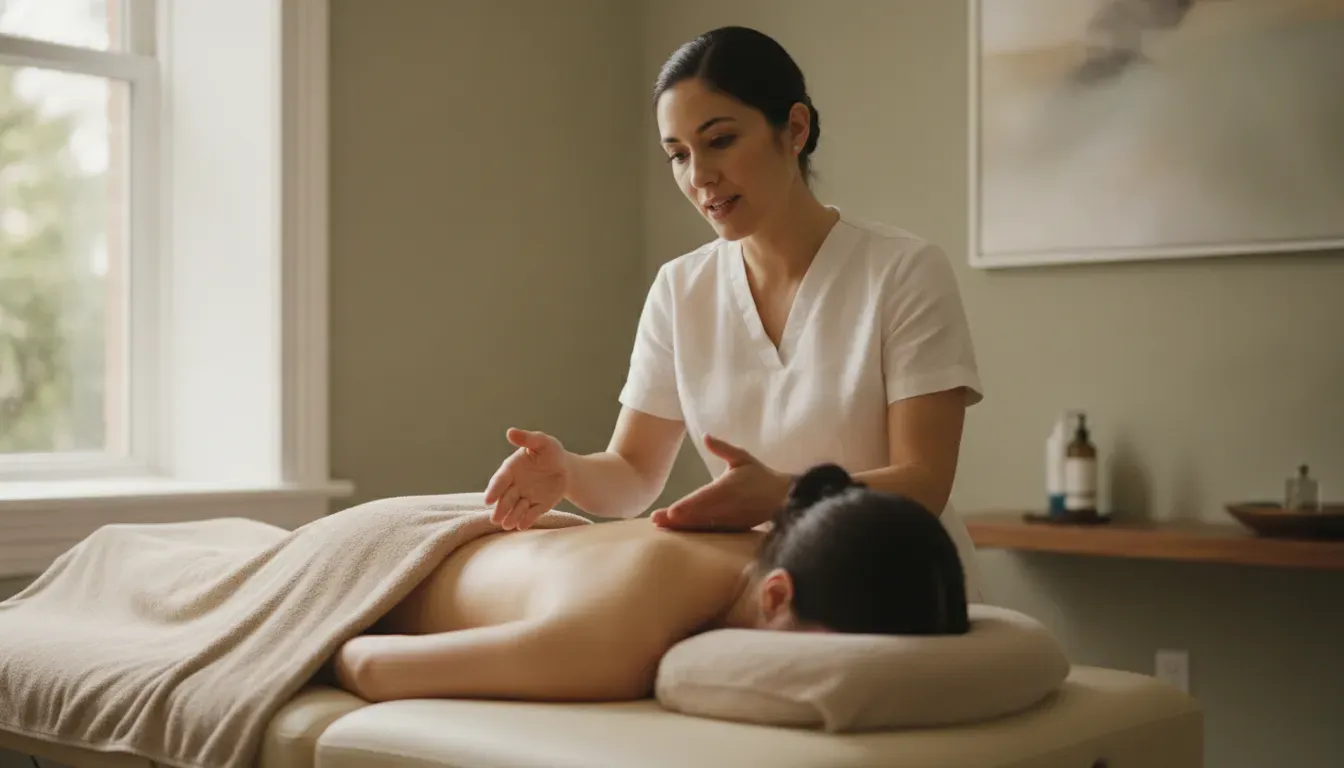

When you’re looking for relief from neck pain, it’s important to know that not all massages are the same. A fluffy spa treatment might feel good for an hour, but it rarely fixes the deep, chronic tension causing your discomfort. A therapeutic massage for neck pain, however, is a targeted treatment. It’s performed by a licensed professional who understands anatomy and can pinpoint the source of your pain. If you want real, lasting results, you need more than just a relaxing experience. This guide explains the crucial difference and shows you what to look for in a session focused on your recovery.
Key Takeaways
- Connect Your Habits to Your Pain: That persistent ache in your neck is often a direct result of your daily life—from hunching over a screen to carrying stress in your shoulders. Recognizing these patterns is the first step to breaking the cycle and finding real, lasting relief.
- Match the Massage to Your Goal: Not all massages are the same, and the best one for you depends on your specific pain. A Swedish massage is great for general stress relief, while Deep Tissue or Ashiatsu are designed to release the stubborn, deep-seated knots that cause chronic discomfort.
- Your Feedback is Key to a Great Massage: A therapeutic massage is a partnership, and your voice is essential. Always speak up about pressure levels and tender spots to ensure the treatment is effective and comfortable, turning a good massage into a truly healing experience.
Why Does My Neck Hurt?
If you’re dealing with a stiff, aching neck, you are definitely not alone. That nagging pain can show up for a lot of different reasons, turning simple movements into a chore and making it hard to focus on anything else. Most of the time, neck pain comes down to a few key culprits: the way we hold our bodies every day, the stress we carry, and injuries that catch us off guard. Understanding what’s causing the discomfort is the first step toward finding real, lasting relief. Let’s look at some of the most common reasons your neck might be hurting.
Check Your Posture and Daily Habits
Think about how much time you spend looking down at your phone or hunched over a computer. This constant forward-head posture puts a tremendous amount of strain on the muscles and vertebrae in your neck. Neck pain is a very common problem, often caused by bad posture, stress, or overusing muscles from these exact activities. Even seemingly small habits, like sleeping with the wrong pillow, carrying a heavy purse on one shoulder, or slumping on the couch, can create muscle imbalances over time. These daily patterns train your neck and shoulder muscles to stay in a tightened, unnatural position, leading to chronic stiffness and pain that needs more than a quick stretch to resolve.
Is Stress Causing Your Muscle Tension?
Ever notice that when you’re stressed, your shoulders seem to creep up toward your ears? That’s your body’s natural “fight or flight” response in action. When you’re under pressure, your muscles tense up, especially in the neck and shoulders. If that stress is constant, your muscles never get the signal to relax. This chronic tension can lead to persistent pain, stiffness, and even tension headaches that radiate from the base of your skull. It becomes a frustrating cycle: stress causes muscle tightness, and the resulting pain just adds another layer of stress. A therapeutic massage can help break this pattern by soothing the nervous system and releasing that built-up tension.
Recognizing Common Neck Injuries and Strains
Sometimes, neck pain isn’t a slow burn but the result of a specific incident. A sudden jolt from a minor car accident can cause whiplash, or maybe you overdid it at the gym and strained a muscle. Even a quick, awkward movement while lifting something heavy can be enough to cause sharp pain and limit your mobility. At the first signs of pain, tightness, or a limited range of motion in your neck, it’s a good idea to see a professional. A licensed massage therapist has the training to address these issues properly, helping to prevent an acute injury from turning into a long-term problem.
How Massage Eases Neck Pain
When your neck is stiff and achy, finding relief can feel like a full-time job. The good news is that a professional massage does more than just provide a temporary escape. It actively works with your body to address the root causes of your discomfort. Think of it as a reset button for the overworked muscles in your neck and shoulders. By applying targeted pressure and skilled techniques, a therapeutic massage helps break the cycle of pain and tension that can build up from stress, poor posture, or an old injury.
The magic of massage lies in its multi-faceted approach. It doesn’t just mask the pain; it encourages your body to heal itself from the inside out. First, it physically manipulates the soft tissues—your muscles, tendons, and ligaments—to release tightness and knots that restrict movement and cause pain. At the same time, it triggers a cascade of positive physiological responses. Your circulation improves, your nervous system calms down, and your body even starts producing its own natural painkillers. It’s a holistic process that addresses both the physical strain and the mental stress that often go hand-in-hand with chronic neck pain, helping you feel better long after you’ve left the massage table.
Better Blood Flow for Faster Healing
Tight, painful muscles are often starved for oxygen and nutrients because tension restricts blood flow. Massage therapy directly counters this by stimulating circulation in the affected areas. The kneading and pressure from a therapist’s hands act like a pump, encouraging fresh, oxygenated blood to flow into your neck muscles while helping to flush out metabolic waste products that can contribute to soreness. This improved blood flow is essential for healing, as it delivers the vital nutrients your muscle tissues need to repair and recover, helping to ease that chronic stiffness.
Releasing Tension for Total Relaxation
One of the most immediate benefits of a neck massage is the profound sense of relief that comes from releasing built-up tension. A skilled therapist can identify the specific muscles that are tight and knotted, applying steady pressure to help them relax and lengthen. This process not only eases physical discomfort but also signals to your nervous system that it’s time to calm down. As your muscles let go, your mind follows, breaking the vicious cycle where stress causes muscle tension, and that tension then creates more stress. This deep relaxation is crucial for lasting neck pain relief.
Activating Your Body’s Natural Painkillers
Your body has its own amazing system for managing pain, and massage helps activate it. The physical stimulation of a massage can prompt the release of endorphins, which are chemicals produced by the brain that act as natural painkillers. This can create a feeling of well-being and significantly reduce your perception of pain. While the relief from a single session is wonderful, it’s the consistency that creates lasting change. Regular massage therapy can help retrain your muscles, improve your range of motion, and keep chronic pain at bay, making it an effective part of any long-term wellness plan.
What Science Says About Massage for Neck Pain
When you’re in pain, you want to know that the solution you choose is actually going to work. It’s smart to look at the scientific evidence behind massage therapy for neck pain, but it’s also important to understand what that research can and can’t tell us. Scientific studies on massage can be tricky to design, and the results are not always as clear-cut as we’d like. Pain is a very personal experience, which makes it difficult to measure objectively across large groups of people. While many individuals swear by massage for their neck pain, the formal scientific community is still working to catch up and produce consistent, high-quality evidence. Let’s look at what the current research suggests and how you can use that information to make the best decision for your own well-being.
Understanding the Evidence
If you look into the clinical research, you’ll find that the evidence for massage as a treatment for neck pain is still developing. A comprehensive review of studies found that for chronic neck pain, the contribution of massage remains uncertain due to what researchers call “low-certainty evidence.” This doesn’t mean massage doesn’t work; it simply means that the studies conducted so far haven’t been consistent enough to draw a firm, universal conclusion. The effectiveness of a massage often depends heavily on the therapist’s skill, the specific techniques used, and the individual’s condition. While science seeks a one-size-fits-all answer, the reality is that therapeutic relief is often found in a personalized approach tailored just for you.
The Importance of Dose and Frequency
While the overall evidence is mixed, the research does offer a valuable clue: consistency matters. The same scientific review noted that there’s a hint that the “dose” of massage—meaning how often and for how long you receive it—can make a difference. Specifically, getting more frequent sessions, such as at least eight 30-minute massages over four weeks, might be more helpful than just a single, isolated treatment. This supports what many people with chronic pain already know from experience: a one-off massage feels great, but a regular therapeutic massage plan is what creates lasting change. Treating massage as part of an ongoing wellness routine, rather than an occasional indulgence, gives your body the consistent support it needs to heal and keep pain from returning.
The Best Professional Massages for Neck Pain
When it comes to finding relief for a sore neck, not all massages are created equal. The right approach depends on the type of pain you’re feeling, from a dull, constant ache to a sharp, specific knot. A professional massage therapist can pinpoint the source of your discomfort and use specific techniques to release tension. Let’s look at some of the most effective types of massage for neck pain, so you can choose the one that’s perfect for you.
Swedish Massage: Your Go-To for Gentle Relief
If you’re dealing with general soreness or simply need to unwind from stress-related tension, a Swedish massage is a fantastic starting point. This classic technique uses long, flowing strokes, gentle kneading, and circular movements to ease surface-level muscle tension. It’s designed to promote full-body relaxation and improve circulation, which helps deliver more oxygen and nutrients to your tired neck muscles. Think of it as a soothing reset for your body and mind. It’s an ideal choice if you’re new to massage or prefer a lighter, more gentle touch to melt away everyday stress.
Deep Tissue Massage: For Stubborn, Lasting Tension
For those stubborn knots and chronic aches that just won’t go away, a deep tissue massage offers more targeted relief. This technique goes beyond the surface to address the deeper layers of muscle and connective tissue where long-lasting tension is stored. Your therapist will use slower, more forceful strokes and direct pressure to break up adhesions, or “knots,” that can restrict movement and cause pain. While the pressure is more intense than a Swedish massage, it shouldn’t be painful. It’s incredibly effective for relieving chronic pain patterns and restoring mobility in your neck and shoulders.
Trigger Point Therapy: Targeting Those Specific Knots
Have you ever had a tiny, painful knot in your shoulder that sends a shooting pain up your neck or causes a headache? That’s a trigger point, and this specialized therapy is designed to release it. Trigger point therapy involves applying focused, sustained pressure directly to these tight spots. This deactivates the knot and interrupts the pain signals it sends to other parts of your body. It’s a highly effective method for addressing specific sources of pain, not just the symptoms. Our skilled therapists often incorporate these techniques into our therapeutic massage services to provide precise and lasting relief.
Ashiatsu Deepfeet: When You Need Intense Pressure
If you love deep pressure and feel like traditional massages sometimes don’t go deep enough, you have to try Ashiatsu. In this unique and powerful modality, the therapist uses their feet to deliver long, gliding, and incredibly deep strokes. With the help of overhead bars for balance and control, they can apply consistent, broad pressure that’s impossible to achieve with hands or elbows. This technique is perfect for releasing deeply held tension in large muscle groups like the back, shoulders, and glutes, which often contribute to neck pain. Ashiatsu Deepfeet Bar Therapy provides an intense yet soothing experience for ultimate muscle relief.
How to Give Yourself a Neck Massage at Home
While nothing can replace the targeted care of a professional massage, sometimes you need relief from a stiff neck right now. Whether you’re at your desk or unwinding at home, a few simple self-massage techniques can make a world of difference. Think of these as maintenance for your muscles, helping you manage tension between your regular appointments. These moves are easy to learn and can provide immediate relief, helping you get through your day with a little more comfort and a lot less pain.
Applying Gentle Pressure with Your Fingertips
One of the most effective ways to address neck pain is to work directly on the knots, or trigger points, that you feel. Using the fingertips of your opposite hand, gently probe the muscles on the side of your neck and the top of your shoulder to find those tender spots. Once you locate a knot, use two fingers to apply gentle, circular pressure for about a minute. You’re in control of the intensity, so press firmly enough to feel the muscle release but not so hard that it causes sharp pain. Breathe deeply as you do this to help the muscle relax.
Try Shoulder Rolls and Gentle Stretches
Often, neck pain is connected to tension in your shoulders and upper back. A great way to release this is with simple shoulder rolls. Sit or stand up straight, inhale, and lift your shoulders up toward your ears. Hold for a moment, then exhale and slowly roll them back and down, feeling the tension melt away. Repeat this five to ten times. Follow up with a gentle stretch by slowly tilting your head to one side, bringing your ear toward your shoulder until you feel a light stretch. For a deeper sensation, you can place your hand on your head and apply very light pressure. Hold for 20-30 seconds on each side.
Use a Tennis Ball to Release Pressure Points
A tennis ball can be a fantastic tool for reaching those tricky spots between your shoulder blades that contribute to neck pain. Stand with your back against a wall and place the tennis ball between the wall and a tender spot on your upper back. By bending your knees, you can roll the ball around to find specific knots. Once you find a sore area, hold firm, gentle pressure there for 20-30 seconds while you breathe deeply. This technique helps release deep-seated tension and is a great way to mimic the focused pressure you’d receive during a deep tissue massage.
Specific Techniques for Targeted Relief
Once you’re comfortable with the basics, you can start using more specific techniques to address particular problem areas. If you’re dealing with tension headaches that seem to start at the base of your skull or that one stubborn knot that lives on top of your shoulder, these targeted moves can provide focused relief. They work by honing in on the specific muscles responsible for your discomfort. Think of these as your go-to solutions for those especially frustrating aches and pains, helping you release tension right at the source.
Suboccipital Release for Tension Headaches
Many tension headaches originate from tightness in the small muscles right at the base of your skull. To release them, place your thumbs on these muscles, just below the bony ridge of your skull on either side of your spine. Gently tilt your head back into your thumbs and apply light, circular pressure for about 10 seconds. This simple move can help alleviate the tension that often leads to headaches, providing quick and effective relief when you feel one coming on.
Neck Squeeze to Loosen Tight Muscles
For the thick, meaty muscle that runs from your neck to your shoulder (your trapezius), a gentle squeeze can work wonders. Using your opposite hand, gently squeeze the muscle with your thumb and fingers, holding for 10-15 seconds before releasing. Work your way along the muscle, repeating this squeeze on different tight spots. This technique helps to manually soften the muscle fibers, encouraging them to relax and let go of stored tension.
Levator Scapula Release for Shoulder Tension
That nagging pain between your neck and shoulder blade is often caused by the levator scapula muscle. To find it, reach your opposite hand over your shoulder. Use your fingertips to stroke downwards at an angle, following the muscle from the side of your neck toward the top corner of your shoulder blade. When you find a particularly tender spot, hold gentle but firm pressure there for 20-30 seconds. Remember to take deep breaths to help the muscle relax and release under the pressure.
Tips for a Safe and Effective Self-Massage
As you explore these techniques, the most important rule is to listen to your body. The goal is to relieve pain, not create it. A little discomfort on a tight knot is normal, but you should never feel sharp, shooting, or intense pain. Keeping a few key principles in mind will ensure your self-massage is not only effective but also completely safe. These simple guidelines will help you get the most out of your efforts without risking further strain or injury.
Use Gentle Heat to Prepare Muscles
Before you start massaging your neck, take a few minutes to warm up the area. Applying gentle heat increases blood flow and helps your muscles become more pliable and receptive to massage. Simply place a warm towel or a heating pad on your neck and shoulders for about 10 minutes. This small step can make a big difference, allowing you to work into the muscle tissue more easily and effectively for better results.
Focus on Muscle, Not Bone
It’s crucial to remember that massage is for soft tissue. As you work on your neck, be mindful of where you’re applying pressure. You want to focus on the fleshy, muscular areas and avoid pressing directly on the bones of your spine. Applying pressure to your vertebrae can be painful and potentially harmful. If you’re unsure, gently feel for the hard, bony bumps of your spine and work on the softer muscles on either side of it.
When to See a Professional for Neck Pain
While self-massage and stretching can offer some temporary relief, certain types of neck pain really need a more skilled approach. It can be tough to know when to push through the discomfort and when it’s time to call in a professional. The best advice is to listen to your body. If you find that your neck pain isn’t just a minor annoyance but is starting to interfere with your life, that’s a clear signal you need more support. A licensed massage therapist has the anatomical knowledge and hands-on experience to address the root cause of your pain, not just the symptoms. They can provide targeted, effective relief that you simply can’t achieve on your own, helping you feel better faster and for longer. Choosing to see a professional isn’t giving up; it’s taking a proactive step toward healing.
When the Pain Just Won’t Go Away
We’ve all woken up with a “crick” in our neck that thankfully works itself out by the afternoon. But if your neck pain or stiffness sticks around for several days without any sign of improvement, it’s time to take it seriously. Persistent pain is your body’s way of telling you that something is wrong and needs attention. Ignoring it can sometimes lead to bigger problems down the road or turn a temporary issue into a chronic one. A professional massage can help address the underlying muscle tension and imbalances that are causing the prolonged discomfort. Getting a thorough assessment and a targeted treatment plan can make all the difference in breaking that frustrating cycle of pain.
Don’t Ignore Severe Pain, Headaches, or Numbness
Severe, sharp neck pain is a definite red flag that shouldn’t be ignored. If your pain is intense, or if it’s accompanied by other symptoms like frequent headaches, dizziness, or a tingling or numb sensation in your arms or hands, you should seek professional care. These symptoms can indicate that a nerve is being compressed or that there’s a more complex issue at play. While a therapeutic massage can be incredibly effective for the muscle tension contributing to these issues, it’s important to work with a therapist who understands how to proceed safely. They can help soothe the muscles and provide relief while ensuring your treatment is appropriate for the underlying cause.
Is Chronic Tension Disrupting Your Life?
Is your neck and shoulder tension a constant companion? If you find yourself unable to turn your head comfortably, struggling with persistent tension headaches, or feeling like your tight muscles are draining your energy, you don’t have to just live with it. Chronic tension can significantly impact your quality of life, making work, hobbies, and even simple relaxation feel like a chore. This is where professional massage truly shines. A skilled therapist can use techniques like deep tissue massage or Ashiatsu to release the deep, stubborn knots that are causing the problem. This helps you find lasting relief and get back to your daily activities without being held back by pain.
What to Expect During Your Neck Massage
Walking into a massage studio for the first time can feel a little intimidating, especially when you’re in pain. But knowing what happens during a professional session can help you relax and get the most out of your treatment. A therapeutic massage is a collaborative process focused entirely on your well-being. It’s not just about lying on a table; it’s a personalized experience designed to understand the root of your neck pain and provide targeted relief. From the moment you arrive, your therapist’s goal is to create a treatment plan that works for you, ensuring you feel comfortable, heard, and cared for throughout your entire session.
First, We’ll Talk About Your Pain
Your massage doesn’t start when you get on the table—it begins with a conversation. Before your session, your therapist will sit down with you to discuss what’s going on with your neck. This is your time to share where it hurts, what the pain feels like, and any activities that make it worse. They’ll ask about your daily habits, posture, and what you hope to achieve from the massage. This initial assessment is crucial because it allows our dedicated team of therapists to tailor the treatment specifically to your body’s needs. A great massage therapist knows that your pain is unique, and they will use this information to create a focused and effective plan for your relief.
What Techniques and Pressure Levels to Expect
Once you’re comfortable on the massage table, your therapist will use a variety of techniques to address your neck pain. For general relaxation and improved circulation, they might use the long, gentle strokes of a Swedish massage. If you have chronic knots and deep-seated tension, they’ll likely apply the firm, slow pressure of a deep tissue massage to release those tougher layers of muscle. For an even more intense and consistent pressure, Ashiatsu Deepfeet Bar Therapy uses the feet to deliver broad, deep strokes. Throughout the session, your therapist will check in with you about the pressure to make sure it’s effective but never painful. Your feedback is key to a successful massage.
Planning Your Session Length and Frequency
While a single massage can provide significant relief, consistency is often the key to managing chronic neck pain. Studies have shown that regular sessions—even just a couple of times a month—can lead to a lasting reduction in pain and an improved range of motion. During your initial consultation, your therapist can recommend an ideal session length and a treatment frequency based on your specific condition and goals. Whether it’s a 60-minute session every other week or a 90-minute session once a month, creating a regular routine helps your muscles stay relaxed and prevents tension from building back up. You can explore different massage services and session lengths to find what works best for your schedule and your body.
Neck Massage Safety: What You Need to Know
A great neck massage can feel like a total reset button for your body, but safety and communication are key to getting the results you want. Your massage should be a partnership between you and your therapist. Being an active participant in your session ensures you get effective relief without any unwanted side effects. A professional therapist will always prioritize your comfort and well-being, but they rely on your input to tailor the treatment perfectly to your body’s needs. These simple tips will help you get the most out of your massage and walk away feeling better, not sorer.
Medical Conditions to Discuss with Your Therapist
Before your therapist even begins, it’s so important to chat with them about your health history. Think of it as giving them the map to your body. Mention any recent injuries, surgeries, or chronic conditions like arthritis, herniated discs, or high blood pressure. This information isn’t just small talk; it allows your therapist to customize the session to avoid aggravating any issues. Our team of highly trained therapists uses this consultation to choose the right techniques and pressure levels, ensuring your massage is both safe and effective for your specific needs. Being upfront helps us help you.
Speak Up: Why Communication is Key
Your feedback during the massage is one of the most valuable tools we have. Please don’t ever feel like you have to quietly endure something that doesn’t feel right. If the pressure is too intense, not deep enough, or if a particular spot feels sensitive, speak up! A simple “a little less pressure there, please” or “that spot could use more work” makes a world of difference. A good therapist will check in with you, but you know your body best. This open line of communication helps us adjust our approach in real-time, making sure every part of your massage service is productive and comfortable.
Why Too Much Pressure Can Be a Bad Thing
There’s a common myth that a massage has to hurt to be effective, but that’s simply not true, especially for the delicate structures in your neck. While deep work can sometimes create a “good hurt,” outright pain is your body’s signal to stop. Too much pressure can lead to bruising, lingering soreness, or even injury. An experienced therapist knows how to work deeply to release knots without using excessive force. For a deep tissue massage, the goal is to release chronic tension, and that requires a skilled, intuitive approach—not just brute strength. Always let your therapist know if the pressure moves from intense to painful.
Add-Ons for Even Better Neck Pain Relief
A great massage is already a powerful tool for neck pain, but sometimes you need a little something extra to really get to the root of the problem. Think of enhancements as a way to supercharge your session. They work alongside your therapist’s techniques to deepen relaxation, reduce inflammation, and help your muscles release tension more effectively. When you’re dealing with chronic tightness or a particularly stubborn knot in your neck, these additions can be the key to unlocking lasting relief.
At Nola Bliss, we offer a couple of key add-ons that are particularly helpful for stubborn neck and shoulder pain. By incorporating elements like targeted heat or the anti-inflammatory properties of CBD, you can turn a great massage into an incredible one. These enhancements aren’t just about feeling good in the moment; they’re about achieving more significant, longer-lasting results. Instead of just addressing the symptoms, you’re giving your body extra tools to heal. For example, the deep, penetrating warmth from salt stones can help your muscles let go on a deeper level than pressure alone might achieve. Let’s look at how adding Hot Himalayan Salt Stones or CBD can make a real difference in your next massage.
Relax Muscles with Hot Himalayan Salt Stones
Imagine the soothing warmth of heated stones melting away the tension in your neck and shoulders. That’s the magic of a hot stone massage. The heat penetrates deep into your muscle tissue, which helps improve circulation and allows your therapist to work more effectively on tight areas. We use Himalayan salt stones, which are special because they contain dozens of trace minerals. As the warm stones glide over your skin, your body can absorb these minerals, which may help with detoxification and skin health. This combination of targeted heat and mineral benefits makes it an incredible addition for anyone with persistent muscle soreness.
Reduce Inflammation with a CBD Add-On
If your neck pain is linked to inflammation from an old injury or chronic stress, adding CBD to your massage can be a game-changer. CBD is well-known for its powerful anti-inflammatory properties. When applied topically during a massage, it gets absorbed directly into the affected muscles and joints. This helps calm the inflammatory response that often causes pain and stiffness. By reducing inflammation, CBD allows your muscles to relax more fully, helping your therapist release tension more easily and providing you with more profound and lasting relief. It’s a fantastic way to enhance any of our massage services for targeted pain management.
Therapeutic vs. Spa Massage: Which is Better for Neck Pain?
When your neck is stiff and aching, any massage sounds like a good idea. But not all massages are created equal. The experience you get at a typical day spa is often very different from a session at a therapeutic massage studio. While a spa massage focuses on general relaxation with pleasant scents and soft music, a therapeutic massage is designed to address specific physical issues, like chronic neck pain.
The right choice really comes down to your goal. If you’re looking for a light, soothing touch to unwind for an hour, a spa massage can be a wonderful treat. But if you want to find lasting relief from pain, improve your range of motion, and address the root cause of your discomfort, a therapeutic massage is the more effective path. It’s a targeted approach that prioritizes healing and functional improvement over simple pampering.
Why a Licensed Therapist’s Expertise Matters
A therapeutic massage is performed by a licensed professional who has dedicated their career to understanding the human body. These therapists have extensive training in anatomy, physiology, and various massage techniques. They know how to work on the soft tissues in your body—the muscles, tendons, and ligaments—to ease tightness and improve blood flow. This expertise is what separates a feel-good rubdown from a truly healing treatment.
At a dedicated studio, you’ll find therapists with advanced certifications who can pinpoint the source of your neck pain. They understand the complex network of muscles in your neck and shoulders and can apply precise techniques to release tension safely and effectively.
Advanced Concepts Used in Therapeutic Massage
A truly therapeutic massage goes far beyond a simple back rub. It’s a sophisticated practice grounded in a deep understanding of how the body works. A skilled therapist doesn’t just follow a routine; they use advanced concepts to assess your specific patterns of tension and create a treatment that addresses the root cause of your neck pain. This approach considers everything from your emotional stress to the intricate web of connective tissue that holds your muscles in place. It’s this level of detail and knowledge that leads to real, lasting relief.
Understanding the Mind-Body Connection
Your neck is more than just a stack of bones and muscles; it’s the physical bridge between your mind and your body. It carries vital nerve signals and blood flow, but it also carries the weight of your stress. When you’re anxious or overwhelmed, your body’s natural response is to tense up, particularly in the neck and shoulders. A therapeutic massage acknowledges this powerful mind-body connection. A skilled therapist understands that releasing the physical knots in your neck can also help soothe your nervous system, creating a feedback loop that reduces both physical pain and mental stress.
Working with Connective Tissue (Fascia)
Beneath your skin is a web of connective tissue called fascia that wraps around every muscle, bone, and organ. When you have chronic tension or an injury, this fascia can become tight and restricted, pulling on your muscles and causing pain and stiffness. A generic massage might only address the muscles, but a therapeutically-focused professional knows how to work with this fascial layer. Using specific myofascial techniques, they can gently stretch and release these restrictions, creating more space and mobility in your neck and shoulders and providing a deeper, more lasting form of relief.
Integrating Movement and Breathwork
Sometimes, the most effective way to release a tight muscle is to get you involved in the process. A therapeutic massage often incorporates active techniques where your therapist will guide you through gentle movements while they apply pressure. For example, they might hold a tender spot in your shoulder while you slowly lift your arm. This “tack and stretch” method helps lengthen and release the muscle more effectively than passive pressure alone. Similarly, focusing on deep, steady breathing during your session helps calm your nervous system, making your muscles more receptive to the massage work.
Addressing the Front of the Body to Relieve Neck Strain
It might seem counterintuitive, but the source of your neck pain is often found in the front of your body. Hours spent hunched over a desk or phone cause the muscles in your chest and the front of your shoulders to become tight and shortened. This pulls your head forward and puts a constant strain on the muscles in the back of your neck. An experienced therapist knows to look for these imbalances. By working to release tension in your chest and shoulders, they can help restore proper posture and provide significant relief to your overworked neck muscles, creating a sense of balance that lasts long after your massage session is over.
Why a Customized Treatment Plan Matters
Unlike the standardized routines often found at spas, a therapeutic session begins with a conversation. Your therapist will ask about your pain, lifestyle, and goals to create a treatment plan just for you. This personalized approach ensures the massage addresses your specific needs, whether your neck pain comes from sitting at a desk all day or an old injury.
Your therapist might combine different techniques, like Swedish and deep tissue massage, to create the perfect session. This isn’t a one-size-fits-all service; it’s a customized strategy for your body. The focus is on finding what works for you and adjusting the treatment over time to achieve the best results.
The Goal: Targeted Healing vs. General Relaxation
The ultimate goal of a therapeutic massage is to produce tangible, lasting results. While relaxation is a happy side effect, the primary focus is on reducing your pain and restoring function. Some studies show that massage can significantly lessen neck pain and improve mobility, especially when performed by a trained professional over a series of sessions.
This commitment to healing means your therapist will work with you to track your progress and suggest a schedule that supports your recovery. Instead of just a temporary escape, you get a partner in your wellness journey who is invested in helping you feel better long-term. Exploring different massage services can help you find the perfect fit for your healing goals.
Related Articles
- Ashiatsu | Nola Bliss Massage Therapy
- Red Light Therapy | Nola Bliss Massage Therapy
- Massage Services | Nola Bliss Massage Therapy
Frequently Asked Questions
My shoulders are always tight, but the pain is in my neck. Should the massage focus only on my neck? That’s a great question, and it gets to the heart of how interconnected our bodies are. Neck pain rarely exists in a vacuum. The muscles in your neck, shoulders, and upper back all work together, and tension in one area almost always affects the others. A skilled therapist will address the entire region to provide lasting relief, working on your tight shoulders and upper back to release the tension that is likely pulling on your neck and causing the pain.
I think I need a deep tissue massage, but I’m worried it will be painful. Should it hurt? This is a very common concern, and the short answer is no, a massage should not be painful. While deep tissue massage involves firm, sustained pressure to release stubborn knots, there is a big difference between effective therapeutic pressure and outright pain. You might feel some intensity or a “good hurt” as the therapist works on a tight spot, but you should always feel safe and in control. Open communication is key, so always let your therapist know if the pressure feels like too much.
How often should I get a massage to help with chronic neck pain? Finding the right frequency is a personal process, but consistency is what creates lasting change. If you’re dealing with long-term neck pain, you might find that starting with a massage every two to four weeks makes a significant difference. This allows your muscles to be retrained and prevents tension from building back up to its previous levels. Your therapist can work with you to create a schedule that fits your needs, goals, and budget.
There are so many different types of massage. How do I know which one to choose for my neck pain? You don’t have to be the expert—that’s what we’re here for! The best approach is to book a therapeutic massage and simply talk to your therapist during the initial consultation. Describe where you feel the pain, what your daily activities are like, and what kind of pressure you prefer. Based on that conversation, they will customize the session and use the techniques, whether it’s Swedish, deep tissue, or trigger point therapy, that are best suited to help you.
Is it possible for a massage to make my neck pain worse? When performed by a licensed and experienced professional, a massage is an incredibly safe and effective way to relieve neck pain. The key is to be open about your health history and any specific injuries you have. A trained therapist knows which areas to approach with caution and how to apply pressure safely. The risk of soreness or injury comes from improper technique or a lack of communication, which is why choosing a professional studio with a dedicated team is so important.