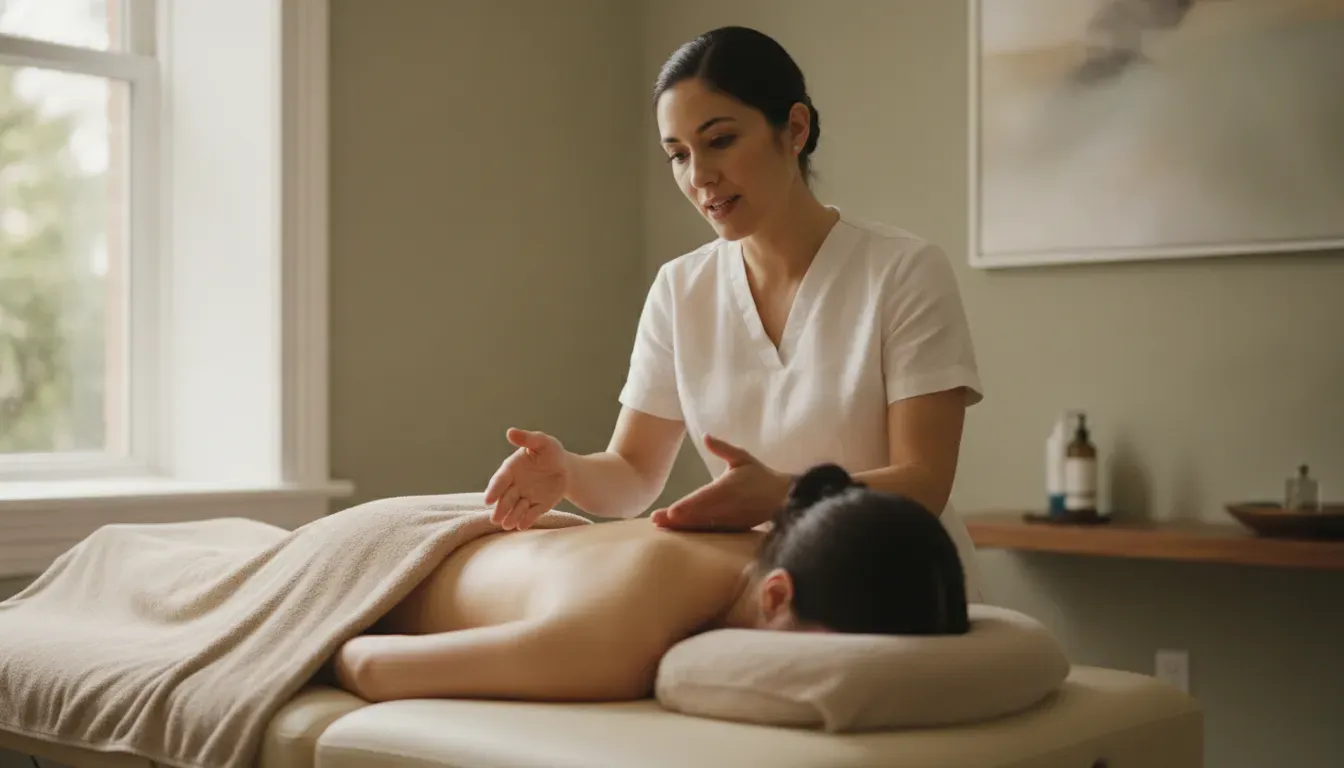

You’re the expert on your body, especially during pregnancy. When it comes to finding relief from aches and pains, choosing the right hands is everything. A standard massage just won’t cut it—you need a professional who truly understands the unique needs of a pregnant body. That’s where a certified prenatal massage therapist comes in. This guide gives you the tools to find a specialist you can trust. We’ll cover the essential questions to ask and the red flags to watch for, so you can book your session with total peace of mind.
Key Takeaways
- Confirm safety before you book: Always get the okay from your doctor, then find a therapist with a specific prenatal certification. This is the best way to ensure your massage therapist understands the unique needs of your pregnant body.
- Find relief from common pregnancy pains: A prenatal massage is designed to soothe the specific aches that come with pregnancy, like lower back pain and swollen ankles. It also helps calm your nervous system, which can lead to better sleep and a more stable mood.
- Your comfort dictates the entire session: Expect to lie on your side cushioned by pillows while your therapist uses gentle, gliding strokes. This supportive positioning relieves tension without putting any pressure on your belly or other sensitive areas.
Is Prenatal Massage Safe?
The short answer is yes, prenatal massage is generally considered safe and can be incredibly beneficial during pregnancy. However, “safe” comes with a few important conditions. Your body is going through incredible changes, and a therapeutic massage needs to adapt to support you and your baby properly. The key is to ensure the massage is performed by a trained professional who understands the specific needs and contraindications of pregnancy. This isn’t just about avoiding certain areas; it’s about using the right techniques, pressure, and positioning to address common pregnancy discomforts without posing any risk.
Think of it less as a simple luxury and more as a part of your wellness plan. To make sure you have a wonderful and safe experience, it’s all about open communication—with your doctor and your massage therapist. When you’re ready, a prenatal massage can be a fantastic way to find relief from backaches, swollen ankles, and general stress. We’ll walk through the essential safety checks to give you peace of mind before you book your appointment, so you can relax knowing you’re in good hands.
First Step: Get Your Doctor’s OK
Before you even get on the massage table, your first step should be a quick chat with your doctor or midwife. While prenatal massage is safe for most people, certain high-risk conditions might mean it’s not the right fit for you. Your healthcare provider knows your specific situation and can give you the green light. The American Pregnancy Association also recommends this as a crucial first step. Getting their approval ensures that you, your doctor, and your massage therapist are all on the same page, working together to support your health and well-being.
High-Risk Conditions That May Require a Doctor’s Note
While prenatal massage is a fantastic tool for relief, safety always comes first. Your doctor’s approval is especially important if you’re dealing with certain health concerns. For example, conditions like uncontrolled high blood pressure, preeclampsia, or a recent diagnosis of a blood clot require a conversation with your healthcare provider before you book a massage. The same goes for if you have a fever, infection, ongoing bleeding, or are experiencing severe morning sickness or dizziness on the day of your appointment. This isn’t meant to scare you, but to empower you to make the safest choice for you and your baby.
If your doctor has classified your pregnancy as high-risk or has advised you to limit your activity, getting their explicit approval for a massage is a must. This category can include things like uncontrolled gestational diabetes or issues with the placenta. A professional massage therapist will always prioritize your safety and may ask for a doctor’s note to ensure the session is beneficial and poses no risk. Think of it as a team effort—you, your doctor, and your therapist are all working together. Open communication is the best way to ensure you can relax and enjoy a safe and soothing massage.
What About Massage in the First Trimester?
You might have heard that you should wait until the second trimester for a massage, and it’s a common question we get. You can safely receive a massage at any point during your pregnancy, but some massage studios are cautious during the first 12 weeks. This isn’t because massage causes miscarriage, but because the risk of miscarriage is naturally highest during the first trimester. Many therapists simply prefer to wait to avoid any potential liability or concern. A properly trained prenatal therapist knows how to work safely during this delicate time, so it often comes down to the policies of the individual practice and your personal comfort level.
Debunking the Miscarriage Myth
Let’s clear the air about one of the biggest worries surrounding prenatal massage: the myth that it can cause a miscarriage. This is a persistent fear, but it’s important to separate fact from fiction. The reality is that research shows no direct link between a professional prenatal massage and miscarriage. Miscarriages, especially in the first trimester, are most often caused by chromosomal issues or other underlying health factors that are completely unrelated to massage. A certified prenatal massage therapist is trained in the specific anatomy and needs of a pregnant body, ensuring every technique used is safe for both you and your baby. Their expertise is focused on providing relief and relaxation, not on applying any kind of pressure that would be harmful.
When to Postpone Your Massage
While a prenatal massage is a fantastic tool for self-care, your health and safety always come first. There are specific situations where it’s best to postpone your appointment. If you have uncontrolled high blood pressure, preeclampsia, or have been diagnosed with a recent blood clot, you should wait. You should also reschedule if you are showing any signs of early labor, have a fever, an infection, or are experiencing ongoing bleeding. Even severe morning sickness or dizziness on the day of your session is a good reason to call and wait for a better day. Listening to your body is key, and a professional massage studio will always understand and support your decision to prioritize your well-being.
Staying Safe During Your Massage
This is non-negotiable: always choose a certified prenatal massage therapist. This isn’t the time for a general massage with a few modifications. A certified therapist has completed specialized training to understand the anatomy and physiology of a pregnant body. They know which techniques to use, how to position you safely and comfortably, and which areas to avoid, like applying deep pressure to the lower back. Our team of licensed massage therapists has the dedicated training and experience to provide a safe, effective, and deeply relaxing massage tailored specifically for expectant mothers.
What Are the Benefits of Prenatal Massage?
Pregnancy is an incredible journey, but it asks a lot of your body. As you focus on growing a healthy baby, it’s just as important to take care of yourself. A prenatal massage is more than just a relaxing treat; it’s a form of therapeutic bodywork designed to support you through the physical and emotional changes of pregnancy. From easing sore muscles to helping you get a better night’s sleep, the right massage can make a world of difference.
Regular massage therapy during pregnancy can help you feel more comfortable and prepared for the changes ahead. According to the American Pregnancy Association, prenatal massage offers a wide range of benefits, including improved labor outcomes and newborn health. It’s a dedicated time for you to rest, recharge, and connect with your changing body, all while receiving targeted relief from a trained professional who understands the specific needs of expectant mothers. Let’s look at some of the key ways it can help.
Ease Pregnancy Aches and Pains
As your baby grows, your center of gravity shifts, putting new stress on your back, neck, hips, and abdominal muscles. This often leads to aches and pains that can make daily life uncomfortable. Prenatal massage directly addresses this discomfort by targeting areas of tension. A skilled therapist can help relieve muscle soreness and joint pain, especially in the lower back and sciatic nerve area. By gently manipulating soft tissues, massage helps release tightness and gives you some much-needed physical relief, making it easier to move through your day with less pain.
Targeting Common Trouble Spots: Hips, Glutes, and Feet
While lower back pain gets a lot of the spotlight, your hips, glutes, and feet are also putting in serious work to support your changing body. As your pelvis naturally widens to prepare for childbirth, the muscles around your hips and glutes can become tight and strained. This tension is often the culprit behind sciatic nerve pain—that sharp, shooting feeling that can travel down your leg. A great therapist knows to focus on these areas, gently releasing that tightness. They’ll also give much-needed attention to your feet and ankles, which often swell from carrying extra weight. A prenatal massage that targets these specific trouble spots can provide incredible relief, helping you feel more stable and comfortable.
Less Stress, More Sleep
It’s common to feel anxious or stressed during pregnancy, and these feelings can make it hard to get the restorative sleep you need. Massage is a wonderful way to calm your nervous system. It helps lower levels of stress hormones like cortisol while encouraging the production of feel-good hormones like serotonin and dopamine. This natural mood shift not only helps you feel more relaxed and centered during the day but can also lead to deeper, more restful sleep at night. It’s a simple, effective way to manage stress and prioritize your well-being.
Support Healthy Circulation and Reduce Swelling
Many women experience swelling in their legs, ankles, and feet during pregnancy, a condition known as edema. This happens because your body retains more fluid, and the pressure from your growing uterus can affect blood flow. Prenatal massage helps stimulate circulation throughout your body and reduces fluid collection in swollen joints. By encouraging the movement of fluid through your lymphatic system, a gentle massage can provide significant relief from uncomfortable swelling. Better circulation also means more oxygen and nutrients are delivered to both you and your baby.
Improving Blood Flow for You and Your Baby
This improved circulation does more than just ease swelling—it plays a crucial role in your baby’s development. Think of your circulatory system as the ultimate delivery service. When blood flows more freely, it carries more oxygen and essential nutrients through the placenta to your baby, supporting their healthy growth. At the same time, it ensures your own organs and muscles get what they need to handle the increased demands of pregnancy. A professional prenatal massage is a gentle yet effective way to encourage this vital exchange, helping you feel confident that you’re supporting your baby’s well-being from the very start.
Keep Your Hormones (and Mood) in Check
Hormonal fluctuations are a normal part of pregnancy, but they can sometimes lead to mood swings and feelings of depression or anxiety. Research shows that massage therapy can have a positive effect on your hormonal balance. By promoting relaxation and reducing stress hormones, regular prenatal massages can contribute to a more stable mood. Think of it as a supportive tool for your emotional health, helping you feel more grounded and positive as you prepare for your baby’s arrival. It’s a proactive way to care for your mental well-being during this transformative time.
Support for Pregnancy-Related Health Conditions
Beyond the usual muscle tension, pregnancy can sometimes trigger more specific health concerns like sciatica, carpal tunnel syndrome, and significant swelling (edema). A targeted prenatal massage can provide significant relief by addressing the root of the discomfort. For sciatic pain, a skilled therapist can focus on releasing tension in the muscles of the lower back, hips, and glutes to reduce pressure on the sciatic nerve. Similarly, gentle, rhythmic strokes can help reduce swelling in your legs and feet by encouraging lymphatic drainage and improving circulation. It’s a proactive way to manage these conditions and feel more comfortable in your body as you progress through your pregnancy.
What Massage Techniques Are Best During Pregnancy?
When you’re pregnant, your body is doing incredible work, and a standard massage just won’t cut it. A trained prenatal massage therapist understands the specific anatomical changes you’re going through and uses techniques that are both safe and effective for you and your baby. It’s not just about avoiding certain areas; it’s about applying the right methods to provide relief where you need it most.
The focus shifts from aggressive muscle work to gentle, supportive care. Your therapist will use specific strokes and positioning to ease tension in your lower back, hips, and legs without putting any strain on your belly or compromising circulation. From the type of pressure to the way you lie on the table, every detail is adjusted to support a healthy pregnancy. At Nola Bliss, our therapists are highly experienced in prenatal massage and know exactly how to adapt their skills to meet your unique needs during this special time.
Swedish Massage: Your Go-To for Gentle Relief
If you’re looking for the gold standard in prenatal massage, look no further than Swedish massage. This technique is widely recommended for pregnant women because it uses long, gliding strokes and gentle kneading to soothe sore muscles. According to the American Pregnancy Association, Swedish massage is the preferred method during pregnancy because it helps relax muscle tension and improve circulation—two things every expectant mother can appreciate. It’s the perfect way to address common pregnancy discomforts like an aching back or tired legs without using deep, intense pressure. Our therapists can incorporate these gentle techniques into your session to help you feel relaxed and refreshed.
How Lymphatic Drainage Eases Swelling
Swollen feet and ankles are a classic pregnancy complaint, especially as you get further along. This is where manual lymphatic drainage can be a game-changer. This specialized technique involves very light, rhythmic strokes that encourage the movement of lymph fluids throughout the body. By gently guiding excess fluid away from your extremities and back toward the heart, your therapist can help reduce uncomfortable swelling, also known as edema. It’s an incredibly soothing and effective way to find relief. This gentle approach is designed to support your body’s natural processes, helping you feel lighter and more comfortable in your own skin.
Why You’ll Be Lying on Your Side
Forget lying on your stomach or flat on your back. During a prenatal massage, the safest and most comfortable way to receive treatment is by lying on your side. This position takes all the pressure off your abdomen and the major blood vessels that supply oxygen to your baby. Your therapist will use a system of soft pillows and bolsters to support your head, knees, and growing belly, ensuring you’re perfectly cushioned and aligned. This allows you to fully relax while your therapist works on your back, hips, and shoulders. It’s a simple adjustment that makes a world of difference for your comfort and safety.
Why Gentle Pressure Is Key
While you might love a deep tissue massage when you’re not pregnant, pregnancy calls for a much gentler touch. The goal of a prenatal massage is to soothe and relax, not to perform intensive muscle work. Your therapist will use long, gentle strokes with flat hands to ease tension without being too forceful. This is because your body is more sensitive, and high levels of pressure in certain areas can be risky. That doesn’t mean the massage won’t be effective. A skilled therapist knows how to use gentle but firm pressure to relieve pain and help you unwind safely.
Other Gentle and Effective Techniques
Beyond the broad strokes of Swedish massage, a skilled therapist will use a variety of gentle methods to address your specific needs. The focus is always on providing effective relief without causing stress to your body. This might include targeted work on areas of tension, like the lower back, hips, and shoulders, using gentle manipulation of soft tissues to release tightness. Techniques that focus on the sciatic nerve area can be particularly helpful for relieving the sharp, radiating pain that many experience during pregnancy. The goal is to give you some much-needed physical relief, making it easier to move through your day with less pain and more comfort.
Can Prenatal Massage Use Firm Pressure?
This is a great question, and the answer requires a little clarification. While a traditional deep tissue massage is not safe during pregnancy, that doesn’t mean your massage has to be feather-light. A certified prenatal therapist knows how to apply firm, consistent pressure that is both safe and effective for relieving muscle tension. The key difference is that the pressure is applied broadly—using the palm or forearm—rather than with pointed tools like thumbs or elbows. This approach soothes sore muscles without putting intense, localized pressure on sensitive areas. Always communicate with your therapist; if you’d like more or less pressure, just say so. They can adjust to find that perfect balance of comfort and relief.
Which Areas Should a Therapist Avoid?
While a prenatal massage is one of the best things you can do for your changing body, it’s not the same as a standard massage. A properly trained therapist understands the anatomy and physiology of pregnancy and knows that certain areas require a much lighter touch or should be avoided completely. This isn’t to scare you, but to empower you. Knowing what to expect helps you relax and trust that you’re in good hands.
The key is working with a therapist who has specialized training in prenatal care. They are skilled in providing relief while ensuring the safety and comfort of both you and your baby. They know which techniques to use and, just as importantly, which areas to handle with extra caution. This specialized knowledge is what makes a prenatal massage so different and so beneficial. At Nola Bliss, our team of therapists has the dedicated training and experience to provide a safe, soothing, and effective massage at every stage of your pregnancy.
Pressure Points to Avoid During Pregnancy
You may have heard that certain pressure points can induce labor, and there is some truth to that. Specific points on the body are thought to stimulate the uterus, which is why a certified prenatal massage therapist will carefully avoid them. These areas include points around your ankles and in the webbing between your thumb and index finger. Deep, targeted pressure on the tops of the shoulders is also avoided. A knowledgeable therapist will use broad, gentle strokes in these areas instead of deep, focused pressure, ensuring your massage is purely for relaxation and relief, not for kick-starting labor before its time.
A Gentle Approach to the Belly and Inner Thighs
Your belly is obviously a sensitive area that requires special care. While a light, gentle stroke on the abdomen can be comforting and help you connect with your baby, your therapist will never apply deep pressure. The focus is on your comfort and the safety of your uterus. Additionally, your therapist will use caution when massaging your inner thighs and calves. During pregnancy, your blood volume increases, which can raise the risk of blood clots in the legs. Deep pressure in these areas could potentially dislodge a clot, so your therapist will use light, sweeping motions to promote circulation without posing any risk.
Finding a Safe and Comfortable Position
How you’re positioned on the massage table is crucial for safety and comfort. Lying flat on your back, especially after the first trimester, can put pressure on a major blood vessel, which can reduce blood flow to your baby and make you feel dizzy. That’s why the safest and most comfortable position for a prenatal massage is lying on your side. Your therapist will use a variety of pillows, cushions, and bolsters to support your head, knees, and growing belly. This setup takes all the pressure off your low back and hips, allowing you to fully relax and let go of tension.
Positioning Options: Side-Lying vs. Special Cushions
The most widely used and recommended position for a prenatal massage is side-lying. Your therapist will have you lie on your side and will strategically place pillows and bolsters to support your head, knees, and growing belly. This setup isn’t just about comfort; it’s a crucial safety measure. It ensures your spine stays aligned, takes all pressure off your abdomen, and prevents the weight of the uterus from compressing major blood vessels. This position allows you to relax completely while giving your therapist easy access to your back, hips, and shoulders—all the spots that need attention.
Some studios use special massage cushions or tables with cutouts that allow you to lie face-down. While the idea of lying on your stomach might sound appealing, many prenatal specialists prefer the side-lying position because it offers better support for the uterine ligaments and guarantees no pressure is placed on the abdomen. A skilled therapist will always prioritize your comfort and safety, and they will use the positioning method that best supports you and your baby throughout the session.
When Is the Best Time to Get a Prenatal Massage?
One of the most common questions we hear is about the right time to start getting massages during pregnancy. The great news is that for most people with low-risk pregnancies, a prenatal massage is safe and beneficial during all three trimesters. The “best” time really comes down to your personal comfort, what your body is telling you, and the advice of your healthcare provider.
Many people feel most comfortable starting in the second trimester, once the initial fatigue and morning sickness of early pregnancy have passed. Others find that gentle massage helps them through those challenging first few months. As you move into the third trimester, regular massages can become an essential tool for managing the aches and pains that come with carrying a growing baby. The key is to listen to your body and work with a certified therapist who understands the unique needs of each stage of pregnancy.
The Second Trimester: Your Sweet Spot
Many expecting parents consider the second trimester—weeks 13 through 26—the sweet spot for prenatal massage. By this point, the initial discomforts of the first trimester have often faded, and you’re likely feeling more energetic. This is a wonderful window to begin a regular massage routine to address the new aches that might be cropping up in your back, hips, and shoulders as your body changes.
Starting in the second trimester helps you proactively manage tension before it becomes more intense later in pregnancy. It’s a perfect time to connect with your body and find relief, setting a foundation for comfort as you head into the final stretch.
How Often to Book in the Third Trimester
As you enter the third trimester, from week 27 onward, you might notice an increase in physical discomfort. Issues like lower back pain, swollen feet, and sciatica can become more pronounced. This is when more frequent massages can make a significant difference in your overall well-being. Many of our clients find that booking a session every week or every other week helps them stay comfortable and sleep better during these final months.
Of course, the ideal frequency is unique to you. Pay attention to how you feel and schedule appointments as you need them. A regular massage can be a vital part of your self-care routine as you prepare for delivery.
A Trimester-by-Trimester Guide
No matter where you are in your pregnancy journey, a few key tips will help you have a safe and relaxing experience. First and foremost, it’s always a good idea to talk to your healthcare provider before beginning any massage therapy, especially if you have a high-risk pregnancy or other health concerns.
Once you have the go-ahead, be sure to choose a licensed massage therapist with specialized certification in prenatal techniques. They will know how to position you safely and avoid any pressure points that aren’t recommended during pregnancy. At Nola Bliss, our therapists are highly trained to provide the expert care you and your baby deserve.
Massage to Encourage Labor (After Your Due Date)
As your due date comes and goes, it’s completely normal to feel impatient and start looking for safe, natural ways to encourage labor to begin. You might have heard that massage can help, and while it’s not a guaranteed induction method, there is a basis for this idea. A specialized massage can help your body relax and prepare for labor by focusing on specific acupressure points that are typically avoided during a standard prenatal massage. This isn’t about forcing anything, but rather gently encouraging your body’s natural readiness when the time is right.
The key here is timing and expertise. A certified prenatal therapist will only consider this approach after you are past your due date and have received explicit approval from your doctor or midwife. The same pressure points that are carefully avoided throughout pregnancy—like those around the ankles and in the webbing of the hand—may be gently stimulated to encourage uterine contractions. This must be done by a professional who understands the precise locations and appropriate techniques. It’s a delicate process aimed at supporting your body, not overriding it, ensuring both you and your baby remain safe and comfortable.
How to Find a Qualified Prenatal Massage Therapist
Finding the right massage therapist is always important, but during pregnancy, it’s essential. You’re not just looking for someone who can soothe sore muscles; you need a professional who understands the unique physical changes and needs of a pregnant body. The right therapist will know how to position you safely, which techniques to use, and what areas to avoid, ensuring a session that is both relaxing and completely safe for you and your baby. Taking a few extra steps to vet your therapist will give you the peace of mind to fully unwind and enjoy the experience.
Why Certification Matters
When you’re searching for a therapist, your first filter should be for certification. It’s best to always choose a certified prenatal massage therapist. These professionals have completed specialized training beyond standard massage school, focusing on the anatomy and physiology of pregnant women. This education ensures they understand the specific needs, contraindications, and safety considerations for every trimester. At Nola Bliss, our licensed massage therapists are experienced in providing safe and effective prenatal massage to support you through your pregnancy journey. A certification isn’t just a credential; it’s your assurance that your therapist knows exactly how to care for you.
Look for Extensive Experience and Specialization
Certification is the essential first step, but experience is what truly refines a therapist’s skill. A therapist who regularly works with pregnant clients has a deeper understanding of the common aches and pains that arise during each trimester. They’ve seen it all—from sciatica flare-ups to persistent lower back pain—and know how to adapt their techniques for your specific needs. This isn’t just about following a protocol; it’s about intuitive, responsive care. Look for a studio where prenatal massage is a core offering, not just an add-on. This specialization means the therapist has dedicated their practice to understanding the unique physiology of a pregnant body, providing a level of confidence and safety that allows you to fully relax.
Questions to Ask Before You Book
Before you even schedule an appointment, it’s a great idea to talk to your doctor or midwife. They can give you the green light and advise you based on your personal health history. Once you’re cleared, don’t hesitate to ask the massage studio a few questions. You can inquire about their therapists’ specific prenatal certifications and experience. Ask what kind of bolsters and pillows they use to support your body, as proper positioning is key to your comfort and safety. A professional studio will be happy to answer all your questions and help you feel confident in your choice.
Inquiring About Products and Techniques
It’s also smart to ask about the specific products and techniques they’ll use during your session. Feel free to inquire about the massage oils or lotions to ensure they are unscented or use only pregnancy-safe essential oils. A professional therapist will be happy to confirm their products are free from anything that could be irritating or harmful. You can also ask them to describe the techniques they use for a prenatal massage. This will give you a clear idea of what to expect—typically gentle, gliding strokes and supportive side-lying positions, rather than the deep pressure you might be used to. This conversation helps build trust and ensures your experience is tailored to your needs.
Red Flags to Watch Out For
While prenatal massage is safe for most people, there are certain situations where you should proceed with caution. It’s best to avoid massage or get explicit approval from your doctor if you have a high-risk pregnancy, preeclampsia, high blood pressure, severe swelling, or a history of early labor. The American Pregnancy Association provides a great overview of these considerations. Your safety is the top priority, so open communication with both your healthcare provider and your massage therapist is crucial. A qualified therapist will always conduct a thorough intake to ensure a massage is appropriate for you.
What to Expect During Your Appointment
Knowing what to expect can help you relax and get the most out of your session. A professional prenatal massage is all about ensuring your safety and comfort while addressing your specific needs. From the moment you walk in, your therapist’s goal is to create a supportive and soothing environment for you and your baby. The session will be tailored to your stage of pregnancy, focusing on areas of discomfort like your lower back, hips, and legs. Your therapist will use techniques that are both safe and effective for expectant mothers, helping to relieve muscle tension, reduce swelling, and improve your overall sense of well-being.
Remember, this time is for you. It’s a chance to disconnect from the stresses of daily life and connect with your changing body. Don’t hesitate to communicate with your therapist before and during the massage. They are trained professionals dedicated to making your experience as beneficial as possible. Whether it’s your first prenatal massage or you’re a seasoned pro, every appointment is an opportunity to find some much-needed relief and support during this special time.
Don’t Be Shy: Speak Up About Your Needs
Open communication is the key to a great massage. Before your session begins, your therapist will discuss your health history and any specific concerns you have. Be sure to mention any areas of pain, sensitivity, or swelling. It’s also a good idea to talk with your doctor or midwife before your appointment to address any specific health considerations. Always let your therapist know what feels good and if you need the pressure adjusted at any point. Our therapists are certified specialists who understand the unique needs of pregnant clients, so your feedback helps them customize the session perfectly for you.
Pillows, Bolsters, and Getting Comfortable
Your comfort is the top priority. During a prenatal massage, you will be positioned on your side, not on your stomach or flat on your back. This side-lying position is the safest and most comfortable way to receive a massage during pregnancy, as it prevents putting pressure on your abdomen and major blood vessels. Your therapist will use a variety of pillows and bolsters to create a supportive nest for your body. Expect to have pillows placed under your head, between your knees, and along your belly to relieve pressure on your back and hips. This setup ensures your spine stays aligned and you can fully relax without any strain.
What to Do After Your Massage
After your session, take a few moments to slowly get up from the table. It’s common to feel a little lightheaded, so there’s no need to rush. Drinking plenty of water is important to help your body flush out any toxins released from your muscles. Try to schedule some downtime to let the benefits of the massage sink in. As you plan for the future, you might consider a postpartum massage to support your body’s recovery. You can typically get one as soon as you feel comfortable, though it’s always best to check with your doctor. Many couples also enjoy a couples massage as a way to connect before the baby arrives.
Continuing Your Wellness Journey Postpartum
After your baby arrives, the focus naturally shifts, but the need for self-care becomes more important than ever. The postpartum period is a time of immense physical and emotional adjustment, and continuing with therapeutic massage can be a powerful tool for recovery. Just as it helped ease pregnancy aches, a postpartum massage can address the new strains on your body from labor, delivery, and caring for a newborn. A skilled therapist can help relieve muscle soreness in your back, shoulders, and hips, and support your body as it heals. It’s a dedicated hour to help you reconnect with yourself and honor the incredible work your body has done.
Beyond the physical relief, postpartum massage is incredibly beneficial for your emotional well-being. The hormonal shifts after birth can be intense, and massage is proven to help lower stress hormones like cortisol while encouraging the production of mood-stabilizing serotonin and dopamine. This can be a huge support in managing postpartum mood swings or anxiety. Once your doctor gives you the okay, you can schedule a session as soon as you feel comfortable. The same trusted therapists who supported you during pregnancy can continue to provide tailored massage services to help you feel more like yourself again, ensuring you have the strength and calm to enjoy this new chapter.
Related Articles
Frequently Asked Questions
Is it true I should wait until my second trimester to get a massage? You can safely get a massage at any point in your pregnancy, as long as you have your doctor’s approval. The idea of waiting until the second trimester is mostly a precaution some studios take because the risk of miscarriage is naturally highest in the first 12 weeks. A properly trained therapist knows how to work safely during this time, so it really comes down to the studio’s policy and your own comfort level.
Will a prenatal massage actually help my back pain if it’s so gentle? Absolutely. “Gentle” doesn’t mean the massage won’t be effective. Instead of using the deep, pointed pressure you might be used to, a prenatal therapist uses broad, soothing strokes and specific techniques to release tension in your back, hips, and shoulders. The focus is on providing relief in a way that supports your changing body and keeps your baby safe, and a skilled therapist can accomplish a lot without being forceful.
What makes a prenatal massage different from a regular deep tissue or Swedish massage? The main differences come down to safety and specialization. During a prenatal massage, you’ll be positioned on your side with plenty of pillows for support, rather than lying on your stomach or back. Your therapist will also use modified techniques, avoiding deep pressure on certain areas like your legs and specific pressure points. The entire session is tailored to address common pregnancy discomforts while ensuring total safety for you and your baby.
What if I have a high-risk pregnancy? Can I still get a massage? This is a conversation you must have with your doctor or midwife. While prenatal massage is safe for most people, conditions like preeclampsia, high blood pressure, or other complications may mean it isn’t right for you. Your healthcare provider is the only one who can give you the green light, so please consult them before booking an appointment. Your safety is everyone’s top priority.
Can I book a prenatal massage as part of a couples massage? Yes, you absolutely can! A couples massage is a wonderful way to connect with your partner before the baby arrives. You would receive a specialized prenatal massage from a certified therapist, while your partner can choose any service they like, such as a deep tissue or Swedish massage. You’ll both be in the same room, enjoying a relaxing experience together.