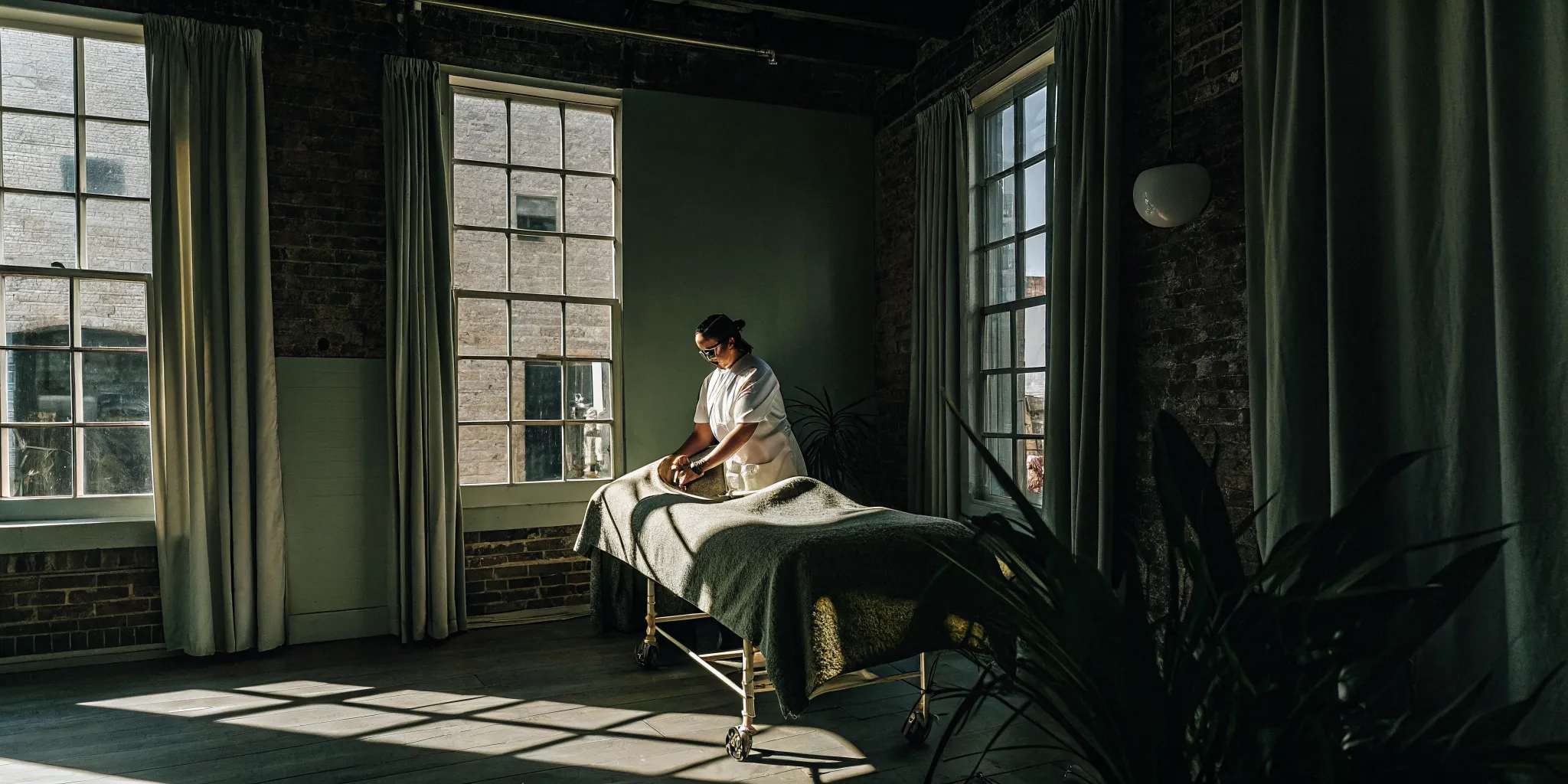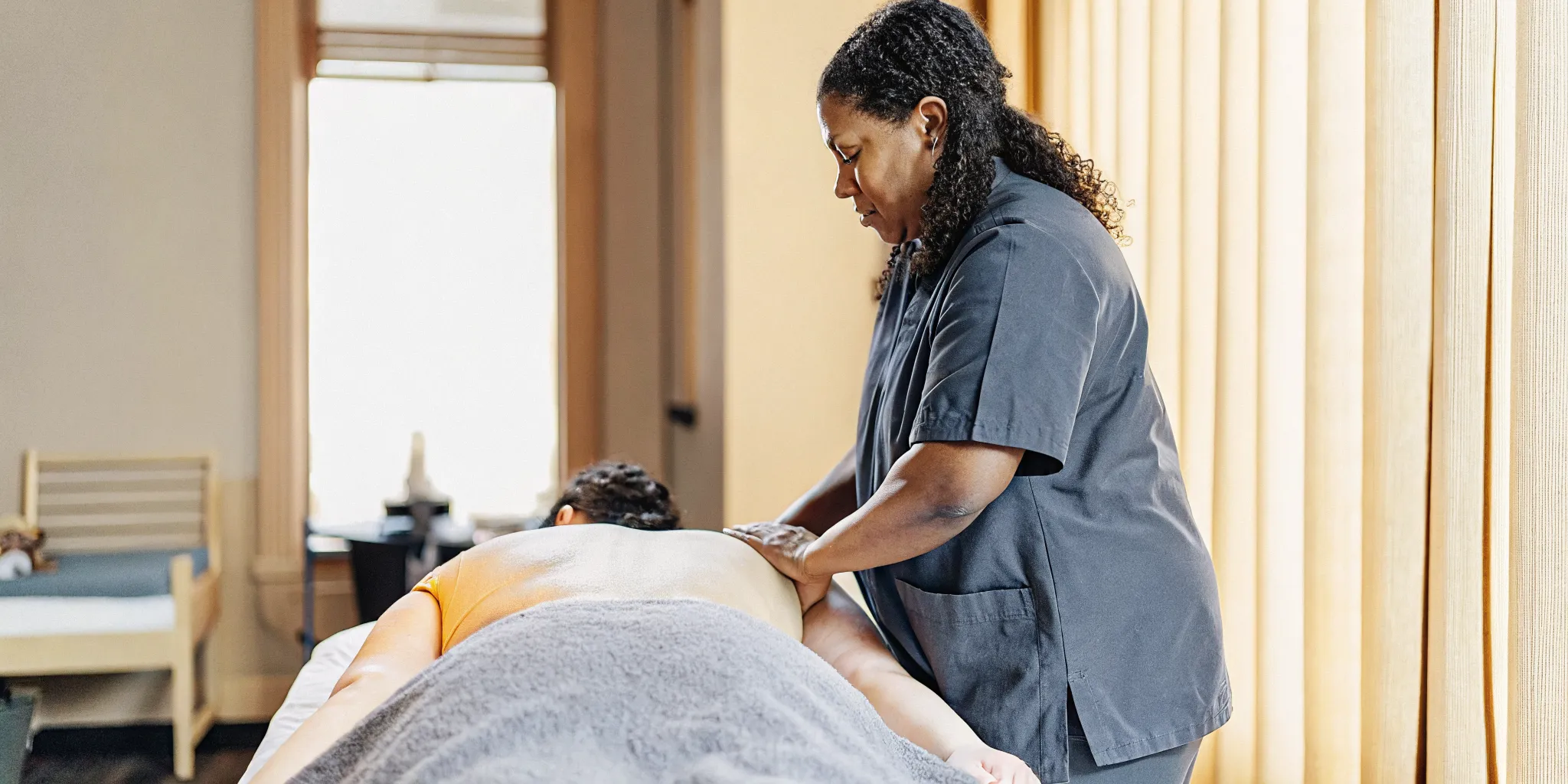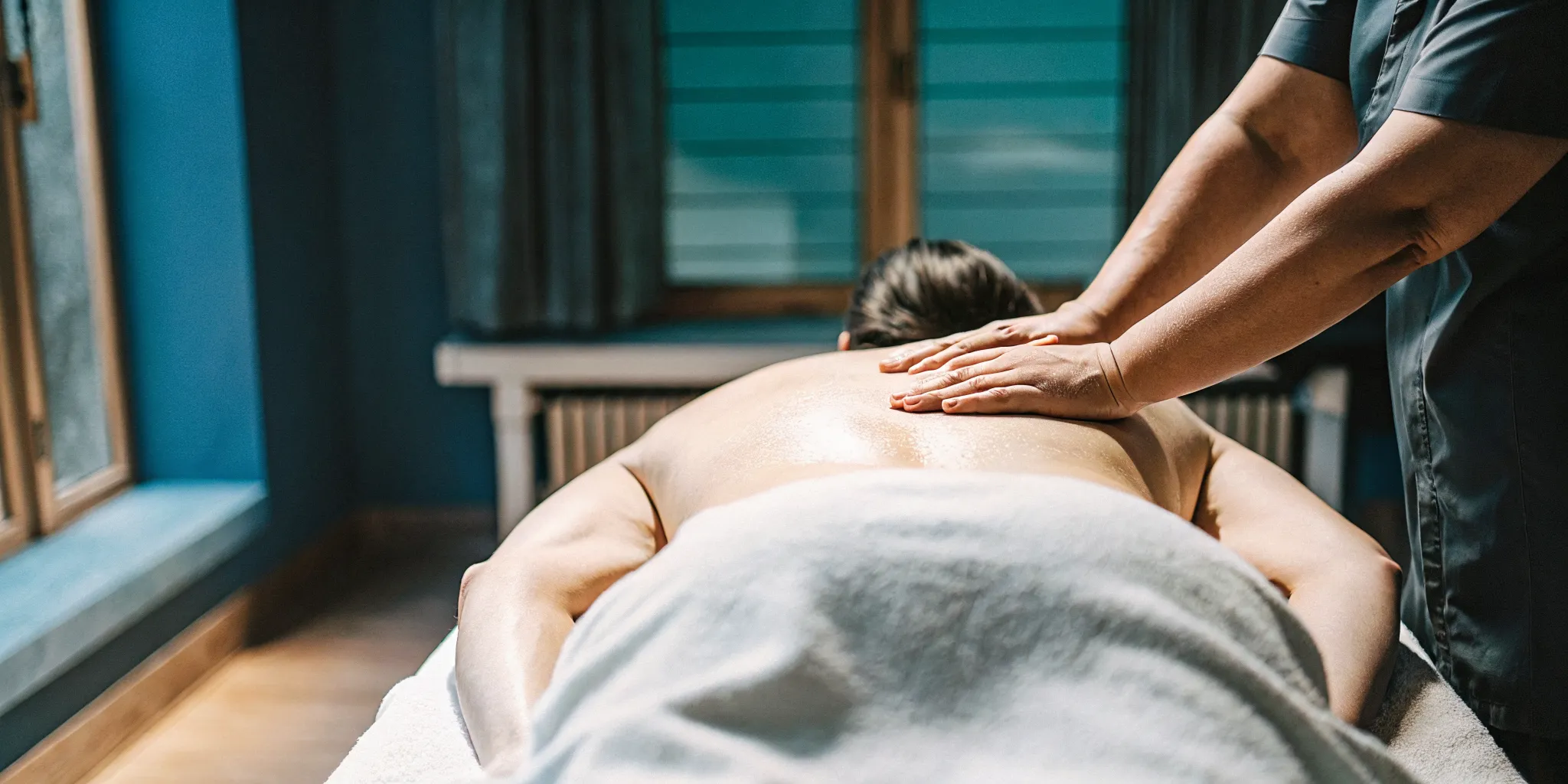

Running in New Orleans is a unique challenge. You’re dodging streetcar tracks on St. Charles and battling that infamous humidity along the lakefront. All that heat and hard pavement takes a serious toll on your body. To stay healthy and perform your best, your recovery plan needs to be as dedicated as your training. That’s where a professional massage for runners’ legs comes in. It’s one of the smartest moves you can make to combat the inflammation and tightness caused by our city’s demanding environment, keeping you injury-free for the Crescent City Classic or just a simple jog through City Park.
Key Takeaways
- View massage as a performance tool: Regular sessions are a crucial part of your training plan that helps speed up recovery, improve your range of motion, and address minor aches before they sideline you with an injury.
- Time your massage to match your training: Schedule lighter, relaxing massages three to five days before a race to loosen muscles, and use deeper techniques like Deep Tissue or Ashiatsu for recovery after tough workouts or during peak training weeks.
- Combine professional expertise with daily self-care: Find a licensed therapist who understands runners for targeted treatment, and use tools like foam rollers at home to manage day-to-day tightness and maintain your muscles between appointments.
Why Your Runner’s Legs Need a Massage
If you’re a runner, you know the sport is a conversation between your body and the pavement. Some days it’s a friendly chat; other days, it’s a full-blown argument. Whether you’re logging miles along the Mississippi River or training for the Crescent City Classic, your legs, hips, and back take a pounding. While stretching and foam rolling are essential, adding professional massage to your routine is one of the best things you can do for your performance, recovery, and longevity in the sport.
Think of massage not as an occasional treat, but as a vital part of your training plan. It’s a tool that helps you listen to your body, address small issues before they become major injuries, and recover faster so you can get back to doing what you love. Regular massage therapy can help you maintain your body, much like a tune-up for a car, ensuring all parts are working together smoothly. From improving circulation to calming your pre-race jitters, the benefits are too significant to ignore.
Recover Faster Between Runs
After a long or intense run, your muscles are screaming for relief. That feeling of soreness is a sign of micro-tears and inflammation, which is a normal part of getting stronger. Massage therapy can significantly shorten your recovery time by boosting blood flow to your tired muscles. This increased circulation acts like a delivery service, bringing fresh oxygen and nutrients to the tissue while carrying away metabolic waste products. As one physical therapy clinic explains, this process helps tight muscles relax and heal faster, meaning you’ll feel less sore and be ready for your next run sooner.
Ease Post-Run Aches and Pains
We’ve all been there: the day after a tough workout when even walking down the stairs feels like a monumental task. This is often due to Delayed Onset Muscle Soreness (DOMS). A targeted massage can work wonders on those tender spots, easing tension and reducing that deep ache. Whether you opt for the long, gliding strokes of a Swedish massage or the more intense focus of a deep tissue session, the goal is to release tightness and restore comfort. According to running experts at Runners Connect, regular massage is a proven way to manage muscle soreness and address the chronic aches that can come with consistent training.
Improve Your Flexibility and Stride
Running is a repetitive motion that can lead to tight hamstrings, hip flexors, and calves. Over time, this tightness can shorten your stride and limit your mobility, making your form less efficient and increasing your risk of injury. Massage therapy works by breaking down adhesions in the muscle tissue and lengthening the muscle fibers. This helps restore your flexibility and improves your overall range of motion. With more mobile joints and supple muscles, you can achieve a more powerful and fluid running stride, helping you train more effectively and run with greater ease.
Run Stronger and Prevent Injuries
The best way to deal with an injury is to prevent it from happening in the first place. Massage is a proactive tool that helps you stay ahead of potential problems. A skilled therapist can identify and release tight spots or trigger points before they develop into full-blown injuries like IT band syndrome, shin splints, or plantar fasciitis. By keeping your muscles balanced and flexible, massage addresses the underlying causes of many common running ailments. For deep, consistent pressure that can tackle stubborn tension, many runners find that Ashiatsu therapy is especially effective at keeping their bodies in prime condition.
Reset Your Mind for Your Next Run
The mental side of running is just as important as the physical. The pressure of training schedules, performance goals, and race-day nerves can take a toll. A massage offers a quiet, dedicated space to disconnect from the stress and focus on your body. The relaxing environment and therapeutic touch help lower cortisol levels, calm the nervous system, and promote a sense of well-being. This mental reset can improve your focus during training and help you approach your next race with a clear, confident mindset. Taking the time to care for your mind is a crucial part of any successful runner’s journey.
Understanding the Principles of a Runner’s Massage
A truly effective massage for a runner goes far beyond a simple leg rub. It’s a strategic process grounded in an understanding of how your body works. A skilled therapist doesn’t just guess where you’re sore; they use specific principles to release tension, improve mobility, and support your training goals. The techniques are intentional, designed to work with your body’s anatomy, not against it. This approach involves warming up the tissue properly before going deep, knowing exactly which muscles and attachment points to target, and applying the right kind of pressure for each area. It’s this thoughtful, educated approach that separates a therapeutic sports massage from a generic relaxation session and delivers the results you need to stay on the road.
The Importance of Warming Up the Muscles
Just like you wouldn’t start a sprint without a proper warm-up, a massage therapist won’t dive straight into deep work on cold muscles. The first part of your session should focus on preparing the tissue. This is done by using lighter, faster strokes to generate friction and create heat. This initial step is crucial because it helps to soften the fascia, the web of connective tissue that encases your muscles. Think of it like melting the outer layer to get to the good stuff underneath. This preparation makes your muscles more receptive to deeper techniques, allowing the therapist to work more effectively and with less discomfort for you.
Why Friction Comes First
That initial friction is the key that unlocks deeper muscle layers. Your body’s connective tissue acts as a protective sheath, and when it’s tight, it can restrict access to the underlying muscles where chronic tension is stored. By creating warmth through friction, a therapist can gently break down the superficial tightness. This allows them to gradually sink deeper to reach and release the stubborn knots and adhesions that are common in a runner’s legs, hips, and back. Without this essential first step, deep tissue work can feel jarring and less effective, making the entire session less productive for your recovery.
How Anatomical Knowledge Leads to Better Results
A great massage is built on a deep understanding of anatomy. A therapist who knows the runner’s body understands how the kinetic chain works—how tight calves can affect your hamstrings, or how weak glutes can lead to IT band pain. They know the specific muscles you rely on for power and stability and, more importantly, where those muscles attach to the bone. This expertise allows them to move beyond simply rubbing a sore quad and instead focus on the precise origin and insertion points of the muscle, which is often where the root of the problem lies. This targeted approach is what provides lasting relief and helps correct underlying imbalances.
Targeting Muscle Attachment Points
Much of the tension and potential for injury in runners occurs where muscles and tendons attach to the bone. A knowledgeable therapist will use specific techniques like kneading, cross-fiber friction, and direct pressure on these key spots. For example, instead of just massaging the belly of the hamstring, they will focus on the attachment points behind the knee and up at the “sit bones.” Releasing these areas can relieve tension along the entire length of the muscle, restoring mobility and function far more effectively than a general massage could. This detailed work is what helps prevent chronic issues from developing.
Using Different Tools for Different Pressures
Your body isn’t one uniform surface, and your massage shouldn’t be either. A therapist will adapt their technique and the “tool” they use—be it fingers, knuckles, forearms, or elbows—to match the muscle group they’re working on. For the large, powerful muscles in a runner’s legs and glutes, sometimes a different approach is needed to provide deep, consistent pressure without causing pain. This is where modalities like Ashiatsu Deepfeet Bar Therapy excel. By using their feet, a therapist can deliver broad, deep strokes that effectively release tension in big muscle groups, providing relief that can be difficult to achieve by hand.
Why Patience and Consistency Matter
The muscle tightness and imbalances you feel today weren’t created in a single run, and they likely won’t be resolved in a single massage. While one session will certainly provide relief, think of massage as part of your ongoing training regimen. Chronic issues, especially those that have built up over months or years of training, require consistent work to fully release. Regular sessions allow a therapist to work through layers of tension over time, helping your body adapt and maintain a healthier, more balanced state. This consistent care is what transforms massage from a temporary fix into a powerful tool for long-term injury prevention and performance.
Which Massage Is Best for Runners?
With so many types of massage available, figuring out which one is right for you can feel like a challenge. But here’s the secret: the best massage for your running routine depends entirely on your goals. Are you looking for a gentle flush-out before a race? Or do you need to work through some serious knots that have built up during a tough training block? Each style offers something different. Understanding the options helps you communicate exactly what you need to your therapist, ensuring you walk out feeling refreshed and ready for your next run. Let’s look at some of the most effective massage modalities for runners so you can find your perfect match.
For All-Over Relaxation: Swedish Massage
Think of Swedish massage as the classic, go-to choice for relaxation and recovery. If you’re new to massage or feeling particularly sensitive after a long run, this is a fantastic place to start. Using light, flowing strokes, your therapist works to release tension, improve circulation, and gently soothe tired muscles. It’s an ideal massage for pre-race preparation, as it helps relax your muscles without causing any deep soreness. A Swedish massage can also be a great way to wind down after a workout, helping to calm your nervous system and kickstart the recovery process. It’s all about rejuvenation without the intensity of deeper techniques.
To Tackle Chronic Tension: Deep Tissue
When your training intensity ramps up, you might notice chronic tightness or persistent aches in specific areas. That’s where deep tissue massage comes in. This technique targets the deeper layers of muscle and connective tissue to break up stubborn knots and adhesions. It’s especially beneficial for runners who experience ongoing issues in their hamstrings, calves, or hips. While more intense than a Swedish massage, a deep tissue session is incredibly effective for relieving chronic tension. It’s the perfect choice when you need focused work on problem spots to restore mobility and get you back on the road feeling looser and more powerful.
For Deep, Consistent Pressure: Ashiatsu
For runners who love deep pressure but want something different, Ashiatsu is a game-changer. In this unique therapy, the massage therapist uses their feet to deliver long, gliding, and deeply compressive strokes. It’s a fantastic way to get deep muscle work without the sharp, poky feeling that can sometimes come with elbows or thumbs. The broad surface of the foot allows for consistent pressure that can effectively release tension in large muscle groups like your quads, glutes, and back. Ashiatsu Deepfeet Bar Therapy is an incredible experience that provides profound relief and relaxation, making it a favorite among athletes.
For Targeted Relief: Sports Massage
As the name suggests, sports massage is tailored specifically for athletes. It’s a functional, results-oriented approach designed to support your training. This modality focuses on the specific muscle groups you use most while running, helping to prepare your body for activity and aid in recovery. A sports massage often combines several techniques, including stretching, compression, and deep tissue work, to enhance performance and reduce the risk of injury. It’s less about full-body relaxation and more about addressing the unique demands running places on your body. Our therapists can incorporate these targeted techniques into any of our massage services to meet your athletic needs.
To Release Stubborn Knots: Trigger Point Therapy
If you’ve ever had a nagging “knot” that just won’t go away, trigger point therapy might be the solution. Trigger points are tight spots within muscle tissue that can cause pain and discomfort, sometimes even in other parts of the body. This technique involves applying direct, sustained pressure to these specific points to encourage them to release. It’s an incredibly effective method for addressing common runner complaints like IT band tightness, calf strains, and hamstring pain. While the pressure can be intense for a moment, the relief that follows is well worth it. This focused work is often integrated into a deep tissue massage to tackle your most persistent problem areas.
For Improved Circulation: Effleurage Massage
Effleurage is a foundational technique you’ll likely experience at the beginning and end of your massage. It involves long, gliding strokes performed with gentle to moderate pressure, always moving in the direction of the heart. For runners, this is especially important for the legs. These sweeping motions help to warm up the muscle tissue and significantly improve circulation. According to experts at World’s Marathons, this technique is particularly beneficial for runners recovering from a lower-leg injury or those who struggle with poor circulation. By encouraging blood flow, effleurage helps flush out metabolic waste and delivers fresh, oxygenated blood to your tired muscles, setting the stage for deeper, more targeted work.
A Closer Look at Professional Massage Techniques for Runners
Ever wonder what your massage therapist is actually doing to work out those stubborn knots in your legs? It’s not random; it’s a strategic approach based on a deep understanding of anatomy and how muscles respond to touch. A professional massage is a blend of art and science, using specific techniques to address the unique needs of a runner’s body. From warming up the tissue to releasing deep-seated tension, each method serves a distinct purpose. Here’s a look at some of the key techniques a skilled therapist might use during your session to keep you running strong and pain-free.
Techniques for Quads
Your quadriceps are the powerhouses of your running stride, and they can hold a lot of tension. A therapist will typically start by using friction—brisk, rubbing strokes—to warm up the entire muscle group, from your hip down to your knee. This initial step increases blood flow and prepares the tissue for more intensive work. Once the quads are warm and pliable, your therapist can use a soft fist, their forearm, or their hands to apply deeper, more sustained pressure. This helps the dense muscle fibers relax and release the built-up tightness that can restrict your movement and lead to discomfort around the kneecap.
Techniques for Hamstrings
Just like with the quads, a hamstring massage begins with friction to generate heat and prepare the muscles. Once the tissue is warm, the real work begins. Your therapist will use targeted pressure to work into the bellies of the three different hamstring muscles. The goal is to create space between these muscles, breaking down any adhesions that might be limiting their ability to function independently. This focused approach helps restore flexibility and can alleviate the feeling of chronic tightness that many runners experience in the back of their legs, which is crucial for maintaining a healthy and efficient stride.
The Pin and Stretch Method
For particularly stubborn hamstrings, a therapist might use an active release technique called the “pin and stretch” method. This involves using a soft fist or forearm to apply firm, stationary pressure to a specific spot on the hamstring—effectively “pinning” it down. While holding that pressure, the therapist will guide you to slowly extend your knee, which actively stretches the muscle against that fixed point. This dynamic movement sends a signal to your nervous system to release the tension, helping the muscle relax more completely than it would with passive stretching alone. It’s a quick and highly effective way to improve flexibility.
Techniques for Knees
The knee joint is a complex area surrounded by crucial tendons and ligaments that take a lot of impact during a run. To effectively treat this area, a therapist will often have you bend your knee. Changing the joint’s position shifts the alignment of these connective tissues, allowing the therapist to access them from different angles. This strategic positioning is key to reaching and releasing tension in tissues that are otherwise difficult to target when the leg is straight. It’s a perfect example of how a knowledgeable therapist uses an understanding of biomechanics to provide a more effective and therapeutic deep tissue massage.
Using Cross-Fiber Friction
One of the most effective techniques for the knee area is cross-fiber friction. With your knee bent, the therapist can apply this technique to the patellar ligament, which is located just below your kneecap. It involves using a thumb or finger to apply small, precise rubbing motions that go across the grain of the ligament’s fibers. This action helps to break down scar tissue and adhesions, which can reduce pain and improve the knee’s mobility. By pushing upwards on the ligament, this technique can also help release residual tension pulling down from the quadriceps, addressing a common source of runner’s knee.
Techniques for Calves and Lower Legs
Your calves and lower legs are prone to tightness, especially from the repetitive push-off motion of running. A smart therapist won’t just dive into the main calf muscles. Instead, they’ll start by using friction on the sides of the calves, along the shin bone. These areas contain a lot of connective tissue that needs to be warmed up first. Once these surrounding tissues are prepared, the therapist can move into the larger, more powerful calf muscles—the gastrocnemius and soleus. Applying deep, sustained pressure here helps these muscles relax, which can prevent issues like shin splints and Achilles tendonitis.
How to Give Yourself a Runner’s Massage at Home
While nothing replaces the skilled hands of a professional massage therapist, learning a few self-massage techniques can be a game-changer for your recovery routine. Think of it as essential maintenance between your professional appointments. Consistent at-home care helps you manage day-to-day tightness, address minor aches before they become major problems, and keep your muscles ready for your next run. With the right tools and a bit of know-how, you can take an active role in your recovery and keep your legs feeling fresh.
Gather Your Self-Massage Toolkit
You don’t need a home gym to build an effective recovery toolkit. For most runners, a few key items are all it takes to work out tight spots. A foam roller is perfect for covering large muscle groups like your quads, hamstrings, and glutes. For more targeted pressure, a massage ball (a lacrosse or tennis ball works great) can dig into smaller, hard-to-reach areas like your hips and feet. Finally, a massage stick is fantastic for your calves and shins, giving you more control over the pressure without having to get on the floor. Having these three tools on hand means you’re always prepared to tackle muscle soreness.
Know the Limitations of Self-Massage
Self-massage is a fantastic tool for managing everyday muscle tightness, but it’s important to recognize its boundaries. While tools like foam rollers help keep muscles feeling good, they can’t resolve serious underlying issues. As the experts at Fleet Feet point out, self-massage isn’t a substitute for proper strength training or physical therapy when dealing with a real injury. The most important rule is to listen to your body. If a particular movement causes sharp or increasing pain, it’s a clear signal to stop or apply less pressure. Pushing through that kind of pain can do more harm than good. When you’re facing persistent issues, the expertise of a licensed massage therapist is your best bet for safe and effective recovery.
Guidelines for Pre-Run Self-Massage
Using your massage tools before a run can be a great way to prepare your muscles for action, but the approach is completely different from post-run recovery. The goal here isn’t to release deep knots; it’s to wake up your muscles and encourage blood flow. Before you even think about massage, make sure to do a light warm-up for at least 10 minutes—think walking or dynamic stretches. According to running resource Fleet Feet, this initial warm-up is essential to get your blood flowing and your muscles ready for activity. Once you’re warm, keep the massage light and brief. Use a foam roller or massage stick for 30-60 seconds on each major muscle group, focusing on gentle, sweeping motions to stimulate the tissue without causing any deep soreness.
How to Massage Your Calves, Quads, and Hamstrings
Once you have your tools, you can start targeting the major running muscles. For tight hamstrings, sit on the floor with one leg bent and the other straight. Gently use your fingers or a massage stick to work up the back of your thigh. To address your quads, sit in a chair and use your forearm or a roller to apply pressure down the front of your thigh. For your calves, which take a lot of impact, you can sit, prop your foot on a chair, and use your hands or a stick to massage the back of your lower leg, making sure to cover the inner and outer muscles.
Specific Technique for Shins
That sharp, nagging pain from shin splints can sideline any runner, but a targeted self-massage technique can help keep them at bay. Start by warming up the area; use the palm of your hand to create friction with circular and back-and-forth motions on the muscles around your shin bone. This boosts blood flow and prepares the tissue for deeper work. Once the area feels warm, use your thumbs to apply firm, steady pressure to the muscles on the outer side of your shin, aiming to gently loosen the tibialis anterior muscle from the bone. This kind of detailed work is what helps runners recover and stay on track with their training. Adding this to your routine consistently can help prevent pain and keep you running smoothly.
Don’t Forget Your IT Band and Glutes
The IT band and glutes are common trouble spots for runners, and they deserve special attention. To release your IT band, lie on your side with a foam roller positioned under your hip. Support yourself with your hands and slowly roll down the outside of your thigh toward your knee, pausing on any tender spots. Don’t rush this movement. For your glutes, sitting on a massage ball or foam roller is incredibly effective. Simply shift your weight around on the ball to find and release tight knots. Easing tension in these areas is key for maintaining healthy hip and knee function.
Specific Technique for Glutes
Your glutes are the powerhouse of your running form, but they can also hold a lot of tension. To target them effectively at home, grab a massage ball. Sit on the floor and place the ball under one of your glutes. For a deeper release that targets the piriformis muscle, cross that ankle over your opposite knee to make a figure-four shape. Supporting yourself with your hands, gently roll on the ball until you find a tender spot. Hold steady pressure on that knot for 20 to 30 seconds while breathing deeply, which should encourage the muscle to relax. Regularly releasing your glutes not only eases soreness but can also help prevent issues like sciatica and lower back pain. For stubborn tension that self-massage can’t resolve, a professional targeted treatment can make all the difference.
Are You Making These Self-Massage Mistakes?
To get the most out of your at-home sessions, it’s important to avoid a few common mistakes. First, don’t go too hard. The goal is to release tension, not cause more pain. If an area is already sore or feels inflamed, be gentle or avoid it altogether. It’s also wise not to spend too much time on one spot; working on a single area for more than a few minutes can lead to bruising or irritation. The key is to listen to your body. Self-massage should feel like a “good hurt,” not sharp or unbearable pain.
Ignoring Warning Signs Like Pain or Numbness
One of the most important rules of self-massage is to listen to your body. While working on a tight muscle can be uncomfortable, it should never be sharply painful. According to the running experts at Fleet Feet, “Massage might feel a little uncomfortable, but it should never cause sharp pain, numbness, or tingling.” If you hit a spot that sends shooting pains or causes a numb sensation, you’re likely pressing on a nerve. Back off immediately or use a much gentler approach. Pushing through that kind of pain won’t make the muscle release faster; it will only cause irritation or potential injury. The goal is therapeutic release, not a test of your pain tolerance.
Allowing for Proper Recovery After Intense Sessions
Just like a hard run, an intense self-massage session puts stress on your muscle tissue. It’s a positive stress that encourages healing, but your body still needs time to recover afterward. Don’t make the mistake of doing a deep foam rolling session right before a race or immediately after a grueling workout. Give your muscles a chance to settle down. The best time for deep self-massage is on a rest day or several hours after a run. This allows your body to process the work you’ve done, flush out waste products, and begin the repair process without being overloaded. Remember, recovery is when you get stronger.
Sensitive Areas to Avoid During Self-Massage
While it’s tempting to work on every ache, some parts of your body are not designed for deep pressure. As one massage studio notes, you should stay away from massaging certain sensitive areas to prevent injury. These spots, often called “endangerment sites,” contain delicate structures like nerves, arteries, and glands that are close to the surface. A professional therapist is trained to navigate this anatomy safely, but when you’re on your own, it’s best to avoid them entirely. Stick to the large, fleshy parts of your muscles and steer clear of the following zones.
Neck, Armpits, and Groin
These three areas are major junctions for your circulatory and nervous systems. The sides of your neck contain the carotid arteries, while your armpits and groin house major nerves, arteries, and lymph nodes. Applying deep pressure here can be risky. As experts caution, these areas are “very sensitive because it contains many nerves, arteries, and lymph glands. Avoid massaging it.” Instead of digging into these spots directly, focus on the surrounding muscles—like your traps, pecs, and hip flexors—to relieve tension. This will often ease discomfort in the sensitive zones without applying dangerous direct pressure.
Back of the Knee and Abdomen
The soft area directly behind your knee is another spot to avoid. It’s filled with nerves, tendons, and major blood vessels that are not protected by muscle. Pressing here can cause significant pain and potential damage. Similarly, your abdomen should be off-limits for deep self-massage. Your internal organs are located here, and applying firm pressure is not a good idea. This also applies to your lower back area right over the kidneys. While it’s fine to gently massage your abdominal muscles, avoid using foam rollers or massage balls with any real force. Focus your efforts on the muscles that support these areas, not the vulnerable spots themselves.
When to See a Professional Instead
Self-massage is an excellent tool for regular upkeep, but it has its limits. It’s not meant to diagnose or fix serious pain or injuries. If you’re dealing with persistent pain, sharp aches, or an issue that isn’t improving, it’s time to see an expert. A licensed massage therapist can assess your condition and apply targeted treatments that go far beyond what a foam roller can do. For deep, chronic tension that runners often face, a professional Ashiatsu or deep tissue massage can provide the relief and healing you need to get back on the road safely.
When to Schedule a Massage for Peak Performance
As a runner, you know that timing is everything—from your splits to your recovery days. The same principle applies to massage therapy. Getting a massage at the right time in your training cycle can make a world of difference in your performance, recovery, and overall muscle health. Think of it as a strategic tool in your running toolkit. By scheduling your sessions thoughtfully, you can get the most out of every stride and give your body the support it needs to keep going strong, whether you’re logging daily miles or gearing up for race day.
The Best Time for a Post-Run Massage
After a grueling long run or an intense track workout, your muscles are crying out for relief. The best time to schedule a recovery massage is the evening after your workout or the following morning. This timing gives your body a chance to begin its natural repair process, and the massage helps to accelerate it by reducing muscle soreness and flushing out metabolic waste. According to the experts at Runners Connect, this window allows your body the most time to recover before your next hard session. A Deep Tissue or Swedish Massage can be particularly effective here, helping to ease tension and get you ready for your next run.
Should You Get a Massage Before a Race?
A pre-race massage can be a fantastic way to loosen up tight muscles and calm your nerves, but timing is critical. You don’t want to get a deep tissue massage the day before a big race, as it can leave your muscles feeling tender. Instead, plan to get your massage at least three to five days before your event. This gives your body ample time to recover from any deep work and reap the benefits of increased flexibility and blood flow. If it’s been a while since your last massage, you might even want to schedule it a bit earlier. The goal is to arrive at the starting line feeling refreshed and limber, not sore.
Using Massage for Ongoing Training Support
Just like stretching and foam rolling, regular massage should be a non-negotiable part of your training routine. Consistent sessions are key to preventing injuries before they start. Aiming for a massage weekly or monthly can help address minor aches before they become major problems, maintain your flexibility, and keep your muscles in optimal condition. This proactive approach helps you stay on top of your training without unexpected setbacks. For deep, consistent pressure that’s great for maintenance, many runners find Ashiatsu Deepfeet Bar Therapy to be incredibly effective at working out stubborn tension throughout the legs and back.
Matching Your Massage Schedule to Your Training
We get it—a weekly massage might not fit into every runner’s budget or schedule. If that’s the case, you can still use massage strategically to support your training. A great approach is to schedule a session or two during your most demanding training blocks. Are you in the middle of peak marathon training or doing a lot of intense speed work? That’s the perfect time to book an appointment. Focusing your massage therapy on these high-stress periods gives your body extra support when it needs it most, helping you handle the increased workload and recover more efficiently.
Listen to Your Body: Signs You Need a Massage
Sometimes, your body sends clear signals that it needs some attention. Learning to listen to these cues is a huge part of smart training. According to the physical therapists at Be Active Physio, some tell-tale signs include muscles that are constantly sore, a noticeable drop in your running performance, or feeling tired even after a rest day. You might also notice increased stress levels or a decrease in your flexibility. These are all indicators that your body is overworked and could benefit from therapeutic massage. Don’t ignore these signs—addressing them can prevent burnout and keep you running happy and healthy.
How to Find a Massage Therapist You Trust
Finding the right massage therapist is just as important as finding the right running shoes. The perfect match can make a huge difference in your training, recovery, and overall performance. You want someone who not only knows the techniques but also understands the unique demands running places on your body. A great therapist acts as a partner in your athletic journey, helping you listen to your body, address nagging issues before they become full-blown injuries, and keep your muscles in prime condition for that next long run or race day.
Think of your search as an investment in your health. You’re looking for a licensed professional with the right skills and experience to meet your specific needs. This isn’t about a generic, one-size-fits-all spa treatment; it’s about targeted, therapeutic care. A therapist who specializes in working with athletes will know exactly how to handle common runner complaints like tight hamstrings, IT band syndrome, or plantar fasciitis. They can help you identify areas of imbalance and provide treatments that support your goals. Taking the time to find a qualified professional ensures you get the most out of every session and stay on track with your training.
What Certifications and Training to Look For
First things first: make sure any therapist you consider is a Licensed Massage Therapist (LMT). This is the baseline qualification that ensures they’ve met state requirements for education and practice. But for a runner, you’ll want to look a little deeper. Check for advanced certifications in modalities like sports massage, deep tissue, or myofascial release. These specializations show a commitment to understanding athletic bodies. For example, our team at Nola Bliss is not only licensed but also has extensive training in advanced techniques like Ashiatsu Deepfeet Bar Therapy, which provides deep, consistent pressure that’s amazing for tired legs.
Why a Therapist for Athletes Is a Game-Changer
A therapist who regularly works with runners and other athletes will speak your language. They’ll understand your training cycle, the difference between pre-race and post-race muscle care, and the specific aches that come with logging miles. An experienced therapist can often identify the root cause of an issue, not just treat the symptoms. Don’t hesitate to look at a studio’s massage services to see if they offer treatments geared toward athletes. A therapist with this background can tailor each session to what your body needs at that moment, whether it’s flushing out lactic acid after a marathon or releasing a stubborn knot during a heavy training week.
Smart Questions to Ask Before You Book
Before you commit to an appointment, it’s smart to ask a few questions to gauge if a therapist is the right fit. This simple step can save you time and ensure you get the care you need.
Here are a few things you can ask when you call or email:
- Do you have experience working with runners?
- What techniques do you typically use for issues like shin splints or tight hip flexors?
- How do you adjust pressure to meet a client’s comfort level?
- Based on my training schedule, what type of massage would you recommend?
A confident and knowledgeable response is a great sign that you’ve found a professional who can help you achieve your running goals.
Your First Appointment: What to Expect
Your first appointment should always begin with a conversation. Your therapist will likely ask about your running routine, any current pain or injuries, and your goals for the session. Be open and honest—the more information you provide, the more customized your massage will be. They should also explain the techniques they plan to use and check in with you about pressure throughout the session. A professional environment is key; the space should be clean, quiet, and comfortable. Remember, you are in control. A good therapist will encourage you to speak up if anything feels uncomfortable or if you’d like them to adjust their technique.
Therapist Red Flags to Watch Out For
While most massage therapists are dedicated professionals, it’s good to know what to avoid. A major red flag is a therapist who dismisses your concerns or pushes a one-size-fits-all approach without listening to your needs. The environment should feel safe and professional; an unclean studio or a therapist who makes you feel uncomfortable is a clear sign to leave. Also, be wary of anyone who promises to “cure” a serious injury or suggests you go against a doctor’s advice. A great massage therapist works to support your overall health and wellness plan, not override it. Trust your gut—if something feels off, it probably is.
Related Articles
Frequently Asked Questions
How often should a runner get a massage? The ideal frequency really depends on your training volume and your budget. For general maintenance during a regular training period, once a month is a great goal to keep your muscles healthy and address any minor issues. If you’re in the middle of a heavy training cycle for a marathon or another big race, you might find that scheduling a session every one or two weeks provides the extra recovery support your body needs to handle the increased workload.
I’m worried a deep massage will be painful. Should it hurt? This is a common concern, and the short answer is no, it shouldn’t be unbearable. A therapeutic massage, especially a deep tissue or Ashiatsu session, can feel intense at times. You might experience what many call a “good hurt” as the therapist works through a stubborn knot. However, you should never feel sharp or searing pain. A great therapist will communicate with you constantly and adjust the pressure to your comfort level. Your feedback is essential, so never hesitate to speak up if the pressure is too much.
What’s the best type of massage to get the week of a big race? Timing is everything when it comes to a pre-race massage. You’ll want to avoid any deep, intensive work within three days of your race, as it can leave your muscles feeling tender. Instead, schedule a lighter, circulation-focused Swedish massage about three to five days before your event. This will help loosen up any lingering tightness and calm your nerves without causing any post-massage soreness, leaving you feeling fresh and ready for the starting line.
Can I still get a massage if I have a running injury? If you have a specific injury, it’s always best to check with your doctor or physical therapist first. A skilled massage therapist will not work directly on an acute injury, like a fresh muscle tear, as this could make it worse. However, they can often work on the surrounding areas to relieve tension in the muscles that are overcompensating for the injury. This can be incredibly helpful for your overall recovery, but clear communication about your injury is absolutely critical.
What’s the main difference between Ashiatsu and a regular deep tissue massage? While both are fantastic for relieving deep tension, the experience is quite different. In a traditional deep tissue massage, the therapist uses their hands, knuckles, and elbows to apply focused pressure to specific knots. With Ashiatsu, the therapist uses their feet to deliver long, gliding, and deeply compressive strokes. The broad surface of the foot allows for a consistent, deep pressure that many people find to be more relaxing and less “poky” than an elbow, making it incredibly effective for large muscle groups like your glutes, hamstrings, and back.