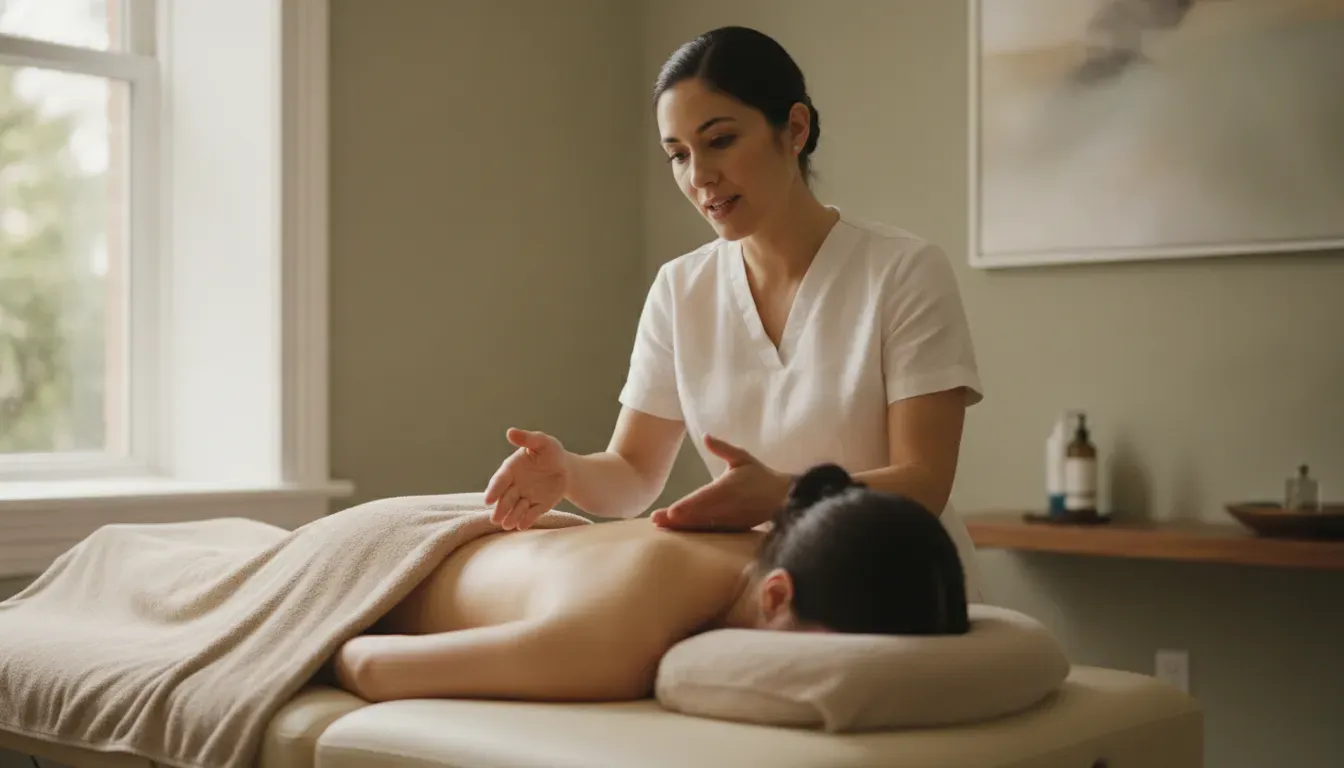

Ever wonder what separates a good massage from a truly great one? It’s more than just technique; it’s a deep understanding of the human body, and that expertise is proven through credentials. A comprehensive massage therapy certification isn’t just a piece of paper. It means a therapist has dedicated hundreds of hours to studying anatomy and ethics, passed rigorous exams, and is committed to the highest standards of care. This level of training is what transforms a simple massage into a powerful, therapeutic experience—and it’s the standard you should always look for.
Key Takeaways
- Verify Credentials for a Safe and Effective Massage: Always confirm your therapist is licensed, as this is the legal standard that guarantees they have foundational training in anatomy, technique, and safety protocols. This is your first and most important step in choosing a qualified professional.
- Look for Advanced Certifications for Specialized Care: While a license is the baseline, specialty certifications (like Ashiatsu or prenatal) and voluntary Board Certification show a therapist has invested in a higher level of expertise and is dedicated to mastering their craft.
- Great Therapists are Committed to Lifelong Learning: Professionalism extends beyond the initial license. A top-tier therapist maintains their skills through continuing education and upholds a strict code of ethics, ensuring your treatment is always safe, respectful, and informed.
What Credentials Do You Need as a Massage Therapist?
When you’re looking for a great massage, how do you know you’re in good hands? The answer often lies in a therapist’s credentials. These qualifications are more than just letters after a name; they are a clear indicator of a therapist’s training, knowledge, and commitment to their profession. Credentials show that a professional has met specific educational and ethical standards, ensuring you receive a safe and effective treatment.
Think of it as a quality guarantee. A properly credentialed therapist has completed hundreds of hours of hands-on training, studied anatomy and physiology, and understands how to address your specific needs, whether you’re seeking relaxation or relief from chronic pain. At Nola Bliss, we believe this level of professionalism is essential. That’s why our entire team is composed of highly experienced Licensed Massage Therapists who are passionate about their craft. Understanding these credentials helps you make an informed choice and find a therapist you can trust for your wellness journey.
Licensure vs. Certification: What’s the Real Difference?
It’s easy to use “licensed” and “certified” interchangeably, but they mean different things in the world of massage therapy. Licensure is a mandatory requirement set by a government body, usually the state. To earn a license, a therapist must meet specific legal standards, which typically include education, training hours, and passing an exam. You can’t legally practice massage therapy for compensation in most states without one.
Certification, on the other hand, is typically voluntary. It’s a credential awarded by a private, non-governmental organization to show that a therapist has met a certain standard of excellence or has specialized knowledge in a specific modality. While a license is the baseline for practicing legally, certification often signals a therapist’s dedication to going above and beyond in their field.
Checking Your State’s Legal Requirements
Before booking a massage, it’s helpful to know that the profession is regulated at the state level. Most states, including Louisiana, have laws in place that require massage therapists to be licensed to practice. This is a critical measure to protect public health and safety. These state regulations ensure that every practicing therapist has a solid educational foundation and adheres to professional standards.
If a state requires a license, it is illegal for someone to offer massage therapy without one. This is why you should always seek out a Licensed Massage Therapist (LMT). It confirms they have the necessary training and are accountable to a state board, giving you peace of mind that you are receiving care from a qualified professional.
The Role of State Licensing Boards
So, who is in charge of making sure massage therapists are qualified and professional? That’s the job of state licensing boards. Think of them as the guardians of quality and safety for the massage therapy profession in each state. In Louisiana, for example, the Louisiana Board of Massage Therapy is responsible for protecting public health by setting the standards that all therapists must meet. These boards establish the minimum educational requirements, oversee the licensing exams, and define the code of ethics and standards of practice. Their primary goal is to ensure that when you book a massage, the person providing the service is a trained, knowledgeable, and accountable professional, giving you confidence in the care you receive.
Common Types of Massage Licenses
Licensing isn’t just for the individual therapist; it often extends to the business itself. State boards typically issue several types of licenses to regulate the entire industry. The most common is the license for the Massage Therapist (LMT), which is the credential you should always look for. Beyond that, there are often licenses for Massage Establishments, ensuring the facility meets safety and hygiene standards. There are also specific licenses for Massage Instructors and Massage Schools, which maintains quality control over the education of future therapists. This comprehensive approach ensures that from the classroom to the massage room, every aspect of the profession is held to a high standard, creating a safe and professional environment for your treatment.
Understanding Enforcement and Compliance
What happens if a therapist or establishment doesn’t follow the rules? State licensing boards are also responsible for enforcement. This means they have the authority to conduct inspections of massage studios to ensure compliance with all health, safety, and professional regulations. More importantly for you, the client, these boards provide a formal process for filing a complaint. If you ever have an experience with a licensed therapist that is unprofessional or unsafe, you have a clear path for recourse. This system of accountability is designed to protect you and uphold the integrity of the profession. It’s another reason why choosing a licensed therapist from a reputable studio is always the best decision for your well-being.
Don’t Fall for These Massage Certification Myths
One of the biggest myths in massage therapy is that anyone can do it. This couldn’t be further from the truth. Becoming a professional massage therapist requires extensive education, hands-on training, and a deep understanding of the human body. Another common misconception is that all massages are the same. In reality, therapists have diverse skill sets and often pursue advanced training in specialized techniques.
For example, a therapist might specialize in Ashiatsu Deepfeet Bar Therapy, a technique that requires a unique certification, while another focuses on prenatal massage. These specializations allow therapists to provide targeted, effective treatments for a wide range of client needs. Choosing a therapist with the right credentials ensures you get the specific care you’re looking for.
Which Massage Therapy Credentials Actually Matter?
When you’re looking for a massage therapist, you want someone who is not only skilled but also professional and trustworthy. Credentials are the clearest indicator of a therapist’s commitment to their craft and your well-being. They show that a practitioner has met specific educational standards, passed rigorous exams, and is dedicated to upholding professional ethics. Understanding these qualifications helps you choose a therapist with confidence, knowing you’re in capable and safe hands. It’s about more than just a piece of paper; it’s your assurance of quality care.
At Nola Bliss, we believe that a therapist’s dedication to their education is a direct reflection of the quality of care you’ll receive. A well-trained therapist can better understand your body’s needs, whether you’re seeking relief from chronic pain, recovering from an injury, or simply need to de-stress. They can tailor the session specifically for you, using techniques that are both safe and effective. This is why we ensure all our therapists are not just licensed, but are passionate about continuous learning and honing their skills. It’s this commitment that separates a good massage from a truly therapeutic and healing experience. Think of it this way: credentials provide a roadmap of a therapist’s journey, showing their foundational training, their advanced studies, and their dedication to staying current in their field. This background is essential for building the trust needed for a successful therapeutic relationship.
Start Here: Securing Your State License
Think of state licensing as the fundamental requirement for any professional massage therapist. In most states, including Louisiana, it’s illegal to practice massage therapy without a license. This isn’t just red tape; it’s a critical consumer protection measure. To become licensed, a therapist must graduate from an accredited school, complete a minimum number of training hours, and pass a state-recognized exam. This process ensures they have a solid foundation in anatomy, physiology, and safe massage techniques. When you see that a therapist is licensed, you can be sure they’ve met the essential credentials for the massage therapy profession and are legally cleared to practice.
Should You Get NCBTMB Certified?
While state licensing is mandatory, National Board Certification is a voluntary credential that signals a therapist has gone above and beyond. Offered by the National Certification Board for Therapeutic Massage and Bodywork (NCBTMB), this is the highest credential in the profession. Therapists who are Board Certified (BCTMB) have passed a comprehensive exam, completed more hours of training, and committed to a higher code of ethics. Choosing a Board Certified therapist means you’re working with someone who has demonstrated advanced knowledge and a deep dedication to their field. It’s a clear sign that they are invested in providing exceptional care.
Stand Out with Specialty Certifications
Beyond licensing and board certification, many therapists pursue advanced training in specific techniques. If you’re looking for a particular type of massage, like a prenatal massage or our signature Ashiatsu Deepfeet Bar Therapy, it’s worth finding a therapist with a specialty certification. These certifications show that a therapist has completed in-depth, hands-on training to master a specific modality. This advanced work not only refines their skills but also demonstrates a passion for continuous learning. A commitment to specialty training shows a therapist is dedicated to offering the most effective and informed treatment possible, which is a core value for every member of our team at Nola Bliss.
How to Get Your Massage Therapy Certification
Starting a career as a massage therapist is a rewarding path that begins with a solid educational foundation and a clear understanding of the professional requirements. It’s a journey of learning, practice, and dedication. If you’re passionate about helping people find relief and relaxation, here’s a step-by-step guide to getting certified and starting your career on the right foot.
What Education Do You Need?
First things first, you’ll need to enroll in a recognized massage therapy program. Most states require a specific amount of training, typically ranging from 500 to 1,000 hours. This isn’t just about learning how to give a good back rub; it’s a comprehensive education. Your coursework will cover essential subjects like anatomy, physiology, and kinesiology—the science of how the body works and moves. You’ll also study various massage techniques and learn about professional ethics and business practices. Think of this as building the essential credentials for the massage therapy profession that will serve as the bedrock of your entire career.
Finding an Accredited Massage School
Once you’re ready to start your education, the next step is choosing the right school. This is a big decision, as the quality of your training will shape your entire career. Look for a program that is accredited by a recognized agency, like the Commission on Massage Therapy Accreditation (COMTA). Accreditation is your assurance that the school meets high educational standards and provides the comprehensive training required for state licensure. Graduating from an accredited institution ensures you receive a quality education covering everything from anatomy to hands-on techniques, preparing you to pass your licensing exams and practice safely and effectively.
Exploring In-Person and Hybrid Program Formats
Massage therapy education has become more flexible, with many schools now offering hybrid programs. These formats blend online coursework for theoretical subjects like anatomy and ethics with essential in-person training for hands-on techniques. This allows you to study some material from home while still getting the critical, practical experience you can only receive in a classroom setting. No matter the format, the hands-on component is non-negotiable. It’s where you learn the art of touch and develop the skills to address client needs. At Nola Bliss, we even serve as a certified training center for advanced modalities like Ashiatsu, underscoring the importance of specialized, in-person instruction.
Completing Your Hands-On Training Hours
Once you’re in a program, the focus shifts to hands-on practice. Those required hours are your opportunity to apply what you’ve learned in the classroom to real people. This clinical practice is where you’ll develop your touch, refine your techniques, and build the confidence needed to work with clients effectively. Different programs and states have varying requirements, but the goal is the same: to ensure you have enough practical experience to be a competent and safe therapist. This dedicated massage therapy training is what separates a professional from a hobbyist and prepares you for a long-term career helping others.
What to Expect from Your Hands-On Training
Classroom learning is just the beginning; the real magic happens during your hands-on training. This is where you transition from understanding concepts on paper to applying them to real people with unique needs. During these required clinical hours, you’ll practice various massage techniques under the guidance of experienced instructors. It’s your chance to develop a confident, intuitive touch and learn how to truly listen to a client’s body. This practical experience is what builds the foundation for a successful career, turning theoretical knowledge into a tangible skill that can promote healing and relaxation for your future clients.
Meeting State Hour Requirements
The training hours required by your state—often between 500 and 1,000—are about much more than just learning massage strokes. This time is dedicated to a deep dive into the science of the human body. Your coursework will cover essential subjects like anatomy, physiology, and kinesiology, which is the study of movement. This knowledge is what allows a therapist to understand how muscles work, why you’re experiencing pain, and how to apply techniques safely and effectively. It’s this comprehensive massage and bodywork education that separates a professional therapist from an amateur, ensuring they have the expertise to address your specific wellness goals.
Preparing for and Passing the Exam
After completing your education and training hours, the next major step is to pass a licensing exam. The most widely accepted exam in the United States is the Massage & Bodywork Licensing Examination (MBLEx). This standardized test assesses your knowledge in the core subjects you studied in school. Passing it is a requirement for licensure in most states. For therapists who want to demonstrate a higher level of expertise, pursuing Board Certification through the NCBTMB is an excellent option. This advanced credential shows a commitment to the profession and can open doors to specialized opportunities, like mastering unique modalities such as Ashiatsu Deepfeet Bar Therapy.
Focusing on the MBLEx
For most aspiring therapists, the path to licensure runs directly through the Massage & Bodywork Licensing Examination (MBLEx). This comprehensive exam is designed to confirm you have a firm grasp of the essentials, covering everything from anatomy and physiology to ethics and the practical application of massage techniques. Think of it as the final checkpoint before you can legally practice. Passing the MBLEx proves you have the foundational knowledge needed to work safely and effectively, ensuring you can provide clients with the high-quality, therapeutic care they deserve. It’s a standardized measure that upholds professional standards across the industry.
Gathering Your Documents for a Background Check
With your education and exam complete, it’s time for the paperwork. You’ll need to submit an application for licensure to your state’s massage therapy board. This typically involves providing your official school transcripts, proof of passing the MBLEx, and paying an application fee. You should also be prepared for a background check. Many states, like Florida, require this to ensure the safety and trust of the public. It’s a standard procedure designed to uphold the integrity of the profession. Keeping your documents organized will make this process smooth and straightforward, getting you one step closer to your license.
How Much Does Massage Certification Cost?
Pursuing a career in massage therapy requires a financial commitment, so it’s wise to plan ahead. The primary costs include tuition for your training program, which can vary significantly between schools. You’ll also need to budget for textbooks, supplies like lotions and linens, and exam fees. Once you graduate, there are state licensing fees and the potential costs of professional liability insurance. It’s helpful to view these as the upfront costs of education and licensing that are an investment in a fulfilling and sustainable career. Researching these expenses ahead of time will help you create a realistic budget.
Typical Program Costs and Payment Options
When you’re planning your career, it’s important to understand the financial side of your education. The cost of massage therapy school can range quite a bit, typically falling between $5,000 and $15,000, depending on the program’s length and the school’s reputation. While that might seem like a big number, there are several ways to manage it. Many schools offer flexible payment plans that let you spread out the tuition over time, making it more manageable. You can also look into student loans, though it’s good to know that not all massage schools are eligible for federal financial aid. Exploring these payment options early on will help you find a path that fits your budget and sets you up for success.
Keeping Your Massage Therapy Certification Active
Earning your massage therapy certification is a huge accomplishment, but it’s just the first step in a long and rewarding career. Maintaining your professional status is an ongoing commitment that shows clients and colleagues you’re dedicated to your craft. Think of it as the professional equivalent of self-care—it requires consistent effort but is essential for long-term health and success. Staying on top of your credentials isn’t just about following the rules; it’s about protecting your practice, building trust with your clients, and continuing to grow as a therapist. By keeping your license active and your skills sharp, you ensure you can continue providing the high-quality, therapeutic care your clients depend on. This commitment to excellence is what separates a good massage therapist from a great one.
Keeping Up with Continuing Education (CE)
Your initial training provides a strong foundation, but the world of massage therapy is always evolving. Continuing education (CE) is how you stay current with the latest techniques, research, and safety protocols. Most state boards and certification bodies require a certain number of CE hours to renew your license, and for good reason. These courses keep your skills fresh and can introduce you to new modalities that expand your services. According to the National Certification Board for Therapeutic Massage & Bodywork (NCBTMB), there are thousands of approved providers for continuing education, so you have plenty of options to find courses that genuinely interest you and benefit your clients.
Don’t Miss Your License Renewal Deadline
Letting your license expire is one of the easiest ways to put your career on hold. Every state has its own renewal schedule and requirements, so it’s your responsibility to know the deadlines and what’s expected of you. State boards, like the Florida Board of Massage Therapy, hold regular meetings and post updates that can affect your practice. Mark your renewal date on every calendar you own and set reminders a few months in advance. This gives you plenty of time to complete your CE hours, gather your paperwork, and submit everything without the last-minute stress. Being proactive about your license renewal is a fundamental part of being a professional.
Where to Find Approved CE Courses
Not all continuing education courses are created equal. To ensure the time and money you invest in your education counts toward your renewal, you need to take courses from approved providers. The best place to start is with your state licensing board, which usually provides a list of accepted courses and providers. The NCBTMB also works with massage therapy schools to ensure their programs meet national standards, making their list of approved providers a reliable resource. Choosing high-quality, approved courses guarantees you’re learning from credible instructors and that every hour you complete will be recognized by your licensing board.
Organizing Your Certification Documents
Being a massage therapist means being a business owner, even if you work for someone else. And good business owners keep meticulous records. Hold on to everything related to your professional status: your original license, renewal certificates, proof of liability insurance, and certificates from every CE course you complete. Store these documents in a safe, organized place, both physically and digitally. It’s also wise to stay informed about any legislative changes that could impact your profession. As the Florida Board of Massage Therapy advises, checking for updates on new bills can help you stay compliant. Having your documentation in order makes license renewal seamless and protects you if your credentials are ever questioned.
Is Massage Therapy Certification Really Worth It?
Going beyond the basic state license to earn a professional certification is a significant step in a massage therapist’s career. It’s more than just an extra line on your resume; it’s a clear statement about your dedication to your craft and your clients. For therapists, certification opens up new possibilities and deepens their professional standing. For clients, it’s a mark of trust, signaling that you’re in the hands of a therapist who has invested in mastering their skills at the highest level. This commitment to excellence is what separates a good massage from a truly therapeutic one.
Show Clients You’re a Trusted Professional
When a client chooses a massage therapist, they are placing their physical well-being in that person’s hands. Professional certification is one of the most effective ways to build immediate trust. It shows you have gone the extra mile to validate your expertise. The National Certification Board for Therapeutic Massage & Bodywork (NCBTMB) notes that Board Certification helps therapists demonstrate advanced skills and critical thinking, giving them more credibility. This credential assures clients that you not only know the fundamentals but have a deeper understanding of anatomy, ethics, and specialized techniques, ensuring a safe and effective session every time.
Protect Yourself with Better Insurance Options
While it might not be the most glamorous aspect of the job, professional liability insurance is non-negotiable for a massage therapist. Being professionally certified can often make it easier and sometimes more affordable to get comprehensive insurance coverage. Insurers see certification as a sign of a lower-risk professional—someone who is committed to best practices and continuing education. This dedication to the profession not only protects you and your practice but also provides another layer of security and peace of mind for your clients, knowing they are working with a true professional who takes their responsibilities seriously.
Create More Career Opportunities
If you want to grow your career beyond the basics, certification is your key. While a state license allows you to practice, advanced credentials can set you apart from the competition. As the American Massage Therapy Association (AMTA) explains, Board Certification is a voluntary credential that signifies a therapist has achieved a higher level of knowledge and skill. This can lead to opportunities in more specialized environments, such as medical facilities, luxury spas, or even teaching roles. It also makes you a more attractive candidate for top-tier studios, like Nola Bliss, that prioritize hiring highly skilled and dedicated therapists.
Exploring Diverse Work Environments
Advanced certifications don’t just make you a better therapist—they open up a world of career paths beyond a single setting. While many therapists find their footing in spas and wellness centers, others build fulfilling careers in more specialized fields. You might find certified professionals working alongside doctors in clinical settings, helping patients manage pain and recover from injuries. The demand for therapeutic massage in healthcare is growing, creating more opportunities in hospitals and physical therapy offices. Others join sports teams to keep athletes in peak condition or bring relaxation to corporate offices through on-site wellness programs. For those with an entrepreneurial spirit, opening a private practice allows for complete autonomy. And for the true masters of their craft, teaching becomes a way to pass on their knowledge. For example, Nola Bliss is not only a top-rated massage studio but also the only certified Ashiatsu training center on the Gulf Coast, showing how expertise can create unique career avenues.
Work Alongside Other Healthcare Professionals
Massage therapy is increasingly recognized as a valuable component of integrative health care. A professional certification can help bridge the gap between therapeutic massage and the wider medical community. Many Board Certified therapists find that their credential helps them communicate the quality and legitimacy of their work to doctors, chiropractors, and physical therapists. This can lead to more client referrals and opportunities to collaborate on patient care plans. When you can confidently show that your skills meet a national standard of excellence, you position yourself as a credible healthcare partner dedicated to client wellness.
Start Your Own Practice with Confidence
For many therapists, the ultimate goal is to open their own private practice. While state licensing is the mandatory first step to legally practice massage, a professional certification provides the credibility needed to build a thriving business. It becomes a powerful marketing tool, instantly communicating your expertise and commitment to potential clients. It helps you stand out in a crowded market and justifies a premium pricing structure. Building a practice on a foundation of verified, advanced credentials gives you the confidence and authority to attract a loyal client base that values quality and professionalism above all else.
Reviewing the Career Outlook and Earning Potential
A passion for helping others is what draws most people to massage therapy, but it’s also important to know that you’re stepping into a stable and financially viable career. The good news is that the demand for skilled massage therapists is strong and continues to grow. Investing in your education and professional credentials isn’t just about personal development; it’s a smart career move that directly impacts your job security and how much you can earn. When you can show clients and employers that you have a solid foundation of training and a commitment to excellence, you position yourself for long-term success in a field that is both personally and professionally rewarding.
Job Growth Projections for Massage Therapists
If you’re looking for a career with staying power, massage therapy is a fantastic choice. The field is growing much faster than the average for other jobs, with a projected job growth of 15% through 2034. This isn’t just a random number; it reflects a broader cultural shift where more people are recognizing massage as an essential part of their health and wellness routines, not just a luxury treat. As massage becomes more integrated into healthcare for pain management and stress reduction, the need for qualified, professional therapists will only increase. This steady demand means greater job security and more opportunities for you to build a career you love.
Typical Salary Ranges
Your earning potential as a massage therapist can be quite strong, especially as you gain experience and build a reputation. In 2024, the average yearly pay for massage therapists was around $57,950, with top professionals earning over $97,450. Of course, your income will depend on several factors, including your location, the type of setting you work in, and any specializations you offer. For example, therapists in major metropolitan areas or those working in medical settings often have higher earning potential. This is where advanced certifications really pay off. By mastering in-demand techniques, you can command higher rates and attract a dedicated clientele, giving you more control over your financial future.
What’s Next? Growing Your Massage Therapy Career
Earning your certification is a huge milestone, but it’s just the beginning of a fulfilling career. The most successful massage therapists are lifelong learners who actively seek out ways to refine their skills and expand their professional horizons. Growing your career is about more than just getting better with your hands—it’s about building a reputation, mastering new techniques, and understanding the business of wellness. Whether you dream of opening your own studio or becoming a sought-after specialist, investing in your professional development is the key to long-term success and satisfaction in this rewarding field.
Why You Should Join a Professional Association
Joining a professional organization like the American Massage Therapy Association (AMTA) is one of the best moves you can make for your career. It signals to clients and employers that you are serious about your profession. These associations provide a wealth of resources, from networking events and job boards to liability insurance and continuing education courses. Being a member shows you’re committed to a high standard of practice, as groups like AMTA require members to follow a strict code of ethics and meet ongoing educational requirements. It’s a powerful way to build credibility and connect with a community that can support you throughout your career.
Specialize to Attract More Clients
Once you’ve mastered the fundamentals, specializing in advanced modalities can set you apart. Clients often seek out therapists who can address specific needs, whether it’s chronic pain, athletic recovery, or prenatal discomfort. Learning techniques like Ashiatsu Deepfeet Bar Therapy or becoming an expert in Himalayan Salt Stone massage allows you to offer unique, therapeutic experiences that build a loyal following. Remember, effective massage is about skill, not force. As one expert notes, “the belief that effective massage must be painful is a misconception.” Mastering a specialty is about understanding the body on a deeper level and applying precise, intelligent techniques to help your clients heal.
Share Your Knowledge by Teaching Others
Have you ever considered sharing your passion and expertise with the next generation of therapists? As you gain experience, teaching can be an incredibly rewarding path. The field of massage therapy is constantly evolving, and seasoned instructors are essential for guiding new practitioners. Leading workshops or becoming a certified instructor for a specific modality not only provides an additional income stream but also deepens your own understanding of the craft. At Nola Bliss, we’re proud to be the only certified Ashiatsu training center on the Gulf Coast, helping other therapists advance their skills and grow their careers.
Learn the Business Side of Massage Therapy
Being a talented therapist is one thing; running a successful practice is another. To build a sustainable career, you need to develop strong business skills. This means learning about marketing to attract new clients, creating systems for scheduling and record-keeping, and managing your finances effectively. Many therapists face the challenge of “maintaining a steady stream of clients,” and that’s where business acumen comes in. Taking a workshop on marketing or learning basic accounting can make a huge difference. These skills empower you to take control of your career, whether you’re working independently or as part of a team.
Maintaining a Professional and Ethical Practice
Beyond the techniques and training, what truly defines an exceptional massage therapist is their commitment to professional standards and ethics. This isn’t just about following rules; it’s about creating a foundation of trust, safety, and respect that allows you to fully relax and receive the benefits of your treatment. When you choose a certified and licensed therapist, you’re choosing someone who has formally pledged to uphold these principles. They understand that their work is a form of healthcare and approach it with the seriousness it deserves.
This commitment is what separates a therapeutic massage from a simple spa treatment. It means your therapist is dedicated to your well-being above all else. They listen to your needs, respect your boundaries, and use their knowledge to provide the most effective care possible. At Nola Bliss, our entire team is built around this philosophy. We believe that a truly healing experience can only happen in an environment of complete professionalism and trust. From the moment you book your appointment to the time you leave our studio, every interaction is guided by a strict code of conduct designed to ensure you feel safe, respected, and cared for.
Understanding the Code of Ethics
A professional massage therapist operates under a strict code of ethics that governs their conduct. Think of it as a promise they make to every client. This code emphasizes integrity, accountability, and profound respect for the client-theraprist relationship. It means your privacy will always be protected, your comfort will be prioritized, and the focus will remain entirely on your therapeutic goals. This ethical framework ensures that every session is conducted professionally, creating a space where you can feel secure and confident in the care you’re receiving. It’s a core part of what makes our team of therapists so trusted.
Putting Industry Best Practices into Action
The world of bodywork is always evolving, with new research and techniques emerging all the time. A great therapist is a lifelong learner who stays current with industry best practices. This means they are committed to evidence-informed care, using methods that are proven to be effective and safe. By pursuing continuing education, therapists can refine their skills and add new specialties to their practice, like our unique Ashiatsu Deepfeet Bar Therapy. This dedication ensures you’re not just getting a massage; you’re getting expert care that’s informed by the latest knowledge in the field.
Keeping Your Clients Safe and Comfortable
Your safety is the absolute top priority in any therapeutic setting. Licensed massage therapists receive extensive training on how to keep their clients safe, which includes a deep understanding of anatomy, physiology, and contraindications—specific situations where massage might need to be modified or avoided. Before your session begins, a professional therapist will review your health history to ensure the treatment is appropriate for you. This diligence is crucial for building trust and ensuring your massage experience is not only relaxing and effective but also completely safe from start to finish.
Setting and Maintaining Professional Boundaries
Clear and consistent professional boundaries are essential for a healthy therapeutic relationship. Massage therapy is a hands-on practice, which makes a clear understanding of professional conduct incredibly important. This includes everything from clear communication and informed consent to proper draping techniques that ensure you feel secure and comfortable at all times. These boundaries protect both you and the therapist, ensuring the environment remains safe, respectful, and focused solely on your well-being. It’s this commitment to professionalism that defines all of our massage services.
Related Articles
- Workshops | Nola Bliss Massage Therapy
- Massage Services | Nola Bliss Massage Therapy
- About Us | Nola Bliss Massage Therapy
Frequently Asked Questions
How can I quickly check if my massage therapist is licensed? The easiest way is to look it up online. Most states have a Board of Massage Therapy with a public website that includes a license verification tool. You can typically search by the therapist’s name or license number to confirm their status is active and in good standing. This is a simple, empowering step you can take to ensure you’re working with a qualified professional.
Is a therapist with more certifications always better? Not necessarily. While a long list of certifications shows a therapist is dedicated to learning, what matters most is finding someone with the right expertise for your specific needs. If you’re pregnant, a therapist certified in prenatal massage is your best choice. If you need deep, therapeutic work, someone with an Ashiatsu certification might be the perfect fit. Think of it as quality over quantity—focus on finding the therapist whose training aligns with your wellness goals.
What’s the difference between a massage at a hotel spa versus a therapeutic studio? The main difference often comes down to the focus of the training and the intent of the session. While any massage can feel good, therapists at a dedicated studio are typically hired for their advanced therapeutic skills. Their credentials and continuing education are focused on addressing specific issues like chronic pain or injury recovery. This results in a more customized and effective treatment, rather than a one-size-fits-all relaxation experience.
Do I really need to tell my massage therapist about my health history? Yes, absolutely. A professional massage therapist is a healthcare provider, and your health history is crucial for them to provide a safe and effective treatment. Information about injuries, surgeries, or medical conditions allows them to tailor the massage for you, avoiding sensitive areas and using techniques that will help, not harm. It’s a standard and confidential part of any professional massage service.
If a massage is just for relaxation, do credentials still matter? They matter just as much. A licensed therapist’s training ensures they understand how to work with the body safely, even during a gentle, relaxing session. Their commitment to a professional code of ethics also guarantees a respectful and secure environment, which is essential for you to truly unwind. Credentials are your assurance of a high-quality, safe, and professional experience, regardless of the reason for your visit.