
After nine months of carrying, growing, and delivering a new life, your body has accomplished something truly monumental. Now, it deserves dedicated care as it begins the healing process. The postpartum period is a time of immense change, filled with new joys and new physical demands. From sore muscles and hormonal shifts to the simple exhaustion of caring for a newborn, your body is working overtime. A postpartum massage is not just a luxury; it’s a specialized therapy designed to support you through this unique recovery phase. It addresses the specific aches and strains of new motherhood, helping you feel more comfortable, balanced, and like yourself again.
Key Takeaways
- Address your specific recovery needs: Postpartum massage is a specialized therapy that targets the unique physical aches and emotional shifts new mothers experience, helping you heal more comfortably.
- Prioritize safety with professional advice: Before booking a session, get clearance from your doctor or midwife, especially after a C-section. It is also important to find a licensed therapist with specific training in postpartum care.
- Incorporate massage for ongoing support: While a single session provides immediate relief, scheduling a series of massages helps manage the continuous physical demands of motherhood and offers consistent emotional support.
What Is Postpartum Massage?
After nine months of incredible changes, your body deserves some dedicated care. Postpartum massage isn’t just a typical massage; it’s a specialized therapy designed to support you through the recovery period after childbirth. Think of it as a full-body reset that addresses the unique physical and emotional demands of being a new mom.
This type of massage focuses on healing and restoration. It helps your body manage the after-effects of pregnancy and delivery, from muscle strain and hormonal shifts to the general exhaustion that comes with a newborn. A skilled therapist understands these changes and uses specific techniques to help you feel more like yourself again, providing comfort and relief when you need it most.
How It’s Tailored to Your Recovery
Your body has just accomplished something amazing, and the recovery process is a big deal. Postpartum massage is tailored to support this healing journey. It directly addresses common discomforts like soreness, stiffness, and swelling that can follow childbirth. The physical demands of caring for a newborn, like lifting, carrying, and feeding in new positions, can also lead to new aches in your back, shoulders, and neck. A therapeutic postpartum massage targets these specific areas, helping to release tension and promote faster healing. It’s a treatment designed to meet you exactly where you are in your recovery, both immediately after birth and in the weeks that follow.
When to Schedule Your First Session
One of the most common questions is, “How soon can I get a massage?” While you might be eager for relief, timing is key. Generally, you can schedule a session as soon as you feel ready, which for many is within the first few weeks after delivery. After birth, your body is working hard to heal, balance hormones, and reduce fluid retention. A massage can support these natural processes. However, it’s essential to get the green light from your doctor or midwife first. They can give you personalized advice based on your delivery and recovery. Once you’re cleared, you can confidently book a session and take that much-needed time for yourself.
The Benefits of Postpartum Massage for New Moms
Bringing a new baby into the world is a monumental experience, and your body has gone through incredible changes. Postpartum massage is a wonderful way to honor that journey and support your recovery. It’s more than just a relaxing treat; it’s a therapeutic practice designed specifically for new mothers. Taking this time for yourself can help you heal both physically and emotionally, making the transition into motherhood a little smoother. From easing sore muscles to helping you feel more like yourself again, the benefits are tailored to address the unique challenges you face after childbirth.
Soothe Aches and Aid Physical Recovery
After delivery, it’s completely normal to feel sore and achy. Your body is working hard to heal, and the new demands of motherhood, like carrying your baby and breastfeeding, can create tension in your back, shoulders, and neck. A postpartum massage focuses on relieving this discomfort. A skilled therapist can use gentle techniques to soothe tight muscles and address the specific aches that come with caring for a newborn. This targeted approach not only helps you feel better but also supports your body’s natural recovery process, helping you regain strength and mobility. Our massage services are designed to provide the therapeutic relief you need during this important time.
Find Emotional Balance and Reduce Stress
The postpartum period can be an emotional rollercoaster. The combination of hormonal shifts, sleep deprivation, and the responsibility of a new baby can feel overwhelming. Taking time for a massage is a powerful act of self-care that can help you manage stress and find your footing. The calming environment and healing touch can reduce anxiety and ease the symptoms of the “baby blues.” It gives you a quiet moment to reconnect with your own body and process your experiences. This dedicated time to relax is essential for your mental and emotional well-being, helping you feel more centered and present as a new mom.
Help Balance Hormones and Improve Circulation
Your body goes through significant hormonal adjustments after childbirth. Massage can play a supportive role in helping your system find its new balance. It’s known to decrease stress hormones like cortisol while increasing hormones like oxytocin, which promotes bonding and relaxation. Improved circulation is another key benefit. Better blood flow helps reduce swelling and delivers oxygen and vital nutrients to your tissues, which can speed up healing. This process also helps your body flush out excess fluids retained during pregnancy, leaving you feeling lighter and more comfortable.
Support Your Breastfeeding Journey
If you choose to breastfeed, postpartum massage can be a fantastic source of support. The release of oxytocin during a massage can help stimulate milk production, making your breastfeeding experience a little easier. Furthermore, massage can relieve tension in your shoulders, chest, and back, which often become tight from holding your baby in nursing positions. When you’re more relaxed and comfortable, it can make feeding sessions more pleasant for both you and your baby. It’s a simple way to care for yourself while you’re busy caring for your little one.
What to Expect During Your Postpartum Massage
If you’ve never had a postpartum massage, you might be wondering how it differs from a regular massage. The main difference is that everything is tailored to you and your body’s recent experience of childbirth. Your comfort and safety are the top priorities. Our therapists are trained to understand the physical changes your body has gone through, and they’ll talk with you beforehand about your birth experience and any specific aches or pains. This isn’t just a luxury; it’s a dedicated time for your body to heal and for you to reconnect with yourself after the incredible work of bringing a new life into the world.
Getting Comfortable: Before and During Your Session
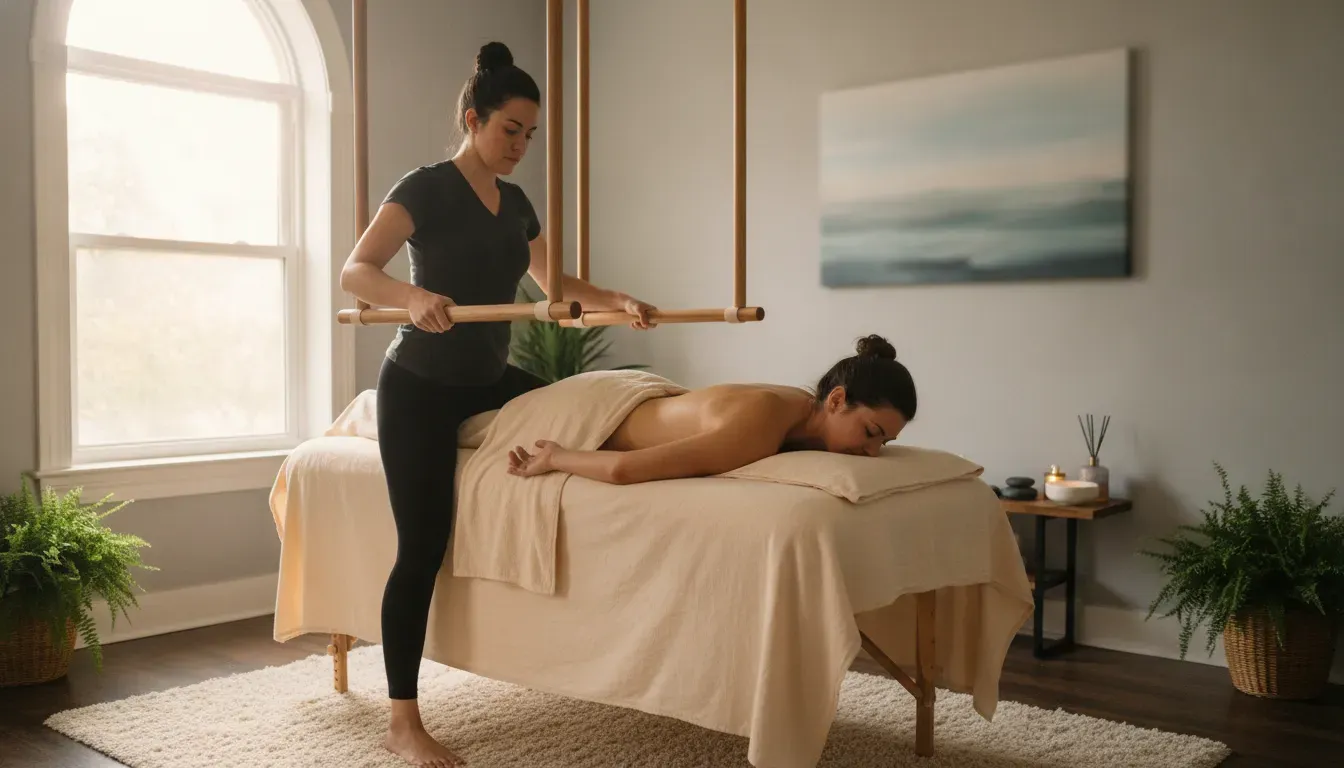
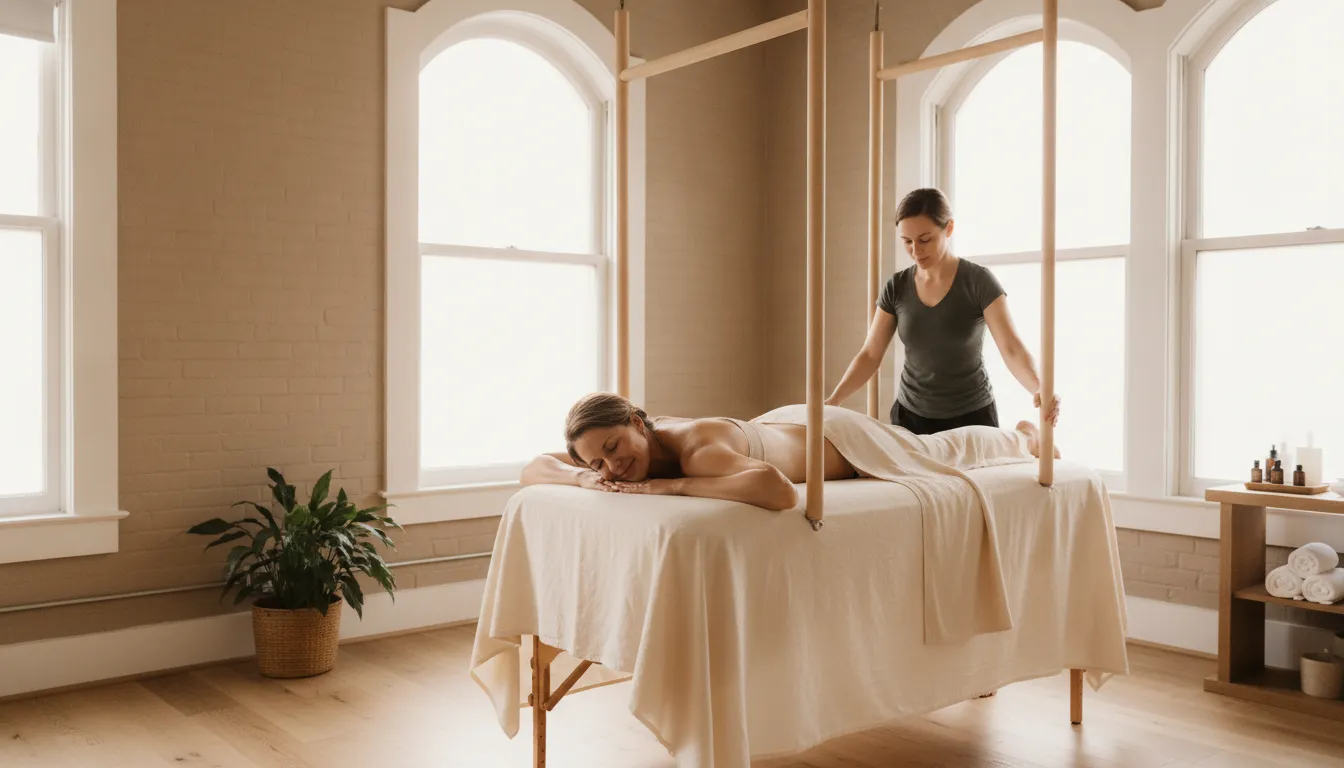
We know that getting comfortable can be a challenge for a new mom, so your massage will be completely customized to support your body. You’ll likely be positioned on your side, propped up with plenty of soft pillows for support, which takes pressure off your abdomen and tender breasts. Your therapist will focus on easing tension in common trouble spots like your shoulders, neck, legs, and lower back—all the areas working hard while you care for your baby. The entire session is designed around you.
Communicating with Your Therapist
Open communication with your massage therapist is key. Your body has been through a lot, and you know it best, so don’t hesitate to speak up. If a specific area hurts, like your wrists from holding the baby, let your therapist know. It’s also important to mention any areas of sensitivity, especially if you’ve had a C-section. Our team of experienced therapists is here to listen and adjust the pressure and techniques to make sure you feel safe and relaxed throughout your session.
Session Length and Simple Aftercare
Your postpartum massage will likely last between 60 and 90 minutes, giving you ample time to unwind. After your session, it’s a good idea to drink plenty of water to help your body flush out any metabolic waste released from your muscles. Try to take it easy for the rest of the day if you can, allowing your body to fully absorb the benefits. You can explore our different massage services to find the session length that works best for your schedule.
When Is It Safe to Get a Postpartum Massage?
The question of when to schedule your first postpartum massage is a common one, and the answer really depends on your individual delivery and recovery experience. Your body has just done something incredible, and giving it the right support at the right time is key. The most important rule is to listen to your body and get the green light from your doctor or midwife before booking an appointment. They can give you personalized advice based on your health. Once you feel ready, a massage can be a wonderful way to honor your body and ease into your new role as a mom.
After a Vaginal Birth
If you had a straightforward vaginal birth, you can often receive a massage as soon as you feel comfortable doing so. For many new moms, this can be within the first few days or week after delivery. Pregnancy and birth can leave you with soreness, stiffness, and swelling, and a gentle postpartum massage is designed to help with these exact issues. This type of massage can support your body’s natural healing process, help balance hormones, and assist in getting rid of extra fluids. It’s a perfect way to address the immediate physical demands of motherhood and begin your path to recovery.
After a C-Section
Recovering from a C-section, which is major abdominal surgery, requires a bit more patience. It’s essential to wait until you get clearance from your doctor, which is typically around the six-week postpartum checkup. Once your incision is fully healed and your doctor gives you the okay, massage can be incredibly beneficial. It can help ease pain from the C-section, relieve pelvic strain, and reduce general muscle tension, making it easier to move around. A skilled therapist will know how to position you comfortably and avoid the incision area while still providing the full-body relief you need. A gentle Swedish massage is often a great starting point.
How to Find the Right Postpartum Massage Therapist
Finding the right massage therapist is a personal decision, and it’s even more important when you’re navigating the postpartum period. You need someone who not only has skilled hands but also understands the unique physical and emotional needs of a new mother. The right therapist creates a safe, supportive space where you can truly relax and heal. Taking a little time to find a great match will make all the difference in your recovery experience.
Look for Specialized Training and Credentials
First things first, always make sure your therapist is a licensed massage therapist (LMT). This is the baseline for professionalism and safety. You can typically verify a therapist’s credentials with your state’s licensing board. Beyond the basic license, look for someone with certifications in prenatal and postpartum massage. This specialized training means they have a deeper knowledge of the changes your body has gone through and how to address them effectively. A therapist with this background will know the right techniques to keep you comfortable and safe. Our team is made up of highly trained and experienced therapists dedicated to expert care.
Ask About Their Experience with New Moms
A certificate on the wall is great, but real-world experience with postpartum clients is essential. A therapist who regularly works with new moms will be familiar with common issues like back pain from nursing, neck strain, and the lingering effects of childbirth. Don’t be shy about asking questions during your initial call. You can ask how often they work with postpartum clients or what their approach is to addressing common new-mom aches. A confident and experienced therapist will be happy to share their knowledge. Their understanding of your journey is what makes their care so effective.
Important Questions for Your Peace of Mind
Your comfort is the top priority, so ask questions that will give you peace of mind before you get on the table. Inquire about how they accommodate new mothers. For example, will they use pillows or bolsters for support? How do they handle draping to ensure you feel secure? It’s also a good idea to ask about their session structure. Finally, feel free to ask about any special massage packages or series they offer for new mothers. Committing to a few sessions can support consistent care and is a wonderful way to prioritize your own well-being.
Common Massage Techniques for Postpartum Care
Postpartum massage isn’t a one-size-fits-all service. It’s a personalized approach that uses various techniques to support your body’s unique recovery journey. A great massage therapist will talk with you about your specific needs, whether you’re dealing with muscle tension from holding your newborn or the lingering effects of pregnancy and delivery. They’ll then draw from different massage styles to create a session that’s just right for you.
Think of it as a toolkit for healing. Some days you might need gentle, calming strokes to help you relax, while other times you may need more focused work on a particularly sore spot. Understanding the common techniques used in postpartum care can help you communicate your needs and get the most out of every session. Here are a few of the most effective methods your therapist might use.
Swedish Massage for Gentle Relaxation
If you’re feeling overwhelmed and touched-out, a Swedish massage can feel like a true reset. This technique uses long, flowing strokes, gentle kneading, and circular movements to promote full-body relaxation. It’s designed to ease muscle tension, improve circulation, and calm your nervous system. For new moms, this gentle approach is perfect for addressing the physical strain and emotional shifts that come after giving birth. A Swedish massage can help lower stress hormones, giving you a much-needed moment of peace and helping your body focus on healing. It’s an excellent choice for your first few postpartum sessions.
Deep Tissue for Targeted Muscle Relief
Carrying, birthing, and caring for a baby puts a lot of strain on your body. Many new moms experience persistent aches in their back, shoulders, and hips from labor, breastfeeding, and constantly holding their little one. That’s where deep tissue massage comes in. This technique uses slower, more forceful strokes to target the deeper layers of muscle and connective tissue. It’s incredibly effective for releasing chronic knots and tension. Your therapist will work with you to find the right amount of pressure, ensuring the session is therapeutic, not painful. This focused approach can provide significant relief from those stubborn postpartum pains.
Lymphatic Drainage to Reduce Swelling
Swelling, or edema, is a common experience after pregnancy as your body works to rebalance its fluids. Lymphatic drainage is a very gentle technique that can help. It involves light, rhythmic strokes that encourage the movement of lymph fluid throughout your body. This helps your system naturally process and eliminate excess fluid, reducing puffiness in your legs, ankles, and feet. By supporting your body’s detoxification process, this technique can help you feel more comfortable and energetic. While it’s a specialized skill, many therapists incorporate elements of it into their postpartum massage services to help manage swelling and promote overall recovery.
Making Postpartum Massage Part of Your Recovery Plan
After welcoming a new baby, it’s easy for your own needs to fall to the bottom of the list. But your recovery is just as important as caring for your newborn. Integrating massage into your postpartum plan isn’t an indulgence; it’s a proactive way to support your body’s healing process. Think of it as a tool to help you feel more like yourself again, both physically and emotionally. Whether you schedule a single, restorative session or commit to a series of treatments, making time for massage is a powerful investment in your well-being. At Nola Bliss, we offer a range of massage services that can be tailored to your specific postpartum needs, giving you a dedicated space to rest and recover.
The Benefits of a Single Session
If your schedule only allows for one massage, that single session can still work wonders. A postpartum massage is specifically designed to address the unique challenges your body faces after birth. It can help your system begin to rebalance hormones and flush out the extra fluids you retained during pregnancy, reducing swelling and discomfort. More than that, it’s a chance to reconnect with your body and acknowledge the incredible work it has done. One focused session can provide immediate relief from aches, ease tension, and give you a much-needed mental and emotional reset during a beautifully chaotic time.
Using a Series for Consistent Care
While one massage is great, the benefits multiply with consistent care. The physical demands of motherhood continue long after delivery, from sore shoulders while breastfeeding to an aching back from lifting a growing baby. A series of massages provides ongoing support, helping to manage these new strains before they become chronic issues. Regular sessions also offer dedicated time for emotional release and stress reduction, which is essential when you’re navigating sleep deprivation and hormonal shifts. Committing to a series of treatments ensures you have a recurring appointment with self-care, helping you build a foundation of strength and resilience for the journey ahead.
Special Packages for New Mothers
To make consistent care more accessible, many studios offer packages or series of massages. This is a practical way to commit to your recovery and often makes financial sense. Don’t be shy about adding a massage package to your baby registry or suggesting it to loved ones who ask how they can help. It’s a thoughtful gift that truly supports the new mom. Another wonderful option is to share the experience with your partner. A couples massage can be a perfect way for both of you to de-stress, reconnect, and enjoy a quiet moment together before heading back to your new family routine.
Related Articles
Frequently Asked Questions
How is a postpartum massage different from a regular massage? Think of a postpartum massage as a session that’s completely customized for your new-mom body. While it can incorporate techniques from Swedish or deep tissue massage, the key difference is the therapist’s specialized understanding of your recovery. They know how to position you comfortably with pillows to support your body, especially your abdomen and chest, and they focus on addressing common postpartum issues like hormonal shifts, swelling, and the specific muscle strain that comes from caring for a newborn.
Do I really need to get my doctor’s approval first? Yes, this is a step you shouldn’t skip. Getting a quick okay from your doctor or midwife is essential for your safety. Every birth and recovery is unique, and your healthcare provider can give you personalized advice based on your experience. Once you have their clearance, you can relax into your massage knowing that you, your doctor, and your therapist are all on the same page about your care.
What if I’m breastfeeding? Are there any special considerations? Not at all, and in fact, massage can be very supportive for breastfeeding moms. Your therapist can position you for maximum comfort, often on your side with pillows, so there’s no uncomfortable pressure on your chest. Don’t worry about leaking; it’s a normal part of being a new mom, and therapists are completely professional about it. Just let your therapist know you’re nursing so they can make sure you’re comfortable throughout the session.
I had a C-section. Will the massage hurt my incision? A properly trained postpartum massage therapist will never work directly on or near your healing incision. Your comfort and safety are the top priorities. They will position you carefully, likely on your side, to avoid any pressure on your abdomen. The massage can still provide immense relief to your back, hips, and shoulders, which often take on extra strain during C-section recovery.
Can I request specific areas to be worked on, or avoided? Absolutely. This is your time, and your massage should be tailored to exactly what you need. Open communication with your therapist is key. If your shoulders are aching from holding your baby or your lower back needs attention, please speak up. Likewise, if any area feels too sensitive to be touched, just let them know. A great therapist will always listen and adjust the session to meet your needs.