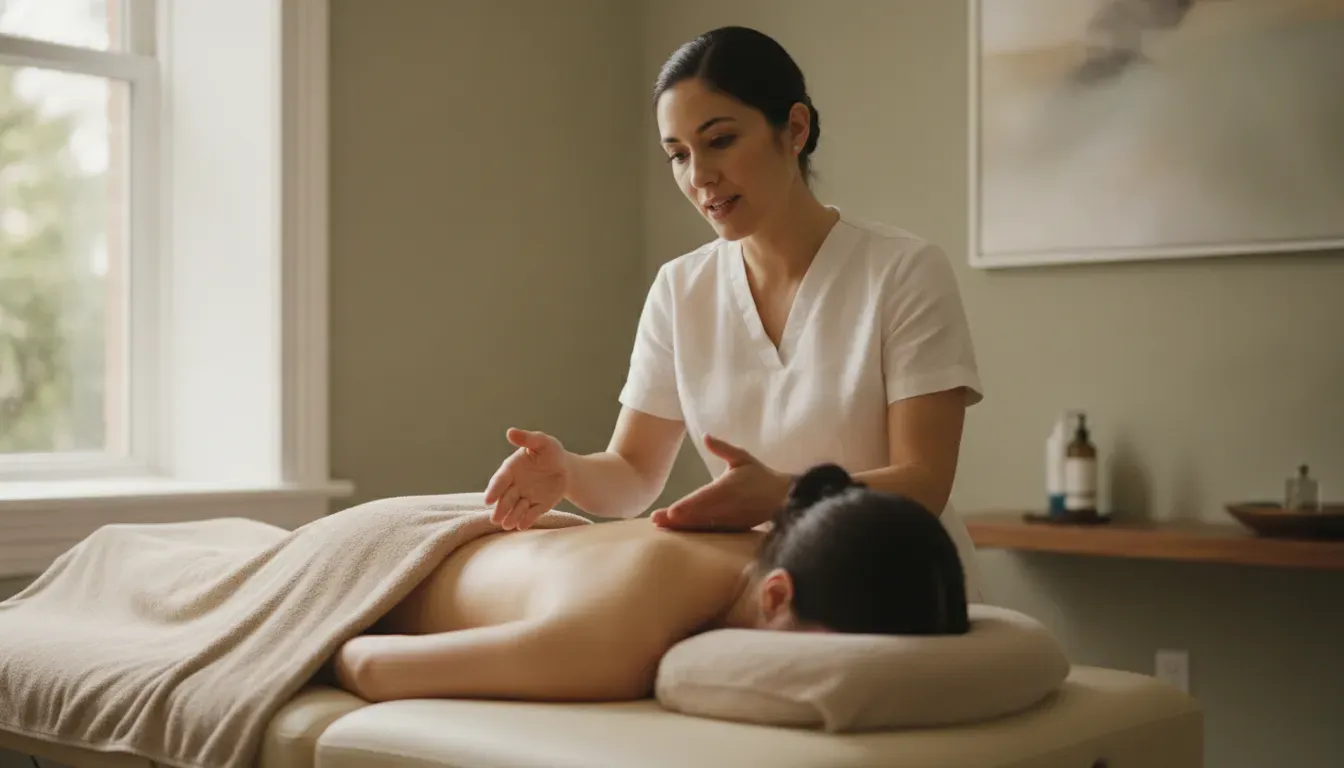

Dealing with sciatica during pregnancy can feel all-consuming, but finding relief offers benefits that go far beyond just easing that one specific pain. While a targeted massage is excellent for calming an irritated sciatic nerve, it also serves as a powerful tool for your overall well-being. It can help you sleep more deeply, reduce swelling in your legs and feet, and lower your stress levels. Think of it as dedicated time to connect with your changing body and prepare for the journey ahead. A professional pregnancy massage for sciatica is a form of self-care that supports you physically and emotionally through every trimester.
Key Takeaways
- Massage provides direct relief for sciatic pain: A professional prenatal massage focuses on releasing the tight hip and glute muscles that often press on the sciatic nerve, which is the primary source of the pain, tingling, and numbness you might be feeling.
- Always choose a certified prenatal therapist for safety: Your safety is the top priority, so seek out a therapist with specialized training in prenatal care. They are experts in using safe positions and applying the right pressure to relieve pain without any risk to you or your baby.
- Support your massage with simple daily habits: You can maintain your comfort between sessions by incorporating gentle stretches, sleeping on your side with a pillow between your knees, and paying attention to your posture to reduce strain on your lower back.
What Is Sciatica During Pregnancy?
If you’re dealing with a sharp, shooting pain that travels from your lower back or hip down your leg, you might be experiencing sciatica. It’s a common complaint during pregnancy, but that doesn’t make it any less frustrating. Sciatica happens when the sciatic nerve, the longest nerve in your body, gets compressed or irritated. This nerve runs from your lower back, through your hips and buttocks, and down each leg. When something puts pressure on it, the result is a distinct and uncomfortable pain that can make simple things like sitting or walking feel like a major challenge.
While it can be alarming, sciatica during pregnancy is usually temporary and manageable. The key is understanding what’s happening in your body and knowing that you don’t have to just push through the pain. Gentle, targeted care can provide significant relief and help you feel more comfortable as your body changes. Finding a therapist who specializes in prenatal massage is a great first step toward easing that nerve pressure and getting back to enjoying your pregnancy journey.
How to Recognize Sciatica Symptoms
It’s easy to mistake sciatica for general pregnancy-related back pain, but its symptoms are quite specific. The most telling sign is pain that radiates along the path of the sciatic nerve. It typically affects only one side of the body, though in rare cases it can affect both.
You might be dealing with sciatica if you notice:
- A sharp, shooting, or burning pain that starts in your lower back or buttock and travels down the back of your thigh and leg.
- Numbness, tingling, or a “pins-and-needles” sensation in your leg, foot, or toes.
- Pain that gets worse after sitting or standing for a long time.
- Difficulty walking, standing up, or finding a comfortable position.
The intensity can range from a mild ache to a severe, debilitating pain, but any of these symptoms are worth addressing.
Why Pregnancy Can Trigger Sciatica
Your body goes through incredible changes during pregnancy, and several of these can contribute to sciatic nerve pain. It’s not just one thing, but a combination of factors working together. Your growing baby can put direct pressure on the nerve, especially as they settle into the birthing position later in pregnancy.
At the same time, pregnancy hormones like relaxin are working to loosen your ligaments and joints to prepare your pelvis for delivery. While necessary, this can reduce stability in your spine and pelvis. Your changing body, with its growing belly and breasts, also shifts your center of gravity, which can alter your posture and strain your lower back and hip muscles. When these muscles get tight, they can press on the sciatic nerve, leading to that familiar, unwelcome pain.
What Causes Sciatica Pain When You’re Expecting?
If you’re dealing with sciatica pain during your pregnancy, you’re definitely not alone. This sharp, shooting pain is a common complaint, and it’s usually caused by a combination of the incredible changes your body is going through. From hormonal shifts to your growing baby, several factors can put pressure on the sciatic nerve. Understanding what’s happening can be the first step toward finding relief.
The Role of Hormones and Loosening Ligaments
Early in your pregnancy, your body starts producing a hormone called relaxin. Its main job is to loosen your ligaments and joints, particularly around the pelvis, to prepare your body for childbirth. While this is a necessary process, it can also make your pelvic joints less stable. To compensate, the muscles in your lower back, glutes, and hips have to work overtime to keep you supported. This extra strain can lead to tightness, inflammation, and muscle spasms that put pressure on the sciatic nerve, triggering that familiar pain.
How Weight Gain and Posture Shifts Affect You
As your baby grows, your center of gravity naturally shifts forward. To keep your balance, you might find yourself leaning back slightly, which increases the curve in your lower back. This change in posture, combined with the added weight from your baby, puts a lot of extra stress on your spine and pelvic joints. The muscles in your hips and lower back can become tight and fatigued from the constant effort of supporting your changing body. This tightness can directly compress the sciatic nerve, leading to pain that radiates down your leg.
Pressure From Your Growing Uterus
Often, the most direct cause of sciatica during pregnancy is the pressure from your growing uterus. As your baby gets bigger, your uterus expands and can press directly on the sciatic nerve where it passes through the pelvis. This is especially common in the third trimester when the baby’s head might settle right on top of the nerve. This constant compression can cause significant irritation and inflammation, resulting in that sharp, tingling, or numbing sensation. A gentle prenatal massage can help create space and relieve some of this direct pressure.
How Can Prenatal Massage Relieve Sciatica?
When that sharp, shooting pain of sciatica strikes during pregnancy, finding relief can feel like a top priority. The good news is that you don’t have to just grit your teeth and bear it. Prenatal massage is a safe, effective, and wonderfully relaxing way to address the root causes of sciatic pain.
A massage therapist who specializes in prenatal care understands the unique changes your body is going through. They use specific techniques to target the muscles and nerves affected by sciatica, helping you find comfort without medication. Let’s look at exactly how a targeted massage session can make a difference.
Ease Muscle Tension and Improve Circulation
One of the main reasons sciatica flares up during pregnancy is muscle tension. As your body changes, the muscles in your lower back, hips, and glutes can become incredibly tight, putting pressure on the sciatic nerve. A professional prenatal massage works to gently release this tension. By loosening these tight muscles, your therapist can help free the compressed nerve, which is the key to easing that radiating pain. At the same time, the massage strokes improve blood flow, bringing fresh oxygen and nutrients to the sore, inflamed areas and helping your body heal itself from the inside out.
Reduce Stress and Manage Pain Naturally
Dealing with constant pain is stressful, and stress itself can make pain feel even worse. Prenatal massage offers a powerful two-for-one benefit by tackling both. It’s a natural approach to pain management, encouraging your body to release endorphins, which are your own built-in painkillers. This can significantly lower your perception of sciatic pain. Beyond the physical relief, the calming environment and soothing touch of a massage session help lower stress hormones like cortisol. This allows your nervous system to relax, giving you a much-needed mental and emotional break while your body gets the therapeutic attention it deserves.
Move More Comfortably Through Your Day
Sciatica doesn’t just hurt; it can seriously limit your mobility, making simple things like walking, sitting, or even sleeping feel like a challenge. When you’re in pain, you often change how you move to compensate, which can lead to stiffness and new aches in other parts of your body. Regular prenatal massage helps you maintain your flexibility and range of motion. By keeping your muscles loose and your joints mobile, you can move more freely and comfortably throughout your pregnancy. This proactive care helps prevent the cycle of pain and stiffness, allowing you to stay active and enjoy this special time more fully.
What Are the Safest Massage Techniques for Sciatica?
When you’re dealing with sciatica during pregnancy, finding safe and effective relief is the top priority. The right massage techniques can make a world of difference, but it’s crucial to know which methods are appropriate for you and your baby. Whether you’re seeing a professional, trying some gentle self-massage, or getting help from a partner, the focus should always be on comfort, safety, and targeted relief. A professional massage therapist will use specific approaches to ease the pressure on your sciatic nerve, while at-home techniques can provide immediate comfort between appointments. Let’s walk through the safest and most effective ways to use massage for sciatica pain.
Professional Techniques and Proper Positioning
When you see a professional for a prenatal massage, they’ll use techniques specifically designed for the pregnant body. Your therapist will have you lie on your side, supported by pillows under your head, belly, and between your knees to keep your spine aligned and comfortable. This position takes all the pressure off your abdomen and lower back. From there, they can focus on relieving tension in your lower back, hips, and glutes, which are often the source of sciatic nerve compression. Techniques like side-lying glute release, applying gentle pressure to points around the sacrum, and using light strokes along the nerve path can alleviate pain and swelling. A certified therapist knows exactly how to apply the right amount of pressure to be effective without causing any discomfort.
Gentle Self-Massage You Can Do at Home
For those moments when you need immediate relief at home, a simple tennis ball can be your best friend. One of the easiest ways to do this is to sit in a sturdy chair and place the tennis ball between your glute muscle and the chair back. Gently lean into it and roll it around to find and release tight spots. You can also do this standing against a wall. For women in their early pregnancy, lying on the floor with your knees bent and rolling a tennis ball under your lower back and glutes can also be effective. As your belly grows, the wall or chair method is often more comfortable and accessible. This technique helps to release deep muscle tension that might be pressing on your sciatic nerve.
How Your Partner Can Help with Massage
Having your partner help with massage is a wonderful way for them to offer support and for you to get some much-needed relief. Have your partner focus on your lower back, hips, and glutes, as these areas are directly connected to sciatic pain. They should use the palm of their hand or their thumbs to apply gentle, consistent pressure, making slow circles or long strokes. This helps loosen tight muscles and encourages better blood flow to the area, which can reduce inflammation and pain. The key is communication. Make sure you tell your partner what feels good and if any pressure is too intense. A gentle, relaxing massage from someone you trust can be both physically and emotionally comforting.
What Precautions Should You Take?
While prenatal massage is a fantastic way to manage sciatica pain, your safety and your baby’s well-being are the top priorities. Taking a few key precautions ensures your experience is not only effective but also completely safe. It’s all about making informed choices so you can relax and get the relief you deserve. Before you book an appointment, think about three things: who performs the massage, how it’s done, and what your doctor has to say.
Find a Certified Prenatal Massage Therapist
First things first: not all massage therapists are trained to work with pregnant clients. It’s essential to find someone with specialized certification in prenatal massage. Massage therapy is incredibly beneficial during all stages of pregnancy, but only when you are in the care of a therapist with this specific training. These professionals understand the changes your body is going through. They know which techniques are safe, which pressure points to avoid, and how to address sciatica pain without posing any risk to you or your baby. Think of them as a key member of your pregnancy wellness team. Our therapists at Nola Bliss are highly experienced in providing safe and effective prenatal massage.
Know the Safe Positions and When to Avoid Massage
During a prenatal massage, you won’t be lying on your stomach or flat on your back (at least, not after the first trimester). Instead, you’ll be positioned for maximum safety and comfort. The most common position is lying on your side, supported by pillows and cushions to keep your hips, knees, and ankles aligned. This takes all the pressure off your lower back and prevents the weight of the uterus from compressing major blood vessels. A certified therapist will also know if there are reasons to postpone a massage, such as certain high-risk pregnancy conditions. Always be open with your therapist about how you’re feeling so they can adjust the session for you.
When to Talk to Your Doctor First
Your doctor or midwife should always be in the loop. Before you begin any new treatment for pain relief during pregnancy, including massage, it’s a great idea to get their approval. This is especially important if you have a high-risk pregnancy, preeclampsia, high blood pressure, or other medical concerns. While sciatica is common, certain symptoms can signal a more serious problem. Contact your doctor right away if you experience very bad pain, a sudden loss of bladder or bowel control, or weakness or loss of feeling in one or both of your legs. These are not typical sciatica symptoms and require immediate medical attention.
How Often Should You Get a Massage for Sciatica?
One of the most common questions I hear is, “How often should I actually be getting a massage to feel better?” The truth is, there isn’t a single magic number that works for everyone. The ideal frequency depends on how intense your sciatica pain is, how your body responds to treatment, and what your schedule and budget allow. The goal is to find a rhythm that keeps your pain at a manageable level, rather than waiting until it becomes unbearable again.
Think of prenatal massage as part of your ongoing self-care routine, not just a one-time fix. Consistent sessions can help manage the underlying muscle tension that contributes to sciatica, making you more comfortable as your pregnancy progresses. It’s a partnership between you, your body, and your therapist. Your needs will likely change from one trimester to the next, and what felt perfect at 20 weeks might not be enough at 35 weeks. That’s why it’s so important to stay flexible and communicate openly with your massage therapist. Together, you can create a plan that adapts to your body’s changing demands and provides sustained relief throughout your entire pregnancy journey.
Finding the Right Frequency for Pain Relief
As a general guideline, many women find that a massage every two to four weeks is a great starting point for managing sciatica pain. This frequency often provides consistent relief without feeling overwhelming. However, the key is to listen to your body. If you’re experiencing a particularly bad flare-up, you might benefit from weekly sessions for a short period to get the pain under control. Once you feel better, you can transition back to a less frequent maintenance schedule. A certified prenatal massage therapist can help you figure out the best approach based on your specific symptoms and comfort level.
Scheduling Massages Throughout Your Pregnancy
Sticking to a regular massage schedule does more than just soothe your immediate aches. Consistent prenatal massage helps you maintain better mobility and flexibility as your body changes. This proactive approach means you’re less likely to develop secondary pains in your back, hips, or legs from stiffness or compensating for the sciatica. You might find that a monthly massage works perfectly in your second trimester, but you want to increase it to every two weeks as you enter the third trimester and the pressure on your sciatic nerve intensifies. Working with your therapist to adjust your schedule ensures you get the support you need, right when you need it.
What Else Can You Do to Find Relief?
While a professional prenatal massage is one of the most effective ways to manage sciatica, you can support your body between appointments with a few simple at-home strategies. Combining massage with gentle movement, better sleep habits, and mindful posture can create a powerful routine for lasting comfort. Think of these practices as your daily maintenance plan, helping you extend the benefits of your massage and feel more in control of your body as it changes. These small adjustments can make a significant difference in your day-to-day pain levels, allowing you to move more freely and enjoy your pregnancy. It’s about building a holistic approach to your well-being during this special time, where every little bit of self-care adds up. By actively participating in your own relief, you empower yourself to handle the physical demands of pregnancy. The goal is to create a supportive environment for your body, both on and off the massage table. Below are a few key areas to focus on that can complement the therapeutic work we do in your massage sessions, helping you find consistent relief.
Incorporate Gentle Exercise and Stretches
When you’re in pain, moving more might be the last thing on your mind, but gentle activity is key to relief. Low-impact exercises like walking, swimming, or riding a stationary bike can strengthen the muscles supporting your back and hips without putting stress on your joints. It’s also a great idea to incorporate specific stretches to release tension around the sciatic nerve. Try a seated piriformis stretch or a gentle standing hamstring stretch. Hold each position for about 30 seconds, breathing deeply, and never push into pain. Always remember to check in with your doctor before starting a new exercise routine to make sure it’s right for you.
Adjust Your Sleep Position and Use Heat Therapy
A good night’s sleep can feel impossible when sciatica strikes. To find a more comfortable position, try sleeping on your side with your painful hip facing up. Placing a pillow between your knees helps keep your hips, pelvis, and spine aligned, reducing pressure on the sciatic nerve. You can also hug a body pillow to prevent your upper body from twisting. For extra relief before bed, try applying a heating pad on a low setting to the sore area for about ten minutes. Just be sure to place a towel between the heating pad and your skin to prevent burns.
Improve Your Posture with Daily Habits and Yoga
Your posture plays a huge role in managing sciatica pain. As your baby grows, your center of gravity shifts, which can lead to slouching or arching your back, both of which aggravate the sciatic nerve. Pay attention to how you stand, sit, and walk. Try to keep your shoulders back and your spine in a neutral position. Prenatal yoga is a wonderful way to build core strength and body awareness, which naturally improves your posture. These daily adjustments, combined with regular massage to release tight muscles, can help you carry your baby with greater ease and less pain.
What Are the Other Benefits of Prenatal Massage?
While finding relief from sciatica is a huge win, the advantages of prenatal massage don’t stop there. Think of it as a holistic tool to support your entire well-being as your body goes through incredible changes. It’s more than just a luxury; it’s a proactive way to manage the physical and emotional demands of pregnancy. Regular massage can help you feel more comfortable, rested, and emotionally balanced. It addresses many of the common discomforts you might be experiencing, from swollen ankles to a racing mind, helping you enjoy this special time a little more. By making massage a part of your routine, you’re investing in your own health, which in turn supports a healthier pregnancy journey. It’s a dedicated time for you to connect with your changing body, release tension, and prepare for the journey ahead.
Improve Your Sleep and Overall Comfort
Getting a good night’s sleep can feel like a fantasy during pregnancy. Between finding a comfortable position and dealing with new aches, quality rest is hard to come by. A specialized prenatal massage can make a real difference. By using safe, gentle pressure, your therapist can soothe the strain on your lower back, hips, and legs. This targeted relief eases the muscle tension that keeps you tossing and turning. Research shows that women who receive regular prenatal massage often report reduced anxiety and pain, which directly contributes to deeper, more restorative sleep and an overall greater sense of comfort throughout your day.
Reduce Swelling and Support Healthy Circulation
Have you noticed your ankles and feet looking a bit puffier than usual? This common swelling, called edema, happens because your body is holding on to more fluid to support your growing baby. Massage is a fantastic, natural way to manage it. The gentle, rhythmic strokes encourage better circulation throughout your body. This improved blood flow helps move excess fluid away from your tissues, reducing that tight, swollen feeling. It also means more oxygen and nutrients are getting delivered to your muscles and your baby. This process helps lower inflammation and keeps your body working efficiently, so you can feel lighter on your feet.
Support Your Emotional Well-Being and Prepare for Labor
Pregnancy is an emotional journey with plenty of ups and downs. Massage therapy gives you a quiet, peaceful space to reconnect with yourself and calm your mind. It helps shift your nervous system into a “rest and digest” state, which lowers levels of stress hormones. This process can ease anxiety, lift your mood, and help you feel more centered and prepared for the changes ahead. Taking this time for yourself is a powerful form of self-care. Our team of dedicated therapists is here to create a supportive and professional environment where you can fully relax, let go of worries, and recharge for the incredible experience of motherhood.
How to Find a Qualified Prenatal Massage Therapist
When you’re dealing with something as persistent as sciatica, you want to know you’re in good hands. And when you’re pregnant, that’s doubly true. Finding a massage therapist isn’t just about finding someone who is available; it’s about finding a professional with the right skills to keep you and your baby safe and comfortable. A great prenatal massage requires specific knowledge of how the body changes during pregnancy, so taking a few extra steps to find the right person is well worth the effort.
Your comfort and safety are the top priorities. A qualified therapist will know how to position you correctly, which areas to avoid, and what techniques are most effective for pregnancy-related aches and pains. This specialized care ensures you get all the benefits of the massage without any of the risks.
Look for Specific Certifications and Training
Not all licensed massage therapists are trained to work with pregnant clients. Prenatal massage is a specialty that requires additional education beyond standard massage school. Therapists often pursue this through advanced training workshops and continuing education courses to learn the anatomy and physiology of pregnancy. This extra training covers how to handle the unique needs of expectant mothers through every trimester.
When you’re looking for a therapist, check their website or biography for mentions of “prenatal certification” or “certified in prenatal massage.” This indicates they have invested time in learning the proper techniques, contraindications, and safety protocols. A truly skilled therapist will understand how to adapt the massage as your body changes, ensuring you get effective relief from issues like sciatica at every stage.
Key Questions to Ask a Potential Therapist
Once you find a potential therapist, don’t hesitate to ask a few questions before booking. Think of it as a mini-interview to ensure they’re the right fit for you. A confident and qualified professional will be happy to share their experience and put your mind at ease.
Start by asking about their specific training and how much experience they have with prenatal massage. You can ask things like, “What kind of prenatal certification do you have?” or “How many pregnant clients do you typically see each month?” It’s also a great idea to ask about their approach to safety and comfort, especially how they position clients to support their belly and back. A knowledgeable therapist will confidently explain their use of pillows and bolsters and how they modify techniques for sciatica relief.
Related Articles
Frequently Asked Questions
Will the massage hurt if I’m already in pain from sciatica? Not at all. The entire purpose of a prenatal massage for sciatica is to provide relief, not cause more discomfort. A certified prenatal therapist is trained to be gentle and precise. They will use specific techniques to soothe the tight muscles around the sciatic nerve without applying painful pressure. You are always in control, and we encourage you to communicate with your therapist about what feels good so they can adjust the pressure to your exact comfort level.
How is a prenatal massage different from a regular deep tissue massage? While both massages can relieve muscle tension, a prenatal massage is completely customized for the pregnant body. The biggest differences are positioning and technique. You’ll be comfortably supported on your side with pillows, never lying flat on your stomach or back. Your therapist will also use techniques that are safe for pregnancy, avoiding certain pressure points and applying pressure that is appropriate for your changing body, ensuring both you and your baby are safe and comfortable.
Is it safe to get a massage at any point during my pregnancy? Generally, yes, prenatal massage is considered safe throughout all three trimesters, as long as you have clearance from your doctor and see a certified prenatal therapist. Some therapists prefer to wait until the second trimester to begin treatment, but the most important thing is to have an open conversation with both your healthcare provider and your massage therapist. This ensures your massage plan is perfectly suited to your specific health needs at every stage.
How long will the relief from a single massage last? This really varies from person to person. Many women feel immediate relief from the sharp pain, and this comfort can last for several days. However, the goal of massage for sciatica is management, not a one-time cure. The factors causing the nerve pressure, like your growing baby and loosened ligaments, are still present. That’s why consistent sessions often provide the most lasting benefits, as each massage builds on the progress of the last to keep muscle tension at bay.
What should I do if I feel uncomfortable at any point during the massage? Please speak up right away. Your comfort is our top priority, and your therapist wants and needs your feedback. Whether you need the pressure adjusted, an extra pillow, or a change in position, you should never hesitate to let them know. A professional therapist will check in with you during the session, but you are always encouraged to voice any concerns. This is your time, and we are here to make it as relaxing and beneficial as possible.