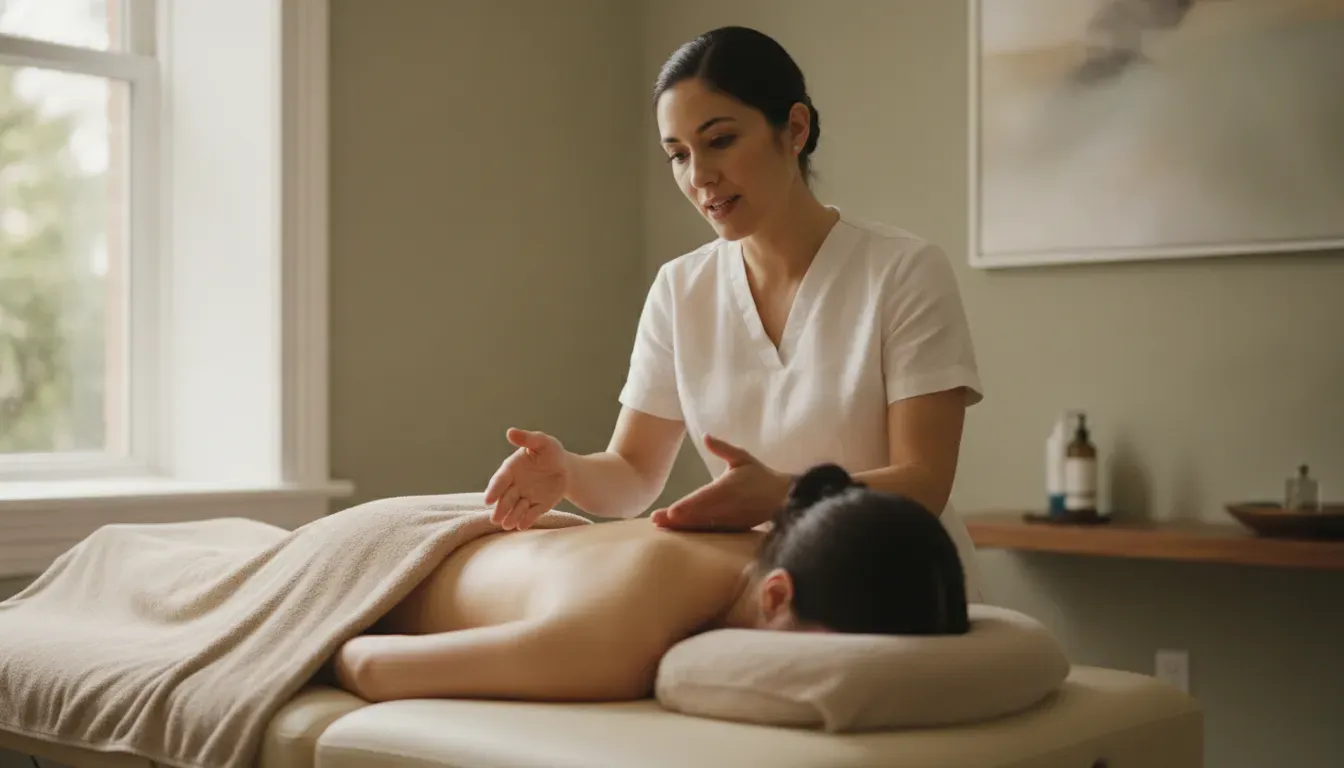

Getting a good night’s sleep, fitting into your favorite shoes, and moving through your day without that heavy, achy feeling in your legs—these simple comforts can feel like a distant dream during pregnancy. But what if they were more attainable than you thought? The secret often lies in targeted, supportive care for your lower body. A professional prenatal leg massage is one of the most effective ways to reclaim that sense of comfort. By improving circulation and reducing fluid retention, it directly addresses the root causes of swelling and cramping. This guide explores the incredible benefits of this specialized massage, from easing sciatic pain to calming restless legs, helping you enjoy a more comfortable and restful pregnancy.
Key Takeaways
- Always get your doctor’s approval: Before booking a massage, talk to your healthcare provider to ensure it’s a safe choice for your pregnancy, and only work with a therapist who is certified in prenatal care.
- Focus on gentle, upward strokes: The best technique for reducing swelling and improving circulation is using light, gliding strokes from the ankles toward the heart while lying comfortably on your side.
- Make it a regular practice for lasting relief: A single massage is helpful, but consistent sessions provide cumulative benefits that more effectively manage persistent issues like leg cramps and sciatic pain.
What Makes a Prenatal Leg Massage Different?
A prenatal leg massage isn’t just a standard massage adapted for pregnancy; it’s a specialized approach designed with your and your baby’s safety and comfort in mind. The techniques, positioning, and pressure are all carefully considered to address the unique challenges of pregnancy, like swelling and circulatory changes. While a regular massage might focus solely on deep muscle relief, a prenatal massage is a therapeutic practice that supports your body through its incredible transformation. It’s about providing relief in the safest, most effective way possible. Understanding these differences is the first step to ensuring you get all the benefits without any of the risks, whether you’re getting a professional treatment or guiding a partner at home.
Techniques Designed for Pregnancy
During pregnancy, your body is working overtime to circulate extra blood and fluids. This can lead to uncomfortable swelling, especially in your legs and feet. That’s why prenatal massage therapists use specific techniques to help. The best approach is often a modified Swedish massage, which uses long, gentle, upward strokes. This movement, known as effleurage, is fantastic for encouraging fluid to move away from your ankles and back toward the heart, which can reduce swelling and improve circulation. A trained therapist knows how to apply these strokes effectively to relax your muscles and support your changing body, making it a cornerstone of a safe and beneficial pregnancy massage.
Why Positioning and Pressure Matter
How you’re positioned during a massage is always important, but it’s absolutely critical during pregnancy. Lying on your back can put pressure on a major vein called the vena cava, which can restrict blood flow to you and your baby. To avoid this, therapists use a side-lying or semi-reclined position, supported by plenty of pillows for comfort and stability. Just as important is the amount of pressure used. Deep pressure should be avoided, especially on the inner thighs and behind the knees, as these areas can be more sensitive and prone to blood clots during pregnancy. A light-to-moderate touch is the safest way to soothe sore muscles without creating any risks.
The Benefits of Prenatal Leg Massage
Pregnancy is an incredible journey, but it often comes with some less-than-blissful side effects, especially for your legs and feet. From swelling to late-night cramps, your lower body does a lot of heavy lifting. The good news is that a gentle leg massage can offer amazing relief. It’s more than just a moment of pampering; it’s a powerful tool for managing discomfort and supporting your body. A dedicated prenatal massage focuses on these concerns, providing targeted care when you need it most. Let’s look at some of the specific ways a prenatal leg massage can help you feel your best.
Reduce Swelling in Your Legs and Feet
If you’ve noticed your ankles and feet looking puffier than usual, you’re not alone. This common pregnancy symptom, called edema, happens because your body retains more fluid to support the baby. Gentle massage is a fantastic way to manage this swelling. The strokes help improve blood flow and encourage your lymphatic system to drain excess fluid. According to the American Pregnancy Association, this process helps your body get rid of waste more efficiently, which can bring down the puffiness. This provides welcome relief, helping your shoes fit more comfortably and making it easier to stay on your feet.
Improve Circulation
During pregnancy, your growing uterus can put pressure on major blood vessels, which can slow down circulation to and from your legs. This can contribute to swelling and that heavy, tired feeling. A prenatal leg massage uses gentle, upward strokes that encourage blood to flow back toward your heart. This not only helps reduce fluid buildup but also ensures that fresh, oxygen-rich blood is reaching your muscles. Better circulation is great for your overall health and is also vital for delivering essential nutrients to your baby. It’s a simple, relaxing way to support your circulatory system when it’s working overtime.
Relieve Muscle Cramps and Tension
Have you ever been woken up by a sudden, sharp pain in your calf? Leg cramps are another frequent complaint during pregnancy, often striking without warning. These painful spasms can be caused by changes in your circulation or pressure from the baby on certain nerves. A focused calf massage is incredibly helpful for preventing and relieving these cramps. By gently stretching and relaxing the muscle fibers, massage can release built-up tension and ease the tightness that leads to cramping. Regular massage helps keep the muscles in your legs pliable and less prone to seizing up, letting you get a more restful night’s sleep.
Soothe Sciatic Pain and Restless Legs
Sciatic nerve pain is a common issue in late pregnancy, causing shooting pain from your lower back down through your leg. This happens when the nerve gets compressed by your growing uterus or tense muscles. Many women find that massage significantly reduces this discomfort by relaxing the muscles in the hips, glutes, and lower back, which takes pressure off the nerve. Similarly, if you experience an irresistible urge to move your legs, especially at night, massage can help calm that sensation. The soothing strokes can lessen the symptoms of restless legs syndrome, helping you relax and finally get some much-needed rest.
Is Prenatal Leg Massage Always Safe?
A gentle leg massage can feel like a lifesaver during pregnancy, but safety is always the top priority. While it’s generally a wonderful practice, there are a few important situations and conditions to be aware of. Knowing when to proceed with caution, what areas to avoid, and why certain techniques are off-limits will help you or your partner give a massage that is both soothing and completely safe for you and your baby. Think of it as a partnership between you, your body, and your healthcare provider.
When to Be Extra Cautious
Your health and your baby’s health come first, so it’s crucial to listen to your body and your doctor. If you have a high-risk pregnancy or are experiencing conditions like pre-term contractions, high blood pressure, or severe swelling, you should always get your doctor’s approval before getting a massage. This is why working with a trained professional is so important. A certified therapist understands the complexities of the pregnant body and knows exactly how to adjust their technique. They can provide a safe, relaxing experience, but only after you’ve had a conversation with your healthcare provider to confirm it’s safe for your specific situation.
A Note on Varicose Veins and Blood Clots
During pregnancy, your body produces more blood, and circulation in your legs can slow down. This combination increases the risk of developing blood clots, particularly in the deep veins of the legs. This is a key reason why deep tissue massage on the legs is not recommended during pregnancy. Applying firm pressure could potentially dislodge a clot, which can be very dangerous. If you have varicose veins, it’s also best to avoid direct pressure on them. A trained therapist will use light, gentle, sweeping strokes that encourage circulation without applying the kind of deep pressure that poses a risk. The goal is to soothe, not to solve deep muscle knots in these sensitive areas.
Specific Spots to Avoid
You may have heard that certain pressure points in the ankles and lower legs can trigger contractions. This is a reference to acupressure points, like SP6 (located about four finger-widths above the inner ankle bone), which are traditionally associated with the uterus and pelvic area. While the evidence is debated, the rule of thumb in prenatal massage is to err on the side of caution. A professional prenatal massage therapist will avoid applying deep or sustained pressure to these specific points. Light, gentle stroking over these areas is generally fine, but any focused, intense work is best left alone until after your baby arrives. It’s all about being mindful and gentle.
Safe and Effective Massage Techniques
When it comes to prenatal leg massage, the right technique makes all the difference. It’s not just about what feels good, but what’s safest for you and your baby. Whether you’re guiding your partner or practicing a little self-care, focusing on gentle, intentional movements is key. These are the same principles a certified therapist uses during a professional prenatal massage, ensuring every touch is both soothing and safe. By learning a few core techniques, you can confidently address common pregnancy discomforts like swelling and muscle cramps right from your own home.
Gentle Strokes for Maximum Relief
The best way to encourage fluid to move out of your swollen ankles and feet is with long, gliding strokes. This technique, known as effleurage, is a cornerstone of prenatal massage. Start at the ankle and use a broad, open palm to gently stroke upward toward the knee, and then from the knee toward the hip. This upward motion helps guide excess fluid back toward the body’s core, where it can be processed and eliminated. The key is to keep the touch gentle and consistent, creating a soothing rhythm that not only reduces swelling but also calms the nervous system.
The Best Position for Comfort and Safety
How you position your body during a massage is crucial for both comfort and safety. Lying flat on your back is generally not recommended, especially later in pregnancy, as it can put pressure on a major vein and reduce blood flow to the baby. The safest and most comfortable position is lying on your side, with pillows tucked between your knees, under your belly, and behind your back for support. A semi-reclined position, propped up with plenty of pillows, can also work well. This careful positioning ensures you and your baby get the oxygen you need while you relax.
Finding the Right Amount of Pressure
During pregnancy, your body’s blood volume increases, and blood flow can slow down in your legs, slightly raising the risk of blood clots. Because of this, it’s important to stick with light to moderate pressure. Deep tissue work on the legs, especially the inner thighs and calves, should be avoided. The goal is to soothe tired muscles and move fluid, not to perform intense muscle work. A good rule of thumb is to use pressure that feels comforting but never painful. If you’re unsure, always err on the side of a lighter touch. A trained therapist will know exactly how to adjust the pressure for maximum benefit without any risk.
Where to Focus Your Massage
Knowing where to massage is just as important as knowing how. You can safely focus on the large muscles that do so much work carrying you through the day. This includes the hamstrings (back of the thigh), quadriceps (front of the thigh), hips, and glutes. The lower legs, including the calves, shins, ankles, and feet, are also great spots for relieving tension and swelling. However, you should completely avoid massaging the inner thigh area. It’s also best to use very light strokes over any visible varicose veins instead of applying direct pressure to them. This ensures the massage remains a safe and purely beneficial experience.
When Should You Get a Prenatal Leg Massage?
Knowing when to start prenatal leg massage and how often to get one can make all the difference in your comfort level. While it’s a fantastic tool for managing pregnancy aches and pains, timing is important for ensuring it’s both safe and effective. The right schedule is unique to you. The key is to listen to your body and have open conversations with your healthcare provider and massage therapist to create a plan that helps you feel your best.
The Ideal Time to Start
Most practitioners recommend waiting until after the first trimester to begin receiving prenatal massage. The second trimester is often considered the sweet spot to start. By this point, morning sickness has usually subsided and fatigue has started to lift, but your body is beginning to feel the physical strains of a growing baby. Introducing leg massage now is a wonderful way to proactively manage discomfort. According to the American Pregnancy Association, incorporating massage into your routine can improve both emotional and physical well-being.
How Often Should You Get One?
The best frequency for prenatal leg massage really depends on your specific symptoms. For general relaxation, a monthly massage might be all you need. However, if you’re dealing with persistent issues like swelling, leg cramps, or sciatic nerve pain, you might find more relief from weekly or bi-weekly sessions, especially during the third trimester. Listen to what your body is telling you. If your legs feel heavy and achy, a more regular schedule could be helpful. Discuss your symptoms with your massage therapist so they can recommend a frequency that helps you stay comfortable.
Why You Should Talk to Your Doctor First
Before you book your first prenatal massage, it’s essential to talk with your doctor or midwife. Getting their approval is the most important step to ensure massage is a safe choice for you and your baby. While it’s safe for most low-risk pregnancies, certain conditions require medical clearance. Be sure to tell your doctor if you have a high-risk pregnancy, high blood pressure, preeclampsia, gestational diabetes, or a history of blood clots. Your doctor knows your health history best. This simple check-in ensures everyone on your care team is on the same page, allowing you to relax with complete peace of mind.
How to Do Prenatal Leg Massage at Home
While nothing quite compares to the detailed work of a professional, you can absolutely find relief from tired, achy legs at home. A gentle massage can be a wonderful way to connect with your changing body or a sweet moment to share with a partner. The key is to use safe, simple techniques that focus on comfort and circulation. Think of it as a maintenance routine between your professional prenatal massage appointments. By learning a few basic strokes and understanding which areas to treat with extra care, you can create a soothing ritual that helps manage swelling and tension right from your own couch. Just remember to always listen to your body and stop if anything feels uncomfortable. This at-home care can make a huge difference in your day-to-day comfort, helping you feel more relaxed and rested as you prepare for your baby’s arrival. It’s a simple act of self-care that honors the hard work your body is doing.
A Simple Self-Massage Routine
First, find a comfortable, seated position where you can easily reach your legs, perhaps propped up on some pillows. Using a bit of lotion or oil to reduce friction, start at your ankle. Use slow, rhythmic, upward strokes, moving from your ankle toward your knee and then from your knee toward your thigh. Always massaging toward your heart helps encourage fluid to move out of your extremities, which can reduce swelling. Focus on the larger muscles in your calves, shins, and outer thighs. Use broad, gentle pressure with the palm of your hand. It’s important to avoid the inner thigh area and any visible varicose veins, as these spots are more sensitive during pregnancy.
How Your Partner Can Help
Having your partner help with a leg massage can be a lovely bonding experience. The most important rule here is communication. Your partner should use the same gentle, upward strokes you would use on yourself, always checking in about the pressure and your comfort level. They can help you get into a comfortable side-lying position with pillows for support, which often makes it easier to relax completely. While your partner’s touch can provide incredible comfort, remember that they aren’t a substitute for a trained professional. A certified prenatal massage therapist has specialized knowledge of the pregnant body to provide safe and effective relief.
What to Do After Your Massage
What you do after your massage is just as important as the massage itself. To get the most out of it, take a few minutes to elevate your legs above your heart. This simple action uses gravity to help drain excess fluid and further reduce any lingering swelling. Next, be sure to drink a glass of water. Hydration helps your body process the fluids that were moved around during the massage. Finally, consider some gentle movement, like pointing and flexing your feet or taking a short, slow walk. This can help with circulation and keep your legs from feeling stiff. These simple steps extend the benefits of your massage and help you feel better for longer.
How to Choose a Prenatal Massage Therapist
While a professional massage can feel like a lifesaver during pregnancy, finding the right person for the job is key. Not every massage therapist is trained to work with expecting mothers, and this is one time when you absolutely want a specialist. Your body is going through incredible changes, and you need a therapist who understands the unique physical needs and safety precautions required during this time. Choosing a qualified professional isn’t just about getting a better massage; it’s about ensuring you can fully relax, knowing you and your baby are in good hands. It’s an important step in your self-care routine that helps you feel your best, safely and comfortably.
Look for a Certified Professional
When you start your search, the most important thing to look for is a therapist who is certified in prenatal massage. This isn’t just a nice-to-have; it’s essential for your safety and comfort. Therapists with this specialized training understand the anatomy and physiology of a pregnant body. As the American Pregnancy Association notes, certified therapists know how to position you safely with pillows and bolsters to avoid putting pressure on the wrong places. They are also trained to adapt their techniques for each trimester and are aware of any potential warning signs or contraindications. This expertise allows them to tailor the massage to your specific needs, helping to relieve tension without posing any risks.
Key Questions to Ask Before You Book
Before you commit to an appointment, it’s always a good idea to have a conversation with your doctor to make sure massage is a good option for you. Once you get the green light, don’t hesitate to ask the massage studio or therapist a few questions. You can ask about their specific training and how much experience they have working with pregnant clients. It’s also crucial to be open about your health. If you have a high-risk pregnancy, high blood pressure, or severe swelling, you must discuss these conditions with both your doctor and your therapist before your session. A truly professional and experienced therapist will welcome your questions and be happy to explain how they will keep you comfortable and safe.
Create Your Own Leg Relief Routine
Finding what works for you is the best way to manage pregnancy-related leg discomfort. Creating a simple, consistent routine can make a world of difference, helping you feel more comfortable day-to-day. This doesn’t have to be complicated or time-consuming. It can be as simple as setting aside 10 minutes each evening for a gentle leg massage, either on your own or with your partner’s help. The goal is to create a predictable moment of relief that your body can count on, a small ritual that signals it’s time to unwind and release the day’s tension.
A great at-home routine focuses on slow, rhythmic strokes. Always start at your ankle and move upward toward your knee and thigh, directing the pressure toward your heart. This technique helps improve circulation and move excess fluid that tends to pool in your lower legs. Over time, this simple practice can help reduce swelling, ease persistent muscle cramps, and even quiet restless legs so you can get better sleep. For more comprehensive care, you can incorporate professional sessions into your routine. A certified therapist can address specific concerns and provide deeper relief, making a prenatal massage a valuable part of your self-care plan.
Pair Massage with Other Comfort Measures
To get the most out of each massage, think about what you do right after. A few simple actions can extend the feeling of relief and help your body process the benefits. After a massage, try to elevate your legs for 15 to 20 minutes. This simple position uses gravity to help reduce swelling. Drinking plenty of water is also key, as it helps your system flush out waste products released from your muscles.
Gentle movement can also be incredibly helpful. Simple ankle pumps, circles, or a short, slow walk can encourage fluid to move out of your lower legs, further easing discomfort and stiffness. Combining these small habits with massage creates a powerful approach to managing swelling and keeping your legs feeling as light as possible.
Why Consistency Is Key for Relief
While a single massage can provide immediate relief, the real magic happens when you make it a regular practice. Consistent massage offers cumulative benefits that build over time. For example, many women find that regular sessions significantly reduce the sciatic nerve pain that often appears later in pregnancy. When your muscles are consistently cared for, they are less likely to become tight and impinge on the nerve.
Beyond just muscle relief, studies show that regular massage can also help regulate hormones. According to the American Pregnancy Association, this can lead to better moods and improved cardiovascular health. Think of it as an investment in your overall well-being. Each massage builds on the last, helping your body adapt to the changes of pregnancy with greater ease and comfort.
Related Articles
Frequently Asked Questions
Why is deep pressure on the legs a no-go during pregnancy? Your circulatory system is working differently right now, and your blood volume has increased significantly. This can make you more susceptible to blood clots in your legs. Applying deep, firm pressure could potentially disturb a clot, which is a serious risk. A trained prenatal therapist knows to use gentle, upward strokes that support circulation and relieve tension without applying the kind of intense pressure that could be unsafe.
Can my partner give me a safe leg massage at home? Absolutely, and it can be a wonderful way to connect. The key is to follow the same safety rules a professional would: use gentle, upward strokes from the ankle toward the heart, and avoid deep pressure, especially on the inner thighs and calves. Make sure you are positioned comfortably on your side with pillows for support. While your partner’s touch can provide amazing comfort, remember that a certified therapist has specialized knowledge of the pregnant body for more targeted, therapeutic relief.
When is the best time in my pregnancy to start getting leg massages? The second trimester is generally the perfect time to start incorporating regular massage into your routine. By then, early pregnancy symptoms have often eased up, but the physical demands on your body are starting to increase. Of course, the most important first step is to have a conversation with your doctor or midwife to get their approval before you book any appointments.
Will a leg massage actually help with my swollen feet and ankles? Yes, it can make a noticeable difference. The puffiness you’re experiencing is often due to extra fluid pooling in your lower extremities. A prenatal leg massage uses long, gentle strokes that move in an upward direction. This technique helps encourage that excess fluid to travel back toward your heart, where your body can process it more effectively, providing you with welcome relief.
What makes a prenatal massage therapist different from a regular one? A certified prenatal massage therapist has completed specialized training focused entirely on the pregnant body. They understand how to position you safely to protect your baby and major blood vessels, which pressure points to avoid, and how to adjust techniques for each trimester. This expertise ensures you can fully relax, knowing that every touch is designed to be both effective and completely safe for you and your baby.