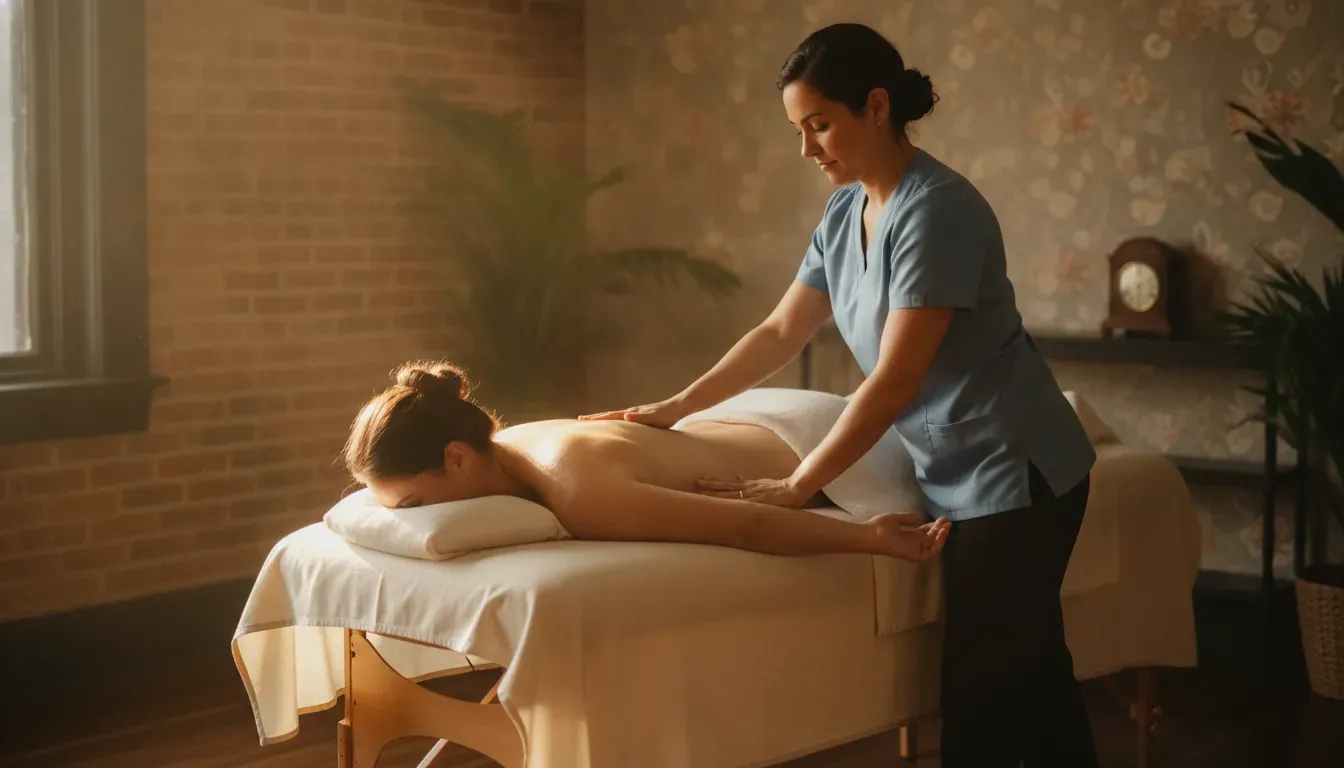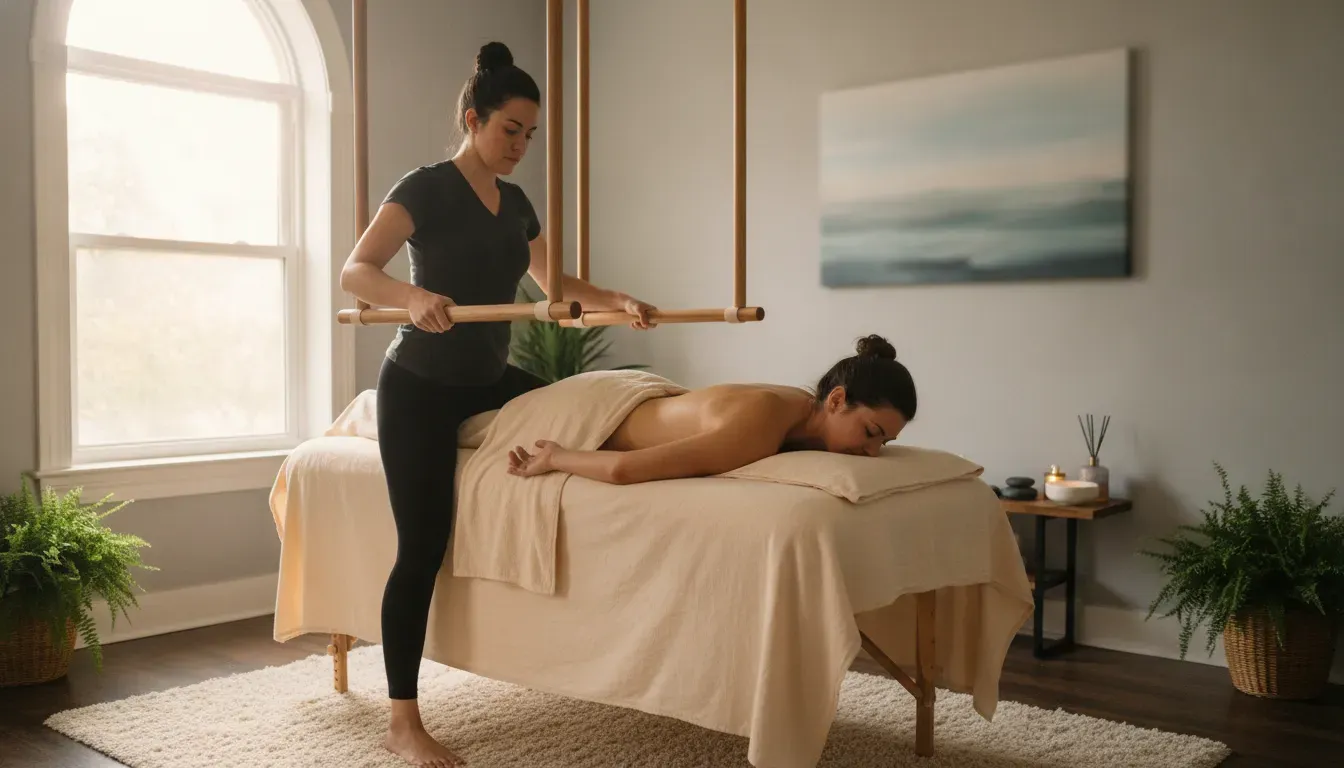

Being pregnant in a city as vibrant as New Orleans is a unique experience. Between the festivals, the amazing food, and the simple joy of walking through historic neighborhoods, there’s so much to enjoy. But all that activity can also take a toll on an expecting mother’s body. Finding a moment of peace and relief is essential. A prenatal massage offers a perfect escape, allowing you to soothe tired muscles and recharge your energy so you can fully embrace this special time. Whether you’re a local mom-to-be or visiting the city, this guide will help you find the best prenatal massage New Orleans provides for a truly therapeutic and relaxing experience.
Key Takeaways
- Prioritize It for Physical and Mental Relief: Prenatal massage is a key part of pregnancy wellness, offering targeted relief from aches and pains while also reducing stress and improving your quality of sleep.
- Your Therapist’s Qualifications Matter: Ensure your safety and comfort by choosing a licensed therapist with specific certification in prenatal massage who understands how to properly position and support your changing body.
- Always Consult Your Doctor First: Before booking any massage, get clearance from your doctor or midwife to confirm it’s a safe choice for your specific pregnancy, giving you complete peace of mind.
Why Get a Prenatal Massage?
Pregnancy is an incredible experience, but it asks a lot of your body. From shifting hips and a growing belly to the emotional waves that come with creating a new life, it’s a time when you deserve extra care and support. A prenatal massage isn’t just a luxury; it’s a powerful tool to help you feel your best during this transformative time. It’s a dedicated moment to connect with your changing body, ease physical discomfort, and calm your mind before your little one arrives.
Designed specifically for the needs of expectant mothers, a prenatal massage uses safe and effective techniques to address the unique challenges of pregnancy. A skilled therapist can help soothe sore muscles, reduce swelling, and provide a much-needed emotional release. Think of it as an essential part of your wellness routine, helping you manage the physical and mental demands of pregnancy so you can focus on the joy of the journey. From easing back pain to helping you get a better night’s sleep, the benefits are as real as they are relaxing.
Soothe Pregnancy Aches and Pains
As your baby grows, your body works overtime. Your center of gravity shifts, putting new strain on your back, neck, hips, and abdominal muscles. This often leads to persistent aches and pains that can make daily life uncomfortable. A prenatal massage directly targets these sore spots, offering gentle relief where you need it most. A trained therapist understands the anatomy of a pregnant body and uses specific techniques to release tension in your lower back, ease sciatic nerve pain, and relax tight shoulder muscles. It’s a wonderful way to ease aches, reduce stress, and simply feel less tired as you move through your pregnancy.
Support Your Mental and Emotional Well-being
Pregnancy can be an emotional rollercoaster, with hormonal changes and the anticipation of a major life shift contributing to stress and anxiety. Taking time for yourself is crucial, and a prenatal massage is a perfect way to do just that. The calming environment and soothing touch help lower cortisol (the stress hormone) and increase levels of serotonin and dopamine, which are known to lift your mood. This dedicated time helps reduce stress, anxiety, and feelings of sadness, allowing you to feel more centered and connected to your body. It’s a peaceful escape that supports not just your physical health, but your emotional wellness, too.
Improve Your Sleep and Circulation
Getting a full night’s rest can feel like a distant dream during pregnancy, especially in the later trimesters. Discomfort, leg cramps, and anxiety can all keep you awake. Prenatal massage promotes deep relaxation, which can help you sleep better and more soundly. It also improves circulation throughout your body. This is especially helpful for reducing swelling, or edema, in your hands, feet, and ankles—a common pregnancy symptom caused by increased pressure on major blood vessels. By encouraging blood and lymph flow, massage can alleviate that heavy, swollen feeling and reduce painful leg cramps.
Busting Common Prenatal Massage Myths
It’s completely normal to have questions about the safety of prenatal massage. The most important thing to know is that when performed by a qualified professional, it is a safe and beneficial practice. You should always make sure the massage therapist is specially trained and certified in prenatal massage techniques. These therapists understand the changes your body is going through and know how to provide a comfortable and secure experience. Our team of experts is highly trained to care for expecting mothers. A common concern is that massage could induce labor, but a certified therapist knows to stay away from deep tissue work or specific pressure-point techniques that could potentially stimulate contractions. They will use supportive pillows and adjust your position to ensure both you and your baby are safe and comfortable throughout the session.
How to Choose the Right Prenatal Massage Therapist
Finding the right massage therapist is always important, but it’s absolutely essential when you’re pregnant. Your body is going through incredible changes, and you need a professional who understands the unique demands of pregnancy. A great prenatal massage is more than just a relaxing treat; it’s a therapeutic experience that requires specialized knowledge and care. To make sure you’re in the best hands, here are a few key things to look for when choosing your therapist.
Check for Certifications and Specialized Training
Not all massage therapists are qualified to work with expecting mothers. It’s crucial to find someone who is specially trained and certified in prenatal massage techniques. This specialized training goes beyond standard massage therapy, teaching therapists about the anatomical and physiological changes during pregnancy. A certified prenatal massage therapist knows which areas to focus on, which to avoid, and how to apply pressure safely. Don’t hesitate to ask about a therapist’s credentials; a true professional will be happy to share their qualifications and put your mind at ease. This ensures you can fully relax, knowing you and your baby are receiving safe, expert care.
Ask About Their Experience with Expecting Mothers
Certification is the first step, but experience is just as important. An experienced prenatal therapist has worked with many pregnant clients and understands the common aches and pains that come with each trimester. They’ll know how to address sciatica, lower back pain, and swollen ankles effectively and safely. A good indicator of experience is a studio that offers comfortable ways to lie down, like side-lying support or special pregnancy pillows. When you find a therapist who has dedicated part of their career to helping expecting mothers, you can feel confident that they can adapt the session to your specific needs as your pregnancy progresses.
Confirm They Prioritize Safety and Use Safe Products
Your safety and your baby’s safety are the top priorities. A professional studio will be transparent about the products they use during your massage. Be sure to confirm that the spa uses oils and treatments that are safe for pregnant women. Some essential oils and ingredients can be harmful during pregnancy, so your therapist should be knowledgeable about which products are appropriate. Feel free to ask what kind of massage lotion or oil they use. This attention to detail shows a commitment to your well-being and is a hallmark of a trustworthy and professional massage practice that puts your health first.
Ensure They Offer Comfortable and Supportive Positioning
As your body changes, finding a comfortable position can be a challenge. A great prenatal massage therapist will have the right equipment to help you relax completely. Many top-tier studios use special pillows and bolsters that allow pregnant women to lie in a supported side-lying position, which takes all the pressure off your back. Proper positioning is key to relieving tension in your lower back and hips without putting any strain on your abdomen. This setup not only keeps you comfortable but also allows the therapist to work effectively on the areas that need it most, ensuring you get the maximum benefit from your session.
The Best Places for a Prenatal Massage in New Orleans
New Orleans offers a wonderful variety of places to get a prenatal massage, each with its own unique atmosphere and approach. Whether you’re looking for a deeply therapeutic session at a specialized studio, a pampering day at a luxury hotel, or a holistic treatment at a neighborhood wellness center, you can find the perfect fit for your needs. The key is to know what kind of experience you want. Are you seeking targeted relief from a highly experienced therapist, or are you dreaming of an all-day spa retreat? Let’s explore some of the best options the city has to offer expecting mothers.
Nola Bliss Massage: A Top Choice in the Warehouse District
If you’re looking for a truly personalized and therapeutic experience, Nola Bliss is a standout choice. Unlike larger, more impersonal spas, this award-winning studio in the Warehouse District focuses on high-quality, tailored treatments. The licensed massage therapists here are not just trained in prenatal techniques; they are career professionals dedicated to the art of healing. They understand the specific aches and pressures of pregnancy and know how to provide safe, effective relief. The intimate setting ensures you receive the focused attention you deserve, making it a perfect escape for a specialized prenatal massage that addresses your unique needs.
Luxury Hotel Spas
For moms-to-be who want to indulge in a full day of pampering, the city’s luxury hotel spas are an excellent option. Places like The Spa at Four Seasons Hotel New Orleans offer a lavish, tranquil environment where a prenatal massage is just one part of a larger, opulent experience. You can often enjoy other amenities like pools, relaxation lounges, and steam rooms. While these spas provide a wonderful escape and a high level of service, the experience can sometimes feel less specialized than at a dedicated massage studio. It’s a fantastic choice for a special occasion or when you want to combine your treatment with a day of pure relaxation.
Local Wellness Centers and Day Spas
Local wellness centers and day spas offer a great middle ground, often combining a relaxing atmosphere with a focus on holistic health. These spots, like Lakeview Massage and Therapy, typically have a strong community feel and may offer a range of services geared toward maternal wellness, including postnatal massage. Therapists at these centers are skilled at tailoring sessions to the specific needs of expecting mothers. This is a great option if you’re looking for a welcoming, neighborhood spot that understands the journey of pregnancy and can provide consistent care throughout each trimester. They often build lasting relationships with their clients, becoming a trusted part of their wellness routine.
Medical and Therapeutic Spas
For those with high-risk pregnancies or specific medical concerns, a medical or therapeutic spa provides an essential layer of security. These facilities often operate under the guidance of medical professionals, ensuring every treatment adheres to the strictest safety protocols. They are deeply knowledgeable about contraindications, such as avoiding techniques that increase circulation for clients with certain heart conditions in their third trimester. Choosing a therapist with this level of expertise can provide invaluable peace of mind, allowing you to relax fully, knowing you and your baby are in the safest possible hands. This is the best choice if you need care that goes beyond general relaxation and addresses specific health needs.
What Does a Prenatal Massage in New Orleans Cost?
Planning for a new baby involves a lot of budgeting, so it’s natural to wonder about the cost of adding prenatal massages to your self-care routine. The price for a prenatal massage in New Orleans can vary, but understanding the factors that influence cost will help you find an experience that fits your needs and your budget. Think of it as an investment in your well-being during this incredible time.
Understanding Single Session Pricing
In New Orleans, you can generally expect a single prenatal massage session to start at around $100. Prices fluctuate based on the length of the massage (60 vs. 90 minutes) and the location. Some studios may also charge a small additional fee for the specialized care and equipment required for a prenatal session, so it’s always a good idea to confirm pricing when you book. This initial cost covers the therapist’s expertise in safely addressing the unique needs of an expecting mother’s body.
Saving Money with Packages and Deals
If you plan on making massage a regular part of your pregnancy journey (which we highly recommend!), look into packages or series deals. Many studios offer a discount when you purchase multiple sessions at once. For example, buying a package of 10 sessions could bring the per-massage cost down significantly, making consistent care more affordable. This is a fantastic way to commit to your health and save money over the course of your pregnancy. Ask your favorite studio if they offer any massage packages.
What Factors Influence the Price?
Several key factors determine the price of a prenatal massage. The therapist’s level of experience and specialized certification in prenatal techniques play a big role—you’re paying for their expertise and peace of mind. The location of the studio also matters; a session at a luxury downtown hotel spa will likely cost more than one at a smaller, independent studio. Finally, the level of customization affects the price. At Nola Bliss, our therapists tailor every prenatal massage to your specific aches, pains, and stage of pregnancy, ensuring you get a truly therapeutic experience.
How to Get the Most Value from Your Experience
To make sure your money is well spent, focus on finding the right fit for you. The goal is to get the most relief and relaxation from every session. Do a little research on the top spots in New Orleans that are known for their prenatal care. Reading reviews and asking about a therapist’s specific training can help you choose with confidence. The best value comes from a massage that effectively eases your pregnancy-related discomfort, reduces stress, and leaves you feeling refreshed and supported.
Prenatal Massage Safety: What You Need to Know
A prenatal massage can be one of the most wonderful acts of self-care during your pregnancy journey. It’s a chance to connect with your changing body, find relief from new aches, and simply relax. While massage is overwhelmingly safe and beneficial for most expecting mothers, your well-being and your baby’s safety are the absolute top priorities. Understanding a few key safety guidelines will help you feel confident and secure as you prepare for your session. A properly trained therapist will be well-versed in these precautions, but being informed yourself is always a great idea.
When to Be Cautious or Avoid Massage
Your health comes first, and there are certain situations where it’s best to postpone a massage. If you are experiencing any of the following, you should hold off on booking an appointment:
- A high-risk pregnancy or a history of miscarriage
- Pre-term contractions or recent bleeding
- Severe nausea, vomiting, or morning sickness
- A serious health complication like preeclampsia (toxemia)
These conditions require medical attention, not massage. If you’re ever in doubt, it’s always better to err on the side of caution and reschedule your appointment for a time when you’re feeling better and have your doctor’s approval.
Timing Your Massage by Trimester
You might notice that many massage studios wait until after the first trimester to begin prenatal massage therapy. This isn’t because massage is inherently dangerous during the first 12 weeks, but rather as a general precaution. The first trimester carries the highest risk of miscarriage, and symptoms like morning sickness can be at their peak. Most therapists prefer to wait until you’ve entered the second trimester, when your pregnancy is more established and you’re likely feeling more comfortable. From the second trimester on, regular massages can be a fantastic part of your wellness routine right up until your delivery day.
Why You Should Always Check with Your Doctor
Before you book your first prenatal massage, make it a point to have a quick chat with your doctor or midwife. Every pregnancy is different, and your healthcare provider is the only one who truly knows your specific health history and needs. Getting their official go-ahead ensures that a massage is a safe and appropriate choice for you. This simple step provides incredible peace of mind for everyone involved—you, your therapist, and your doctor. It allows you to fully relax during your session, knowing you’ve taken every precaution for a safe and beneficial experience.
Important Techniques and Pressure Points to Avoid
A prenatal massage is not just a standard massage performed on a pregnant person. It requires specialized knowledge and modifications. A certified prenatal massage therapist understands the anatomy and physiology of a pregnant body and knows exactly how to provide relief safely. They will avoid deep tissue work on certain areas, particularly the legs, to prevent dislodging blood clots. They will also steer clear of specific pressure points in the wrists, hands, and ankles that are thought to potentially stimulate uterine contractions. Your therapist will use comfortable, supportive side-lying positions with plenty of pillows to ensure there is no pressure on your abdomen or lower back.
Related Articles
- Massage Services | Nola Bliss Massage Therapy
- Couples Massage | Nola Bliss Massage Therapy
- Ashiatsu | Nola Bliss Massage Therapy
Frequently Asked Questions
How is a prenatal massage different from a regular massage? A prenatal massage is tailored specifically for the changes your body goes through during pregnancy. Your therapist will use supportive pillows and bolsters to position you comfortably on your side, rather than having you lie on your stomach or flat on your back. The techniques are also modified to be safe for you and the baby, focusing on gentle relief for common pregnancy aches while avoiding deep pressure on certain areas and specific points that could stimulate contractions.
Is it really safe to get a massage while pregnant? Yes, it is very safe when performed by a therapist who is certified in prenatal massage. These professionals have specialized training to understand the pregnant body and its unique needs. The most important safety steps are to choose a qualified therapist and to get clearance from your doctor or midwife before your first appointment. This ensures you can relax completely, knowing you’re in expert hands.
How often should I get a prenatal massage? The ideal frequency really depends on how you feel and what your body needs. Many women find that a monthly massage during the second trimester is a wonderful way to manage aches and stress. As you move into the third trimester, you might find that getting a massage every two weeks provides even more relief as your body prepares for labor. The best approach is to listen to your body and discuss a schedule with your therapist.
Can a prenatal massage help with specific problems like sciatica or swollen ankles? Absolutely. A skilled prenatal massage therapist can provide targeted relief for many common pregnancy discomforts. For sciatica, they can use gentle techniques to help release tension in the muscles of the lower back, hips, and glutes that may be pressing on the sciatic nerve. For swelling, the massage strokes help improve circulation and lymphatic flow, which can reduce fluid retention in your hands, legs, and feet.
Do I need to do anything special to prepare for my appointment? There isn’t much you need to do beforehand, other than getting your doctor’s approval. The most helpful thing is to arrive ready to communicate with your therapist. Be open about any areas that are particularly sore, any sensitivities you have, and how you’re feeling that day. This allows the therapist to customize the session perfectly for you, ensuring you get the most comfort and relief possible.