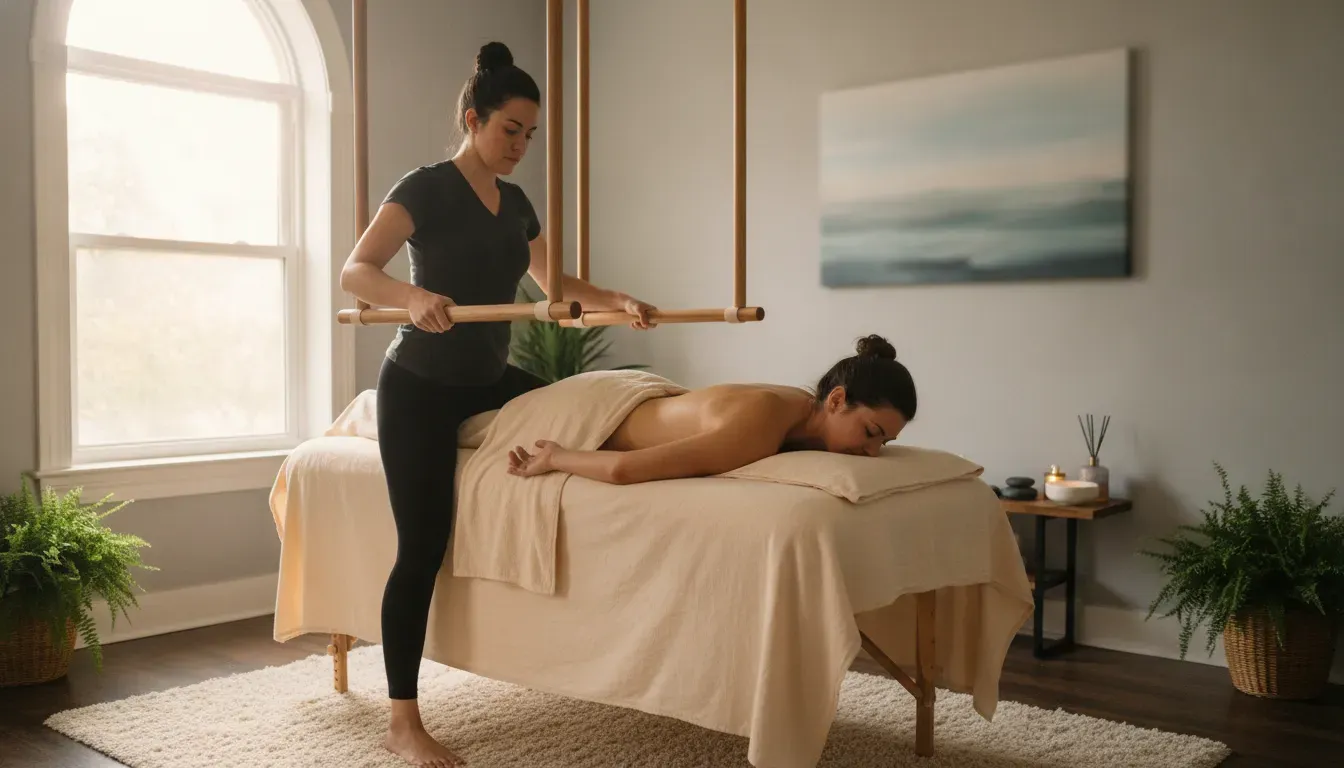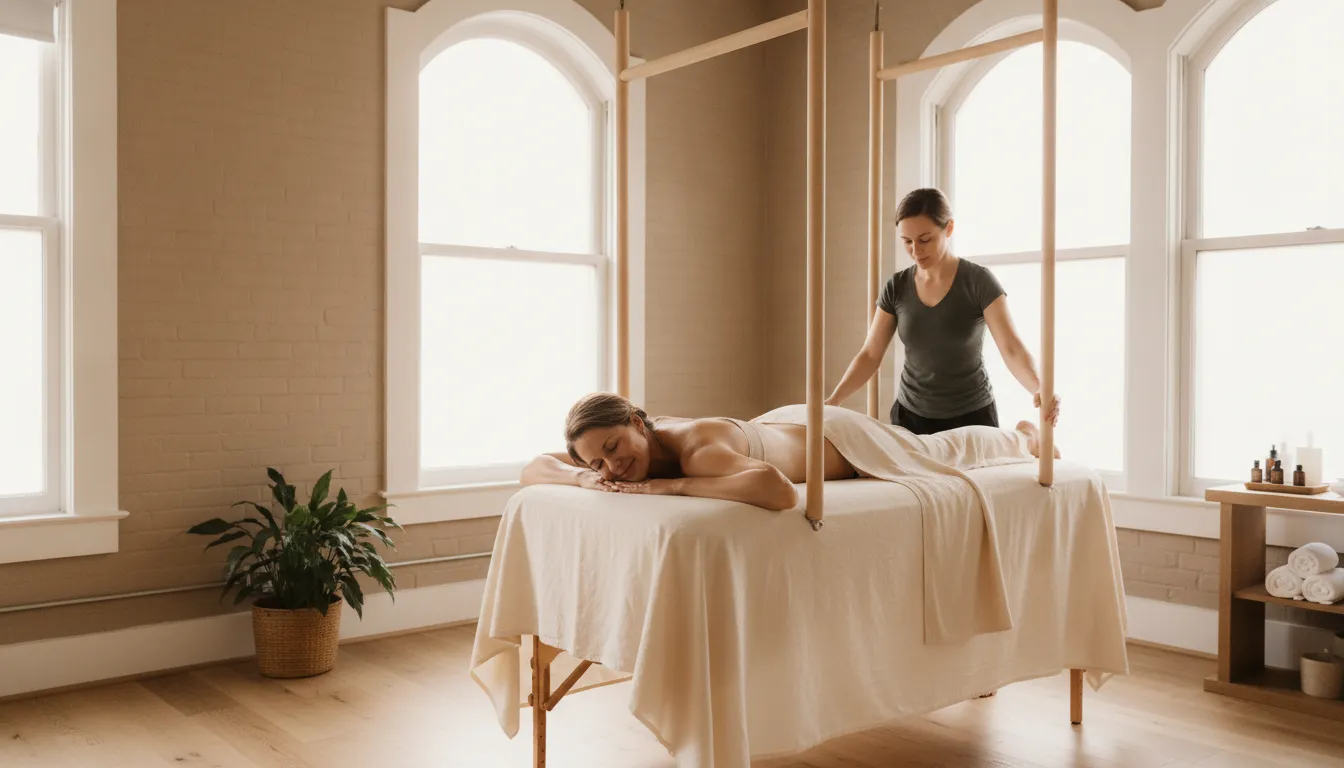

Caring for your emotional well-being is just as important as managing the physical symptoms of pregnancy. The hormonal shifts and anticipation of a new baby can bring a mix of excitement and stress. Taking time for yourself is not an indulgence; it’s a necessary part of a healthy pregnancy. Massage is a powerful tool for calming the nervous system, reducing stress hormones, and improving your mood and sleep quality. It creates a peaceful space for you to connect with your body and your baby. If you’re looking for a way to support your mental and emotional health, a professional prenatal massage in New Orleans, LA, is a wonderful place to start.
Key Takeaways
- Manage Pregnancy Discomforts Effectively: Prenatal massage is a targeted therapy that helps relieve common issues like back pain, sciatic nerve pain, and swelling in your hands and feet, which can also contribute to better sleep and emotional well-being.
- Prioritize Specialized Training for a Safe Experience: Your safety depends on finding a licensed professional with specific prenatal certification. These therapists are trained in proper side-lying positioning and know which techniques and pressure points are safe during pregnancy.
- Communicate Openly for the Best Results: Get clearance from your doctor before your first appointment, especially if you have a high-risk pregnancy. During your session, speak up about your comfort level and specific needs to ensure the massage is tailored perfectly for you.
What Are the Benefits of a Prenatal Massage?
Pregnancy is an incredible experience, but it asks a lot of your body and mind. As your baby grows, you might notice new aches, pains, and feelings of stress. A prenatal massage is more than just a relaxing treat; it’s a form of self-care that provides targeted support for the unique demands of pregnancy. It’s a safe and effective way to care for yourself, so you can better care for your growing baby.
Ease Pregnancy Aches and Pains
As your body changes to accommodate your baby, you might experience discomfort in your lower back, hips, and legs. The extra weight and shift in your center of gravity can strain your muscles and joints. A therapeutic prenatal massage can address these specific issues, helping to relieve sciatic nerve pain and reduce muscle tension. It also encourages blood and lymph circulation, which can significantly reduce swelling in your hands, legs, and feet. A trained therapist knows exactly how to soothe these common pregnancy-related pains, helping you feel more comfortable in your own skin.
Support Your Emotional Well-being
The emotional journey of pregnancy can be just as intense as the physical one. Fluctuating hormones, combined with the anticipation of a major life change, can sometimes feel overwhelming. Massage is a wonderful way to calm your nervous system and create a peaceful space for yourself. Studies from the American Pregnancy Association show that massage can reduce stress hormones like cortisol while increasing levels of feel-good hormones like serotonin and dopamine. This natural mood regulation can help you feel more relaxed, centered, and emotionally prepared for motherhood.
Improve Your Sleep and Circulation
Getting a good night’s sleep can be a real challenge during pregnancy, especially in the later trimesters. By easing muscle discomfort and lowering stress levels, prenatal massage can make it easier to find a comfortable sleeping position and stay asleep longer. The techniques used also support healthy circulation, ensuring that more oxygen and nutrients are delivered to both you and your baby. This improved blood flow also helps your body process excess fluid, which further reduces swelling and contributes to an overall sense of well-being. It’s a gentle way to restore your body and get the rest you need.
How to Choose the Right Prenatal Massage Therapist
Finding the right massage therapist is key to a great experience, and it’s even more important when you’re pregnant. You want someone who not only helps you relax but also understands the unique needs of your changing body. A great prenatal massage therapist will make you feel safe, heard, and completely comfortable from the moment you walk in. Think of it as adding another trusted professional to your pregnancy support team. Taking a few extra steps to find the right person will ensure you get all the amazing benefits a prenatal massage has to offer.
Look for Specialized Certifications and Training
When you’re looking for a prenatal massage, you’ll want to find a therapist who has completed specialized training beyond the standard massage school curriculum. It’s essential to choose a therapist who is certified in prenatal massage, as this ensures they have advanced knowledge of how to care for you and your baby. These highly trained therapists understand the specific anatomical changes that occur during pregnancy. They know which techniques are safe, how to position you comfortably with supportive pillows, and which areas of the body require a gentle touch or should be avoided entirely. Don’t hesitate to ask about a therapist’s certifications; a qualified professional will be happy to share their credentials with you.
Prioritize Experience and Safety Protocols
Along with certifications, experience matters. A therapist who regularly works with expecting mothers will have a deeper understanding of the common aches and pains associated with pregnancy, from lower back pain to swollen ankles. They will know how to adjust their techniques for each trimester, often using a lighter touch early on and focusing on relaxation. A seasoned prenatal therapist will also follow strict safety protocols. This includes ensuring you are properly supported to avoid putting any pressure on your abdomen and being aware of any health conditions that might require them to modify the massage. This focus on safety allows you to fully relax, knowing you’re in capable hands.
Ensure Clear Communication and Comfort
A great prenatal massage is a partnership between you and your therapist. Open communication is crucial. Before the session begins, your therapist should ask you about any specific concerns, sensitive areas, or goals you have for the massage. During the treatment, they should check in with you about the pressure and your overall comfort. You should always feel empowered to speak up if something doesn’t feel right or if you’d like them to adjust their technique. Finding a therapist who creates a welcoming and communicative environment helps build trust and ensures your prenatal massage is a positive, restorative, and stress-free experience.
Where to Find the Best Prenatal Massage in New Orleans
New Orleans is full of incredible places to relax, and when you’re expecting, finding the right spot for a prenatal massage is key. Whether you’re looking for a dedicated therapeutic studio or a luxurious spa day, the city has some wonderful options to help you feel your best. From the bustling French Quarter to the artsy Warehouse District, you can find experienced therapists ready to provide safe and soothing care. Let’s look at a few of the best places to book your appointment.
Nola Bliss Massage: Award-Winning Prenatal Specialists
When you’re looking for therapists who truly specialize in therapeutic bodywork, Nola Bliss Massage is a standout. Their team is made up of highly trained and experienced licensed massage therapists who are passionate about the healing power of touch. This dedication is why they’ve been voted the best place to get a massage for three years in a row. For expecting mothers, this means you’re in incredibly capable hands. Their prenatal massage services are designed to address the unique aches and pains of pregnancy, providing relief and relaxation when you need it most.
Top-Rated Spas in the French Quarter and Downtown
If a day of pampering is what you have in mind, the French Quarter and Downtown area offer some truly luxurious spa experiences. For a serene escape, The Spa at Four Seasons Hotel New Orleans provides specialized prenatal massages designed to help you unwind in a beautiful setting. These upscale spas are perfect for when you want to treat yourself to a rejuvenating session during your pregnancy. While many places offer great services, it’s always a good idea to check out a list of the best spas in New Orleans to find the one that perfectly matches the atmosphere and experience you’re looking for.
Professional Options in the Warehouse District and CBD
For a massage that’s focused purely on high-quality, therapeutic results, the Warehouse District and Central Business District (CBD) have excellent professional studios. Nola Bliss Massage is a top choice in this area, known for its commitment to providing real therapy over quick, superficial treatments. They offer full 60, 90, and 120-minute sessions, ensuring you have ample time to address your specific needs. This focus on personalized care makes them a trusted option for a prenatal massage that delivers lasting relief. Their approach is all about understanding your body and providing a tailored experience to support you through your pregnancy.
What to Know Before Your Appointment
A prenatal massage is a wonderful way to care for yourself during pregnancy, but a little preparation can make the experience even better. Knowing what to expect and how to prepare helps ensure your session is safe, comfortable, and deeply relaxing. Before you book your appointment, here are a few key things to consider so you can lie back and enjoy every moment.
When to Talk to Your Doctor First
Your safety and your baby’s safety are the top priorities. Before scheduling a prenatal massage, it’s always a good idea to have a quick chat with your doctor or midwife. While massage is safe for most pregnancies, your healthcare provider can give you the green light based on your personal health history. This is especially important if you have a high-risk pregnancy, high blood pressure, or other conditions. Think of it as a simple first step that gives you complete peace of mind, allowing you to fully relax during your treatment.
Find the Right Timing in Your Pregnancy
Timing is everything. Most massage therapists recommend waiting until after the first trimester to receive a massage. The first 12 weeks are a critical period of development, and many practitioners prefer to wait until the risk of miscarriage has significantly decreased. Once you enter your second trimester, you can enjoy massages as often as you like, right up until your due date. Many women find that regular massages during the second and third trimesters provide incredible relief from the aches and pains that come with a growing belly.
Understand Safe Positioning and Techniques
You won’t be lying on your stomach during a prenatal massage, and for good reason. A professional therapist will have you lie on your side, supported by plenty of pillows and cushions to keep you and your baby comfortable and safe. This position prevents putting pressure on your abdomen and ensures proper blood flow. Your therapist is also trained in specialized massage services and knows which techniques are appropriate for pregnancy. They will avoid certain pressure points and use modified strokes to address your specific needs, from a sore lower back to swollen ankles, without any risk.
How is Prenatal Massage Different from a Regular Massage?
If you’ve enjoyed a Swedish or deep tissue massage before, you might wonder what makes a prenatal massage so different. It’s much more than just a gentle rubdown. A prenatal massage is a specialized therapy designed from the ground up to address the unique physical and emotional needs of an expecting mother, prioritizing the safety and comfort of both you and your baby. From the techniques used to the way you lie on the table, every detail is carefully considered.
Specialized Techniques for Expecting Mothers
A prenatal massage is tailored specifically to the pregnant body. Therapists with specialized training understand the dramatic changes you’re going through and how to provide relief safely. They use their knowledge to customize each session, focusing on easing common discomforts like lower back pain, swollen ankles, and sciatic nerve pain. Unlike a standard massage, the techniques are adapted to support your body’s shifting structure. A certified therapist knows which areas need gentle attention and which pressure points to avoid entirely, ensuring the experience is both relaxing and completely safe for your pregnancy.
Modified Positions and Pressure
Your comfort and safety are the top priorities, which is why you won’t be lying on your stomach or flat on your back. The safest and most comfortable way to receive a prenatal massage is by lying on your side, propped up with plenty of pillows and cushions for support. This position takes all the pressure off your abdomen and prevents the weight of the uterus from compressing major blood vessels. The pressure used is also modified. While it can still be firm enough to work out knots in your shoulders and hips, your therapist will avoid deep pressure on certain areas of the body to ensure a safe and therapeutic session.
Use of Pregnancy-Safe Products and Areas of Focus
Everything used during your session is chosen with care. A professional prenatal massage therapist will only use oils and lotions that are safe for pregnant women, which typically means unscented or lightly scented products without certain essential oils that can be harmful. This is another reason why it’s so important to see a therapist who is specially trained and certified in prenatal massage. They will focus on areas carrying extra tension, like your hips, lower back, and shoulders, while skillfully avoiding the abdomen and specific acupressure points on your wrists and ankles that could potentially trigger contractions.
Related Articles
Frequently Asked Questions
Is it really safe to get a massage while pregnant? Yes, prenatal massage is widely considered safe and beneficial for most low-risk pregnancies. The key is to see a therapist who is certified in prenatal techniques. They are trained to use safe positioning, avoid specific pressure points, and modify the massage to suit your body’s needs during each trimester. However, it’s always best to consult your doctor or midwife before your first appointment, especially if you have a high-risk pregnancy or other health concerns.
How often should I get a prenatal massage? The frequency is really up to you and how your body feels. Many women find that a monthly massage during the second trimester is perfect for managing general aches. As you move into the third trimester, you might find that scheduling appointments every week or two provides significant relief from back pain, hip discomfort, and swelling. Listen to your body and work with your therapist to create a schedule that supports you best.
Will the massage be deep enough to help my back pain? Absolutely. A common misconception is that prenatal massage is just a light, fluffy rubdown. While the pressure is modified for safety, a skilled therapist can still use firm, therapeutic techniques to address deep muscle tension in your back, hips, and shoulders. They use their knowledge of anatomy to relieve pain effectively without putting any undue stress on you or the baby. Always communicate with your therapist about the pressure so it feels just right for you.
What makes a therapist qualified to perform a prenatal massage? A qualified prenatal massage therapist has completed advanced training and certification beyond their standard massage license. This specialized education covers the specific anatomical and physiological changes that occur during pregnancy. They learn how to properly position and support an expecting mother’s body, which techniques are safe and effective for common pregnancy complaints, and which areas and methods to avoid completely.
What if I’m uncomfortable lying on my side for the whole massage? Your comfort is the most important part of the experience. Therapists use a system of pillows and cushions to make the side-lying position as comfortable and supportive as possible. However, if you start to feel stiff or uncomfortable, please speak up. Your therapist can help you adjust your position, add more pillows, or take a short break to stretch. They are accustomed to making adjustments to ensure you remain relaxed throughout the entire session.