
Everyone gets into a funk now and then. Whether it’s the stress of a busy schedule or the dip in energy that comes with shorter days, finding a gentle way to lift your spirits can feel like a challenge. While there are many options out there, not all of them are non-invasive or work in harmony with your body. That’s where red light therapy comes in. This treatment uses specific, safe wavelengths of light to support your body’s own healing mechanisms on a cellular level. We’ll explain how red light therapy for mood can be a supportive tool for easing anxiety and promoting a more balanced state of mind.
Key Takeaways
- It supports your mood from the inside out: Red light therapy works on a cellular level to help your body produce more energy, which can balance key brain chemicals, regulate your natural sleep cycle, and promote a calmer state of mind.
- Consistency is key for the best results: For noticeable improvements, aim for 10 to 20 minute sessions a few times per week. Try having your sessions in the morning to help set your body’s internal clock for the day.
- Think of it as a supportive wellness tool: Red light therapy is a safe practice that enhances other treatments; it does not replace them. It works wonderfully alongside professional mental health care, healthy habits, and therapeutic massage.
What is Red Light Therapy and How Does It Work?
You’ve probably heard about using light therapy for skin conditions or pain relief, but its benefits don’t stop there. Red light therapy is a gentle, non-invasive treatment that uses specific wavelengths of light to support your body’s natural processes. It’s a fascinating approach to wellness that works on a cellular level to help improve everything from your skin’s appearance to your overall mood. Let’s get into how this simple yet powerful therapy actually works.
The Science Behind the Light
At its core, red light therapy (RLT) uses low-wavelength red and near-infrared light to gently penetrate the skin. Unlike UV light from the sun, these wavelengths are safe and don’t cause damage. The goal is to deliver light deep into your cells to stimulate healing and regeneration. Think of it as giving your cells a clean source of energy to do their job better. This process can help enhance your mood, increase energy, and reduce feelings of stress by supporting the tiny powerhouses within your cells and helping to regulate important brain chemicals like serotonin.
How It Energizes Your Brain Cells
So, how does light create energy? When red and near-infrared light enters your body, it’s absorbed by tiny components in your cells called mitochondria. You might remember them from biology class as the “powerhouses” of the cell. This light absorption helps the mitochondria produce more of a molecule called ATP (adenosine triphosphate), which is the primary source of cellular energy. With more energy, your cells can function more efficiently, repair damage, and reduce inflammation. This improvement in cellular performance isn’t just for your muscles or skin; it also applies to your brain cells, helping to improve blood flow and support healthier brain function.
The Best Wavelengths for Improving Mood
Not just any red light will do the trick. The effectiveness of RLT depends on using very specific wavelengths, measured in nanometers (nm). For mood-related benefits, research points to red light in the 620 to 680 nm range and near-infrared light in the 800 to 1100 nm range. These particular wavelengths are able to penetrate deeply enough to reach your cells and trigger those positive biological responses. In fact, some studies suggest that light therapy can be a powerful tool for addressing seasonal mood changes, offering a gentle alternative for supporting your mental well-being. When considering RLT, knowing these numbers can help you find an effective treatment.
How Red Light Therapy Affects Your Mood
It might seem like magic, but the way red light therapy influences your mood is grounded in science. It works from the inside out, targeting the very foundation of your well-being: your cells. By interacting with your body on a biological level, this gentle therapy can help restore balance in your brain’s chemistry, regulate your sleep patterns, and support the health of your brain cells. Let’s look at the three key ways red light therapy can help you feel more like yourself again.
Balancing Key Neurotransmitters
Think of neurotransmitters as your brain’s chemical messengers; they play a huge role in how you feel. Two of the most important for your mood are serotonin and dopamine. Red light therapy can help your body regulate these key chemicals, which are essential for happiness and keeping anxiety in check. When serotonin levels are balanced, you feel more stable and calm. Dopamine is linked to your brain’s reward system, driving feelings of pleasure and motivation. By supporting the cellular processes that produce these neurotransmitters, RLT helps create a healthier internal environment for a brighter mood.
Regulating Your Natural Sleep Cycle
A good night’s sleep is fundamental to a good mood, and your body’s internal clock, or circadian rhythm, is in charge. Modern life, with its artificial lights and screens, can easily throw this rhythm off balance. Red light therapy can help gently reset your body’s natural sleep clock. By exposing your body to specific wavelengths, you can encourage melatonin production at the right time, making it easier to fall asleep and enjoy deeper rest. When your sleep improves, you’re better equipped to handle stress and maintain a positive outlook throughout the day.
Promoting Cellular Repair in the Brain
Your brain’s health depends on tiny powerhouses inside your cells called mitochondria. Red light is absorbed by these mitochondria, helping them produce more energy. This energy boost supports better brain function, improves blood flow, and helps with cellular repair. Just as importantly, red light therapy can help reduce inflammation. Chronic inflammation in the brain is linked to mood disorders like depression. By calming this inflammation, RLT creates a healthier environment for your brain to function, which can lead to improvements in your mental clarity and emotional well-being.
The Mood-Enhancing Benefits of Red Light Therapy
Beyond skin deep, red light therapy offers some truly remarkable benefits for your mental and emotional well-being. By working at a cellular level, this gentle therapy can help rebalance your system, leading to a brighter mood, calmer mind, and more restful sleep. Think of it as a helping hand for your body’s natural processes, encouraging a sense of balance from the inside out. Let’s look at a few of the specific ways it can support your emotional health.
Easing Symptoms of Depression
When you’re feeling low, finding a gentle, non-invasive way to support your mood can make all the difference. Red light therapy is a natural treatment that may help manage feelings of depression by using specific wavelengths of light to encourage your body’s own healing processes. This therapy works by helping your cells produce more energy, which can have a positive ripple effect on your entire system, including your brain. By supporting cellular function, RLT can contribute to a more balanced mental state, helping to lift the fog and improve your overall sense of well-being.
Soothing Anxiety and Stress
In our busy lives, stress and anxiety can easily become overwhelming. Red light therapy can be a wonderful tool for finding calm. It may help your brain release more of its natural “feel-good” chemicals, like serotonin and dopamine. These are the same neurotransmitters that create feelings of happiness and contentment. When these chemicals are in balance, it’s easier to manage stress and feel more at ease. For an even deeper sense of relaxation, you can pair a red light session with one of our therapeutic Swedish massages, creating a powerful combination to melt away tension.
Combating Seasonal Affective Disorder (SAD)
If you notice your mood dips when the days get shorter and darker, you might be experiencing Seasonal Affective Disorder (SAD). This type of depression is directly linked to the lack of natural sunlight during certain times of the year. Red light therapy can be an effective way to counteract these effects. It provides a source of therapeutic light that can help improve your mood and increase your energy levels, essentially giving your body the light it’s missing. It’s a simple way to bring a little bit of brightness back into your day, no matter the season.
Improving Sleep for Better Emotional Balance
A good night’s sleep is the foundation of good mental health. When you’re sleep-deprived, it’s much harder to regulate your emotions. Red light therapy can help regulate your body’s internal clock, also known as your circadian rhythm. By helping to reset this natural cycle, it can make it easier to fall asleep and achieve a deeper, more restorative rest. Consistent, high-quality sleep is crucial for emotional balance, helping you feel more resilient and positive. Combining RLT with other relaxing massage services can create a powerful routine for improving both your sleep and your mood.
What the Research Says About Red Light Therapy and Mood
When you’re exploring new wellness treatments, it’s smart to look at the science behind them. Red light therapy has gained a lot of attention for its potential to support mental well-being, and thankfully, there’s a growing body of research we can turn to for answers. Let’s walk through what clinical studies have found, what the limitations are, and how red light therapy compares to other light-based treatments for mood.
A Look at Clinical Studies
Researchers have been studying the effects of light on mood for years, and the results are encouraging. One study on Seasonal Affective Disorder (SAD) found that just one hour of bright light therapy can begin to improve depression symptoms. While this study used bright white light, it highlights how responsive our brains can be to light-based interventions.
Overall, light therapy helps about 40% to 60% of people with depression, which is a success rate similar to that of antidepressant medications or talk therapy. This suggests that incorporating light into your wellness routine can be a powerful tool for managing your mood and emotional health.
Understanding the Evidence and Its Limits
While the research is promising, it’s important to have a clear picture. Experts note that different types of light work in different ways. High-intensity bright white light primarily affects our circadian rhythms (our internal clock), while red light works more on a cellular level to improve energy production. Because of this, some believe red light may not be as effective for severe depression as other forms of mental health treatment.
Think of red light therapy as a safe, non-invasive practice that can complement your existing mental health care, not replace it. It’s a supportive tool you can add to your routine alongside professional guidance from a therapist or doctor.
Red Light Therapy vs. Traditional Light Therapy
So, what makes red light therapy different from the bright white light boxes you might have seen for SAD? Traditional light therapy uses very bright, full-spectrum light to mimic sunlight, which helps reset your body’s internal clock. It’s effective, but it can be intense.
Red light therapy, on the other hand, is a more gentle approach. It uses specific wavelengths of red and near-infrared light to boost your body’s natural healing processes at the cellular level. This process can help improve mitochondrial function in the brain, leading to better energy and a more balanced mood. Some studies even suggest it can be as effective as medication for treating SAD, making it a great natural option to explore.
How to Use Red Light Therapy for the Best Results
Getting the most out of red light therapy is all about consistency and using the right technique. Think of it like any other wellness practice: the benefits build over time. While it might seem as simple as flipping a switch, a few key details can make a big difference in how effective your sessions are for improving your mood. By creating a simple, repeatable routine, you can give your body and mind the best chance to respond to the light.
The goal is to find a rhythm that fits seamlessly into your life. You don’t need to set aside huge chunks of your day. Just a few minutes, applied correctly and consistently, can help you feel more balanced and energized. Below, we’ll walk through the specifics of session length, timing, and setup to help you create a routine that works for you. These simple steps will help you feel confident as you begin using red light therapy to support your mental well-being.
Your Guide to Session Length and Frequency
When you’re just starting, a good rule of thumb is to aim for sessions that last between 10 and 20 minutes. This duration gives your cells enough time to absorb the light energy without overdoing it. For the best mood improvements, you can begin with sessions one to three times per week. As your body gets used to the therapy, you might find that daily sessions feel even better.
Listen to your body and see what feels right. The key is to be consistent. Just like scheduling a regular deep tissue massage helps manage chronic tension, sticking to a red light therapy schedule is what leads to lasting results.
The Best Time of Day for a Session
To get the most significant impact on your mood, try to have your red light therapy session in the morning. Morning light exposure can help reset your circadian rhythm, which is your body’s internal clock that governs sleep and wakefulness. A well-regulated circadian rhythm is closely linked to stable moods and better sleep quality, which in turn helps you feel more emotionally balanced throughout the day.
Of course, not everyone’s schedule allows for a morning routine. If mornings are out of the question, don’t worry. The most important thing is consistency. Just choose a time that you can stick with every day, whether it’s during your lunch break or while you unwind in the evening.
Getting the Positioning and Distance Right
Where you place the light is just as important as when you use it. For optimal results, position your red light therapy device about 6 to 12 inches away from the part of your body you’re treating. This distance ensures the light is potent enough to penetrate your skin and reach your cells effectively. If the device is too far away, the light will be too dispersed; too close, and you won’t cover a wide enough area.
When using red light therapy for mood, many people focus the light on their head or chest. Always follow the manufacturer’s instructions for your specific device, and make sure your skin is clean and free of any lotions or sunscreens that could block the light.
How to Create a Consistent Routine
Building a new habit is easier when you attach it to something you already do. Try pairing your red light therapy session with an existing part of your morning routine, like while you drink your coffee, meditate, or stretch. This “habit stacking” makes it much more likely that you’ll stick with it long-term. The goal is to make your sessions feel like a natural and effortless part of your day.
Treat this time as a dedicated moment of self-care, much like you would a relaxing couples massage. Consistency is what unlocks the cumulative benefits, so find a rhythm that feels sustainable and supportive for your lifestyle.
Choosing the Right Red Light Therapy Device
So, you’re ready to give red light therapy a try. The next step is figuring out which device is right for you. The market is full of options, from large panels to small handheld wands, and it can feel a little overwhelming. But don’t worry, I’ll walk you through the key things to consider so you can choose a device that fits your goals and lifestyle. Making the right choice here is what ensures you get all those wonderful mood-supporting benefits we’ve been talking about.
LED Panels vs. Targeted Devices
First, let’s talk about size and shape. You’ll generally find two types of devices: large LED panels and smaller, targeted tools. LED panels are designed to treat a large surface area of your body at once. If your main goal is general wellness, relaxation, and a mood lift, a panel is an excellent choice. You can sit or stand in front of it for a full-body session that feels both calming and energizing.
Targeted devices, like wands or flexible pads, are made to focus on a specific spot. While they’re often used for things like joint pain or skin rejuvenation, they can also be used on the head or neck. However, for overall mood regulation, most people find the broader coverage of a panel more effective and convenient for creating a consistent routine.
Wavelengths: What to Look For
This might sound technical, but it’s actually pretty simple. The “color” or wavelength of the light determines how deeply it penetrates your body. For mood, you’ll want a device that offers both red light and near-infrared (NIR) light. Red light, typically in the 620 to 680 nanometer (nm) range, works closer to the skin’s surface. Near-infrared light, usually between 800 and 1100 nm, goes much deeper.
This deep penetration is key for mood because it allows the light energy to reach your brain cells. The process, known as photobiomodulation, helps energize your cells and support healthy brain function. When you’re shopping, look for a device that clearly lists its wavelengths and ideally offers both red and NIR options you can use together or separately.
Professional Treatments vs. At-Home Options
You can experience red light therapy in a professional setting, like a wellness clinic, or you can purchase a device for home use. Professional treatments use powerful, medical-grade equipment, and you have a practitioner guiding you. This can be a great way to see how you respond to the therapy before investing in your own device.
On the other hand, the biggest advantage of an at-home device is consistency. Building a regular routine is essential for seeing results, and having a device at home makes that much easier. Red light therapy is a natural, non-invasive treatment that is very safe to use on your own. It works beautifully alongside other wellness practices, like getting a regular deep tissue massage to manage stress from all angles.
Is Red Light Therapy Safe?
One of the best things about red light therapy is that it’s a non-invasive treatment with a strong safety profile. For most people, it’s a gentle and relaxing experience with very few risks. Unlike ultraviolet (UV) light from the sun, red and near-infrared light doesn’t damage your skin. However, like any therapeutic treatment, it’s smart to be aware of the potential side effects and situations where you should proceed with caution.
Understanding how to use it correctly and knowing when it might not be right for you is key to having a positive experience. By taking a few simple precautions, you can feel confident and secure as you add this therapy to your wellness routine. Let’s walk through what you need to know to make sure your red light therapy sessions are both effective and completely safe.
Potential Side Effects and Precautions
Red light therapy is generally very well-tolerated, and side effects are rare and usually mild. Some people might experience temporary skin redness or tightness right after a session, but this typically fades quickly. If you have very sensitive skin, it’s always a good idea to start with shorter sessions to see how your skin reacts. It’s also important to protect your eyes, even though the light isn’t inherently harmful. Most professional setups and at-home devices come with protective eyewear, and you should always use it.
Paying attention to red light therapy contraindications can help you avoid any issues. For example, certain medications or skin conditions can increase your skin’s sensitivity to light, so being mindful of this helps keep your routine safe and stress-free.
Health Conditions to Consider
While red light therapy is safe for most, there are a few specific health conditions where it’s not recommended. The most significant one is active cancer. You should never use red light therapy directly on or near any suspicious or known cancerous lesions without getting clearance from your oncologist first. This is because the therapy stimulates cellular activity, and its effects on cancerous tissues are not yet fully understood.
It’s also wise to be cautious if you are pregnant. While there’s no evidence to suggest it’s harmful, there also isn’t enough research to confirm its safety during pregnancy. For that reason, most providers recommend waiting. If you have any other serious health concerns, a quick chat with your doctor is the best way to ensure red light therapy is a good fit for you.
When to Talk to Your Doctor
It’s always a good practice to consult your doctor before starting any new health treatment, and red light therapy is no exception. This is especially important if you have an underlying medical condition or if you take any medications regularly. Some medications, including certain antibiotics, diuretics, and retinoids, can make your skin more sensitive to light, a condition known as photosensitivity.
If you are prescribed medication that increases your sensitivity to light, it’s a good idea to check with your healthcare provider before your first session. Your doctor can review your health history and medications to give you personalized advice. This simple step ensures you can enjoy the benefits of red light therapy without any worries.
Pairing Red Light Therapy with Other Treatments
Think of red light therapy as a valuable player on your wellness team, not a solo star. While it offers incredible benefits on its own, its true power shines when combined with other healthy habits and professional treatments. Integrating RLT into a broader wellness strategy can create a synergistic effect, where each component enhances the others. This approach allows you to build a comprehensive plan that supports your mental and emotional well-being from multiple angles.
Whether you’re working with a therapist, focusing on daily wellness practices, or seeking therapeutic bodywork, red light therapy can be a gentle and effective addition. It supports your body’s natural healing and balancing processes, making other treatments and habits even more impactful. By pairing RLT with other supportive therapies, you create a more resilient foundation for a balanced mood and a greater sense of calm. It’s all about finding the right combination that works for you and your specific needs.
Using It with Therapy and Medication
It’s important to view red light therapy as a supportive tool, not a replacement for professional mental health care. If you are working with a therapist or taking medication, RLT can be a safe, non-invasive addition to your routine. Research suggests that light therapy can be a helpful complement to traditional treatments, including antidepressants.
Think of it as another layer of support. While therapy helps you process thoughts and emotions, and medication works on a neurochemical level, RLT can help by supporting cellular energy and promoting relaxation. Always talk to your doctor or mental health provider before adding a new therapy to your regimen. They can help you integrate it in a way that best supports your overall treatment plan.
Complementary Wellness Practices to Try
Red light therapy fits beautifully into a holistic lifestyle focused on well-being. Since RLT may encourage your brain to release mood-lifting chemicals like serotonin and dopamine, you can pair it with other activities that do the same. This creates a positive feedback loop that reinforces feelings of happiness and calm.
Consider incorporating practices like daily walks in the sunshine, gentle yoga, or mindfulness meditation into your routine. Eating a balanced diet rich in whole foods and prioritizing consistent sleep are also foundational for a stable mood. When you combine these habits with regular RLT sessions, you’re giving your mind and body multiple pathways to find balance. It’s about creating a collection of simple, sustainable habits that work together for your mental health.
How Massage Therapy Amplifies the Benefits
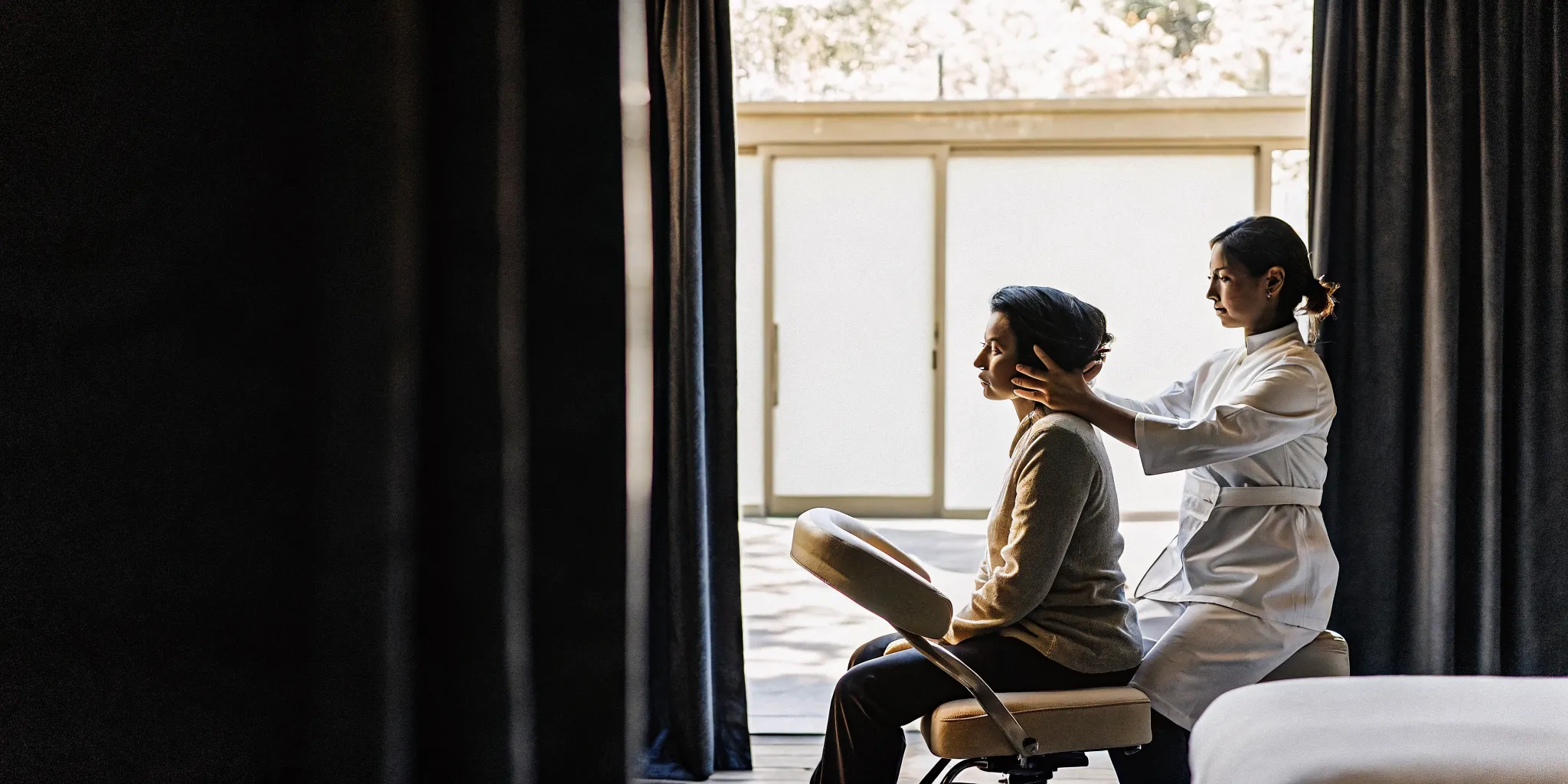
Combining red light therapy with professional massage is a particularly powerful way to address both physical tension and emotional stress. Massage therapy is well-known for its ability to lower cortisol (the stress hormone) and increase serotonin and dopamine, leaving you feeling relaxed and content. When you precede a massage with an RLT session, you can prepare your body for even deeper relaxation.
The red light helps warm and soothe muscles, which can make treatments like a deep tissue or Swedish massage more effective and comfortable. This combination is also perfect for a restorative couples massage, allowing both of you to unwind completely. By pairing the cellular benefits of RLT with the therapeutic touch of massage, you create a profoundly calming experience that nurtures both body and mind.
Related Articles
Frequently Asked Questions
What does a red light therapy session actually feel like? A red light therapy session is surprisingly gentle and relaxing. You won’t feel any heat like you would from a heat lamp or in a sauna. Instead, you might feel a very subtle, pleasant warmth on your skin. The main experience is simply being exposed to a panel of soft, glowing red light. Many people find the experience to be very calming and use the time for meditation or quiet reflection.
How long will it take before I notice a difference in my mood? This can vary from person to person, as everyone’s body responds differently. Some people report feeling more energized and positive after just a few sessions, while for others, the benefits build more gradually over several weeks of consistent use. The key is consistency. Think of it like exercise; sticking to a regular routine is what creates lasting change.
Can I use red light therapy instead of my antidepressant medication or therapy? It’s very important to see red light therapy as a supportive tool, not a replacement for professional medical care. You should not stop taking any prescribed medication or stop attending therapy without consulting your doctor or mental health provider. Red light therapy can be a wonderful complement to your existing treatment plan, but it is not a substitute for it.
What’s the difference between a red light therapy device and a regular red light bulb? This is a great question. A standard red light bulb simply produces red-colored light. A therapeutic red light device, however, is engineered to emit very specific wavelengths of red and near-infrared light that have been studied for their effects on the body. These precise wavelengths are what allow the light to penetrate your skin and interact with your cells to produce energy.
Can I combine red light therapy with other wellness treatments, like massage? Absolutely. Combining red light therapy with massage is a fantastic way to support both your physical and mental well-being. Using red light therapy before a massage can help warm up your muscles and promote a deeper sense of relaxation, making your massage even more effective. It’s a powerful pairing that addresses stress from a cellular level all the way through to your muscles and mind.