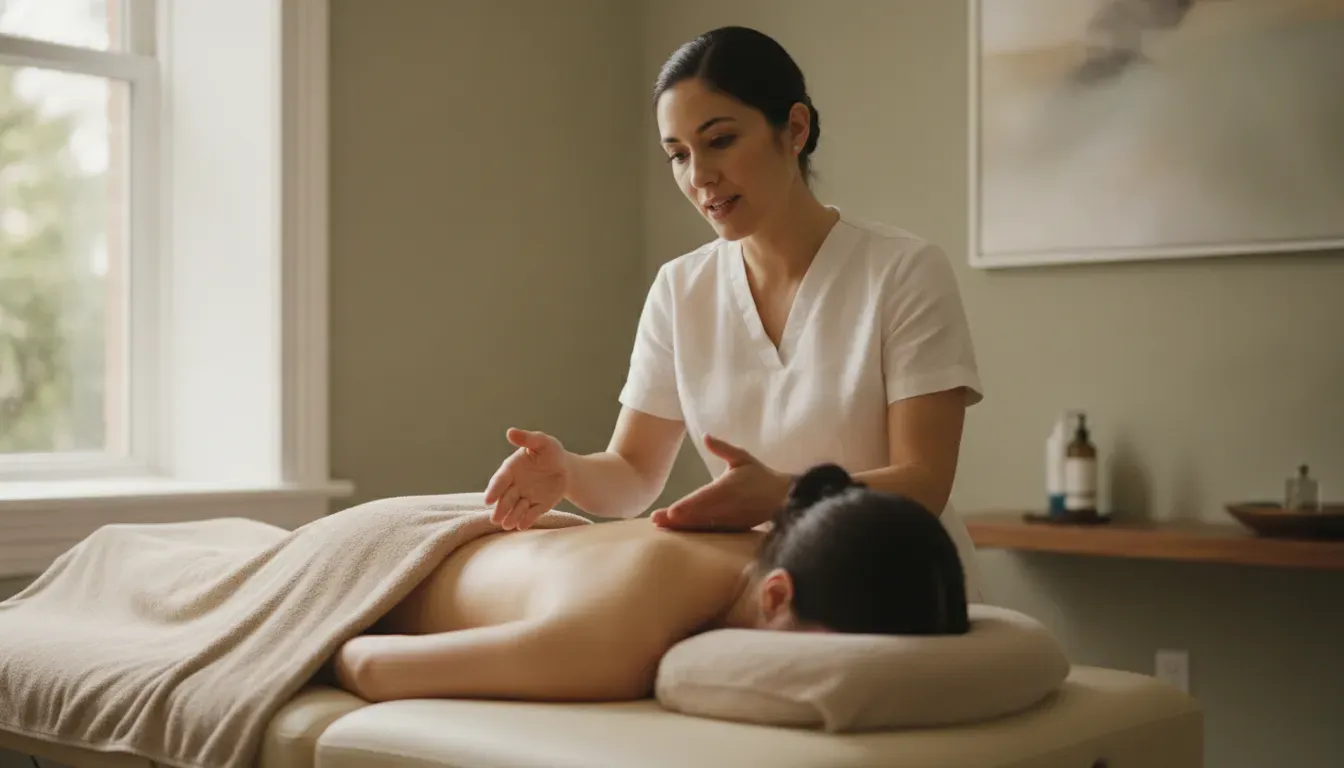

Pain and stress are deeply connected. When you’re stressed, your muscles tighten, which can create or worsen back pain. This often starts a frustrating cycle where the pain causes more stress, which in turn leads to more pain. A Swedish massage is uniquely effective at breaking this cycle. Its primary focus on relaxation directly targets the stress response in your body, helping to lower cortisol levels and calm your entire nervous system. By soothing your mind, you give your back muscles the chance to finally let go. We’ll show you how a Swedish massage for lower back pain can be the key to managing both your physical discomfort and your stress levels.
Key Takeaways
- Go Beyond Relaxation for Real Relief: A Swedish massage is a therapeutic tool that eases back pain by improving circulation to help muscles heal, releasing built-up tension, and triggering your body’s natural pain-fighting endorphins.
- The Right Therapist and Open Communication Are Key: Your results depend on a skilled, licensed therapist who understands your specific pain. Always communicate your needs and pressure preferences before and during your session to get a truly customized treatment.
- Make Massage Part of Your Wellness Routine: While a single session can help, consistent appointments are the best way to manage chronic pain. Pair your massages with good habits like hydration and gentle stretching to maintain the benefits long after you leave the table.
What Is Swedish Massage (And How Does It Work?)
If you’ve ever pictured a classic, full-body massage, you were probably thinking of a Swedish massage. It’s one of the most popular and widely practiced massage techniques for a reason—it’s designed for ultimate relaxation and tension relief. Unlike more intense modalities that target deep connective tissues, a Swedish massage focuses on the topmost layers of your muscles. It’s the perfect introduction for anyone new to massage or for those looking to simply melt away stress and soothe aching muscles.
During a session, your therapist will use lotion or oil to allow for smooth, gliding strokes across your body. The pressure can range from light to firm, depending on your preference and what your muscles need that day. The main goal is to relax the entire body by rubbing the muscles with long, flowing strokes in the direction of blood returning to the heart. This not only feels incredible but also helps improve your circulation and flexibility. It’s a foundational therapy that combines gentle techniques to create a powerful sense of well-being, making it an excellent choice for managing general back pain and stress.
The 5 Core Strokes Explained
A Swedish massage isn’t just random rubbing; it’s a structured sequence of five core strokes. First is effleurage, the long, sweeping strokes that warm up your muscles and are used to transition between other techniques. Next comes petrissage, a kneading and squeezing motion that works deeper into the muscle to release knots. Your therapist will also use friction, which involves firm, circular rubbing to break down adhesions and scar tissue. Then there’s tapotement, a series of light, rhythmic taps or chops that help energize the muscles. Finally, vibration uses gentle shaking movements to help loosen and relax specific muscle groups. Together, these strokes create a balanced and therapeutic experience.
What It Does for Your Body
So, how does this translate to back pain relief? It’s all about physiology. The gentle, flowing strokes of a Swedish massage help improve your circulation, which means more oxygen-rich blood and nutrients can reach your tight, sore muscles. This increased blood flow helps reduce swelling and encourages faster healing. At the same time, the physical manipulation of the muscles works to loosen stiffness and release tension, improving your range of motion. This process also encourages your body to release endorphins—your own natural painkillers—which can create a lasting sense of relief and well-being long after you’ve left the massage table. It’s a simple, effective way to manage lower back pain by addressing both the physical and chemical aspects of discomfort.
Can Swedish Massage Really Help Your Lower Back Pain?
If you’re dealing with a nagging ache in your lower back, you’ve probably wondered if a massage could offer real relief. The short answer is yes, and a Swedish massage is an excellent place to start. This classic technique isn’t just about surface-level relaxation; it’s a therapeutic approach that targets the root causes of back pain in several key ways. By addressing everything from tight muscles to the stress that makes them worse, a Swedish massage can be a powerful tool for finding comfort and mobility again. Let’s break down exactly how it works to soothe your back.
Easing Muscle Tension
Think of Swedish massage as a way to gently untie the knots in your lower back. When muscles are overworked or held in one position for too long (hello, desk jobs), they become tight and sore. A Swedish massage uses smooth, gliding strokes, kneading, and light tapping to relax these tense muscle fibers. The therapist often uses high-quality oils or lotions to help their hands move fluidly over your skin, allowing them to work through the layers of muscle without aggressive pressure. The main goal is to release that built-up tension, which is often the primary source of lower back pain, helping you feel more relaxed and less stiff.
Improving Circulation to Promote Healing
When your lower back hurts, it’s often a sign that the muscles aren’t getting what they need to recover. Swedish massage techniques are fantastic for improving blood flow to the affected area. This increased circulation acts like a delivery service, bringing fresh oxygen and vital nutrients to your tight, sore muscles. This process helps reduce swelling and inflammation while flushing out metabolic waste products that can contribute to pain. By helping your muscles get the resources they need, a therapeutic massage can help your body heal itself faster and more effectively.
Releasing Your Body’s Natural Painkillers
One of the most incredible benefits of massage is its ability to work with your body’s own chemistry. The physical manipulation of your muscles during a Swedish massage stimulates the release of endorphins—your body’s natural pain-relieving chemicals. These are the same “feel-good” hormones you get from exercise. This chemical response not only helps to dull the pain signals being sent from your lower back to your brain but also creates a sense of well-being and deep relaxation. It’s a natural, drug-free way to manage discomfort while also making your back feel more flexible and at ease.
Reducing Stress to Manage Pain
Pain and stress are closely linked. When you’re stressed, your body tenses up, which can create or worsen back pain. This can turn into a frustrating cycle where pain causes stress, and stress causes more pain. A Swedish massage is incredibly effective at breaking this cycle. The calming environment and soothing touch help lower your body’s production of stress hormones like cortisol. At the same time, it encourages the release of hormones like serotonin and dopamine, which help with mood, anxiety, and sleep. By calming your nervous system, you’re not just relaxing your mind—you’re giving your back muscles the chance to finally let go.
What the Science Says About Swedish Massage for Back Pain
It’s one thing to hear that a massage feels good, but it’s another to know that science backs it up as a legitimate tool for pain relief. When it comes to Swedish massage for back pain, the evidence is compelling. Researchers and medical professionals have taken a close look at its effects, and the findings consistently point to real, measurable benefits for those struggling with discomfort. This isn’t just about temporary relaxation; it’s about creating lasting change in your body.
A Look at the Clinical Studies
You don’t have to take our word for it—clinical studies have put Swedish massage to the test. For instance, a significant study published in the Annals of Internal Medicine found that people with chronic lower back pain who received regular Swedish massages reported a noticeable reduction in pain and an increase in mobility. Another systematic review highlighted that the therapy not only eased lower back pain but also delivered a range of other physical and psychological benefits, contributing to a better sense of overall well-being. This research confirms that the gentle, targeted strokes of a Swedish massage can make a genuine difference.
Why Doctors Often Recommend It
It’s increasingly common for healthcare professionals to recommend massage therapy as part of a comprehensive treatment plan for back pain. Why? Because it’s recognized as an effective treatment for lower back pain that directly addresses the soft tissues—your muscles, tendons, and ligaments—where pain often originates. By focusing on these areas, a skilled therapist can help reduce muscle spasms, improve flexibility, and promote healing. Doctors see it as a powerful complementary therapy that works alongside other treatments to help you feel better faster. When you’re ready to experience this for yourself, our Swedish massage services are designed to provide targeted relief.
Is Swedish Massage Right for Your Back Pain?
Swedish massage is one of the most popular and effective treatments for general relaxation, but how does it stack up against back pain? The answer depends on your specific situation—the type of pain you’re experiencing and your overall health. For many, it’s an incredible tool for relief. For others, a different approach might be better. Let’s figure out if a Swedish massage is the right move for you.
Who Benefits Most from This Treatment
You’re a great candidate for Swedish massage if you’re dealing with mild to moderate back pain that’s tied to muscle stiffness or general tension. If your back pain gets worse when you’re stressed, the deeply relaxing nature of this massage can make a world of difference. It’s also an excellent choice if you’re looking for temporary relief while you address the root cause with other treatments like physical therapy. In fact, one study found that regular Swedish massages significantly reduced pain and improved mobility for people with chronic lower back pain. It’s a gentle yet effective way to manage discomfort and feel better in your body.
When to Be Cautious (And Who Should Avoid It)
While Swedish massage is incredibly safe, it isn’t for everyone or every situation. It’s important to hold off if you have a recent injury like a sprain, strain, or broken bone. You should also avoid massage if you have any skin infections, swelling, or are at risk for blood clots. For more serious health concerns, communication is key. If you have a history of certain heart conditions or cancer, it’s always best to talk with your doctor before booking an appointment, as massage therapy is not always recommended in these cases. Your safety is the top priority, and a professional therapist will always appreciate you taking these precautions.
Your First Swedish Massage Session: What to Expect
If you’ve never had a professional massage, the idea can be a little intimidating. But knowing what happens during a session can help you relax and get the most out of your experience. A great massage is a partnership between you and your therapist, focused entirely on your comfort and well-being. From the moment you walk in, the goal is to create a calm, safe space where you can let go of tension. Here’s a simple breakdown of what your first Swedish massage appointment will look like, from the initial chat to your post-session care.
Before You Get on the Table: The Consultation
Your session will begin with a brief, private conversation with your massage therapist. This is your time to share what’s going on with your body. You’ll discuss your lower back pain, any other areas of tension, your pressure preferences, and your goals for the massage. Your therapist will also ask about your health history to ensure the treatment is safe and effective for you. It’s always a good idea to check with your doctor before getting a massage if you have any underlying health conditions. This consultation is a two-way street, so feel free to ask questions. Our highly trained and highly experienced Licensed Massage Therapists are here to listen and tailor the session completely to you.
During the Massage: A Focus on Relief
After your consultation, your therapist will step out to let you get comfortable on the massage table, undressing to your comfort level and lying under a sheet or blanket. Throughout the session, only the area being worked on will be uncovered. For a Swedish massage, your therapist will use gentle, flowing strokes and kneading to warm up your muscles, improve blood flow, and release tension. The long, gliding strokes are designed to relax soft tissues and ease stiffness, providing targeted relief to your lower back. Remember to communicate with your therapist during the massage. If the pressure feels too light or too deep, just let them know. This is your time, and your comfort is the top priority.
After Your Session: What Comes Next
Once your massage is over, your therapist will leave the room so you can get dressed at your own pace. You’ll likely feel deeply relaxed, and maybe a little sleepy. It’s also normal to feel some mild soreness in the day or two following a massage, similar to how you might feel after a workout. To help your body process the work that was done, be sure to drink plenty of water. This helps flush out any metabolic waste released from your muscles. Gentle stretching can also help maintain your newfound flexibility. While one session can offer immediate relief, you may find that regular massage is the key to achieving long-lasting results for chronic back pain.
Swedish vs. Other Massages: What’s the Difference?
Walking into a massage studio can feel like ordering from a new coffee shop—so many options, and you’re not quite sure which one is for you. While Swedish massage is a fantastic all-around choice for back pain, understanding how it stacks up against other popular techniques can help you pinpoint the exact type of relief you need. The main differences usually come down to pressure, technique, and the ultimate goal of the session.
Think of it this way: are you looking for a gentle, soothing experience to melt away stress-related tension, or do you need something more intense to work out a stubborn knot that’s been bothering you for weeks? Your answer will guide you toward the right modality. At Nola Bliss, our therapists are experts in a variety of techniques, and we’re always here to help you decide. Let’s break down how Swedish massage compares to two of our other most requested services: Deep Tissue and Ashiatsu Deepfeet Therapy.
Swedish vs. Deep Tissue for Back Pain
This is one of the most common questions we get, and it’s a great one. The primary difference between Swedish and deep tissue massage is pressure. A Swedish massage uses long, gliding strokes, kneading, and friction on the more superficial layers of muscle. It’s incredibly relaxing and perfect for easing mild back pain and reducing overall stress.
Deep tissue, on the other hand, uses much stronger, more focused pressure to target the deeper layers of muscle and connective tissue. If you have chronic pain, a specific injury, or tight, painful knots, deep tissue is designed to break up that scar tissue and muscle adhesion. It’s more therapeutic and intense, but highly effective for long-lasting relief.
Swedish vs. Ashiatsu Deepfeet Therapy
Now for something completely different. While Swedish and deep tissue massages are performed with the hands, forearms, and elbows, Ashiatsu Deepfeet Bar Therapy is a unique modality where the therapist uses their feet. Using overhead bars for balance and support, the therapist applies deep, broad, consistent pressure with their feet.
This technique allows for a level of deep compression that’s hard to achieve with hands alone. While Swedish massage is focused on gentle, relaxing strokes, Ashiatsu delivers a deeper, more luxurious full-body experience. It’s especially wonderful for lower back pain, as the broad strokes can decompress the spine and relieve tight muscles along the entire back in a way that feels both intense and incredibly soothing.
How to Choose the Right Massage for You
You don’t have to be a massage expert to get the perfect treatment. The best first step is simply to talk to your therapist. Before your session begins, we’ll discuss your pain points, your goals for the massage (is it relaxation or pain management?), and your pressure preferences. Based on your needs, we can recommend the ideal modality or even create a custom session that blends different techniques.
Most importantly, communication doesn’t stop once you’re on the table. Your comfort is our priority. If the pressure is ever too much or not enough, please speak up! A great massage is a partnership between you and your therapist, and your feedback helps us provide the exact relief you’re looking for. You can explore all of our massage services to see what resonates with you.
How Often Should You Get a Massage for Back Pain?
One of the most common questions we hear is, “How often should I come in to really fix my back pain?” The honest answer is: it depends. There’s no magic number that works for everyone. The right frequency depends on whether your pain is new or has been around for a while, what’s causing it, and what your personal health goals are. Think of it in two phases: an initial plan to address the immediate pain, followed by a long-term strategy to keep you feeling good. Working with your therapist is the best way to figure out a schedule that’s tailored specifically for you and your body’s needs.
Finding the Right Schedule for Your Pain
If you’re dealing with acute or intense back pain, you’ll likely benefit from more frequent sessions at the beginning. Coming in once a week for three to four weeks can help break the pain cycle, release built-up tension, and give your body a chance to start healing. This approach is about gaining momentum. In fact, one study found that a series of consistent massage treatments can lead to significant, long-lasting relief. The goal is to calm the inflammation and muscle spasms. After this initial period, you and your therapist can assess your progress and adjust the frequency as your pain subsides.
Creating a Long-Term Maintenance Plan
Once your acute pain is under control, the focus shifts from treatment to maintenance. Think of massage as an essential part of your ongoing wellness routine, not just a quick fix. For chronic issues or to prevent future flare-ups, a regular massage every two to four weeks is often a great schedule. A consistent Swedish massage can help manage pain that stems from muscle strain or stress, but it works best when paired with other healthy habits like stretching or exercise. This proactive approach helps keep your muscles pliable, reduces stress hormones, and addresses minor issues before they become major problems, helping you maintain a pain-free and active lifestyle.
How to Find the Right Massage Therapist
Finding the right massage therapist is just as important as choosing the right type of massage. The effectiveness of your Swedish massage for lower back pain depends heavily on the skill, knowledge, and experience of the person providing the treatment. A great therapist does more than just go through the motions; they listen to your needs, understand the underlying anatomy of your back, and adapt their technique to give you the most relief. Think of it this way: you wouldn’t see a general doctor for a specialized heart condition, and the same principle applies here. You want someone who truly gets the nuances of muscle pain and recovery.
When you’re looking for someone to trust with your care, you’re looking for a partner in your wellness journey. This means finding a professional who is not only technically proficient but also works in an environment that promotes healing and relaxation. The vibe of the studio, the professionalism of the staff, and the therapist’s own approach all combine to create the overall experience. Taking a few moments to check for credentials and assess the studio can make all the difference between a temporarily pleasant experience and achieving long-term relief from your back pain.
Check for Qualifications and Experience
First things first, always make sure your massage therapist is licensed. In most states, this means they have graduated from an accredited program and passed a national exam, ensuring they have a solid foundation in anatomy, physiology, and technique. Beyond the basics, look for a therapist with specific experience in treating pain. A practitioner who focuses on therapeutic massage services will have a deeper understanding of how to address issues like lower back pain compared to someone who primarily provides general relaxation massages. Don’t be shy about asking about their background and their experience with clients who have similar concerns to yours. A team of highly trained and highly experienced therapists is a sign you’re in the right place.
What Makes a Great Massage Studio
The studio environment plays a huge role in your massage experience. A great studio is clean, calm, and professional, creating a space where you can truly relax and let go of stress. But it’s about more than just aesthetics. The best studios are run by people who are passionate about the healing power of massage. They invest in a team of knowledgeable therapists who have a deep understanding of the body and are committed to their craft. When you walk in, you should feel confident that you’re in a place dedicated to providing professional, high-quality therapeutic massage services. This commitment to excellence is what sets a top-tier studio apart and ensures you get the best possible care for your back pain.
Get the Most Out of Your Massage
A great massage is a powerful tool for pain relief, but its benefits don’t have to end when you walk out the door. By taking a few simple steps before and after your appointment, you can extend that feeling of relief and help your body heal more effectively. Think of your massage as a partnership between you and your therapist—you can support their work by creating the best possible conditions for your body to respond. These small habits can make a big difference in how long the positive effects of your session last.
It’s easy to think of a massage as a passive experience, but you play an active role in its success. Preparing your body beforehand and caring for it afterward helps your muscles accept the therapeutic work more deeply and retain the benefits for days. This isn’t about adding complicated tasks to your to-do list. Instead, it’s about simple, mindful actions that honor the investment you’re making in your health. Whether you’re coming in for deep relaxation or targeted pain relief, a little preparation and aftercare ensures you get the full value from every minute on the table. By following these tips, you can help turn a single appointment into a longer-lasting solution for your back pain.
Simple Pre- and Post-Massage Care Tips
To prepare for your massage, focus on hydration. Drinking plenty of water throughout the day helps your muscles become more pliable and ready for treatment. It’s also a good idea to avoid a heavy meal an hour or two before you get on the table. After your session, keep that water bottle handy. Continuing to hydrate helps your system flush out any metabolic waste that was released from your tissues. If you can, give yourself some time to rest and integrate the work. A little gentle stretching can also feel amazing and help you maintain the flexibility you’ve gained. Your body just did important work, so give it the support it needs.
Lifestyle Habits to Support Lasting Relief
To make that post-massage bliss last, it helps to weave some supportive habits into your daily life. Regular, gentle movement is key for keeping your back strong and flexible. Activities like walking, swimming, or simple yoga stretches can work wonders. While a therapeutic Swedish massage provides incredible relief, it works best as part of a holistic approach to your well-being. For chronic pain, combining massage with other treatments like physical therapy can address the root cause of your discomfort. By taking an active role in your health, you turn each massage into a building block for long-term relief and a healthier, happier back.
Related Articles
Frequently Asked Questions
Will a Swedish massage be painful? A Swedish massage should feel relaxing, not painful. The techniques are designed to be soothing, and the pressure is typically light to firm, depending on your preference. While your therapist might work on a tender spot or a tight muscle that feels sensitive, it should always be within your comfort zone. The goal is to release tension, not create more, so you should never feel sharp or intense pain.
How much clothing do I need to take off for my massage? This is entirely up to you. The standard practice is to undress to your personal comfort level. You will be covered by a sheet and blanket for the entire session, and your therapist will only uncover the specific area they are working on at that moment. Your privacy and comfort are the top priorities, so you should do whatever helps you relax the most.
How long of a session should I book for lower back pain? For targeted work on your lower back combined with overall relaxation, a 60-minute session is a great place to start. This gives your therapist enough time to address your main concern while also working on related areas like your hips and legs. If you want a more comprehensive, full-body experience that allows for extra focus on your back, booking a 90-minute session is an excellent choice.
Is it okay to speak up if the pressure isn’t right? Absolutely! In fact, we encourage it. This is your time, and your feedback is essential for getting the results you want. A professional therapist wants to know if the pressure is too light, too deep, or just right. Don’t hesitate to communicate at any point during your session—it helps your therapist tailor the massage specifically to your needs.
What if my back pain is from a specific injury? If your back pain is from a recent or acute injury, like a sprain or a pulled muscle, it’s always best to check with your doctor before booking a massage. While Swedish massage is wonderful for general muscle soreness and chronic tension, direct work on a fresh injury may not be appropriate. Be sure to mention any injuries during your pre-session consultation so your therapist can adjust the treatment to be both safe and effective for you.