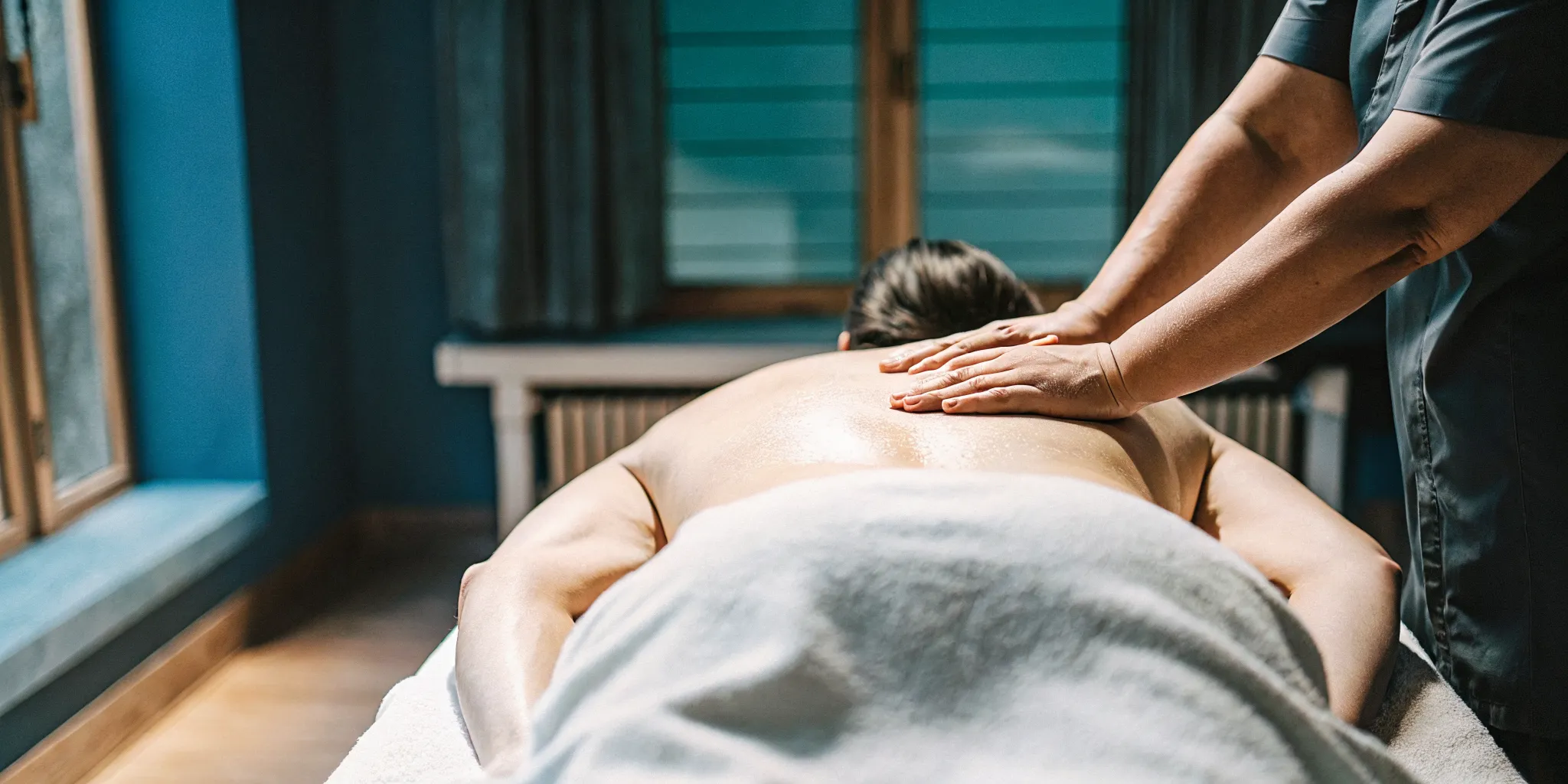
If you think a massage is just a fluffy spa treatment, you might be missing out on one of the most effective ways to manage severe neck pain. A truly therapeutic session goes far beyond simple relaxation. It’s a targeted treatment performed by a skilled professional who understands the complex anatomy of your neck and shoulders. The key is knowing which modality is right for your specific issue. Forget the generic rubdowns; we’re here to explain the real-deal solutions. We will explore the most effective types of massage for severe neck pain to show you how specialized techniques can provide profound, lasting relief.
Key Takeaways
- Understand the source of your pain and know when to see a doctor: Most neck pain comes from posture, stress, or minor injuries, but you should always get a medical opinion for severe pain, especially if it involves numbness, weakness, or follows an accident.
- Choose the right massage for your specific pain: Therapeutic massage works by releasing knots, improving circulation, and restoring flexibility; consider Ashiatsu for broad, deep pressure or Deep Tissue and Trigger Point therapy for targeted, stubborn knots.
- Partner with your therapist for lasting relief: The best results come from choosing an experienced, licensed therapist, clearly communicating your pain points and pressure preferences, and maintaining a consistent schedule for chronic issues.
What’s Causing Your Severe Neck Pain?
If you’re dealing with a stiff, aching neck, you are not alone. That nagging pain can range from a minor annoyance to a debilitating issue that disrupts your day. Understanding where the pain is coming from is the first step toward finding relief. Most of the time, severe neck pain can be traced back to one of three common culprits: the way we hold our bodies, the stress we carry, and injuries from daily life. By identifying the root cause, you can find the most effective path to feeling better, whether through simple lifestyle adjustments or targeted therapeutic massage.
Poor Posture and “Tech Neck”
Think about how much time you spend looking down at a screen. Whether it’s your phone or laptop, that constant forward head position puts a tremendous amount of strain on your neck and upper back. This problem is often called “tech neck,” and it’s a leading cause of chronic stiffness. Your head is heavy, and for every inch you tilt it forward, you add about 10 extra pounds of pressure on your spine. Over time, this leads to muscle imbalances, tension headaches, and severe discomfort. Poor posture while driving or reading can also contribute.
Stress and Chronic Muscle Tension
Have you ever noticed your shoulders creeping up toward your ears when you’re stressed? That’s your body’s natural “fight or flight” response. When you’re under pressure, your muscles instinctively tighten. While helpful in an emergency, chronic daily stress keeps those muscles in a constant state of tension. The neck and shoulders are notorious for holding onto this stress, leading to tight knots and persistent pain. This cycle can be hard to break, but targeted massage services can help release that built-up strain and calm your nervous system.
Injuries from Accidents or Overuse
Neck pain can also stem from a specific injury, either from a sudden accident or gradual overuse. A car accident or fall can cause whiplash, damaging the soft tissues in your neck. But injuries don’t always have to be dramatic. Repetitive motions, like painting a ceiling or cradling a phone between your ear and shoulder, can lead to overuse injuries. These actions strain your muscles over time, causing inflammation and pain. A therapeutic massage like Ashiatsu Deepfeet Bar Therapy can be incredibly effective for addressing these deeper tissue issues and promoting healing.
When Should You See a Doctor for Neck Pain?
While a therapeutic massage is an incredible tool for relieving muscle-related neck pain, it’s important to recognize when your symptoms might point to something more serious. Think of it this way: a massage therapist is an expert in muscle health, but a doctor is the one who can diagnose underlying medical conditions. Getting a proper diagnosis is the first step to creating a safe and effective treatment plan, which will very likely include massage therapy.
Before you book a massage for severe neck pain, it’s always a good idea to check in with yourself and your body. Certain symptoms are red flags that shouldn’t be ignored. If your pain is the result of a recent accident, like a car wreck or a fall, you should absolutely see a doctor first to rule out any serious injury. Understanding the root cause of your pain ensures you get the right kind of care. Once you have a diagnosis, your massage therapist can work with that information to provide a targeted, beneficial, and safe session.
Warning Signs That Require Medical Attention
Listen to your body. If your neck pain is severe and comes with other unusual symptoms, it’s time to seek medical advice. These aren’t the typical signs of muscle strain from a long day at the computer. Pay close attention if you experience numbness, tingling, weakness in your arms or legs, or issues with coordination.
You should seek immediate medical attention if your neck pain is accompanied by a fever, a severe headache, or radiating pain that shoots down one of your arms. Other critical warning signs include a loss of bladder or bowel control. These symptoms could indicate a more serious condition that a massage cannot address, so consulting a healthcare professional is crucial.
Chronic Pain That Disrupts Your Daily Life
Sometimes, neck pain isn’t a sudden emergency but a constant, nagging problem that just won’t go away. If your pain lasts for more than a few weeks and starts to interfere with your daily routine, it’s a good idea to see a doctor. Chronic pain that limits your ability to turn your head, work comfortably, or get a good night’s sleep can significantly impact your quality of life.
Don’t feel like you just have to live with it. When pain becomes debilitating and disrupts your daily activities, getting a professional evaluation is the best path forward. A doctor can help identify the cause, whether it’s related to arthritis, a disc issue, or another condition, and can clear you for treatments like massage that will help manage your symptoms.
How Does Massage Therapy Relieve Neck Pain?
When you’re dealing with severe neck pain, a massage can feel like a lifesaver. But it’s more than just a relaxing experience; therapeutic massage works on a physiological level to address the root causes of your discomfort. A professional massage therapist uses specific techniques to manually manipulate your muscles, tendons, and other soft tissues. This process provides relief in a few key ways, helping your body heal and find balance.
Instead of just masking the symptoms, a targeted massage gets to the heart of the problem, whether it’s from hunching over a desk, a past injury, or accumulated stress. By physically working on the affected areas, a skilled therapist can break the cycle of pain and tension that gets locked into your body. They do this by releasing painful muscle knots, improving blood flow to reduce inflammation, and restoring your neck’s natural flexibility. It’s a comprehensive approach that not only eases your current pain but also helps prevent it from coming back. The goal is to calm your nervous system while simultaneously addressing the mechanical issues in your muscle tissue. This dual-action approach is what makes professional massage so effective for chronic and severe pain. It helps retrain your muscles to stay in a more relaxed state, improving posture and reducing the likelihood of future flare-ups. Let’s look at exactly how each of these mechanisms works to bring you relief.
Releasing Knots and Trigger Points
Have you ever felt a specific, tender spot in your neck or shoulder that’s hard as a rock? That’s likely a muscle knot, also known as a trigger point. These are tight bands of muscle fibers that can be a major source of pain. What’s tricky is that they often cause “referred pain,” meaning a knot in your shoulder blade could be the real culprit behind your nagging neck ache. An experienced therapist can locate these trigger points and use focused, direct pressure to encourage them to release. This process breaks up the constricted fibers, easing the tension and stopping the pain signals at their source. Techniques found in a Deep Tissue Massage are especially effective for this.
Improving Circulation to Reduce Inflammation
Chronically tight muscles don’t just hurt, they also suffer from poor circulation. When muscles are tense, blood flow is restricted, which can lead to inflammation and a buildup of metabolic waste products in the tissue. This is why a sore neck can feel stiff and stagnant. Massage helps by physically pushing blood through these congested areas. As the therapist works on your neck and shoulders, they stimulate blood flow, bringing fresh oxygen and nutrients to the damaged tissues. This improved circulation helps flush out inflammatory substances, which reduces swelling and pain while speeding up the natural healing process.
Restoring Flexibility and Movement
Neck pain almost always comes with stiffness and a frustratingly limited range of motion. Simply turning your head can become a painful chore. Massage therapy directly addresses this by working to lengthen and relax the tight muscles that are restricting your movement. By softening these tissues, massage improves muscle elasticity and helps restore your neck’s natural ability to move freely. Many of our massage services incorporate techniques that stretch and elongate the muscle fibers. This not only provides immediate relief from stiffness but also helps improve your posture, preventing the pain from returning.
What Are the Best Massages for Severe Neck Pain?
Finding the right type of massage for your neck pain can feel like a game of trial and error. The best approach often depends on the root cause of your pain, your personal preferences, and the specific muscles that are giving you trouble. Whether you’re dealing with a stubborn knot from hunching over a computer or chronic tension from stress, there’s a massage technique designed to help. Let’s look at some of the most effective options for providing serious relief.
Ashiatsu Deepfeet Bar Therapy
If you love deep pressure but find that traditional deep tissue massage can sometimes feel sharp or pointy, Ashiatsu is an incredible alternative. During an Ashiatsu Deepfeet Bar Therapy session, the therapist uses overhead bars for balance and support while applying deep, gliding pressure with their feet. This technique allows for a much broader and more consistent pressure than hands or elbows can provide. For neck pain, this means your therapist can work on the entire upper back, shoulder, and neck complex in long, flowing strokes, releasing tension across a wider area and encouraging deep, lasting relaxation in the muscles.
Deep Tissue Massage
Deep tissue massage is a classic for a reason. It’s designed to target the deeper layers of muscle and connective tissue in your body. As one source notes, this focus makes it “particularly effective for chronic pain and tension.” Your therapist will use slow, deliberate strokes and firm pressure to work through knots and adhesions that are often the source of severe neck pain. A deep tissue massage is ideal if you have chronic muscle issues, postural problems, or tension that just won’t quit. It’s an intense but highly effective way to break up scar tissue and restore normal movement.
Trigger Point Therapy
Have you ever had a “knot” in your shoulder that sends a shooting pain up your neck? That’s likely a trigger point. Trigger point therapy is a specialized technique that focuses on these hyper-irritable spots in your muscles. A therapist applies direct, sustained pressure to the trigger point to deactivate it and release the tension. This method is incredibly precise and can provide immediate relief by addressing the specific source of your referred pain. Many therapists will incorporate trigger point work into a deep tissue or Swedish massage to tackle those particularly stubborn areas causing your neck discomfort.
Swedish Massage
Don’t underestimate the power of a classic Swedish massage for neck pain, especially if your tension is stress-related. This technique uses long, gentle strokes, kneading, and circular movements to promote overall relaxation and improve circulation. While it’s less intense than deep tissue, the gentle manipulation can be exactly what tight, sore neck muscles need to let go. A Swedish massage helps calm the nervous system, which can reduce the muscle guarding and tension that contribute to a stiff, painful neck. It’s a perfect choice if you’re new to massage or prefer a lighter touch.
Myofascial Release
Sometimes, the source of your pain isn’t just in the muscle but in the fascia, the thin web of connective tissue that wraps around every muscle in your body. When the fascia becomes tight or restricted, it can pull on your muscles and cause significant pain and stiffness. Myofascial release is a technique where a therapist applies gentle, sustained pressure to these tight areas. This allows the fascia to slowly stretch and unwind, restoring mobility and alleviating the pulling sensation that contributes to chronic neck pain. It’s a subtle but powerful therapy for pain that feels widespread and restrictive.
Cupping Therapy
Cupping is an ancient therapy that uses suction to lift the skin and underlying tissues. During a session, a therapist places special cups on your skin, creating a vacuum that draws blood to the area. This process is thought to reduce pain and inflammation, increase blood flow, and release deep-seated muscle tension. According to one expert, cupping therapy “can lift deep muscle tissues, providing relief from discomfort.” For neck pain, cupping can be used to target specific areas of tightness along the shoulders and upper back, helping to decompress the tissue and promote healing.
How Can You Enhance Your Massage for Maximum Relief?
While the right massage technique is the foundation for relieving severe neck pain, certain enhancements can deepen the therapeutic effects of your session. Think of them as tools that help your massage therapist work more effectively to release stubborn tension and reduce discomfort. When your muscles are more relaxed from the start, your therapist can address the deeper layers of tissue without needing to apply excessive, uncomfortable pressure. This makes the entire experience more pleasant and effective. Adding an enhancement can make a significant difference, especially when you’re dealing with chronic pain or deep-seated knots that just won’t seem to go away.
At Nola Bliss, we offer a couple of carefully selected enhancements that are particularly effective for neck and shoulder issues. These aren’t just about adding a bit of luxury to your experience; they are chosen for their specific therapeutic benefits. By incorporating elements like targeted heat or the natural properties of CBD, you can help your body relax more fully and get more lasting relief from your massage. It’s about creating the ideal conditions for healing. Let’s look at how these additions can support your journey to a pain-free neck and make your treatment even more powerful.
Add Hot Himalayan Salt Stones
If your neck muscles feel incredibly tight and rigid, adding Hot Himalayan Salt Stones to your massage can be a game-changer. During this treatment, your therapist uses smooth, heated stones as an extension of their hands. The gentle, penetrating heat warms your muscles, which helps them relax on a deeper level. This process makes the muscle tissue more pliable, allowing your therapist to release knots and tension in your neck and shoulders more easily and with less pressure. The warmth melts away soreness and stiffness, creating a soothing experience that provides profound relief from persistent neck pain.
Include a CBD Oil Enhancement
For neck pain that’s linked to inflammation or chronic tension, a CBD oil enhancement can provide an extra layer of relief. When incorporated into your massage, CBD oil interacts with your body’s own systems to help calm inflammation and soothe discomfort. This can be especially helpful for addressing the root causes of some types of severe neck pain. Beyond its physical benefits, CBD is also known for promoting a deep sense of calm and relaxation. This makes it a fantastic choice if your neck pain is worsened by stress, helping both your mind and your muscles to fully let go during your massage service.
Is It Safe to Get a Neck Massage While Pregnant?
If you’re expecting, you’re probably no stranger to new aches and pains, and neck discomfort is a common complaint. You might be wondering if massage is a safe option for relief. The short answer is yes, a professional neck massage can be both safe and incredibly beneficial during pregnancy, as long as you take the proper precautions.
Benefits of Prenatal Massage for Neck Discomfort
Pregnancy is a time of amazing transformation, but the physical changes can put a lot of strain on your body, especially your neck and shoulders. A gentle, targeted massage can work wonders. According to the American Pregnancy Association, prenatal massage therapy can help relieve muscle aches, reduce anxiety, and improve your overall well-being. A session focused on your neck can ease tension headaches and stiffness caused by postural shifts. Our therapists are experienced in providing a safe and effective prenatal massage that addresses these specific discomforts, helping you feel more comfortable as you prepare for your new arrival.
Important Safety Precautions and Modifications
Your safety and your baby’s well-being are the top priorities. Before booking a massage, it’s always best to get the green light from your doctor, particularly during the first trimester. It’s also crucial to choose a licensed massage therapist who is certified in prenatal massage. A trained professional will know how to modify your session for maximum comfort and safety, using special pillows and supports to position you properly. These pregnancy massage guidelines ensure there is no undue pressure on your abdomen. Clear communication with your therapist will help create a relaxing experience that is perfectly tailored to your needs.
What to Expect from Your Neck Pain Massage
A therapeutic massage is more than just a relaxing hour on the table; it’s a partnership between you and your therapist. To get the most out of your session, it helps to know what to expect and how you can play an active role in your own relief. Your experience should feel tailored specifically to you, addressing the unique patterns of tension in your neck and shoulders. It all starts with clear communication and setting a consistent schedule for care. By working with your therapist, you can create a plan that not only eases your current pain but also helps prevent it from coming back.
The Importance of Communicating with Your Therapist
You are the expert on your own body, and your massage therapist is the expert on muscle anatomy and release techniques. The magic happens when you combine that knowledge. Don’t be shy about speaking up before and during your session. It’s essential to tell your therapist exactly where it hurts, what the pain feels like, and if certain movements make it worse. During the massage, feedback on pressure is key. What feels therapeutic to one person might be too intense for another. A simple “a little lighter there” or “that’s the spot, you can go deeper” helps your therapist adjust their technique for maximum effectiveness and your comfort.
How Often Should You Get a Massage for Neck Pain?
While a single massage can provide immediate relief, consistency is what creates lasting change for chronic neck pain. Think of it like exercise: one workout feels good, but a regular routine is what builds strength. Research shows that receiving a massage multiple times over several weeks can significantly lessen neck pain and improve your range of motion. For severe or long-standing issues, starting with weekly or bi-weekly sessions can be incredibly effective. As you start to feel better, you can transition to a monthly maintenance schedule. Your therapist can offer a personalized recommendation based on your specific needs and the progress you make.
How to Choose the Right Therapist for Neck Pain
Finding the right person to work on your neck is just as important as choosing the right type of massage. A skilled therapist can make the difference between temporary relief and lasting results. When you’re dealing with persistent pain, you want to be sure you’re in capable hands. Here’s what to look for to ensure you find a professional who can safely and effectively address your neck pain.
Why Experience and Specialization Matter
When it comes to neck pain, experience is everything. A therapist who specializes in therapeutic or medical massage will have a much deeper understanding of the neck’s complex structure than a generalist. They know how to identify the source of your pain, whether it’s from “tech neck,” stress, or an old injury. An experienced therapist can effectively release knots and tension, improve blood flow, and restore your range of motion.
Don’t be afraid to ask about a therapist’s background. Have they worked with clients who have similar issues? Are they trained in specific techniques like deep tissue or Ashiatsu that are effective for neck pain? The team at Nola Bliss, for example, is made up of career therapists dedicated to the practice of healing. A great therapist will also listen to you and encourage open communication throughout the session to ensure the pressure is just right.
Check for Proper Licensing and Certifications
First things first: always make sure your massage therapist is licensed. In Louisiana, this means they are a Licensed Massage Therapist (LMT), which guarantees they have completed extensive training in anatomy, physiology, and safe massage techniques. This isn’t just a piece of paper; it’s your assurance that the therapist is a trained professional who understands how to work with the body without causing harm.
Beyond basic licensing, look for therapists with advanced certifications in modalities that target neck pain. Certifications in deep tissue, myofascial release, or Ashiatsu Deepfeet Bar Therapy show a deeper commitment to their craft. A well-trained professional knows how to apply firm pressure safely and effectively, which is crucial when working on a sensitive area like the neck. This expertise minimizes risks and helps you get the best possible results from your massage services.
Common Myths About Massage for Neck Pain
It’s easy to get the wrong idea about massage therapy, especially with so much conflicting information out there. These misunderstandings can unfortunately stop people from getting the help they truly need for their neck pain. Let’s set the record straight on a few common myths so you can feel confident about finding effective, lasting relief.
Myth 1: Massage is just a fluffy spa treatment.
This is a big one. While a massage can certainly be relaxing, therapeutic massage is much more than a simple luxury. It’s a targeted treatment designed to address specific physical issues. Techniques like deep tissue, Ashiatsu, and trigger point therapy are focused on releasing deep-seated muscle tension, breaking up knots, and improving your range of motion. Think of it less like a spa day and more like a dedicated therapy session for your muscles. The goal is to provide real, lasting relief from pain, not just a temporary escape. Relaxation is a wonderful bonus, but the core purpose is healing.
Myth 2: Any massage therapist can fix neck pain.
This is like saying any doctor can perform heart surgery. While all licensed massage therapists have foundational training, many specialize in different areas. Treating severe neck pain requires a deep understanding of the complex muscles and nerves in that region. An experienced therapist who specializes in therapeutic or medical massage will know how to identify the root cause of your pain and apply the right techniques safely and effectively. At Nola Bliss, our team of therapists has dedicated their careers to the practice of healing, bringing years of specialized experience to every session.
Myth 3: More pain during the massage means it’s working better.
You might have heard the phrase “no pain, no gain,” but that doesn’t really apply to massage therapy. While deep tissue work can cause some discomfort as the therapist works on tight knots, it should never be excruciating. This is what we call “therapeutic discomfort,” and it should always feel productive, not painful. It’s crucial to communicate with your therapist throughout the session. If the pressure is too much, speak up! A skilled therapist will adjust their technique to work within your comfort level to achieve the best results without causing injury or unnecessary pain.
Myth 4: Massage isn’t a real medical treatment.
For a long time, massage was seen as an alternative practice, but that view is outdated. Today, massage therapy is widely recognized for its significant health benefits. It’s a powerful, non-invasive way to manage pain, reduce inflammation, and improve circulation. In fact, many doctors and physical therapists recommend massage as part of a comprehensive treatment plan for conditions like chronic neck pain. Medical experts confirm that massage promotes healing and can be a vital component of your overall wellness strategy, helping you manage pain and improve your quality of life.
Get the Most from Your Massage Appointment
A great massage is a partnership between you and your therapist. While our team is dedicated to providing an exceptional therapeutic experience, there are a few things you can do before and after your session to ensure you get the best possible results. Taking a little time to prepare and follow through with aftercare can extend the benefits of your massage long after you’ve left our studio, helping you find lasting relief from neck pain.
Think of your appointment as dedicated time for your body to heal. Arriving with the right mindset and caring for yourself afterward helps your muscles fully accept and retain the therapeutic work. It’s a simple way to honor the investment you’re making in your own well-being. By following these tips, you can turn a great massage into a truly transformative one.
How to Prepare for Your Session
To make your massage as effective as possible, start by drinking plenty of water throughout the day leading up to your appointment. Hydrated muscles are more pliable and easier for your therapist to work on. Plan to arrive a few minutes early so you can unwind and not feel rushed. This is the perfect time to use the restroom and start shifting into a relaxed state. Most importantly, be ready to communicate. Before the session begins, tell your therapist about your specific pain points, pressure preferences, and what you hope to achieve. This conversation is key to a customized and effective therapeutic massage.
Aftercare Tips for Lasting Relief
What you do after your massage is just as important as the session itself. Continue to drink lots of water to help your system flush out any metabolic waste released from your muscles. It’s normal to feel a little sore, especially after a deep tissue or Ashiatsu massage, but this should subside within a day or two. Give your body time to rest and avoid any strenuous activities for the rest of the day. Gentle stretching can be beneficial, but listen to your body. Regular massage is a powerful tool for managing chronic pain because it helps re-educate your muscles over time. Consistent sessions combined with good self-care are your best bet for preventing neck pain from returning.
Related Articles
Frequently Asked Questions
I’ve never had a therapeutic massage for neck pain. Should it hurt? Not at all. While a deep tissue or Ashiatsu massage can create a sensation of “therapeutic discomfort” when your therapist works on a stubborn knot, it should never be truly painful. The goal is to release tension, not to cause you to tense up even more. Always communicate with your therapist during the session. If the pressure ever feels too intense, just let them know. A skilled therapist will adjust their technique to work effectively within your comfort zone.
How many massages will I need to fix my neck pain? This really depends on how long you’ve been dealing with the pain and what’s causing it. Many people feel significant relief after just one session. However, for chronic issues stemming from posture or long-term stress, lasting improvement comes with consistency. A good starting point might be weekly or bi-weekly appointments to help retrain your muscles. As you feel better, you can move to a monthly maintenance schedule to keep the pain from returning.
Ashiatsu sounds intense. Is it better than a regular deep tissue massage for neck pain? It’s not necessarily “better,” just different, and many people find it more effective. Ashiatsu uses the therapist’s feet to deliver broad, consistent, and deep pressure. This allows for long, gliding strokes that can release tension across the entire neck, shoulder, and upper back complex at once. If you love deep pressure but find the pointedness of elbows or thumbs too sharp, Ashiatsu provides that depth without the discomfort, making it an incredible option for severe neck pain.
My neck pain is mostly from stress. Is a deep massage still the right choice? It can be, but it isn’t your only option. If your pain is primarily from stress, your muscles are likely in a constant state of high alert. A relaxing Swedish massage can be incredibly effective because it helps calm your entire nervous system, allowing those tight muscles to finally let go. You can also opt for a session that blends Swedish techniques for relaxation with some targeted deep tissue work on any specific knots that have formed.
What can I do at home to make the relief from my massage last longer? Aftercare is key. The most important thing is to drink plenty of water to help your muscles recover. Gentle stretching can also help maintain the new flexibility you’ve gained in your neck. Pay attention to your daily habits, especially your posture when you’re working or looking at your phone. Making small adjustments to how you sit and hold your head can prevent the tension from building back up, extending the benefits of your massage for days.