
“Do I have to get completely undressed?” “Am I supposed to talk during the massage?” “What if the pressure is too much?” These are some of the most common questions we hear from first-time clients, and they are all completely valid. Feeling uncertain can get in the way of true relaxation. That’s why we’ve put together this simple guide on what to expect at a massage. We’ll answer all those questions and more, giving you a clear roadmap of the entire experience. Our goal is for you to feel empowered and comfortable, so you can let go of any worries and fully embrace the therapeutic benefits of your session.
Key Takeaways
- Speak Up for the Best Experience: Your feedback is the most important tool for a great massage. Clearly communicating your goals, pressure preferences, and any discomfort before and during your session allows your therapist to customize the treatment just for you.
- Prepare for Relaxation and Extend the Benefits: Arriving a few minutes early helps you settle in without feeling rushed, while post-massage care like hydrating and resting allows your body to fully process the therapeutic work and prolong that blissful feeling.
- Choose Your Service and Studio Wisely: From relaxing Swedish to targeted Deep Tissue, select a massage style that matches your goals. Equally important is choosing a professional studio with licensed therapists to ensure a safe, clean, and effective experience.
Preparing for Your First Massage
Feeling a little nervous before your first massage is completely normal, but a little preparation can help you walk into your appointment feeling confident and ready to relax. Knowing what to expect allows you to get the most out of your experience, from the moment you arrive to the moment you float out the door. We want you to feel comfortable and cared for, so here’s a simple breakdown of what to do before your session begins. It’s all about setting the stage for a truly therapeutic experience.
When to Arrive
Think of the time before your massage as a gentle transition from your busy day to a state of relaxation. We recommend arriving 10 to 15 minutes before your scheduled appointment. This gives you plenty of time to find our studio, use the restroom, and settle in without feeling rushed. More importantly, this buffer allows you to thoughtfully fill out your initial intake form. This form is the first step in customizing your massage, so giving yourself a few unhurried moments to complete it helps us provide the best possible care for you.
What to Wear and Bring
The simple answer is to wear whatever you feel comfortable in. There’s no dress code for a massage. During the session, you’ll undress to your personal comfort level. Many people choose to leave their underwear on, while others prefer to be fully undressed. It’s entirely up to you. Your massage therapist will leave the room to give you privacy to get undressed and comfortable on the table under a sheet and blanket. You will be securely covered, or “draped,” the entire time, with only the area being worked on exposed. As for what to bring? Just yourself. We provide everything you need for a relaxing experience.
Your Health History & Intake Form
The intake form you fill out upon arrival is one of the most important parts of your visit. This confidential form is where you’ll share your health history, any current aches or pains, your stress levels, and what you hope to achieve with your massage. Are you looking for general relaxation or do you need to address a specific knot in your shoulder? Be open and honest. This information allows your therapist to design a session that is both safe and effective for your specific needs. Our dedicated team of therapists uses this conversation to ensure your massage is perfectly suited to you.
What Happens During the Massage?
Once you’re in the private treatment room, the process is designed to be relaxing and professional. Here’s what you can expect during your session so you can feel completely at ease.
Chatting with Your Therapist
Before you get on the table, your massage therapist will take a few minutes to chat. This is a crucial part of tailoring the session to your needs. They’ll ask about any aches, areas of tension, and what you hope to achieve. Are you looking for pure relaxation or to work out a stubborn knot? This conversation helps your therapist choose the right techniques. Our team of licensed massage therapists are experts at listening and creating a plan to help you feel your best.
Getting Comfortable on the Table
After your chat, the therapist will step out to give you privacy. You can undress to whatever level you feel comfortable with—many people remove everything, while others prefer to leave underwear on. It’s your choice. Once you’re ready, lie on the massage table and cover yourself with the provided sheet. Just relax and wait for your therapist to knock before they re-enter. Your comfort is the top priority, so do whatever makes you feel most at ease.
What is Draping? (And Why Your Privacy is Key)
Professional massage therapists use a technique called draping to ensure you’re always comfortable. Throughout your session, you will be modestly draped with a sheet. The only part of your body uncovered is the specific area the therapist is currently working on. For example, when they are massaging your back, the rest of your body remains covered. When they move to a leg, they will carefully adjust the draping. This practice is a standard part of every professional massage and ensures your privacy is always respected.
Finding the Right Pressure
Your massage should feel good, not painful, and communication is key. Your therapist will likely check in, but you should always feel empowered to speak up. If the pressure is too intense, simply say, “That’s a little too deep.” If you’d like more, just ask. This is your time, and your feedback is essential. Whether you’ve booked a gentle Swedish massage or a targeted Deep Tissue massage, the pressure can be adjusted to meet your needs. Your therapist wants to know what feels best for you.
Finding Your Perfect Massage
With so many types of massage available, it can be tricky to know which one is right for you. The best choice really depends on your goals. Are you looking to simply unwind and de-stress, or do you need focused work on a painful knot in your shoulder? Your therapist will always talk with you beforehand to understand your needs, but it helps to have a basic idea of what each style offers. Think of this as your cheat sheet for choosing a service that will leave you feeling your absolute best. From gentle, flowing strokes to deep, targeted pressure, there’s a perfect massage waiting for you.
Swedish: For Total Relaxation
If you’re new to massage or just want to melt away stress, a Swedish massage is the perfect place to start. It’s the most common type of massage for a reason. The focus is on overall relaxation, using long, gentle, gliding strokes to ease muscle tension and improve circulation. As one spa explains, this style “is great for relaxing, especially if it’s your first time.” Your therapist will use techniques like kneading and circular movements to soothe your nervous system and help you feel completely at ease. It’s a fantastic way to treat yourself to an hour of pure calm and reset your mind and body.
Deep Tissue: To Target Knots and Tension
For those dealing with chronic aches, stubborn knots, or muscle tightness from workouts, a deep tissue massage can provide serious relief. This technique involves “slower, stronger strokes to get deep into muscles and release tight knots.” It’s more intense than a Swedish massage because the goal is to address the deeper layers of muscle and connective tissue. While you might feel some discomfort when the therapist works on a particularly tight spot, it’s a productive feeling that leads to lasting relief. This is the ideal choice if you have specific problem areas, like a stiff neck or a sore lower back, that need focused attention.
Ashiatsu: A Uniquely Deep Experience
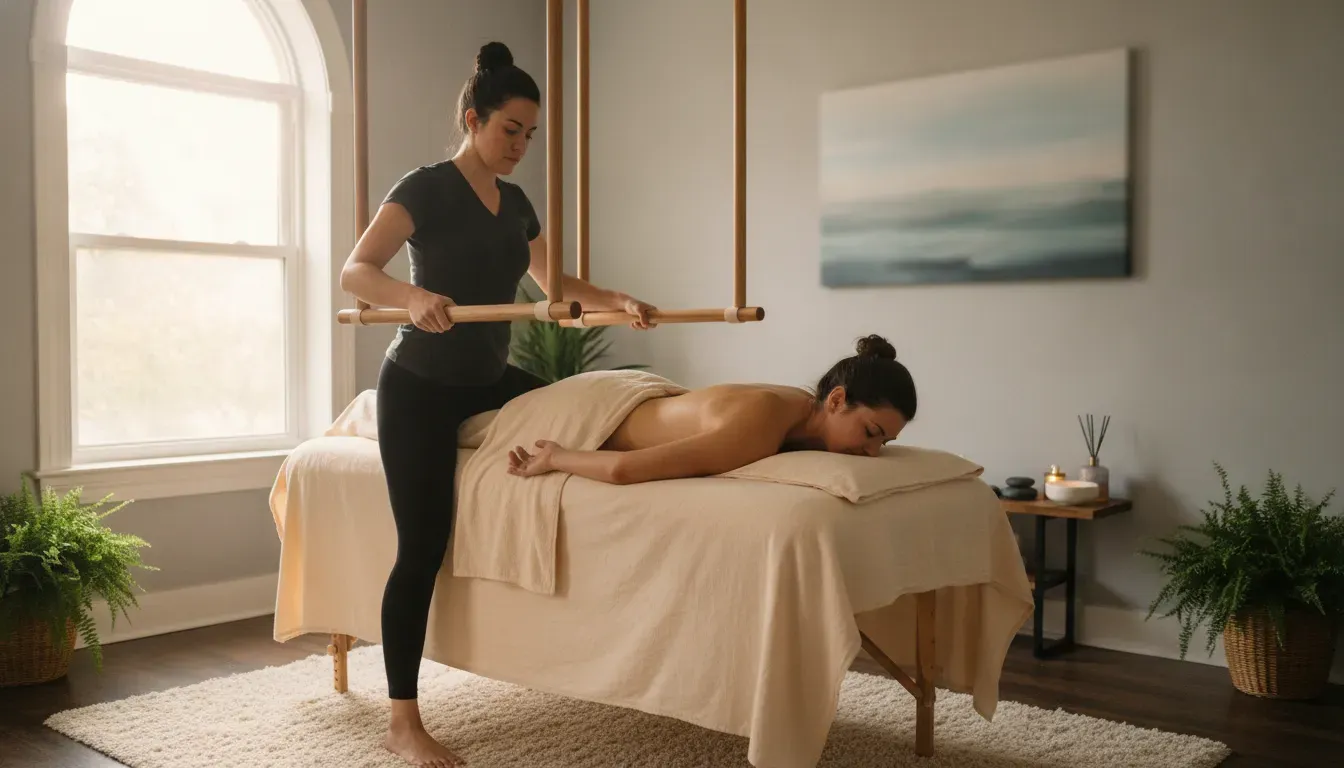
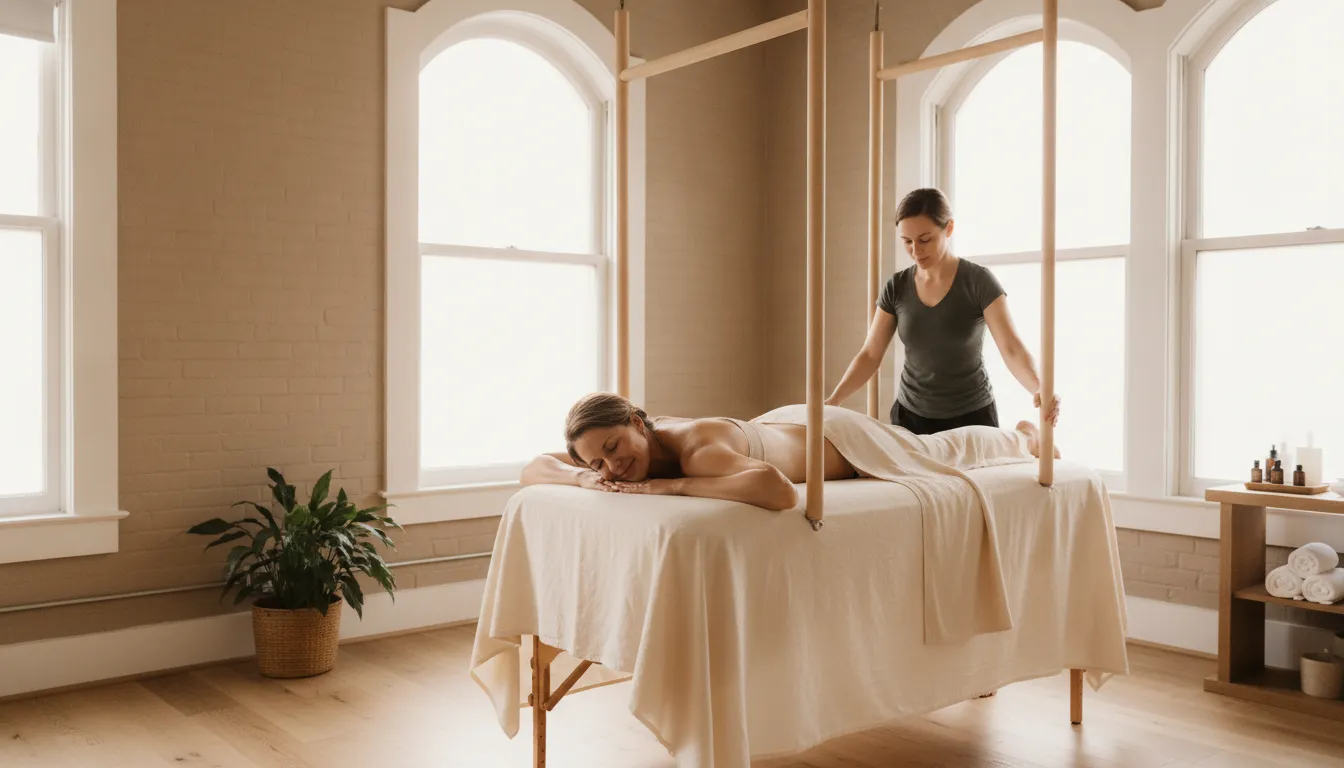
Imagine the deep, consistent pressure of a deep tissue massage, but broader and more comfortable. That’s Ashiatsu Deepfeet Bar Therapy. In this unique modality, the therapist uses their feet to deliver long, gliding strokes while holding onto overhead bars for balance and support. This allows for a much deeper and more sustained pressure than hands or elbows can provide, without any sharp or pointy sensations. It’s incredibly effective for releasing chronic tension, improving posture, and creating a sense of openness in the body. If you love deep pressure and want to try something truly transformative, Ashiatsu is an amazing experience.
Prenatal: Safe Relief for Moms-to-Be
Pregnancy is beautiful, but it can also bring a host of aches and pains. A prenatal massage is a wonderful way for expectant mothers to find comfort and relief. Performed by a specially trained therapist, this gentle massage focuses on addressing the common discomforts of pregnancy, such as lower back pain, swollen ankles, and shoulder tension. The American Pregnancy Association notes that it can also help reduce stress and improve sleep. You’ll be comfortably supported with pillows to ensure there’s no pressure on your belly. It’s a safe, soothing, and nurturing experience for both you and your baby.
Enhance Your Massage: CBD & Himalayan Salt Stones
Want to take your massage to the next level? Consider adding an enhancement. A CBD-infused oil can help reduce inflammation, soothe sore muscles, and deepen your sense of relaxation without any psychoactive effects. It’s a great option for anyone with arthritis or chronic pain. Another popular choice is adding Hot Himalayan Salt Stones. These warm, smooth stones are used to massage the body, helping to gently exfoliate the skin while imparting soothing heat and 84 trace minerals. The warmth helps muscles relax more quickly, making your massage even more effective and luxuriously comforting.
How to Talk to Your Massage Therapist
Think of your massage as a team effort between you and your therapist. Open communication is the single most important tool for getting the results you want, whether that’s deep relaxation or relief from a nagging injury. Your therapist is a trained professional whose only goal is to make you feel safe and comfortable, but they can’t read your mind. Speaking up ensures you get a session that’s tailored specifically to your needs and preferences.
It’s completely normal to feel a little unsure of what to say, especially if you’re new to massage. Remember, there are no silly questions. From the moment you walk in, your therapist is there to listen and guide you. They want your feedback before, during, and after the session. Voicing your needs helps them apply their skills more effectively and helps you get the full benefit of your time on the table. This is your time, and you are always in control of the experience.
Before the Massage Starts
Your session will begin with a brief chat. Your therapist will ask about your health history, any current aches or pains, your stress levels, and what you hope to achieve with the massage. This conversation is key, as it helps them customize the treatment. Be honest and specific. If you have a knot in your shoulder that’s been bothering you for weeks or if you simply want an hour to de-stress and zone out, let them know. This is the perfect time to discuss which of our massage services is the right fit for your goals.
Speaking Up During Your Session
Communication doesn’t end once you’re on the table. Your feedback during the massage is just as important. The most common thing to speak up about is pressure. If it’s too light or too intense, please say so. A simple “Could you use a little more pressure there?” or “That’s a bit too deep for me” is all it takes. The same goes for anything else—if the room is too cold, the music isn’t relaxing, or a certain technique feels uncomfortable, let your therapist know. They can make adjustments immediately to improve your experience. Your comfort is the top priority.
Voicing Concerns or Anxiety
Feeling a little nervous is perfectly fine, and you should never hesitate to voice any concerns. You are in charge of your session. You have the right to decide if you want to chat or enjoy the quiet, and you can ask to stop the massage at any time for any reason. Our dedicated team of licensed massage therapists is here to provide a professional, healing experience where you feel completely secure. If anything makes you feel uneasy, please speak up. We are here to listen and ensure your time with us is nothing but blissful.
What to Expect After Your Massage
The blissful feeling of a massage doesn’t stop the moment you step off the table. The time immediately following your session is an important part of the therapeutic process, where your body continues to process the work that was done. Think of it as a gentle transition period back into your day. Whether you received a relaxing Swedish massage or a targeted Deep Tissue or Swedish Massage to work out stubborn knots, your body needs a little time to adjust.
It’s helpful to clear your schedule for a little while after your appointment, if you can. Rushing off to a stressful meeting or a strenuous workout can undo some of the relaxation you just achieved. Instead, give yourself the gift of a little extra quiet time. This allows you to fully absorb the benefits of your massage and lets your nervous system settle. The goal is to extend that sense of calm and well-being for as long as possible. Below, we’ll walk through what you might feel, how to take care of yourself, and what to do if you experience any soreness.
How You’ll Feel Right After
Once your massage is over, your therapist will leave the room to allow you to get dressed at your own pace. Take your time getting up from the table. You might feel a bit lightheaded or what some people affectionately call “massage brain”—a floaty, deeply relaxed state. It’s common to feel incredibly calm, a bit sleepy, or even a little groggy. This is a sign that your body has shifted into a state of rest and repair. On the other hand, some people leave a massage feeling energized and clear-headed, as if a weight has been lifted. There’s no right or wrong way to feel; every person’s experience is unique. Just listen to your body and move slowly as you re-enter the world.
Post-Massage Care: Water and Rest
The single most important thing you can do after your massage is drink water—and then drink some more. During a massage, your muscles release metabolic waste products. Staying well-hydrated helps your kidneys and lymphatic system flush these out of your body efficiently. Try to avoid caffeine and alcohol for several hours, as they can be dehydrating. If possible, plan for a low-key rest of your day. A warm bath with Epsom salts can be a wonderful way to soothe your muscles and continue the relaxation process. Think of this after-care as an essential part of your treatment, helping you get the most out of the massage services you just received.
Is It Normal to Be Sore?
Yes, it’s completely normal to feel some muscle soreness a day or two after a massage, especially if it’s your first one or if you had deep therapeutic work done. Think of it like the soreness you feel after a good workout. Your therapist worked on muscles that may have been tight and holding tension for a long time. This is particularly common after a session focused on specific problem areas, like an Ashiatsu Deepfeet Bar Therapy treatment. This mild, achy feeling is just your body adjusting and healing. It typically fades within 24 to 48 hours, leaving you feeling even better than before. If the soreness is ever sharp or concerns you, don’t hesitate to contact the studio.
What Makes a Couples Massage Special?
Getting a massage alongside someone you care about is a completely different experience than going solo. It’s a unique way to relax, reconnect, and share a peaceful moment away from the hustle of everyday life. Whether it’s for a date night, an anniversary, or just because, a couples massage offers a special kind of connection. You’re in the same room, on separate tables, each with your own dedicated therapist, allowing you to unwind in sync.
Unlike a typical date, there’s no pressure to keep a conversation going. Instead, you can simply be present with one another in a calm, restorative environment. This shared silence and mutual relaxation can actually strengthen your bond. It’s an opportunity to put away your phones, forget your to-do lists, and focus on mutual self-care. You’ll leave feeling not only physically refreshed but also more emotionally connected. Many couples find that it helps them de-stress together, which can lead to better communication and a deeper sense of partnership long after the massage is over. It’s a shared activity that’s all about comfort, care, and quiet connection.
The Shared Experience
A couples massage is about creating a shared memory of peace and relaxation. It’s a chance to step away from daily responsibilities and simply enjoy each other’s company in a tranquil setting. This act of mutual care allows you both to de-stress simultaneously, which can deepen your sense of intimacy and understanding. You’re not just getting individual treatments; you’re embarking on a relaxing journey together, side-by-side. This quiet time can be a powerful way to reconnect and show you prioritize each other’s well-being.
Communicating with Your Partner and Therapists
While you’ll be relaxing together, your massages can be completely customized to your individual needs. Before your session, it’s a great idea to chat with your partner about what you each hope to get out of the experience. One of you might want a gentle Swedish massage, while the other needs a firm deep tissue treatment. Open communication with your respective therapists is also key. Don’t hesitate to speak up about the pressure, room temperature, or anything else that affects your comfort. This ensures you both have the best experience possible, making your shared time truly blissful.
Choosing the Right Massage Studio
Finding the right place for your first massage can make all the difference. You want a studio where you feel comfortable, safe, and confident that you’re in good hands. The goal is to find a professional environment focused on your well-being, so you can truly relax and get the most out of your session. A little research upfront helps ensure your experience is everything you hope for. Think about what you’re looking for—is it pure relaxation, or do you need help with a specific ache or pain? Answering that question will help you narrow down your options and find a studio that specializes in the kind of therapeutic care you need.
Look for Licensed, Experienced Therapists
First things first: make sure your massage therapist is a licensed professional. This is non-negotiable. A license means they’ve completed extensive training and adhere to strict professional and ethical standards. One easy tip is to look for studios that offer “massage therapy” rather than just “massage,” as this term usually indicates licensed practitioners. Independent studios often have a dedicated team of highly trained therapists who are passionate about the healing craft of massage, focusing more on therapeutic results than a generic spa experience. An experienced therapist will know how to listen to your needs and customize the session just for you, ensuring a safe and effective treatment.
Consider the Studio’s Vibe and Cleanliness
Your massage should take place in an environment that feels calm, safe, and spotlessly clean. When you walk in, take a look around. The space should feel professional and put you at ease. A clean and well-maintained studio shows respect for both the clients and the practice of massage therapy itself. The treatment room should be a peaceful sanctuary with a comfortable, padded massage table. While soft music is common, remember that this is your time. You can always ask your therapist to adjust the volume or turn it off completely. The right atmosphere is key to helping your mind and body unwind, allowing you to fully benefit from professional, high-quality therapeutic massage services.
Related Articles
- Couples Massage | Nola Bliss Massage Therapy
- Massage Services | Nola Bliss Massage Therapy
- Ashiatsu | Nola Bliss Massage Therapy
Frequently Asked Questions
What if I’m self-conscious about my body? Please know that this is a very common feeling, but you can leave it at the door. Massage therapists are licensed healthcare professionals who see the body from a clinical perspective, focusing on anatomy, muscles, and tissue. They are dedicated to helping you feel better, not judging your appearance. You will be securely covered by a sheet the entire time, and you only need to undress to your personal comfort level. Your therapist’s only goal is to create a safe, non-judgmental space for you to relax and heal.
Do I have to make conversation during my massage? Absolutely not. While your therapist will check in with you about pressure and comfort, this is your time to completely zone out. Some people enjoy a quiet chat, but most prefer to relax in silence. If you want to ensure a quiet session, you can simply say something like, “I’d love to just relax quietly today.” Your therapist will understand completely. The most important thing is for you to feel comfortable and get the most out of your time on the table.
Is it okay if I fall asleep and start snoring? It’s more than okay—it’s a compliment! Falling asleep during a massage is a sign that you’ve reached a state of deep relaxation, which is exactly what we hope for. Therapists are completely used to it, snoring and all. Don’t spend a single moment worrying about it. Just let your body relax and receive the full benefits of the treatment.
How often should I get a massage? The ideal frequency really depends on your personal goals and lifestyle. If you’re looking to manage general stress and maintain wellness, once a month is a great rhythm. For those addressing chronic pain or recovering from an injury, your therapist might suggest more frequent sessions, perhaps every week or two, until you start feeling significant relief. The best approach is to discuss a plan with your therapist after your first session.
Should I tip my massage therapist? Tipping is a customary way to show appreciation for great service, and it is always appreciated by our therapists. While it’s never required, if you enjoyed your experience and feel your therapist did an excellent job, a tip of 15-20% of the service price is a standard guideline. It’s a wonderful way to acknowledge their skill and care.