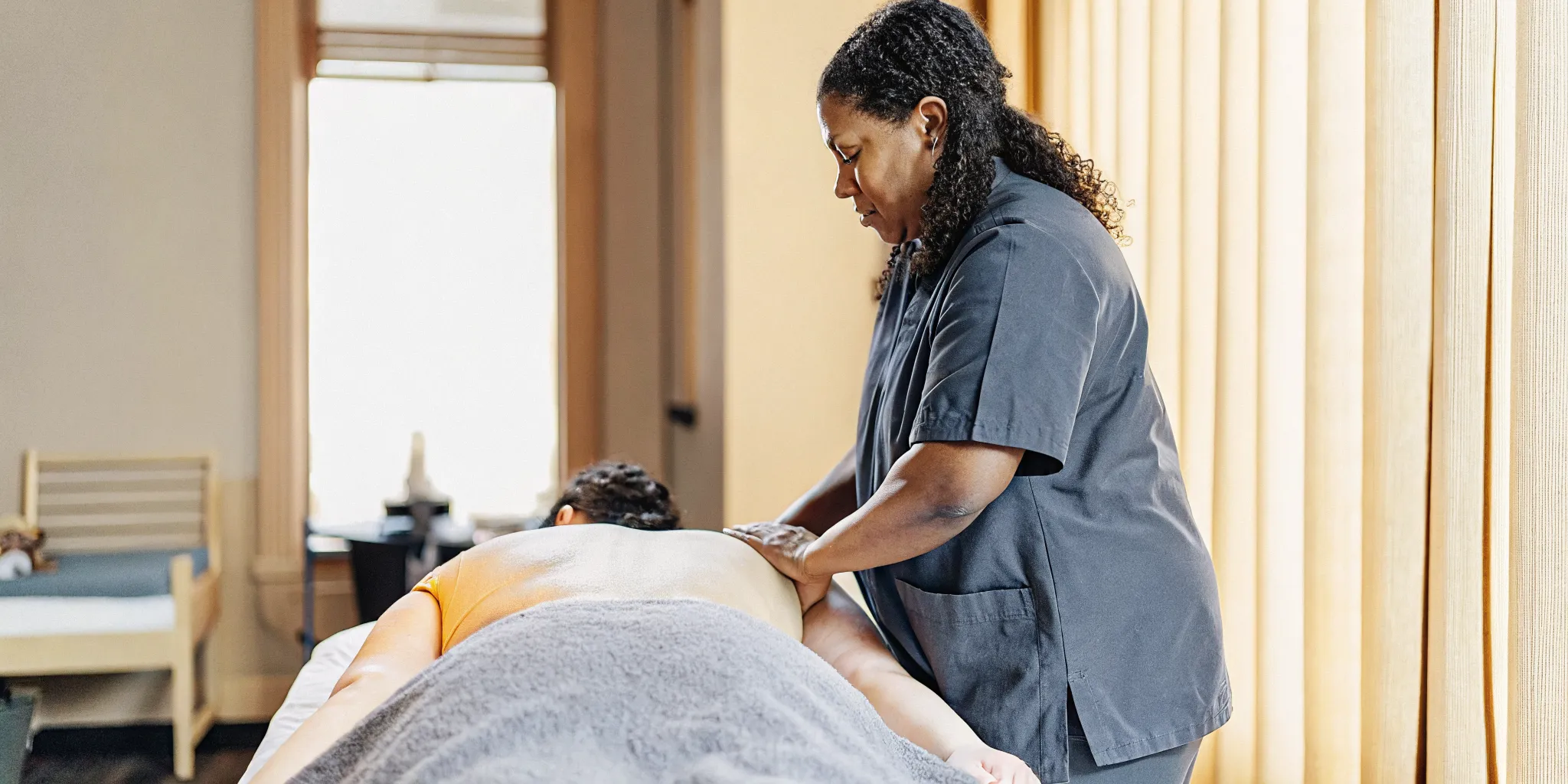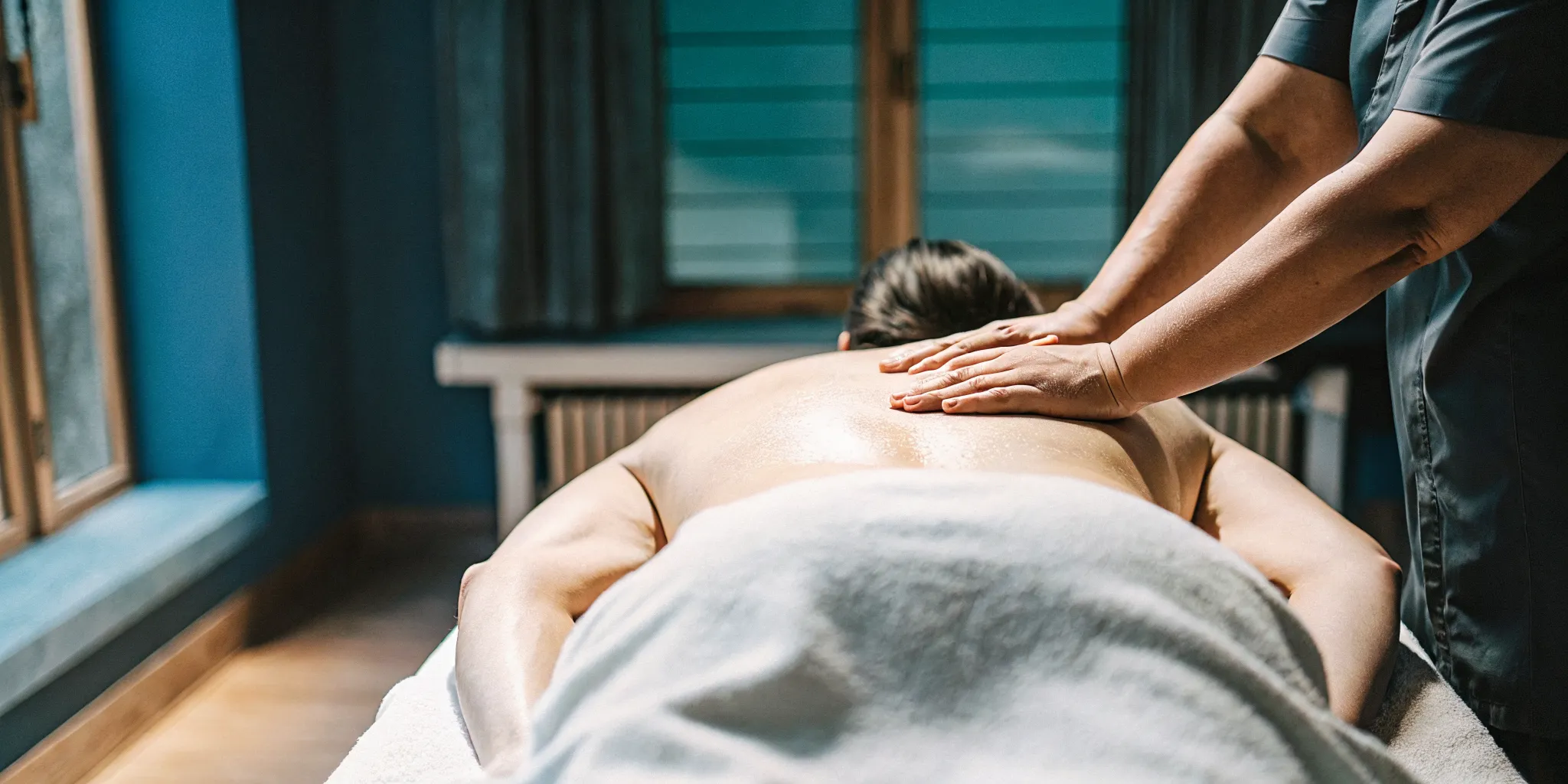

Not all massages are created equal, especially when you’re dealing with chronic lower back pain. A generic spa treatment might feel nice for an hour, but a targeted, therapeutic massage can provide profound and lasting relief. The key is matching the right technique to the specific cause of your pain. To do that, you need to know what type of massage is best for lower back pain and its underlying issues. Is your pain caused by tight, overworked muscles, or is it from restricted connective tissue? This guide breaks down the most effective massage therapies, explaining how each one works to address the source of your discomfort. We’ll compare the broad, deep compression of Ashiatsu with the focused intensity of deep tissue so you can make an informed choice for your body.
Key Takeaways
- Your lower back pain might not be about your back: The real source of discomfort often comes from tight muscles in your hips, glutes, and legs that pull your spine out of alignment, so a full-body approach is key.
- Choose the right massage for your specific pain: There isn’t one “best” massage for everyone; the most effective treatment depends on your unique symptoms and pressure preference, whether it’s the deep, broad strokes of Ashiatsu or the focused work of deep tissue.
- Think of massage as a process, not a one-time fix: For chronic pain, lasting relief comes from consistent sessions and open communication with your therapist, who can create a personalized plan to address the underlying issues.
What’s Causing Your Lower Back Pain?
If you’ve ever felt that familiar twinge in your lower back, you’re not alone. It’s one of the most common complaints we hear. Your lower back is a complex structure, and figuring out the source of your pain is the first step toward finding real relief. Often, the culprit is hiding in your daily habits.
Uncovering Common Triggers
So, what’s really going on back there? Lower back pain often stems from overused muscles, poor posture, exercise, or sudden injuries. These common triggers can cause the body’s connective tissue, known as fascia, to become tight and restricted. When your fascia is tight, it limits your movement and pulls on your muscles, creating that sensation of pain and stiffness. Think about that weekend yard work or lifting a heavy suitcase. These seemingly small actions can have a big impact. Understanding these root causes is key to finding an effective solution through our various massage services.
The Toll of Muscle Strain and Overuse
Your lower back muscles work hard all day to support your spine. When these muscles are strained or overworked, they can cause persistent low back pain, stiffness, and make it harder to move. This can happen from a single event, like lifting something too heavy, or from repetitive stress over time. Think about hours spent gardening or carrying a toddler. When your muscles get tired and strained, they often develop painful knots. A therapeutic deep tissue or Swedish massage is incredibly effective at releasing this built-up tension and helping your muscles finally relax and recover.
How Poor Posture and Sitting Affect Your Back
Let’s talk about one of the biggest modern-day culprits: sitting. Many of us spend hours a day slumped in a chair at a desk, in a car, or on the couch. This habit can create significant muscle imbalances. When you slouch, you put uneven pressure on your spine and force your lower back muscles to work overtime. Over time, this leads to chronic pain and tightness. The good news is that targeted massage can help counteract these effects by loosening tight muscles and restoring balance. Our Ashiatsu Deepfeet Bar Therapy is especially great for this, providing deep, consistent pressure to release long-held tension.
What’s the Best Massage for Lower Back Pain?
Finding the right massage for lower back pain can feel like a game of chance, but it doesn’t have to be. The best approach really depends on what’s causing your discomfort, your personal pain tolerance, and the kind of pressure you prefer. Whether you’re dealing with a dull, constant ache from sitting at a desk or a sharp, persistent pain from an old injury, there’s a massage style designed to help. Think of this as your guide to understanding the most effective techniques so you can book your next session with confidence and get the relief you deserve.
Each modality offers a unique path to feeling better. Some, like deep tissue massage, focus on releasing stubborn knots deep within the muscle layers. Others, like Swedish massage, use lighter strokes to promote overall relaxation and improve circulation, which can be just as effective for tension-related pain. We’ll also look at more specialized techniques like Ashiatsu, Trigger Point Therapy, and Myofascial Release. Understanding the differences will help you have an informed conversation with your therapist and choose a treatment that truly targets your specific needs, helping you get back to feeling your best.
Ashiatsu Deepfeet Bar Therapy
If you love deep pressure but find sharp elbows and thumbs to be too intense, Ashiatsu is the perfect fit. In this unique therapy, the massage therapist uses their feet to deliver long, flowing, and deeply compressive strokes. By holding onto overhead bars for balance and support, your therapist can apply consistent, broad pressure that covers a large area at once. This makes Ashiatsu Deepfeet Bar Therapy incredibly effective for lower back pain, as it can release tension in the entire lumbar region and glutes without the pinpoint discomfort of other deep methods. It feels like a giant, warm hand is slowly melting away your muscle knots and chronic tightness.
Deep Tissue Massage
For chronic, deep-seated back pain, a deep tissue massage is often the most recommended solution. This technique goes beyond the surface to target the deeper layers of your muscle and connective tissue. Using firm pressure and slow, deliberate strokes, your therapist works to break up stubborn knots and adhesions that can restrict movement and cause pain. While it can be intense at times, a deep tissue massage is highly effective for addressing long-term issues. It’s an excellent choice if you feel like your pain is rooted deep within the muscle and you need focused work to release it and restore proper function.
Swedish Massage
Don’t underestimate the power of a classic Swedish massage for lower back pain relief. If your pain is tied to general muscle tension, stress, or fatigue, this is an ideal choice. Swedish massage uses long, gliding strokes, kneading, and gentle circular movements with light to medium pressure. This approach is fantastic for improving blood circulation, which helps reduce muscle soreness and inflammation. It also calms the nervous system, promoting a state of deep relaxation that allows your back muscles to let go of tension they’ve been holding. It’s a soothing, effective way to ease discomfort without intense pressure, making it a great starting point for anyone new to massage.
Trigger Point Therapy
Have you ever had a small, specific knot in your muscle that sends pain to another area? That’s a trigger point. Trigger point therapy is a focused technique where a therapist applies direct, sustained pressure to these hyper-irritable spots to get them to release. This method is often integrated into a deep tissue or Ashiatsu massage to address the root cause of radiating pain. For example, a trigger point in your gluteus medius muscle can often be the culprit behind lower back pain. By deactivating that point, your therapist can provide significant and lasting relief from what feels like a much larger, more widespread problem.
Myofascial Release
Your muscles are wrapped in a web of connective tissue called fascia. When you experience injury, stress, or inflammation, this tissue can become tight and restricted, pulling on your muscles and causing pain and stiffness. Myofascial release is a technique that uses gentle, sustained pressure to stretch and release these fascial restrictions. It’s less about kneading the muscle and more about slowly loosening the “shrink wrap” around it. This can dramatically improve your flexibility and range of motion, making it a key component in relieving lower back pain, especially when you feel stiff and locked up and just can’t seem to get a good stretch.
How Massage Eases Lower Back Pain
Massage therapy does more than just provide temporary relief; it works on a physiological level to address the underlying causes of your discomfort. By targeting specific tissues and systems in the body, a skilled therapist can help break the cycle of pain and tension. It’s a proactive approach to wellness that helps your body heal from the inside out. Think of it as a reset button for your muscles and your mind.
When you experience lower back pain, your body is sending a signal that something is out of balance. It could be from tight muscles, inflammation, or even stress holding tension in your body. A therapeutic massage directly addresses these issues. It physically manipulates the soft tissues to release deep knots, gets blood flowing to carry away waste and bring in healing nutrients, and stretches connective tissues to restore your natural range of motion. At the same time, the calming experience helps soothe your nervous system, which plays a huge role in how you perceive pain. It’s a comprehensive approach that brings both immediate comfort and long-term benefits.
Releasing Deep Muscle Knots
If you’ve ever felt a specific, tender spot in your back that aches when you press it, you’ve found a muscle knot. These knots, also known as trigger points, are tight bands of muscle fiber that can cause pain both locally and in other areas of your body. A therapeutic massage, especially a deep tissue massage, applies slow, firm pressure to work into these deeper layers of muscle and connective tissue. This technique helps break up the adhesions, release the chronic tension, and restore proper muscle function, giving you that deep sense of relief you’ve been looking for.
Improving Circulation to Reduce Inflammation
Tight, painful muscles often suffer from poor circulation, which can lead to a buildup of metabolic waste and increased inflammation. Massage helps manually push blood through these congested areas. This process improves circulation, delivering a fresh supply of oxygen and vital nutrients to the muscle tissue. As fresh blood flows in, it helps flush out the inflammatory byproducts that contribute to pain and stiffness. This improvement in circulation not only speeds up the healing process but also helps reduce swelling and soreness in your lower back, making you feel lighter and more comfortable.
Restoring Flexibility and Range of Motion
Lower back pain often comes with a feeling of stiffness that limits your ability to move freely. This is frequently caused by tightness in the fascia, the web of connective tissue that surrounds your muscles. Techniques like myofascial release apply gentle, sustained pressure to stretch and release this tissue. By freeing up these restrictions, massage helps restore elasticity to your muscles and improves your overall flexibility. You’ll notice that everyday movements, like bending down to tie your shoes or twisting to reach for something, become easier and much less painful as your body regains its natural fluidity.
Calming Your Nervous System
Pain isn’t just a physical sensation; it’s also processed by your nervous system. Chronic back pain can put your body in a constant state of high alert, creating a vicious cycle of stress and muscle tension. Massage therapy helps break this cycle by promoting deep relaxation. The soothing touch of a massage can help your body release its own natural painkillers, like endorphins and serotonin. This not only helps relieve pain but also creates a profound sense of calm and well-being, signaling to your nervous system that it’s safe to let go of that tension.
Key Muscles to Target for Relief
When you feel that familiar ache in your lower back, it’s easy to think the problem is right there. But often, the real culprits are the supporting muscles in your hips, glutes, and even your legs. These muscles work together as a team to support your spine and pelvis. When one area becomes tight or weak, it creates an imbalance that puts extra strain on your lower back. A truly effective massage goes beyond just rubbing the sore spot; it addresses the root cause by targeting these key muscle groups. This holistic approach is what separates a therapeutic massage from a simple back rub. It’s about understanding the body’s interconnected systems and treating the source of the dysfunction. For example, hours spent sitting can shorten the muscles at the front of your hips, which then pull your pelvis out of alignment and strain your back. A skilled therapist knows how to identify these patterns. By focusing on the entire network of muscles, they can help release tension, restore balance, and provide more significant, lasting relief. Knowing which muscles are likely contributing to your pain empowers you to have a more productive conversation with your massage therapist and get the results you’re looking for.
Quadratus Lumborum (QL)
The quadratus lumborum, or QL, is a deep muscle on either side of your lumbar spine, connecting your lowest rib to the top of your pelvis. Think of it as a major stabilizer for your lower back. When you sit for long periods or lift something awkwardly, the QL can become tight and strained, leading to a persistent, deep ache. Because it’s located beneath other back muscles, it can be tricky to reach. A skilled therapist can use specific techniques, like those in a deep tissue massage, to apply slow, sustained pressure that encourages this muscle to finally release its grip, easing stiffness and restoring movement.
Gluteus Medius
Your gluteus medius is located on the outer side of your hip, and it plays a huge role in keeping your pelvis level when you walk, run, or stand on one leg. When this muscle is weak or tight, it can disrupt your entire pelvic alignment, forcing the muscles in your lower back to work overtime to compensate. This can lead to significant strain and pain. According to research on back pain, an imbalance in the gluteus medius is a common contributor to discomfort. Targeted massage on this muscle helps restore balance, relieve tension in the hip, and take the pressure off your overworked lower back.
Hip Flexors and Psoas
If you spend a lot of your day sitting at a desk or in a car, your hip flexors are likely tight. This group of muscles, including the psoas, runs along the front of your hips and connects your legs to your torso. When they become chronically shortened from sitting, they pull your pelvis forward into an anterior tilt. This tilt increases the curve in your lower back, compressing the vertebrae and straining the surrounding muscles. Releasing the hip flexors is often a game-changer for people with chronic lower back pain. A thorough massage that includes work on the front of the body can lengthen these muscles and allow your pelvis to return to a more neutral, comfortable position.
Piriformis and Surrounding Muscles
Deep within your glutes lies a small but powerful muscle called the piriformis. Its main job is to rotate your leg outward. The sciatic nerve runs right alongside or, in some people, directly through the piriformis muscle. If the piriformis becomes tight, it can compress this nerve, causing pain in the lower back, buttocks, and even down the leg, a condition often mistaken for sciatica. An experienced therapist can use precise pressure to release this muscle. Our Ashiatsu Deepfeet Bar Therapy is especially effective for reaching the piriformis, using deep, broad strokes to relieve the tension and free the sciatic nerve.
How to Choose the Right Massage Therapy
Finding the right massage for your lower back pain involves more than just picking a service from a menu. It’s about matching the right techniques and therapist to your unique needs. When you’re dealing with discomfort, you want to feel confident that you’re making the best choice for your body. These steps will help you select a therapy that targets your pain effectively and provides lasting relief, ensuring your experience is both healing and restorative.
Assess Your Specific Pain and Needs
Before you book an appointment, take a moment to connect with your body. Is your lower back pain a dull, constant ache or a sharp, specific pain? Does it flare up after sitting for a long time or after a workout? Understanding your pain is crucial because different massage services target various issues. For instance, a deep, radiating pain might call for the targeted pressure of Ashiatsu, while general soreness could benefit more from a Swedish massage. Knowing the specifics of your discomfort helps you and your therapist decide on the most effective treatment plan.
Find a Licensed and Experienced Therapist
The effectiveness of your massage depends heavily on the skill of the person providing it. Always see a licensed and experienced massage therapist who can properly assess your condition and recommend the best approach. A great therapist has a deep understanding of anatomy and can tailor the session to your body’s unique requirements. At Nola Bliss, our dedicated team is made up of highly trained professionals who have devoted their careers to the practice of therapeutic massage, so you can trust you’re in capable hands.
Communicate Your Pressure Preference
Your massage is a partnership between you and your therapist, and clear communication is key. It’s essential to communicate your pressure preferences to ensure a comfortable and effective session. What feels like deep pressure to one person might feel light to another. Don’t hesitate to speak up if you need more or less pressure during your treatment. A Deep Tissue or Swedish Massage can be easily adjusted to your comfort level, and your feedback helps your therapist deliver the best possible results for your lower back pain.
Explore Enhancements like Himalayan Salt Stones
Sometimes your muscles need a little extra encouragement to let go of tension, and that’s where enhancements can make a real difference. Consider adding Hot Himalayan Salt Stones to your session. This technique uses gentle heat from the stones to warm and relax muscles, which helps relieve deep-seated tension. The warmth also increases blood flow to the area, supporting the body’s natural healing process. It’s a wonderful way to deepen your relaxation and make your treatment even more effective for stubborn lower back pain.
What to Expect During Your Massage Session
Walking into a massage appointment for the first time, especially when you’re in pain, can feel a little uncertain. We want to take the guesswork out of it so you can relax from the moment you arrive. A therapeutic massage is a partnership between you and your therapist, focused entirely on your well-being. Your session is a structured, professional experience that includes a thorough consultation, a personalized treatment plan, open communication, and practical advice to help you feel better long after you leave.
Starting with a Consultation
Every great massage begins with a conversation. Before your session starts, your therapist will sit down with you to discuss what’s going on with your lower back. This is your time to share your symptoms, your pain levels, any activities that make it worse, and your goals for the treatment. It’s important to choose the right type of massage for your specific back pain, and this initial chat allows us to do just that. Our dedicated team of licensed therapists will listen carefully to create a plan that directly addresses your needs, ensuring your time on the table is as effective as possible.
Receiving a Customized Treatment
Once we have a clear understanding of your needs, your therapist will design a treatment just for you. This isn’t a one-size-fits-all routine. Based on your consultation, we’ll focus on the specific muscles contributing to your lower back pain. For example, we might concentrate on releasing tension in your quadratus lumborum and gluteus medius, two common culprits in back discomfort. Your session may incorporate a blend of different massage services, from deep tissue work to myofascial release, all aimed at providing targeted relief where you need it most.
Communicating About Pressure and Comfort
Your comfort is our top priority, and your feedback is a crucial part of the process. We encourage you to maintain an open line of communication with your therapist throughout the session. If the pressure is too intense or not deep enough, please let us know. A great massage therapist can adjust their technique to meet your specific comfort level and pain threshold. This is your session, and speaking up ensures you get the maximum benefit without unnecessary discomfort. Our goal is to work with you to release tension effectively and safely.
Getting Post-Massage Recommendations
Your care doesn’t end when your massage is over. After your session, your therapist will share personalized recommendations to help you extend the benefits of your treatment. This might include specific stretches, advice on using heat or ice at home, and the importance of hydration. We can also suggest a treatment schedule tailored to your needs. For general upkeep, a massage once a month may be perfect. However, if you have more persistent back pain, you might need more frequent therapeutic sessions to achieve lasting relief. We’re here to support your journey to feeling your best.
What to Know Before Your Massage
Getting ready for your first therapeutic massage for back pain can bring up a few questions. Knowing what to do beforehand and what to expect afterward will help you get the most out of your session. A great massage experience is a partnership between you and your therapist, and a little preparation goes a long way in making sure you find the relief you’re looking for.
From knowing when to chat with your doctor to understanding the kind of soreness that signals healing, we’ve got you covered. This will help you walk into your appointment feeling confident and prepared, and walk out feeling better.
When to Check with Your Doctor First
While massage is a fantastic tool for most types of lower back pain, it’s always smart to be safe. If your back pain is severe, the result of a recent injury, or has been going on for a long time, it’s a good idea to check in with your doctor before booking an appointment. Conditions like herniated discs, fractures, or severe osteoporosis require a doctor’s guidance.
Even if your doctor gives you the green light, always be open with your massage therapist. Inform them about any medical conditions, allergies, or medications you’re taking. Our team of licensed massage therapists is highly trained to tailor your session to your specific needs, but they can only do that with the full picture of your health.
Understanding the Path to Lasting Relief
One massage can provide incredible relief, but for chronic lower back pain, think of it as a process rather than a one-time fix. Lasting relief often comes from a consistent approach. The goal of therapeutic massage is to create stability in your core and spine, which in turn allows for greater mobility and flexibility that actually sticks around. It’s about re-educating your muscles, not just temporarily soothing them.
Depending on your specific situation, your therapist might recommend a series of sessions. Techniques like Ashiatsu Deepfeet Bar Therapy are especially effective for creating lasting change by applying deep, consistent pressure to release chronic tension. Working with your therapist to create a plan is the best way to achieve your long-term wellness goals.
Good Sore vs. Bad Pain: What to Expect After
After a therapeutic massage, especially a deep tissue session, it’s normal to feel a little sore for a day or two. This is often called “good soreness,” and it feels similar to how your muscles feel after a good workout. It’s a sign that your therapist has worked through deep knots and adhesions, and your body is starting its healing process. This is very different from sharp or shooting pain.
Communication is key. During your deep tissue or Swedish massage, let your therapist know if the pressure feels too intense. You are always in control of the session. A good therapist will check in with you and can adjust their technique to keep you comfortable while still being effective. After your massage, be sure to drink plenty of water to help your body flush out metabolic waste and recover.
Related Articles
Frequently Asked Questions
How often should I get a massage for my lower back pain? The ideal frequency really depends on your specific situation. If you’re dealing with acute pain from a recent strain, you might benefit from sessions closer together, perhaps once a week for a few weeks, to break the pain cycle. For chronic, long-term discomfort or general maintenance, once every two to four weeks is often a great schedule to keep your muscles relaxed and prevent flare-ups. We can create a personalized plan for you after your first session.
I’m worried a deep massage will be painful. Will it hurt? This is a common concern, and it’s important to know the difference between therapeutic discomfort and actual pain. A deep tissue or Ashiatsu massage works on deep layers of muscle, so you might feel a satisfying, intense pressure as your therapist works through knots. However, it should never be sharply painful. You are always in control, and we encourage you to communicate with your therapist so they can adjust the pressure to a level that feels effective but comfortable for you.
There are so many options. Which massage should I book if I’m new to this? If you’re unsure where to start, booking a Deep Tissue or Swedish Massage is a great choice. This gives you a chance to talk with your therapist during the initial consultation about what you’re feeling. They can then customize the session, blending techniques and adjusting pressure to fit your needs perfectly. It’s a flexible starting point that allows us to find the best approach for your specific back pain.
What’s the real difference between Ashiatsu and a regular deep tissue massage? Think of it as the difference between a specific tool and a broad one. In a traditional deep tissue massage, a therapist uses their hands, knuckles, and elbows to apply focused pressure on smaller areas. With Ashiatsu, the therapist uses their feet to deliver long, gliding, and deeply compressive strokes. This allows for consistent, broad pressure over a larger surface area, which many people find to be more relaxing and just as effective for releasing deep, widespread tension in the back and glutes.
What can I do at home to make the relief from my massage last longer? After your session, drinking plenty of water is the most important thing you can do to help your body flush out toxins and reduce soreness. Gentle stretching, focusing on your hamstrings and hip flexors, can also help maintain the flexibility we restored during your massage. Your therapist can also give you specific recommendations, like using a heat pack on your lower back, to help you manage your symptoms between appointments.