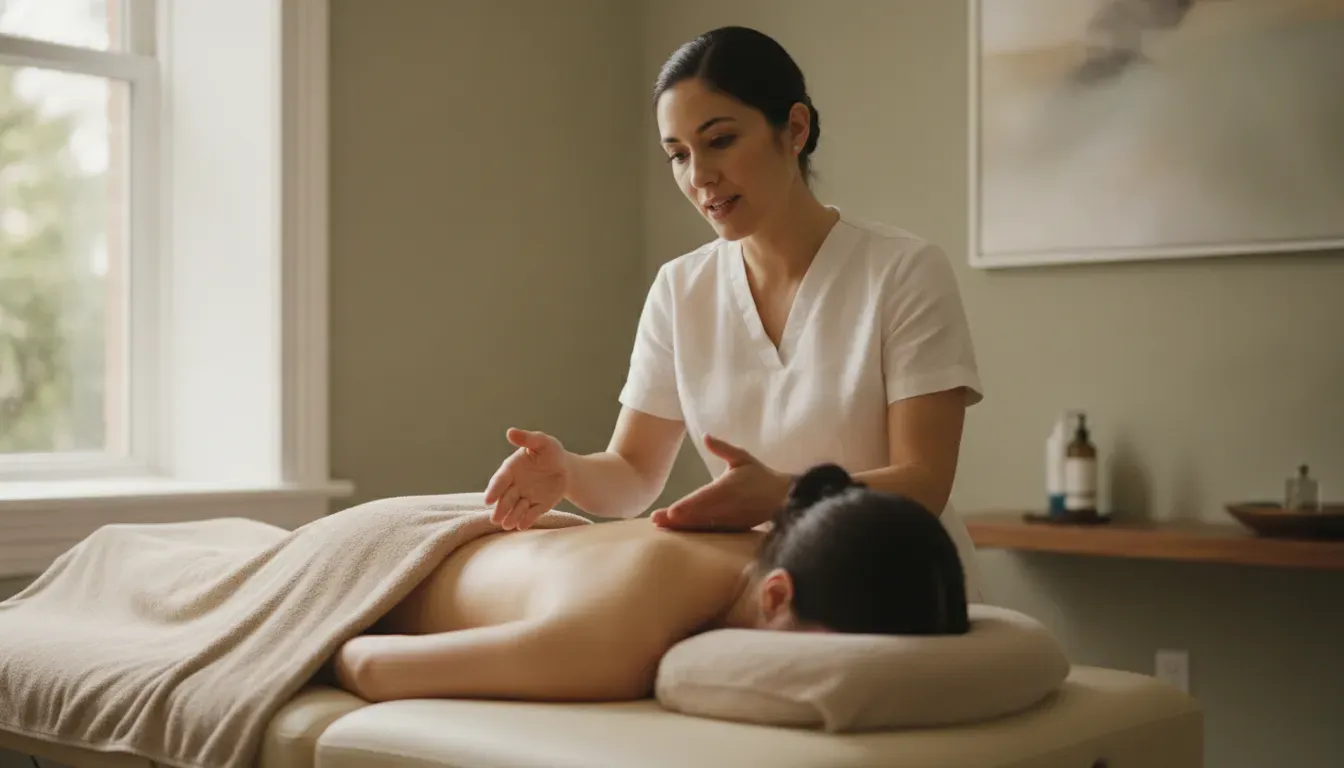

You have a persistent knot in your shoulder, and you’re ready to book a massage to finally get rid of it. Your first thought might be to request the deepest pressure possible, assuming that’s the only way to find relief. But the “deeper is better” approach isn’t always the safest one. Certain medical conditions, from blood clotting disorders to recent surgeries, can make intense pressure a serious risk. What is meant to be a healing experience could inadvertently cause harm. To ensure your session is purely beneficial, it’s important to first understand who should not get a deep tissue massage.
Key Takeaways
- Prioritize Your Health with a Doctor’s OK: Deep tissue massage isn’t suitable for everyone, so it’s smart to check with your doctor first if you have a history of blood clots, are pregnant, take blood thinners, or are recovering from a recent injury or surgery.
- Communicate Openly for the Best Results: You are always in control of your session. Be sure to share your full health history with your therapist and speak up immediately if you feel any sharp pain, numbness, or discomfort that feels wrong.
- Explore Safer Alternatives for Your Needs: If deep tissue isn’t the right fit, Swedish massage and prenatal massage may offer gentler support. Ashiatsu is only appropriate for clients who are cleared for firm pressure and want broad, controlled compression.
Quick Answer: Who Should Avoid Deep Tissue Massage?
Deep tissue massage may not be right for people with a history of blood clots or clotting disorders, those taking blood thinners, people with bleeding disorders, active infections or open wounds, recent surgery or acute injury, severe osteoporosis or fragile bones, certain cancer treatment concerns, high-risk pregnancy, uncontrolled diabetes or circulation issues, or any condition where a physician has restricted massage.
This article is general education, not medical advice. NOLA Bliss therapists can adapt pressure and recommend deep tissue and Swedish massage options, but if you have a medical condition, medication concern, pregnancy concern, or recent injury, ask your physician before booking deep tissue massage.
What Is Deep Tissue Massage?
If you’ve ever had a stubborn knot in your shoulder that just won’t go away, you’ve probably considered a deep tissue massage. Think of it as a more focused and intense cousin to the classic Swedish massage. It’s designed to relieve severe tension and pain by targeting the deeper layers of your muscles and connective tissues.
During a session, your massage therapist will use slow, deliberate strokes and firm pressure to reach those under-the-surface muscles. The main goal is to break up adhesions, which are those rigid bands of tissue that can cause pain, inflammation, and limited motion. By releasing these knots, your therapist helps restore proper blood flow and ease the tension that’s been bothering you. It’s an incredibly effective therapy for chronic aches, stiff necks, sore shoulders, and lower back pain.
Understanding the Techniques
So, what actually happens during a deep tissue massage? Your therapist will use their thumbs, fingers, forearms, and even elbows to apply concentrated pressure. Unlike a Swedish massage that uses long, flowing strokes for relaxation, a deep tissue massage involves more intense, focused techniques. The pace is slower, allowing the therapist to work through the layers of muscle fiber.
This method specifically targets the deeper layers of muscle and the connective tissue, known as fascia. By applying sustained pressure and using slow, deep strokes, the therapist can effectively release chronic muscle tension. It’s a very methodical process aimed at addressing specific problem areas and restoring your body’s balance.
How It Differs in Pressure and Intensity
The most obvious difference between deep tissue and other massage styles is the pressure. It’s definitely firmer. However, a common misunderstanding is that the entire massage is intensely painful. A skilled therapist knows how to work with your body, not against it. They’ll apply pressure that is deep enough to be effective but still within your comfort zone.
The intensity is targeted. Instead of applying uniform pressure across your entire body, the therapist will focus on the specific areas that are causing you trouble. You might feel more intensity over a knot in your back, for example, while other areas receive a gentler touch. The key is that the pressure is purposeful, designed to achieve a therapeutic release rather than just general relaxation.
Mythbusting: Does It Have to Hurt?
Let’s clear up a big myth: deep tissue massage does not have to be a painful ordeal to work. While you might feel some discomfort or a “good hurt” when the therapist works on a particularly tight spot, you should never be in agony. The idea that more pain equals more gain is simply not true in massage therapy. In fact, if the pressure is too intense, your muscles can tense up in defense, which is the opposite of what you want.
You are always in control of the session. It’s essential to communicate with your therapist about the pressure. If something feels too intense, speak up! A professional therapist will adjust their technique to ensure you’re comfortable. The goal is to leave you feeling relieved and looser, not bruised and battered.
Medical Conditions to Consider Before Deep Tissue Massage
A deep tissue massage can feel like a reset button for your body, working through knots and tension that other massages can’t reach. It’s a powerful tool for relieving chronic pain and stiffness. But because it involves such firm pressure and targets the deeper layers of muscle, it’s not the right fit for everyone. Your health history plays a huge role in determining whether this is a safe and effective treatment for you. Think of it as a partnership between you, your massage therapist, and your doctor. Open communication is key to ensuring your experience is purely beneficial, not just during the session but afterward as well.
Before you book any of our massage services, it’s a great idea to review the following conditions and ask your physician when anything is unclear. If any of them apply to you, a quick chat with your doctor can give you the peace of mind you need. At Nola Bliss, our therapists are highly trained professionals dedicated to your well-being, and that starts with a thorough understanding of your health. Being upfront about your medical history allows us to tailor the session perfectly to your needs or recommend a different type of massage that might be a better, safer choice. Your safety and comfort are always our top priorities.
Blood Clotting and Heart Conditions
If you have a history of blood clots, a condition like deep vein thrombosis (DVT), or a bleeding disorder like hemophilia, deep tissue massage is generally not recommended. The intense pressure used in this technique could potentially dislodge a clot, which can be very dangerous. The same advice applies if you take anticoagulant medications, often called blood thinners. These medications increase the risk of bruising or internal bleeding. It’s essential to get your doctor’s approval before considering any form of deep, targeted bodywork if you have any of these heart or clotting conditions.
Recent Surgeries or Injuries
Your body is incredible at healing, but it needs time and the right conditions. If you’ve recently had surgery or sustained an injury like a sprain or tear, deep tissue massage might be too much, too soon. The firm pressure can interfere with the healing process, potentially disrupting stitches or aggravating the injured area and causing more swelling. It’s always best to wait until you have the green light from your doctor or physical therapist. They can tell you when your body is ready to handle more intensive massage work on or near the affected area.
Cancer and Autoimmune Disorders
If you are undergoing cancer treatment or have cancer that has spread to the bones, it’s vital to speak with your oncologist before getting a deep tissue massage. Treatments like chemotherapy and radiation can make your body more sensitive, and the deep pressure could be too intense. Similarly, if you have an autoimmune disorder like lupus or rheumatoid arthritis, you should check with your doctor, especially if you are in the middle of a flare-up. A gentler massage might be a much better and safer option for you during these times.
Severe Osteoporosis or Bone Conditions
Osteoporosis is a condition that makes bones more fragile and susceptible to fractures. For someone with severe osteoporosis, the direct, deep pressure of this massage style poses a significant risk of injury. The same caution applies to anyone with other bone conditions, such as cancer that has spread to the bones or recent fractures that are still healing. In these cases, the potential for harm outweighs the benefits. Protecting your skeletal structure is paramount, so it’s best to avoid deep tissue massage and opt for a much lighter approach.
Skin Conditions and Infections
Your skin is your body’s first line of defense, and it’s important to protect it. You should not get a deep tissue massage on any area with open wounds, skin infections, burns, or a severe rash from conditions like eczema or psoriasis. The pressure and friction from the massage can make these issues worse, increase irritation, and even spread infection. Always let your therapist know about any skin sensitivities or conditions before your session begins. They can easily avoid the affected areas or suggest a different treatment until your skin has fully healed.
Diabetes and Circulation Issues
If you have diabetes, especially if it’s accompanied by nerve damage (neuropathy) or circulation problems, you should approach deep tissue massage with caution. Reduced sensation in your hands or feet means you might not be able to accurately feel the pressure, which could lead to tissue damage. This type of massage can also be too intense for individuals with uncontrolled high blood pressure or other serious heart conditions. Your circulatory system is already working hard, and the deep pressure can put extra stress on it. A conversation with your doctor will help you understand what’s safe for your body.
Deep Tissue and Pregnancy: What to Know
Pregnancy brings a lot of new aches and pains, and while massage can be a wonderful source of relief, deep tissue massage requires extra caution. When you’re expecting, the health and safety of you and your baby are the top priority. It’s crucial to understand the precautions for each trimester, what to do if you have a high-risk pregnancy, and why working with a certified prenatal therapist is so important. Let’s walk through what you need to know to make a safe choice.
First Trimester Precautions
The first trimester is a delicate time. Because the risk of miscarriage is highest during these early weeks, most experts recommend avoiding deep tissue massage. The concern centers on specific pressure points, particularly around the ankles and lower back, that could potentially stimulate uterine contractions. While the direct link is debated, it’s always best to err on the side of caution. Your body is undergoing massive changes, so it’s wise to stick to gentler therapies. Always talk to your doctor first and choose a therapist who specializes in a safe and effective prenatal massage.
Considerations for High-Risk Pregnancies
If your pregnancy is considered high-risk, deep tissue massage is generally not recommended. Conditions like preeclampsia (high blood pressure), issues with the placenta, or a history of preterm labor make deep, intense pressure risky. It could potentially interfere with circulation or worsen your condition. This doesn’t mean all massage is off-limits, but it does require a conversation with your doctor. They can advise you on what is safe for your specific situation. Clear communication between you, your doctor, and your massage therapist is key to ensuring a safe and beneficial experience.
Safe Positioning for Expectant Mothers
Proper positioning is everything for a safe pregnancy massage. After the first trimester, lying flat on your back can compress a major vein and reduce blood flow to your baby, while lying on your stomach is simply not feasible. A certified prenatal massage therapist knows exactly how to keep you safe and comfortable. Our expert team uses pillows and cushions to support you in a side-lying position. They are also trained to avoid sensitive areas and use techniques that are specifically designed for the pregnant body, giving you peace of mind while you relax.
Medications That Don’t Mix with Deep Tissue Massage
What you put into your body can have a big impact on how it responds to therapeutic massage. Certain medications can alter your body’s sensitivity to pain, affect your circulation, or change how your blood clots. Because deep tissue massage involves firm pressure and targets the deeper layers of muscle, it’s essential to consider any medications you’re taking. This isn’t about avoiding massage altogether; it’s about making sure the treatment is safe and effective for you.
Being open about your health history, including your medications, is the most important step you can take. Your massage therapist is a trained professional dedicated to your well-being, and this information helps them customize the session to your specific needs. Before your appointment, it’s always a good idea to have a quick chat with your doctor to get their approval, especially if you’re taking any of the medications listed below. This simple conversation ensures that everyone is on the same page and that your massage experience is both relaxing and completely safe.
Blood Thinners and Anticoagulants
If you take medications to prevent blood clots, such as Warfarin, Eliquis, or even daily aspirin, deep tissue massage requires extra caution. These medications work by reducing your blood’s ability to clot, which is crucial for certain health conditions. However, the firm, targeted pressure of a deep tissue massage could potentially cause bruising or even internal bleeding. According to WebMD, people on anticoagulants are at a higher risk for these complications. Always get clearance from your doctor first. If deep tissue isn’t recommended, a lighter, more soothing Swedish massage can provide wonderful relaxation without the risk.
Pain Relievers and Muscle Relaxants
It might seem like a good idea to take a pain reliever before a massage, but these medications can mask your body’s pain signals. During a deep tissue session, your feedback is vital. Your therapist relies on you to tell them if the pressure is too much. If a painkiller or muscle relaxant is dulling your senses, you might not realize the pressure is excessive until after the session, which could lead to soreness or injury. If you’ve taken something, just let your therapist know. They can adjust their technique and check in with you more often to ensure the pressure remains at a safe and therapeutic level for your body.
High Blood Pressure Medication
Deep tissue massage is excellent for stimulating blood flow, but this powerful effect needs to be managed carefully if you have high blood pressure. For individuals taking medication to control their blood pressure, a sudden and significant increase in circulation could potentially put too much strain on the heart. While massage can be beneficial for overall cardiovascular health, the intensity of deep tissue work might not be the best fit without a doctor’s guidance. Discussing this with your healthcare provider will help determine if a deep tissue massage is appropriate or if you should explore other massage services that offer a gentler approach to relaxation and muscle relief.
When to Ask Your Doctor Before Booking
Ask your doctor before booking deep tissue massage if you have a history of blood clots, deep vein thrombosis, clotting disorders, bleeding disorders, or heart conditions; if you take blood thinners or medications that affect bruising or sensation; if you have active infection, open wounds, recent surgery, acute injury, severe osteoporosis, fragile bones, uncontrolled diabetes, circulation issues, cancer treatment concerns, cancer that has spread to bones, high-risk pregnancy, or any condition where your physician has limited massage or pressure.
If your doctor recommends avoiding deep pressure, tell your massage therapist before the session begins. NOLA Bliss can discuss lighter-pressure options, but your physician’s guidance should come first for medical questions.
Listen to Your Body During Your Massage
Your massage session is your time, and you are always in control. Think of it as a partnership between you and your massage therapist. Their expertise is essential, but your feedback is just as important for a successful and beneficial treatment. Your body is constantly communicating, and learning to interpret its signals is the key to getting the most out of your massage. While your therapist is trained to read non-verbal cues, they can’t feel what you’re feeling. Open communication ensures your session is both safe and effective.
It’s completely normal to be unsure of what’s “normal” during a deep tissue massage, especially if it’s your first one. The most important thing to remember is that your comfort and safety are the top priorities. If something doesn’t feel right, you should always feel empowered to speak up. A professional therapist will welcome your feedback and adjust their technique immediately. This section will help you understand the difference between therapeutic discomfort and pain, recognize warning signs, and feel confident communicating your needs.
Warning Signs to Watch For
Your body has built-in alarms to let you know when something is wrong. During a massage, it’s crucial to pay attention to these signals. If you experience any sharp, shooting, or stabbing pain, tell your therapist right away. This is different from the deep pressure used to release a knot. Other red flags include numbness, tingling, dizziness, or sudden nausea.
These sensations can indicate that a nerve is being compressed or that the pressure is too intense for your body at that moment. Pain is a warning sign, not a sign of progress. Our licensed massage therapists are trained to create a safe environment, and part of that is responding to your needs. Never hesitate to say, “That’s too much pressure,” or “That spot is too sensitive.”
Good Pain vs. Bad Pain: Know the Difference
There’s a common myth that a deep tissue massage has to hurt to be effective. While you might feel some intensity as your therapist works on chronic knots and tight muscles, it should feel like a productive, relieving sensation, often called “good pain.” Think of the satisfying ache you feel when stretching a tight muscle. It might be intense, but it feels right.
“Bad pain,” on the other hand, is sharp, pinching, or unbearable. It’s the kind of pain that makes you tense up, hold your breath, or want to pull away from the touch. This is your body’s way of saying “stop.” A deep tissue massage should never be a test of your pain tolerance. The goal is to release tension, not to create more of it by forcing your muscles to guard against the pressure.
When Dizziness, Numbness, or Nausea Occur
Feeling dizzy, numb, or nauseous during a massage is not typical and should be addressed immediately. Dizziness can sometimes happen when you get up too quickly, but experiencing it while you’re on the table is a sign that something needs to change. It could be related to blood pressure or the specific technique being used.
Numbness or a “pins and needles” feeling often suggests a nerve is being compressed. While this is usually temporary, it’s important to stop the pressure that’s causing it. Let your therapist know exactly where you feel it so they can adjust their position. Your therapist can modify the session, change your positioning, or switch to a gentler technique to ensure you feel comfortable and safe.
How to Prepare for a Safe and Effective Session
A great deep tissue massage can be a game-changer for your body and mind, but a little prep work ensures you get the most out of your session safely. Taking a few simple steps before you get on the table helps you and your therapist work together to achieve your wellness goals. It’s all about clear communication and making sure deep tissue is the right fit for you at this moment. Think of it as setting the stage for a fantastic, healing experience.
Talk to Your Doctor First
Before you book a deep tissue massage, it’s always a smart idea to have a quick chat with your doctor, especially if you have any ongoing health concerns. Conditions like blood clotting disorders, recent surgeries, or certain heart conditions might mean that deep, intense pressure isn’t right for you. Your doctor can give you the green light or suggest modifications to ensure your safety. This simple conversation provides peace of mind and confirms that you’re making the best choice for your body. It’s a proactive step that puts your health first, ensuring your massage is purely beneficial.
Be Open with Your Therapist
Your massage therapist is your partner in wellness, and open communication is the key to a successful session. When you arrive for your appointment, be ready to share your complete health history. This includes old injuries, current aches, and any medical conditions you’re managing. This information isn’t just small talk; it allows your therapist to tailor the massage specifically to your needs and avoid areas or techniques that could be harmful. Our dedicated team of therapists relies on your honesty to create a session that is both safe and incredibly effective for you. Don’t hold back, we’re here to help.
Questions You Should Ask Before You Start
Never hesitate to ask questions. If you have any doubts, it’s best to voice them before the session begins. A professional therapist will always take the time to review your medical history and discuss any concerns with you. They should also explain what you can expect to feel during and after the massage. Good questions to ask include: “Based on my health history, are there any adjustments you’ll make to the session?” or “What kind of sensations are normal for a deep tissue massage?” This dialogue builds trust and ensures you feel comfortable and informed. You can also explore different massage services to see which one best aligns with your comfort level and goals.
Safer Alternatives if Deep Tissue Is Not Right for You
If you’ve read this far and realized deep tissue massage might not be the right fit for you, that’s perfectly fine. The most effective massage is one that meets your body’s specific needs, medical guidance, and comfort level. Forcing a type of bodywork that doesn’t suit you is counterproductive. The goal is always to support relaxation and comfort, not to endure a painful experience.
Fortunately, there are massage options that can offer meaningful benefits without the intense, focused pressure of deep tissue. If a doctor has advised you to avoid deep pressure, ask which lighter-pressure services are appropriate before booking.
Relax with a Swedish Massage
When you picture a classic, relaxing massage, you’re likely thinking of a Swedish massage. This technique is a go-to for good reason. Unlike deep tissue, a Swedish massage uses lighter pressure with long, flowing strokes designed to soothe your nervous system and ease general muscle tension. It’s less about targeting deep, knotted muscles and more focused on overall relaxation and stress relief.
If your main goal is to unwind from a stressful week, ease general muscle tension, or simply treat yourself to a calming experience, this is an excellent choice. It’s a strong option for anyone new to massage or for those who prefer a gentler touch that still leaves them feeling refreshed and renewed.
Choose Prenatal Massage During Pregnancy
Pregnancy brings incredible changes to the body, and with them can come new aches and pains. A prenatal massage is specifically designed to address the unique needs of expectant mothers. With proper training and precautions, it can be a safer way to find comfort during pregnancy than deep, intense pressure.
Performed by a therapist certified in prenatal techniques, this massage uses special positioning and pillows to support the safety and comfort of both mother and baby. If your pregnancy is high-risk or your doctor has placed limits on massage, get medical clearance first.
Consider Ashiatsu Only if Firm Pressure Is Appropriate for You
Ashiatsu is not a gentler substitute for someone who has been told to avoid deep pressure. It can still be a firm, deep-pressure service, even though the pressure is broad and controlled rather than sharply targeted.
If you are an appropriate candidate for firm pressure and simply prefer a different sensation than elbows or thumbs, Ashiatsu Deepfeet Bar Therapy may be worth discussing with your therapist. If you have any of the medical cautions described above, ask your doctor before choosing Ashiatsu or any deep-pressure work.
Related Articles
- Ashiatsu | Nola Bliss Massage Therapy
- Massage Services | Nola Bliss Massage Therapy
- Does deep tissue massage hurt?
Frequently Asked Questions
What’s the real difference between a deep tissue and a Swedish massage? Think of it this way: a Swedish massage is designed for overall relaxation. It uses long, flowing strokes to soothe your nervous system and ease general muscle tension. A deep tissue massage is much more focused. It uses slow, deliberate pressure to target specific knots and adhesions in the deeper layers of your muscle. If you’re looking to unwind and de-stress, Swedish is a great choice. If you have a chronic “problem spot” like a stiff neck or a sore lower back, deep tissue is designed to provide more targeted relief.
Does a deep tissue massage have to be painful to work? Absolutely not. This is one of the biggest myths in massage therapy. While you will feel firm pressure, especially over a tight area, it should feel like a productive, relieving sensation, not sharp or unbearable pain. If you find yourself tensing up or holding your breath, the pressure is too much. You are always in control of the session, and it’s essential to communicate with your therapist so they can adjust the pressure to a level that is effective but comfortable for you.
What should I expect to feel after the session is over? It’s common to feel some muscle soreness for a day or two after a deep tissue massage. This feeling is similar to what you might experience after a challenging workout. It’s a sign that your muscles have been worked on and are beginning to release long-held tension. Drinking plenty of water after your session can help with this. After the initial soreness subsides, you should feel looser, have more mobility, and experience relief from the chronic pain that brought you in.
What if I’m not sure if deep tissue is safe for my health condition? Your safety is always the top priority. The best first step is to have a conversation with your doctor to get their professional opinion, especially if you have a condition involving blood clots, recent surgery, or take certain medications. After that, be completely open with your massage therapist during your intake. A trained professional can assess your situation and either customize the deep tissue session to be safe for you or recommend a different type of massage that would be more beneficial.
I like firm pressure, but I’m not sure about the intensity of deep tissue. Are there other options? Yes, absolutely. If you’re looking for deep relief without the pointed, specific pressure of thumbs and elbows, you should consider Ashiatsu therapy. In an Ashiatsu session, the therapist uses their feet to apply broad, consistent pressure while using overhead bars for support. This technique delivers deep compression that can feel incredibly soothing and is very effective for releasing chronic tension, especially in the back and hips. It’s a fantastic alternative for deep pressure that feels completely different from a traditional deep tissue massage.