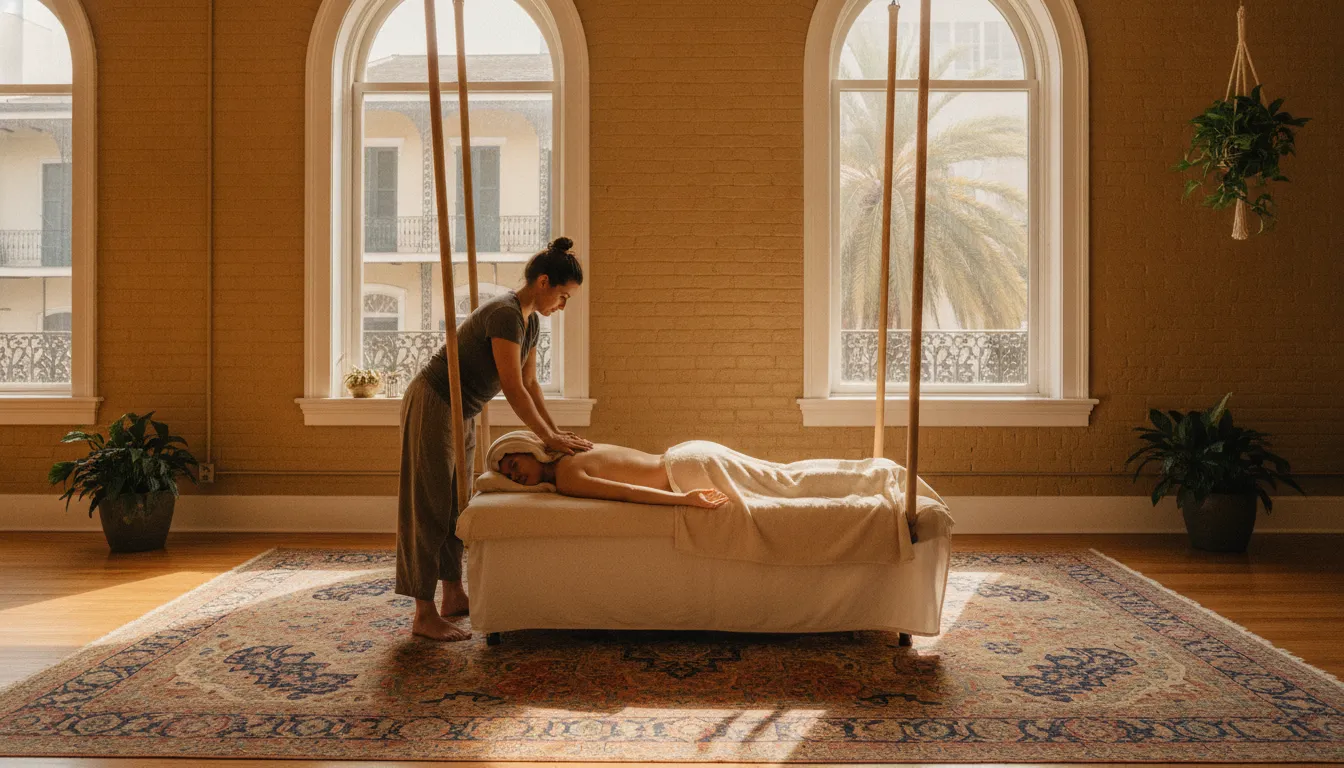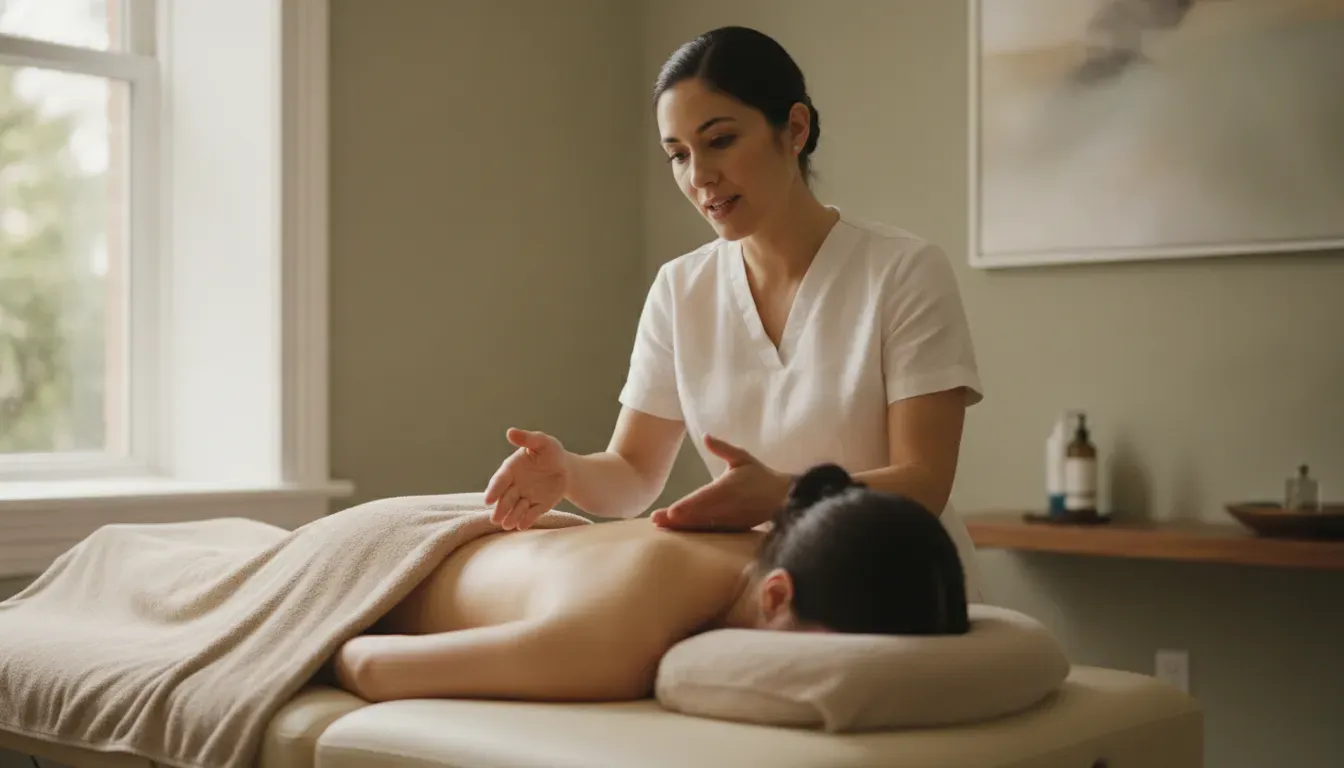
Ashiatsu massage for athletes at a glance
Intense training cycles create deep muscle knots that standard hand pressure often fails to reach. This makes a specialized approach like Ashiatsu vital for those who push their bodies to the limit every day.
Ashiatsu massage for athletes provides the deep, broad pressure needed to penetrate thick muscle tissue and speed up recovery after high intensity workouts. By using overhead bars for balance, a therapist can apply full body weight and consistent force that traditional hand-based massage cannot match.
This barefoot technique is highly effective for large muscle groups like the hamstrings and glutes where deep knots often hide and limit your movement. Scientific studies show that massage can lead to real gains in flexibility and less muscle soreness, making it a powerful tool. These benefits help you maintain peak performance and reduce injury risk during your most demanding training cycles in New Orleans.
Book an Ashiatsu massage with NOLA Bliss Massage.
Many people wonder if switching from a standard sports massage to a barefoot method will truly change their results. To understand the real impact on your body, it helps to look at Why Ashiatsu massage for athletes feels different. The specific way this therapy engages with your muscles shows how it works.
Why Ashiatsu massage for athletes feels different
Deep pressure without the sharp pain
Many active people look for deep tissue work to help with tight muscles. In a usual massage, the therapist uses their hands, thumbs, or elbows to reach deep muscle layers. While this works, the pressure can often feel sharp.
Ashiatsu massage for athletes offers a different path. Instead of hands, the therapist uses their feet to apply pressure across your muscles. This barefoot way creates a feeling that is both broad and deep.
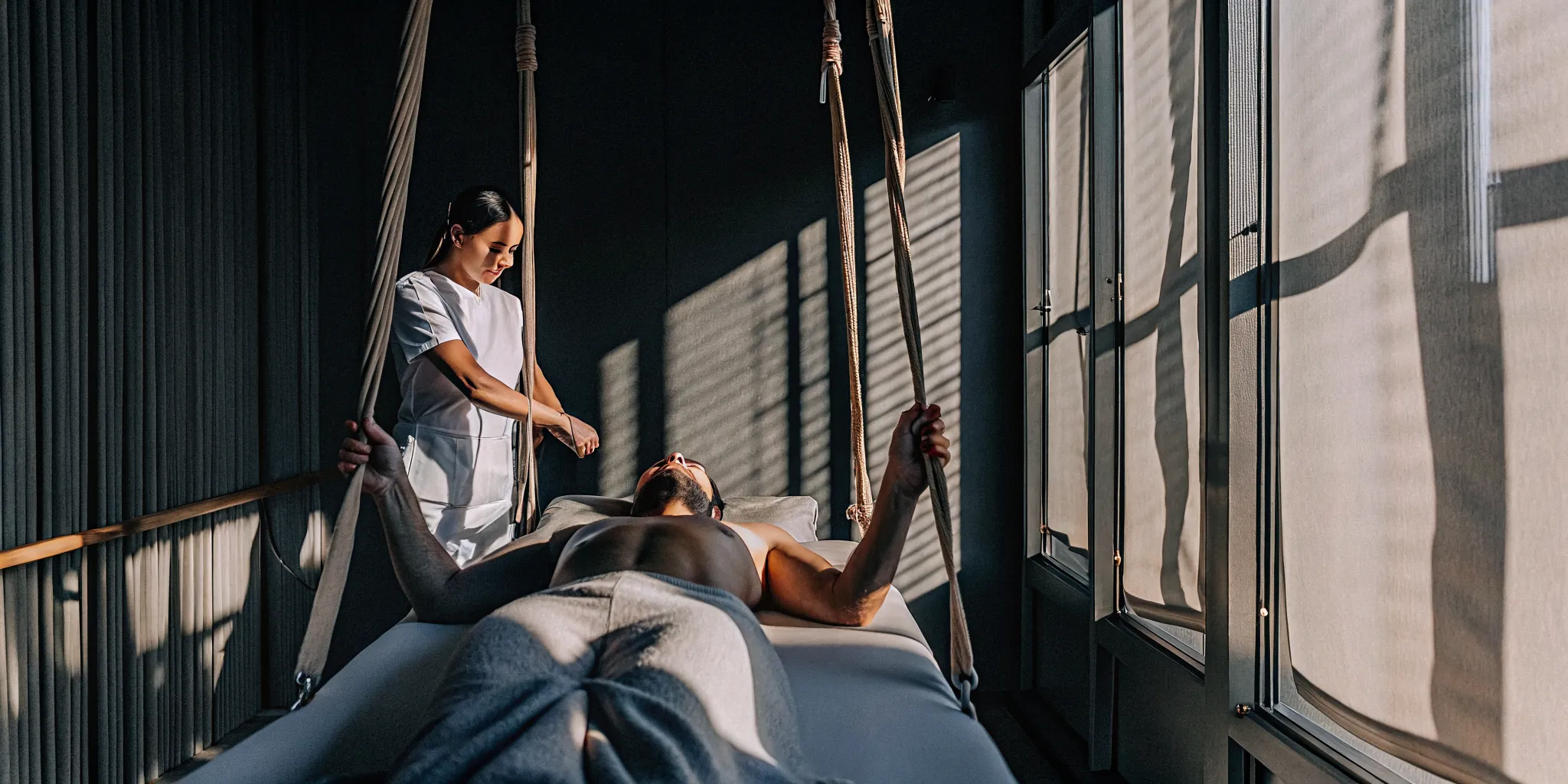
The key to this feeling is how the therapist moves. At NOLA Bliss Massage, our team uses overhead bars to keep their balance.
This allows them to use their full body weight and gravity to lean into the stroke. Since the foot is larger than a thumb, the pressure spreads out. You get the depth you need for recovery without the poking feeling when you compare Ashiatsu and deep tissue.
Targeted relief for large muscle groups
Athletes often have dense muscle mass, mostly in the legs, back, and glutes. These large muscle groups can be hard to reach with hand-based methods.
Ashiatsu is useful for these areas because the broad strokes can cover more ground. The pressure is fluid and steady, which helps the body relax even as the therapist works on deep tissues. This makes it an expert method for those with a high level of muscle tone.
NOLA Bliss is the only certified training center for Ashiatsu Deepfeet Bar Therapy on the Gulf Coast. Our Ashiatsu massage techniques are made to meet the needs of those who train hard. Most of our staff have over ten years in the field. We focus on results that help you stay active in New Orleans, whether you are a runner or a gym regular.
How barefoot pressure aids recovery
The broad pressure of Ashiatsu does more than just feel good. Research shows that massage can lead to small but real gains in flexibility.
It also helps reduce delayed onset muscle soreness, or DOMS. A study found that massage therapy is a helpful tool to reduce pain and muscle soreness after a hard workout. This relief is key for athletes who need to get back to training fast.
By using gravity, the therapist can reach deep into the tissue to help loosen tight spots. This helps improve your range of motion. Unlike a spa visit focused on luxury, our goal is to support your health and work.
We focus on healing outcomes like pain relief and injury support. If you have a specific health issue, you should always talk to a doctor first. But for general muscle care and recovery, the barefoot approach of Ashiatsu offers a deep, useful way that hands alone cannot match.
How can broad pressure support mobility and recovery?
Broad barefoot pressure can help athletes address large areas of muscle tension while avoiding the sharp sensation sometimes associated with elbows or thumbs. Massage may support short-term flexibility, ease perceived soreness, and make recovery time feel more comfortable, although it does not replace medical treatment or a sound training plan.
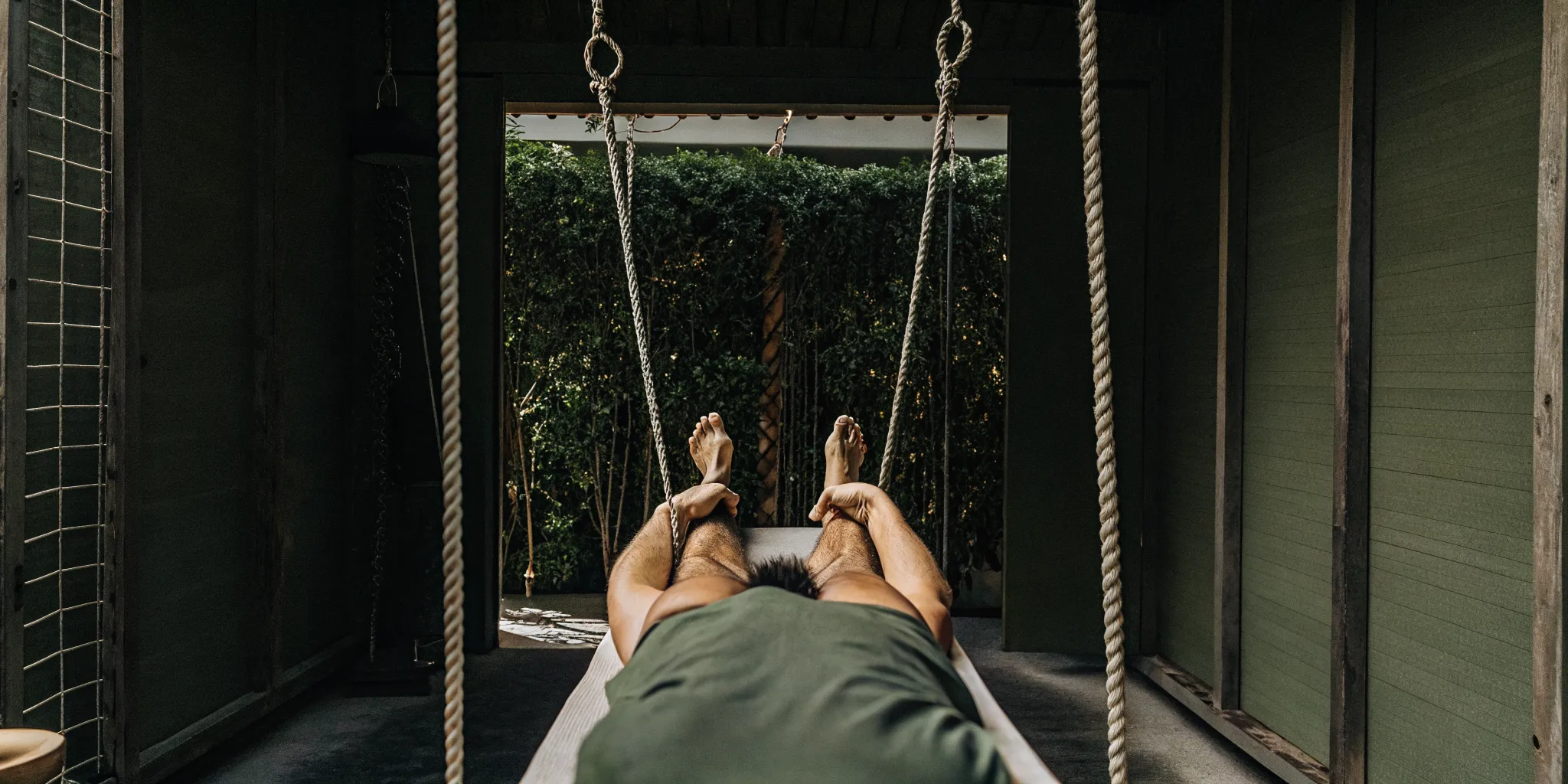
Athletes often deal with tight muscle tissues that limit movement. Ashiatsu massage for athletes uses broad, deep pressure to help loosen these tissues.
This barefoot method uses the therapist’s body weight and gravity to reach deep muscle layers. Research shows that massage can lead to small but helpful gains in flexibility for active people. By using feet instead of hands, therapists provide a more fluid and even pressure over large muscle groups.
Improving range of motion
Tightness in the legs, back, and glutes can slow down your training. Ashiatsu is a specialized athletic tool that helps loosen tight muscle tissues to improve your range of motion.
The broad surface of the foot allows for deep work without the sharp pain sometimes felt with thumbs or elbows. This method is highly effective for the large muscle groups that athletes use most. Regular sessions can help you maintain the mobility you need for peak performance.
Managing muscle soreness
After a hard workout, many athletes feel pain known as delayed onset muscle soreness (DOMS). Studies show that massage can reduce pain and soreness after exercise.
While it may not change how your body handles lactate, it can help with muscle force and strength about 48 hours after the session. This makes massage therapy for athletic recovery a key part of a smart training plan. It helps you get back to your routine with less discomfort.
Supporting mental relaxation
Physical recovery is only half the battle for high-level athletes. The mental side is also vital for staying on track. Massage treatment can help lower stress and anxiety while reducing the perception of fatigue.
It helps you feel more relaxed and ready for your next challenge. At NOLA Bliss Massage, we focus on these therapeutic results to help you reach your goals. Our experienced team uses Ashiatsu massage techniques to support both your body and mind.
Who may be a good fit for Ashiatsu?
Ashiatsu may suit active adults who prefer firm pressure across the back, glutes, and legs rather than focused thumb or elbow work. It can be especially appealing when large muscle groups feel tight. The best candidate can communicate pressure preferences clearly and has no contraindication to deep-pressure massage.
Ashiatsu is a great choice for people who need deep, broad work on their largest muscle groups. It is a specialized way to use the therapist’s body weight to give more pressure than hands alone can manage. If you often feel like a regular deep tissue massage is not strong enough, you might be a perfect fit for this style.
Ideal for athletes and active people
Athletes often have thick muscle tissue that needs extra force to reach. Ashiatsu Deepfeet Bar Therapy is a top choice for athletic recovery because the broad pressure helps loosen tight tissues. Research shows that massage can help improve flexibility and reduce muscle soreness in people who train hard. This makes it a great pick for runners, lifters, and cyclists in the New Orleans area.
Benefits for large muscle groups
Because the therapist uses their feet, they can cover more area at once with steady force. This is very helpful for the back, glutes, and legs. Barefoot pressure helps loosen tight muscle tissues and may improve range of motion for those with stiff joints. If your goals are to recover fast and stay mobile, this method offers deep relief that hand work often cannot match.
Choosing between Ashiatsu and deep tissue
While both ways target deep layers of muscle, the feel and results differ. To help you decide, you can compare Ashiatsu and deep tissue based on your own needs. Ashiatsu is often best for those who want firm pressure without the sharp feel of thumbs or elbows. It gives a smooth, broad feel that many find more relaxing while still being very helpful.
| Feature | Ashiatsu Massage | Traditional Deep Tissue |
|---|---|---|
| Main Tool | Feet and overhead bars | Hands, thumbs, and elbows |
| Pressure Type | Broad and deep | Sharp and focused |
| Best For | Large muscle groups | Small, specific knots |
| Feel | Smooth and steady | Poking or kneading |
| Recovery Goal | Broad muscle health | Trigger point release |
When should athletes schedule an Ashiatsu session?
Schedule deeper Ashiatsu work on a recovery day or several days before an important event, especially if you are new to the technique. Your ideal timing depends on your training load, pressure preference, and previous response to massage. Avoid trying an intense new session immediately before a race or competition.
Timing your work with an expert can help you get the most out of every session. For many active people, the best time to book a visit depends on their goals and rest needs.
You should think about your full plan before you choose a date for a deep session like Ashiatsu. Planning your visits can help you stay on the field and move with more ease.
Match your training phase
How often you need a session changes with your training cycle. If you get ready for a big race, you might use massage therapy for athletic recovery to keep your body moving well. During a build phase, a deep session can help you stay loose as you add miles or weight. These sessions help clear the tight spots that form when you push your limits.
But you should be careful with deep pressure right before a major event. Some sports people feel slow or heavy for a day or two after a deep session.
It is often best to plan a visit three to five days before you race. This gives your body time to settle and helps you feel fresh when the game starts. If you are in your taper week, stick to light work to stay sharp.
Rest after heavy loading
When you finish a tough training block, your muscles often feel tight and sore. Ashiatsu Deepfeet Bar Therapy is a great tool to help you bounce back after hard work. Studies show that massage can help reduce delayed onset muscle soreness (DOMS) and ease the pain that comes with effort. The broad, deep pressure is perfect for large spots like the glutes and legs.
Some papers also show that muscle force and strength can see good changes about 48 hours after a session. This makes the two-day mark a smart time to plan your rest.
By giving yourself this window, you let the deep work help your body mend without rushing back to hard drills. This gap allows your tissues to calm down and ready themselves for the next round of work.
Pay attention to body signals
While facts and plans are helpful, you must always listen to your own body. Do not try to push through sharp pain or injury by just getting a massage.
You should talk to a doctor about any health issues before you start a new rest routine. A good expert will work with you to find the right level of pressure for your state. They use their years of skill to keep you safe.
Most athletes find that steady visits help stop the build-up of long-term tension. If you wait until you are too stiff to move, it may take more work to get back to your best.
Booking a session on a rest day or after a long run can keep you on track. Since same-day slots are often open, you can even book a session when you feel a sudden need for relief.
What happens during your first Ashiatsu session?
Your first session begins with a health intake and a conversation about training, tender areas, and pressure preferences. The therapist uses overhead bars for balance while applying controlled barefoot strokes. You can request an adjustment at any time, and the therapist will modify the session around your comfort and goals.
If you are new to barefoot work, your first visit will feel both unique and very useful. This method is a top choice in Ashiatsu massage for athletes. It provides deep, broad pressure that hands often cannot match.
You will notice the room has bars fixed to the ceiling. Our experts use these for balance and to control their weight. This setup allows for a fluid and deep touch. It is perfect for large muscle groups like your glutes and hamstrings.
Intake and session planning
Your session starts with a talk about your goals and training cycle. We want to know where you feel tight or if you have old injuries.
Our team has a lot of skill, so we know how to plan a path that helps you move better. We focus on therapeutic outcomes like pain relief and better range of motion. You can also ask about same-day visits if you need quick help after a hard workout.
- The first intake: You will meet with your therapist to talk about your goals and any areas of pain. This helps us fit the barefoot pressure to your needs.
- Comfort and draping: You will undress to your comfort level in private. We use expert draping methods to ensure you feel safe and warm for the full session.
- Using the overhead bars: Once you are on the table, the therapist will use the bars to stay steady. This lets them use gravity to give deep, broad pressure that feels smooth rather than pointy.
- Real-time feedback: We check in with you often to make sure the pressure is just right. You are always in control of how deep the work feels.
- Post-massage plan: After the work is done, we will suggest how to care for your muscles. We can also help you set a schedule based on your training load.
During the treatment
As the session moves along, you will feel long, flowing strokes. The therapist uses their feet to apply pressure that covers a wide area at once.
This broad touch is helpful for massage therapy for athletic recovery. It helps loosen tight tissues without the sharp pain of thumbs or elbows. Many people find that this barefoot style helps them reach deeper layers of muscle with less stress on the body.
The use of gravity and body weight allows the therapist to keep a steady, deep flow. This technique is very useful for loosening tight muscle tissues and improving how you move.
Research shows that massage can lead to small but clear gains in range of motion and recovery for those who train hard. By using the bars, our staff can give you the deep work you need while staying safe and precise.
What to expect after your visit
You may feel a bit sore for a day or two after your first deep session. This is a normal part of the process as your body reacts to the deep tissue work.
It is a good idea to drink plenty of water and rest your muscles after the session. This helps your body get the most out of the Ashiatsu Deepfeet Bar Therapy and supports your long-term health. Most people feel lighter and more mobile once the first soreness fades.
When should you skip or modify Ashiatsu?
Skip or modify Ashiatsu when you have an acute injury, fever, open wound, recent surgery, possible blood clot, or a condition for which your clinician advises against deep pressure. Tell your therapist about medications, pregnancy, reduced sensation, and health changes before the session. When unsure, ask a qualified medical professional first.
Ashiatsu is a safe and effective tool for many, but some situations require you to wait or change your plan. Because this method uses deep, broad pressure from the therapist’s feet, it is more intense than a standard hand-based massage. Knowing when to skip a session helps you stay safe and get the best results from your massage therapy for athletic recovery.
Acute injuries and illness
If you have a new injury or a fever, you should wait before booking. Fresh tears, sprains, or breaks need time for the initial swelling to go down. Deep pressure could make a new injury worse or cause more pain.
Also, if you feel sick or have a fever, your body is already working hard to fight an illness. It is best to rest and let your system recover. You can find Ashiatsu Deepfeet Bar Therapy experts who can help you plan your return once you are healthy.
Chronic conditions and blood clots
Some medical issues mean you should avoid deep barefoot massage or talk to a doctor first. People with a history of blood clots or deep vein thrombosis (DVT) must be very careful. Strong pressure can move a clot, which is a serious risk.
Uncontrolled high blood pressure or heart issues also require caution. Our experienced therapists always check your health history to keep you safe. If you have a condition managed by a doctor, ask them if deep tissue work is right for you. As we do not treat medical conditions that a physician should manage (nolablissmassage.com).
Pregnancy and recent surgery
Ashiatsu is often not the best choice during pregnancy. The deep pressure and the way you lie on the table may not be safe for the baby or comfortable for you. Recent surgeries are another reason to wait.
Your skin and deep tissues need many weeks to heal before they can handle heavy weight. It is better to use lighter methods during these times to help with swelling and stress. Research shows that massage can help with mood and relaxation, but only when it is done safely for your specific needs (pubmed.ncbi.nlm.nih.gov).
Skin issues and pressure needs
Check your skin for rashes, burns, or open sores before you come in. Large bruises or areas with thin skin may also need to be avoided. Since Ashiatsu is a barefoot massage technique that uses bars for balance, the pressure is very steady and broad (nolablissmassage.com).
But you must be able to speak up if the pressure feels too strong. If you have nerve damage or cannot feel deep pressure well, you might need a different style to avoid injury. Always talk to your therapist about any areas that feel tender or off.
How to get more from your session
To get the most from Ashiatsu massage for athletes, you should plan ahead. This deep work uses gravity and the body weight of the therapist to reach large muscle groups. Because the pressure is so broad and deep, your body needs to be ready for it.
At NOLA Bliss Massage, we focus on real results rather than fancy rooms. Timing is key to getting the best out of your visit. Getting work done during a rest week can be very helpful for your body.
Time your session and prepare your body
Athletes often ask when the best time for a massage is. The answer depends on your goals and your current plan. If you have a big race soon, a light session may be best.
For deep rest, wait until after your event. This allows the therapist to work on the stress built up in your muscles. Using this method during a heavy training block can keep you from getting too tight. This helps you stay on track and lowers the risk of small aches becoming big issues.
A few small steps before you arrive can make a big difference. Try to arrive ten minutes early so you do not feel rushed. This helps your heart rate stay low and your mind stay calm.
Wear loose clothing that is easy to change out of. It is also a good idea to eat a light snack but avoid a heavy meal. If your stomach is too full, deep pressure may feel bad. Here are some tips to keep in mind for your next visit:
- Arrive ten minutes early to settle in and relax.
- Share any new injuries or sore spots with your therapist.
- Stay loose and breathe deep during the deep foot work.
- Plan for a warm bath or a slow walk later that day.
Talk to your therapist about pressure
Good talk is the key to a great session. Our team has an average of ten years of skill. They know the body well, but your input is still needed. Ashiatsu uses a barefoot method that covers more space than hands do.
This broad pressure is great for large muscle groups like your legs. If the pressure is too deep, your muscles might fight it. Tell your therapist if you feel your body tensing up. When you stay relaxed, the therapist can reach deeper layers of tissue.
Focus on rest and water
What you do after you leave is just as important as the session itself. Drink a lot of water to keep your body in balance. Some studies found that massage therapy can improve how you feel 48 hours later.
It may even help with muscle force and strength as you heal. Take it easy and avoid high-stress moves for a day. Many find that massage therapy for athletic recovery helps them feel less tired. You might use this time for light yoga or a slow walk in the park.
Reserve an Ashiatsu session that fits your training schedule.
Frequently Asked Questions
What is Ashiatsu massage?
Ashiatsu is a barefoot technique where the therapist uses their feet to give deep, broad pressure. At NOLA Bliss Massage, our team uses overhead bars for balance and steady force. This method uses gravity and body weight to reach deep muscle knots. Based on the NOLA Bliss guide, this fluid and broad touch is highly useful for large muscle groups like the back and glutes.
Is Ashiatsu massage better than deep tissue for recovery?
Ashiatsu often works better than usual deep tissue for athletes because the pressure is wider. Hand-based work can feel sharp or pointy. The barefoot way spreads the force over a larger area.
This allows for deep work without the same level of pain. NOLA Bliss focuses on healing results rather than just rest. This makes it a top choice for those with thick muscles who need real relief.
Can athletes get Ashiatsu on the same day as training?
Yes, you can book a session on the same day as a workout, but timing is key. Many athletes find that a deep session after a hard run helps them stay loose.
But some people may feel slow or heavy for a day or two after deep work. It is often best to plan a visit three to five days before a big event. This gives your body enough time to rest and heal.
Are there athletes who should avoid Ashiatsu massage?
While Ashiatsu is safe for most people, you should be careful if you have certain health issues. You should always talk to a doctor about medical needs before starting a new rest plan.
The team at NOLA Bliss Massage focuses on healing but does not treat issues that need a doctor’s care. Per the studio’s safety rules, it is vital to listen to your body and get expert help for any sharp pain or injury.
Ready to Book an Ashiatsu Massage and Boost Your Health Now?
Pushing your body too hard without rest can lead to deep knots and pain that will keep you from training and reaching your best results.
Waiting for your next visit often means longer healing times and more sore spots that can stall your progress for many weeks or cause injury. Book your time for Ashiatsu services today to get the broad pressure you need to stay mobile and ready for your next big home game.
Ready to book? Book an Ashiatsu massage session online right now today. Taking this step now will help you get back to your best and stay on track for your next big race today.