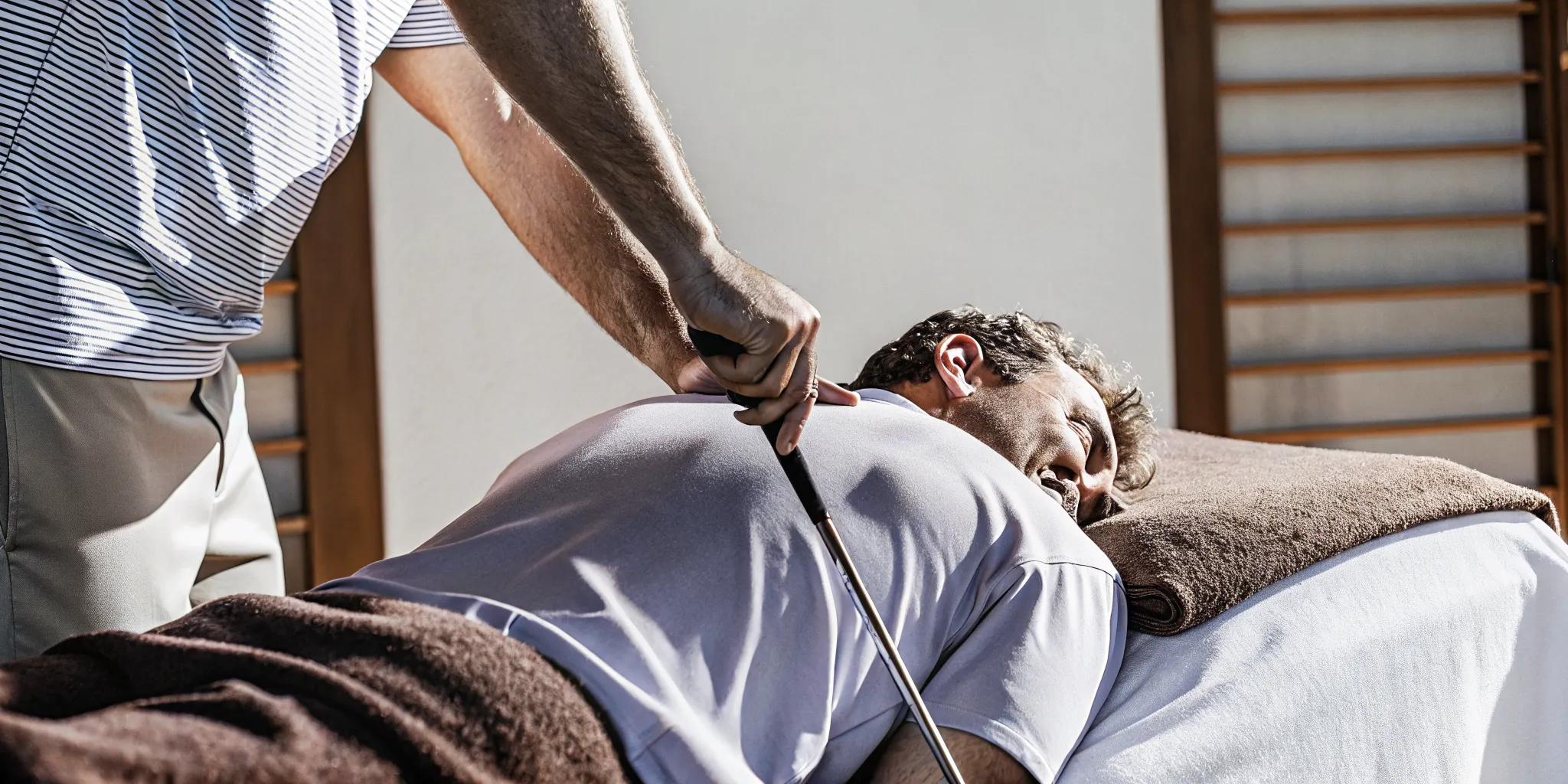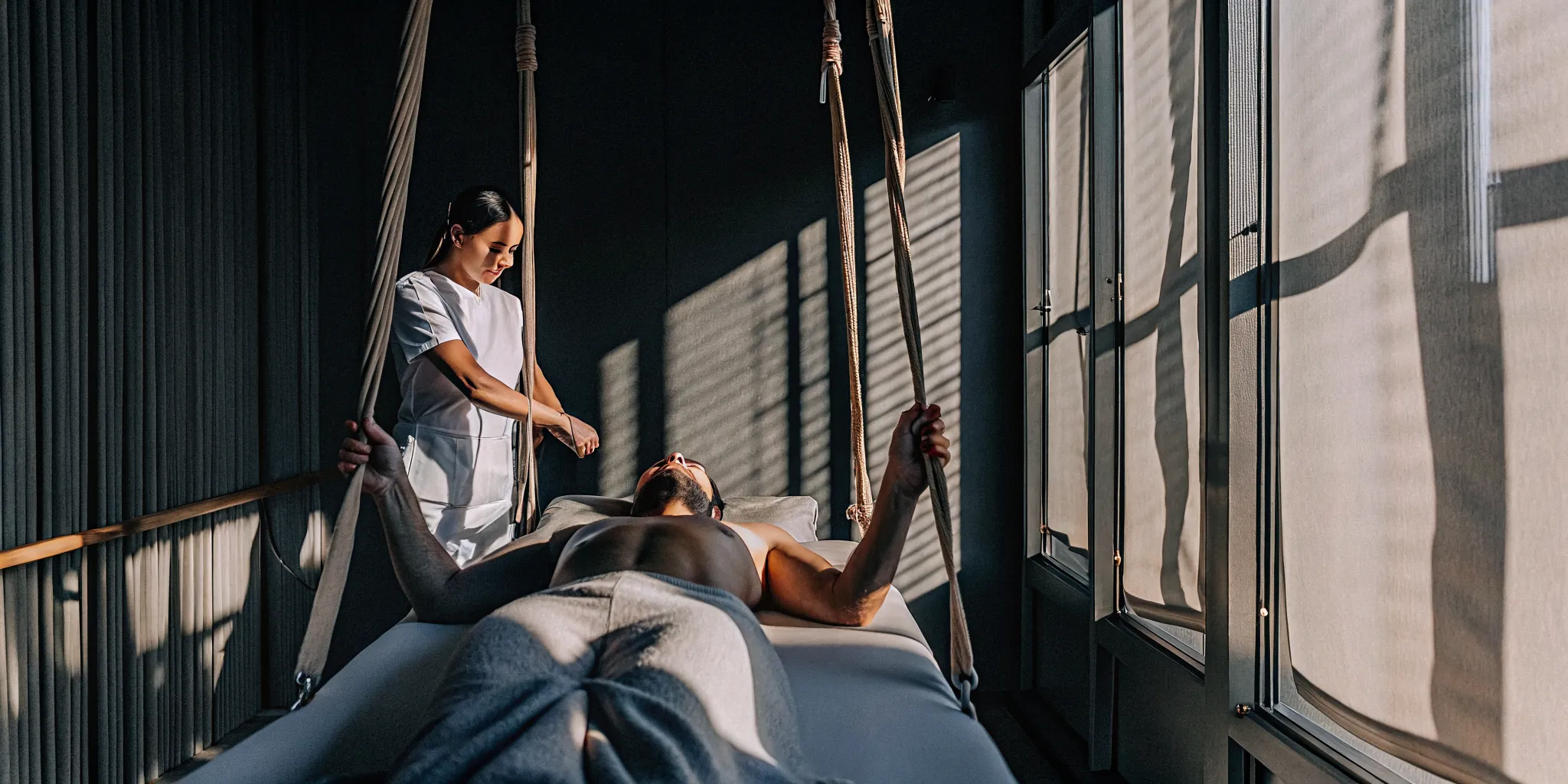
Intense exercise creates microscopic tears in muscle fibers that lead to inflammation and stiffness. Athletes in Downtown New Orleans rely on clinical massage to speed up the repair process. This work reduces damage and helps you return to training faster.
Getting a massage after workout sessions is an effective way to reduce muscle soreness and improve recovery time. Research published in Frontiers in Physiology shows that massage therapy after hard exercise can greatly ease delayed onset muscle soreness. This clinical approach works by increasing blood flow to tired tissues and bringing fresh oxygen to damaged fibers. It also helps wash away waste byproducts and reduces inflammation that peaks two days after a hard gym visit. Whether you choose deep tissue work or Ashiatsu Deepfeet Bar Therapy, the goal is to resolve tightness and restore your full range of motion. Regular sessions help you stay mobile and prevent injuries as you pursue your goals. Proper timing and hydration are also key to getting the best results from your bodywork.
While recovery benefits are clear, clients want to know how to time sessions for the best results. You must understand how pressure affects your muscles when they are already tired from the gym. This leads to the question: Is massage after a workout a good idea? The explanation begins with
Is massage after a workout a good idea?
Yes, getting a massage after workout sessions is a great way to support your body. Most people find that expert bodywork helps them feel less stiff. It also helps them get back to the gym faster. This is not just about feeling good. Our studio in Downtown New Orleans uses clinical methods to help your muscles heal. By using the right moves, we help you reach your health goals.
Reducing Muscle Soreness and DOMS
Muscle pain often peaks about two days after you try a new move or lift heavy weights. This is called delayed onset muscle soreness, or DOMS. Research shows that massage therapy after exercise can lower this pain for as long as 72 hours. This help lets you stay active and keep your training on track.
Bodywork also helps lower serum creatine kinase. This is a marker that shows up when your muscles have small tears. By reducing this marker, massage helps your muscles work better during your next session. Many local athletes use this care to stay in top shape. It is a key part of how they manage pain and stress from their training.
Improving Muscle Recovery and Circulation
Good bodywork helps move blood and lymph fluids through your legs and arms. Better blood flow brings fresh oxygen to your tired tissues. This process helps your body fix the small damage that comes from hard work. According to the National Center for Complementary and Integrative Health, these moves act on soft tissues to help you heal.
Massage also helps with your range of motion. It can stretch out tight muscles and help you feel more loose. This is helpful if you feel stuck after a long run or a big lift. We often suggest sports massage for recovery to help our clients move well. Our team uses firm pressure to reach deep layers of tissue and ease tension that has built up over time.
Safe Recovery and When to Wait
While massage is safe for most people, you must listen to your body. If you have a sharp pain or a bad bruise, you should talk to a doctor first. Massage is meant for normal fatigue, not for fixing a broken bone or a torn muscle. Our staff in the Warehouse District will help you pick the best path for your safety. We focus on relief and support, not just quick fixes.
You should also drink plenty of water after your session. Drinking water helps your body clear out waste products after your muscles have been worked. This is a major part of the recovery plan we give to all our active clients. If you feel very sore or have a fever, it might be best to wait a day or two. This gives your body time to settle before you get deep work done.
When should you schedule a massage after workout?
Finding the right time for a sports massage for recovery depends on your goals. Some want to feel better right away. Others want to stop the pain that comes a few days later. A massage after workout helps lower muscle soreness and helps you move better. Most experts say you should wait a bit if your workout was very hard. This gives your body time to start its own healing path.
Same day versus next day timing
If you have a light gym day, a massage on the same day can be a big help. Even 10 to 15 minutes of work right after a race or run can help your body start to heal. This light touch helps move blood through your muscles. It can also help clear out waste that builds up when you train hard. If you feel very tired but do not have sharp pain, a same-day visit is a good choice for fast relief.
But if you did a very hard workout, you might want to wait. Tough exercise can cause small tears in your muscles. This often leads to swelling and heat in the area. Working on these muscles too soon might cause more stress or pain. Many athletes find that waiting 24 to 48 hours is the best way to go. This gives the body a chance to move past the first stage of repair before a therapist adds more pressure.
Managing the muscle pain window
Delayed onset muscle soreness often feels worst two days after a hard gym trip. Research shows that a massage can lower this pain at 24, 48, and 72 hours after you exercise. By booking your session during this window, you target the pain when it is strongest. This help can make your muscles feel less stiff. It also helps you get back to your normal training plan much faster.
You should also think about the pressure you need. Same-day visits should be light and flowing. If you wait a few days, you can choose deeper work. Ashiatsu Deepfeet Bar Therapy uses more pressure to reach deep muscle layers. This is helpful for tight spots that show up after a heavy lifting day. Always tell your therapist if you have any sharp pain before they start the work.
How to pick your massage time
To get the best results for your body, follow these steps to pick your massage time. This plan helps you get the most out of every session at our studio.
- Look at how hard you worked to see if your muscles need rest or fast help.
- Wait at least two to four hours after a hard session before you get any bodywork done.
- Book your session within 48 hours if you expect to feel very stiff or sore the next day.
- Choose a light style like Swedish massage if you go on the same day as your workout.
- Pick a deep style like Ashiatsu if you wait two or three days for your visit.
- Drink plenty of water before and after your session to help your body heal and stay hydrated.
You should also plan your session around your next big workout. If you have another hard gym day tomorrow, a light massage today can help you stay loose and ready. If you have a rest day coming up, that is the best time for deep tissue work. This helps your muscles stay long and flexible. Right timing helps your body recover well so you can keep hitting your goals without extra pain.
Swedish vs deep tissue vs Ashiatsu for recovery
Picking the right massage style is key to your healing. Each style offers unique perks for your body after you train. Research shows that massage after workout care can help ease muscle pain. It can also help you get your strength back faster. By picking the best style for your needs, you can stay on track with your fitness goals.
Swedish massage for light recovery
Swedish massage is a gentle way to help your body heal. It uses long, sliding strokes to move blood and lymph fluid. This style is helpful for common muscle aches that come after a light gym session. It helps lower stress and lets your mind rest while your body fixes itself. Many people pick this when they want a calm way to boost their sports massage for recovery plan.
This method looks at the top layers of muscle. It is very good at helping with blood flow. Better blood flow means your muscles get more fresh air. This helps your body clear out waste products that build up when you move. It is a great choice for anyone who wants to feel better without a lot of pressure.
Deep tissue for target areas
Deep tissue work is more firm. It targets the inner layers of your muscles and tissues. This is a top pick for people who have chronic tight spots or knots in their muscles. After a heavy lifting day, these knots can make it hard to move well. Deep tissue work breaks up these areas so you can move with more ease. It is often the core of a good massage after workout routine.
Studies show that firm pressure can help lower markers of muscle damage. In fact, it can reduce levels of creatine kinase in your blood. This is a protein that shows up when muscle fibers break down. By lowering these levels, massage helps your body recover with less pain. It also helps with range of motion, so you do not feel as stiff the next day.
Ashiatsu for deep pressure
Ashiatsu is a special style where the expert uses their feet. By using bars for balance, they can give deep and broad pressure. This is very helpful for large muscle groups like the glutes, hamstrings, and back. NOLA Bliss is a known training center for Ashiatsu Deepfeet Bar Therapy in Downtown New Orleans. This skill means you get expert care that hits the deepest spots.
The broad surface of the foot allows for a deep stretch that hands cannot match. It feels like a very deep Swedish massage but with much more power. This style is great for people who have thick muscles or high pressure needs. It helps lengthen the muscles and ease deep tension. Many clients find it to be the best way to deal with heavy leg days or long runs through the city.
| Criteria | Swedish | Deep Tissue | Ashiatsu |
|---|---|---|---|
| Main Goal | Relaxation | Knot relief | Deep stretch |
| Pressure | Light to medium | Firm | Deepest |
| Best For | General soreness | Chronic pain | Large muscles |
| Focus | Surface layers | Deep layers | All layers |
| Sensation | Soothing | Intense | Rhythmic |
Always drink plenty of water after your session. Water helps your body flush out waste like lactic acid. Also, check with a doctor if you have a new injury before you get a massage. At NOLA Bliss, our team can help you pick the right way to support your recovery. We want to help you feel your best so you can keep moving.
Soreness, hydration, and aftercare
How you treat your body after a session is just as key as the work on the table. Following a massage after workout, your muscles start to heal. It is normal to feel some light pain or stiffness in the days that follow. Proper care helps you get the most out of your visit to our Downtown New Orleans studio. By focusing on simple steps like water and rest, you support the natural repair of your soft tissues.
Managing post-session soreness
Many people feel a dull ache after deep work. This is similar to the feeling you get after a hard day at the gym. It happens because the therapist works on deep muscle layers to release tight spots. This process can cause minor swelling or soreness in the short term. Research shows that massage after a hard workout is highly helpful for easing muscle pain. This soreness usually peaks between 24 and 48 hours after your session.
You can manage this feeling with light self-care at home. A warm bath with salts can help relax your muscles. You might also use a cold pack if you notice any sharp pain or swelling. Always tell your therapist if the pressure feels too high during your session. We want to work with you to find a level that is helpful but safe. If you have a recent injury, check with a doctor before you book a session.
Why drinking water helps
Drinking water is a vital part of your aftercare plan. While some people talk about “flushing toxins,” we focus on the real science of healing. Water helps your body process the waste that builds up during a hard workout. It also keeps your muscles supple so they can move well. Drinking water helps your body carry the oxygen and fuel needed for sports massage for recovery. This support is key for repairing the small tears in muscle fibers that happen when you train.
Try to drink a large glass of water right after your session. Aim to keep drinking plenty of water for the rest of the day. Avoid drinks with lots of sugar or caffeine, as these can make you lose more water. The National Institutes of Health notes that drinking water is a basic part of keeping your tissues healthy. When your muscles have enough water, they can heal faster and perform better during your next visit to the gym.
Rest and gentle movement
Your body needs time to process the changes made during a massage. We suggest taking it easy for at least a few hours after you leave the studio. Avoid heavy lifting or intense cardio right after a deep tissue session. Give your nervous system a chance to stay in a relaxed state. This rest period allows your blood flow to focus on tissue repair rather than fuel for a workout. Getting a good night of sleep is also a top way to help your muscles heal.
While rest is good, gentle movement can also help. A light walk or very soft stretching can keep your blood moving without adding stress. This helps prevent stiffness from setting in as your body cools down. If you feel very tired after your visit, listen to your body and nap if you can. Most people find that they feel a boost in energy and less pain about two days after their visit. This slow return to activity ensures that your muscles stay loose and ready for your next round of training.
When should you avoid post-workout massage?
A massage after workout sessions is a great tool for most people. It can help you feel better and get back to the gym faster. But there are times when pressing on your muscles is not a good idea. You must know the red flags that mean you should wait. Pushing through a session when you should rest can cause pain. It may even slow down your healing.
Look for signs of acute injury
If you feel a sharp or stabbing pain, you may have a real injury. This is not like the dull ache of hard work. Severe swelling or deep bruises are signs that you should stop. The National Institutes of Health (NIH) notes that muscle pain often peaks two days after a workout. If your pain is getting worse or feels like a tear, skip the deep pressure. Using force on a fresh tear or strain can make it bleed or swell more.
Check for heat around the joint or any odd lumps. These signs show that your body is busy trying to fix a real problem. Let that work finish before you add more pressure to the area. Talk to a doctor or a trainer first to find out what is wrong. Once they give you the okay, a session can help with your health goals. Safety should always come first when you deal with a new injury.
Do not book when you are sick
Getting a massage when you have a fever or the flu is not safe. A licensed massage expert will tell you that it can make you feel worse. Bodywork moves lymph and blood through your system. When your body is fighting a virus, this extra work can tax your heart and lungs. It can also spread germs to the person giving the massage.
Wait until your fever is gone for at least one full day. Your immune system is already working hard to keep you safe. Adding a deep tissue session can be too much for your body to handle at once. It is better to wait until you can breathe easy and feel strong again. If you are on the fence, call our shop in Downtown New Orleans to ask for help. They can help you decide if you should come in or stay in bed.
Avoid deep work right after intense heat
Hard work in the heat can lead to a high core temp. Your body needs to cool down and get more water before a massage. If you feel dizzy or have a fast heart rate, take a break first. Drinking water is a must after a hard workout. It helps your body flush out waste and keeps your muscles soft. A cool shower and a large glass of water are better first steps.
Wait at least a few hours after a long race or a heavy lifting session. This time lets your body find its balance again. Once your skin feels cool and your breath is slow, you will be in a better state for bodywork. If your muscles feel very hot to the touch, they may have too much blood flow right now. Give them time to calm down before you add the stress of deep pressure. This way, you get the best results from your session without any new risks.
How often should active people get massage?
The best plan for a massage after workout depends on your goals and how hard you train. For most active people, a regular schedule helps manage pain and keeps muscles moving well. Professional bodywork is not just for elite athletes; it is a helpful tool for anyone who stays on the move in Downtown New Orleans.
Plans for regular gym goers
If you go to the gym two or three times a week, a monthly session is a good start. This helps catch tight spots before they become bigger problems. Consistent care can decrease muscle soreness and help you keep a full range of motion. For those who train more often, getting a session every two weeks may be better. This timing aligns with how the body repairs tissue after repeated stress. According to the American College of Sports Medicine, recovery is a key part of any training cycle and helps you reach your best performance. Regular visits ensure your muscles get the help they need to stay flexible.
Frequency for runners and event training
When you are training for a race or a big event, you may need more frequent care. Runners often deal with tight calves and sore hips that need focused work. Getting a session once a week during peak training can help reduce inflammation and improve blood flow. Studies show that massage after strenuous exercise can help decrease soreness at 24, 48, and 72 hours post-exertion, according to research in PubMed. This is vital when you have to run again the next day. If a weekly visit does not fit your schedule, even a short session after a long run can support your recovery. Our team at NOLA Bliss Massage often suggests sports massage for recovery to help local runners stay on track with their goals.
Guidance for occasional movers
Even if you only exercise once in a while, massage can still help you stay healthy. You might not need a session every week, but booking one after a hike or a long day of yard work can prevent stiffness. This type of occasional care focuses on relief from new aches that show up after a hard day. It helps the body process the byproducts of exercise so you do not feel as sore the next day. The National Center for Complementary and Integrative Health notes that massage involves moving the soft tissues to support health. For a person who is not a full-time athlete, this care provides a safe way to deal with pain. Keeping a session on the books every few months can help you stay ready for your next big activity.
Signs you need more sessions
Your body will often tell you when it is time to choose the right massage modality for extra help. If you feel stiff every morning or if your recovery takes longer than usual, you might need more frequent visits. High stress or poor sleep can also slow down how fast your muscles heal. In these cases, increasing your sessions for a few weeks can help reset your system. Research shows that massage may help lower cortisol, which is a hormone linked to stress that can slow down healing, as noted by the National Institutes of Health. By listening to these signs, you can adjust your plan to fit what your body needs at that moment. Our experts can help you find a pace that works for your budget and your lifestyle.
How to get more from a recovery massage
Getting a massage after a hard gym session is a smart move. But you can do more than just show up. Good prep work helps you get the most out of every minute on the table. When you take the right steps, your body can heal faster. This leads to less pain and better gym results in the long run. You should think about your main goals before you walk in the door.
Share your workout details
Your therapist needs to know how you have been moving lately. Tell them about your most recent gym sessions. Explain which muscles feel tight or hit the hardest. This helps the pro find the right spots to work on. Research shows that massage after workout efforts can reduce muscle damage markers like creatine kinase. Sharing your training load lets the therapist adjust their work for your needs. They can spend more time on your legs if you just did squats.
Be clear about any sharp pain or old injuries. If you have new swelling, talk to a doctor before you book your visit. Our team in Downtown New Orleans knows how to handle athlete needs. We focus on your health and goals. Clear talk leads to better results for your body. You should also mention if you have any areas that are off-limits.
Pick the right pressure level
Not all muscle work feels the same. Some people want a light touch to help them relax. Others need deep work to fix tight knots. You must choose a style that fits how you feel today. If you have deep pain from heavy lifting, a strong style might be best. Our studio is a top spot for Ashiatsu Deepfeet Bar Therapy. This method uses foot pressure to reach deep muscle layers. It is helpful for large muscle groups like the legs and back.
You might also want to look at Our Massage Services to see other choices. A sports massage looks at how your muscles work when you play. It can help bring back your full range of motion. For general soreness, a mix of styles often works best. Tell your therapist if the pressure feels too hard or too light. You are in charge of the session. Good pressure should feel good, not sharp or painful.
Focus on hydration and timing
What you do before you arrive is just as vital as the session itself. Drink plenty of water before your visit. Good hydration helps your body flush out byproducts from your muscles. When you drink enough, your muscles stay soft and easy to work. This helps the therapist reach deep spots without causing extra pain. It also helps you feel better faster after you leave the studio.
Think about the timing of your visit too. It is often best to wait at least a few hours after a hard session. Your body needs time to cool down first. Muscle pain often peaks a day or two after a workout. Booking your session during this window can help manage that peak. It keeps your muscles moving well so you do not get stuck on the couch. A well-timed session means you can get back to your training plan sooner.
Wear loose, soft clothes to your visit. This makes it easy for you to get ready and feel at ease. After you are done, keep drinking water to help your body stay on track. You might feel a little bit tired or sore the next day. This is a normal part of the process. Your body is busy fixing small tears and moving fluid. Take it easy for the rest of the day to let the work sink in. This simple plan helps you turn a good session into a great tool for healing.
Frequently Asked Questions
Are massages good after a workout?
Yes, getting a massage after a workout is very good for your body. It helps lower muscle soreness and helps your tissues heal. Research shows that bodywork can reduce muscle pain for as long as 72 hours after you exercise. This care lets you get back to your training faster and helps you feel less stiff. It is a smart part of a regular health routine for active people.
Can you do strength training after a massage?
It is best to avoid hard lifting or strength training right after a deep session. Your muscles need time to rest and reset after the therapist works on them. Doing a heavy workout too soon can lead to injury or make you feel very sore. Most experts at our studio in Downtown New Orleans suggest waiting at least 24 hours before you do a hard workout again.
Does massage help with muscle soreness after exercise?
Massage is a great way to deal with muscle soreness after you train. According to a study in Frontiers in Physiology, it can lower delayed onset muscle soreness or DOMS. The process works by increasing blood flow and reducing inflammation in the tissues. This helps clear out waste products and brings fresh oxygen to the muscles. It is a proven way to feel better and move with more ease.
How much water should I drink after a massage?
You should drink plenty of water after your session to help your body heal. Drinking water helps flush out the waste products that are moved during the massage. It also keeps your muscles hydrated, which can lower the risk of post-session soreness. Aim to drink an extra glass or two of water throughout the day. This simple step supports the work done by the therapist and keeps you feeling your best.
Ready to get back to your training routine without pain?
Waiting too long to fix post-workout tightness often turns minor soreness into long-term pain that limits your progress. Each day you skip expert bodywork is a day your muscles stay tight and prone to injury. Starting your recovery plan at our Downtown New Orleans studio today ensures your body has the support it needs to heal fast and stay strong. You do not have to settle for feeling stiff and slow when better movement is just one session away. Starting early means you will be ready for your next heavy lift or long run much sooner.
Ready to book a recovery-focused massage? Check our massage services to choose the best option for your body and schedule your session today.