Have you ever wondered what kind of bodywork massage therapists themselves prefer? Many of them turn to Ashiatsu, and for good reason. Not only is it incredibly effective for clients, but it’s also a career-saving technique for the practitioner. A skilled Ashiatsu massage therapist can provide the deepest pressure you’ve ever felt without straining their own hands, wrists, or shoulders. This means they can have a long, healthy career doing what they love: helping people heal. That dedication and expertise translate directly into a better, more intuitive, and more powerful massage for you, the client.
Key Takeaways
- Ashiatsu uses feet for deeper work: Unlike traditional massage, this technique involves the therapist using their feet to apply broad, consistent pressure, which allows for a uniquely deep and soothing experience without the poky feeling of elbows or thumbs.
- It’s ideal for deep tissue lovers: Choose Ashiatsu if you want profound relief without the discomfort of sharp, pointed pressure. It’s especially effective for chronic pain and tight muscles, often providing longer-lasting results than hands-on massage.
- Prioritize proper training for safety: An effective Ashiatsu massage requires a therapist with specialized certification beyond their standard license. Always verify a practitioner’s credentials to ensure you receive a safe and high-quality treatment.
What Is an Ashiatsu Massage Therapist?
If you’ve ever felt that your massage just wasn’t deep enough, I’d like to introduce you to your new favorite therapy: Ashiatsu. An Ashiatsu massage therapist is a licensed professional with specialized training in a unique and powerful technique. The name itself gives you a hint, as “Ashi” means foot and “Atsu” means pressure in Japanese. Instead of using their hands, elbows, and forearms, these therapists use their feet to deliver a deep, consistent, and luxurious massage.
At Nola Bliss, our therapists are not only licensed but have completed advanced certification in this modality. They are experts at using their body weight to provide a level of pressure that’s simply not possible with traditional massage, all while ensuring your complete comfort and safety. It’s a transformative experience that can address deep-seated tension in a way you’ve never felt before.
How Does the Technique Work?
During an Ashiatsu Deepfeet Bar Therapy session, the therapist uses their clean, bare feet to perform long, gliding strokes across the body. Don’t worry, this isn’t a balancing act on your back. The pressure is always carefully controlled by the therapist to make sure you are comfortable and the treatment is effective. By using the broad surface of the foot, they can apply deep pressure without the sharp or pointy feeling that can sometimes come from elbows or thumbs. This allows your muscles to relax more completely, making it a deeply therapeutic and soothing experience.
Why Therapists Use Overhead Bars
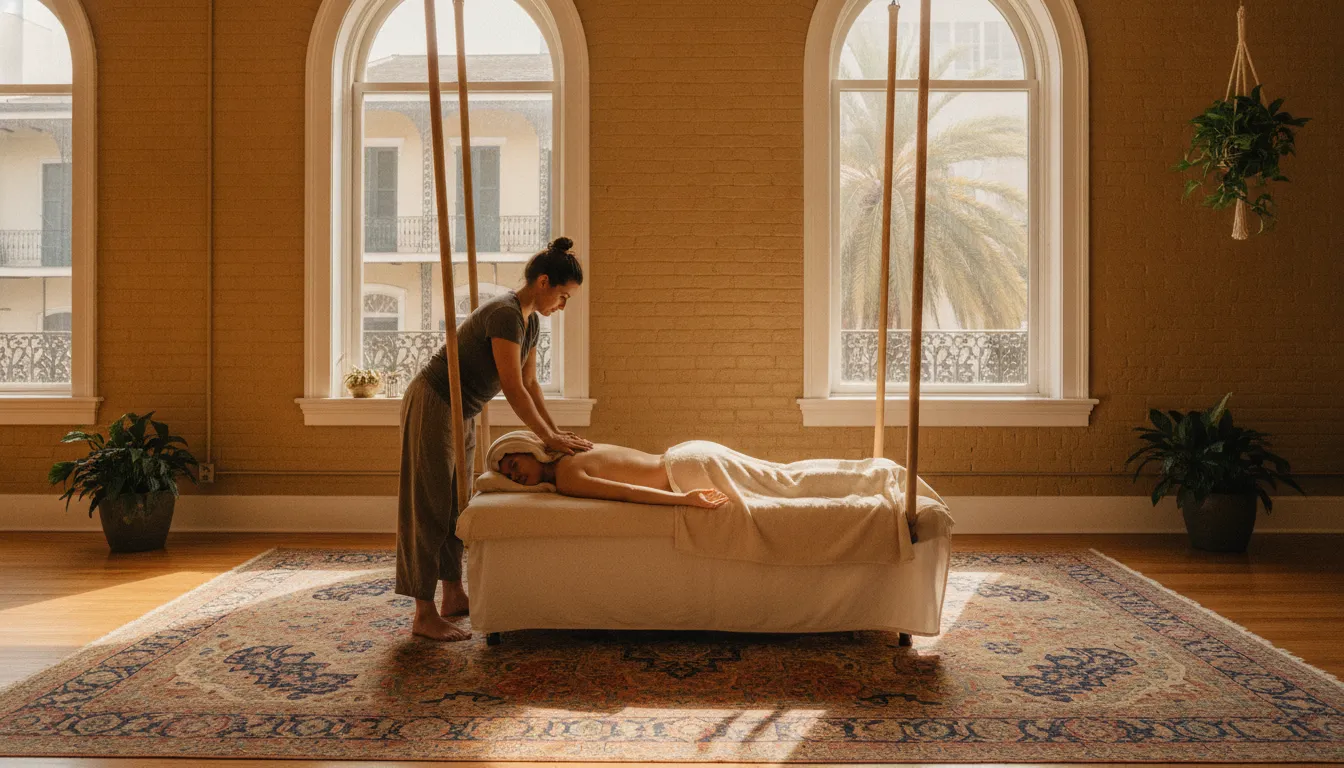
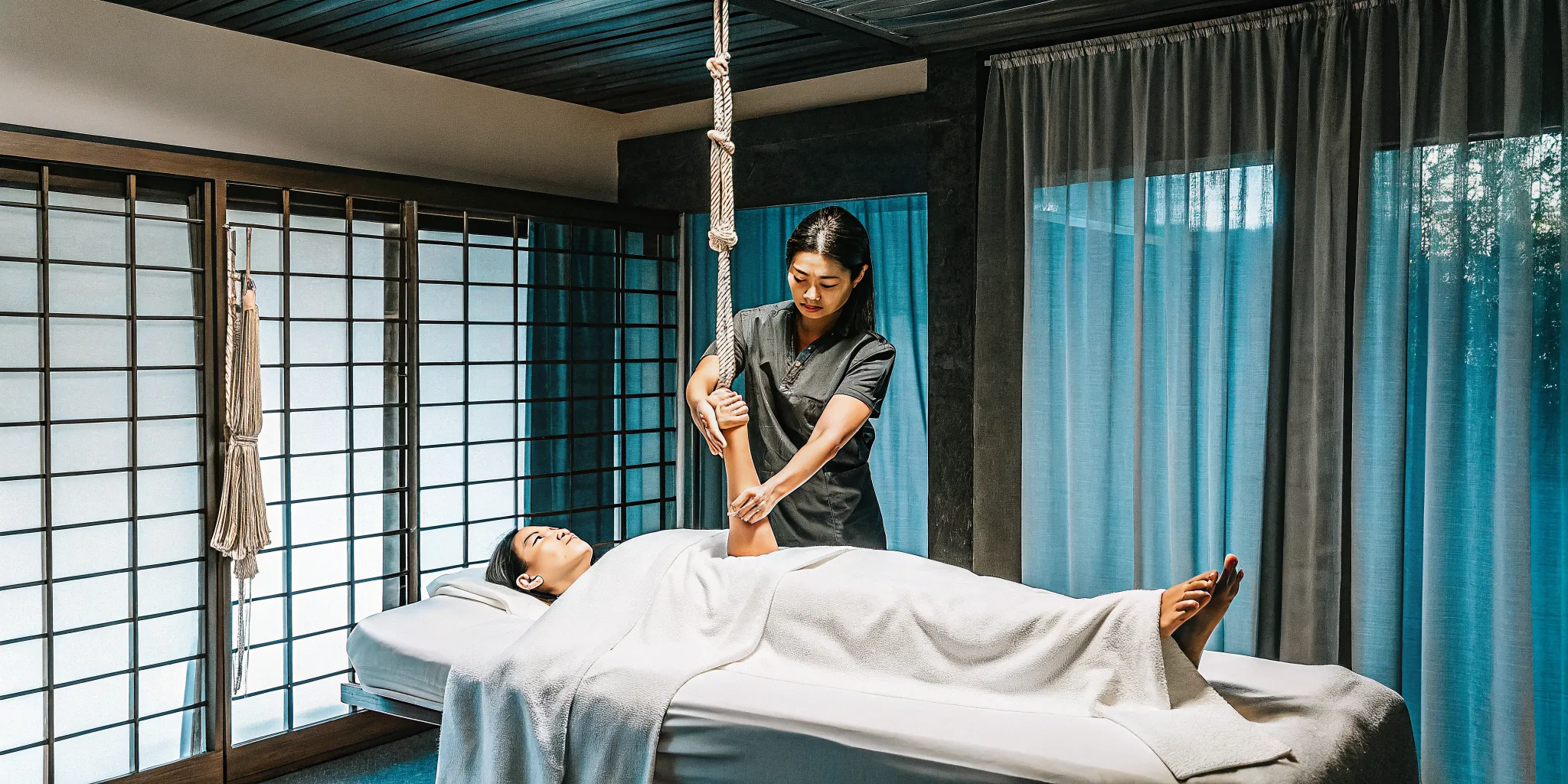
You’ll notice a set of parallel bars on the ceiling above the massage table. These bars are essential to a proper Ashiatsu massage. Therapists hold onto the overhead bars to maintain their balance and precisely control the amount of pressure they apply. This setup allows them to add or subtract their body weight, customizing the massage from very light to incredibly deep, depending on your needs and preferences. The bars are a tool for grace and control, ensuring that every movement is deliberate and tailored specifically for you by our highly trained therapists.
Ashiatsu vs. Hands-On Massage
So, what makes Ashiatsu different from a standard hands-on massage? The primary difference is the quality and depth of the pressure. Because the foot is a larger and softer tool than an elbow or thumb, it can deliver much deeper pressure over a wider area. This broad pressure helps to lengthen and stretch tight muscles and fascia, providing relief that feels both deep and gentle. While a deep tissue massage targets specific knots, Ashiatsu offers a broader, more flowing approach that can release tension across entire muscle groups, making it incredibly effective for chronic pain and overall relaxation.
Why Choose Ashiatsu? The Benefits for You
If you’re searching for a massage that delivers serious relief without the usual discomfort of deep tissue work, Ashiatsu might be exactly what you need. This unique therapy offers a host of benefits that go beyond a typical massage session, addressing everything from chronic pain to poor posture. Because the therapist uses their feet and body weight, they can provide a level of deep, consistent pressure that’s hard to achieve with hands alone. The result is a profoundly relaxing experience that can create lasting change in your body.
The magic of Ashiatsu Deepfeet Bar Therapy lies in its ability to combine depth with a gentle, gliding touch. It’s a fantastic choice for anyone who loves deep pressure but dislikes the sharp, poky feeling that can sometimes come with elbows and thumbs. The broad surface of the foot allows for a deep compression that feels both powerful and soothing. Whether you’re an athlete recovering from a tough workout, a professional dealing with desk-related tension, or someone simply looking for a more effective way to unwind, Ashiatsu provides a powerful solution. It’s about working smarter, not harder, on your muscles to achieve a better, more lasting result. Let’s explore the specific benefits you can expect from a session.
Deeper Relief Without the Discomfort
Many people who crave deep pressure find traditional deep tissue massage can sometimes feel sharp or intense. Ashiatsu solves this by using the therapist’s feet to deliver pressure. Because the foot provides a broader surface than a thumb or elbow, the pressure feels deep yet distributed, never poky. This allows your muscles to relax and lengthen without the reflexive tensing that can happen with more pointed pressure. It’s the perfect way to get the profound relief your body needs in a way that feels soothing and comfortable from start to finish.
Broad, Consistent Pressure
One of the standout features of Ashiatsu is the quality of the pressure itself. Your therapist uses overhead bars for balance and support, giving them precise control over how much weight they apply. This allows for long, flowing, and consistent strokes that cover the length of a muscle group in one fluid motion. This continuous compression helps to flush out metabolic waste from your tissues and calm the nervous system. Our highly trained therapists are experts at adjusting the pressure to match your specific needs, ensuring a customized and effective treatment every time.
Improved Circulation and Lymphatic Flow
The deep, gliding strokes of an Ashiatsu massage do wonders for your body’s internal systems. This technique effectively boosts blood circulation, which helps deliver oxygen-rich blood to your muscles and vital organs. At the same time, it encourages lymphatic drainage, helping your body flush out toxins and reduce inflammation. This enhanced flow can accelerate healing from injuries, ease swelling, and leave you with a feeling of lightness and vitality. It’s a full-body reset that supports your overall health from the inside out.
Relief for Chronic Pain, Sciatica, and Back Pain
If you struggle with persistent aches and pains, Ashiatsu can be a game-changer. It is especially effective for addressing chronic conditions like lower back pain, sciatica, and stubborn tension in the neck, shoulders, and hips. The sustained, deep pressure is incredibly effective at releasing trigger points and breaking up adhesions in the deeper layers of muscle and connective tissue. By targeting the root cause of the tension, Ashiatsu can provide significant and lasting relief from pain that other modalities may not be able to reach.
Better Posture and Flexibility
Poor posture is often the result of chronically tight muscles pulling your skeleton out of its natural alignment. Ashiatsu directly counteracts this by using long, sweeping strokes to lengthen the spine and release tension in large muscle groups like the hamstrings, glutes, and back. This process helps decompress the spinal column and encourages your body to return to a more balanced and upright posture. Over time, regular sessions can lead to a noticeable improvement in your range of motion, helping you move more freely and with less stiffness.
Longer-Lasting Results
Have you ever had a great massage, only to feel the tension creep back in a day or two later? Because Ashiatsu works the muscles on such a deep level, its effects are often more profound and enduring. The comprehensive release of tension in the muscle belly allows for a more significant structural change, meaning the relief you feel isn’t just temporary. Many clients report that the benefits of their Ashiatsu session last much longer than a traditional massage, making it a valuable part of any long-term wellness routine. Explore all our massage services to find the perfect fit for you.
Ashiatsu vs. Deep Tissue: Which Is Better for You?
If you love deep pressure, you’ve probably found yourself choosing between a deep tissue massage and our signature Ashiatsu service. Both are fantastic for working out serious tension, but they feel very different. Understanding how they work can help you pick the perfect massage for what your body needs right now. Let’s break down the key differences so you can book your next session with confidence.
Key Differences in Pressure and Technique
The most obvious difference is what the therapist uses to apply pressure. A traditional deep tissue massage relies on hands, knuckles, forearms, and elbows. Ashiatsu, which means “foot pressure” in Japanese, uses the therapist’s feet. While standing on the table, your therapist uses overhead bars for balance and control, applying their body weight to deliver deep, gliding strokes. This allows for pressure that can be much deeper than a hands-on massage. Because the foot is a broader, softer tool than an elbow or thumb, the pressure feels consistent and luxurious, never sharp or pokey. It’s a completely different sensation of deep relief.
When to Choose Ashiatsu Over Deep Tissue
So, how do you choose? If you’re someone who constantly asks for more pressure during a massage, Ashiatsu Deepfeet Bar Therapy is calling your name. It’s especially effective for people with dense muscle tissue or those who have stubborn, deep-seated knots that hands-on massage can’t quite reach. Think of it as the ultimate solution for a seriously tight back, kinked-up shoulders, or chronic tension. Because the pressure is so broad and consistent, it helps lengthen and relax entire muscle groups, which can lead to better posture and flexibility. If you want intense relief without the pinpoint discomfort that can sometimes come with deep tissue, Ashiatsu is an incredible option to try.
Is Ashiatsu Massage Right for You?
Ashiatsu is a powerful and effective form of massage, but like any specialized bodywork, it’s not the perfect match for everyone. Understanding if it aligns with your health needs and wellness goals is the first step toward a great experience. Your safety and comfort are what matter most, so let’s look at who benefits from this unique therapy and when it’s best to choose a different approach. This will help you decide if you should book an Ashiatsu Deepfeet Bar Therapy session.
Who Can Benefit from Ashiatsu?
If you crave deep, consistent pressure that melts away chronic tension, Ashiatsu might be exactly what you need. It’s especially helpful for those with dense muscle mass, athletes needing to speed up recovery, or anyone with persistent tightness that a hands-on massage can’t quite reach. People dealing with chronic lower back pain, sciatica, tight hips, and shoulder tension often find significant relief. Even if you spend your days at a desk, the long, gliding strokes can help correct your posture and improve flexibility. Ashiatsu delivers profound relief without the sharp discomfort that can sometimes come with traditional deep tissue work, making it a fantastic option for deep relaxation.
When to Avoid Ashiatsu Massage
Your well-being is our top priority, so there are certain times when Ashiatsu should be avoided. This technique is not recommended if you are pregnant. Instead, we can support you with a specialized Prenatal Massage designed for your comfort and safety. You should also steer clear of Ashiatsu if you have osteoporosis, have had recent surgery, or have any condition that makes deep pressure unsafe, such as a history of blood clots. Always be open with your therapist about your health history before your session begins. If you have any concerns, it’s always a good idea to consult your doctor first.
Debunking Common Ashiatsu Myths
Ashiatsu is one of the most effective and luxurious massages you can experience, but its unique nature has led to a few misunderstandings. If you’ve ever been curious but hesitant, let’s clear the air. This incredible technique is far more nuanced and comfortable than you might think. By addressing these common myths, I hope you’ll feel more confident and excited to try it for yourself. It’s a favorite among our clients and therapists for good reason, offering deep relief that’s hard to achieve with any other method. Let’s separate fact from fiction.
Myth: It’s Just Walking on Your Back
The image of someone walking on your back might sound alarming, but that’s not what happens in a professional Ashiatsu session. Therapists use overhead bars for balance and support, allowing them to apply pressure with incredible precision and control. Instead of “walking,” they use their feet to perform long, gliding strokes. This setup ensures that the pressure is always perfectly managed for your comfort and safety. The therapist’s feet become sensitive, skilled tools that can address muscle tension in a way hands simply can’t, making Ashiatsu Deepfeet Bar Therapy a deeply therapeutic experience.
Myth: It Has to Be Painful
Many people associate deep pressure with pain, but Ashiatsu proves that’s not the case. While the technique can deliver significantly more pressure than a traditional hands-on massage, it feels completely different. Because the foot has a much larger and softer surface area than an elbow or thumb, the pressure is distributed broadly. This creates a sensation of deep, melting compression rather than a sharp or “pokey” feeling. The result is profound muscle release without the discomfort, making it a surprisingly comfortable and relaxing way to get the deep tissue work your body craves.
Myth: It’s Only for Deep Tissue
While Ashiatsu is famous for its ability to provide deep, consistent pressure, its benefits aren’t limited to just that. A skilled and certified therapist can adapt the technique to suit a wide range of needs. They can use lighter, more flowing strokes for a deeply relaxing and restorative session that focuses on improving circulation and calming the nervous system. This versatility makes it a wonderful option whether you’re an athlete with “kinked” muscles or someone simply looking to unwind after a stressful week. It’s one of the many specialized massage services we offer to help you feel your best.
Myth: Only Certain Therapists Can Do It
You might think a therapist needs to be a certain size or have superhuman strength to perform Ashiatsu, but the truth lies in their training, not their stature. Proper technique and the use of overhead bars allow any licensed massage therapist to deliver effective pressure safely. What truly matters is specialized certification from a reputable program. This ensures the therapist understands the anatomy, contraindications, and precise movements required. At Nola Bliss, we not only hire highly trained therapists but are also a certified training center for Ashiatsu, so you can trust you’re in the most skilled hands, or in this case, feet.
What to Expect During Your First Ashiatsu Session
Trying a new type of massage can feel a little intimidating, but knowing what’s coming can help you relax and get the most out of your appointment. If you’ve booked your first Ashiatsu session, you’re in for a uniquely deep and soothing experience. Here’s a simple breakdown of what will happen before, during, and after your massage so you can feel completely at ease.
Preparing for Your Session
The most important step you can take happens before you even book: choosing a great therapist. For a safe and effective Ashiatsu massage, you need a practitioner who has completed specialized training. Our team is made up of highly experienced therapists who are not only licensed but also certified in this advanced modality. Beyond that, just arrive ready to relax. Your therapist will chat with you beforehand to discuss any health concerns, problem areas, and your pressure preferences. Like any massage, clear communication is key, so don’t be shy about what you’re hoping to achieve.
During the Massage
Once you’re settled on the table, your therapist will begin. The name Ashiatsu comes from the Japanese words “ashi” (foot) and “atsu” (pressure). Using parallel bars on the ceiling for balance and support, your therapist will use their clean, soft feet to deliver long, flowing, and deep strokes. The broad surface of the foot allows for a deep, consistent pressure that you can’t get from hands, thumbs, or elbows. It feels less poky and more like a giant, warm wave of relief washing over your muscles. Your therapist will control the pressure and check in with you to make sure you’re always comfortable.
After Your Session
Immediately after your Ashiatsu massage, you’ll likely feel a profound sense of relaxation and release. Many people report feeling lighter and more open. The deep pressure helps release your body’s natural pain relievers and can significantly reduce muscle tension. In the hours and days that follow, you may notice improved flexibility and longer-lasting relief from chronic aches. Just like with other massages, it’s a good idea to drink plenty of water afterward to help your body process the work that was done. Listen to your body, take it easy, and enjoy the lasting benefits.
Finding a Qualified Ashiatsu Therapist
Ashiatsu is a powerful and specific massage modality, so finding the right therapist is key to having a safe and incredible experience. Unlike a standard Swedish massage, this technique requires advanced training and a deep understanding of how to use body weight effectively. To make sure you’re in good hands (and feet), you’ll want to do a little homework. Looking for a few key qualifications can help you find a practitioner who is not only skilled but also deeply committed to the art of Ashiatsu. It’s about ensuring your session is both beneficial and completely secure, allowing you to fully relax and receive the maximum benefits.
Look for LMT Credentials
First things first: any therapist you consider should be a Licensed Massage Therapist (LMT). This is the baseline credential for any professional massage and it’s non-negotiable. An LMT has completed extensive training in anatomy, physiology, and pathology, and has passed a state-recognized exam. This ensures they have the foundational knowledge to work on the human body safely. When you’re receiving deep, gliding pressure from a therapist’s feet, you want to be absolutely certain they understand the intricate structures beneath your skin. Our team at Nola Bliss is composed of highly experienced LMTs who have devoted their careers to the practice of therapeutic massage.
Verify Specialized Ashiatsu Certification
Beyond a general massage license, a qualified Ashiatsu therapist must have specific certification in this modality. Standard massage school does not cover Ashiatsu. This specialized training teaches therapists how to properly use the overhead bars for balance and support, how to apply pressure with their feet, and which areas of the body to avoid. An untrained person could cause serious harm, as some therapists note that improper technique can be dangerous. A certified Ashiatsu therapist knows how to deliver deep, consistent pressure safely for an effective and relaxing session. Don’t hesitate to ask a studio or therapist directly if they hold a specific certification for Ashiatsu.
Ask About Experience and Ongoing Training
Once you’ve confirmed a therapist has the right credentials, it’s a great idea to ask about their experience. You can ask questions like, “How long have you been practicing Ashiatsu?” or “Have you taken any advanced Ashiatsu courses?” A therapist who has been practicing for years will have a more intuitive touch and a better feel for how to adapt the massage to your specific needs. Furthermore, therapists who are passionate about their craft often pursue continuing education to refine their skills. A commitment to ongoing training is a fantastic sign that you’ve found a dedicated professional who can provide a high-quality treatment.
The Importance of Certified Training Centers
So, where do you find these highly qualified therapists? A great place to start is with certified training centers. These organizations are responsible for teaching Ashiatsu and upholding professional standards. Many maintain a directory of professionals who have completed their programs, which can be a reliable resource for finding a practitioner. Even better, look for a massage studio that is also a certified training center. This demonstrates a deep level of expertise and commitment to the modality. Nola Bliss Massage is proud to be the only certified Ashiatsu training center on the Gulf Coast, making our studio a hub for Ashiatsu excellence in New Orleans.
Why Therapists Love Ashiatsu: Career Benefits
While clients rave about the results of Ashiatsu, it’s also a career-changing modality for massage therapists. It offers a sustainable way to practice, a unique professional edge, and the ability to deliver the powerful results clients are looking for. For the dedicated therapists on our team, it represents a way to build a long and healthy career doing what they love. It’s a true win-win.
Protect Your Body and Extend Your Career
Traditional massage, especially deep tissue work, can take a serious toll on a therapist’s body. Repetitive strain on the hands, wrists, and shoulders is common. Ashiatsu offers a brilliant solution. By using their feet and body weight, therapists can deliver deep, consistent pressure without over-stressing their own joints. This smarter approach to body mechanics helps prevent burnout and injury, allowing therapists to enjoy a longer, healthier career. It’s a way to provide powerful healing for others without sacrificing their own physical well-being in the process.
Set Yourself Apart with a Specialized Skill
In a competitive field, specialization is key. Learning Ashiatsu Deepfeet Bar Therapy gives therapists a distinct advantage, setting them apart from practitioners who only offer traditional techniques. This advanced certification demonstrates a commitment to professional growth and allows therapists to attract clients specifically seeking this unique and effective modality. It’s not just another tool in the toolbox; it’s a sophisticated skill that signals a high level of expertise and dedication to the craft of massage therapy.
Meet the Growing Demand for Deep Pressure
Many clients walk into a massage studio asking for the deepest pressure possible to relieve chronic pain and tension. Ashiatsu allows therapists to confidently meet and exceed that expectation. The foot, being broader and more padded than an elbow or thumb, can deliver incredibly deep pressure that feels both powerful and soothing. This technique allows therapists to effectively lengthen tight muscles and release stubborn knots without causing the sharp discomfort some deep tissue methods can. It’s the perfect way to give clients the profound relief they crave.
Find Certified Training Programs
Becoming a skilled Ashiatsu practitioner requires more than just watching a video; it demands professional, hands-on instruction. Certified training programs are essential for learning the correct techniques, safety protocols, and proper body mechanics needed to perform Ashiatsu effectively. These courses ensure therapists can provide a safe and exceptional experience for their clients. As the only certified Ashiatsu training center on the Gulf Coast, Nola Bliss Massage is proud to be a hub for therapists seeking to master this incredible modality.
How Much Does an Ashiatsu Massage Cost?
When you’re investing in your health, it’s smart to understand the costs. Ashiatsu massage is a premium, specialized service, and its price reflects the advanced training and incredible results it delivers. Think of it less as an expense and more as an investment in your long-term well-being, pain relief, and relaxation.
The cost of an Ashiatsu session can vary based on several factors, including your location, the therapist’s experience, and the length of your massage. While it may be priced higher than a standard Swedish massage, the deeper and longer-lasting relief often means you get more value from every minute. It’s not just about the time on the table; it’s about the quality of the work and the lasting benefits you feel long after you leave the studio. We’ll break down what you can expect and what goes into the pricing.
Understanding the Price Range
So, what should you budget for an Ashiatsu session? Generally, you can expect the price to be slightly higher than a traditional deep tissue massage. For a 60-minute session, prices often start around $130 to $150, while a 90-minute session might be closer to $180 to $210. This range accounts for the specialized skill required to perform Ashiatsu safely and effectively.
This pricing reflects the unique nature of the therapy. It’s a modality that demands extensive training and a high level of expertise from the therapist. You can typically find specific pricing and session lengths on a studio’s list of massage services, which helps you choose the option that best fits your needs and budget.
What Influences the Cost?
Several key factors contribute to the price of an Ashiatsu massage. First and foremost is the specialized training. Therapists must complete certification programs beyond their initial massage license to master this technique. This ensures they can use their body weight and feet to apply deep, consistent pressure safely.
The therapist’s experience also plays a big role. A session with one of the highly trained and highly experienced Licensed Massage Therapists who has spent years perfecting their craft is a premium service. Finally, the duration of the massage affects the cost, as longer sessions allow for more comprehensive work on your muscles. Location matters too, with prices in urban centers often reflecting a higher cost of living.
Save with Memberships and Packages
If you love the benefits of Ashiatsu and want to make it a regular part of your wellness routine, you’re in luck. Many independent studios understand the value of consistent bodywork and offer ways to make it more affordable. While a single session is a wonderful treat, the most profound results come from regular treatments.
To encourage this, look for studios that offer memberships or packages. Buying a series of massages upfront often comes with a significant discount, like getting one session free after purchasing a set number. This approach not only saves you money in the long run but also helps you commit to your health goals by making regular self-care an easy, pre-planned part of your life.
How to Find the Best Ashiatsu Therapist for You
Finding the right Ashiatsu therapist is the most important step in ensuring you have a fantastic and effective massage. It’s about more than just a quick search for a massage near you; it’s about finding a trained, certified professional who you can trust. Since this technique requires specialized skill, you want to be sure the person you book with is not only qualified but also a great fit for your specific needs. Taking a few extra minutes to research your options will pay off in the quality of your experience and the results you feel afterward. A great Ashiatsu massage can be transformative, so let’s walk through how to find the perfect therapist for you.
Start with Certified Therapist Directories
Your search for a qualified Ashiatsu massage therapist should begin with certified therapist directories. These resources are the best way to locate trained professionals in your area who specialize in this unique modality. Therapists listed in official directories have completed specific training programs and met the required standards for certification. This step helps you filter out anyone who isn’t formally trained, giving you a baseline of quality and safety from the start. It’s a simple way to ensure you’re putting yourself in the hands of a true expert who understands the nuances of the technique.
Read Reviews and Ratings Carefully
Once you have a list of certified therapists, it’s time to see what other clients have to say. While many people share wonderful experiences with Ashiatsu, it’s essential to read reviews and ratings carefully to find a therapist who aligns with your expectations. Look for comments that go beyond a simple “it was great.” Do reviewers mention the therapist’s professionalism, communication style, or ability to adjust pressure? Do they talk about feeling safe and comfortable? These details give you a much clearer picture of the overall client experience and can help you find a therapist whose approach fits your comfort level and therapeutic goals.
Key Questions to Ask Before You Book
Before you commit to an appointment, don’t hesitate to ask the therapist a few questions about their training and experience. Proper training is crucial for both safety and effectiveness. As some have unfortunately learned, an untrained person can cause discomfort or even injury. A professional therapist will be happy to share their credentials.
Consider asking:
- Where did you receive your Ashiatsu certification?
- How long have you been practicing this specific technique?
- How do you customize the pressure for each client?
The answers will give you confidence in their abilities and show that you’ve found a knowledgeable professional. You can learn more about our team’s extensive training and passion for healing on our About Us page.
Why Choose an Independent Studio?
While you might find Ashiatsu offered at larger chains, choosing an independent studio often leads to a more personalized and higher-quality experience. Ashiatsu is a distinct technique where the therapist uses their feet, and the pressure must be carefully controlled to ensure your comfort. At an independent studio like Nola Bliss, therapists are often specialists who have dedicated their careers to mastering advanced modalities like Ashiatsu Deepfeet Bar Therapy. This focus translates into a deeper understanding of the technique and a more attentive, customized session tailored just for you. You’re not just another appointment; you’re a client whose well-being is the top priority.
Related Articles
Frequently Asked Questions
Will an Ashiatsu massage hurt? This is a great question, and the answer is no, it shouldn’t hurt. While the pressure is deep, it feels very different from a traditional deep tissue massage. Because the therapist uses the broad, soft surface of their foot, the pressure feels like a deep, melting compression rather than a sharp or poky sensation. The goal is profound relief, not pain, and your therapist will communicate with you to ensure the pressure is always comfortable.
Is it sanitary to get a massage with someone’s feet? Absolutely. Professionalism and hygiene are top priorities. Just as a therapist would wash their hands, they perform a thorough cleansing of their feet before every single session. You can rest assured that the service is performed with the same high standards of cleanliness as any other therapeutic massage.
I like deep tissue massage, so why should I try Ashiatsu instead? If you already love deep tissue, think of Ashiatsu as the next level of relief. The main difference is the quality of the pressure. Instead of the targeted work of thumbs and elbows, Ashiatsu provides long, flowing, and consistently deep strokes that can cover an entire muscle group at once. This is fantastic for lengthening chronically tight muscles and releasing tension in a way that feels both powerful and incredibly soothing.
Can I get an Ashiatsu massage if I’m pregnant? Ashiatsu is not recommended for expectant mothers due to the deep pressure involved. Your safety and the baby’s well-being are what matter most. However, we offer a wonderful and safe alternative with our specialized prenatal massage, which is designed to address the unique aches and pains of pregnancy.
How does the therapist control the pressure? It sounds intense. The therapist has complete control thanks to the overhead bars installed above the massage table. These bars are used for balance and leverage, allowing the therapist to add or subtract their body weight with precision. This means they can tailor the depth of the massage perfectly to your needs, from light and flowing to incredibly deep, ensuring the pressure is always just right for you.