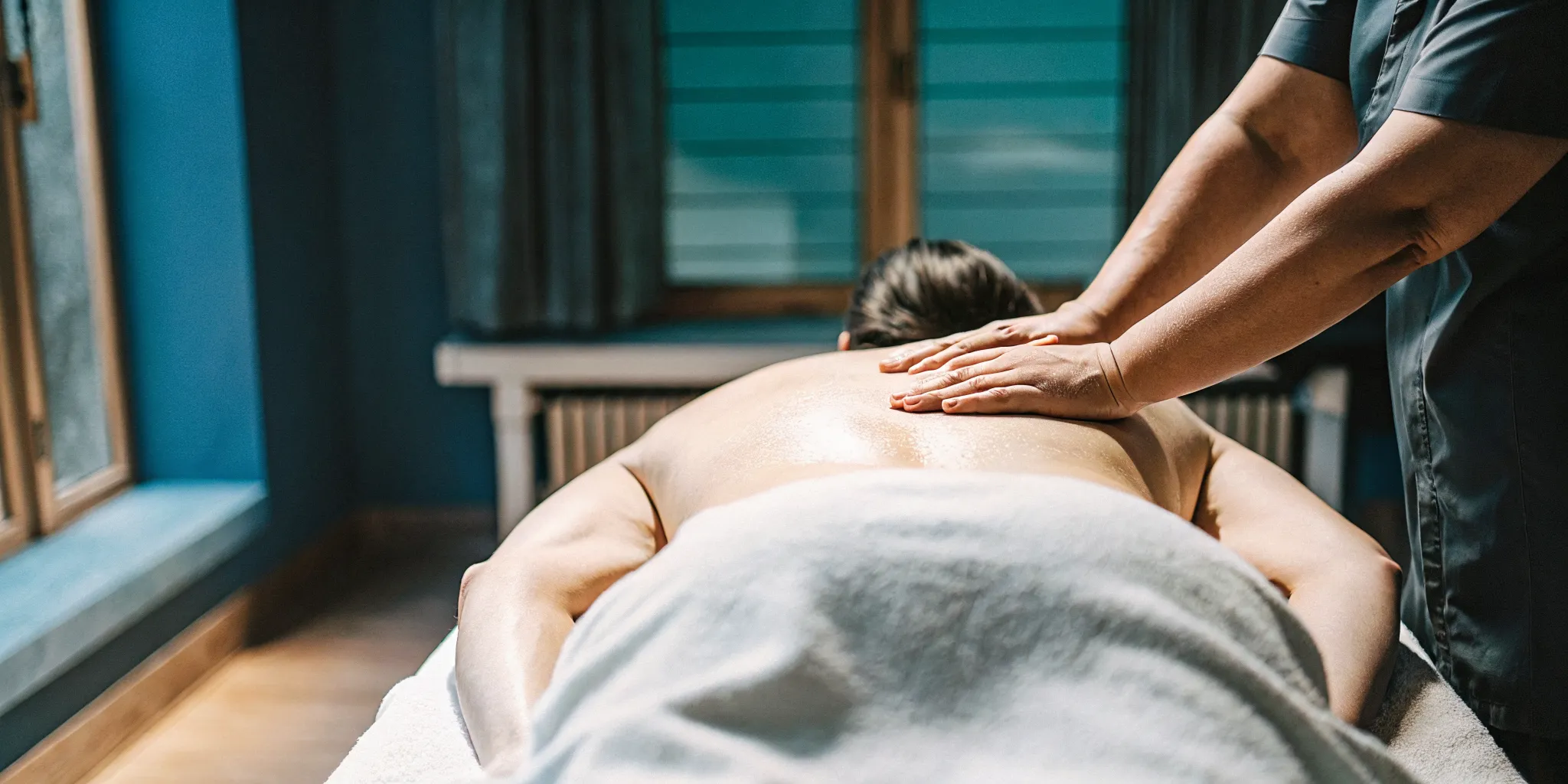

Life in New Orleans can be tough on your back. Whether you’re working in the Warehouse District or exploring the French Quarter, the city takes its toll. Long hours at a desk, walking on uneven sidewalks, or the stress of festival season can lead to persistent aches and pains. When that discomfort sets in, you just want a solution that actually works. But with so many choices, finding the right treatment is a challenge. We’re here to cut through the confusion and help you find the best massage for back pain, explaining which techniques are most effective so you can get back to enjoying this incredible city.
Key Takeaways
- Select a massage style that targets your specific pain: The best results come from matching the technique to your needs. Whether you require the broad, deep pressure of Ashiatsu for chronic tension or the focused approach of trigger point therapy for stubborn knots, choosing wisely makes all the difference.
- Make massage a consistent part of your wellness plan: While a single session offers temporary relief, regular appointments are essential for managing chronic pain and preventing future issues. Think of it as proactive maintenance for your body, not just a one-time fix.
- Guide your therapist for a truly personalized session: The most effective massage happens when you communicate openly. Be specific about your pain points, goals, and pressure preferences before and during your appointment to ensure the treatment is perfectly tailored to you.
What’s Causing Your Back Pain?
Back pain can feel like a constant, unwelcome companion, but understanding its source is the first step toward finding relief. Most of the time, the culprit is our musculoskeletal system reacting to the demands of daily life. From an intense workout to long hours hunched over a computer, our habits directly impact how our back feels. Identifying the specific cause helps you and your massage therapist create a targeted plan to not only soothe the ache but also address the root of the problem for lasting comfort.
Identifying Muscle Strain and Tension
One of the most frequent reasons for back pain is simple overuse. Whether from a new exercise routine, lifting something heavy, or even a repetitive motion at work, muscle strain can leave you feeling stiff and sore. This kind of strain can cause the body’s connective tissue, known as fascia, to become tight and restricted, which limits your movement and causes pain. Regular, targeted massage services can help release this tension, improve flexibility, and get you moving comfortably again by working directly on those overworked muscles and tissues.
Is Your Desk Job the Culprit?
Think about how many hours you spend sitting each day—at a desk, in the car, or on the couch. Over time, slouching or craning your neck forward puts a tremendous amount of strain on your back and neck muscles. This sustained poor posture can lead to chronic tension, muscle imbalances, and persistent pain. While massage is incredibly effective at soothing these tight muscles, it also plays a key role in your overall wellness plan. It promotes healing and, when paired with mindful posture adjustments in your daily life, can help retrain your body for better alignment and significantly reduce discomfort.
Can Stress Really Cause Back Pain?
Ever notice how your shoulders creep up toward your ears when you’re stressed? That’s your body’s physical response to mental and emotional pressure. Stress causes muscles, particularly in the neck, shoulders, and back, to tense up as part of the “fight or flight” response. When stress is chronic, so is the muscle tension, leading to persistent aches and knots. Massage is a powerful tool for breaking this cycle. It helps your body release natural “feel-good” chemicals like endorphins, which can reduce pain perception and encourage deep relaxation for both your mind and your muscles.
When Back Pain Becomes Chronic
For those dealing with chronic conditions like sciatica, arthritis, or fibromyalgia, back pain is a more complex issue. While massage can offer significant relief from the muscle tension and discomfort associated with these conditions, it’s most effective as part of a broader wellness strategy. Think of it as a crucial piece of your pain management puzzle. A therapeutic massage can ease acute flare-ups and improve your quality of life, but it isn’t a one-time fix. It works best when combined with other treatments recommended by your doctor, creating a comprehensive approach to managing your symptoms and improving function long-term.
What Science Says About Massage for Back Pain
While a great massage feels incredible, you’re probably wondering if it delivers real, lasting results for back pain. It’s a fair question, and thankfully, there’s plenty of research that explores how massage therapy works and what it can realistically achieve. The science shows that massage is more than just a luxury; it’s a legitimate tool for managing pain by directly influencing your body’s muscles, circulation, and even its chemical responses. Let’s look at what the studies say about its effectiveness and how it can interrupt the cycle of pain.
How Common is Back Pain?
If your back is giving you trouble, you are in very good company. Research shows that low-back pain is an incredibly common experience, affecting between 70% and 80% of adults at some point in their lives. This statistic highlights just how widespread the issue is, whether it stems from a desk job, an old injury, or the general stress of daily life. It’s not a minor inconvenience for a select few but a major quality-of-life issue for the vast majority of people. Understanding this helps put your own experience into perspective and underscores the importance of finding effective, reliable strategies for relief.
Is Massage an Effective Long-Term Solution?
This is where the conversation gets nuanced. According to a comprehensive review of studies, researchers have “very little confidence” that a single massage is an effective long-term cure for low-back pain. The evidence strongly suggests that massage provides significant short-term relief, but that pain may return. So, what does this mean for you? It means thinking of massage as a vital part of an ongoing wellness plan rather than a one-time fix. Just as you wouldn’t expect one trip to the gym to make you fit forever, one massage won’t permanently erase a chronic issue. Consistent, regular massage therapy is key to managing symptoms, preventing flare-ups, and maintaining your comfort and mobility over time.
How Massage Interrupts the Pain Cycle
So, how does massage provide that immediate, welcome relief? It works by creating a series of positive physiological changes in your body. According to health experts, therapeutic massage helps ease the muscle spasms that are often at the root of back pain. When muscles are chronically tight, they can constrict blood vessels and limit circulation, which slows down healing. Massage helps relax these tense muscles, allowing for improved blood flow to the affected area. This process not only feels good but also helps deliver oxygen and nutrients that are essential for tissue repair, effectively breaking the cycle of tension and pain.
Helping Specific Conditions
While general massage is beneficial, specific techniques are particularly effective for chronic issues. For example, studies note that deep tissue massage is especially helpful for providing lasting back pain relief by targeting deeper layers of muscle and fascia. This is where the skill of a professional therapist truly shines. At Nola Bliss, our therapists are experts in techniques like therapeutic deep tissue massage, which focuses on releasing stubborn knots, or “trigger points.” For an even deeper experience, Ashiatsu Deepfeet Bar Therapy uses the therapist’s body weight to deliver broad, consistent pressure that can release tension in a way that hands simply can’t. Choosing the right modality is crucial for addressing the specific cause of your pain.
Choosing the Best Massage for Your Back Pain
When your back is aching, the idea of a massage sounds like pure bliss. But with so many different types available, how do you know which one will actually help? The truth is, the “best” massage for you depends on the source of your pain, your personal preferences, and your goals for the session. Are you dealing with a deep, chronic ache from an old injury, or is it more of a general tightness from sitting at a desk all day? Do you prefer intense, focused pressure, or does a gentler, more relaxing touch sound better?
Understanding the key differences between massage styles is the first step to finding real relief. Some techniques, like deep tissue and Ashiatsu, are designed to work on the deeper layers of muscle and connective tissue, making them ideal for chronic tension. Others, like Swedish massage, focus on overall relaxation and improving circulation, which can be incredibly effective for stress-induced back pain. There are also specialized techniques that target specific issues, like trigger point therapy for stubborn knots or hot stone massage for soothing sore muscles with gentle heat. We’ll walk through five of the most effective types of massage for back pain to help you decide which approach is the right fit for your needs.
Ashiatsu: The ‘Walking on Your Back’ Massage
If you love deep pressure but find that elbows and thumbs just don’t cut it, you need to try Ashiatsu. In this unique therapy, the massage therapist uses their feet to deliver long, gliding, deep strokes while holding onto overhead bars for balance and support. Because the foot provides a broader surface than a hand or elbow, the pressure is distributed more evenly, allowing for an incredibly deep yet comfortable massage. This technique is fantastic for elongating the spine and releasing chronic tension along the back and hips. At Nola Bliss, we specialize in Ashiatsu Deepfeet Bar Therapy and are even a certified training center for this powerful modality.
Deep Tissue: For Serious Knots and Tension
A deep tissue massage is one of the most popular choices for relieving back pain, and for good reason. This technique uses firm pressure and slow, deliberate strokes to target the deeper layers of your muscles and fascia—the connective tissue surrounding your muscles. It’s especially effective for chronic aches and pains, stiff necks, upper back tightness, and sore shoulders. By breaking up scar tissue and physically releasing muscle knots, a deep tissue massage can help reduce inflammation and restore normal movement. It’s an intense but highly effective way to address long-standing tension and find lasting relief from discomfort.
Swedish: The Classic for Relaxation and Relief
When you think of a classic, relaxing massage, you’re probably picturing a Swedish massage. This technique is perfect if your back pain is related to general stress and tension or if you’re new to massage therapy. Your therapist will use long, flowing strokes, kneading, and gentle circular movements to relax superficial muscles and improve circulation. While the pressure is typically lighter than in a deep tissue massage, a Swedish massage is incredibly effective at easing muscle tension, reducing stress, and promoting an overall sense of well-being. It’s a wonderful way to soothe a tired, achy back and calm your nervous system at the same time.
Trigger Point: Targeting Specific Pain Spots
Have you ever had a stubborn “knot” in your back that just won’t go away? That’s likely a trigger point—a tight band of muscle that can cause pain both in that specific spot and elsewhere in the body. Trigger point therapy is a focused technique where the therapist applies direct pressure to these knots to help them release. This isn’t usually a full-body massage on its own; instead, our highly trained therapists can incorporate it into your deep tissue or Swedish session to address specific problem areas. It’s a targeted approach that can provide significant relief from the nagging pain caused by these persistent muscle knots.
Hot Stone: Melt Away Tension with Heat
Imagine the feeling of smooth, warm stones resting on your back, their gentle heat melting away tension and soreness. That’s the experience of a hot stone massage. The heat from the stones helps to relax and soften your muscles, allowing the therapist to work more deeply and effectively without needing to apply intense pressure. This soothing warmth also increases blood flow to the area, which can help reduce pain and promote healing. At Nola Bliss, you can add Hot Himalayan Salt Stones as an enhancement to your massage for a deeply relaxing and therapeutic experience that’s perfect for soothing a tired and achy back.
Other Effective Massage Styles
While the techniques we’ve covered are some of the most popular and effective for back pain, the world of massage therapy is vast. There are several other specialized styles that can offer incredible relief, depending on your specific needs and preferences. These modalities often take a different approach, focusing on things like energy flow, precise nerve and muscle interaction, or active stretching. Exploring these options can give you a broader understanding of how therapeutic bodywork can address discomfort and help you find a style that truly resonates with your body.
Shiatsu Massage
Originating from Japan, Shiatsu is a form of bodywork that focuses on restoring balance. Instead of the long, gliding strokes you might be used to, a Shiatsu practitioner uses fingers, thumbs, and palms to apply rhythmic pressure to specific points on the body. The goal is to release blockages in the body’s energy pathways, or meridians, which can help alleviate pain and improve overall function. This technique is often performed on a mat on the floor with the client fully clothed. For back pain, Shiatsu can be very effective at releasing deep-seated tension and improving flexibility along the spine.
Neuromuscular Massage
If your back pain feels very specific and localized, neuromuscular massage might be the answer. This highly targeted therapy is designed to address the underlying causes of chronic muscle pain by focusing on trigger points, nerve compression, and postural distortions. A therapist trained in this modality will apply steady pressure to soft tissues to release tension and interrupt the nerve signals that cause pain. It’s a very precise and sometimes intense technique that gets to the root of the problem, making it an excellent choice for conditions like sciatica or chronic pain stemming from a specific injury.
Thai Massage
Often described as “lazy person’s yoga,” Thai massage is an active, dynamic experience that is very different from a typical table massage. During a session, your therapist will guide your body through a series of stretches and movements while also applying pressure along the body’s energy lines. This combination of stretching and massage helps to increase flexibility, relieve muscle tension, and improve circulation. Research has shown that Thai massage can be incredibly effective, with some studies finding it worked as well as traditional treatments for low back pain. It’s a fantastic option if you feel stiff and restricted in your movements.
How These Massages Actually Work
Understanding how different massage techniques work can help you choose the right one for your specific back pain. Each modality uses a unique approach to target muscle tension, release knots, and promote healing. Whether you need broad, deep pressure or gentle, restorative strokes, there’s a massage style designed to address the root of your discomfort. Let’s look at how five of our most effective massage therapies provide relief.
Ashiatsu: Elongate Your Spine with Deep Pressure
If you feel like your entire back is one big knot, Ashiatsu Deepfeet Bar Therapy might be your answer. In this unique therapy, your massage therapist uses their feet to deliver long, gliding, deep strokes. Because the foot provides a broader surface than a hand or elbow, the pressure is distributed more evenly across your muscles. This allows for an incredibly deep massage without the sharp discomfort that can sometimes come with more pointed deep tissue work. The long strokes also help to elongate the spine and surrounding muscles, creating space between the vertebrae and relieving compression that contributes to back pain. It’s a fantastic way to experience profound relief and release chronic tension.
Deep Tissue: Unwinding Deep Muscle Layers
When your back pain stems from chronic muscle tightness or injury, a deep tissue massage can work wonders. This technique goes beyond the surface to target the deeper layers of muscle and connective tissue. Your therapist will use slow, deliberate strokes and firm pressure to break up adhesions—often called “knots”—that can restrict movement and cause pain. By manipulating these deeper tissues, deep tissue massage helps reduce inflammation and restore normal function. It’s an effective treatment for chronic pain because it addresses the underlying source of the tension rather than just the surface symptoms.
Myofascial Release
Think of fascia as a thin web of connective tissue that wraps around all your muscles. When you’re injured or stressed, this web can get tight and restricted, causing that stiff, stuck feeling. Myofascial release is a technique our therapists use during a deep tissue massage to address this directly. They apply slow, sustained pressure to gently stretch and open up the fascia. This process helps release tension, reduce pain, and restore your range of motion, allowing your muscles to move freely and without discomfort.
Cross-Fiber Friction
If you have an old injury or a particularly stubborn knot, your therapist might use cross-fiber friction. This technique involves applying precise, deep pressure that moves across the grain of the muscle fibers, rather than along their length. The goal is to break down adhesions and scar tissue that can form after an injury, which often restrict movement and cause pain. This focused friction also helps to increase circulation to the area, bringing fresh oxygen and nutrients to promote healing and reduce muscle spasms. It’s a specific and powerful way to address the root cause of localized pain.
Muscle Stripping
Muscle stripping is another key component of an effective deep tissue massage, especially for chronically tight areas. Unlike cross-fiber friction, this technique involves applying deep, gliding pressure along the length of a muscle, moving in the same direction as its fibers. Imagine your therapist slowly “stripping” the tension out of a tight muscle from one end to the other. This method is excellent for lengthening contracted muscle fibers and releasing built-up tension. It’s particularly effective on the large muscles of the back, helping to ease the strain that comes from poor posture or overuse.
Pin and Stretch
For a truly targeted release, your therapist may use a technique called pin and stretch. This involves applying firm pressure to one specific point on a muscle—the “pin”—while gently stretching the rest of that muscle away from the pinned point. This creates a deep, focused stretch in a very precise area, which is fantastic for releasing stubborn knots and improving flexibility in a way that a general stretch can’t. It’s an active technique that helps to reset the muscle’s resting length, providing significant relief from tightness and restoring a more natural range of motion.
Swedish: Gentle Strokes for Better Circulation
Don’t underestimate the power of a classic Swedish massage for back pain, especially if your discomfort is linked to stress or general muscle fatigue. This technique uses smooth, long strokes with light-to-medium pressure to warm up muscle tissue and release tension. One of the key benefits of a Swedish massage is its ability to improve blood flow. Better circulation brings more oxygen and nutrients to your muscles, which helps them heal and recover. It also calms the nervous system, making it an excellent choice for melting away the stress that often settles in our backs and shoulders.
Trigger Point: Pinpointing and Releasing Knots
Have you ever had a specific, tender spot in your back that sends pain to another area when you press on it? That’s likely a trigger point. Trigger point therapy focuses on identifying and releasing these tight knots within the muscle fibers. Your therapist will apply direct, sustained pressure to the trigger point until the tension releases. This process can deactivate the knot, alleviating both localized pain and the referred pain it causes in other parts of your body. It’s a highly targeted approach that can provide significant relief for stubborn, specific pain points that other massage services might not fully address.
Hot Stone: Using Heat to Soothe Muscles
Adding heat to a massage is a simple way to amplify its benefits. During a hot stone massage, smooth, warm stones are placed on key points along your back. The gentle heat penetrates deep into your muscles, helping them relax and soften before the hands-on massage even begins. This warmth makes it easier for your therapist to work on deeper muscle layers more effectively and comfortably. The combination of heat and pressure from the Hot Himalayan Salt Stones soothes aches, melts away tension, and creates a profoundly relaxing experience that leaves your back feeling loose and pain-free.
How Often Should You Book a Massage for Back Pain?
Finding the right rhythm for your massage appointments is just as important as choosing the right type of massage. There’s no single answer for how often you should get a massage for back pain, because your ideal schedule depends on your specific situation. Are you dealing with a sudden injury, managing a long-term issue, or focused on prevention? Your goals will determine the best frequency for you, and our experienced therapists are here to help you create a personalized plan.
For Sudden, Acute Pain
When you’re dealing with acute back pain—that sharp, sudden pain from an injury or overexertion—more frequent sessions can be incredibly beneficial. Think of it as targeted care to calm the initial crisis in your muscles. For severe pain, you might consider booking a massage once or twice a week for the first couple of weeks. This approach helps reduce inflammation, release intense muscle spasms, and speed up your body’s natural healing process. As you start to feel better, you and your therapist can gradually space out your appointments. The goal is to manage the immediate pain effectively before transitioning to a maintenance schedule.
For Ongoing, Chronic Pain
Managing chronic back pain is more of a marathon than a sprint. This is the kind of persistent, nagging pain that lasts for months or even years. For this type of condition, consistency is key. A regular massage schedule, perhaps once every two to four weeks, can make a significant difference in your daily comfort and mobility. The right frequency depends entirely on your body’s response, your lifestyle, and the severity of your pain. Regular sessions allow your therapist to address ongoing tension and pain patterns. Many clients find that consistent deep tissue massage helps keep chronic pain from flaring up and interfering with their lives.
For Maintenance and Preventing Future Pain
You don’t have to be in pain to benefit from a massage. In fact, one of the smartest things you can do for your back is to use massage for prevention. Think of it as essential maintenance for your body, just like an oil change for your car. A monthly massage can keep your muscles pliable, improve your posture, and address small issues before they become big problems. Regular sessions allow your therapist to get to know your body’s unique patterns and re-educate your muscles to hold a healthier alignment. This proactive approach is an investment in your long-term well-being, helping you stay active and pain-free. Our team of dedicated therapists specializes in creating these kinds of wellness plans.
What to Expect After Your First Massage
If you’ve just had a therapeutic massage for back pain, especially a deep one, it’s completely normal to feel a little sore the next day. This is similar to how your muscles feel after a good workout—it means they’ve been worked effectively to release deep-seated tension. To help your body recover, be sure to drink plenty of water to flush out toxins released from your muscles. A warm Epsom salt bath can also soothe any tenderness. Always communicate with your therapist about how you’re feeling. This feedback is crucial for them to tailor the pressure and technique in your next massage service to ensure you get the best possible results.
Potential Side Effects
It’s smart to consider any potential side effects before trying a new treatment for your back pain. The great news is that massage therapy is a safe way to find relief, with most side effects being minor and temporary. The most common experience is feeling a bit sore the next day, similar to the muscle tenderness you’d feel after a challenging workout. This is a normal response, especially after a deep tissue or Ashiatsu massage, and it’s a sign that your therapist has successfully released deep-seated tension. Other less common effects can include mild fatigue or a headache, which usually pass quickly as your body processes the therapeutic work. Open communication with your therapist is key to ensuring your comfort and minimizing any post-massage tenderness.
What to Tell Your Massage Therapist for the Best Results
Think of your massage therapist as a partner in your wellness journey. The more they know, the more they can help you. Open communication is the key to a massage that not only feels good but also delivers real, lasting relief for your back pain. Before your session begins, your therapist will ask you some questions, but it’s a great idea to come prepared with your own thoughts and goals. This conversation helps them tailor the session specifically to your body’s needs.
Don’t be shy about sharing details. Every piece of information you provide helps your therapist create a customized treatment plan. Whether it’s your first massage or your fiftieth, clear communication ensures you get the most out of every minute on the table. Remember, our team of licensed massage therapists is here to listen and apply their expertise to help you feel your best. Your comfort and results are our top priorities, and that all starts with a simple conversation.
Describe Your Pain Points and History
When your therapist asks where it hurts, try to be as specific as possible. Instead of just saying “my back hurts,” point to the exact spots. Explain what the pain feels like—is it a sharp, stabbing sensation, a dull ache, or a burning feeling? It’s also incredibly helpful to share the history of your pain. When did it start? What activities seem to make it worse or better? Sometimes, pain in one area is connected to an issue somewhere else. For example, lower back pain can sometimes originate from tightness in your hips or even issues in your feet. The more context you give, the better your therapist can identify the root cause and provide an effective therapeutic massage.
Share Your Goals and Pressure Preference
What do you hope to achieve with your massage? Are you looking for immediate relief from acute pain, long-term management of a chronic condition, or simply a chance to de-stress and relax your tense back muscles? Sharing your goals helps your therapist choose the right techniques. Equally important is communicating your pressure preference. Some people love the intense, focused work of a deep tissue massage, while others prefer a lighter touch. There’s no right or wrong answer. And remember, you can always speak up during the session if you want more or less pressure. Your therapist will check in, but you are always in control.
Don’t Be Afraid to Ask Questions
Let’s clear the air on a few things. First, massage isn’t just for injuries. It’s a powerful tool for preventative care and managing the everyday stress that builds up in our bodies. Regular massage can help keep your muscles flexible and your mind clear, preventing minor tension from becoming a major problem. Second, effective massage doesn’t have to be painful. While deep tissue and trigger point work can be intense, you should always feel like it’s a “good hurt.” If you find yourself tensing up or holding your breath, let your therapist know immediately so they can adjust.
How to Get Ready for Your Appointment
If you’re new to massage, a little preparation can help you relax and enjoy the experience. Try to arrive 10-15 minutes early to fill out your intake form without feeling rushed. It’s also a good idea to drink plenty of water before your session, as hydrated muscles are more pliable. Your therapist will explain everything you need to know, from how to lie on the table to how you’ll be professionally draped for privacy and comfort. Whether you’re coming in for a classic Swedish massage or a specialized treatment like Ashiatsu Deepfeet Bar Therapy, our goal is to make you feel completely at ease.
How to Make Your Relief Last Longer
The relief you feel after a great massage doesn’t have to end when you walk out the door. To extend the benefits, be sure to drink plenty of water for the rest of the day to help flush out metabolic waste released from your muscles. Gentle stretching can also help maintain your newfound flexibility. While a single massage can provide significant relief, consistency is key for managing chronic back pain. Think of it as regular maintenance for your body. By scheduling consistent sessions, you allow your therapist to address deeper patterns of tension and help re-educate your muscles for better posture and movement over time.
Related Articles
Frequently Asked Questions
I’m not sure which type of massage is right for my back pain. How do I choose? You don’t have to have it all figured out before you arrive. The best first step is to book an appointment and have a conversation with your therapist. We’ll talk about what you’re feeling, your pain history, and what you hope to get out of the session. Based on that conversation, our experienced therapists will recommend the best approach for you, whether that’s a focused deep tissue massage, the broad pressure of Ashiatsu, or a blend of different techniques.
Should a therapeutic massage for back pain be painful? This is a great question, and the answer is no. While deep tissue or trigger point therapy can feel intense, it should always be a productive intensity, not a sharp or wince-inducing pain. You should be able to breathe comfortably throughout the entire session. Our therapists are experts at communicating and working within your comfort level, so never hesitate to speak up if you’d like the pressure adjusted.
How soon will I feel relief from my back pain after a massage? Many people experience a noticeable decrease in pain and an increase in mobility after just one session. For more chronic or long-standing issues, think of massage as a process. One session can provide immediate relief, but consistent appointments create lasting change by addressing the root cause of your pain and helping to re-educate your muscles.
I love deep pressure. Is Ashiatsu really that different from a regular deep tissue massage? Yes, it’s a completely different and powerful experience. While both techniques target deeper muscle layers, Ashiatsu uses the therapist’s feet to deliver long, gliding, and consistently deep strokes. This broad pressure allows for a profound release of tension without the sharp or pokey feeling that can sometimes come from elbows or thumbs. It’s especially effective for elongating the spine and soothing the entire back.
Can I still get a massage if I have a diagnosed back condition like sciatica or a herniated disc? In many cases, massage can be incredibly helpful for managing the pain associated with specific conditions. The key is open communication with your therapist about your diagnosis. Our licensed professionals are trained to modify their techniques to work safely and effectively around sensitive areas. We always recommend consulting with your doctor to ensure massage is an appropriate part of your overall treatment plan.
Self-Care to Support Your Massage Therapy
A great massage is a powerful reset button for your back, but the real magic happens when you support that work in your daily life. Think of your massage therapist as your partner in wellness; they can release deep-seated tension and realign your muscles, but it’s the small, consistent habits you practice between sessions that make the relief last. By being mindful of your posture, movement, and at-home care, you can extend the benefits of your massage and build a stronger, more resilient back. This proactive approach helps you get the most value out of every session and empowers you to take control of your comfort.
Habits That Can Make Back Pain Worse
When your back hurts, your first instinct might be to lie down and stay still. While rest is important, too much of it can be counterproductive. According to experts at HonorHealth, staying inactive for long periods can actually cause your muscles to become stiff and weak, which can worsen your pain. Instead, focus on gentle movement. Pay attention to other daily habits, too. Are you slouching at your desk, lifting heavy objects with your back instead of your legs, or sleeping on an old, unsupportive mattress? These common patterns can put unnecessary strain on your spine and undermine the progress you make on the massage table. Being mindful of these habits is a simple but effective way to protect your back.
At-Home Relief Methods
Between your professional massage appointments, there are several simple things you can do at home to manage discomfort. One of the most effective methods is alternating between ice and heat. Ice can help reduce inflammation and numb sharp pain, while heat is excellent for relaxing tight, stiff muscles. A warm Epsom salt bath is another fantastic way to soothe soreness after a deep tissue session. Gentle stretching can also help maintain the flexibility your therapist worked to restore. And don’t forget to stay hydrated. Drinking plenty of water is crucial for muscle health and helps your body flush out the metabolic waste that gets released during a therapeutic massage.
Acupressure for Back Pain
For targeted relief at home, you can try a simple acupressure technique. There’s a specific point that can be very effective for lower back pain called BL 25. To find it, place your hands on your hips with your thumbs pointing toward your spine. The points are located on your lower back, about two finger-widths away from your spine at the level of your belly button. Apply firm, steady pressure to these points with your thumbs for about one minute while taking slow, deep breaths. According to traditional Chinese medicine, stimulating this point helps relax the surrounding muscles and improve blood flow, offering a quick and easy way to ease tension between your massage sessions.
When to See a Doctor About Your Back Pain
While massage therapy is an incredibly effective tool for managing most common types of back pain, it’s important to recognize when your symptoms might signal a more serious issue. Our licensed massage therapists are highly trained in muscle and soft tissue work, but they are not medical doctors and cannot diagnose underlying conditions. Think of us as an important part of your wellness team. We are here to provide therapeutic relief, but your safety is always our top priority. Knowing when to pause massage and consult a physician is a crucial part of responsible self-care and ensures you get the comprehensive treatment you need.
Red Flag Symptoms You Shouldn’t Ignore
Most back pain resolves with time and conservative care like massage. However, if your pain is severe, doesn’t improve after a few weeks, or is accompanied by other concerning symptoms, it’s time to see a doctor. Pay close attention to any “red flag” symptoms, which can indicate a more serious problem. These include numbness, weakness, or tingling in your legs; loss of bladder or bowel control; or pain that is so intense it wakes you up at night. Pain that develops after a fall or injury, or is accompanied by a fever, also warrants an immediate medical evaluation. Don’t wait—consult a physician to get a proper diagnosis.
Do You Need a Doctor’s Referral for a Massage?
For general wellness or relaxation massage, you typically don’t need a doctor’s referral. However, if you’re seeking massage for a specific medical condition or an injury, it’s always a good idea to speak with your doctor first. They can confirm that massage is a safe and appropriate treatment for you. A doctor’s diagnosis can also provide your massage therapist with valuable information, allowing them to tailor your session more effectively. At Nola Bliss, our experienced therapists are skilled at working with clients who have specific health concerns, from chronic conditions to recovery from an injury, and we welcome the opportunity to be a part of your integrated healthcare plan.
Important Safety Considerations
Your safety is paramount, and there are certain situations where massage may not be recommended. It’s crucial to be open and honest with your therapist on your intake form and during your pre-session consultation. For example, massage should be avoided if you have a fever, an infectious disease, or open wounds. Certain conditions, like a recent surgery, a herniated disc, or blood clots, require medical clearance and specific modifications from your therapist. Our team is highly trained to adapt their techniques for various needs, such as providing a safe and comfortable prenatal massage, but we rely on your honest communication to ensure every session is both safe and effective.