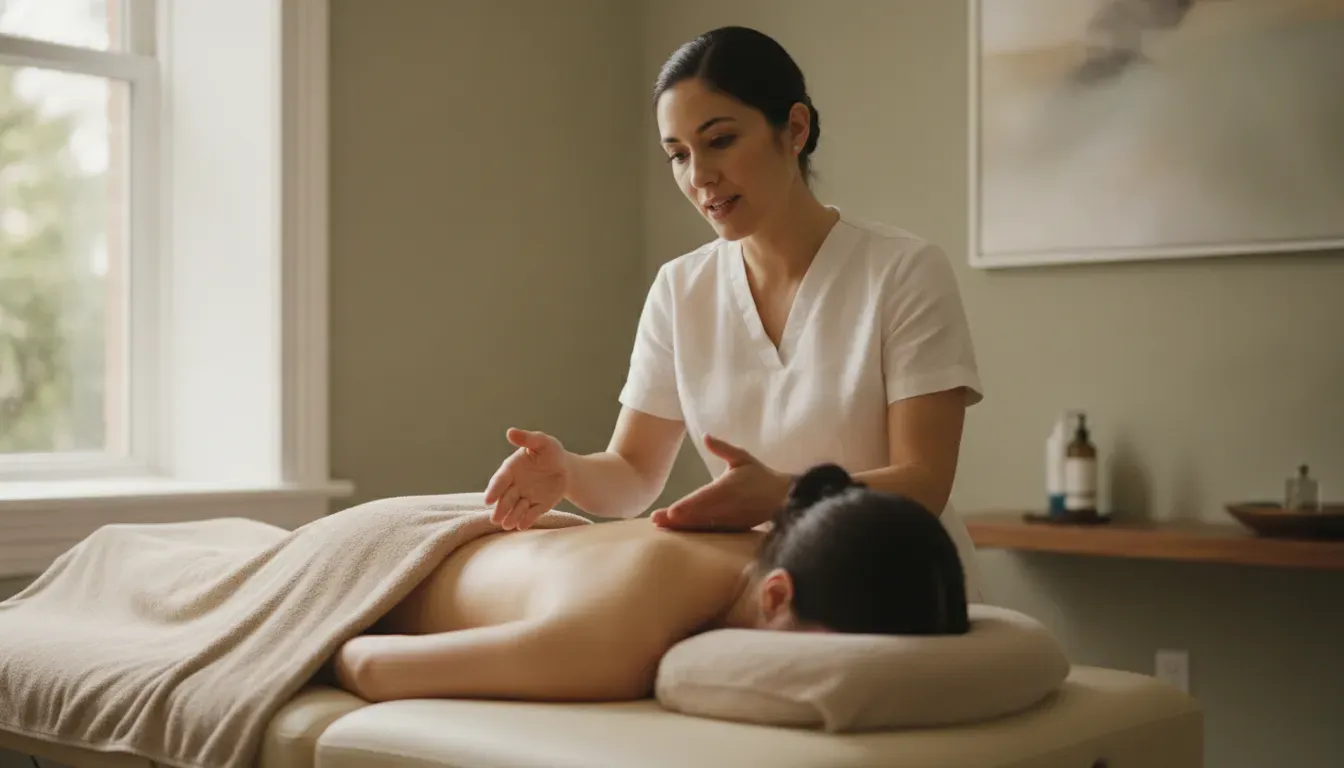

You’re already so careful about what you eat and the products you use during pregnancy. That same level of care should absolutely apply when choosing a massage therapist. A standard massage just won’t cut it—and some techniques can even be unsafe. A truly qualified prenatal massage therapist has specialized training to understand your changing body. They know how to position you safely, which techniques bring real relief, and what areas to avoid. Finding the best massage for pregnancy means finding a certified professional. This guide will show you exactly what to look for and the right questions to ask.
Key Takeaways
- It’s more than a regular massage: Prenatal massage is specifically designed to address the unique aches and pains of pregnancy, using safe side-lying positions and gentle techniques to relieve back pain, reduce swelling, and calm your nervous system.
- Put safety first: Always wait until your second trimester, get approval from your doctor, and ensure your therapist has specialized certification in prenatal care before booking your appointment.
- Your voice matters: A great session is a collaboration. Speak up about your comfort level, pressure preferences, and any areas needing extra attention to help your therapist customize the experience for you.
Why a Prenatal Massage Isn’t Just Any Massage
If you’re pregnant, you might be wondering if you can just book a standard massage. While the idea is tempting, a prenatal massage is much more than a regular massage for an expecting parent. It’s a specialized therapy designed to address the unique physical and emotional changes that happen during pregnancy. Your body is doing incredible work, and with that comes new aches, pains, and pressures. A standard massage just isn’t equipped to handle these specific needs safely or effectively.
A prenatal massage is tailored from start to finish for your comfort and safety. The techniques, positioning, and areas of focus are all carefully considered to support you and your baby. Therapists use specific methods to relieve common pregnancy-related issues like lower back pain, sciatica, and swelling in the legs and feet. It’s a therapeutic practice that acknowledges the profound shifts your body is going through, offering targeted relief that helps you feel more at ease during this transformative time. Think of it as essential maintenance for your body while you’re busy creating a new life.
How We Support Your Changing Body
During a prenatal massage, your comfort is the top priority. Instead of lying on your stomach, you’ll be positioned comfortably on your side with supportive pillows and cushions. This setup takes all the pressure off your abdomen and lower back, allowing you to fully relax. The massage itself uses techniques, often adapted from Swedish massage, to address pregnancy-specific discomforts. Your therapist will focus on areas carrying extra tension, like your hips, shoulders, and lower back. The goal is to provide physical and emotional relief by soothing sore muscles, improving circulation, and giving you a much-needed moment of calm.
Why Your Therapist’s Training Matters
It’s essential that your massage is performed by a therapist with specialized training in prenatal care. A certified prenatal massage therapist has a deep understanding of how a pregnant body changes and what it needs. They know which techniques are safe and which pressure points to avoid to protect both you and your baby. This specialized knowledge ensures the massage is not only relaxing but also genuinely therapeutic and safe. When you choose a studio with experienced therapists, you can rest assured that you’re in capable hands. Our dedicated team has the expertise to provide a safe, supportive, and healing experience throughout your pregnancy.
How It Differs From Other Massage Types
Prenatal vs. Perineal Massage
It’s important to know that prenatal massage is a holistic therapy designed to support your entire body, not a targeted treatment for childbirth preparation. This type of massage uses gentle, soothing techniques to relieve the common discomforts that come with carrying a baby, like persistent backaches, stiff shoulders, and swollen ankles. The primary focus is on creating a relaxing and restorative experience that addresses both the physical and emotional demands of pregnancy. Think of it as a full-body massage carefully adapted for your safety, helping to improve circulation and calm your nervous system while you’re comfortably supported in a side-lying position with plenty of pillows.
Perineal massage, on the other hand, is a very specific technique focused exclusively on the perineum—the area of tissue between the vagina and anus. This practice is typically done in the last few weeks of pregnancy with the sole purpose of stretching these tissues to help prevent tearing during delivery. It’s a functional preparation for childbirth, not a relaxation therapy. The American Pregnancy Association makes a clear distinction, noting that this targeted technique is very different from a general prenatal massage. While it serves an important purpose for labor, it is not something you would receive during a therapeutic, full-body session aimed at overall comfort and pain relief.
Understanding this distinction is key to getting the right care for your needs. A prenatal massage is your dedicated time to de-stress, connect with your body, and find relief from the persistent aches and pains of carrying a baby. It’s a therapy that supports your overall well-being throughout the entire pregnancy journey. In contrast, perineal massage is a specific, functional practice to prepare your body for the physical act of childbirth. When you book a prenatal massage, you can expect a session entirely dedicated to your comfort and relaxation, provided by a trained therapist who knows exactly how to safely and effectively care for your changing body.
How a Pregnancy Massage Can Help You
Pregnancy is an incredible journey, but let’s be honest—it asks a lot of your body. As you create new life, you might experience new aches, stress, and sleepless nights. This is where prenatal massage comes in as a powerful tool for self-care. It’s more than just a relaxing treat; it’s a therapeutic practice designed specifically to support you through the physical and emotional changes of pregnancy. Regular massage can make a huge difference in how you feel day-to-day, offering a natural way to manage discomfort and find a sense of well-being.
The advantages are holistic, touching on everything from physical comfort to mental clarity. A skilled therapist can help soothe the sore muscles and stiff joints that often come with a growing belly. But the benefits go deeper. According to the American Pregnancy Association, massage can help regulate hormones, leading to better moods and less anxiety. It can also improve circulation and help you get the restorative sleep you so desperately need. At Nola Bliss, our prenatal massage is tailored to provide comfort and relief, helping you feel your best as you prepare for your baby’s arrival. It’s a dedicated time for you to rest, recharge, and connect with your changing body in a calm, supportive environment.
Find Relief from Common Pregnancy Pains
As your baby grows, your body adapts in amazing ways—but these changes can bring on some serious discomfort. Your center of gravity shifts, putting extra strain on your back, neck, hips, and abdominal muscles. A professional prenatal massage directly addresses these sore spots. By using gentle, targeted techniques, your therapist can release muscle tension and relieve pressure on your joints. This can be especially helpful for lower back pain and sciatic nerve pain, two very common complaints during pregnancy. The goal is to help you move more freely and with less pain, making your pregnancy journey a more comfortable one.
Reduce Stress and Find Your Calm
The emotional side of pregnancy is just as significant as the physical one. Fluctuating hormones, combined with the anticipation of a major life change, can leave you feeling stressed or anxious. Prenatal massage offers a quiet space to decompress and find your center. Research from the Cleveland Clinic shows that massage can decrease stress hormones like cortisol while increasing mood-lifters like serotonin and dopamine. This hormonal rebalancing can lead to a greater sense of calm and emotional stability. Taking this time for yourself isn’t an indulgence; it’s a vital way to support your mental health during this transformative period.
Sleep Better and Improve Circulation
Are you finding it hard to get a good night’s rest? You’re not alone. Discomfort and anxiety can make quality sleep feel impossible during pregnancy. Massage helps by relaxing the nervous system and easing the muscle tension that keeps you awake. It also improves circulation, which is crucial for reducing swelling in your hands, legs, and feet (a condition called edema). Better blood flow means more oxygen and nutrients are delivered to both you and your baby. By calming your body and mind, a prenatal massage can pave the way for deeper, more restorative sleep, helping you wake up feeling more refreshed.
More Than Just Relaxation: Additional Health Perks
While feeling relaxed and pampered is a wonderful benefit, the advantages of prenatal massage go much deeper, contributing to your overall health and even the well-being of your baby. It’s a proactive way to support your body’s systems as they work overtime during this incredible time. From balancing your hormones to potentially improving birth outcomes, taking this time for therapeutic care can have a lasting positive impact on your pregnancy experience. It’s about nurturing your body from the inside out, ensuring you and your baby are as healthy and prepared as possible for the journey ahead.
Improved Birth Outcomes and Immune Function
Regular prenatal massage can be a powerful part of your overall prenatal care plan. Research shows that consistent massage therapy can significantly change hormone levels tied to stress and relaxation. When your body is less stressed, your cardiovascular health improves, which can contribute to better outcomes for both you and your newborn. A calmer, more balanced system supports a healthier pregnancy, laying a strong foundation for labor and delivery. It’s a simple, non-invasive way to give your baby the best possible start while also taking care of your own well-being.
Eased Nausea and Increased Oxytocin
The hormonal shifts of pregnancy can be a rollercoaster, affecting everything from your mood to your stomach. Prenatal massage helps regulate these hormones, which can lead to fewer mood swings and less anxiety. While every pregnancy is different, creating a state of balance in the body can sometimes help ease related symptoms like nausea. Furthermore, gentle, therapeutic touch is known to increase oxytocin—the “love hormone” that plays a key role in bonding, both before and after birth. This natural boost helps you feel more connected and emotionally resilient during a time of profound change.
The Science Behind the Soothe: Hormone Regulation
So, how exactly does a massage make you feel so much better? It comes down to chemistry. Your body produces a hormone called cortisol in response to stress. While useful in short bursts, chronically high levels can leave you feeling anxious and drained. According to the Cleveland Clinic, massage helps decrease cortisol levels while simultaneously increasing the production of serotonin and dopamine. These are your body’s natural mood-lifters, responsible for feelings of happiness and well-being. This hormonal rebalancing act is what creates that profound sense of calm that lasts long after your session ends, supporting your emotional health throughout your pregnancy.
What Massage Techniques Are Safe During Pregnancy?
When you’re expecting, your body is doing incredible work, and it deserves a special kind of care. A prenatal massage isn’t just a standard massage adapted for pregnancy; it’s a session built around specific techniques that are both safe and deeply comforting for you and your baby. A properly trained therapist knows exactly how to address the unique strains of pregnancy, from a sore lower back to swollen ankles, without putting pressure on sensitive areas.
The focus is always on gentle, effective relief. Your therapist will use supportive pillows and adjust their methods to suit your stage of pregnancy, ensuring you feel secure and relaxed from start to finish. The goal is to soothe the nervous system, ease muscle tension, and promote healthy circulation. Think of it as a conversation between your therapist and your body, where every touch is intentional and designed to support your well-being. We stick to proven methods that have been shown to be beneficial during this special time.
Swedish Massage: A Gentle Approach for Moms-to-Be
If there’s a gold standard for prenatal massage, it’s Swedish massage. This technique is known for its long, gliding strokes, gentle kneading, and rhythmic tapping, all designed to relax the entire body. According to the American Pregnancy Association, this approach is ideal for expectant mothers because it helps reduce muscle tension and improve blood flow without being too intense. The gentle pressure is perfect for easing common pregnancy discomforts like backaches and leg cramps. It’s a wonderfully soothing experience that can help calm anxiety and leave you feeling refreshed and centered.
How Myofascial Release Can Help
Another fantastic technique your therapist might use is myofascial release. This may sound technical, but the concept is simple. It’s a gentle, sustained pressure applied to the connective tissues, or fascia, that wrap around your muscles and organs. During pregnancy, as your body changes, this tissue can become tight and restricted, leading to pain and stiffness. Myofascial release works to gently stretch and loosen that tightness, restoring movement and relieving discomfort. It’s a subtle but powerful way to address deeper aches and pains, and it’s considered a safe and effective prenatal massage therapy.
More Safe and Soothing Techniques to Try
Beyond specific techniques, the most important element of a great prenatal massage is the therapist’s expertise. A certified prenatal massage therapist has a deep understanding of the pregnant body and will tailor the session entirely to you. They might incorporate elements of craniosacral therapy or other gentle modalities to address your specific needs on any given day. The key is that they are trained to adapt. With a team of dedicated and experienced therapists, you can rest assured that you are in skilled hands. They will create a safe, supportive space for you to relax and connect with your body.
Techniques and Pressure to Avoid
While the right massage techniques can feel like a lifesaver, it’s just as important to know what to avoid during a prenatal massage. Your body is going through so many changes, and it becomes more sensitive to certain types of pressure. This is why the expertise of a certified prenatal therapist is non-negotiable. They’re trained to understand the specific contraindications for pregnancy, knowing exactly which areas and pressure points to steer clear of to keep you and your baby safe. At Nola Bliss, our therapists’ specialized training means you can truly let go and relax, confident that your session is designed for your ultimate safety and comfort.
Why Deep Tissue Massage Is Not Recommended
Safety is always the top priority, which is why deep tissue massage is off the table during pregnancy. This technique uses intense, firm pressure to reach deep layers of muscle, and while it can be amazing otherwise, that level of pressure is too risky when you’re expecting. According to the Cleveland Clinic, deep pressure can potentially affect blood clots and blood pressure. Plus, certain pressure points are thought to stimulate the uterus, which could lead to contractions. A trained therapist knows exactly which spots to avoid for your safety. Always feel empowered to speak up about your comfort level, but a qualified professional will naturally stick to gentle, soothing methods that provide relief without any risk to you or your baby.
Staying Safe: What to Know Before Your Massage
Your comfort and safety, along with your baby’s, are the most important things during a prenatal massage. While massage therapy is a wonderfully safe and effective way to find relief during pregnancy, it’s not a one-size-fits-all experience. Your body is going through incredible changes, and a professional massage therapist trained in prenatal care understands how to adapt their techniques to support you every step of the way.
At Nola Bliss, our licensed massage therapists have specialized training to provide a safe, relaxing, and therapeutic experience. We follow established best practices to ensure you can fully unwind, knowing you’re in expert hands. Before you settle onto the table, there are a few key considerations we always address to create the perfect session for you and your little one. Think of these not as restrictions, but as part of a collaborative approach to your well-being.
When to Talk to Your Doctor First
Before you book any massage appointment during your pregnancy, the first and most important step is to have a conversation with your doctor or midwife. Getting their green light ensures that massage is a safe choice for your specific pregnancy journey. Certain conditions, such as a high-risk pregnancy, preeclampsia, or previous complications, might mean that massage needs to be modified or postponed. Your healthcare provider knows your health history best, and their approval gives everyone—you, your doctor, and your therapist—complete peace of mind. This open communication is a key part of prenatal massage safety.
Specific Health Conditions to Discuss
It’s essential to have a chat with your healthcare provider before booking your massage, especially if you’re managing certain health conditions. The American Pregnancy Association points out that conditions like a high-risk pregnancy, preeclampsia, a history of pre-term labor, or any unusual bleeding require special consideration. Sudden, severe swelling or headaches are also on this list. Discussing these with your doctor isn’t about getting a “no” for a massage; it’s about getting a “yes” that’s tailored specifically to you. This conversation ensures your massage therapist can make the right modifications for a session that is both wonderfully relaxing and completely safe for you and your baby.
Symptoms Requiring Medical Clearance
Beyond specific health conditions, it’s also wise to check in with your doctor if you experience any new or concerning symptoms. Things like severe back pain that feels different from typical pregnancy aches, persistent headaches, or any sudden or unusual swelling should be evaluated by a medical professional first. While massage can help with many discomforts, these particular symptoms can sometimes signal an underlying issue that needs medical attention. At Nola Bliss, we always prioritize your health, which is why we encourage you to seek medical clearance for any new symptoms before your prenatal massage. This ensures your session is purely for your comfort and well-being, with no guesswork involved.
Pressure Points and Areas to Avoid
A therapist with specialized prenatal training knows that a pregnant body has different needs. We understand the specific areas that require a gentle touch or should be avoided entirely. For instance, we will never apply deep, direct pressure to your abdomen. We are also mindful of certain acupressure points, particularly around the ankles and wrists, that are traditionally thought to stimulate pelvic muscles and the uterus. While the scientific evidence is debated, we always err on the side of caution. Our focus is on relieving tension in your back, hips, and shoulders, not on creating any unnecessary risks.
Acupressure Points on the Legs and Feet
One of the most well-known areas of caution is a point on the inner leg, just above the ankle bone. In traditional Chinese medicine, this spot is believed to be connected to the health of the uterus and pelvic region. To ensure the utmost safety, a certified prenatal therapist will avoid applying deep or sustained pressure here. Instead, they will use broad, gentle strokes when working on your lower legs to help with swelling and circulation. This careful approach is a hallmark of a professional prenatal massage, allowing you to enjoy the benefits of the massage without any worry. It’s all about knowledgeable, gentle care.
Acupressure Points on the Hands and Shoulders
Similarly, there are specific points on the hands and shoulders that a trained therapist will handle with care. The fleshy webbing between your thumb and index finger is one such point, as is the highest point of the shoulder muscle, right between your neck and the edge of your shoulder. These areas are traditionally thought to have the potential to stimulate contractions and induce labor. While you might get a hand or shoulder rub from a partner, a professional therapist understands the nuances of these spots. They will avoid targeted, deep work on these points, focusing instead on relieving tension in a way that is both safe and effective for you and your baby.
What About Massage in the First Trimester?
The first trimester is a delicate and crucial time for your baby’s development. Because the risk of miscarriage is naturally highest during these first 12 weeks, many massage therapists and healthcare providers recommend waiting until the second trimester to begin massage therapy. While a gentle, professional massage is not known to cause a miscarriage, this precaution is a standard practice to ensure absolute safety and comfort. Once you’ve entered your second trimester, you can more fully enjoy the benefits of prenatal massage with confidence. We are happy to schedule your first appointment anytime after you’ve passed the 12-week mark.
When Is the Best Time to Start Prenatal Massage?
One of the most common questions we hear from moms-to-be is about timing. You want to get all the amazing benefits of massage, but you also want to make sure you’re doing what’s best for you and your baby. The good news is that there’s a general timeline that most experts and therapists agree on, which helps you get the support you need at every stage of your pregnancy journey.
Understanding this timeline can help you plan ahead and make massage a regular, stress-reducing part of your prenatal care routine. It’s all about finding the right rhythm that helps you feel your best as your body changes.
Why the Second Trimester Is a Great Time to Start
Most massage therapists, including our team at Nola Bliss, recommend waiting until you’ve entered your second trimester (around week 13) to begin prenatal massage. The primary reason for this is safety and peace of mind. The first trimester carries the highest natural risk of miscarriage, and while there’s no evidence that massage causes it, most practitioners prefer to err on the side of caution. By the second trimester, this risk has significantly decreased. Plus, many women find that early pregnancy symptoms like morning sickness have eased by this point, allowing you to fully relax and enjoy the experience without any discomfort.
Can You Get a Massage in Your Third Trimester?
As you move into the third trimester, your body is working harder than ever. This is when you might notice more pronounced aches in your lower back, hips, and feet, along with increased swelling. Continuing with regular massage during this final stage can be incredibly helpful. It provides consistent relief from the physical strains of carrying your growing baby and can also help you mentally prepare for labor. Many women find that a weekly massage in the last month of pregnancy helps manage discomfort, improve sleep, and reduce anxiety, making those final weeks much more comfortable and calm.
How Often Should You Get a Prenatal Massage?
The ideal frequency really depends on how you feel, but a great schedule to follow is a massage every two weeks throughout your second and third trimesters. As you get closer to your due date, you might find that increasing your sessions to once a week provides the extra support you need. Of course, this is just a guideline. The most important thing is to listen to your body. You can always work with your therapist to create a personalized plan that addresses your specific needs and helps you feel supported throughout your entire pregnancy.
How to Choose a Qualified Prenatal Massage Therapist
Finding the right massage therapist is always important, but during pregnancy, it’s essential. You’re not just looking for someone who can soothe sore muscles; you need a professional who truly understands the anatomy and physiology of a pregnant body. A qualified prenatal massage therapist has the specialized knowledge to provide a safe, comfortable, and effective experience for both you and your baby. This means knowing which techniques to use, how to position you correctly to support your body, and what areas to avoid. Taking the time to find the right person ensures you can fully relax and reap all the wonderful benefits of a prenatal massage. It’s about finding a partner in your wellness journey who can help you feel your best during this incredible time.
What Certifications Should Your Therapist Have?
When you’re searching for a prenatal massage therapist, the first thing to check is their credentials. Look for a licensed massage therapist (LMT) who has completed additional, specialized training in prenatal massage. This isn’t just a bonus—it’s a necessity. A certified prenatal massage therapist has learned about the specific needs and contraindications of pregnancy. They understand how to adjust their techniques for each trimester and how to handle common pregnancy-related complaints safely. Our team of dedicated therapists has invested in this advanced education because we are passionate about providing the highest level of care. Don’t hesitate to ask a potential therapist about their specific training and certifications in prenatal massage before booking an appointment.
Key Questions to Ask Your Therapist
Before you even get on the table, it’s a great idea to have a conversation with your therapist. It’s also wise to check with your doctor before getting a massage, especially if you have a high-risk pregnancy or conditions like high blood pressure or gestational diabetes. Once you have the green light, ask the therapist about their experience working with pregnant clients. You can ask how they position clients to ensure comfort and safety, and what lotions or oils they use. This is also the time to share your complete health history and any concerns you have. A great therapist will listen carefully and make you feel comfortable and heard.
What to Look for in a Massage Studio
The studio environment plays a huge role in your overall experience. You want a space that feels clean, calm, and professional. For prenatal massage, the studio should be equipped with plenty of pillows, wedges, and bolsters to help you find a comfortable and safe position, usually lying on your side. Proper positioning is crucial to avoid putting pressure on your abdomen or major blood vessels. Pay attention to how the staff communicates with you from the first phone call or email. A professional studio will be happy to answer all your questions and will make your safety and comfort their top priority from the moment you walk through the door.
What to Expect During Your Prenatal Massage
Walking into your first prenatal massage appointment can feel like a mix of excitement and uncertainty. You know you’re about to get some much-needed relief, but you might also wonder what the experience will be like. Let’s walk through what you can expect, from the moment you lie on the table to how you’ll feel afterward. Our goal is to make your session a peaceful, restorative escape.
A prenatal massage is tailored specifically to the needs of an expecting mother. Your body is doing incredible work, and this time is all about honoring that. We focus on creating a safe, comfortable, and supportive environment where you can completely let go. Your therapist will take the time to understand your specific aches and pains, whether it’s a tight lower back, swollen ankles, or shoulder tension. From there, they will customize the session to address your needs while ensuring the safety and well-being of both you and your baby.
Positioning and Pillows: How You’ll Get Comfortable
Your comfort is our top priority, and we’ve designed our sessions to ensure you feel secure and supported from start to finish. During a prenatal massage, you will lie on your side rather than on your stomach or back. This position is the safest and most comfortable for expecting mothers, as it prevents putting any pressure on your abdomen or major blood vessels. We use an array of soft pillows, cushions, and bolsters to support your body perfectly. These props will be strategically placed to support your growing belly, align your hips, and keep your spine neutral, allowing you to fully relax while we work on those tired muscles.
Why Side-Lying Is Safest
Lying on your side is the gold standard for prenatal massage for a simple reason: it’s the safest option for both you and your baby. As your pregnancy progresses, lying flat on your back can put pressure on a major blood vessel called the vena cava, which can reduce blood flow to your heart and your baby. This can leave you feeling dizzy or nauseous. The side-lying position, supported by pillows, completely avoids this issue. It also takes all the strain off your lower back and pelvis, allowing your muscles to fully release. This carefully supported posture ensures optimal circulation and comfort, creating the perfect setup for a safe and deeply relaxing massage experience.
A Note on Massage Tables with Cutouts
You may have seen special massage tables with a hole or cutout for the belly, which seem like a great idea at first glance. However, most certified prenatal massage therapists avoid them. These tables can allow your abdomen to hang unsupported, which can cause the uterine ligaments to stretch uncomfortably and may add strain to your lower back. Instead of providing relief, this position can sometimes create more tension. At Nola Bliss, we stick to the proven method of side-lying positioning with plenty of supportive pillows. This technique ensures your belly is fully supported, your spine is properly aligned, and there is no undue pressure on your body, which is why it’s the method recommended by leading pregnancy wellness experts.
How to Communicate Your Needs During Your Session
Think of your massage therapist as your partner in relaxation. Open communication is key to a great massage, especially during pregnancy when your body is constantly changing. We encourage you to speak up about anything you need. Is the pressure too much or too little? Do you need an extra pillow? Is the room temperature just right? Our dedicated therapists will check in with you throughout the session, but please don’t hesitate to voice your preferences at any moment. This is your time, and we want to make sure you get exactly what you need from it.
How Long Is a Typical Session?
A typical prenatal massage session usually lasts for 60 minutes. This gives your therapist ample time to address the areas that need the most attention—like your lower back, hips, and shoulders—without feeling rushed. It also gives you the chance to fully unwind, let your mind quiet down, and sink into a state of deep relaxation. While session lengths can vary, a 60-minute appointment is often the sweet spot for providing comprehensive relief. It’s the perfect amount of time to soothe your body and mind, helping you leave feeling refreshed and restored. If you have specific concerns or want a more focused session, you can always discuss options with your therapist when you book.
What to Do After Your Massage
After your session, you’ll likely feel a wonderful sense of calm and relief. Your muscles will feel more relaxed, and you may notice a reduction in aches and pains. To extend these benefits, we recommend a few simple self-care steps. First, drink plenty of water. Hydration helps your body process the effects of the massage and keeps your muscles supple. Massage can also help improve circulation and reduce swelling, so you might notice your feet and ankles feel a bit lighter. Give yourself time to rest and soak in the tranquility. Taking it easy for the rest of the day allows your body to fully integrate the therapeutic work.
Find the Best Pregnancy Massage in New Orleans
Pregnancy is an incredible time, but it also asks a lot of your body. As you create new life, you deserve to feel comfortable, supported, and relaxed. Finding the right prenatal massage in New Orleans is a wonderful way to care for yourself, but it’s essential to find a therapist who truly understands the unique needs of your changing body. The most important factor is expertise. For your safety and your baby’s, you should always seek care from a licensed massage therapist with specialized training in prenatal techniques. These professionals know how to properly position you for comfort and safety and which areas to avoid.
At Nola Bliss, our team of dedicated therapists has the advanced training and experience needed to provide a safe, effective, and deeply relaxing prenatal massage. We create a peaceful environment where you can completely let go. You’ll be comfortably supported on your side with pillows, ensuring there’s no pressure on your belly. We primarily use gentle Swedish massage techniques, which are recommended by the American Pregnancy Association to soothe sore muscles, reduce swelling in your arms and legs, and improve circulation.
Whether you’re a New Orleans local looking for consistent relief throughout your pregnancy or a visitor wanting a peaceful escape, we’re here to support you. Our therapists listen carefully to your needs, customizing each session to address your specific aches and pains, from lower back discomfort to shoulder tension. Taking this time for yourself is more than a luxury—it’s a vital part of a healthy, happy pregnancy. Let us help you find your bliss and feel your best during this special journey.
Related Articles
Frequently Asked Questions
Is it really necessary to wait until the second trimester for a massage? Yes, we always recommend waiting until you’ve passed the 12-week mark. The first trimester is a critical time for your baby’s development, and the natural risk of miscarriage is highest during this period. While a gentle massage is not known to cause any issues, this precaution is a standard of care that ensures your complete safety and peace of mind.
What makes a prenatal massage different from the deep tissue or Swedish massage I usually get? Think of it as a session completely customized for your pregnant body. Your therapist uses specific, gentle techniques to address common pregnancy complaints like back pain and swelling. They also have specialized training to know which pressure points to avoid and how to position you safely, ensuring there is never any strain on your abdomen or key blood vessels.
Will I be comfortable lying on my side for the whole massage? Absolutely. We create a supportive nest for you using a system of soft pillows and cushions. These props are placed strategically to support your growing belly, align your hips, and take all the pressure off your lower back. Our goal is to make you so comfortable that you can completely let go and relax.
I have a high-risk pregnancy. Can I still get a massage? Your health and your baby’s safety are our top priorities. The first and most important step is to get approval from your doctor or midwife. If they give you the green light, we can certainly work with you. Just be sure to share all the details with your therapist so they can tailor the session to your specific needs and follow any guidance from your healthcare provider.
How often should I come in for a prenatal massage to get the most benefit? Listening to your body is always the best guide, but a great rhythm for many women is a massage every two weeks throughout the second and third trimesters. As you get closer to your due date, you might find that coming in weekly helps manage the increased aches and pains. We can always help you create a schedule that feels right for you.