
You typed “best massage near me” hoping for relief, but now you’re just scrolling. How do you find a place that’s more than a generic, one-size-fits-all rubdown? A great massage isn’t just about feeling good for an hour—it’s a therapeutic experience that leaves you feeling restored for days. It requires a skilled, licensed professional who understands your body’s specific needs. This guide is your roadmap. We’ll help you spot the red flags, know what to look for, and confidently choose a therapist who can deliver the deep relief you’re searching for.
Key Takeaways
- Vet Your Therapist for a Better Experience: A great massage starts with a skilled professional. Always confirm your therapist is licensed, look for experience that matches your needs, and read recent client reviews to get a clear picture of their professionalism and the studio’s atmosphere.
- Define Your Goal to Choose the Right Massage: Get the most out of your session by knowing what you want to achieve. Whether it’s stress relief with a Swedish massage or chronic pain management with Deep Tissue, clearly communicate your goals during the consultation so your therapist can personalize the treatment.
- Prioritize a Safe and Professional Environment: Your comfort is non-negotiable. Trust your gut and watch for red flags like an unclean studio or unprofessional behavior, and understand the pricing and tipping etiquette upfront to ensure a relaxing, stress-free experience from start to finish.
What Separates a Good Massage from a Great One?
When you’re looking for a massage, you’re searching for more than just a place—you’re looking for an experience. But what separates a forgettable massage from one that leaves you feeling truly restored? It comes down to a few key qualities that the best studios have mastered, turning a simple appointment into a genuinely healing session.
First and foremost, the heart of any exceptional studio is its team. A great massage isn’t just about going through the motions; it’s an art performed by a skilled professional. Look for studios that prioritize hiring a dedicated team of licensed and highly experienced therapists. These are the practitioners who understand anatomy, can apply consistent and controlled pressure, and know how to tailor their technique to address your specific aches and pains. They listen to your needs and have a genuine passion for helping people feel their best.
The environment also plays a huge role in your ability to relax. From the moment you walk in, the studio should feel like a sanctuary. Cleanliness is non-negotiable, but a great studio goes further. It creates a serene and calming atmosphere with comfortable tables, soothing sounds, and a general sense of peace. This attention to detail shows a commitment to your overall well-being and helps you disconnect from the outside world so you can fully embrace the therapeutic benefits of your session.
Finally, a truly great studio is built on a foundation of professionalism and clear communication. This starts with an easy booking process and a thorough pre-massage consultation where your therapist asks about your goals and any problem areas. It continues with them checking in about pressure during the massage and creating a safe space for you to give feedback. This commitment to a personalized experience ensures you receive the exact therapeutic massage services you need, building the trust that is essential for a truly healing partnership.
Which Type of Massage is Right for You?
Walking into a massage studio and seeing a menu of services can feel a bit like ordering from a new restaurant—everything sounds good, but you’re not sure what’s right for you. The key is understanding that different massage techniques are designed to achieve different goals. Are you looking to quiet a busy mind, work out a stubborn knot, or share a relaxing moment with a partner? Knowing what your body and mind need is the first step. Let’s walk through some of the most popular options so you can confidently choose the perfect massage for your next appointment.
Swedish: The Classic Choice for Relaxation
If you’re picturing a classic, calming massage, you’re probably thinking of a Swedish massage. This is the perfect choice for anyone new to massage or simply looking to melt away stress. Using long, flowing strokes, your therapist works to release tension, improve circulation, and promote an overall sense of well-being. It’s less about intense, deep work and more about total body relaxation. Think of it as a reset button that leaves you feeling refreshed and mentally clear. A Swedish or deep tissue massage can be a fantastic way to manage everyday stress and treat yourself to some much-needed quiet time.
Deep Tissue: For Working Out Tough Knots
For those knots that just won’t quit, a deep tissue massage is the answer. This technique goes beyond relaxation to address chronic pain and tightness. Your therapist will use slow, deliberate strokes and focused pressure to reach the deeper layers of your muscle and connective tissue. It’s especially effective for relieving persistent tension in areas like the neck, shoulders, and lower back. While the pressure is more intense than in a Swedish massage, it should never be painful. It’s a therapeutic approach designed to break up scar tissue and get to the root of your muscle issues, helping you find lasting relief.
Ashiatsu: For Unbeatable Deep Pressure
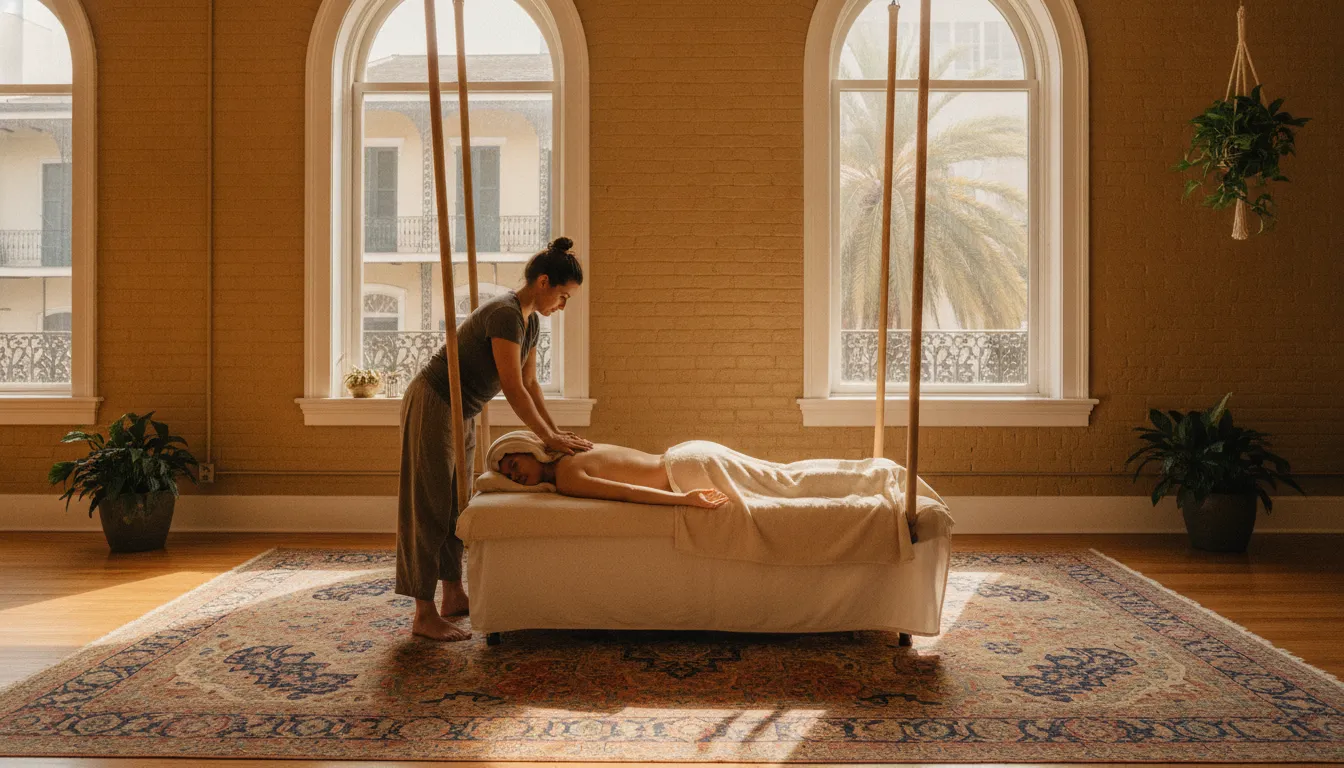
If you love deep pressure but want something more, you have to try Ashiatsu. In this unique and powerful therapy, the massage therapist uses their feet to deliver deep, consistent, and broad pressure. With the help of overhead bars for balance, they can apply a level of pressure that’s hard to achieve with hands or elbows alone. Ashiatsu Deepfeet Bar Therapy is incredible for athletes, those with dense muscle tissue, or anyone who feels like a regular deep tissue massage just doesn’t quite cut it. It provides intense relief without the discomfort of sharp, pointy pressure.
Prenatal: Comfort and Care for Moms-to-Be
Pregnancy is a beautiful journey, but it can also bring aches and pains. A prenatal massage is specifically designed to address the unique needs of expecting mothers. Therapists trained in this modality use special positioning and pillows to ensure you’re completely comfortable and safe throughout the session. The gentle techniques help to alleviate discomfort in the back and hips, reduce swelling, and promote relaxation. A prenatal massage is a wonderful way for moms-to-be to get some relief, reduce stress, and connect with their changing body in a calm and supportive environment.
Couples Massage: Share the Relaxation
A massage is a great personal treat, but it can be even better when shared. A couples massage allows you and a partner, friend, or family member to enjoy your treatments in the same room at the same time. It’s a fantastic way to connect and unwind together, whether you’re celebrating a special occasion or just want to share a moment of tranquility. Each person can customize their own massage, so you can get the deep tissue work you need while your partner enjoys a relaxing Swedish session. Booking a couples massage is a perfect way to build a relaxing memory together.
Beyond the Basics: Specialized Techniques and Add-Ons
While the classic massage types cover a lot of ground, sometimes your body needs a more focused approach. The best massage studios offer specialized techniques and enhancements that allow your therapist to customize the session even further. These aren’t just fancy extras; they are targeted tools that can help address specific issues, from stubborn knots to deep-seated tension. Think of them as a way to fine-tune your massage experience, ensuring you get the maximum therapeutic benefit. Whether it’s a specific modality like trigger point therapy or a soothing add-on like hot stones, these options can transform a good massage into a great one by providing precisely what your body is asking for.
Understanding Trigger Point Therapy and Stretching
If you’ve ever had a “knot” that refers pain to another area, you’ve experienced a trigger point. Trigger point therapy is a focused technique where a therapist applies direct pressure to these specific points to release tension and alleviate pain. It’s often integrated into a deep tissue massage to tackle chronic issues. Similarly, incorporating assisted stretching can dramatically improve your results. A skilled therapist can gently guide your body through stretches that increase flexibility, improve range of motion, and release tightness in ways you couldn’t achieve on your own. This combination of targeted pressure and movement helps to restore muscle function and provide more lasting relief.
Exploring Enhancements like Cupping and Hot Stones
Massage enhancements are a wonderful way to deepen your relaxation and amplify the therapeutic effects of your session. While some studios offer modern techniques like cupping to increase blood flow, others rely on timeless methods like heat therapy. For example, adding Hot Himalayan Salt Stones to your massage can melt away muscle tension and create a profound sense of calm. The warm stones relax the muscles, allowing your therapist to work more deeply and effectively. These add-ons are more than just a luxury; they are therapeutic tools that can help soothe sore muscles, reduce stress, and make your massage experience even more restorative.
Massage for Specific Conditions and Pain Relief
Massage therapy is a powerful ally in managing a wide range of health conditions and chronic pain. It’s much more than a simple stress-reliever; it’s a legitimate therapeutic treatment that can improve quality of life for those dealing with specific ailments. From the persistent discomfort of osteoarthritis to the demands of athletic training, a skilled therapist can adapt their techniques to support your body’s unique needs. The key is open communication. By discussing your condition and goals with your therapist, you allow them to create a personalized treatment plan that safely and effectively addresses your symptoms, helping you find comfort and regain function.
Addressing Chronic Pain from Scoliosis or Osteoarthritis
Living with chronic pain from conditions like scoliosis or osteoarthritis can be challenging, but therapeutic massage offers a non-invasive way to manage symptoms. According to the Arthritis Foundation, massage can help reduce pain and stiffness for those with osteoarthritis. Techniques like trigger point therapy and gentle stretching can release tight muscles that are compensating for structural imbalances, easing discomfort and improving mobility. A therapist experienced in working with chronic conditions will understand how to apply the right amount of pressure and which areas to focus on, providing relief without causing further irritation. This targeted approach can make a significant difference in your day-to-day comfort.
Supporting Athletes and Aiding in Injury Recovery
For athletes and active individuals, massage is an essential part of training and recovery. It helps keep muscles flexible, reduces the risk of injury, and speeds up healing after a tough workout or competition. Techniques like deep tissue massage are excellent for addressing muscle soreness, while modalities like Ashiatsu provide the broad, consistent pressure needed to release tension in large muscle groups. When recovering from an injury, massage can help by increasing circulation to the affected area, breaking down scar tissue, and restoring range of motion. Working with a therapist who understands sports-related issues ensures you get the right treatment to stay at the top of your game.
How to Find the Best Massage Therapist Near You
Finding the right massage therapist can feel a bit like dating—you’re looking for that perfect match. A great massage isn’t just about technique; it’s about finding a professional you trust in a space where you can truly let go and relax. When you’re ready to move beyond a generic search for “massage near me,” a little extra research can make all the difference between an okay experience and a fantastic one. Here are a few simple steps to help you find a therapist who is skilled, professional, and just right for you.
First, Verify Their License and Experience
First things first: any massage therapist you consider should be licensed. This is non-negotiable. A license ensures the therapist has completed the required training and education and adheres to professional standards for safety and ethics. Beyond that, look into their experience. A therapist who has been practicing for years often has a deeper understanding of the body and can better tailor a session to your specific needs. Don’t be shy about looking at a studio’s website to learn about their team of therapists and their backgrounds. An experienced professional will be proud to share their credentials, giving you confidence before you even book.
Why State Licensing is a Non-Negotiable Requirement
When you’re looking for a massage therapist, their state license is your first and most important green flag. Think of it as a baseline for quality and safety. This credential proves that a therapist has completed extensive training in anatomy, physiology, and technique, and is committed to upholding professional standards for safety and ethics. It’s the official confirmation that they have the foundational knowledge to work on your body effectively and responsibly. Verifying a license gives you the peace of mind to fully relax, knowing you’re in the hands of a qualified professional. At Nola Bliss, we believe this is so fundamental that every one of our therapists is not only licensed but also brings years of dedicated experience to the table, ensuring your session is both safe and deeply therapeutic.
See What Others Are Saying in Online Reviews
Online reviews are your best friend when vetting a new massage studio. Check out what people are saying on Google, Yelp, and other review sites. Look past the star rating and read the actual comments. Are clients raving about the clean, calming atmosphere? Do they mention specific therapists by name for their incredible skill? Look for patterns in the feedback. Consistent praise for professionalism, punctuality, and effective treatments is a great sign that you’ve found a winner. Vague or overly negative reviews, especially about cleanliness or conduct, are a clear signal to keep looking elsewhere for your relaxation needs.
Check for Specialized Training and Certifications
Not all massages are created equal, and neither are massage therapists. If you’re looking for something specific, like prenatal massage or intense deep tissue work, find a therapist who specializes in that area. Many therapists pursue advanced certifications to master specific techniques. For example, if you want a truly deep and consistent pressure, you might look for someone trained in Ashiatsu Deepfeet Bar Therapy, a unique modality where the therapist uses their feet to deliver the massage. A studio that invests in specialized training shows a commitment to providing high-quality, targeted care for its clients, ensuring you get the exact treatment you’re looking for.
Finding a Therapist Who Understands Your Needs
A truly therapeutic massage is a partnership between you and your therapist. It’s about more than just technique; it’s about finding a professional who listens and adapts the session to what your body needs at that moment. The best studios are built around a team of dedicated, licensed, and highly experienced therapists who have a deep understanding of anatomy and a passion for healing. They know how to apply consistent, controlled pressure and can tailor their approach to address your specific aches and pains. When you find a therapist who is genuinely invested in your well-being, you’re not just getting a massage—you’re getting personalized care that can make a real difference in how you feel long after you leave the table.
Science-Backed vs. Holistic: Choosing an Approach
While every licensed therapist has a solid foundation in anatomy and physiology, their individual approach can vary. Some may focus on a more clinical, science-backed style that’s perfect for injury recovery or chronic pain management, while others might incorporate more holistic elements to address both mind and body. Neither is better than the other; it’s about what resonates with you. The most important thing is that they are a licensed professional with the experience to meet your goals. A great therapist will integrate their knowledge to create a session that feels right for you, ensuring you receive a safe, effective, and restorative treatment every time.
Look for a Trauma-Informed and Inclusive Practice
Your ability to relax is directly tied to how safe you feel. That’s why it’s so important to find a studio that is not only professional but also inclusive and trauma-informed. This means they create a welcoming environment for everyone, regardless of age, gender, body type, or background. A trauma-informed practice prioritizes your comfort and consent above all else. Your therapist should clearly communicate with you, respect your boundaries, and empower you to guide the session, whether that means adjusting pressure or using nonverbal cues. Feeling psychologically safe is the foundation of physical relaxation, so look for a studio where you feel seen, heard, and respected from the moment you walk in the door.
Get a Feel for the Studio in Person
Your environment plays a huge role in your ability to relax. Before you book, take a moment to check out the studio. You can often get a good feel for the place just by looking at the photos on its website. Does it look clean, professional, and inviting? A great massage studio should feel like a sanctuary. When you arrive for your appointment, that impression should hold up. The space should be tidy, smell pleasant, and feel peaceful. A clean and well-cared-for studio is a strong indicator of a professional and respectful practice that takes your comfort and well-being seriously.
Ask Friends for Trusted Recommendations
Sometimes the best way to find a hidden gem is through word-of-mouth. Ask friends, family, or coworkers if they have a massage therapist they absolutely love. People are usually happy to share a great find. You can also ask other wellness professionals you trust, like your chiropractor, physical therapist, or doctor, for a recommendation. They often have a network of trusted practitioners they can refer you to. A personal recommendation gives you an extra layer of confidence that you’re putting yourself in good hands, making it easier to relax and enjoy your massage from the moment you walk in.
Your First Massage: What to Expect from Start to Finish
Walking into a massage studio for the first time can feel a little mysterious, but it’s a straightforward process designed entirely around your comfort and well-being. Knowing what’s coming can help you relax and get the most out of your experience. From the initial chat to post-massage care, here’s a simple breakdown of what your appointment will look like.
The Pre-Massage Chat: What to Cover
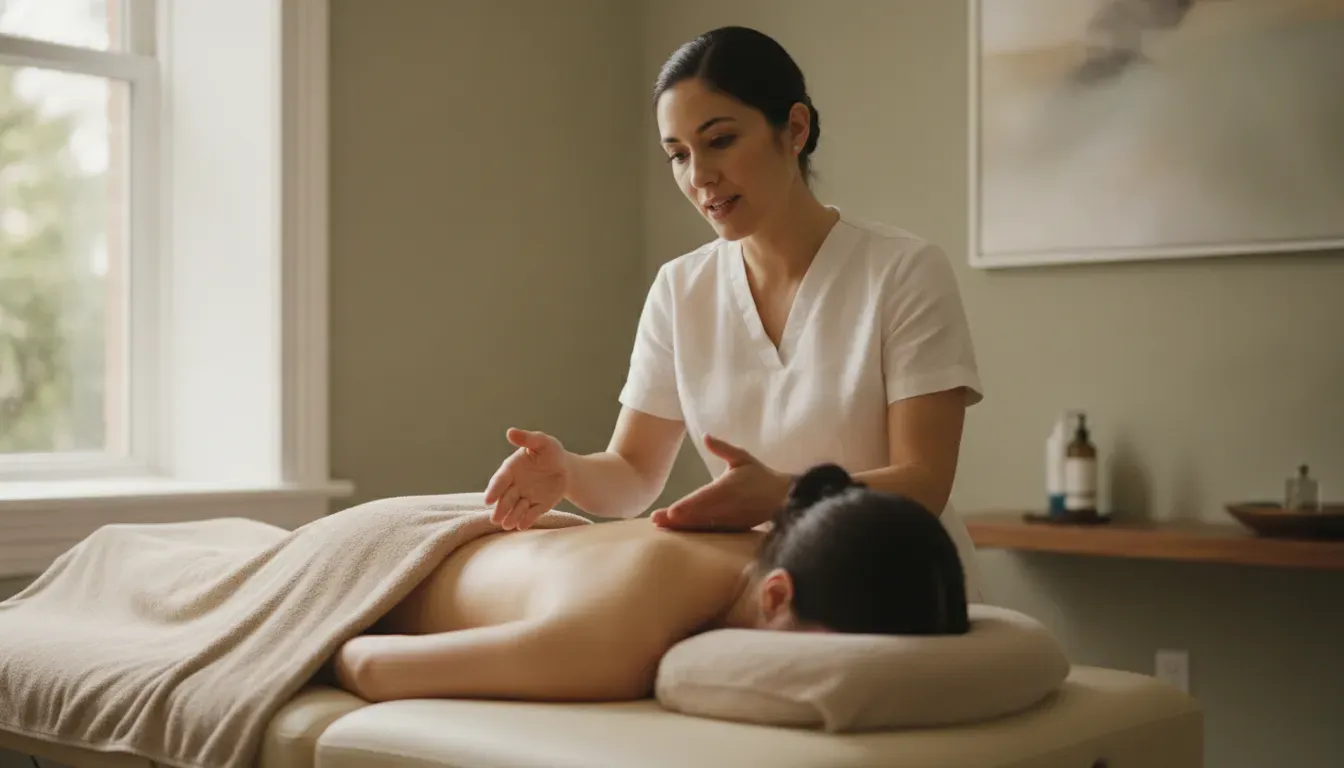
Before your massage begins, your therapist will sit down with you for a brief chat. This isn’t just small talk; it’s a crucial step to ensure your massage is safe and effective. Expect them to ask about your health history, any injuries, chronic pain, or medical conditions you have. This is your time to be open and specific. Point out exactly where you feel tension and mention any areas you’d like them to focus on or avoid. Whether you’re looking for the intense relief of a deep tissue massage or gentle relaxation, this conversation helps your therapist tailor the session just for you.
Massage Etiquette 101: Simple Dos and Don’ts
The biggest question people have is usually about tipping. Since massage is a personal service, tipping your therapist is a standard and appreciated practice. A good rule of thumb is to tip 20% of the service cost, similar to what you might leave at a restaurant or salon. While you can often add a tip to your card payment, bringing cash is a thoughtful gesture that ensures your therapist receives it directly and immediately. Don’t stress about it too much—the most important thing is to communicate with your therapist and relax.
How to Prepare Before You Arrive
Once you’re in the private treatment room, your therapist will step out to allow you to get ready. You can undress to your personal comfort level. Some people prefer to leave their underwear on, while others choose to be completely nude. It’s entirely up to you. You’ll lie on the massage table and cover yourself with the sheet or towel provided. Your therapist will keep you securely covered—a technique called “draping”—throughout the session, only uncovering the specific part of your body they are working on. Our team of licensed professionals is dedicated to maintaining your privacy and comfort at all times.
After Your Massage: Self-Care and Next Steps
After your massage, take your time getting up. You might feel deeply relaxed or even a little lightheaded. Your therapist will likely recommend drinking plenty of water to help flush out any toxins released from your muscles. It’s also normal to feel a bit sore the next day, especially after a deep tissue or Ashiatsu massage, much like you would after a good workout. Most importantly, remember that you are always in control. If at any point during a massage you feel uncomfortable or that a boundary has been crossed, you have every right to speak up and end the session immediately.
Massage Red Flags You Shouldn’t Ignore
Finding the right massage therapist can be a game-changer for your well-being. But just like any professional service, quality can vary. A great massage leaves you feeling relaxed and rejuvenated, while a bad one can be uncomfortable or even unsafe. Knowing a few key warning signs will help you steer clear of subpar experiences and find a studio that truly prioritizes your care. Here’s what to keep an eye out for.
Red Flag #1: No License or Certification
This is the most important red flag and a complete deal-breaker. A license isn’t just a formality; it’s proof that your therapist has completed extensive training in anatomy, technique, and safety protocols. Practicing without a license is unprofessional and illegal. A reputable studio will always hire licensed professionals and often displays their credentials proudly. If you don’t see a license, don’t be shy about asking. Your safety is the top priority, and you deserve a therapist who is qualified to provide care. All of our therapists at Nola Bliss are licensed and have years of dedicated experience.
Red Flag #2: An Unclean or Unprofessional Space
Your first impression of a massage studio matters. When you walk in, the space should feel calm, clean, and welcoming. Pay attention to the details. Are the linens on the massage table fresh? Is the room free of clutter and dust? Does the space have a pleasant, neutral smell? Unpleasant odors, dirty floors, or a generally disorganized environment are all signs that the studio doesn’t maintain high standards of hygiene. A clean space is essential for a relaxing and safe experience, as it shows respect for both the clients and the therapeutic practice itself.
Red Flag #3: Inappropriate Comments or Behavior
A professional massage therapist is dedicated to creating a safe and comfortable environment. A major red flag is any therapist who ignores your feedback or violates professional boundaries. If you say the pressure is too much and they don’t adjust, that’s a problem. Your therapist should check in with you and respect your comfort levels at all times. Inappropriate comments or improper draping that makes you feel exposed are also serious warning signs. Remember, you are in control of your session. You have every right to speak up or end the massage if you ever feel uncomfortable.
Red Flag #4: Pushy Sales Tactics or Hidden Fees
Your massage should be a therapeutic escape, not a high-pressure sales pitch. While a therapist might recommend a future session or a product that could help you, it should never feel aggressive. You should feel cared for, not sold to. Another red flag is a lack of transparency in pricing. The cost of your massage service and any add-ons should be clearly communicated upfront. Be wary of studios that surprise you with hidden fees at checkout. A professional establishment will always be straightforward about their pricing, so you can relax without worrying about the final bill.
Red Flag #5: Unclear Boundaries and Draping Practices
A professional massage is a therapeutic partnership built on trust and respect. Clear boundaries are the foundation of that trust, ensuring you feel safe and secure from the moment you lie on the table. This includes everything from how the therapist communicates with you to how they use draping techniques to protect your privacy. Any ambiguity or discomfort in this area is a significant red flag. A legitimate therapist will prioritize your comfort above all else, and their actions should always reflect a deep respect for your personal space and boundaries.
Understanding Professional Boundaries and Private Areas
During a professional massage, you will be covered by a sheet or blanket, a practice known as draping. Your therapist will only uncover the specific part of your body they are actively working on, ensuring your privacy is maintained at all times. You should never feel uncomfortably exposed. Your therapist should also check in with you and respect your comfort levels throughout the session. Remember, you are in control. If a therapist’s comments or draping practices make you feel uneasy, you have every right to speak up or end the session immediately. Your peace of mind is paramount in any therapeutic setting.
How to Spot Illicit Services by Their Terminology
Professional massage therapy is a legitimate healthcare service, and the language used to describe it should be clinical and therapeutic. Be cautious of vague or suggestive terminology in advertisements or on websites. Phrases like “full body release” or “table shower” are not standard terms in the massage industry and are often used by illicit businesses. A professional studio will clearly list its services using recognized names like Swedish, Deep Tissue, or Prenatal. They will also emphasize the qualifications of their dedicated team of licensed therapists, focusing on health, wellness, and pain relief rather than anything else.
Making Your Massage Worth Every Penny
A great massage is an investment in your well-being, and like any investment, you want to make sure you’re getting a good return. Getting the most value isn’t just about finding the lowest price; it’s about finding the right experience that leaves you feeling refreshed, relaxed, and restored. It means knowing what to expect when it comes to costs, how to find quality care that fits your budget, and understanding the etiquette that ensures a great experience for both you and your therapist. With a little bit of knowledge, you can make your massage budget work harder for you, turning a simple appointment into a truly valuable part of your self-care routine.
What Goes Into the Price of a Massage?
Massage prices can vary quite a bit, and it’s helpful to understand what you’re paying for. The cost often reflects the therapist’s level of experience, specialized training, and the quality of the studio environment. A session at a dedicated therapeutic studio will likely cost more than one at a large chain, but you’re paying for expertise. For example, a therapist certified in a specialized modality like Ashiatsu Deepfeet Bar Therapy has invested significant time and money into their education. The price also covers the studio’s amenities, high-quality lotions and oils, and the time dedicated solely to you, ensuring a professional and focused session.
Comparing Session Lengths and Peak vs. Off-Peak Pricing
When you’re looking at a massage menu, you’ll notice that longer sessions, like 90 or 120 minutes, often provide better value. While the upfront cost is higher, the price per minute is usually lower, giving your therapist more time to address problem areas thoroughly without rushing. Some establishments also use peak and off-peak pricing, charging more for high-demand slots like evenings and weekends. If your schedule is flexible, you can often save money by booking a session on a weekday afternoon. This allows you to get the same high-quality massage for a lower price, making regular self-care more accessible and affordable.
Studio vs. Spa: Understanding Different Amenities
It’s also helpful to know the difference between a massage studio and a day spa. A spa typically offers a wide range of amenities like saunas, steam rooms, and hot tubs, creating an all-day pampering experience. A massage studio, on the other hand, specializes in one thing: providing exceptional, therapeutic massage. At a dedicated studio, the focus is entirely on the quality of the treatment. These studios often attract career-focused therapists who are passionate about their craft, resulting in a more personalized and effective session tailored to your specific wellness goals.
How to Find a Great Massage on a Budget
While it’s tempting to search for the cheapest option, the best value often comes from an independent studio with a strong local reputation. These studios prioritize client results over volume, and their therapists are often more experienced and passionate about their craft. Instead of focusing only on price, look for value. Does the studio employ highly trained therapists? Do their online reviews speak to consistent, high-quality experiences? A slightly more expensive massage that actually addresses your pain or stress is a much better investment than a cheaper one that leaves you feeling unchanged.
Save Money with Memberships and Special Offers
If you plan on making massage a regular part of your routine, ask about programs that can make it more affordable. Many studios offer memberships or package deals that reduce the per-session cost when you buy in bulk. This is a fantastic way to commit to your wellness while saving money over time. It’s also smart to keep an eye out for seasonal promotions or special offers, especially around holidays. Following your favorite studio on social media or signing up for their email list is a great way to stay in the loop. These programs are designed to reward loyal clients and make consistent self-care more accessible.
Consider Package Deals for Regular Sessions
If you’ve found a therapist and studio you love, making massage a consistent part of your self-care routine is the best way to see lasting benefits. For those committed to their well-being, package deals are an incredibly smart option. Many studios, including ours, offer packages that reduce the per-session cost when you purchase several regular massage sessions at once. This approach makes consistent care more affordable and encourages you to prioritize your health. Remember, a slightly more expensive massage that actually addresses your pain is a much better investment than a cheaper one that offers only temporary relief. Committing to a package is a fantastic way to invest in your long-term wellness while saving money in the process.
How Much Should You Tip for a Massage?
Tipping is a standard practice in the massage industry and a way to show appreciation for your therapist’s hard work and skill. A good rule of thumb is to tip 20% of the total service cost. One important piece of etiquette to remember is that you should always base your tip on the original price of the service, not a discounted one. If you use a coupon or book during a promotion, your therapist is still providing the full value of the service. A proper tipping practice ensures these talented professionals are fairly compensated for their expertise and care.
Related Articles
- Couples Massage | Nola Bliss Massage Therapy
- About Us | Nola Bliss Massage Therapy
- Home | Nola Bliss Massage Therapy
Frequently Asked Questions
How do I know which type of massage to book? The best way to decide is to think about your goal for the session. If you’re looking to unwind and de-stress, a Swedish massage is a perfect choice for overall relaxation. If you have specific, stubborn knots or chronic tension, a deep tissue massage will provide more targeted relief. Don’t worry about getting it perfect—you can always discuss your needs with your therapist during the pre-massage consultation to make sure you get the right treatment.
Do I have to get completely undressed for my massage? Absolutely not. Your comfort is the top priority. You should only undress to the level you feel comfortable with. Some people prefer to leave their underwear on, while others don’t. Either way, you will be securely covered by a sheet throughout the entire session, and your therapist will only uncover the specific area of your body they are working on at that moment.
What if the pressure is too intense or not deep enough during the massage? Please speak up! Your feedback is essential for a great massage. A professional therapist will check in with you about the pressure, but you should always feel empowered to let them know if you need more or less at any time. This is your session, and open communication ensures you get exactly what your body needs without any discomfort.
Is it normal to feel sore the day after a massage? Yes, it can be, especially after a deep tissue or Ashiatsu session. Think of it like the soreness you feel after a good workout. Your muscles have been worked and stretched, and some tenderness is a sign that deep-seated tension was released. Drinking plenty of water after your appointment can help minimize this feeling, which should fade within a day or two.
I love deep pressure. Should I get a deep tissue massage or Ashiatsu? This is a great question. While both are fantastic for deep work, they feel very different. A deep tissue massage uses hands, knuckles, and elbows to apply targeted pressure to specific knots. Ashiatsu uses the therapist’s feet to deliver broader, heavier, and more consistent pressure over a larger area. If you find that the pointed pressure of an elbow can sometimes be too intense, Ashiatsu might be the perfect alternative for you.