
The idea of getting a massage with feet might sound unusual, but it’s one of the most effective ways to get deep muscle relief. If you love deep tissue work but hate the wince-inducing pain of a sharp elbow, Ashiatsu could be for you. Translating to “foot pressure,” this therapy uses the broad surface of the foot to apply deep, even pressure that melts away tension. Your muscles can finally relax and accept the work without tensing up. This guide breaks down all the key Ashiatsu massage benefits to show you how this powerful technique delivers profound relief.
Key Takeaways
- Get deep relief without the sharp discomfort: Ashiatsu uses the therapist’s feet to apply broad, consistent pressure, allowing your muscles to relax and accept deep work without the poking sensation of elbows or thumbs.
- Experience benefits that last beyond the session: The technique works on the deepest layers of muscle and connective tissue to improve flexibility and release chronic tension, helping you feel better for a longer period.
- Know if it’s the right fit for your body: While ideal for chronic pain and dense muscles, Ashiatsu isn’t for everyone, particularly if you are pregnant or have certain medical conditions. A quick conversation with your therapist ensures a safe and effective experience.
Ashiatsu vs. Deep Tissue: Which Massage is for You?
When you’re looking for serious relief from muscle pain, you’ll likely come across two popular options: Ashiatsu and traditional deep tissue massage. While both are designed to release stubborn tension deep within your muscles, the way they achieve this is fundamentally different. Think of it as the difference between using a small, targeted tool versus a broad, smoothing one. A traditional deep tissue massage relies on the therapist’s hands, knuckles, and elbows to apply focused pressure on specific knots. It’s direct and effective.
Ashiatsu, however, takes a completely different approach. This technique uses the therapist’s feet to deliver pressure, creating an experience that feels unlike any other massage. This one change in application transforms everything, from the sensation of the pressure to the lasting results you feel. Understanding the key distinctions can help you decide which massage is the right fit for your body’s needs. Let’s look at what truly sets these two powerful therapies apart.
So, What is Ashiatsu Massage?
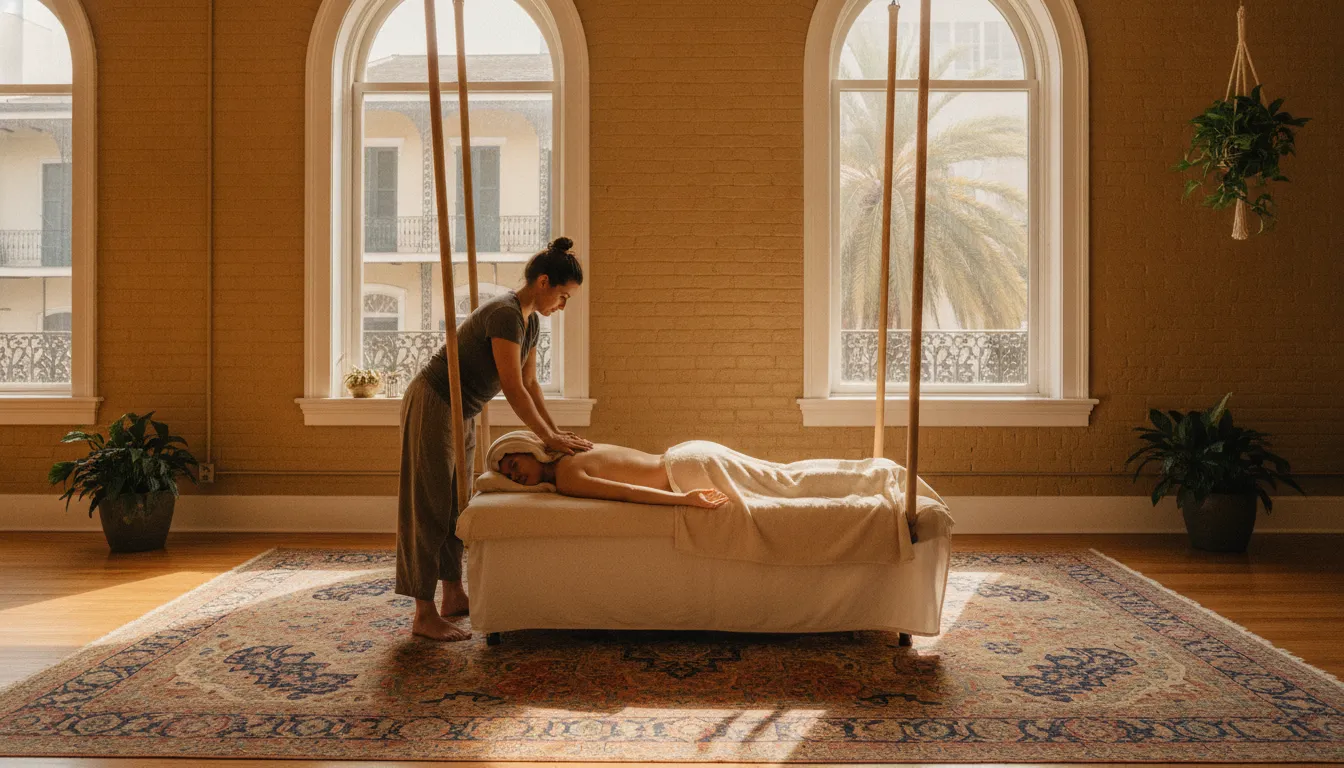
Ashiatsu, which translates from Japanese to “foot pressure,” is a highly specialized form of bodywork where the therapist performs the massage with their feet. To do this, they use parallel bars mounted on the ceiling for balance, allowing them to apply the perfect amount of downward pressure with complete control. Our Ashiatsu Deepfeet Bar Therapy involves long, flowing, gravitational strokes that glide over the body. This method provides deep compression and also incorporates gentle stretching of the muscles and the body’s connective tissue. It’s a graceful yet powerful technique that requires extensive training and precision to master.
The Ancient Roots of Barefoot Massage
While it might feel like a modern innovation, the practice of using feet for massage has a rich history spanning millennia. Ashiatsu is a Western adaptation of techniques that originated in various parts of Asia and have been used for over 3,000 years. The name itself is Japanese, translating literally to “foot pressure,” but the core principles draw from ancient healing arts across the continent. These early practitioners understood that the foot could provide a broader, more consistent pressure than the hands, allowing for deep therapeutic work without causing sharp discomfort. The modern version of Ashiatsu, especially the use of overhead bars for balance and control, refines these ancient methods into a precise and powerful therapy.
How Ashiatsu Combines Multiple Therapies
What makes Ashiatsu so uniquely effective is that it’s not just one type of therapy; it’s a powerful combination of three. First, it delivers deep tissue work, using the therapist’s body weight to reach the deepest layers of muscle and fascia. Second, it incorporates compression, as the broad surface of the foot presses down on tight muscles, helping to release chronic tension and improve circulation. Finally, the long, gliding strokes provide myofascial stretching, which helps to lengthen and realign the body’s connective tissues. This fusion of techniques allows your therapist to address complex issues like chronic back pain and sciatica in a way that feels both deeply therapeutic and incredibly relaxing.
Why Barefoot Pressure Feels Different
If you’ve ever found yourself tensing up on the table as a therapist’s elbow digs into a sore spot, you’ll immediately appreciate the feeling of Ashiatsu. Because the foot has a much broader and softer surface than a pointy elbow or thumb, it can deliver deep pressure without feeling sharp or painful. The pressure is distributed over a larger area, which allows your muscles to relax and accept the work more easily. You get all the intensity and benefits of a deep massage, but the sensation is smooth, consistent, and surprisingly relaxing. It’s the perfect solution for anyone who wants profound relief that feels luxurious, not punishing.
Feet vs. Hands: A New Kind of Deep Tissue
In a traditional deep tissue massage, the therapist uses their hands and elbows to zero in on specific trigger points and knots. This approach is great for targeted work but can sometimes feel intense. With Ashiatsu, the therapist’s feet provide a steady, consistent pressure that can address a larger area of the body at once. This creates a sense of deep compression that can release tension more globally and efficiently. It’s often called one of the deepest and most luxurious massages for a reason. The feet allow your therapist to sink into muscle layers in a way that hands simply can’t, offering a uniquely satisfying and effective experience.
The Real Benefits of Ashiatsu Massage
If you’re looking for a massage that goes beyond surface-level relaxation, Ashiatsu might be exactly what your body needs. This unique therapy uses deep, consistent pressure to address chronic pain and tension in a way that traditional massage often can’t. The long, gliding strokes delivered by the therapist’s feet work to stretch and lengthen your muscles, providing a host of benefits that you can feel long after you leave the table. From melting stubborn knots to improving your flexibility, here are five key reasons to try an Ashiatsu Deepfeet Bar Therapy session.
Find Lasting Relief from Muscle Tension
We all have those persistent knots that seem impossible to get rid of, especially in the back, shoulders, and hips. Ashiatsu is incredibly effective at targeting this kind of deep-seated tension. The therapist uses their body weight to apply broad, consistent pressure with their feet, which helps to release tight muscles and break up adhesions. This deep compression also encourages better blood flow to the area, which helps flush out inflammation that contributes to pain and discomfort. It’s a powerful way to find relief from chronic aches and pains that just won’t seem to go away.
Support Your Body’s Natural Circulation
Think of an Ashiatsu massage as a reset for your body’s internal systems. The long, flowing strokes help stimulate both your circulatory and lymphatic systems. This improved circulation brings oxygen-rich blood to your muscles, helping them repair and recover more efficiently. At the same time, it encourages lymphatic drainage, which is your body’s natural way of clearing out toxins and metabolic waste. This process not only helps you feel less sluggish but also supports your overall health and well-being, leaving you feeling refreshed and revitalized from the inside out.
Improve Your Flexibility and Mobility
Feeling stiff or restricted in your movements? Ashiatsu can help. The technique is designed to stretch and elongate tight muscles and the connective tissue, known as fascia, that surrounds them. This is especially beneficial for athletes, runners with tight IT bands, or anyone who spends a lot of time sitting at a desk. By gently stretching shortened muscle fibers and breaking down scar tissue from old injuries, this massage can significantly improve your flexibility. You’ll likely notice a greater range of motion in your joints, making everyday movements feel easier and more fluid.
Get Deep Pressure Without the Pointy Elbows
One of the biggest misconceptions about deep tissue work is that it has to be painful to be effective. Ashiatsu proves that’s simply not true. While the pressure can be up to three times deeper than a traditional hands-on massage, it feels much more comfortable. Because the therapist uses the broad surface of their foot instead of a pointy elbow or thumb, the pressure is distributed evenly across your muscles. This allows for incredibly deep work without the sharp, poking sensation that can make you tense up. You get all the therapeutic benefits of a deep massage while staying completely relaxed.
Enjoy Longer-Lasting Massage Results
While any massage feels good in the moment, the true test is how you feel in the days that follow. Because Ashiatsu works on the deepest layers of muscle tissue, its effects are often much more long-lasting. By effectively releasing chronic tension, stretching shortened muscles, and improving circulation, the treatment addresses the root cause of your discomfort rather than just providing a temporary fix. Many people find that the profound relief from an Ashiatsu session stays with them, helping them feel better for a longer period and making it a valuable part of their wellness routine.
Can Ashiatsu Actually Help Chronic Pain?
If you’re dealing with chronic pain, you know it can feel like a constant battle. You need relief that goes beyond the surface, targeting the root cause of your discomfort. This is where Ashiatsu massage truly shines. By using the feet and body weight, your therapist can deliver a level of deep, consistent pressure that’s hard to achieve with hands alone. This unique approach allows for a more profound therapeutic experience, helping to release long-held tension and address the complex layers of chronic pain in a way that is both effective and incredibly soothing.
How It Accesses Deep Muscle Layers
One of the biggest challenges in treating chronic pain is reaching the deep layers of muscle and connective tissue where tension is often stored. Ashiatsu Deepfeet Bar Therapy is specifically designed to overcome this hurdle. Using their feet, a therapist can apply much more pressure and compression than they can with their hands or elbows. This allows them to sink into those hard-to-reach muscles, releasing knots and tightness that have been building up for months or even years. It’s a special kind of deep tissue work that also incorporates stretching, providing a comprehensive treatment for stubborn pain.
Smoothing Out Stubborn Knots and Adhesions
Chronic pain is often caused by tight muscle knots, also known as adhesions, and restrictive scar tissue from old injuries. The broad, gliding pressure of an Ashiatsu massage is perfect for addressing these issues. The deep compression from the therapist’s feet helps to loosen and break up these tight tissues, which in turn helps flush out inflammation that contributes to long-term pain. By smoothing out these problem areas, Ashiatsu helps restore healthy circulation and function to the muscles, offering significant and lasting relief from persistent aches.
A Full-Body Stretch for Your Fascia
Ashiatsu is more than just deep pressure; it’s also a fantastic way to stretch your body. The long, flowing strokes used in this technique gently elongate muscle fibers and the surrounding connective tissue, known as fascia. This is especially beneficial for improving flexibility and range of motion, which can become limited due to chronic pain or overuse. If you have tight spots from a past injury, the deep stretching in an Ashiatsu session can help release that built-up tension. It’s a holistic approach that addresses both the muscles and the tissues that connect them, helping your whole body feel more open and free.
Targeted Relief for Specific Aches and Pains
If you’re struggling with specific trouble spots like a constantly aching lower back, tight hips from sitting all day, or stubborn knots in your shoulders, Ashiatsu offers a uniquely effective solution. Your therapist uses their feet to deliver long, sweeping strokes that cover large muscle groups with deep, consistent pressure, which is perfect for releasing the tension that causes chronic pain. Instead of just poking at a knot, the broad pressure helps to smooth out adhesions and lengthen tight muscle fibers, encouraging fresh blood flow to the area. This not only provides immediate relief but also supports your body’s natural healing process, making it an excellent choice for anyone looking to address persistent discomfort.
Why This Deep Massage is So Relaxing
Many people associate deep tissue work with discomfort, but Ashiatsu offers a different experience. Because the therapist uses the broad surface of their foot, the pressure is distributed more evenly and feels less sharp or poky than the thumbs or elbows used in a traditional deep tissue massage. This allows you to receive incredibly deep and effective work without the wincing or discomfort that can sometimes accompany it. The result is a treatment that is profoundly therapeutic yet deeply relaxing, allowing your body and mind to fully let go.
Lowering Stress Hormones like Cortisol
Ashiatsu massage does more than just work out physical knots; it also has a profound effect on your mental state. When your body is under stress, it produces higher levels of the hormone cortisol. While useful in short bursts, chronic elevation of cortisol can lead to a host of health issues. The deep, consistent pressure of an Ashiatsu massage helps to calm your nervous system, signaling to your body that it’s safe to relax. This therapeutic touch has been shown to lower cortisol levels, which in turn can help reduce your heart rate and blood pressure, leaving you with a genuine sense of tranquility that lasts well beyond the session.
The sustained, gliding strokes of Ashiatsu encourage your body to shift from the “fight or flight” sympathetic nervous system to the “rest and digest” parasympathetic state. This is your body’s natural relaxation response. As this shift occurs, your body slows its production of stress hormones and increases the release of mood-improving neurotransmitters like serotonin and dopamine. This is why so many people report feeling not just physically looser but also mentally clearer and less anxious after a session. It’s a powerful way to manage the physiological impact of stress, making it an essential tool for maintaining both your physical and emotional well-being.
Is Ashiatsu Right for You?
Ashiatsu massage offers a uniquely deep and soothing experience, but it’s smart to know if it aligns with your body’s needs before you book. This incredible technique isn’t a one-size-fits-all solution. Your health history, pain points, and wellness goals all play a part in determining if barefoot massage is your perfect match. Let’s walk through who benefits most from this therapy and when it might be best to consider a different approach.
Who Should Try Ashiatsu Massage?
You will likely love Ashiatsu Deepfeet Bar Therapy if you’re looking for profound relief that goes beyond a standard massage. This technique is especially effective for people with dense muscle mass, including athletes or those with physically demanding jobs. If you suffer from chronic pain in your back or hips, struggle with sciatica, or feel like your muscles are constantly tight and knotted, Ashiatsu can provide the broad, consistent pressure needed to release that tension. It’s also a fantastic choice for anyone who loves deep tissue work but wants to avoid the discomfort of pointed elbows or thumbs.
Ideal for Experienced Massage Clients
If you’re a seasoned massage client who regularly seeks out deep tissue work, you understand the difference between a light, fluffy massage and one that delivers real therapeutic results. Ashiatsu is the perfect next step for anyone who has a higher tolerance for pressure and is looking for a more profound experience. Because the therapist uses the broad surface of their feet, they can apply deep, consistent pressure that allows your muscles to relax and accept the work without the poking sensation of elbows or thumbs. For those accustomed to deep work, an Ashiatsu massage offers a level of compression that is often unmatched by traditional techniques, making it an ideal choice for a truly effective and luxurious session.
Important Reasons to Skip This Massage
Your safety and well-being are our top priorities. While Ashiatsu is a powerful healing tool, there are certain situations where it is not recommended. Please avoid this type of massage if you are pregnant, have had surgery within the last six months, or have conditions like severe osteoporosis, unmanaged high blood pressure, or varicose veins. It’s also not suitable if you have breast implants, stents, or shunts. If you are expecting, we offer a wonderful prenatal massage designed specifically for your comfort and safety.
Is Ashiatsu Safe? Common Concerns Addressed
One of the biggest misconceptions about Ashiatsu is that it must be painful because the therapist is using their feet. The opposite is actually true. Because the foot provides a broad, flat surface, it distributes pressure evenly across a larger area of your muscle. This allows your therapist to deliver deep, consistent pressure without the sharp or poky feeling that can sometimes come from an elbow or thumb. Many clients find Ashiatsu to be a more comfortable and relaxing way to receive the deep tissue work their bodies crave.
When to Check With Your Doctor First
It’s always a good idea to be proactive about your health. If you have any ongoing medical conditions, have recently sustained an injury like a broken bone, or simply aren’t sure if Ashiatsu is safe for you, we encourage you to have a quick chat with your doctor. Getting their approval ensures that we can provide a massage experience that is both effective and completely safe for your individual needs. Once you have the all-clear, you can explore our full menu of massage services with confidence.
Your First Ashiatsu Massage: What to Expect
Trying a new style of massage can feel like a small adventure, and Ashiatsu is definitely a unique experience. If you’ve only ever had massages done by hand, the idea of a therapist using their feet might bring up a few questions. But trust me, once you feel the deep, consistent pressure, you’ll understand why so many people swear by it for serious muscle relief. It’s a game-changer for chronic tension and those stubborn knots that never seem to go away. Knowing what to expect before you get on the table can help you relax and fully sink into the experience, making it that much more effective.
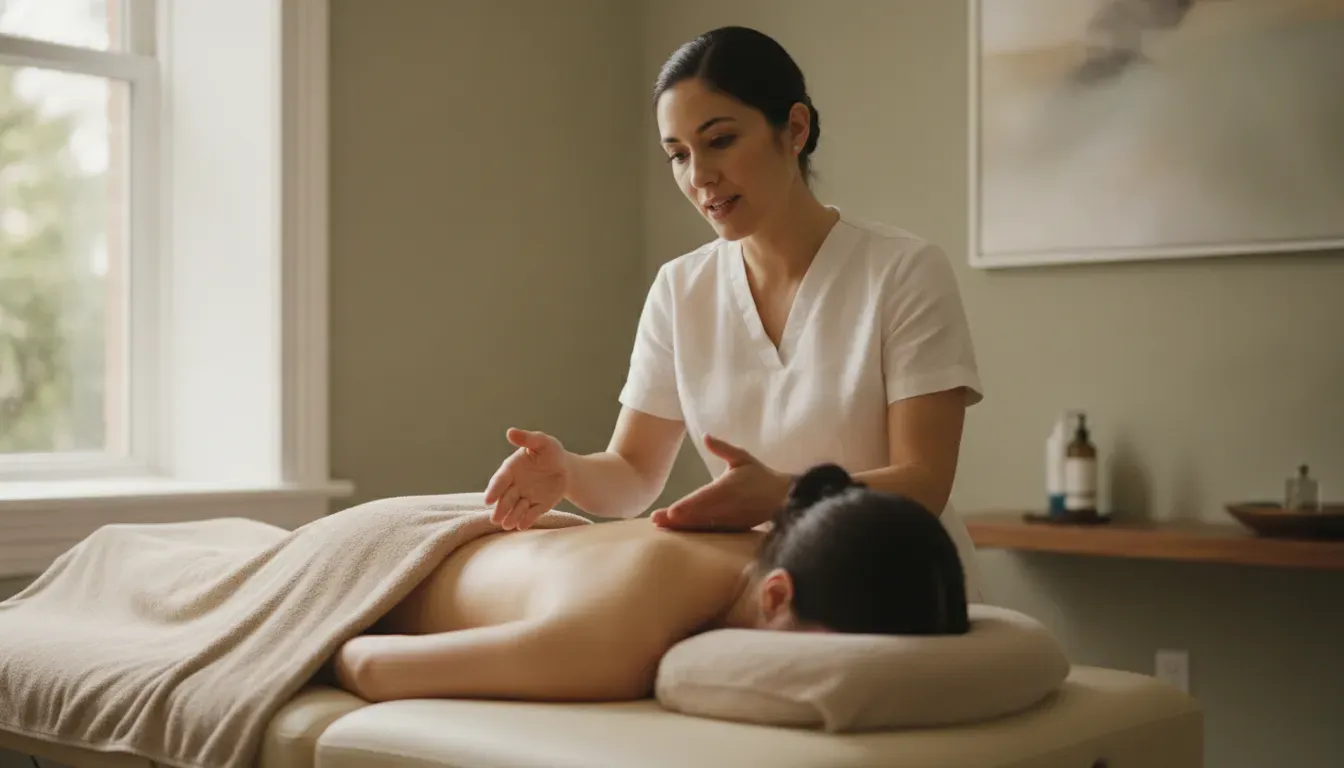
Your first Ashiatsu Deepfeet Bar Therapy session is all about deep relaxation and release. From the moment you walk in, our goal is to make you feel comfortable and cared for. We’ll talk through your needs, any problem areas you’re dealing with, and what you hope to get out of the massage. Think of it as a collaboration between you and your therapist. We’ll cover everything from how to prepare for your appointment to the best ways to extend that blissful, post-massage feeling long after you leave. Let’s walk through what your first session will look like so you can arrive feeling confident and ready to unwind.
How to Prepare for Your First Session
Getting ready for your Ashiatsu massage is incredibly simple. Your main task is to focus on hydration. The best way to prepare is to drink plenty of water in the 24 hours leading up to your appointment, even a little more than you normally would. When your muscle tissue is well-hydrated, it’s more pliable and responsive to deep pressure. This not only makes the massage more effective but can also help reduce any potential soreness afterward. Think of it as prepping your muscles to get the most out of every gliding stroke.
What’s the Deal with the Bars on the Ceiling?
When you step into the treatment room, you’ll notice a set of parallel bars on the ceiling directly above the massage table. These bars are the secret to a great Ashiatsu massage. They aren’t for acrobatics; they’re for balance and control. Your therapist holds onto the bars for support, allowing them to use their body weight to apply smooth, deep, and consistent pressure with their feet. This setup gives them incredible precision, so they can glide over broad muscles or address specific knots without the sharp, pointy pressure that can sometimes come from elbows or thumbs.
How to Find Your Perfect Pressure
Your comfort is the most important part of the massage, and communication is key. While Ashiatsu is known for its deep pressure, it should always feel like a “good” deep, never painful. Your therapist will check in with you, but please don’t hesitate to speak up. Let them know if you’d like more pressure, less pressure, or if they’ve found a spot that needs a little extra attention. This is your time, and an open conversation ensures you get exactly the relief you’re looking for. Our therapists are experts at adjusting their technique to fit your needs.
Post-Massage Care for the Best Results
After your session, continue to drink plenty of water. This helps your body flush out any metabolic waste that was released from your muscle tissues during the deep massage. It’s also normal to feel a little bit of soreness for a day or so, similar to how you might feel after a good workout. This is just a sign that your muscles have been worked effectively. Take it easy, maybe enjoy a warm bath with Epsom salts, and allow your body to integrate the changes. The lasting relief and improved flexibility you’ll feel are well worth it.
Why You’ll Experience Less Post-Massage Soreness
It’s a common myth that a deep tissue massage has to leave you feeling sore for days to be effective. Ashiatsu proves that’s simply not true. While the pressure can be up to three times deeper than a traditional hands-on massage, it feels much more comfortable. Because the therapist uses the broad surface of their foot instead of a pointy elbow or thumb, the pressure is distributed evenly across your muscles. This allows for incredibly deep work without the sharp, poking sensation that can make you tense up. You get the release your body needs without the typical post-massage tenderness, letting you enjoy the benefits right away.
Planning Your Ashiatsu Sessions
Integrating Ashiatsu into your wellness routine is a great way to manage both chronic issues and everyday stress. If you’re dealing with long-term pain or recovering from an injury, you might consider scheduling sessions closer together at first—perhaps every one to two weeks. This consistency helps your body adapt and allows the therapist to make more significant progress on deep-seated tension. As you start to feel better, you can transition to a maintenance schedule, like once a month, to keep your muscles loose and prevent old problems from returning. It’s a proactive approach to feeling your best.
For those visiting New Orleans, an Ashiatsu massage can be the perfect way to reset after a long flight or prepare for a busy weekend of exploring. It’s also a fantastic option for couples looking for a unique and deeply relaxing experience together. We offer couples massages that can incorporate Ashiatsu, allowing you both to unwind and rejuvenate. Whether you’re a local seeking regular relief or a visitor wanting a memorable treatment, we can help you find the perfect schedule to meet your needs.
How Often Should You Get an Ashiatsu Massage?
The ideal frequency for an Ashiatsu massage really depends on your personal goals. Because Ashiatsu works on the deepest layers of muscle tissue, its effects are often much more long-lasting. By effectively releasing chronic tension, stretching shortened muscles, and improving circulation, the treatment addresses the root cause of your discomfort rather than just providing a temporary fix. Many clients find they can go longer between sessions compared to other types of massage. For general wellness, once a month is a great rhythm. If you’re addressing a specific issue, your therapist can recommend a plan tailored to you.
A Note on Tipping Your Therapist
We often get questions about tipping, and we want you to feel completely comfortable. While gratuity is never expected, it is always deeply appreciated by our therapists. If you enjoyed your experience and feel your therapist provided excellent care, a tip is a wonderful way to show your gratitude. The standard in the massage industry is similar to other service professions, typically ranging from 15% to 20% of the service price. Ultimately, the decision is entirely yours. Our team of dedicated professionals is passionate about their work and focused on providing you with the best possible therapeutic experience.
Related Articles
Frequently Asked Questions
Does Ashiatsu hurt since the therapist is using their full body weight? Not at all. While the pressure is deep, it’s also very broad and consistent. Your therapist uses overhead bars for balance and control, allowing them to apply the perfect amount of pressure without it ever feeling sharp or painful. Most people describe the sensation as a deep, soothing compression that feels incredibly relaxing, unlike the targeted, sometimes intense pressure from an elbow or thumb.
How is Ashiatsu really different from a regular deep tissue massage? The main difference is the tool used to apply pressure. A traditional deep tissue massage uses hands, knuckles, and elbows for very specific, targeted work on small knots. Ashiatsu uses the therapist’s feet to deliver long, gliding strokes over a much larger area of the body. This creates a sensation of deep, full-body compression and stretching that can release tension more globally and efficiently.
How do I know if Ashiatsu is the right massage for me? Ashiatsu is a fantastic choice if you suffer from chronic back, hip, or shoulder pain, or if you have dense muscles that don’t seem to respond to regular massage. It’s also perfect for anyone who loves the results of deep tissue work but dislikes the sharp, poky feeling that can sometimes come with it. If you’re looking for profound relief that feels both therapeutic and luxurious, this is likely the massage for you.
Is it sanitary to have a massage performed with feet? Absolutely. We hold our sanitation standards to the highest level. Just as a therapist would meticulously wash their hands before a session, our Ashiatsu practitioners perform a thorough cleansing and sanitizing ritual on their feet before every single massage. You can rest assured that the practice is completely clean and professional.
What if the pressure is too much for me in certain spots? Your comfort is our priority, and you are always in control of your session. Our therapists are experts at adjusting their pressure, and they will check in with you throughout the massage. The overhead bars give them complete control over how much weight they apply, so they can easily lighten the pressure or focus more deeply as needed. We encourage you to communicate openly so we can tailor the experience perfectly to you.