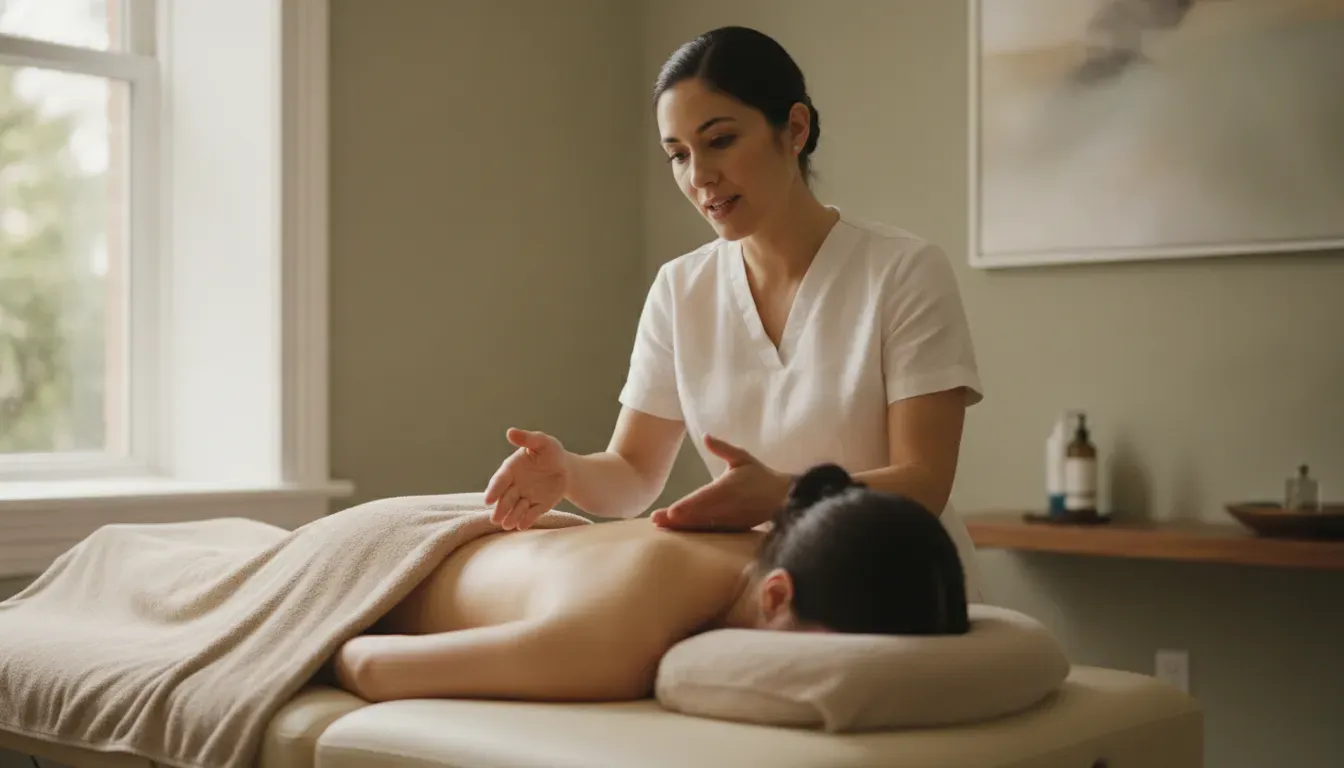

Life in New Orleans is full of energy, whether you’re a local working in the CBD or a visitor exploring the French Quarter for hours. All that activity can take a toll on your body, leading to sore muscles and deep-seated tension. When you feel that familiar ache setting in, a standard massage might not be enough to get you back on your feet. This is when you need a treatment that works as hard as you do. Your search for a “deep tissue massage near me” is the first step toward profound relief, helping you recover from your adventures and feel ready for whatever comes next.
Key Takeaways
- Deep tissue is a targeted treatment: It uses slow, firm pressure to reach deeper muscle layers and connective tissue, working to release chronic knots, ease stiffness, and relieve persistent pain.
- Communication is crucial for comfort: A deep tissue massage should feel productive, not painful. Finding an experienced, licensed therapist is the first step, but speaking up about pressure levels during your session ensures the treatment is tailored perfectly to your needs.
- Simple prep and aftercare make a difference: Help your muscles respond to the work by hydrating well before your appointment. Afterward, continue drinking water and consider a warm Epsom salt bath to soothe any soreness and prolong the feeling of relief.
What Is a Deep Tissue Massage?
If you’re dealing with stubborn knots or chronic aches, you’ve probably heard people recommend a deep tissue massage. But what exactly is it? Think of it as a powerful, focused massage that goes beyond surface-level relaxation. This technique targets the deeper layers of your muscles and the connective tissues, called fascia, that surround them. It’s a therapeutic approach designed to address specific issues like stiffness, limited mobility, and persistent pain.
Unlike a lighter, more general massage, a deep tissue massage uses firm pressure and slow, deliberate strokes to release tension held deep within your body. It’s especially helpful for people with chronic muscle pain, those recovering from injuries, or anyone who puts their body through repetitive strain, like athletes or office workers. The goal is to break down adhesions, often called knots, in your muscles and restore healthy function. It’s a treatment that offers both profound physical relief and a lasting sense of calm.
Deep Tissue vs. Swedish: What’s the Difference?
It’s easy to confuse deep tissue with Swedish massage, but they have different goals and use different techniques. A Swedish massage is what most people picture when they think of a classic spa day. It uses long, gliding strokes, kneading, and gentle tapping to relax the entire body, improve blood flow, and ease mild muscle tension. The primary focus is relaxation and stress relief.
A deep tissue massage, on the other hand, is much more targeted. While it can be relaxing, its main purpose is therapeutic. Your therapist will use slower, more intense pressure to work on the deepest layers of muscle tissue. This approach is ideal for breaking up stubborn knots and relieving the chronic tension that can build up from sitting at a desk or engaging in strenuous activities. Our massage services can be tailored to whatever your body needs, whether it’s gentle relaxation or focused relief.
Techniques for Deep Muscle Relief
So, how does a deep tissue massage actually relieve pain? It’s all about the specific techniques used to release long-lasting muscle tension. Your therapist will use their hands, knuckles, forearms, and even elbows to apply slow, sustained pressure. This helps break up scar tissue from old injuries and release adhesions, which are those painful, rigid bands of tissue that feel like knots.
By applying pressure across the grain of the muscle, the therapist can effectively smooth out these tight spots, reduce inflammation, and improve your range of motion. This process helps your body heal faster and move more freely. For an even deeper experience, some people explore Ashiatsu Deepfeet Bar Therapy, where the therapist uses their feet to deliver broad, consistent pressure for ultimate muscle relief.
Does a Deep Tissue Massage Have to Hurt?
This is one of the most common questions we hear, and the answer is no, it shouldn’t be painful. A deep tissue massage is certainly more intense than a Swedish massage, and you will feel firm pressure. You might experience some discomfort when the therapist works on a particularly tight knot, but it should always feel like a “good hurt”—a productive sensation of release, not sharp pain.
Communication is key. A professional massage therapist will check in with you about the pressure and encourage you to speak up if it becomes too much. The goal is to work with your body, not against it. Our team of therapists is highly experienced in finding that perfect balance to give you physical relief while keeping you comfortable throughout your session.
Why Get a Deep Tissue Massage?
While a gentle massage is a wonderful way to relax, a deep tissue massage is a powerful tool for managing your physical health. It’s a therapeutic treatment designed to address the root causes of discomfort, offering benefits that you’ll feel long after you leave the massage table. If you’re dealing with persistent aches, stiffness, or stress, a deep tissue massage can provide significant relief and support your overall well-being. Our massage services are tailored to help you feel your best, whether you need to unwind or work through specific issues.
Relieve Chronic Pain and Muscle Tension
If you have a nagging ache in your lower back or a permanent knot in your shoulder, you know how draining chronic pain can be. Deep tissue massage is specifically designed to help. This technique focuses on the deeper layers of your muscles and the connective tissues that hold them together. A skilled therapist uses firm pressure and slow strokes to release long-lasting muscle tension and stiffness. These tight spots are often the result of stress, old injuries, or repetitive movements from work or hobbies. By breaking down these painful adhesions, a deep tissue massage can provide lasting relief from chronic pain.
Improve Mobility, Posture, and Circulation
Do you ever feel stiff when you get out of a chair or find yourself slouching over your computer? Deep tissue massage can help you move more freely and stand a little taller. By releasing tight muscles, this massage technique helps restore your body’s natural alignment and improves your range of motion. According to research, deep tissue massage also helps improve blood flow. Better circulation delivers more oxygen and nutrients to your muscles, which helps them repair and function properly. This can make a huge difference in your daily comfort and posture, especially if you spend a lot of time sitting.
Lower Stress and Support Your Well-Being
The connection between your mind and body is strong. Physical tension can create mental stress, and mental stress often leads to tight, sore muscles. A deep tissue massage can help break this cycle. While it’s known for its physical benefits, studies show that deep tissue massage can also lower stress hormones. Research on athletes found that this type of massage can aid in recovery, and the stress-reducing effects are just as valuable for the rest of us. Releasing knots and tension sends a powerful signal to your nervous system to relax, making it a proactive way to care for both your physical and mental health.
How to Find the Best Deep Tissue Massage
Finding the right deep tissue massage is about more than just booking an appointment. It’s about finding a skilled professional who understands your body’s needs and can deliver effective, lasting relief. When you know what to look for, you can find a therapeutic experience that helps you feel your best.
Choose the Right Licensed Massage Therapist
The single most important factor in a great deep tissue massage is the person performing it. Always make sure your massage therapist is licensed and trained. A license ensures they have met professional standards for safety and anatomy, while specialized training in deep tissue techniques means they know how to work on deeper muscle layers effectively. Don’t be shy about looking for a therapist with years of experience. A seasoned professional can better identify the source of your tension and apply the right pressure to release it without causing unnecessary pain. A great therapist will listen to your concerns and tailor the session to your specific needs.
What to Expect for Pricing and Packages
The cost of a deep tissue massage can vary, but you can generally expect to pay between $129 and $239 for a session with a licensed professional in the US. Prices can change a lot depending on where you live, the length of the session, and the therapist’s experience level. Longer massage sessions or those that include extra treatments, like our Hot Himalayan Salt Stones, will naturally cost more. If you plan on getting massages regularly to manage chronic pain or stress, ask about packages or memberships. These can be a great way to make consistent self-care more affordable.
Book Your Deep Tissue Massage in New Orleans
When you’re ready to experience the benefits for yourself, booking your appointment should be simple. Here in New Orleans, we focus on providing professional, high-quality therapeutic massages that stand apart from the superficial experiences you might find elsewhere. Our team of highly trained and highly experienced massage therapists is passionate about helping you find relief. You can easily book your deep tissue massage online. We are by appointment only, but same-day appointments are often available if you need immediate attention for muscle pain or stress.
What to Expect During Your Session
A deep tissue massage is a focused and therapeutic experience, so it’s helpful to know what to expect. Unlike a lighter Swedish massage that focuses on broad, relaxing strokes, a deep tissue session is more targeted. It’s designed to be more intense and specific, aiming to give you both physical relief and a wonderful sense of calm. The goal is to work through knots and release chronic tension that has built up in the deeper layers of your muscles and connective tissues.
Think of it as a partnership between you and your massage therapist. Your therapist brings the skill and knowledge, but your preparation and feedback are what make the session truly effective for your body. Knowing what to do before, during, and after your appointment will help you get the most out of every minute on the table. From communicating your needs clearly to following simple aftercare tips, a little preparation goes a long way in making your deep tissue massage a restorative success.
How to Prepare for Your Appointment
Arriving for your massage feeling prepared can make a world of difference in your experience. In the 24 hours leading up to your appointment, be sure to drink plenty of water. Hydrated muscles are more pliable and responsive to deep tissue work. It’s also a good idea to avoid eating a large meal right before your session so you can lie comfortably on the table. We always recommend arriving about 10 minutes early to settle in, use the restroom, and begin to unwind. This also gives you a moment to speak with your therapist. You can rest assured that every therapist at Nola Bliss is highly trained and highly experienced, so be open about any pain points or goals you have for the session.
Giving Feedback During Your Massage
Your massage is your time, and your comfort is our top priority. Open communication is the key to a successful deep tissue session, as the pressure should feel productive, not painful. It’s important to let your therapist know if the intensity is too much or if you’d like more focus on a certain area. As one expert notes, “Communicating your comfort level and any areas of tension to your therapist can enhance the effectiveness of the massage.” Don’t hesitate to speak up with phrases like, “That pressure is perfect,” or “Could you ease up a little bit there?” This feedback creates a dialogue that helps your therapist customize your massage to your body’s exact needs in real time.
Aftercare Tips to Make the Benefits Last
What you do after your massage is just as important as the session itself. Continue to drink plenty of water to help your body flush out any metabolic waste that was released from your muscles. It’s completely normal to feel a little sore for a day or two afterward, similar to how you might feel after a good workout. A warm bath with Epsom salts can work wonders to soothe any tenderness. To truly get the most out of your treatments, consider making them a consistent part of your wellness routine. Research shows that the positive effects of massage are cumulative, and sessions that are regular and continuous over time yield the greatest benefits for muscle recovery and performance.
Related Articles
Frequently Asked Questions
How often should I get a deep tissue massage? The ideal frequency really depends on your goals. If you’re working through a chronic issue or significant muscle tightness, you might benefit from sessions every one to two weeks to start. Once you feel improvement, you can switch to a monthly appointment for maintenance. For general wellness and stress management, a monthly deep tissue massage is a great way to keep your body feeling its best.
Will I be sore after my deep tissue massage? It is very common to feel some soreness for a day or two after a deep tissue massage. Think of it like the feeling you get after a really good workout. Your muscles have been worked intensely to release deep-seated tension. This feeling is temporary and a normal part of the healing process. Drinking extra water and taking a warm Epsom salt bath can help ease any tenderness.
What if I’m not sure if I need a deep tissue or Swedish massage? You don’t have to have it all figured out before you arrive. The best first step is to book an appointment and plan to talk with your therapist. When you come in, you can describe what you’re feeling and what you hope to achieve. A skilled therapist will listen and then recommend the right approach for you, which might even be a blend of different techniques to perfectly suit your body’s needs.
Is deep tissue massage only for athletes or people with serious pain? Not at all. While it is incredibly effective for chronic pain and injuries, a deep tissue massage is beneficial for almost anyone. It’s a powerful tool for releasing the tension that builds up from everyday life, such as sitting at a computer, carrying children, or dealing with stress. It can help improve your posture and relieve persistent stiffness before it becomes a bigger problem.
Can I add anything to my deep tissue massage? Yes, you can definitely enhance your session. Many people find that adding treatments like our Hot Himalayan Salt Stones helps them get even more from their deep tissue massage. The warmth from the stones helps your muscles relax more quickly, which allows the therapist to work more effectively on the deeper layers of tissue.