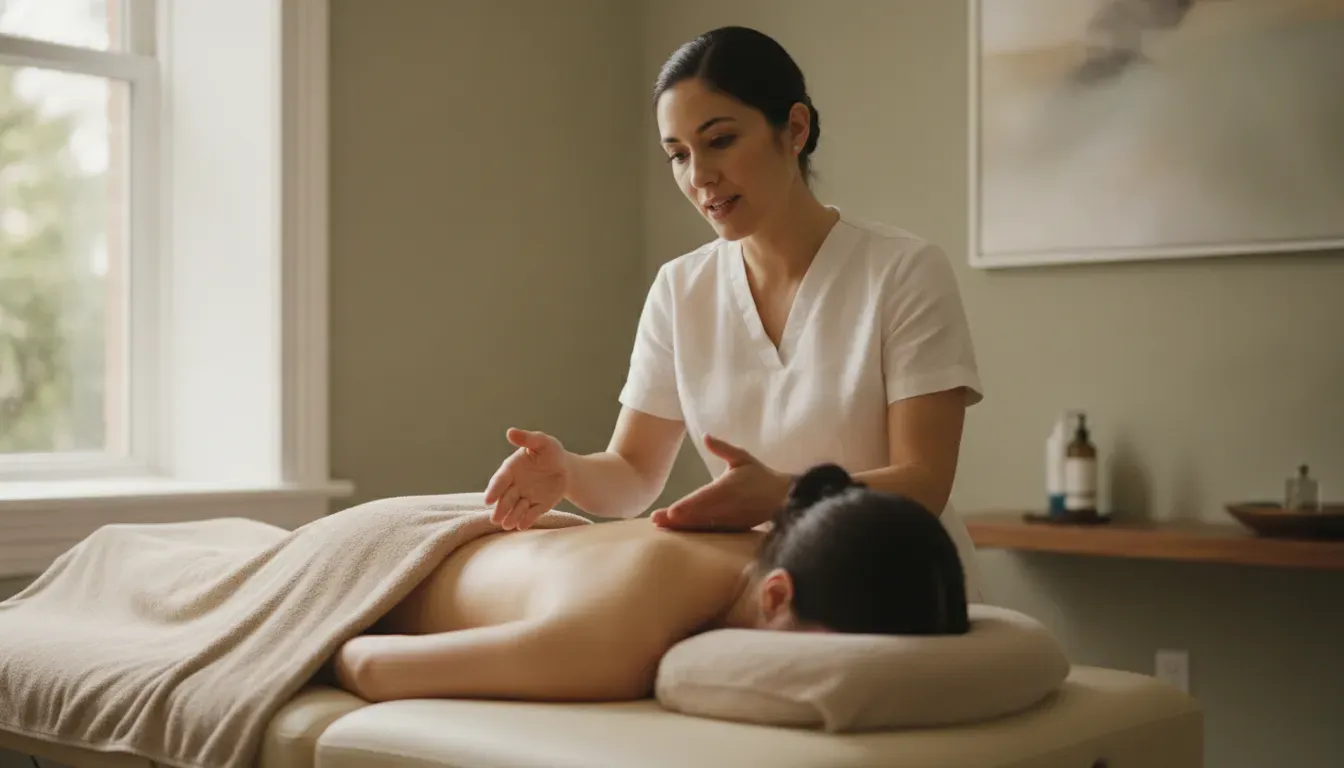

Let’s clear the air about deep tissue massage. Many people think it has to be a painful, grin-and-bear-it experience to be effective, but that’s simply not true. While the pressure is firm, a skilled therapist works with your body to release tension, not fight against it. The goal is productive relief, not pain. This technique is for anyone with chronic tension, from office workers with tight shoulders to people with old injuries. If your search for “deep tissue near me” has you feeling a little intimidated, this article is for you. We’ll debunk the common myths and show you how this therapeutic work can be a game-changer for your well-being, helping you move more freely and live with less pain.
Key Takeaways
- Go Beyond Surface-Level Relaxation: A deep tissue massage is a therapeutic treatment using firm, slow pressure to release chronic muscle knots; it’s designed for targeted relief and feels different from a general Swedish massage.
- Find Relief and Improve Mobility: The primary benefits include easing stubborn pain and stiffness, restoring flexibility for better movement, and reducing stress by releasing deeply held physical tension.
- Your Communication Is Key: To get the best results, find a licensed, experienced therapist and be open about your pain points, pressure preferences, and goals before and during your session.
What Is a Deep Tissue Massage?
If you’re dealing with stubborn knots, chronic aches, or persistent tightness that a lighter massage just can’t seem to touch, a deep tissue massage might be exactly what you need. This therapeutic technique is designed to go beyond surface-level relaxation. It focuses on the deeper layers of your muscle and connective tissue, called fascia, to release tension and relieve pain.
A skilled therapist uses slow, deliberate strokes and firm, sustained pressure to target specific problem areas. Think of it as a focused effort to break up scar tissue and adhesions (those painful, rigid bands of tissue) that can disrupt circulation and cause pain, inflammation, and limited movement. It’s an ideal choice for anyone seeking relief from ongoing muscle issues or for those who simply prefer a more intense, satisfying pressure during their massage.
Deep Tissue vs. Swedish Massage: What’s the Difference?
People often wonder about the difference between a deep tissue and a Swedish massage. While both are fantastic, they serve different purposes. A Swedish massage typically uses long, flowing strokes, kneading, and gentle tapping to promote overall relaxation and improve circulation. It’s the classic, soothing massage experience many of us picture.
A deep tissue or Swedish massage can be chosen based on your goals, but deep tissue gets more specific. It uses more intense, focused techniques to access deeper muscle structures. The goal isn’t just to relax you, but to address chronic pain and musculoskeletal issues. While a Swedish massage works on the superficial layers, deep tissue gets down to the root of your muscle tension.
What to Expect During Your Appointment
During a deep tissue session, your therapist will use their hands, fingertips, knuckles, elbows, and forearms to apply concentrated pressure. The pace is often slower than a Swedish massage, allowing the therapist to warm up the tissue and work into the deeper layers without causing discomfort. You can expect your therapist to communicate with you about the pressure to ensure it’s effective but not painful.
It’s common to feel some soreness for a day or two after a deep tissue massage, similar to how you might feel after a good workout. This is a normal part of the healing process as your muscles adjust. The lasting result is often a significant reduction in pain and an increase in mobility. All of our massage services are tailored to your body’s specific needs for the best possible outcome.
Why Get a Deep Tissue Massage?
If you think of massage as just a fluffy spa treatment, a deep tissue session will completely change your perspective. This therapeutic technique is a powerful tool for managing your physical and mental well-being. It’s more than just firm pressure; it’s a focused approach designed to address the root causes of discomfort and restriction in your body. From easing stubborn aches to helping you move more freely, the benefits are tangible and often long-lasting. Let’s look at a few of the biggest reasons people seek out this transformative therapy.
Find Relief from Chronic Pain and Tension
If you’re dealing with persistent aches from sitting at a desk, a past injury, or just the daily grind, deep tissue massage can be a game-changer. This technique targets the deeper layers of your muscles and connective tissues where chronic knots and tension live. By applying slow, deliberate strokes and sustained pressure, your therapist can break up these painful adhesions. This process helps to restore normal muscle function and relieve the discomfort of conditions like lower back pain, stiff necks, and sore shoulders. Our therapeutic massages are specifically designed to focus on these problem areas, providing targeted relief where you need it most.
Improve Your Mobility and Flexibility
Feeling stiff and restricted in your movements can hold you back from activities you love. Deep tissue massage works to release the adhesions and scar tissue that can limit your range of motion. By loosening these tight tissues, your muscles can move more freely and efficiently. This not only helps you feel more limber in your day-to-day life but can also improve your athletic performance and reduce your risk of injury. Regular sessions can help maintain this newfound flexibility, keeping your body working well and allowing you to move with greater ease and less pain.
Reduce Stress and Anxiety
The connection between your body and mind is incredibly strong, and physical tension often goes hand-in-hand with mental stress. A deep tissue massage provides a unique opportunity to address both at once. As your therapist works to release tightly held muscles, your body sends signals to your brain to calm down and relax. This process can help lower cortisol levels and trigger the release of endorphins, your body’s natural mood elevators and pain relievers. Many of our clients find that the focused, therapeutic touch leaves them feeling not just physically looser, but also mentally clearer and more at peace.
Support Injury Recovery and Better Posture
Whether you’re recovering from a specific injury or trying to correct years of poor posture, deep tissue massage can be an essential part of your wellness plan. The therapy improves circulation, which delivers more oxygen and nutrients to your muscles and helps repair damaged tissues. By releasing the chronic tension that pulls your body out of alignment, it can also help you retrain your muscles to support a healthier, more natural posture. Our highly trained therapists understand how to work with your body to support its healing process, making deep tissue an excellent complement to other treatments like physical therapy or chiropractic care.
Debunking Deep Tissue Massage Myths
Deep tissue massage comes with a lot of baggage. You’ve probably heard things that make it sound intense, exclusive, or just plain painful. It’s time to set the record straight. Many of the common ideas floating around about deep tissue are simply myths that can keep you from experiencing some serious relief. Let’s look at the top three misconceptions and get to the truth, so you can feel confident and excited about your massage instead of nervous.
Myth #1: “It has to hurt to work.”
This is probably the biggest myth out there, and it’s one I’m happy to bust. The phrase “no pain, no gain” does not apply here. While deep tissue massage does involve firm pressure to reach deeper layers of muscle, it should never be excruciating. A skilled therapist works with your body, not against it. You might feel some discomfort as they work on a tight knot, but it should feel productive, not painful. Always remember that you are in control. Communicating with your therapist about the pressure is key to an effective session. The goal of our massage services is to provide relief from chronic tension, not to make you grit your teeth.
Myth #2: “It’s only for athletes.”
While athletes certainly benefit from deep tissue massage to help with performance and recovery, this therapy is absolutely not just for them. Do you sit at a desk all day? Do you carry a toddler around? Do you hold stress in your neck and shoulders? If you answered yes to any of these, deep tissue could be a game-changer for you. It’s designed for anyone dealing with chronic muscle tension, stiffness, or pain. By releasing those stubborn knots, it helps reduce stress and improve your overall well-being, whether you’re running a marathon or just running errands around New Orleans.
Myth #3: “It’s just a really firm Swedish massage.”
This is a common point of confusion, but deep tissue and Swedish massage are two distinct modalities with different goals. Think of it this way: a Swedish massage uses long, flowing strokes to promote overall relaxation. It’s a fantastic way to de-stress. A deep tissue or Swedish massage can be chosen based on your needs, but the techniques are quite different. Deep tissue uses slower strokes and more direct, focused pressure to target specific areas of tension in your muscles and connective tissues. The intention is to release chronic patterns of tension in the body, making it less about general relaxation and more about targeted therapeutic work.
Is a Deep Tissue Massage Right for You?
Deciding on the right type of massage can feel like a big choice, but it really comes down to what your body is telling you. If you’re dealing with persistent aches or feel like lighter massages just skim the surface, deep tissue might be exactly what you need. Let’s walk through who benefits most from this technique and when it’s a good idea to check in with your doctor first.
Who Should Get a Deep Tissue Massage?
If you have a “spot” that always seems to ache, like a stubborn knot in your shoulder or a constant tightness in your lower back, you are a prime candidate for a deep tissue massage. This technique is specifically designed to address chronic pain and tension by working on the deeper layers of your muscle and connective tissue. It’s ideal for anyone who carries stress in their shoulders and neck from desk work, athletes dealing with repetitive strain, or simply those who prefer a much firmer, more focused pressure to feel relief. A deep tissue massage is less about gentle, overall relaxation and more about zoning in on problem areas to release long-held tension and restore comfortable movement.
When to Talk to Your Doctor First
While deep tissue massage is a safe and effective therapy for most people, your well-being is the top priority. There are a few situations where it’s wise to consult your doctor before booking an appointment. If you have a history of blood clots, are recovering from a recent surgery, have a condition like osteoporosis, or are undergoing treatment for a serious illness, getting a doctor’s approval is an important step. Also, if you are pregnant, a specialized prenatal massage is the recommended and safer approach. A professional massage therapist will always review your health history with you, but being proactive ensures you get the safest and most beneficial care possible for your specific circumstances.
How to Choose the Best Deep Tissue Massage Therapist
Finding a therapist who truly understands your body’s needs is the most important step in getting a great deep tissue massage. Not all massages are created equal, and the person performing the service makes all the difference. When you’re looking for someone to help with chronic pain or deep-seated tension, you want to be sure you’re in good hands. Here are a few key things to look for to find the perfect therapist for you.
Prioritize Licensed and Experienced Therapists
First things first, always make sure your therapist is licensed. A license is your assurance that they have completed the required training and education, and that they follow professional and ethical standards. Beyond that, look for experience. A therapist who has dedicated their career to the practice of massage will have a deeper understanding of anatomy and technique. This is especially important for deep tissue work, which requires skill to be both effective and safe. A studio that highlights its highly trained and highly experienced team is a great sign that they prioritize quality care over just filling appointment slots.
Look for a Variety of Techniques and Specializations
A great therapist often has more than one tool in their toolkit. While you might be searching specifically for deep tissue, a practitioner skilled in various modalities can customize your session for better results. They can draw on different techniques to address your unique patterns of tension. For example, some studios offer unique and powerful services like Ashiatsu Deepfeet Bar Therapy, where the therapist uses their feet to deliver deep, consistent pressure. This can be an incredible alternative or complement to traditional deep tissue, so look for a therapist who offers a range of options to meet your specific goals.
Read Reviews and Check Their Reputation
Before you book, do a little homework. Reading reviews from past clients is one of the best ways to get a real sense of a therapist’s style and effectiveness. Check out reviews on Google, Yelp, or the studio’s own website. Look for comments that speak to your specific needs. Do people mention relief from chronic back pain? Do they talk about the therapist’s professionalism and ability to listen? A strong history of positive, detailed reviews is a powerful indicator that you’re looking in the right place. Pay attention to how the business responds to reviews, too, as it shows how much they value their clients’ experiences.
Consider an Independent Studio Over a Chain
While massage chains can be convenient, an independent studio often provides a more focused and therapeutic experience. Therapists at independent studios are often career professionals who are passionate about the healing arts, not just employees working a job. These studios tend to prioritize quality over quantity, resulting in a more personalized session where the therapist is fully present with you. You’re more likely to find specialized and high-quality therapeutic massage services designed for healing and relief, rather than a one-size-fits-all routine. This focus on individual care can make all the difference in your results.
How to Prepare for Your Deep Tissue Massage
Getting the most out of your deep tissue massage starts before you even get on the table. A little preparation can make a huge difference in your experience and results. Here’s how you can set yourself up for a fantastic session.
Talk to Your Therapist About Your Needs
Your massage is your time, and open communication is the best way to make it count. Before the session begins, have a chat with your therapist. Point out exactly where you feel tension, describe any chronic pain you have, and be clear about your goals. Are you looking for relief from a specific knot in your shoulder, or are you hoping for overall stress reduction? This conversation helps your therapist tailor the massage to your body. Our dedicated team is here to listen and create a session that addresses your unique concerns, ensuring you feel better and your body functions well. Don’t be shy about speaking up during the massage, either. Let your therapist know if the pressure is too much or not enough.
Before Your Massage: Hydrate, Arrive Early, and Eat Light
A few simple steps before your appointment can significantly improve your experience. First, make sure you are well-hydrated. Drinking plenty of water throughout the day helps keep your muscle tissue pliable and more responsive to deep work. Try to arrive 10 to 15 minutes early. This gives you a moment to breathe, relax, and fill out any necessary paperwork without feeling rushed. A deep tissue massage often lasts 60 to 90 minutes, so you want to be comfortable. For that reason, it’s best to have a light meal an hour or two beforehand rather than a heavy one right before you arrive. This prevents any digestive discomfort while you’re on the table, letting you fully sink into relaxation and enjoy our massage services.
After Your Massage: Post-Session Care Tips
What you do after your massage is just as important as how you prepare. Your body has done a lot of work, so give it the support it needs. Continue to drink plenty of water to help flush out any metabolic waste that was released from your muscles. It’s also normal to feel a little sore for a day or two, similar to how you might feel after a good workout. You can ease this by taking a warm Epsom salt bath or doing some gentle stretching. Most importantly, give yourself time to rest. Avoid strenuous activity for the rest of the day to allow your body to fully process the therapeutic work. This aftercare helps the positive effects of your deep tissue massage last longer.
How Much Does a Deep Tissue Massage Cost?
Let’s talk about one of the most practical questions you probably have: what is the price of a deep tissue massage? The cost can vary quite a bit, so it helps to understand what goes into the final number. Generally, you can expect a one-hour deep tissue session to be priced anywhere from $80 to over $150. In a vibrant city like New Orleans, you’ll find that prices reflect the location and the therapist’s level of expertise.
Think of it less as a simple purchase and more as an investment in your health and well-being. A truly therapeutic massage can offer relief that lasts long after you leave the table, making it a valuable part of your self-care routine. The price often signals the quality of the experience, from the therapist’s skill to the ambiance of the studio. Understanding the key factors that shape the cost will help you find the perfect massage that fits both your wellness goals and your budget.
Factors That Influence the Price
The price on a massage menu isn’t arbitrary. Several key things determine the cost, and knowing them helps you see the value in your session. First, the location of the studio plays a big role. A massage in a downtown district will typically cost more than one in a smaller town, simply due to higher operating costs. Second, and most importantly, is the therapist’s experience. A therapist with advanced certifications and years of dedicated practice brings a depth of knowledge that directly impacts the quality of your treatment. Finally, the duration of your massage affects the price. While 60 minutes is a great standard, a 90- or 120-minute session allows for more focused, comprehensive work on multiple areas of concern.
How to Save with Packages and Memberships
Making deep tissue massage a regular part of your life doesn’t have to break the bank. Many independent studios that value their clients offer ways to make consistent care more affordable. One of the best options is to buy a package of massages. By purchasing several sessions upfront, you can often get a nice discount on the per-session price. Another fantastic route is a membership program. Memberships typically provide the lowest rate for each massage, along with other perks that make it easier to prioritize your well-being. These programs are designed to reward your commitment to your health, making it simpler to get the relief you need on a consistent basis.
Why Choose Nola Bliss for Your New Orleans Deep Tissue Massage
Finding the right place for a deep tissue massage is about more than just booking an appointment. You want a studio with experienced therapists who listen to your needs and have the skills to deliver real, lasting relief. At Nola Bliss, we focus on providing high-quality, therapeutic massage that goes beyond a typical spa experience. Our team is made up of dedicated, career-focused therapists who are passionate about the healing power of massage.
We understand that every person and every ache is different. That’s why we offer specialized services and enhancements to create a session that’s perfect for you. Whether you’re a local dealing with chronic tension from your desk job or a visitor who needs to unwind after a long flight, we have the expertise and the environment to help you feel your best. From our unique Ashiatsu deep tissue technique to our popular couples massages, we’ve built our studio around providing effective, personalized care in the heart of New Orleans.
Experience Ashiatsu: A Deeper Approach to Deep Tissue
If you love deep pressure but feel like a traditional deep tissue massage sometimes misses the mark, you have to try Ashiatsu. At Nola Bliss, we specialize in Ashiatsu Deepfeet Bar Therapy, a technique where your therapist uses their feet to deliver long, gliding, deep strokes. Using overhead bars for balance and control, they can apply broad, consistent pressure that sinks into muscles without the poky feeling of elbows or thumbs. This method is incredibly effective for releasing chronic tension, especially in large muscle groups like the back and legs. It’s the secret to getting that deep, satisfying relief you’ve been looking for.
Customize Your Session with CBD or Salt Stone Enhancements
A great massage is one that’s tailored just for you. We offer enhancements that you can add to your deep tissue session to address your specific needs. If you’re dealing with inflammation or stubborn pain, adding CBD oil can help soothe your muscles and calm your nervous system. Another wonderful option is our Hot Himalayan Salt Stones, which gently warm the muscles, allowing your therapist to work more deeply. The stones also provide gentle exfoliation and release dozens of trace minerals, leaving you feeling completely renewed. These small additions can make a big difference in your results.
Share the Experience with a Couples Deep Tissue Massage
Why keep all that bliss to yourself? A massage is a wonderful experience to share, whether it’s with a partner, a friend, or a family member. We are proud to offer a top-rated couples massage experience in New Orleans, with plenty of space for you and your guest to relax together. Best of all, you don’t have to compromise on your treatment. You can both enjoy a deep tissue massage, or one of you can opt for Ashiatsu while the other gets a Swedish massage. It’s a perfect way to connect and unwind together in your own private room.
Enjoy Our Convenient Downtown Location and Same-Day Availability
We know that when you need a massage, you often need it now. Located in the vibrant Warehouse District, our studio is easy to get to for anyone living or working downtown, as well as visitors staying in nearby hotels. While we are by appointment only, we can often accommodate same-day bookings for those moments when pain or stress just can’t wait. Our professional, therapeutic massage services are designed to provide a peaceful escape from the hustle and bustle, giving you a quiet space to focus on your well-being.
Book Your Deep Tissue Massage at Nola Bliss
If you’re ready to feel the lasting benefits of a truly therapeutic massage, we’re here to help. At Nola Bliss, we’re passionate about providing a professional, healing experience that goes far beyond a typical spa treatment. Our studio, conveniently located in the Downtown New Orleans Warehouse District, is a quiet retreat where you can finally address chronic pain, stubborn tension, and stress. Our team is made up of highly experienced and dedicated Licensed Massage Therapists who have built their careers around the art of healing.
We believe your massage should be tailored to you. That’s why we offer a range of services, from traditional hands-on deep tissue to our specialized Ashiatsu Deepfeet Bar Therapy, a unique and powerful technique for deep, consistent pressure. You can also customize your session with enhancements like soothing CBD or warm Himalayan Salt Stones for added relief. Whether you’re a local resident or visiting New Orleans, we make it simple to fit self-care into your schedule with same-day appointments often available.
Take the next step toward feeling your best. You can explore our massage services online to find the perfect treatment for your needs and book your appointment today. We look forward to welcoming you.
Related Articles
Frequently Asked Questions
Will a deep tissue massage hurt? This is the most common question, and the answer is no, it shouldn’t hurt in a painful way. You might feel some intensity or discomfort when the therapist works on a particularly stubborn knot, but it should always feel like a productive, “good” kind of ache. You are always in control of the session, and it’s important to communicate with your therapist if the pressure is too much. The goal is to release tension, not to make you tense up from pain.
How often should I get a deep tissue massage? The ideal frequency really depends on your personal goals. If you’re working to relieve chronic pain or recover from an injury, you might benefit from sessions every one to two weeks to start. For general maintenance and to keep tension from building up, once a month is a great rhythm. Your therapist can help you create a plan that works best for your body and your budget.
What’s the difference between a traditional deep tissue massage and Ashiatsu? Think of it as a difference in the tools used to achieve deep pressure. In a traditional deep tissue massage, the therapist uses their hands, knuckles, and elbows to apply focused pressure to specific points. With Ashiatsu, the therapist uses their feet while holding onto overhead bars for balance. This allows for broader, deeper, and more consistent pressure that can feel incredibly relaxing and effective, especially over large areas like the back and legs.
Is it normal to be sore after a deep tissue massage? Yes, it’s completely normal to feel a bit of muscle soreness for a day or two after your session. This feeling is very similar to how your muscles feel after a challenging workout. It’s a sign that your muscles have been worked on and are beginning to release long-held tension. Drinking plenty of water and taking a warm Epsom salt bath can help ease any tenderness.
How do I know if I need a deep tissue or a Swedish massage? The choice comes down to your main goal for the session. If you are looking for overall relaxation, stress reduction, and relief from general muscle tightness, a Swedish massage is a wonderful choice. If you have specific problem areas, like a stiff neck, chronic lower back pain, or stubborn knots that don’t go away, a deep tissue massage will provide the focused, therapeutic work needed to address those issues directly.