
After a day walking New Orleans streets or sitting at a downtown desk, tight shoulders, a tired back, and heavy legs can all show up at once. A full-body session gives your therapist time to assess those patterns and work beyond the area that feels sore first.
A full body massage new orleans session typically addresses the back, neck, shoulders, arms, legs, and feet, with pressure and attention adjusted for your goals. You can focus on relaxation, muscle tension, pain relief, or recovery, then add options such as CBD oil or Himalayan salt stones when they fit your plan.
The experience should not be a fixed sequence delivered the same way to everyone. Your therapist can use broad, calming strokes or more focused work as your body responds, while keeping the session comfortable and purposeful. Understanding what is covered makes it easier to communicate what you need before treatment begins. Here is how the session is structured from the first area addressed through the final focus points.
Book your full body massage in New Orleans at NOLA Bliss Massage and tell your therapist how you want to feel when the session ends.
What a Full Body Massage in New Orleans Includes
A full body massage is designed to address the major areas where people commonly hold tension, not simply provide a brief back rub. A typical session works through the back, neck, shoulders, arms, legs, and feet, with attention adjusted according to your goals and comfort. For visitors recovering from long travel or locals managing work-related strain. That broader approach can help the therapist identify connected areas of tightness rather than treating one sore spot in isolation.
Massage therapy works with the body’s soft tissues, including muscle, connective tissue, tendons, ligaments, and skin. The therapist uses hands, forearms, or other appropriate techniques to rub, knead, compress, or glide across those tissues. Mayo Clinic notes that massage may help lessen pain and muscle tightness while supporting relaxation, although results can vary from person to person. Mayo Clinic explains how massage therapy works.
Areas covered during a full body session
- Back: The therapist can address broad muscle groups that often become tense from desk work, driving, travel, or physical activity.
- Neck and shoulders: These areas frequently carry stress and may receive focused work when stiffness or limited comfort is part of your concern.
- Arms and hands: Forearms, upper arms, and hands can be included, particularly for clients who type, use tools, lift, or spend long hours holding a phone.
- Legs: The thighs, calves, and surrounding soft tissue may be addressed after walking through New Orleans, standing at work, exercising, or traveling.
- Feet: Foot work completes the full-body sequence and can be especially welcome after a day spent sightseeing or on your feet.
The exact sequence is not identical for every client. Pressure and movement should change with the body’s response, the area being treated, and the purpose of the appointment. Mayo Clinic describes this adjustment as varying the amount of pressure and movement to meet individual needs. A client seeking relaxation may prefer slower, lighter work, while someone focused on persistent muscle tightness may request more targeted pressure. Communication throughout the session helps keep the work productive and comfortable.
It is also useful to distinguish coverage from modality. A full body massage describes the areas addressed, while Swedish, deep tissue, Ashiatsu, and other modalities describe how the work is performed. If you are unsure which approach fits your goals, review how to choose the right massage before booking. When you are ready to compare full body massage services in New Orleans, look for a therapist who will discuss your needs and adapt the session instead of applying the same routine to everyone.
The National Center for Complementary and Integrative Health recognizes that massage can include clinical techniques aimed at specific goals, such as releasing muscle spasms. That does not make every session medical treatment, but it reinforces why a thoughtful intake and clear communication matter when pain or restricted movement is involved. NCCIH provides an overview of massage therapy.
How Does a Therapist Tailor Pressure and Focus Areas?
A full body massage should not feel like the same sequence applied to every client. Your therapist considers what brought you in, where you hold tension, how your body responds to touch, and what you want from the session. The pressure and movement can then be adjusted as the massage progresses. Mayo Clinic notes that massage therapists vary pressure and movement according to a client’s needs, rather than relying on one fixed approach. Read Mayo Clinic’s overview of massage therapy.
Pressure should match your comfort and goal
Some clients need light, flowing pressure to settle a busy nervous system after travel, long workdays, or ongoing stress. Others prefer moderate or firm pressure around areas of persistent muscle tightness. Firm does not mean painful, and a useful session depends on communication. Tell your therapist if the pressure feels too light, too intense, sharp, or uncomfortable. A skilled therapist can change depth, pace, direction, and time spent in a particular area without losing the overall flow.
At NOLA Bliss Massage, the intake assessment gives your therapist a starting point. Share recent injuries, areas of pain, medications or health concerns that may affect your session, and whether your priority is relaxation, pain relief, or recovery after an injury. Clinical massage can be used to pursue specific goals, such as releasing muscle spasms, according to the National Center for Complementary and Integrative Health. See NCCIH’s information on massage therapy.
Technique selection changes the experience
Swedish massage uses broad, rhythmic movements and is often selected for general relaxation. Deep tissue work uses slower, more focused pressure for areas that need additional attention. These are not rigid categories. A therapist may combine techniques in one session, using lighter strokes to warm the tissues before spending more time on the shoulders, hips, back, or legs.
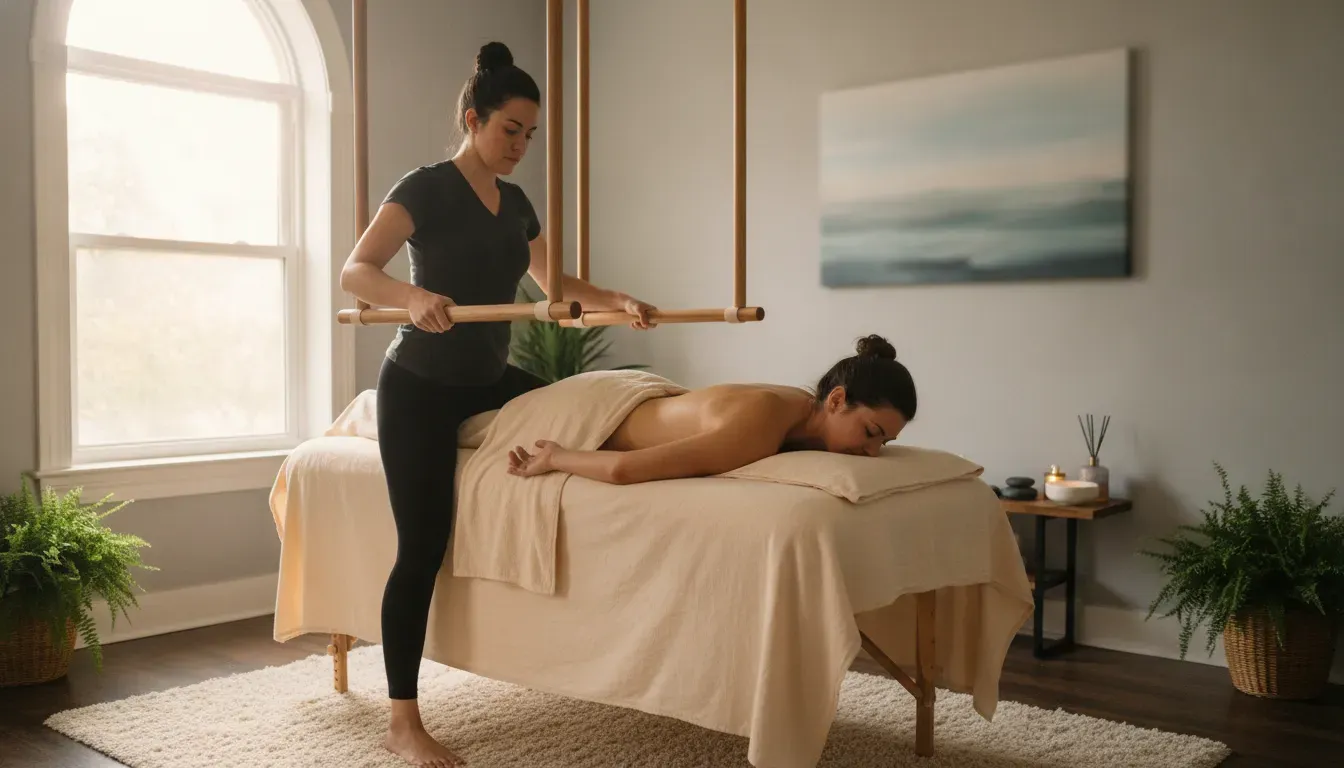
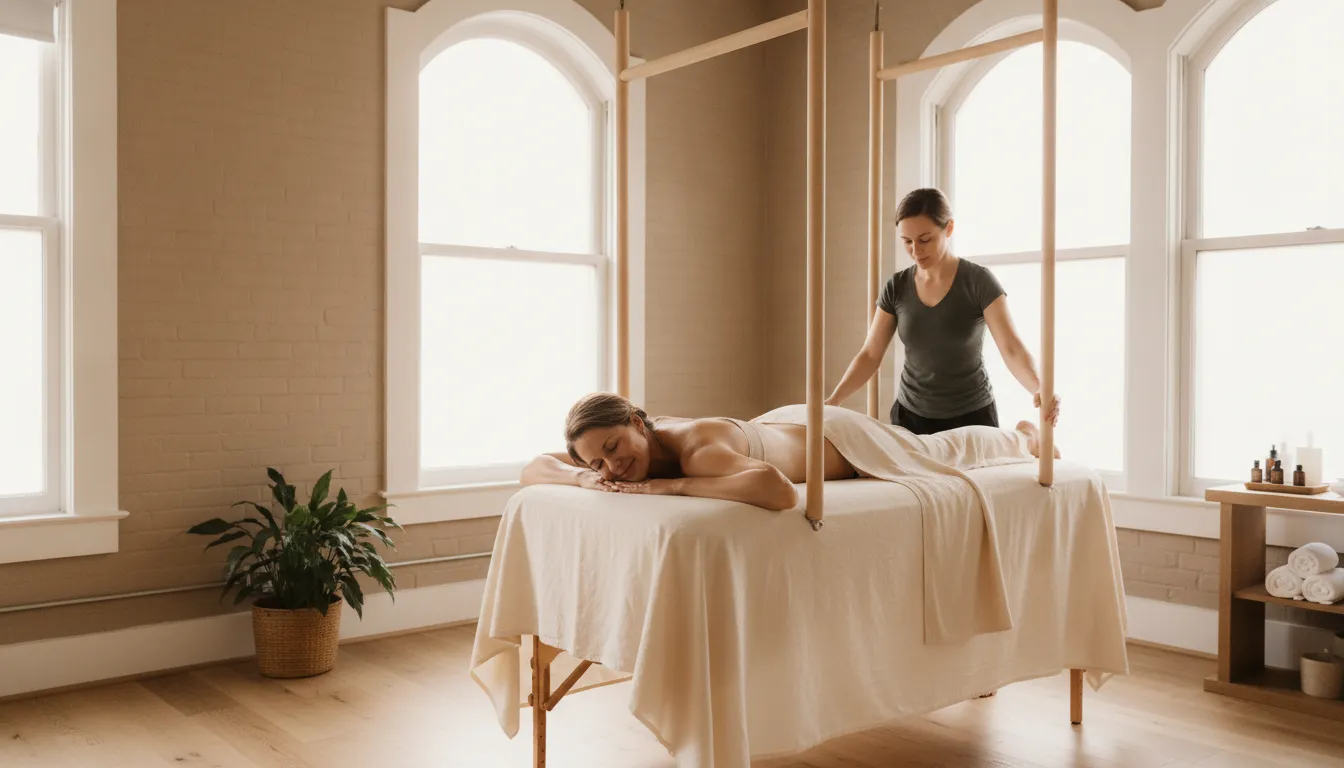
NOLA Bliss also specializes in Ashiatsu Deepfeet Bar Therapy. In this technique, the therapist uses their feet while supported by overhead bars, creating deeper, broad pressure that can reach areas hands may not address as effectively. The studio describes the specialty as delivering approximately three times the pressure of traditional massage. It may suit clients seeking substantial muscular release, but it still needs to be adapted to individual tolerance and health history.
Focus areas follow your needs
A complete session can include the back, neck, shoulders, arms, legs, and feet, while giving extra attention to the places that limit your comfort or movement. NOLA Bliss therapists average more than 10 years of experience, supporting a thoughtful, individualized approach for locals and visitors. Whether you are trying to unwind, address work-related tension, or recover carefully after physical strain, the goal is not maximum pressure. It is the right pressure, in the right places, for your body that day.
Enhancements: CBD Oil and Himalayan Salt Stones
An enhancement should support the purpose of your massage, not distract from it. At NOLA Bliss Massage, CBD oil integration and Himalayan Salt Stone therapy can be added to any massage session, including a full body massage. Your therapist can discuss what you want from the session, then help you decide whether an enhancement fits your goals, comfort level, and preferred type of touch.
CBD oil for a more soothing session
CBD oil is applied as part of the massage and is selected by clients who want an added sense of relaxation or support for tired, overworked muscles. The enhancement can pair well with a session focused on muscle recovery after travel. Long hours on your feet, demanding workouts, or the everyday tension that builds in the neck, shoulders, and back.
It is useful to think of CBD oil as one component of a broader massage plan rather than a stand-alone solution. The hands-on work still does the primary job of addressing soft-tissue tension. The oil changes the feel and focus of the session, while the therapist adjusts pressure and movement to your needs. If you are curious about how this option is used, read more about CBD massage benefits before booking.
During your intake, mention allergies, skin sensitivities, medications, or any health concerns that could affect your choice of products. Clear communication gives your therapist the information needed to make the session comfortable and appropriately tailored.
Himalayan salt stones for warmth and relaxation
Himalayan salt stones bring warmth and a distinctive texture to the massage experience. The stones hold heat, allowing them to provide a steady warming element as your therapist works through areas of tension. Their mineral-rich composition is also part of the appeal for clients seeking a calming, restorative enhancement. The practical benefit is the combination of warmth and hands-on massage, which can help you settle into the session and release the habit of bracing tight muscles.
Salt stone work is not identical to traditional hot stone massage. The stones, temperature, placement, and movement all contribute to a different experience. If you are comparing the two options, see Himalayan salt stone vs hot stone for a closer look.
| Enhancement | Best if you want | Feel during the session | Focus |
|---|---|---|---|
| CBD oil | Added relaxation and support for tired muscles | Soothing glide, calming under your hands-on work | Muscle recovery and a calmer nervous system |
| Himalayan salt stones | Warmth and a grounding, restorative experience | Warm stone contact held across areas of tension | Heat-assisted release and deeper settling |
| Both | A complete, customizable session | Mix of warm stones and soothing oil | Whatever your therapist and plan target that day |
Both enhancements can be integrated into a full session instead of replacing the massage itself. A visitor recovering from a busy day in New Orleans may prefer soothing CBD oil. While a local with persistent muscle tension may value the grounding warmth of salt stones. Tell your therapist what you want to feel when you leave, and let that goal guide the choice.
What Are the Benefits of a Full Body Massage in New Orleans?
A full-body session is designed to address more than one sore spot. By working across areas such as the back, neck, shoulders, arms, legs, and feet. A therapist can respond to the way stress, posture, travel, and physical work affect the whole body. The result may be a calmer nervous system, easier movement, and a stronger sense of physical ease.
Less stress and deeper relaxation
One of the most immediate reasons people schedule a full body massage is to step out of a cycle of tension. Time on a plane, long conference days, crowded events, and demanding work can leave the body braced even after the day ends. Slow, deliberate massage can encourage the muscles to soften while giving you uninterrupted time to rest. Mayo Clinic lists reduced stress and increased relaxation among the potential benefits of massage therapy.
That can be especially valuable in New Orleans, where visitors may spend hours walking and sightseeing, while local professionals may carry tension from desk work or repetitive movement. A therapeutic session is not about chasing a temporary feeling of luxury. It is about creating space for the body to settle and recover.
Relief for pain and muscle tightness
Massage may help lessen pain and muscle tightness, according to Mayo Clinic. A full-body approach gives the therapist room to notice connected patterns, such as tight shoulders paired with a stiff upper back or tired legs following extensive walking. Pressure and movement can be adjusted to your comfort level and goals rather than applied uniformly from head to toe.
Relief is not a promise of a cure, and persistent or severe pain deserves evaluation by a qualified medical professional. For everyday muscular tension, however, a carefully tailored session can help you feel less restricted and more comfortable moving through the rest of your day.
Circulation, recovery, and overall well-being
The flowing pressure and movement of massage can leave the body feeling warmer, looser, and more awake. Many clients value that sense of improved circulation and physical recovery after time spent sitting, traveling, exercising, or working on their feet. The experience is personal, so your therapist can adjust the pace and pressure based on how your body responds.
Massage therapy is also increasingly used as part of personal wellness. The National Center for Complementary and Integrative Health reports that 10.9% of U.S. adults used massage therapy in 2022, more than double the 4.8% reported in 2002. Mayo Clinic also notes that massage may improve immune-system function, although massage should complement, not replace, appropriate medical care.
For stressed tourists and pain-suffering locals. The practical benefit is often simple: a full session helps the entire body feel attended to, not just the area that hurts most.
How Often Should You Get a Full Body Massage?
There is no universal schedule for massage therapy. The right cadence depends on why you are booking, how your body responds, and whether your needs change from one session to the next. Someone visiting New Orleans after a long flight may want one session to ease travel-related tension. While a downtown professional with recurring shoulder tightness may benefit from a more consistent routine.
For general stress relief and relaxation, an occasional full-body session may be enough. Some people schedule a massage around demanding work periods, travel, or other situations that leave them carrying tension. If you are using massage to support recovery after strenuous activity, timing may depend on the activity, your soreness, and how quickly you feel ready for hands-on work. A therapist can help you decide whether a one-time appointment or recurring visits make sense for your goals.
When pain or tightness is the main concern
People dealing with ongoing neck, shoulder, or back tightness may start with sessions closer together, then adjust as symptoms and mobility change. That does not mean more frequent massage is automatically better. Mayo Clinic notes that massage may help lessen pain and muscle tightness, but the appropriate approach varies by person and condition.
It is also important to keep expectations realistic. The National Center for Complementary and Integrative Health reports that massage may help with neck or shoulder pain, while noting that benefits may last only a short time. A session can provide useful relief without resolving the underlying cause of persistent pain. If pain is severe, worsening, follows an injury, or comes with other concerning symptoms, seek medical guidance rather than relying on massage alone.
Let the therapist help set the cadence
At NOLA Bliss Massage, the therapist can discuss your goals, areas of concern, pressure preferences, and response to previous sessions before suggesting a practical rhythm. The plan may be different for relaxation, chronic muscle tightness, or recovery, and it can be adjusted as your body responds. A full body massage in New Orleans should feel purposeful, not like an obligation to follow a fixed calendar.
Start with an honest conversation about what you want from the appointment and how long your results tend to last. That information gives your therapist a better basis for recommending when to return.
What to Expect at Your First Full Body Massage in New Orleans
Your first visit should feel organized, private, and purposeful. At NOLA Bliss Massage, the focus is therapeutic care for stressed visitors and locals managing pain or muscle tension, not a rushed, high-volume experience. If you want a quick overview before arriving, read what to expect at NOLA Bliss.
- Check in and settle in. NOLA Bliss follows a quality-over-volume model with no overbooking. That means your appointment is reserved for you rather than squeezed between overlapping clients. The Warehouse District location is convenient for downtown New Orleans visitors and professionals. And free parking makes arrival simpler when you are coming in from work, a hotel, or a day around the city.
- Talk through your goals. Your therapist will use the intake conversation to understand what brought you in and what you want from the session. Share areas of pain, stiffness, recent activity, injuries, sensitivities, and the type of pressure you prefer. You can also explain whether your priority is relaxation, pain relief, recovery, or a combination. Massage techniques and pressure should vary with the client’s needs, so this conversation helps shape the session instead of treating every body the same. If you have a medical concern or recent injury, mention it before hands-on work begins and follow your healthcare provider’s guidance.
- Undress only to your comfort level. You do not need to be fully undressed if that does not feel right for you. Your therapist will explain what to remove for the areas being treated, then leave the room while you prepare. During the massage, professional draping keeps you covered, with only the area receiving work exposed. You remain in control throughout the appointment. Tell your therapist if you want more coverage, need to adjust your position, or would prefer a different approach.
- Move through a tailored full-body session. A full-body massage commonly includes the back, neck, shoulders, arms, legs, and feet, with time and attention adjusted to your needs. Your therapist may use lighter or deeper pressure, slower work, focused muscle treatment, or techniques directed toward a specific therapeutic goal. NOLA Bliss therapists average more than 10 years of experience, and the studio’s signature Ashiatsu Deepfeet Bar Therapy is available for clients seeking a distinct deep-pressure approach. The best session is not the most intense one. It is the one that addresses your body safely and effectively.
- Allow time for aftercare. When the session ends, stand up gradually and notice how your body feels before returning to a busy schedule. Gentle movement and water may help you transition, while strenuous activity may be worth postponing if your muscles feel worked. Let your therapist know about any soreness or unusual response. For ongoing tension or recurring pain, discuss whether a regular treatment plan or a different modality would make sense rather than guessing at frequency on your own.
Book your therapeutic massage session at NOLA Bliss Massage and let a skilled therapist tailor pressure and focus to your body.
Frequently Asked Questions
What is included in a full body massage?
A full body session commonly addresses the back, neck, shoulders, arms, legs, and feet. Your therapist may spend more time where you carry tightness or discomfort, while adjusting pressure and movement to support your goals.
How is a full body massage different from a Swedish massage?
Full body describes the areas addressed during the session, while Swedish massage describes a technique. Swedish massage is commonly used for general relaxation, but a full body session can also be tailored toward muscle tension, pain relief, or another therapeutic goal.
Can I choose the pressure and focus areas?
Yes. Discuss your comfort level, current symptoms, and priorities before the massage begins. Pressure and movement can be adjusted throughout the session, and clinical techniques may be selected for specific goals such as releasing muscle spasms.
Can I add CBD oil or Himalayan salt stones?
Yes. NOLA Bliss offers CBD oil integration and Himalayan Salt Stone therapy as enhancements to massage sessions. CBD oil is used to support relaxation and muscle recovery, while salt stones can provide warming, relaxing contact during treatment.
How often should I get a full body massage?
There is no single schedule that fits everyone. Frequency depends on whether you are addressing recurring muscle tightness, managing stress, recovering from activity, or booking occasional relief. Discuss a practical plan with your therapist, especially if pain persists or returns.
Book Your Full Body Massage in New Orleans
A full-body session can give you focused time to address muscle tension, everyday stress, or the physical demands of travel and work. NOLA Bliss Massage takes a therapeutic, individualized approach so your session reflects what your body needs that day. When you are ready to plan your visit, book your full body massage in New Orleans at NOLA Bliss Massage through the secure online scheduler.