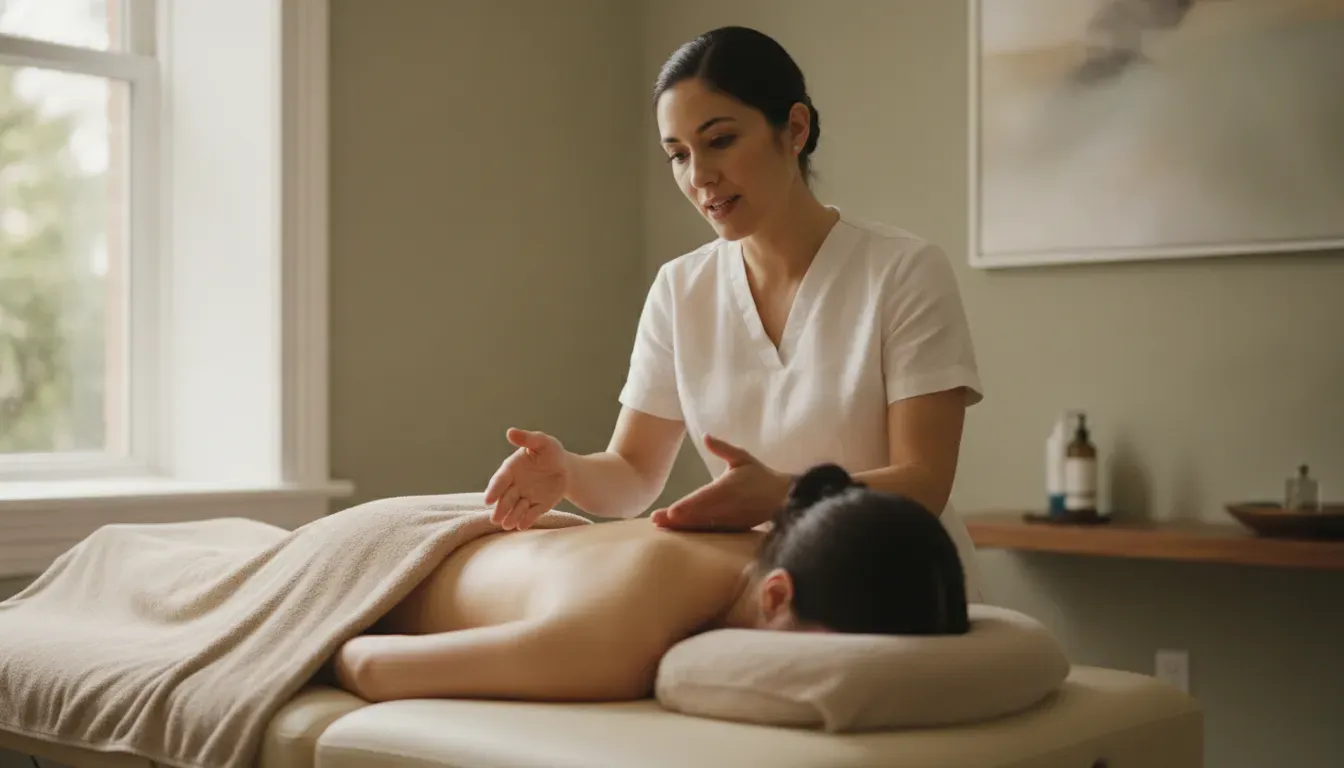

Let’s get one thing straight: the “no pain, no gain” rule doesn’t apply to massage. While deep tissue work has its place, a lighter touch is often more effective for stress and muscle soreness. This is the entire philosophy behind a gentle Swedish massage. It’s a powerful treatment that proves a soothing touch can produce profound results. Using purposeful techniques—from long, gliding strokes that improve circulation to soft kneading that releases knots—this style works to calm your entire nervous system. It’s designed to melt away tension and quiet a racing mind, making it an incredible reset for your well-being.
Key Takeaways
- Start with Swedish for Gentle Relaxation: As the quintessential massage, it’s the perfect introduction for first-timers or anyone who prefers a lighter touch. It uses long, flowing strokes to ease general tension without the intensity of deep tissue work.
- Expect More Than Just Relaxation: While incredibly calming, a Swedish massage actively improves your physical well-being. The techniques are designed to support circulation and soothe muscle soreness, which in turn helps reduce stress hormones for a better mood and more restful sleep.
- Speak Up for the Best Results: A great massage is a collaboration between you and your therapist. Always communicate your needs, areas of tension, and pressure preferences to ensure the session is tailored specifically to you and your body.
What Is a Gentle Swedish Massage?
If you’ve ever looked at a massage menu and felt a little overwhelmed, you’ve probably noticed Swedish massage listed as a primary option. It’s one of the most common and well-known types of massage therapy, and for good reason. Think of it as the quintessential massage experience, designed to relax your entire body and quiet your mind. A Swedish massage uses gentle squeezing, long, flowing strokes, kneading, and light tapping to loosen up tight muscles and promote a deep sense of calm.
This technique is a fantastic starting point for anyone new to massage or for those who simply prefer a gentler touch. It’s less about intense, targeted pressure and more about creating a soothing, full-body experience. The goal is to melt away surface-level tension, leaving you feeling refreshed and restored without the intensity that can sometimes come with other modalities. It’s a foundational therapy that forms the basis for many other massage styles, making it a perfect choice for regular relaxation.
What Makes This Massage Technique So Gentle?
Swedish massage is much more than just a series of relaxing movements; it’s a holistic therapy designed to support your overall well-being. The philosophy behind it is that a relaxed body contributes to a healthier mind. This therapy uses intentional touch to help you relax and improve your health by focusing on key physiological responses. The specific strokes are designed to improve blood flow, ease muscle tension, and create a feeling of total-body wellness. By supporting your circulation and calming your nervous system, a Swedish massage helps your body’s systems work more efficiently, which can lead to reduced stress and a better mood long after you’ve left the table.
Swedish vs. Deep Tissue: What’s the Difference?
This is one of the most common questions we hear, and it’s an important one. While both Swedish and deep tissue massage can use similar strokes, the main difference comes down to pressure and purpose. A Swedish massage is gentler, focusing on the superficial layers of muscle to promote relaxation and ease general tension. You can always ask your therapist for light, medium, or firm pressure, but the primary goal is always overall stress relief.
In contrast, a deep tissue massage uses more intense, focused pressure to target the deeper layers of muscle and connective tissue. It’s specifically designed to address chronic pain, stubborn knots, and postural issues. While a Swedish massage aims for broad relaxation, deep tissue work is more targeted, zeroing in on specific problem areas to release long-held tension.
The Origins of Swedish Massage
Swedish massage feels like it’s been around forever, and in many ways, it has. It’s the foundation of modern Western massage, but its journey from a form of medical exercise to the relaxing therapy we know today is pretty fascinating. Understanding its history helps you appreciate why it’s so effective for both mind and body. It wasn’t just created for relaxation; it was developed with a deep understanding of anatomy and physiology, which is why it remains one of the most trusted and effective massage modalities available. This historical context shows that it’s a therapy built on a solid, scientific foundation, designed to produce real results.
From Medical Gymnastics to Modern Relaxation
The story begins in the early 1800s with a Swedish physiologist named Per Henrik Ling. He developed a system he called “medical gymnastics,” which combined movements and exercises to improve physical health. While it wasn’t exactly the table massage we picture now, Ling’s work was groundbreaking because it established a systematic approach to using physical manipulation for therapeutic benefits. He laid the groundwork for what would eventually become a more passive, hands-on treatment, proving that intentional movement and touch could have powerful healing effects on the body.
The transition to the modern Swedish massage we love is largely thanks to a Dutch doctor, Johan Georg Mezger. He took Ling’s foundational ideas and refined them, creating the specific hand strokes—like gliding, kneading, and tapping—that define the technique today. Mezger is the one who categorized these movements and popularized their use for easing muscle tension and improving blood flow. This evolution shifted the focus from active gymnastics to a more receptive, relaxing experience, cementing the philosophy that a calm body is essential for a healthy mind.
Understanding the Core Swedish Massage Techniques
A truly great Swedish massage is more than just a back rub; it’s a thoughtful sequence of specific hand movements that have been perfected over centuries. These techniques are the foundation of what makes this type of massage so effective for both mind and body. Each stroke has a distinct purpose, from warming up your muscles to releasing deep-seated tension. Our therapists are experts at blending these five core techniques to create a seamless experience that feels both incredibly relaxing and therapeutically effective. Understanding these strokes can help you appreciate the artistry behind your massage and communicate your needs more clearly.
Effleurage: Long, Soothing Glides
This is likely the first and last touch you’ll feel during your massage. Effleurage (pronounced ef-fleur-age) consists of long, sweeping, and gliding strokes that warm up your muscle tissue and relax your body. Your therapist will use their palms to apply gentle pressure, typically moving in the direction of your heart to encourage blood circulation. This technique is essential for preparing your body for deeper work and serves as a soothing transition between other, more focused strokes. It’s the classic movement most people associate with a relaxing Swedish massage and is fundamental to creating a sense of calm and flow throughout your session.
Petrissage: Kneading Away the Knots
After your muscles are warmed up with effleurage, your therapist will move into petrissage. Think of this as a gentle kneading motion, similar to working with dough. The technique involves squeezing, rolling, and lifting your soft tissues. This action helps to release muscle knots, flush out toxins, and draw more blood flow into the area. Petrissage is incredibly effective for relieving tension that’s settled deeper in the muscles without using the intense pressure of a deep tissue massage. It’s the part of the massage that really works on those tight shoulders or sore spots, leaving you feeling looser and more pliable.
Tapotement: Energizing Rhythmic Taps
Don’t let the name fool you—tapotement is a surprisingly pleasant and energizing technique. It involves a series of light, rhythmic taps or percussion movements, often performed with the side of the hand or cupped palms. This stimulating action is used to awaken the muscles and the nervous system. It can feel invigorating and is great for improving circulation and helping to release muscle tightness. Your therapist will apply this technique with skill and control, ensuring it feels refreshing rather than jarring. It’s often used toward the end of a session to help you feel more alert and revitalized.
Friction & Vibration: For Warmth and Release
Friction and vibration are targeted techniques used to address specific areas of tension. Friction involves deep, circular movements applied with the thumbs or fingertips, creating heat to help break down adhesions, or “knots,” in the muscle fibers. It’s perfect for stubborn spots that need a little extra attention. Vibration, on the other hand, is a technique where the therapist gently shakes or trembles a muscle area. This movement helps to loosen the underlying tissue and can have a deeply soothing effect on your nerves. Our highly trained therapists use these precise techniques to provide relief exactly where you need it most.
What Can a Gentle Swedish Massage Do for You?
Swedish massage is often the first type of massage people experience, and for good reason. Its gentle, rhythmic approach is incredibly effective for both body and mind. This foundational therapy is about more than just surface-level relaxation; it’s a holistic treatment that can ease physical discomfort, calm your nervous system, and even help you sleep better. Let’s explore some of the key benefits.
Say Goodbye to Muscle Tension and Aches
If you’re dealing with everyday stiffness or nagging muscle soreness, a Swedish massage can offer significant relief. The combination of long, gliding strokes and gentle kneading works to warm up your muscle tissue, releasing tension and breaking up minor knots. This process helps increase the flow of oxygen-rich blood to your muscles, which can reduce pain and improve flexibility. It’s a fantastic choice for anyone who holds stress in their shoulders, neck, or back from sitting at a desk or from the general demands of life. Think of it as a reset for your body’s overworked areas.
Melt Away Stress and Lift Your Spirits
The benefits of a Swedish massage go far beyond the physical. The soothing, predictable rhythm of the strokes has a powerful calming effect on your nervous system, helping to lower stress hormones. This therapeutic touch can create a deep sense of relaxation that quiets a racing mind and eases feelings of anxiety. Many people find that a single session can significantly improve their mood, leaving them feeling more centered and peaceful. It’s a wonderful way to carve out time for yourself and invest in your mental well-being, especially when life feels overwhelming.
Balancing Your Body’s Hormones
When you feel stressed, your body produces hormones like cortisol to manage the pressure. While helpful in short bursts, chronically high levels can throw your system out of whack, affecting everything from your sleep to your mood. This is where a gentle Swedish massage can make a real difference. The soothing, rhythmic strokes send signals to your nervous system to calm down, which in turn helps to lower your stress hormones. By creating this state of deep relaxation, the massage encourages your body to find its natural equilibrium. This hormonal rebalancing doesn’t just feel good in the moment; it supports better sleep, a more stable mood, and an overall sense of well-being long after your session is over.
Enjoy Deeper Sleep and Healthier Circulation
One of the most important, yet often overlooked, benefits of Swedish massage is its positive impact on your circulatory system. The long, sweeping strokes help move blood more efficiently, which nourishes your muscles and aids in flushing out metabolic waste. This improvement in circulation can lead to lower blood pressure and better overall body function. And when your body is relaxed and your circulation is flowing freely, it’s much easier to drift off into a deep, restorative sleep. It’s an excellent therapy for anyone looking to improve their sleep quality and wake up feeling more refreshed.
Supporting Your Immune System and Lymphatic Flow
Beyond just relaxing your muscles, a Swedish massage gives your body’s internal cleanup crew a helping hand. This is your lymphatic system, a crucial network responsible for clearing out waste and toxins. The gentle, rhythmic strokes of a Swedish massage act like a pump for this system, encouraging the movement of lymphatic fluid throughout your body. This process helps you more efficiently get rid of waste products, like the lactic acid that can build up in your muscles after a workout or from daily stress. By keeping this vital system flowing smoothly, you’re also supporting your immune system, helping it stay ready to defend your body. It’s a gentle yet powerful way to contribute to your overall health from the inside out.
Is a Gentle Swedish Massage Right for You?
Deciding on the right type of massage can feel like a big choice, but it doesn’t have to be complicated. A gentle Swedish massage is one of the most popular and widely practiced forms of massage therapy for good reason. It’s versatile, incredibly relaxing, and beneficial for a wide range of needs. If you find yourself in one of the following situations, a Swedish massage could be the perfect way to find relief and restore your sense of well-being.
Perfect for Your First Massage Experience
If you’re new to the world of massage or know you prefer a lighter touch, a Swedish massage is an excellent starting point. It’s known for being gentle yet effective, making it a great introduction to therapeutic bodywork without the intensity of a deep tissue session. The focus is on long, flowing strokes that warm up muscle tissue, release tension, and gradually ease you into a state of calm. This approach allows your body to acclimate to the experience, ensuring you feel safe and comfortable from start to finish. Our Swedish massage is designed to be a soothing experience that melts away stress and minor aches.
A Safe and Soothing Option During Pregnancy
Pregnancy is a beautiful journey, but it can also bring its share of physical discomforts. A Swedish massage is a wonderful and safe way for expectant mothers to find relief. The gentle techniques help to alleviate back pain, reduce swelling in the legs and feet, and ease the overall stress that comes with carrying a child. Our therapists are specially trained to provide a comfortable and supportive prenatal massage, using proper positioning and pillows to ensure the safety of both mother and baby. It’s a peaceful escape that allows you to connect with your changing body and find some much-needed tranquility during this special time.
Gently Manage Chronic Pain and Stress
Living with chronic pain or persistent stress can be exhausting, and sometimes, an intense massage isn’t what your body needs. A gentle Swedish massage can be a powerful tool for managing these conditions. It helps soothe the nervous system, which can become overstimulated by chronic pain and anxiety. Studies have even found that massage therapy can help alleviate fibromyalgia pain and improve mood. By promoting relaxation and improving circulation, this gentle approach helps reduce muscle tension and encourages your body’s natural healing processes. It’s a comforting way to address your symptoms without causing additional strain, making it a key part of our massage services.
Relief for Conditions like Arthritis and Fibromyalgia
Living with a condition like arthritis or fibromyalgia can make you hesitant about massage, but a gentle Swedish massage is often a perfect fit. Its soothing approach is designed to work with your body, not against it. The long, gliding strokes improve circulation, which can bring relief to stiff, aching joints without the intense pressure that might cause a flare-up. For those with fibromyalgia, the calming effect on the nervous system is especially beneficial. This gentle touch can help reduce the body’s pain signals and promote a deep sense of relaxation, offering a peaceful escape and a way to manage symptoms therapeutically and without added stress.
Important Safety Considerations
Your safety and comfort are always our top priorities. The good news is that Swedish massage is widely considered a low-risk therapy with very few side effects. It’s completely normal to feel a little sore for a day or two after your session, much like you would after a light workout, as your muscles adjust. In rare cases, some people may have a mild reaction to the massage oils or lotions. At Nola Bliss, our licensed therapists are dedicated professionals who will always discuss your comfort level and any sensitivities before we begin. We are committed to creating an experience that is not only relaxing but also completely safe and tailored to you.
When to Reschedule Your Massage
If you wake up on the day of your appointment feeling under the weather with cold or flu symptoms, the best thing to do is call and reschedule. Getting a massage when your body is already working hard to fight off an illness can sometimes make you feel worse and slow down your recovery. It’s also a simple courtesy that helps keep our therapists and other clients healthy. We completely understand that life happens, and we are always happy to help you find another time for your appointment. We want you to be able to fully enjoy the relaxing and restorative benefits of your session when you’re feeling your best.
When to Consult Your Doctor First
While massage is beneficial for most people, there are a few situations where it’s wise to check with your doctor before booking an appointment. If you have certain health conditions, such as high blood pressure, heart disease, or are pregnant, getting a professional medical opinion first is always a good idea. This ensures that massage will be a safe and helpful part of your wellness routine. For example, our prenatal massage is specifically designed for expectant mothers, but a doctor’s approval provides an extra layer of safety. A quick chat with your doctor gives you peace of mind and helps your therapist tailor the session to your specific needs.
What to Expect During Your Swedish Massage
If you’ve never had a professional massage before, the thought of your first appointment can feel a little mysterious. Knowing what happens from the moment you walk in the door to when you float back out can help you relax and fully enjoy the experience. A Swedish massage is a journey in three parts: the conversation before, the hands-on session itself, and the gentle return to your day. Each step is designed to ensure you feel comfortable, safe, and cared for.
Your massage experience is all about you. It’s a dedicated time for your body and mind to unwind and heal. At Nola Bliss, our goal is to make every part of your visit feel seamless and restorative. We believe that a great massage starts with clear communication and a tranquil environment, allowing you to let go of any stress or uncertainty. Whether you’re looking to ease sore muscles from a long flight into New Orleans, quiet a busy mind after a week of meetings at the convention center, or simply treat yourself to an hour of peace, understanding the process will help you get the most out of your time on the table. Let’s walk through what your Swedish massage session will look like.
Before You Get on the Table: The Consultation
Your massage begins the moment you start talking with your therapist. This pre-session consultation is a crucial step. It’s your time to share what’s going on with your body—any aches, pains, or areas of tension you’d like to address. You can also mention any health conditions or concerns you have. This conversation allows our highly trained therapists to tailor the massage specifically to your needs, adjusting their techniques to provide a safe and effective experience. Think of it as creating a roadmap for your session, ensuring every minute is focused on helping you feel your best. Don’t be shy; the more you share, the better your massage will be.
How to Prepare for Your Appointment
A little preparation can go a long way in making your massage experience even more beneficial. We recommend arriving about 10-15 minutes early to give yourself time to unwind, use the restroom, and settle in without feeling rushed. On the day of your appointment, try to stay well-hydrated by drinking plenty of water, as this helps your muscles respond better to the massage. It’s also a good idea to wear comfortable clothing and have a light meal an hour or so beforehand so you won’t be distracted by hunger. Most importantly, come with an open mind and be ready to let go of the day’s stress. Remember that a great massage is a collaboration, so don’t hesitate to communicate with your therapist about your pressure preferences and any areas needing extra attention.
During Your Session: What It Feels Like
Once you’re settled on the table, your therapist will begin the hands-on portion of your massage. They will use high-quality massage oil or lotion to allow for smooth, gliding strokes across your skin. You can expect a combination of techniques, from long, flowing movements to gentle kneading and rhythmic tapping, all designed to release muscle tension and encourage relaxation. You will undress to your comfort level, and you’ll be securely covered by a sheet or towel at all times—only the area being worked on will be exposed. The pressure is typically light to medium, but it’s completely adjustable. Your therapist will check in with you, but always feel empowered to speak up if you’d like more or less pressure.
Typical Session Length and What’s Included
A Swedish massage typically lasts between 60 to 90 minutes, and this timing is intentional. It allows ample time for your therapist to address your entire body, from your neck and shoulders down to your legs and feet, without feeling rushed. Your session includes more than just the hands-on massage; it starts with a brief consultation to discuss your goals and any areas of concern. During the massage itself, your therapist will use a variety of techniques to promote relaxation and relieve tension. This dedicated time ensures a thorough, calming experience that leaves you feeling completely restored and cared for from head to toe.
After Your Massage: Self-Care and Sensations
When your massage is over, you’ll likely feel incredibly relaxed, calm, and maybe even a little sleepy. We encourage you to take your time getting up and to move slowly. It’s a good idea to plan for a low-key rest of your day if you can, allowing your body to fully absorb the benefits of the session. Drinking plenty of water is one of the best things you can do post-massage, as it helps your body process the release of tension. Sometimes, you might feel slight tenderness in areas that held a lot of stress, but this usually fades within a day or two. It’s simply a sign that your muscles have let go of long-held tightness.
Tips for Post-Massage Recovery
To make the most of that post-massage bliss, a little self-care goes a long way. The most important tip is to hydrate. Drinking plenty of water helps your body flush out any metabolic waste that was released from your muscles during the session. If you can, try to keep your schedule light and avoid strenuous activity for the rest of the day. Think of it as giving your body time to integrate the work that was done. A warm bath with Epsom salts can also be incredibly soothing and may help ease any muscle tenderness. Gentle stretching is fine if your body feels up to it, but listening to what you need—whether that’s a nap or a quiet evening—is the best way to extend the benefits of your massage.
Understanding Potential Side Effects
It’s completely normal to feel some mild muscle soreness or tenderness for a day or two after your massage, especially in areas where you held a lot of tension. This sensation is often similar to how you might feel after a good workout. It’s simply a sign that your muscles have been worked on and are beginning to release long-held patterns of tightness. This feeling should fade quickly, leaving you feeling looser and more relaxed than before. At Nola Bliss, our experienced therapists are experts at applying the right amount of pressure for your body, ensuring your Swedish massage is both effective and comfortable. Always remember to communicate with your therapist if you have any concerns during or after your session.
How to Get the Most Out of Your Session
A great massage is a partnership between you and your therapist. To make sure you walk away feeling refreshed and renewed, it helps to know how to communicate effectively and what to expect from the experience. Your comfort and satisfaction are the top priorities, and a little preparation can go a long way in creating the perfect session. Think of it as setting the stage for total relaxation. When you and your therapist are on the same page, you can fully let go and enjoy the therapeutic benefits of your massage.
This open dialogue ensures every moment on the table is tailored just for you, helping you achieve your wellness goals, whether that’s easing muscle pain, reducing stress, or simply finding a quiet moment of peace. It transforms a good massage into an exceptional one. By taking a few moments to check in with yourself and share your needs, you empower your therapist to provide the most effective and enjoyable treatment possible. This is especially true for therapeutic work, where your feedback on pressure and specific sore spots is crucial for getting the results you want. Remember, your therapist is a trained professional dedicated to your well-being, but they aren’t a mind reader. A few simple tips can help you guide the session and ensure you leave feeling your absolute best.
Don’t Be Shy: Talk to Your Therapist
Don’t be shy—your voice is the most important tool for a customized massage. Before the session begins, talk to your therapist about any aches, pains, or injuries you have. Let them know your pain level and if there are any areas you’d prefer they avoid. This is your time, and our licensed massage therapists are here to tailor the experience to your specific needs. Whether you want a little extra attention on your shoulders or a lighter touch on your legs, speaking up ensures you get exactly what you came for. Clear communication is the key to a safe, helpful, and deeply relaxing massage.
Know What to Expect (and What Not To)
If you’re new to massage, it’s helpful to know what the process looks like. You’ll undress to your comfort level in private and lie under a sheet or towel. Your therapist will only uncover the specific area of your body they are working on, ensuring you feel secure and modest throughout all our massage services. They will use high-quality oils or lotions to help their hands glide smoothly over your skin. Afterward, it’s normal to feel incredibly relaxed, but some people might experience mild soreness for a day or two, similar to how you might feel after a workout. This is simply a sign that your muscles have been worked and are beginning to release tension.
Understanding Swedish as a Foundational Style
Think of Swedish massage as the alphabet of Western massage therapy—it’s the foundation from which many other styles are built. The core techniques you experience in a Swedish session, like the long, gliding effleurage and the gentle kneading of petrissage, are the fundamental skills every professional therapist masters. This is why it’s often considered the quintessential massage experience. But it’s more than just a basic starting point; it’s a complete, holistic therapy designed to treat the body as a whole. By focusing on improving circulation and calming the nervous system, it establishes a baseline of relaxation that can either stand on its own or prepare the body for more targeted work, making it a cornerstone of our Swedish and deep tissue services.
Swedish Massage Myths, Busted
Swedish massage is one of the most well-known and requested massage styles, but its reputation for being gentle sometimes leads to a few misunderstandings. Because it doesn’t involve the intense, focused pressure of a deep tissue massage, some people assume it’s less beneficial. Let’s clear the air and talk about what this classic, therapeutic massage is really all about.
Myth: If It Doesn’t Hurt, It’s Not Working
One of the biggest misconceptions is that if a massage doesn’t feel intense, it isn’t working. The truth is, effectiveness isn’t measured by the amount of pressure. A Swedish massage uses specific, purposeful strokes to warm up muscle tissue, release tightness, and improve circulation. This process helps deliver oxygen-rich blood to your muscles while flushing out toxins. The benefits are significant, offering genuine pain relief, reduced stress, and even a stronger immune response. It’s a powerful reminder that healing and relief don’t have to be harsh.
Myth: It’s a ‘Fluff’ Massage with No Real Benefits
While it’s true that a Swedish massage will leave you feeling wonderfully relaxed, that’s only scratching the surface of what it can do. Think of that deep relaxation as the gateway to a whole suite of other health benefits. The techniques used in our massage services are designed to do more than just calm your mind; they actively work to manage pain, increase flexibility, and promote better sleep. By soothing your nervous system, this massage style can also have a profound effect on your mood. It’s a holistic treatment that supports both your physical and mental well-being, making it a powerful tool for your overall health.
How to Find the Right Massage Therapist
Finding the right massage therapist is just as important as choosing the right type of massage. The connection you have with your therapist and their specific skill set can completely shape your experience. You want to find a professional who not only has the technical expertise but also listens to your needs and makes you feel comfortable. A great massage is a partnership, and it starts with finding the right partner. Taking a little time to research beforehand ensures you end up in capable, caring hands, making your session truly restorative.
What to Look For in a Therapist
First things first, always make sure your therapist is a licensed professional. This is non-negotiable, as it ensures they’ve met state-mandated training and ethical standards. Beyond that, look for experience. A therapist who has been practicing for years has likely worked with a wide range of clients and conditions. If you’re looking for a specific style like a gentle Swedish massage or something more specialized like prenatal massage, find a therapist who lists it as a specialty. Don’t be afraid to check reviews and see what other clients have to say. A little homework can help you find a therapist whose approach aligns perfectly with your goals for the session.
The Importance of Experienced, Licensed Professionals
Choosing a licensed and experienced therapist is about more than just getting a good massage—it’s about ensuring your safety and receiving a truly therapeutic treatment. A license is proof that your therapist has a deep understanding of anatomy and physiology, knowing how to work with your body effectively without causing harm. Experience builds on that foundation, giving a therapist the intuitive ability to read muscle tension and adapt their techniques to what you specifically need in that moment. This is what separates a generic, one-size-fits-all massage from a personalized session designed for healing. At Nola Bliss, we pride ourselves on our dedicated team of career professionals who are not only highly trained and licensed but are also deeply passionate about the art of massage.
Questions to Ask Before Booking Your Appointment
Communication is the key to getting the massage you want. Before you even book, it’s a great idea to ask a few questions. A professional studio or therapist will be happy to answer them. You can ask about their experience with any specific injuries or pain points you have. It’s also important to share your goals for the session—are you looking for pure relaxation, or do you need help with a stubborn knot? Let them know what you’re hoping to achieve. A great therapist will use this information to customize the session for you. Also, confirm that they encourage open communication about pressure levels during the massage itself. Your comfort is the top priority.
Related Articles
Frequently Asked Questions
What’s the main difference between a Swedish and a deep tissue massage? Think of it in terms of goals. A Swedish massage is designed for overall relaxation, using long, flowing strokes to ease surface-level muscle tension and calm your nervous system. A deep tissue massage, on the other hand, uses more intense and focused pressure to target chronic knots and tension in the deeper layers of your muscles and connective tissues.
I’m not sure what pressure I like. Can it be adjusted during the massage? Absolutely. Your comfort is the most important part of the experience. While a Swedish massage is known for being gentle, the pressure is completely customizable. Your therapist will check in with you, but you should always feel empowered to ask for a lighter or firmer touch at any point during your session.
How often should I get a Swedish massage for the best results? The ideal frequency really depends on your personal wellness goals. For general stress relief and maintenance, many people find that a monthly massage works wonders. If you’re dealing with a particularly stressful period or trying to manage persistent muscle tightness, you might benefit from coming in every couple of weeks to start.
Is a Swedish massage just for my back, or does it cover the whole body? A traditional Swedish massage is a full-body experience, typically including your back, neck, shoulders, arms, legs, and feet. However, it is completely customizable. If you’d prefer to focus on specific areas, like your back and shoulders, or avoid others, just let your therapist know during your pre-session consultation.
Can a gentle massage really help with my muscle knots? Yes, it certainly can. A Swedish massage is very effective for the common knots and tightness that come from daily stress and activity. The kneading and friction techniques are specifically designed to warm up and release these tense spots. While it may not address deep, chronic adhesions like a deep tissue massage would, it provides significant relief for most everyday tension.