Searching for hands-on continuing education for massage therapy near me can lead to classes for practitioners as well as studios serving clients. Those meet different needs. If you are a massage therapist, use this guide to evaluate a workshop before registering. If you want massage for yourself in New Orleans, skip to the section on finding client care.
Ask NOLA Bliss about your next step
How can you tell whether a hands-on course fits your goals?
Start with the skill you want to practice, not the course title. A useful workshop description should say what participants will learn, what they will practice, and what background knowledge is expected. “Hands-on” might mean a live demonstration, supervised practice, partner work, or a mix. Ask what the phrase means for that specific class.
Write down one or two outcomes you want. You might want to improve assessment conversations, refine a technique you already use, or learn a new approach within your professional scope. Compare the course outline against those aims. A workshop is less likely to help if its promised content stays vague or does not match your current training.
Look beyond the headline. A course may share a technique name with something you already know while teaching a distinct sequence, application, or decision process. Ask for an outline detailed enough to show the progression of instruction. Does the class move from concepts to demonstration and then practice? Is there time to revisit a movement after receiving feedback? A clear sequence can help you understand what the course actually covers.
- Learning objectives: Are the skills and limits of the class plainly described?
- Practice format: Is there supervised practice, and how much time is allocated?
- Prerequisites: Does the instructor state who should attend?
- Class size: Can participants get feedback and ask questions?
- Materials and preparation: Do you need supplies, particular clothing, or pre-work?
- Take-home resources: Will you receive notes, references, or a way to review the sequence later?
These details distinguish an engaging demonstration from a class that includes time to apply and refine a technique. Review the information on the NOLA Bliss workshops and CE credits page if you are considering its training offerings.
What should you check about the instructor and practice environment?
Look for an instructor whose experience is relevant to the subject and whose teaching approach matches your learning needs. A useful course description should identify who is teaching and provide enough background to assess the connection between their experience and the topic. If you cannot tell, ask directly rather than assuming that a title or promotional phrase answers the question.
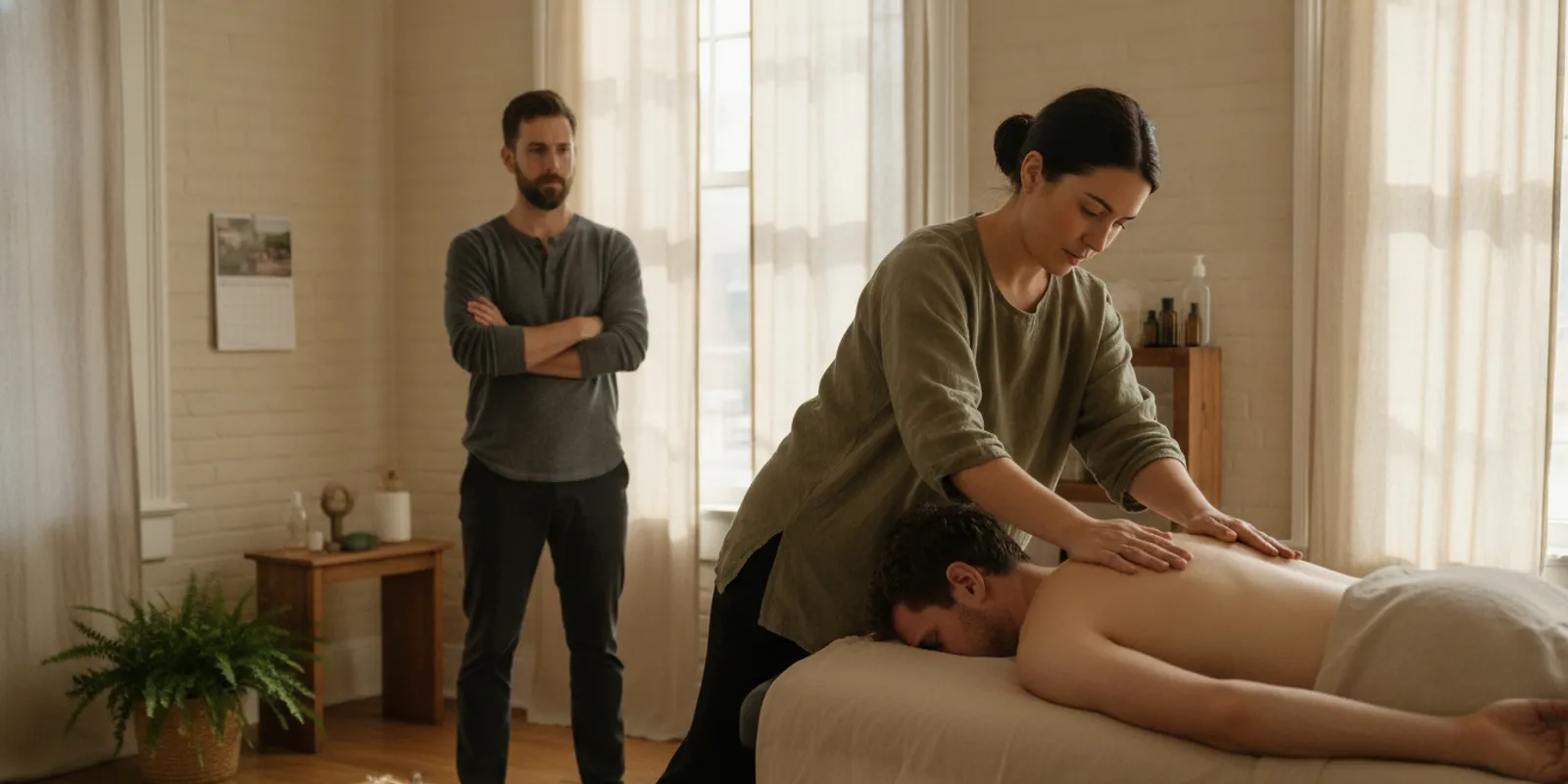
Ask how feedback is delivered and whether students can request clarification or a modification. In a small group, feedback may be individual or shared with the room; either can be useful, but know what to expect. If a technique is new to you, consider whether the instructor explains the rationale and offers a way to practice the elements gradually. Avoid treating a single demonstration as proof that a technique is appropriate for every client or situation.
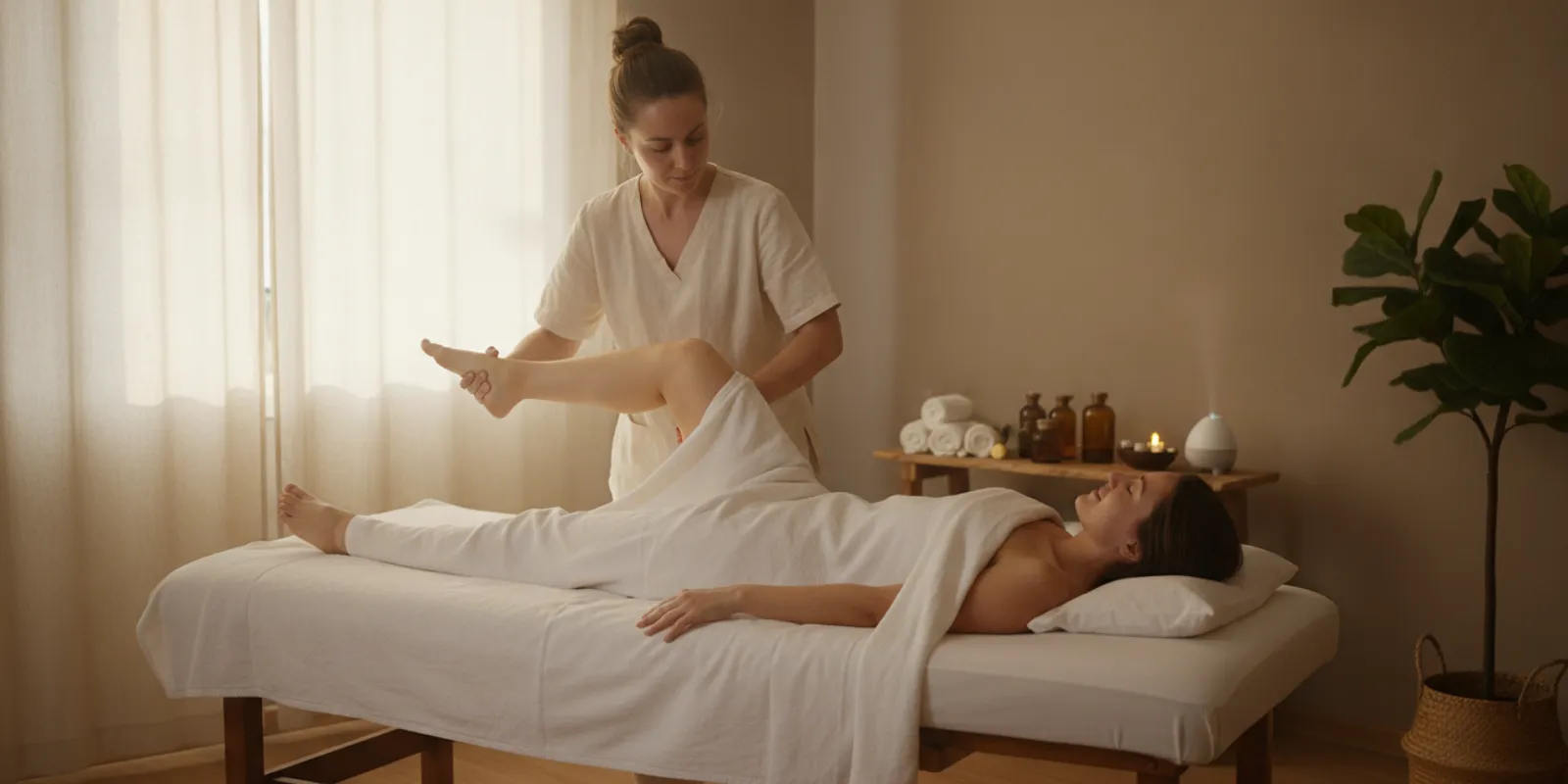
Hands-on learning involves close contact, so the course should explain consent, draping or positioning expectations where relevant, hygiene, and how participants can opt out of an activity. Ask how partners are arranged and what happens if someone does not want to participate in a particular exercise. A respectful learning environment makes expectations explicit and allows participants to raise a concern without pressure.
Also consider the physical setting. Confirm the venue, schedule, accessibility, cancellation terms, and what is included in registration. Find out whether tables, linens, or other equipment are supplied, if the description does not say. If the course includes extended practice, ask about breaks and how students can adjust their participation. These practical questions matter because a course can be educationally relevant but still a poor fit for your schedule or access needs.
Before paying, check whether the registration terms explain transfers, cancellations, and what happens if the organizer changes the schedule. Keep written confirmation of the course date, location, and any stated credit. This is not a substitute for checking approval, but it gives you a reliable record of what was represented when you made the decision.
How should you verify continuing education credit?
For continuing education credit, verify the course’s current approval status with the relevant state regulatory board or credentialing body. Approval rules can vary by jurisdiction and change over time. Do not assume a course counts simply because it advertises CE, or because another practitioner says it counted for them. The Federation of State Massage Therapy Boards CE Registry explains that state boards determine whether courses meet their requirements and offers a way to look for courses. Confirm directly with your board if you are unsure.
Before enrolling, gather the details the regulator may need to identify a course: the exact course title, provider, dates, delivery format, subject area, and any approval or provider number shown in the listing. Ask the organizer for documentation if a detail is missing. Then compare those details with the current rules that apply to your license. A course can be worthwhile for learning even when it does not satisfy a particular renewal requirement, but the distinction should be clear before you spend money or set aside time.
Keep records after completing a class. Save the registration confirmation, course description, proof of attendance, certificate, and any record of the credit hours stated by the provider. Check what your regulator asks you to retain and for how long. Do not wait until renewal to discover that a document is unavailable or a course category is not accepted. When rules are unclear, a direct answer from the relevant board is more reliable than an assumption based on an advertisement or a colleague’s different jurisdiction.
The American Massage Therapy Association continuing education overview describes a range of online and in-person education options. It is a useful starting point for exploring formats, not a substitute for confirming your own board’s rules. Another helpful check is to distinguish a course’s learning value from its licensing value. A topic may add useful perspective without qualifying for the exact credit category you need.
How do workshop formats compare?
Different formats offer different trade-offs. Choose based on the skill, amount of feedback, and schedule you need rather than assuming one format is best for everyone. The format label alone does not tell you how much practice or interaction is included, so look for an agenda and ask follow-up questions.
| Format | What it can offer | What to verify |
|---|---|---|
| Demonstration | Opportunity to observe sequencing and technique | Whether there is time for questions or practice |
| Partner practice | Direct experience applying a technique | Supervision, consent, feedback, and alternatives |
| Small-group workshop | Discussion and instructor input alongside practice | Group size and time each participant receives |
| Online course | Flexible access to instruction and theory | Whether the topic requires in-person practice and which credit is accepted |
Online learning may work well for concepts, review, or topics that do not require physical practice. For technique development, look closely at the amount of supervised practice and individual feedback available. Ask whether the online format is live or self-paced, how questions are handled, and whether you can revisit course materials. For a hands-on topic, a recording can demonstrate movement, but it cannot give you the same direct observation and correction as an instructor watching your practice.
In-person classes can provide tactile practice and immediate discussion, but they are not automatically more useful. A crowded room, unclear objectives, or limited instructor access may reduce the value of the format. Conversely, a focused lecture or well-designed online class may be a better fit for learning concepts or reviewing professional considerations. The important comparison is between the teaching method and the outcome you seek.
Think also about how you learn. Some practitioners benefit from seeing a full sequence first; others prefer short demonstrations followed by practice and feedback. If you are unsure, ask the organizer how the session is paced. Find out whether there is time to ask questions without interrupting the demonstration, and whether participants can observe a round before joining in. Those specifics may reveal more than a general promise of interactive learning.
How can you prepare to get more from a class?
- Set a specific goal. Write down the skill or question you want to take away. A goal such as “understand the sequence and its decision points” is more actionable than “get better at massage.”
- Read the course outline. Note prerequisites, equipment, practice expectations, and credit details. Save a copy so you can refer to what was promised.
- Bring useful questions. Ask how to adapt the technique, when it may not be appropriate, and how to practice safely within your training.
- Plan your arrival. Confirm location, start time, parking or transit options, and what to bring. Leave time to settle in rather than arriving while the class is underway.
- Participate actively. Request feedback and take notes on cues, sequence, and adjustments. If a movement is unclear, ask for another demonstration rather than guessing.
- Review after class. Organize notes while details are fresh and identify questions you still have. Separate what you observed from what you have practiced yourself.
- Plan follow-up practice. Identify an appropriate way to revisit the material and evaluate your comfort before using it professionally.
During the class, note the conditions around each technique. What was the client or practice partner’s position? What cue did the instructor use? What adjustment changed the movement? Context helps prevent a memorized sequence from becoming a rigid recipe. If a demonstration uses a particular body position or level of pressure, ask how the instructor expects practitioners to adapt it when circumstances differ.
Afterward, consider what you learned and what remains outside the scope of the class. A workshop is one part of professional development; it does not replace the requirements of your license, local regulations, or clinical judgment. If you are not ready to use a new approach independently, seek appropriate additional instruction or supervision. Be cautious about claims that promise a particular client outcome or imply a technique suits every person.
How can you assess a course before you register?
Use a simple decision process. First, match the course’s stated outcomes to a real learning need. Second, verify the instructor, prerequisites, teaching format, and practice conditions. Third, confirm credit acceptance separately if you need hours for renewal. Finally, weigh the logistics and registration terms. This sequence helps you avoid focusing on a single attractive feature while overlooking a critical mismatch.
You can send the organizer a short set of specific questions. For example: “How much supervised practice is included?” “What experience should participants have?” “How is feedback provided?” “What should I bring?” “Which body or jurisdiction has approved the course, if any?” Clear, direct answers help you decide. If the response is vague, contradictory, or pressures you to register before you can review basic details, consider waiting until you have the information you need.
There is no need to treat every missing detail as a warning sign; sometimes a listing is simply brief. The point is to fill gaps before committing. Keep a note of the answers and compare them against your own goals. If the course is intended for a different experience level, or most of the time is observation when you want practice, another option may suit you better.
Cost is one practical factor, but an advertised fee alone does not reveal value. Compare the learning time, supervised practice, instructor access, materials, travel, and any separate fees. Do not assume a more expensive class is better or that a low-cost option is inadequate. Decide what matters for your goal, then compare like with like. If the organizer does not state what the fee includes, ask before registering.
Are you looking for a massage rather than professional training?
Continuing education workshops are intended for practitioners. If you are a New Orleans resident or visitor seeking massage for yourself, look for service information that describes the type of session and gives you a way to discuss your needs. NOLA Bliss Massage offers therapeutic massage services, including Ashiatsu, deep tissue, Swedish, prenatal, and couples massage. Review the massage services available in New Orleans to compare options, or read about Ashiatsu massage if that technique interests you.
Think about what you want from a session, but do not feel you need to select a precise technique before asking questions. You might be seeking general relaxation, focused attention to an area, or a massage style you have heard about. A service description can help you understand the available options; a conversation can clarify whether the session is a practical fit for your preferences and circumstances. State what you would like addressed and what you would rather avoid.
Before a session, describe your goals, relevant health concerns, areas you want addressed, and any boundaries about pressure or positioning. You can ask questions and discuss adjustments with the therapist. If something feels uncomfortable, say so; communication is part of making the session responsive to your preferences. Massage is not a substitute for medical evaluation or treatment. Seek advice from a qualified healthcare professional for new, severe, or concerning symptoms.
For visitors, simple planning can make it easier to choose a service without confusing a workshop listing with an appointment option. Check the studio’s contact and booking information for current details, and review parking information if you are coming downtown by car. Confirm any timing or access questions directly before you travel, since practical arrangements can affect which option works for you.
How can you make a careful next-step decision?
If you are a practitioner, compare objectives, instructor background, practice conditions, credit acceptance, and registration terms before enrolling. If you are a prospective client, use the service information that matches your needs and contact the studio with questions. The about page for NOLA Bliss Massage provides more context about the studio, while the workshop page explains its training offerings.
A useful decision does not require certainty about every detail. It requires enough information to understand what you are choosing, what it can reasonably offer, and what it cannot promise. For a course, that means distinguishing practical learning from accepted license credit. For a massage appointment, it means discussing preferences and choosing a service path that makes sense for you.
Explore therapeutic massage services
Taking a few minutes to confirm fit, format, and expectations can make your next training or care decision clearer.