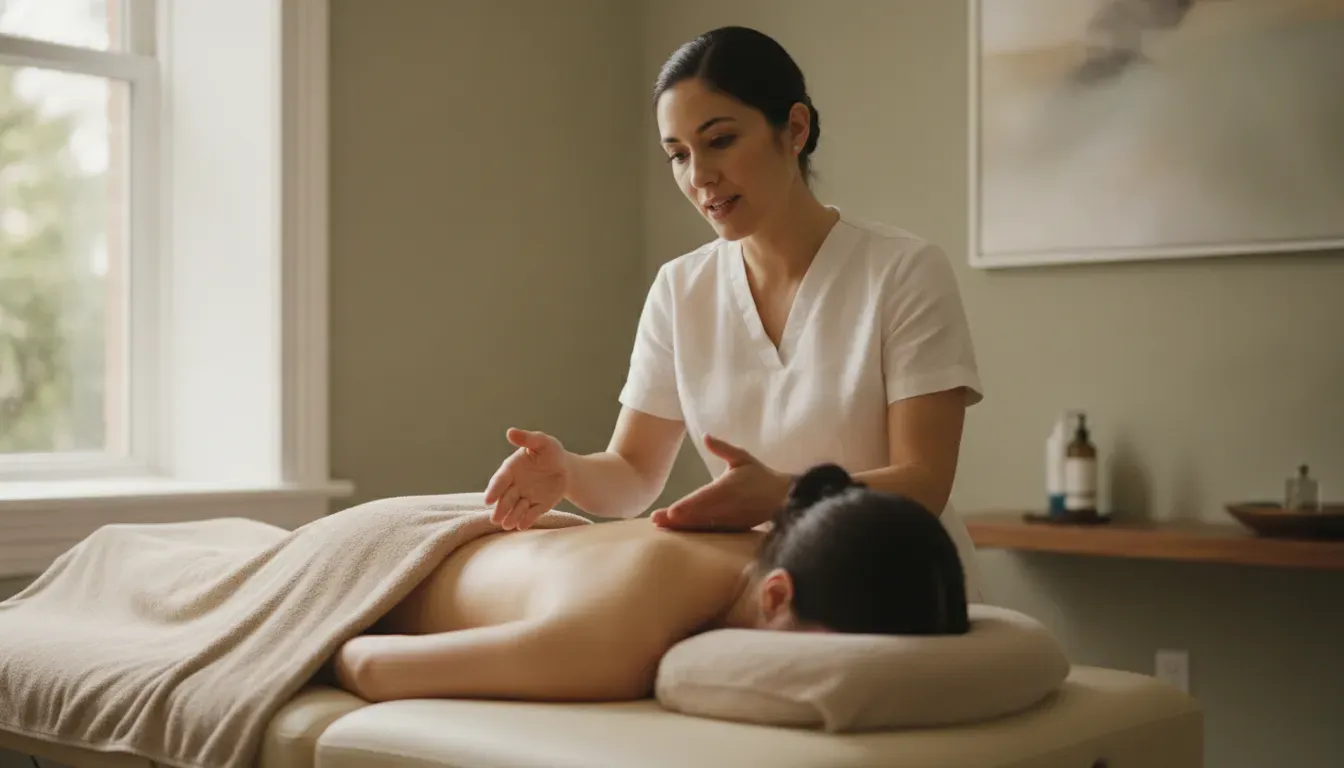

The aches and pains of pregnancy are real. From a sore lower back to swollen ankles, your body is working overtime and deserves dedicated support. Prenatal massage is one of the most effective ways to find relief, offering targeted care for the unique physical strains of carrying a baby. But to get the most out of every session, consistency is key. This brings up the big question: how often prenatal massage should be on your calendar? We’ll explore the ideal timing for each trimester, helping you build a routine that eases tension and helps you feel your best.
Key Takeaways
- Always prioritize safety: Get approval from your doctor before starting, and choose a therapist who is certified in prenatal massage to ensure they understand your body’s unique needs for a safe, effective session.
- Time your sessions with your pregnancy: The second trimester is an ideal time to begin a monthly routine. You can then increase the frequency to weekly or bi-weekly during the third trimester for more consistent relief from aches and pains.
- Expect a specialized experience: Prenatal massage is different from a standard massage; it uses modified techniques like supportive side-lying positions and gentle pressure to safely target common discomforts such as back pain, swelling, and sciatica.
How Is Prenatal Massage Different From a Regular One?
If you’re pregnant, you might be wondering if you can just book a regular massage. While the thought is tempting, a prenatal massage is a specialized practice designed specifically for the changes your body goes through during pregnancy. It’s not simply a lighter version of a Swedish or deep tissue massage. Instead, it’s a carefully adapted therapy that prioritizes the safety and comfort of both you and your baby, using specific techniques to address the unique aches and pains of pregnancy. From the way you’re positioned on the table to the techniques the therapist uses, every detail is tailored to support you through this incredible time.
Safe Massage Techniques for Your Pregnancy
Prenatal massage focuses on providing relief while ensuring a completely safe experience. Therapists use modified techniques and gentle pressure to address common discomforts like lower back pain, swollen ankles, and sciatic nerve pain. The goal is to soothe the physical and emotional strains of pregnancy without putting any undue stress on your body. Unlike a standard massage, a prenatal session avoids deep pressure on certain areas and uses specific strokes that encourage relaxation and improve circulation. This careful approach helps manage pregnancy-related symptoms and promotes overall well-being, making it a therapeutic and supportive practice for expecting parents.
Ensuring No Pressure Is Applied to the Abdomen
One of the biggest priorities during a prenatal massage is making sure there’s absolutely no pressure on your abdomen. To achieve this, you won’t lie face down on the table as you would in a standard massage. Instead, you’ll be comfortably positioned on your side, supported by a system of pillows and bolsters that cushion your hips, knees, and belly. This side-lying position is the safest way to receive a massage during pregnancy because it takes all the weight off your growing baby and prevents compression of major blood vessels. A skilled prenatal therapist understands this anatomy and will ensure you are perfectly propped up, allowing them to effectively work on your sore back and hips without ever compromising your or your baby’s safety.
Getting Comfortable: Safe Positions for Prenatal Massage
One of the most noticeable differences in a prenatal massage is how you lie on the table. Your comfort and safety are the top priorities, which means you won’t be lying flat on your back or stomach. Instead, you will be comfortably positioned on your side, supported by pillows and cushions to keep your spine aligned and take pressure off your hips and back. This side-lying position prevents the weight of the baby from compressing important blood vessels, ensuring healthy blood flow for both of you. This careful positioning allows you to fully relax while your therapist works on relieving tension in your muscles.
Why Side-Lying with Pillows Is the Safest Position
The side-lying position is the gold standard for prenatal massage for a crucial reason: it protects your circulation. When you lie on your back, especially later in pregnancy, the weight of your uterus can press on the vena cava, a major vein that carries blood back to your heart. This can reduce blood flow to you and your baby. By positioning you on your side, propped up with plenty of soft pillows for support, a certified therapist ensures your spine stays aligned and there’s no unnecessary pressure on your abdomen or major blood vessels. This setup not only keeps you and your baby safe but also allows for deep relaxation and effective treatment of sore hips and back muscles. At Nola Bliss, our therapists are expertly trained in this method to provide a secure and comfortable prenatal massage experience.
The Problem with Massage Tables with Cutouts
You might come across massage tables with a special cutout for your belly, which seems like a great idea at first. However, these tables are generally not recommended by prenatal massage experts. When you lie face down, even with a cutout, your abdomen can hang unsupported. This can strain the uterine ligaments and put unnecessary pressure on your lower back. According to the Cleveland Clinic, lying on your stomach can also lower your blood pressure and compress nerves, making it less safe than the side-lying position. A truly professional prenatal massage will always prioritize the safest and most supportive setup, which involves using pillows to cushion you on your side. This ensures there is no risk to you or your baby, allowing you to relax with complete peace of mind.
Why You Need a Specially Trained Therapist
It is essential to choose a massage therapist who is certified in prenatal massage. A skilled professional has advanced training in the anatomy and physiology of a pregnant body and understands how to safely perform the massage. They know which areas and pressure points to avoid and how to adapt their techniques for each trimester of your pregnancy. This specialized knowledge ensures the massage is not only effective for relieving your aches and pains but is also completely safe for you and your baby. A trained therapist can confidently address your needs, giving you the peace of mind to truly unwind.
When Is the Best Time to Start Prenatal Massage?
One of the most common questions we hear is about the right time to begin prenatal massage. While you might be eager for relief from the moment you see a positive test, timing is important for ensuring the safety and comfort of both you and your baby. The answer really depends on where you are in your pregnancy, as each trimester brings its own unique changes and considerations.
Generally, the second trimester is the most popular and widely recommended time to start a regular massage routine. However, every pregnancy is different. The best first step is always to have a conversation with your doctor or midwife. They can offer guidance based on your personal health history and help you decide on a timeline that feels right. Once you have their approval, a trained therapist can work with you to create a plan that supports you through every stage.
Is It Safe to Get a Massage in the First Trimester?
The first trimester is a time of incredible development for your baby, but it can also be a delicate period. For this reason, most massage therapists and doctors suggest waiting until you’re past the 12-week mark to get your first prenatal massage. The primary reason for this caution is that the risk of miscarriage is naturally highest during these early weeks.
While there’s no evidence that a gentle massage causes any problems, the professional standard is to wait until the pregnancy is more established. This approach prioritizes your peace of mind and your baby’s well-being. It’s a time to focus on rest and gentle self-care, and you can look forward to booking your first session as you enter the second trimester.
Addressing the Miscarriage Myth
Let’s address a common concern head-on: the myth that a massage during the first trimester can cause a miscarriage. It’s completely understandable to worry, but it’s important to know there is no scientific evidence supporting this claim. The professional standard of waiting until the second trimester is a precaution, not a reaction to a proven risk. The reality is that the first trimester carries a naturally higher risk of miscarriage for reasons entirely unrelated to massage. Reputable therapists and healthcare providers recommend waiting simply to avoid any coincidental association and to protect your emotional well-being during a sensitive time. This cautious approach ensures that your prenatal massage experience is relaxing and worry-free from the very start.
Why the Second Trimester Is an Ideal Time to Start
Many people consider the second trimester, from weeks 13 to 27, the golden window for prenatal massage. By this point, early pregnancy symptoms like morning sickness have often faded, but the physical strains of a growing belly are just beginning to appear. Your energy levels might be higher, making it a fantastic time to establish a self-care routine that can carry you through the rest of your pregnancy.
Starting massages during this phase helps you proactively manage common discomforts like backaches and hip pain before they become more intense. It gives your body a chance to adapt to the regular therapeutic work and allows you to build a trusting relationship with your therapist. Think of it as setting a foundation for comfort and relaxation for the months ahead.
Finding Relief in Your Third Trimester
As you enter the third trimester, the physical demands of pregnancy often reach their peak. Your body is working hard to support your growing baby, which can lead to increased back pain, swollen ankles, sciatica, and general muscle tension. This is when prenatal massage can shift from a relaxing treat to an essential tool for managing discomfort.
During these final months, you can safely increase the frequency of your appointments. Many clients find that getting a massage every week or two provides significant relief and helps them prepare for labor. According to the Cleveland Clinic, you can get a massage as often as once a week as you get closer to your due date. It’s a wonderful way to soothe your body and calm your mind during the final stretch.
Using Massage to Prepare for Labor After 37 Weeks
Once you reach the 37-week mark, your focus naturally shifts toward preparing for labor. Continuing with weekly massages during these final weeks can be a powerful tool in this process. It does more than just soothe sore muscles; it helps your body get ready for the physical work of childbirth. Consistent sessions can lower stress hormones and increase feel-good hormones like endorphins, which is beneficial for both you and your baby. This state of deep relaxation helps you feel more prepared mentally and physically for the arrival of your little one. Learning to relax during labor is a key skill, and these final massage sessions provide excellent practice for staying calm and centered as you approach your due date.
How Often Should You Get a Prenatal Massage?
Once you decide to make prenatal massage part of your pregnancy journey, the next question is usually about timing. How often should you book an appointment to get the most out of it? The answer changes as your body changes. The best massage schedule for your first trimester will look very different from the one you’ll want in your third. The key is to listen to your body and create a routine that supports you through each unique stage of pregnancy. Let’s walk through a typical timeline to help you find the perfect rhythm for you and your growing baby.
Massage Frequency in the First Trimester
The first trimester is a time of incredible development, and it’s completely understandable to be extra cautious. Many massage therapists and doctors recommend waiting until you’re past the 12-week mark to begin prenatal massage. This isn’t because massage is inherently dangerous, but because the first trimester carries a higher natural risk of miscarriage. Waiting until the second trimester gives your pregnancy time to stabilize and gives you peace of mind. Think of these first few months as a time for gentle self-care. You can use this period to find a qualified therapist, so you’re ready to book your first prenatal massage as soon as you enter the second trimester.
Your Second Trimester Massage Schedule
Welcome to the second trimester, often called the “honeymoon phase” of pregnancy. Your energy may be returning and morning sickness fading, but your body is changing in more noticeable ways. This is the perfect time to establish a consistent massage routine. As your belly grows and your center of gravity shifts, you might start feeling new aches in your back, hips, and shoulders. A monthly massage can work wonders for managing this early discomfort. If you’re feeling more pronounced aches, scheduling a session every two or three weeks can provide even greater relief and help keep stress levels low.
Why More Frequent Massages Help in the Third Trimester
The third trimester is when your body is working its hardest. You’re carrying more weight, which can lead to increased back pain, swollen feet, and general fatigue. This is when more frequent massage can make a huge difference in your comfort. Many expecting mothers find that weekly sessions from around week 32 onward provide significant relief from physical strain and help improve sleep. In the final month, from 36 weeks until delivery, a weekly massage can be an essential tool for managing discomfort and mentally preparing for labor. It’s a wonderful way to dedicate time to yourself before your baby arrives.
Creating a Massage Schedule That Works for You
While these are helpful guidelines, there is no one-size-fits-all answer. The ideal frequency for prenatal massage is ultimately up to you, your body, and your budget. The most important thing is to listen to what you need. Some people feel fantastic with a monthly massage, while others benefit from more frequent sessions. Before starting any massage regimen, it’s always a good idea to have a conversation with your doctor or midwife. They can offer personalized advice based on your health history and ensure that massage is a safe and beneficial part of your prenatal care plan. From there, you can create a schedule that feels supportive.
Is Prenatal Massage Safe? (And What Are the Benefits?)
A prenatal massage is more than just a relaxing treat; it’s a form of self-care that supports your body and mind through the incredible changes of pregnancy. From easing sore muscles to calming your nerves, the right massage can make a world of difference. But just like any other part of your pregnancy wellness plan, it’s important to approach it with care and knowledge. Understanding the benefits and safety guidelines helps you make the most of every session, ensuring a comfortable and beneficial experience for both you and your baby.
Relief for Common Aches, Pains, and Swelling
As your body changes to accommodate your growing baby, you might experience new aches and pains in your back, hips, and legs. A professional prenatal massage is designed specifically to address these issues. Gentle, targeted strokes can relieve muscle tension, reduce swelling in your joints, and improve circulation. This helps your body manage the extra weight and postural shifts that come with pregnancy. Many expectant mothers find that regular massage provides significant relief from common discomforts like sciatica and leg cramps, helping them feel more comfortable day-to-day.
A Drug-Free Approach to Pain Management
Prenatal massage offers a wonderful, drug-free way to manage the aches and pains that come with carrying a baby. It’s one of the most effective methods for finding relief from common discomforts like a sore lower back, aching hips, and swollen feet. Beyond just soothing sore muscles, a skilled massage can also improve your blood flow, help you get better sleep, and leave you feeling calmer and more at ease in your changing body. It’s a holistic approach that supports your physical and emotional well-being, providing targeted care that helps you move more comfortably through your pregnancy journey without reaching for medication.
The Safety of Foot Massages During Pregnancy
It’s a common myth that foot massages are off-limits during pregnancy, but the truth is they are generally very safe and can feel incredible on tired, swollen feet. The concern often comes from the idea that certain pressure points in the ankles and feet could trigger contractions. However, this would require very aggressive and prolonged pressure from someone who knows exactly where to apply it. A professional massage therapist trained in prenatal techniques understands which areas to treat gently. A soothing foot rub is not only safe but can provide immense relief from the swelling and soreness that many experience.
Self-Massage Tips for Round Ligament Pain
If you’ve ever felt a sharp, sudden pain in your lower belly or groin when you move, you’ve likely experienced round ligament pain. It’s a common and uncomfortable part of pregnancy, but gentle self-massage can offer some immediate relief. When you feel that twinge, try to sit down and gently rub the sore area with your fingertips, using slow, circular motions. You can also lean forward slightly to release some of the tension on the ligament. According to experts at the Cleveland Clinic, these simple techniques can be a great way to manage the discomfort between your professional massage appointments.
How Massage Can Help Reduce Stress and Anxiety
Pregnancy is an emotional journey, and it’s completely normal to feel a mix of excitement and anxiety. Massage is a wonderful way to lower stress levels and find a sense of calm. The soothing touch helps your body release endorphins, which are natural mood lifters. Studies have shown that massage can increase levels of serotonin and dopamine, the “feel-good” hormones, while reducing cortisol, the stress hormone. Taking this time for yourself can improve your sleep, reduce anxiety, and contribute to a more positive and peaceful pregnancy experience.
How Massage Can Contribute to a Healthier Birth
Boosting Immunity and “Feel-Good” Hormones
Pregnancy is a time of major hormonal shifts, and a professional prenatal massage can play a key role in helping you find balance. Studies show that massage encourages your body to produce more serotonin and dopamine, which are often called the “feel-good” hormones. At the same time, it helps lower levels of cortisol, the hormone associated with stress. This rebalancing act does more than just lift your spirits; it creates a calmer internal environment for both you and your baby. Taking this dedicated time for yourself can lead to better sleep, less anxiety, and a more positive and peaceful pregnancy, setting a wonderful foundation for the journey ahead.
Potential for Better Birth Outcomes
Beyond emotional well-being, regular massage can physically prepare your body for labor. As your pregnancy progresses, you might deal with discomforts like sciatica or persistent leg cramps. Consistent massage sessions can provide significant relief from these issues, helping you feel more comfortable and mobile in your daily life. When your body isn’t fighting constant pain, you can feel more physically and mentally prepared for the demands of childbirth. Many clients find that increasing their appointments to every week or two during the final months helps their body adapt and prepare for labor, potentially contributing to a smoother birth experience.
Staying Safe: What You Need to Know
Your safety and your baby’s well-being are the top priorities. Before booking your first prenatal massage, it’s always a good idea to have a conversation with your doctor or midwife. This is especially important if you have a high-risk pregnancy or health conditions like high blood pressure or gestational diabetes. Your healthcare provider can give you the green light and may even offer specific recommendations. A professional massage therapist will also ask about your health history to ensure the session is tailored safely for you. For more detailed information, the Cleveland Clinic offers a great overview of what to consider.
Are There Areas to Avoid During a Prenatal Massage?
Prenatal massage uses different techniques than a standard massage. The pressure is typically light to medium, as deep tissue work is generally avoided during pregnancy to prevent any risk of blood clots. Your therapist will also steer clear of specific pressure points on the ankles and wrists that are thought to potentially stimulate uterine contractions. Instead, they will use long, gentle strokes and light kneading to soothe sore spots safely. This specialized approach ensures you get all the relief you need without any of the risks.
Red Flags: When You Should Skip Your Massage
While massage is beneficial throughout pregnancy, most therapists and healthcare providers recommend waiting until after the first trimester. The first 12 weeks are a critical period of development for your baby, and the risk of miscarriage is highest during this time. Many massage studios, including ours, will only schedule a prenatal massage once you’ve entered your second trimester as a precaution. This waiting period ensures your pregnancy is well-established, allowing you to fully relax and enjoy the experience without any worry. Always communicate with your therapist about how far along you are.
Finding the Right Therapist and Planning Your First Visit
Finding the right support during your pregnancy is so important, and that includes your massage therapist. A great prenatal massage experience starts with a skilled professional who understands the unique needs of your changing body. Once you find the right person, you can work together to create a schedule that helps you feel your best through every trimester. Here’s how to find a qualified therapist and plan your sessions for maximum comfort and safety.
What to Look for in a Prenatal Massage Therapist
The most important factor to consider is specialized training. Always choose a massage therapist who is certified in prenatal massage. This isn’t just a nice-to-have; it’s essential for your safety and comfort. A trained therapist knows how to properly position you to avoid strain on your belly and back, and they understand which techniques and pressure levels are safe for you and the baby. They are also knowledgeable about the specific aches and pains of pregnancy. Our team of therapists has extensive experience and training, so you can relax knowing you’re in capable hands.
Questions to Ask Before You Book
Before you even get on the table, it’s a good idea to have a quick chat with your doctor or midwife. Be sure to get their approval for massage, especially if you have any health concerns like high blood pressure or gestational diabetes. Once you have the green light, feel free to ask the massage studio about their therapists’ credentials and their experience with prenatal clients. A professional studio will be happy to answer your questions and help you feel confident in your choice. When you’re ready, you can learn more about our prenatal massage services and what to expect at our studio.
What to Expect During Your First Prenatal Massage
Your comfort is the top priority. During a prenatal massage, you will typically lie on your side, supported by pillows and cushions to keep your body properly aligned and comfortable. Lying flat on your back or stomach isn’t recommended during pregnancy, so this side-lying position ensures there’s no pressure on major blood vessels. The massage itself will use light to medium pressure, focusing on areas of tension like your lower back, hips, and shoulders. Deep tissue work is generally avoided. Always communicate with your therapist during the session; if anything feels uncomfortable, let them know right away.
Typical Session Lengths
Prenatal massage sessions typically last between 60 and 90 minutes. While some places may offer shorter appointments, a full hour gives your therapist enough time to address your whole body and focus on key areas of tension. At Nola Bliss, we offer prenatal massages in 60, 75, and 90-minute sessions. A 60-minute massage is perfect for overall relaxation and relief from general pregnancy aches. If you have specific concerns, like persistent lower back pain or sciatica, a longer 90-minute session allows for more detailed work on those problem spots, helping you find more lasting comfort.
What to Wear During Your Massage
Your comfort is the most important thing, and that includes what you choose to wear. You can undress to whatever level feels right for you. As the Cleveland Clinic notes, you can be fully undressed or keep your underwear on. Either way, you will be modestly draped with a sheet and blanket throughout the entire session. Your therapist will only uncover the specific area of your body they are working on at that moment, ensuring your privacy is always respected. The goal is for you to feel secure and relaxed, so you can get the full benefits of your massage.
How to Build Your Ideal Prenatal Massage Routine
So, how often should you go? Think of it as a flexible self-care plan that adapts to your needs. During the second trimester, a monthly massage is a great way to manage common discomforts. As you move into the third trimester and your body is working harder, you might find that more frequent sessions are helpful. Many women choose to get a massage every two weeks, or even weekly, as they get closer to their due date. The best approach is to listen to your body and work with your therapist to create a schedule that provides consistent relief and relaxation throughout your pregnancy.
Paying for Your Prenatal Massage
Investing in your well-being during pregnancy is one of the best things you can do for yourself and your baby. While prenatal massage is a valuable form of self-care, it’s also a legitimate therapeutic service that may be covered by your health benefits. Many people are surprised to learn that they can use pre-tax dollars from a Health Savings Account (HSA) or Flexible Spending Account (FSA) to pay for their sessions. This can make regular massage more accessible, allowing you to get the consistent care your body needs. Before starting any massage regimen, it’s always a good idea to have a conversation with your doctor or midwife to ensure massage is a safe and beneficial part of your prenatal care plan.
Using Your HSA for Massage Therapy
To use your HSA or FSA funds, you will likely need a Letter of Medical Necessity (LMN) from your doctor. This is a formal note that explains why massage therapy is recommended to treat a specific pregnancy-related condition, such as back pain, sciatica, or swelling. Once you have this letter, you can submit it with your receipts for reimbursement or use your HSA/FSA card for payment, depending on your plan’s rules. It’s a simple step that can make a big difference in your budget, so be sure to ask your healthcare provider about it at your next appointment.
Continuing Care: The Benefits of Postpartum Massage
The support for your body shouldn’t stop once your baby arrives. The postpartum period, often called the “fourth trimester,” is a time of immense physical and emotional adjustment. Your body is recovering from childbirth while you’re navigating the demands of caring for a newborn, often on very little sleep. This is where postpartum massage becomes an essential tool for healing and well-being. Just as prenatal massage supported you during pregnancy, postpartum massage is designed to help you recover, restore your energy, and ease the transition into motherhood. It provides a quiet space to focus on your own needs, which is crucial during this demanding time.
After giving birth, massages can help your body recover from the physical stress of pregnancy and childbirth. They can help you relax, reduce anxiety, and boost feel-good hormones that are vital for your emotional health. Whether you had a vaginal delivery or a C-section, a trained therapist can use specific techniques to address your body’s unique needs, from relieving sore muscles to helping regulate your hormones. It’s a gentle yet powerful way to support your body’s natural healing process, helping you feel more like yourself again as you embrace your new role.
Supporting Your Body’s Recovery After Birth
The physical demands of labor and delivery can leave your muscles feeling sore and exhausted. Postpartum massage directly addresses this by easing muscle tension, improving circulation, and reducing any lingering swelling. It can also help with the new physical strains of motherhood, like the neck and shoulder pain that often comes from holding and feeding your baby. A skilled therapist can also help your body with structural realignment, gently encouraging your hips and pelvis to return to their pre-pregnancy position. This targeted care supports your body’s recovery, helping you regain strength and feel more comfortable in your own skin.
Easing into Motherhood with Reduced Stress and Anxiety
The transition to motherhood is a beautiful but often overwhelming experience. Sleepless nights and the constant needs of a newborn can take a toll on your emotional well-being. Postpartum massage offers a vital opportunity to rest and recharge. Studies have shown that massage can increase levels of serotonin and dopamine, the “feel-good” hormones, while reducing cortisol, the stress hormone. This hormonal balancing act can help manage the “baby blues” and reduce feelings of anxiety. Taking just an hour for yourself can provide a profound sense of calm, giving you the mental and emotional space you need to be a present and patient parent.
Related Articles
Frequently Asked Questions
Why can’t I just ask for a regular massage with lighter pressure? That’s a great question, and it comes down to specialized knowledge. A prenatal massage is much more than a gentle Swedish massage. A certified therapist understands the specific anatomical changes that happen during pregnancy, from your shifting center of gravity to increased strain on your lower back and hips. They know how to position you safely on your side with supportive pillows and are trained to avoid specific techniques and pressure points that are not recommended during pregnancy.
Is prenatal massage safe throughout the entire pregnancy? For your peace of mind, most professionals recommend waiting until you have entered the second trimester to begin massage. The first trimester is a critical time for the baby’s development, and while there is no evidence that a gentle massage is harmful, waiting is the standard precaution. It is also very important to get approval from your doctor or midwife before starting, especially if you have a high-risk pregnancy or other health concerns.
What if I’m really sensitive? Will the massage be painful? A prenatal massage should be a soothing and relieving experience, not a painful one. The entire session is designed around your comfort. Therapists use gentle to medium pressure focused on easing tension, not forcing it. The most important thing is to communicate. If any stroke or position feels uncomfortable, you should tell your therapist immediately. They can adjust the pressure and technique to make sure you feel completely relaxed and supported.
I’ve heard massage can induce labor. Is that true? This is a very common concern, but you can relax. A therapeutic prenatal massage performed by a certified professional will not induce labor. Trained therapists are aware of the specific acupressure points on the body, like those near the ankles and wrists, that are traditionally thought to stimulate uterine contractions, and they will avoid them. The goal of your massage is to relieve muscle soreness and stress, not to start labor.
How do I know if a therapist is actually qualified to give a prenatal massage? The best way to know is to ask directly. A reputable studio will be happy to tell you about their therapists’ certifications and training in prenatal massage. A certified therapist has completed specialized coursework that covers the unique physical needs and safety considerations for pregnant clients. Don’t ever feel shy about asking for a therapist’s credentials; your safety and comfort are the top priority.