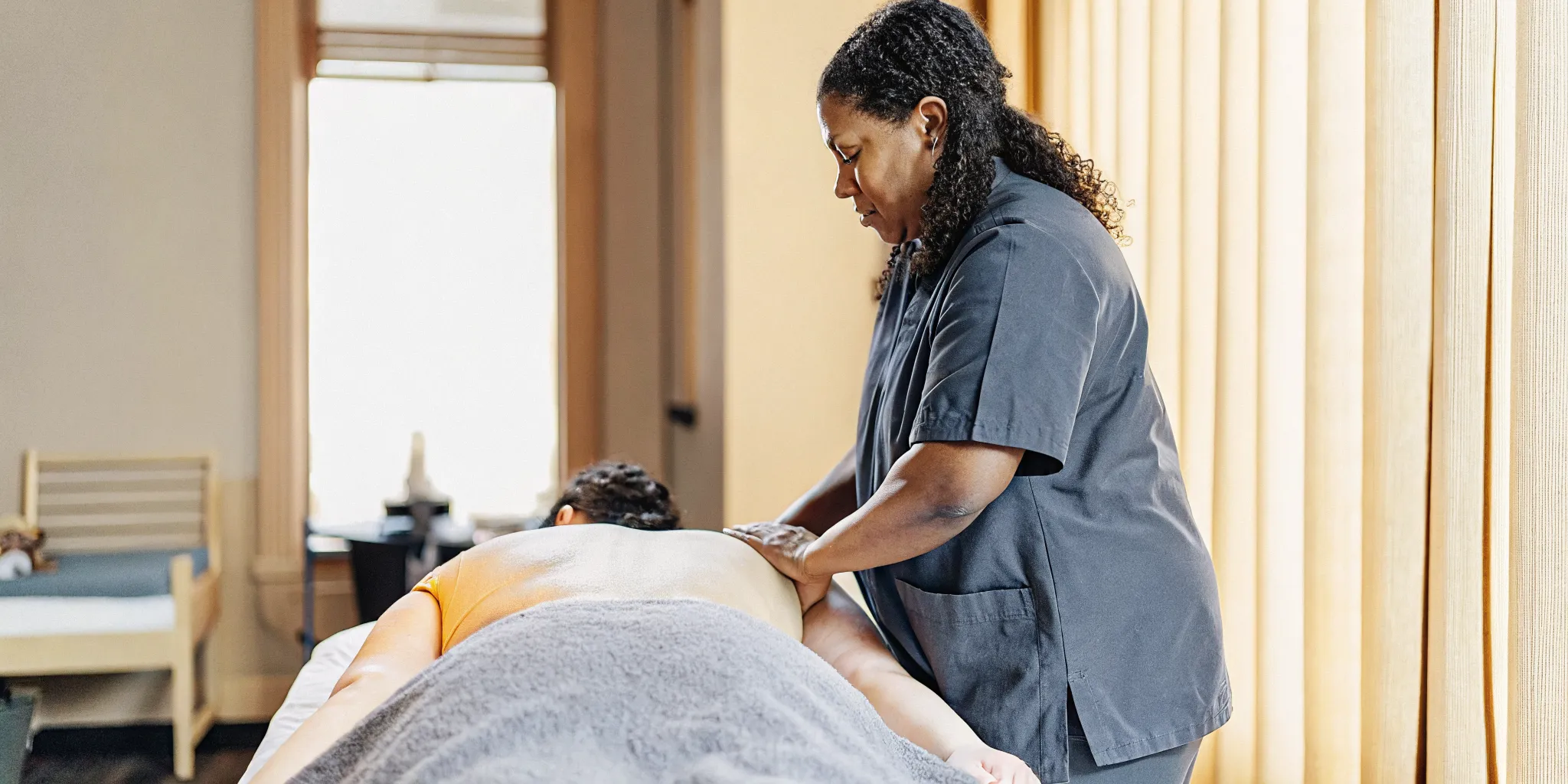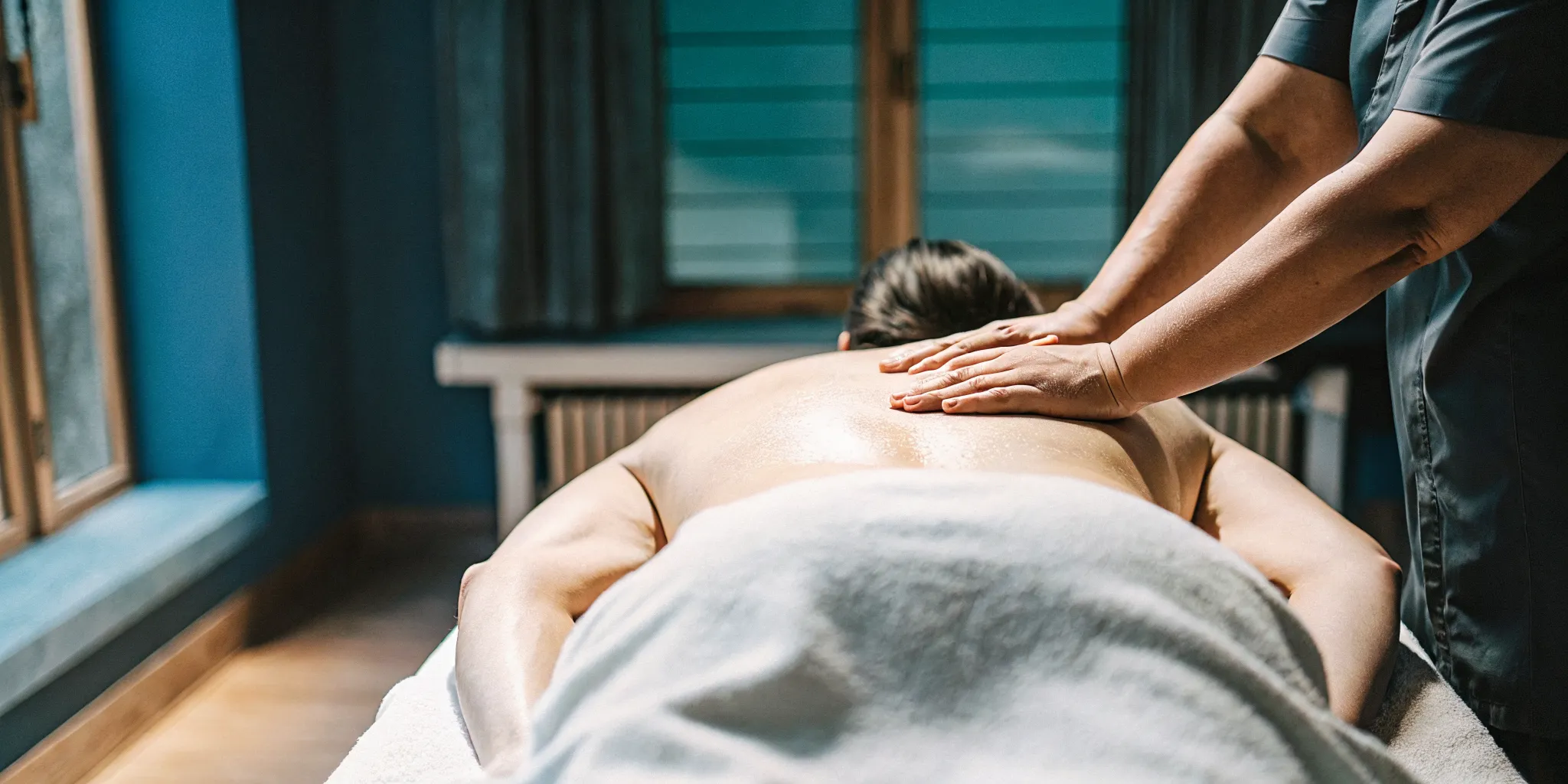

Fulfilling your continuing education requirements can feel like just another box to check. But what if you saw it as a powerful opportunity to shape your practice? The right in-person CE courses for massage therapy can help you attract your ideal clients and add an in-demand specialty to your menu. You can build a reputation as a true expert in your field. Whether you want to master a complex modality like Ashiatsu or become the go-to for prenatal care, your choices matter. This guide will help you strategically select courses that align with your career goals.
Key Takeaways
- Choose hands-on learning for real growth: While online courses are convenient, in-person training provides the direct feedback and community connection essential for mastering tactile massage techniques.
- Be strategic with your course selection: Pick courses that match your career goals and client needs, and always verify that the provider is approved by your state board to ensure your credits count.
- Make your training stick: Get the most from your investment by preparing beforehand, engaging with your instructor and peers during the class, and immediately practicing your new skills with clients.
Why In-Person CE Still Matters for Massage Therapists
While online courses offer convenience, they can’t replace the experience of learning in a room with your peers and an expert instructor. For a profession as hands-on as massage therapy, in-person continuing education provides a level of depth and connection that a screen simply can’t match. It’s an investment in your skills, your career, and your professional community. Choosing to show up in person allows you to refine your technique with direct feedback, build lasting relationships with fellow therapists, and truly master the latest methods that will keep your clients coming back.
Get Hands-On Training and Instant Feedback
Massage is a tactile art. You can read about applying the right pressure or watch a video on proper body mechanics, but nothing compares to an instructor physically guiding your hands or adjusting your posture. In-person courses provide immediate, personalized feedback that is essential for mastering nuanced techniques. This hands-on environment allows you to ask questions in the moment and practice on different body types under the watchful eye of an expert. It’s the difference between knowing a technique and truly understanding it, ensuring you can confidently and effectively integrate new skills into your client sessions.
Connect with Fellow Massage Therapists
Working as a massage therapist can sometimes feel isolating, but in-person CE courses are a fantastic way to build your professional network. These workshops bring together passionate therapists from different backgrounds, creating a space to share experiences, discuss challenges, and celebrate successes. The connections you make can lead to friendships, mentorships, and a valuable referral network. Being in a room with your peers fosters a sense of community and shared purpose, reminding you that you’re part of a larger profession dedicated to healing. This collaborative environment is perfect for sparking new ideas and solving problems together.
Master the Latest Techniques in Massage Therapy
Staying current with the latest advancements is key to a thriving massage practice. In-person workshops are the best way to learn and master new modalities that can set you apart and attract your ideal clients. Whether you want to specialize in prenatal massage or add an advanced therapy like Ashiatsu to your offerings, hands-on training ensures you learn the techniques correctly and safely. Continuing your education in person shows a commitment to your craft and gives you the skills to address a wider range of client needs, from chronic pain relief to deep relaxation.
Exploring the Landscape of Continuing Education
Once you’ve decided to pursue in-person training, you’ll find a wide array of formats to choose from. The world of continuing education is no longer limited to stuffy hotel conference rooms. Today, you can find options that fit your schedule, learning style, and even your travel wish list. From flexible hybrid models that blend online convenience with hands-on practice to immersive destination workshops, there’s a path that will work for you. Understanding the different formats available helps you make a choice that not only fulfills your credit requirements but also genuinely inspires you and enriches your practice. The key is to find an environment where you can truly absorb the material and connect with the content on a deeper level, ensuring the skills you learn are ones you’ll carry with you for the rest of your career.
Live Webinars and Hybrid Conferences
If you’re juggling a full client load, family commitments, and a busy life, finding time for multi-day, in-person courses can be a challenge. This is where live webinars and hybrid conferences offer a fantastic solution. These formats provide the flexibility to learn from industry experts without having to completely clear your schedule. Many professional organizations now offer hybrid events that combine online lectures with shorter, in-person practical sessions. This allows you to cover theoretical knowledge at your own pace from home and then come together with peers for focused, hands-on practice. It’s a balanced approach that respects your time while still delivering the essential tactile training you need to master new techniques effectively and confidently.
Travel Courses and Symposia
Why not turn your continuing education into a memorable experience? Travel courses combine professional development with the excitement of exploring a new place. Some therapists plan their vacations around workshops in beautiful locations, creating a perfect blend of learning and leisure. You don’t have to fly to Italy or Spain to find an inspiring destination, either. You can find incredible training opportunities right here in the U.S. in cities known for their culture and energy. For example, you could plan a trip to New Orleans to master a new modality. Nola Bliss Massage is the Gulf Coast’s only certified training center for Ashiatsu Deepfeet Bar Therapy, making it a premier destination for therapists looking to add this incredible, deep-tissue service to their practice while enjoying one of the country’s most unique cities.
Local Study Clubs
Continuing education doesn’t always have to be a big, one-time event. Participating in a local study club is a great way to foster ongoing learning and build a strong community of peers right in your hometown. These groups often meet monthly to practice techniques, discuss challenging cases, and share business insights in a supportive, informal setting. It’s an excellent way to keep your skills sharp between larger certification courses and stay connected to the pulse of the profession. Finding a local club allows you to build relationships with other therapists who can become a vital support system, offering referrals, advice, and encouragement as you grow your practice. This consistent, community-based learning helps reinforce new skills and keeps you motivated throughout the year.
What Kind of In-Person CE Courses Can You Take?
Once you’ve decided to pursue in-person training, you’ll find a wide variety of courses to choose from. The best path for you depends entirely on your career goals and what your clients need. Are you looking to add a completely new service to your menu, refine an existing skill, or get a better handle on the business side of your practice? Understanding the different types of courses available will help you make an informed decision that truly benefits your career.
Learn Advanced Massage Modalities
These courses introduce you to cutting-edge techniques that can set your practice apart. Think of modalities that require specific training and certification, like Ashiatsu Deepfeet Bar Therapy, lymphatic drainage, or craniosacral therapy. In-person courses in advanced modalities focus on practical, hands-on application, giving you the direct feedback needed to master complex movements safely and effectively. You’ll learn the theory behind the technique and spend most of your time practicing, so you can confidently refine your skills and expand your therapeutic offerings. This is your chance to learn a new, in-demand service that can attract a whole new clientele.
Practice on Real Patients Under Supervision
The best advanced modality courses go beyond just practicing on your classmates. Some training programs, especially for highly specialized techniques, include a clinical component where you work on actual clients under your instructor’s direct supervision. This is where the learning truly solidifies. It’s one thing to practice on a fellow therapist who can give you verbal cues, but it’s another to work with a real client with unique needs and body responses. This experience is invaluable for building confidence and mastering the nuances of a new skill. An expert instructor provides that immediate, personalized feedback, ensuring you can safely and effectively apply what you’ve learned before you offer it to your own clients. This type of in-depth training is what separates good therapists from great ones.
Focus on a Niche with Specialized Workshops
If you want to become the go-to therapist for a specific group of clients, specialized workshops are for you. These courses provide high-quality, hands-on training that helps you build your niche. You can select training that aligns with the clientele you want to attract, whether that’s athletes needing sports massage, expectant mothers seeking prenatal care, or clients dealing with chronic pain. By focusing on a particular area, you develop a deeper understanding of your clients’ unique needs and can provide more effective, targeted treatments. This specialization not only makes you a more skilled therapist but also a more marketable one.
Grow Your Practice with Business and Ethics Training
While they may not involve hands-on techniques, business and ethics courses are just as important for a thriving career. These workshops give you the tools to run a successful and professional practice. You’ll cover essential topics like local licensing requirements, professional liability insurance, and how to maintain clear ethical boundaries with clients. Many courses also offer valuable insights into marketing your services, managing your finances, and creating a client experience that keeps people coming back. Think of this as the foundation that supports all of your technical skills, ensuring your practice is sustainable for years to come.
Expand Your Knowledge to Improve Patient Care
Continuing education goes beyond just renewing your license; it’s a direct investment in the quality of care you provide. When you expand your knowledge, you’re better equipped to address your clients’ specific needs, leading to better outcomes and a more loyal clientele. Whether you’re learning how to manage a complex condition or simply refining your communication skills, every course you take has the potential to improve the client experience. This commitment to growth not only enhances your therapeutic abilities but also strengthens the foundation of your practice, building your reputation as a knowledgeable and dedicated professional who is truly committed to their craft.
Understanding Billing, Coding, and Safety Protocols
While not as hands-on as learning a new modality, understanding the business side of your practice is crucial for long-term success. Courses on ethics, safety, and practice management provide the framework for a professional and sustainable career. This includes everything from maintaining proper client documentation to understanding safety protocols that protect both you and your clients. This focus on business isn’t unique to massage; many hands-on wellness professions stress the importance of mastering the essentials of running a practice. Doing so ensures you can focus on providing excellent care without the stress of administrative hurdles getting in the way.
Caring for Diverse Client Needs
Every client who walks through your door has a unique story and a unique set of needs. Specialized training can equip you to serve a wider range of people with confidence and skill. This is why many wellness professions offer courses designed to help practitioners work with diverse populations, including clients who are neurodiverse or have different physical abilities. For massage therapists, this could mean taking a workshop on trauma-informed care, geriatric massage, or providing safe and effective prenatal massage. By investing in this education, you create a more inclusive practice and demonstrate your ability to provide thoughtful, tailored care for everyone.
How to Find Reputable In-Person CE Providers
Once you know what you want to learn, the next step is finding a course that delivers on its promises. Not all CE providers are created equal, and choosing the right one is key to getting the most out of your investment. You want an instructor who is an expert in their field and a course that gives you practical skills you can use with your clients right away. Look for providers with a solid reputation, clear learning objectives, and positive feedback from fellow therapists.
Evaluate the Training Facility and Equipment
The quality of the learning environment is just as important as the instructor. A professional, clean, and well-organized space shows that the provider takes your education seriously. Pay close attention to the equipment available, as this directly impacts your hands-on practice. For specialized modalities, having the right tools is non-negotiable. If you’re learning a technique like Ashiatsu Deepfeet Bar Therapy, for example, the training center must have sturdy, professionally installed overhead bars and proper massage tables. This ensures you can practice the techniques safely and correctly, building the confidence you need to apply them in your own treatment room. A well-equipped facility allows you to get the full hands-on experience you’re paying for, without any compromises.
Nola Bliss Massage Ashiatsu Training
When you’re investing in your skills, it’s essential to find high-quality, hands-on continuing education that provides practical, applicable training. At Nola Bliss, we focus on real-world techniques you can immediately integrate into your practice. As the only certified training center for Ashiatsu Deepfeet Bar Therapy on the Gulf Coast, we offer specialized instruction for therapists looking to master this incredible modality. Our courses are led by experienced practitioners who are passionate about sharing their expertise and helping you refine your skills in a supportive, hands-on environment.
Check with National Massage Organizations
National organizations are a reliable source for finding quality CE courses. Groups like the American Massage Therapy Association (AMTA) offer a wide variety of rigorously vetted classes and training, both online and in person. Because these organizations have high standards, you can trust that their approved courses are relevant, professional, and taught by qualified instructors. Checking their event calendars or course catalogs is a great way to discover workshops and classes happening near you or in a city you’d like to visit.
Ask Your Local Massage Schools
Don’t forget to check in with massage schools in your area. Many local schools provide a range of in-person CE courses designed to help you advance your career and explore new techniques. These institutions are often hubs for the local massage community and can be a fantastic resource for finding reputable training close to home. Since they are already established educational facilities, they typically have excellent instructors and well-equipped classrooms, making them a convenient and dependable option for continuing your education.
What Are Other Therapists Saying? Check Reviews
Getting feedback from other massage therapists can be one of the most helpful ways to vet a CE provider. Before signing up for a course, look for reviews and testimonials from past students. You can often find these on the provider’s website or by searching online. Building a network of professional contacts is also invaluable. Ask colleagues about their experiences and which instructors or courses they recommend. Hearing a firsthand account can give you a much clearer picture of the course quality and teaching style.
Does Your Course Meet State Requirements?
Investing in a new course is exciting, but before you put down a deposit, you need to do a little homework. The last thing you want is to complete a fantastic workshop only to find out it doesn’t count toward your license renewal. Every state has its own set of rules for continuing education, so it’s your responsibility to make sure the course you choose meets those specific requirements. Taking a few minutes to verify everything upfront will save you a lot of potential headaches later on.
Go Straight to the Source: Your State Board’s Website
Your state’s massage therapy board is the final authority on what counts for CE credit. The most direct way to confirm a course is accepted is to visit their official website. Most boards have a list of approved providers or specific criteria that courses must meet. Think of this as your final check before committing. Even if a course provider says they are approved in your state, it’s always smart to verify with your board directly. This simple step ensures your hard work and investment will be officially recognized when it’s time to renew your license.
Look for the NCBTMB-Approved Seal
A great starting point for finding reputable courses is to look for providers approved by the National Certification Board for Therapeutic Massage and Bodywork (NCBTMB). The NCBTMB is a well-respected organization that vets CE providers to ensure they meet high standards for quality and ethics. Many state boards automatically accept courses from NCBTMB-approved providers, which can simplify your search. Seeing that seal of approval is a strong indicator that you’re looking at a legitimate, high-quality training program that will likely meet your state’s requirements for continuing education.
Check the Accreditation Validity Period
Before you commit to a course, take a moment to confirm the provider is currently approved by your state board. Approvals aren’t permanent; they come with expiration dates, and state requirements can change over time. A provider that was valid for your last renewal cycle might not be on the list for this one. It’s a crucial step to protect your investment of both time and money. Taking a few minutes to verify a provider’s status helps you avoid the frustration of completing a course only to find out the credits don’t count. This simple check ensures your hard work pays off and keeps your license in good standing.
Use Resources from Professional Organizations
When you’re searching for a reputable course, national professional organizations are a fantastic starting point. Groups like the American Massage Therapy Association (AMTA) serve as a reliable resource because they do the vetting for you. They hold CE providers to high standards, so you can trust that an approved course will be professional, relevant, and led by a qualified instructor. Leaning on these organizations saves you time on background research and offers peace of mind. Their websites usually have searchable databases that make it simple to find high-quality, in-person training that fits your specific career goals and interests.
CE Credits vs. Contact Hours: What’s the Difference?
As you review your state’s requirements, you’ll see terms like “CE credits,” “CEUs,” and “contact hours.” It’s important to know what your board means by each one. Generally, a contact hour refers to a full 50 or 60 minutes of instruction. Continuing education is all about staying current with new techniques and best practices. Your state board will specify exactly how many hours you need and may even require certain topics, like ethics or hands-on modalities. Make sure the course you choose provides the right number and type of hours to keep your license active.
Budgeting for Your In-Person CE Course
Investing in your skills is one of the best things you can do for your massage therapy career, but it’s important to have a clear picture of the costs involved. In-person continuing education is more than just the price of the class itself. When you’re planning your budget, you’ll want to account for the course tuition, any required materials, travel expenses, and your time away from work. Thinking through these costs ahead of time helps you choose the right course without any financial surprises.
Factor in Tuition and Material Fees
The most direct cost of any workshop is the tuition. This fee covers the instructor’s expertise, the curriculum, and your certificate of completion. Prices can vary widely depending on the length of the course, the complexity of the technique being taught, and the reputation of the provider. Some courses also have separate material fees for things like textbooks, specialized tools, or lotions. When you see a course offered by a well-regarded provider, like the American Massage Therapy Association, you can be confident the price reflects a high-quality, professional curriculum designed specifically for massage therapists.
Don’t Forget Travel and Lodging Costs
If the course you’re eyeing isn’t in your hometown, you’ll need to budget for travel and lodging. These costs can sometimes add up to more than the tuition itself, so it’s smart to plan ahead. Factor in the price of a flight or gas, a hotel or Airbnb, and your meals for the duration of the trip. While it’s an added expense, traveling for a course can be a great mini-getaway. It also gives you a chance to build a strong professional network with therapists from different areas, which can be an invaluable asset for your career long-term.
Look for Providers Offering Travel Support
To help ease the financial side of traveling for a course, some CE providers offer travel assistance. This doesn’t mean they’ll book your flight, but many who host multi-day workshops will arrange a block of rooms at a nearby hotel for a discounted rate. This can save you a significant amount of money and the headache of searching for a good, safe place to stay in an unfamiliar city. When you’re comparing courses, check their websites or registration materials for any mention of hotel partnerships. It’s a small detail that shows a provider is thoughtful and well-organized, and it can make your entire training experience smoother and more affordable.
Understand the Cancellation Policy
Life is unpredictable, and sometimes, even with the best intentions, you may need to cancel your spot in a course. Before you pay a deposit, take a few minutes to carefully read the provider’s cancellation policy. This is a non-negotiable step in protecting your investment. Look for clear answers to a few key questions: Is there a deadline for a full refund, and what happens after that date? Do they offer credit for a future class instead of a cash refund? What is the procedure if the provider has to cancel the course? A reputable provider will have a straightforward policy, such as a full refund if you cancel in writing at least seven days before the start date. Understanding these terms upfront ensures there are no surprises and you know exactly where you stand if your plans change.
How to Save with Discounts and Early Bird Pricing
A great way to make continuing education more affordable is to look for discounts. Many CE providers offer early bird specials, giving you a significant price break for registering a month or two in advance. This is an easy win if you’re good at planning ahead. You can also check if there are group rates available. If you have a colleague or friend who is interested in the same course, you might both be able to save by signing up together. Professional organizations often provide member discounts on CE, so be sure to check what perks your membership includes.
Consider Alternative Pricing Models
Beyond the course content itself, how you pay for your continuing education can also be a strategic decision. While the traditional pay-per-course model is straightforward, it’s not the only option out there. Subscription services are becoming more common, offering a different way to access learning. Thinking about these pricing models helps you create a sustainable plan for your professional development. It’s all about finding a financial approach that fits your budget and your learning goals, allowing you to keep investing in your skills without breaking the bank. The right choice depends on how many courses you plan to take each year and whether you prefer to learn a wide range of topics or focus on one specific specialty at a time.
Subscription Services vs. Pay-Per-Course
Subscription services can be incredibly cost-effective if you’re a lifelong learner who loves taking multiple courses a year. For a set monthly or annual fee, you get access to a library of classes, which can be more economical than paying for each one individually. This model is great for exploring diverse topics, from new modalities to business ethics. On the other hand, the pay-per-course model is perfect when you want to dive deep into a specific, high-level skill, like a certification course. While it might seem more expensive upfront, you’re paying for targeted expertise. It’s important to weigh the flexibility of a subscription against the focused learning of a single course to see what best supports your career path and continuing education goals.
How to Choose the Right In-Person CE Course for You
With so many options available, picking the right CE course can feel like a big decision. The best choice for you depends on your personal goals, your clients’ needs, and the direction you want to take your practice. By thinking strategically, you can select a course that not only fulfills your requirements but also inspires you professionally and helps your business grow.
What Do Your Clients Need? Assess Your Current Skills
Start with a quick self-assessment. What are your strongest skills, and where do you see room for growth? More importantly, what are your clients telling you? If you have regulars asking for deeper pressure or help with chronic pain, that’s a clear signal. Continuing education helps you keep your skills sharp and effective. Choosing a course that directly addresses your clients’ needs means you can offer them better results, which builds loyalty and trust. It’s about finding the perfect intersection between what you enjoy doing and what your clients are looking for in their therapeutic massage sessions.
How Will This Course Support Your Career Goals?
Think about your long-term vision. Where do you see your massage career in five years? Your CE choices should be stepping stones toward that goal. If you dream of working with athletes, a sports massage certification is a logical next step. If you want to build a reputation for offering something truly unique and effective for deep tissue work, you might consider learning Ashiatsu Deepfeet Bar Therapy. Select training that helps you attract the exact type of clients you want to work with. Each course you take is an investment in building the specific practice you envision for yourself.
Does It Fit Your Practice and Specialization?
Finally, think about the practical side of things. Will the new modality fit into your current practice? Some techniques, like Ashiatsu, require specific equipment and space. Others, like adding Himalayan Salt Stones, are easier to integrate. Specializing can set you apart in a crowded market, but you want to choose a path that feels authentic to you and is feasible for your business. Focus on high-quality, hands-on courses that provide practical skills you can apply right away. This ensures you get a great return on your investment and can immediately start offering more value to your clients.
Training for Your Entire Team
A successful massage practice is built on more than just what happens in the treatment room. While your hands-on skills are the main event, the client’s experience begins the moment they visit your website or call to book an appointment. Investing in the education of your entire team, including your support staff, is crucial for creating a cohesive and professional environment. When everyone from the front desk to the therapists is well-trained and on the same page, you streamline your operations and ensure every client feels cared for from start to finish. This holistic approach to training builds a strong, unified brand and a reputation for excellence that extends beyond the massage table.
Team-wide training ensures consistency and elevates the quality of your entire operation. When your receptionist can confidently explain the benefits of Ashiatsu versus a traditional deep tissue massage, it builds immediate trust and helps clients choose the right service for their needs. It also fosters a more collaborative and supportive work environment. By providing ongoing employee training, you empower every team member to understand their role in the practice’s success. This shared knowledge reduces miscommunication, improves efficiency, and ultimately allows therapists to focus on what they do best: providing exceptional, healing bodywork.
Courses for Support Staff
Your support staff are the directors of first impressions, and their training is just as vital as your own. While they aren’t performing massage, their knowledge directly impacts the client experience and the efficiency of your practice. Specialized courses can teach them to do more than just manage appointments; they can learn the nuances of your service menu, enabling them to guide clients to the perfect treatment. Training in business ethics, professional communication, and client confidentiality is also essential. When your front desk team can handle difficult conversations with grace and protect client privacy with confidence, they become invaluable assets who contribute to a safe and welcoming atmosphere for everyone.
How to Get the Most Out of Your In-Person CE Course
Attending an in-person continuing education course is an investment in your career, so you want to get the most out of the experience. Your learning doesn’t just happen during the workshop hours. It starts with your preparation before you arrive and continues long after you leave, as you begin to incorporate new skills into your daily practice. By being intentional with your approach, you can turn a weekend workshop into a lasting career asset. Thinking through how you’ll prepare, engage, and apply your new knowledge will help you see a real return on your investment of time and money.
How to Prepare Before Your Workshop Begins
Your success in a workshop starts before you even walk through the door. First, be honest about your learning style. If you know you learn best with direct, hands-on guidance, an in-person course is a much better fit for learning a new modality than an online class. Once you’ve registered, review any materials the instructor sends ahead of time. It’s also a great idea to jot down a few questions or goals you have for the training. Arrive well-rested and ready to learn. This simple prep work puts you in the right mindset to absorb information, practice effectively, and get personalized feedback from your instructor.
Ask Questions, Practice, and Connect with Peers
One of the biggest advantages of in-person training is the community. Don’t be shy. Introduce yourself to your classmates and the instructor. Ask questions during demonstrations and actively participate in discussions. The connections you make can be just as valuable as the techniques you learn. A strong professional network can lead to client referrals, shared business advice, and a support system of peers who understand your work. Exchanging contact information with a few colleagues can help you build relationships that extend far beyond the classroom, creating a valuable resource for your entire career.
How to Integrate Your New Skills After the Course
The ultimate goal of any CE course is to apply what you’ve learned to better serve your clients. Don’t let your new skills get rusty. As soon as you get back, schedule time to practice. You can work with friends, family, or even offer an introductory special to a few of your regular clients. This helps build your confidence and refine your technique. Once you feel comfortable, update your service menu and marketing materials. Adding a specialized service like Ashiatsu Deepfeet Bar Therapy can attract new clients and provide new solutions for existing ones, helping you grow your practice in exciting ways.
Related Articles
Frequently Asked Questions
Why should I choose an in-person course when online options are so convenient? While online courses are great for theory, massage is a hands-on profession. In-person training gives you something a screen can’t: immediate, physical feedback from an expert instructor who can adjust your posture or hand placement in real time. It’s also an incredible opportunity to connect with other therapists, share experiences, and build a professional support system that lasts long after the class ends.
How can I be sure a course will count toward my state’s license renewal? This is a crucial step you don’t want to skip. The best practice is to first look for providers approved by the National Certification Board for Therapeutic Massage and Bodywork (NCBTMB), as many states accept their approved courses. However, you should always visit your specific state massage board’s official website to confirm their requirements and verify that the provider or course is on their approved list.
There are so many courses. How do I choose one that’s right for my career? Start by looking at your current practice. Listen to what your clients are asking for and think about where you see gaps in your own skills. Then, consider your long-term goals. Do you want to attract a specific type of client, like athletes or expectant mothers? Choose a course that aligns with that vision. The right training will feel like a natural next step for both you and your business.
What are the hidden costs of in-person training I should plan for? It’s wise to budget for more than just the tuition. Remember to factor in travel expenses like gas or airfare, accommodation costs, and your daily meals. You should also account for the income you won’t be earning while you’re away from your practice. Planning for these expenses ahead of time will help you make a clear-headed decision without any financial stress.
After I finish a course, what’s the best way to start offering the new technique to clients? The key is to build your confidence first. Don’t just add the new service to your menu right away. Spend some time practicing on friends, family, or colleagues to refine your skills. You could then offer the service at an introductory rate to a few trusted regular clients to get feedback. Once you feel comfortable and proficient, you can confidently update your marketing and offer it to everyone.