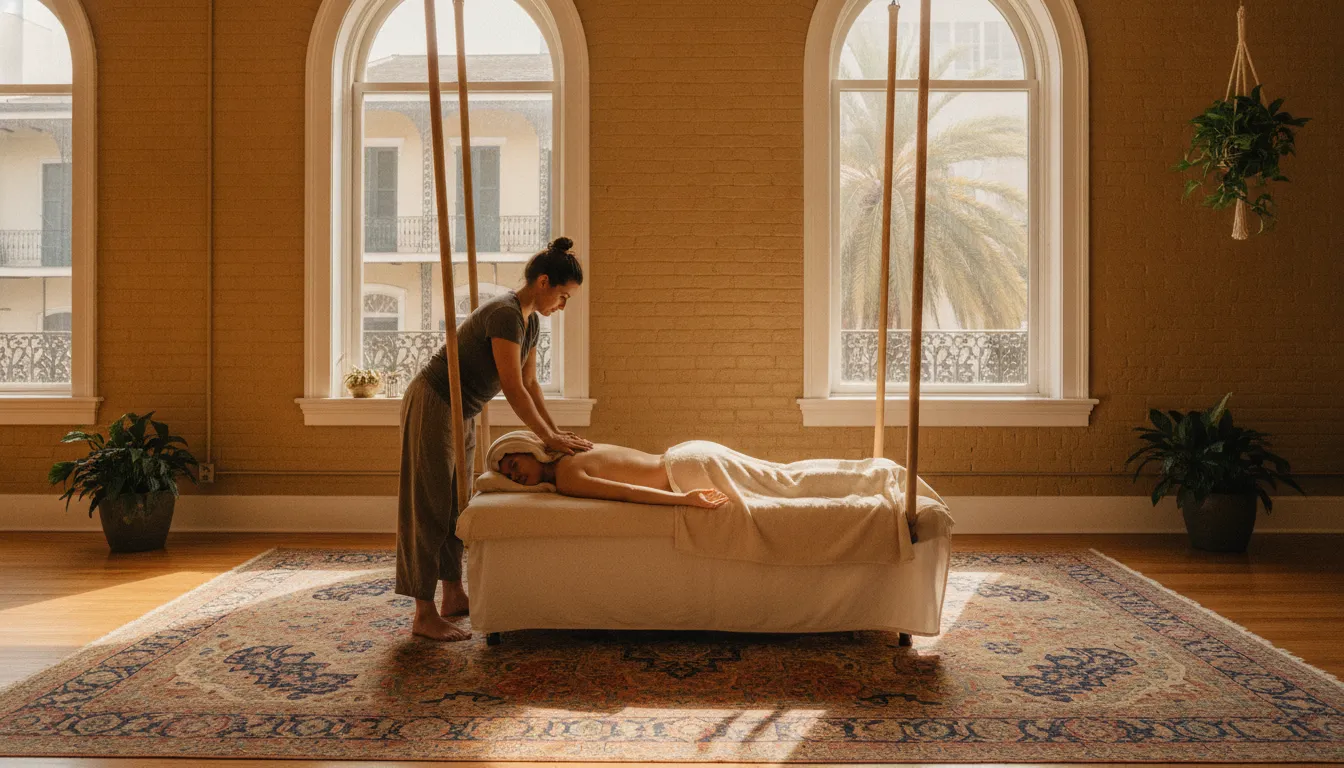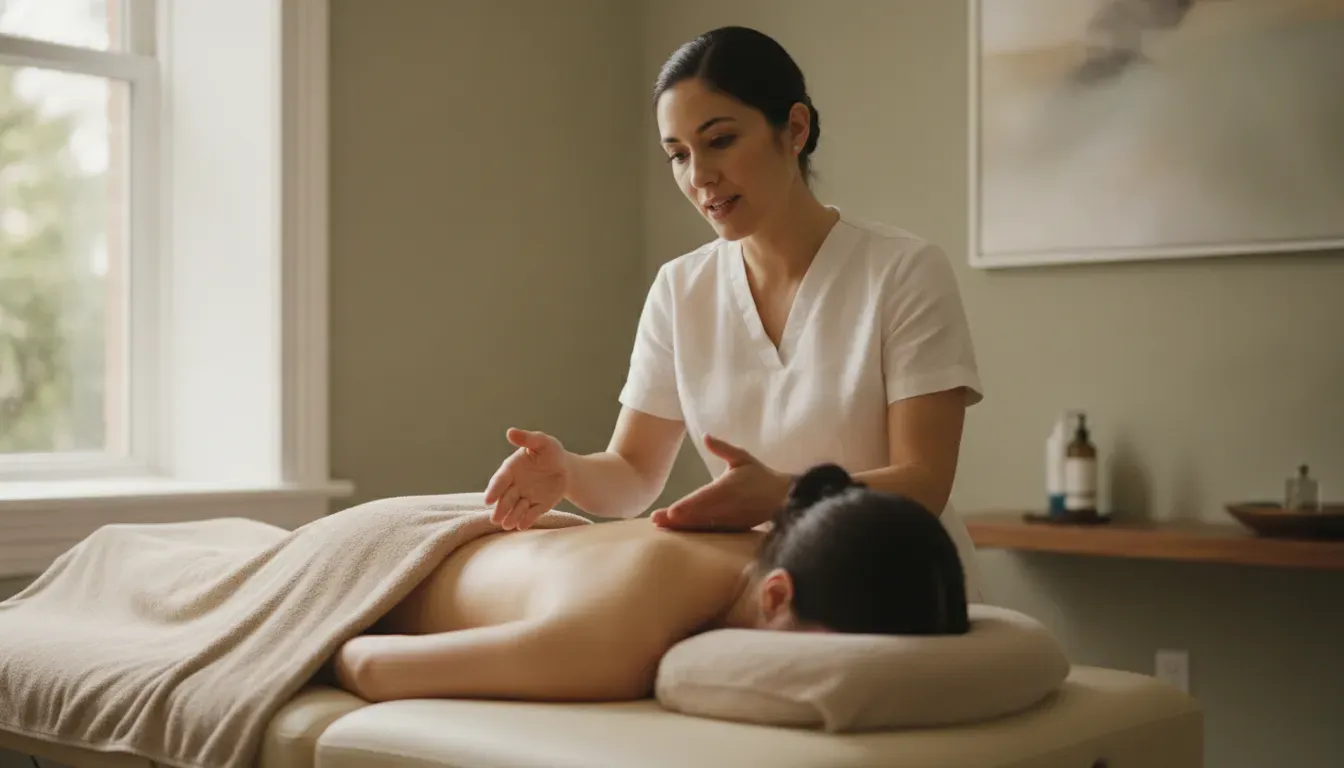

If you’re always asking for more pressure during a massage, Ashiatsu might be what you’re looking for. The idea of a barefoot massage can seem odd, but it’s a highly skilled technique. Using overhead bars for support, your therapist uses their feet to deliver long, flowing, and deeply compressive strokes. This creates a level of consistent pressure that hands just can’t match—perfect for chronic pain or tight muscles. But given the specialized training, is an Ashiatsu massage worth the investment? This guide explores the benefits to help you decide if it’s the right choice for your body.
Key Takeaways
- Enjoy Deep Relief Without the Discomfort: Ashiatsu uses the therapist’s feet to apply broad, consistent pressure, giving you the intensity of a deep tissue massage without the sharp, targeted pain from elbows or thumbs.
- Lengthen Your Body and Improve Flexibility: The unique, long, flowing strokes help to naturally decompress the spine and stretch tight muscle groups, leading to better posture and an improved range of motion.
- Prioritize a Trained Professional: This is a specialized technique that isn’t for everyone, such as those who are pregnant. Always communicate your health history and choose a certified therapist to ensure your session is both safe and tailored to your needs.
What is Ashiatsu Massage?
If you’ve ever wished for a massage that could deliver deep, consistent pressure without the sharp discomfort of an elbow or thumb, you might be ready to meet Ashiatsu. The name comes from the Japanese words “ashi” (foot) and “atsu” (pressure), and that’s exactly what it is: a massage performed with the therapist’s feet. It’s a unique, highly effective therapy that uses gravity and the therapist’s body weight to provide a deeply relaxing experience. Forget any images of someone simply walking on your back; this is a sophisticated technique that requires extensive training and incredible control.
How Foot Pressure Delivers Deep Relief
At its core, Ashiatsu is a barefoot massage technique where a trained therapist uses their feet to deliver long, gliding, and compressive strokes. The broad, soft surface of the foot is the perfect tool for applying deep pressure over a large area of the body. This allows your muscles to relax without the bracing or tensing that can sometimes happen during a traditional deep-tissue massage. The result is a deep and soothing session that works through layers of muscle tissue to release chronic tension and knots. It’s an art form that blends ancient traditions with modern understanding of anatomy to create a truly unique therapeutic massage.
A Look at Modern Ashiatsu Techniques
So, how does it actually work? During an Ashiatsu Deepfeet Bar Therapy session, the therapist uses one or two-footed strokes that distribute pressure evenly across your body. This broad pressure feels incredibly comforting and allows for a deeper level of relaxation. Instead of the targeted, sometimes intense pressure from fingers or elbows, the foot can cover more ground, warming up and elongating tight muscles more efficiently. This technique is especially effective for treating large muscle groups like those in the back, hips, and legs, providing a deep, grounding, and safe experience from start to finish.
Why Do Therapists Use Overhead Bars?
One of the first things you’ll notice in an Ashiatsu treatment room is the set of parallel bars on the ceiling, directly above the massage table. These aren’t just for show—they are essential for safety, balance, and control. The therapist holds onto these bars to support their weight and precisely adjust the amount of pressure they apply. This setup allows them to use gravity to their advantage, sinking into the muscle tissue with controlled body weight rather than muscular force. The bars ensure the entire massage is smooth and consistent, giving you the confidence to fully relax while one of our highly trained therapists does their work.
Debunking Common Ashiatsu Myths
A few common myths about Ashiatsu can make people hesitant to try it. The biggest one? That it’s only for people who want extremely deep pressure. While Ashiatsu can certainly provide intense pressure, it’s completely adjustable. The therapist uses the overhead bars to control exactly how much weight is applied, so the pressure can be tailored from light to deep based on your preference. Another myth is that the therapist is standing on you with their full body weight. This is never the case. The bars provide the necessary support to ensure the pressure is always controlled, safe, and feels just right for your body.
Why Choose Ashiatsu Massage?
Ashiatsu massage stands out for its unique ability to deliver deep, consistent pressure that feels incredibly soothing. If you’re looking for profound relief from muscle tension, chronic pain, or just the stress of daily life, this technique offers a range of benefits that are hard to match. It’s more than just a deep tissue massage; it’s a therapeutic experience that works with your body to restore balance, improve movement, and promote lasting wellness. Let’s look at what makes Ashiatsu Deepfeet Bar Therapy a favorite for so many people, from dedicated athletes to those simply seeking a better way to unwind.
Enjoy Deep Pressure Without the Pointy Elbows
If you love the results of a deep tissue massage but dislike the sharp, pokey feeling of elbows and thumbs, Ashiatsu is for you. The therapist uses the broad, soft surface of their feet to apply pressure, which feels both deep and gentle at the same time. This technique allows for a much deeper compression into the muscle tissue without causing the discomfort that can make you tense up on the table. Instead of bracing for impact, you can fully relax and let your muscles release. The sensation is often described as a luxurious, deep-flowing massage that melts away tension without any sharp pain.
Feel the Difference of Long, Gliding Strokes
One of the most remarkable things about Ashiatsu is the quality of the strokes. Using their feet and the aid of overhead bars for balance, your therapist can deliver long, continuous, and flowing movements that span the entire length of your body. Imagine a single, seamless stroke that glides from your shoulders all the way down to your ankles. This is something that’s simply not possible with hands alone. These long strokes help to calm the nervous system, stretch tight muscles, and create a feeling of deep, connected relaxation. It’s a truly mesmerizing experience that leaves you feeling both grounded and lengthened.
Decompress Your Spine Naturally
Many of us carry tension in our backs, leading to a feeling of compression and stiffness. Ashiatsu is fantastic for addressing this. As the therapist glides along the muscles that run parallel to your spine, the sustained pressure helps to gently stretch and elongate your back. This can create more space between the vertebrae, relieving pressure on spinal nerves and encouraging better posture. It’s a natural way to decompress your spine without any popping or cracking. The result is often a feeling of openness and relief, helping to ease chronic back pain and improve your overall spinal health.
Stretch Deeper and Improve Your Range of Motion
Feeling stiff? Ashiatsu can help restore your body’s natural movement. The deep, sweeping strokes work to lengthen and stretch tight muscle fibers and release restrictions in the fascia, the connective tissue that surrounds your muscles. This process helps to loosen up adhesions and knots that can limit your mobility. Over time, regular Ashiatsu sessions can lead to a noticeable improvement in your flexibility and range of motion. You might find it easier to touch your toes, reach overhead, or simply move through your day with greater ease and less restriction. It’s an effective way to help your body feel more fluid and free.
Lower Your Stress and Improve Mental Well-Being
The benefits of a great massage go far beyond just your muscles. Ashiatsu is incredibly calming for the nervous system. The slow, rhythmic, and deep pressure helps lower your body’s primary stress hormone, cortisol, while also reducing your heart rate. This process eases tension throughout your body and can significantly improve your overall mental well-being. It’s a chance to quiet the mental chatter and reconnect with your body in a profound way. Many people leave an Ashiatsu session feeling not just physically looser, but also mentally clearer and more centered, making it a powerful tool for managing everyday pressures.
Enhance Lymphatic Circulation to Reduce Inflammation
Beyond stretching muscles, the deep pressure from an Ashiatsu massage helps support your body’s natural cleaning system. The long, gliding strokes stimulate lymphatic flow, which is responsible for flushing out metabolic waste and toxins that can build up in your tissues. This improved circulation is key to reducing inflammation and can lessen long-term pain associated with chronic conditions or injuries. By helping to loosen tight tissues and move stagnant fluid, this technique can leave you feeling lighter and less puffy. It’s a fantastic way to support your body’s detoxification processes and promote healing from the inside out.
Find Lasting Relief from Aches and Pains
While any good massage can provide temporary relief, Ashiatsu is known for its lasting effects on chronic pain. By delivering deep, consistent pressure, the technique effectively loosens tight tissues, reduces inflammation, and improves circulation to areas that need it most. This helps flush out metabolic waste that can contribute to soreness and pain. Because the pressure is so deep yet comfortable, your body can fully relax, allowing the therapist to address the root cause of your discomfort. Many people find that the relief from an Ashiatsu session lasts for days, making it a valuable part of managing chronic conditions. Our full menu of massage services is designed to provide this kind of therapeutic benefit.
Speed Up Athletic Recovery and Performance
Athletes and anyone with a physically demanding lifestyle can find incredible value in Ashiatsu. The technique is perfectly suited for working on large, dense muscle groups like the hamstrings, quads, and glutes. The deep compression is highly effective at flushing out lactic acid, reducing post-workout soreness, and accelerating muscle recovery. By releasing deep-seated tension and improving flexibility, Ashiatsu can also help prevent injuries and improve overall athletic performance. It’s a powerful tool for keeping your body in peak condition, allowing you to train harder and recover faster so you can stay on top of your game.
Ashiatsu from the Therapist’s Point of View
While the client experience is always the top priority, it’s also fascinating to understand what makes Ashiatsu a preferred modality for many massage therapists. This unique technique not only delivers incredible results for clients but also offers a sustainable and rewarding way for therapists to practice their craft. It requires a unique blend of strength, balance, and deep anatomical knowledge, making it a true art form from both sides of the massage table. Seeing it from their perspective highlights the skill and dedication that goes into every session.
A Career-Sustaining Practice for Massage Therapists
For many massage therapists, a long career can take a toll on the body, especially the hands, wrists, and shoulders. Ashiatsu offers a brilliant solution. By using their feet and body weight, therapists can deliver deep, therapeutic pressure without the repetitive strain that comes from using smaller muscle groups. This makes it a career-sustaining practice, allowing skilled practitioners to continue helping people for many years. The demand for this modality is also high; clients love the deep, broad pressure for working out stubborn knots. Of course, safety and skill are paramount. Proper training is essential, which is why our team is composed of dedicated, highly experienced therapists who have mastered this specialized technique.
How Therapists Adapt Pressure for Each Client
The idea of someone using their feet for a massage might bring up concerns about pressure, but Ashiatsu is a highly controlled and adaptable technique. The secret lies in the overhead bars. Your therapist uses these bars for balance and leverage, allowing them to precisely manage how much of their body weight is applied to your muscles. They can easily shift from light, soothing strokes to deep, compressive ones based on your feedback and what your body needs. This isn’t about simply standing on you; it’s a carefully choreographed dance where gravity is used as a tool. This level of control ensures your Ashiatsu session is always safe, comfortable, and perfectly tailored to your preferences.
Your First Ashiatsu Session: What to Expect
If you’re curious about Ashiatsu, you’re probably wondering what the experience is actually like. It’s natural to have questions before trying a new type of bodywork. Let’s walk through everything from how to get ready for your appointment to how you’ll feel when you walk out the door, so you can feel completely comfortable and excited for your session.
How to Prepare for Your Appointment
A little preparation can go a long way in making your Ashiatsu massage even more effective. First, make sure it’s the right fit for you. If you’re someone who loves a deep tissue massage, an athlete, or you deal with persistent back and neck pain, you’re an excellent candidate for Ashiatsu Deepfeet Bar Therapy.
One of the best things you can do is to start hydrating a few days before your appointment. Try to drink a little more water than you normally would. This simple step helps prepare your muscle tissue to release tension and toxins during the deep compression work, making the treatment more effective and helping you feel better afterward.
What Happens During the Massage
When your session begins, you’ll lie on a comfortable, sturdy massage table. Your therapist will use overhead bars for balance and support, giving them total control over the amount of pressure they apply with their feet. This setup allows for a uniquely deep and consistent pressure that’s hard to achieve with hands or elbows.
Instead of the sharp, targeted pressure you might feel in a traditional deep tissue massage, Ashiatsu uses slow, gliding, and deeply compressive strokes. Your therapist will use their clean, warm feet to apply broad pressure that covers a larger area, which feels incredibly relaxing and can soothe your nervous system. It’s a powerful yet gentle experience designed to provide profound relief without the discomfort.
How You’ll Feel Afterward
After an Ashiatsu session, most people feel a sense of deep relaxation and openness in their body. The technique is fantastic for loosening chronically tight muscles and connective tissues, which can significantly ease pain and reduce inflammation. Many clients report that their spine feels longer and less compressed, and they notice an immediate improvement in their posture and flexibility.
Because the pressure is so deep and consistent, the benefits of an Ashiatsu massage often last longer than those from other types of massage. You might feel a little sore the next day, similar to how you’d feel after a good workout, but this typically fades quickly, leaving you with lasting relief and a renewed sense of well-being.
Getting the Most from Your Massage: Aftercare Tips
The incredible benefits of your Ashiatsu massage don’t stop when you leave the table. To make the most of that deep relaxation and relief, a little aftercare goes a long way. The most important thing you can do is drink plenty of water. Your massage helped release metabolic waste from your muscle tissues, and staying hydrated helps your body flush everything out effectively. It’s also completely normal to feel a bit sore the next day, much like you would after a challenging workout. This is a sign that your body is healing and adapting. Try to take it easy for the rest of the day—avoid any strenuous activities and allow your body time to rest and integrate the work. A warm bath or some gentle stretching can also help you continue to unwind and enjoy the lasting effects of your Ashiatsu Deepfeet Bar Therapy.
How Often Should You Book a Session?
How frequently you should get an Ashiatsu massage really depends on your personal goals. For general wellness and maintaining a pain-free body, scheduling a session every four to six weeks is a great rhythm. It helps keep chronic tension from building back up and serves as a fantastic tool for proactive self-care.
If you’re dealing with a specific issue like chronic low back pain or sciatica, you might benefit from more frequent sessions at the beginning. Your therapist can work with you to create a treatment plan tailored to your body’s needs. Our team of highly trained therapists is dedicated to helping you find the right schedule to achieve the best results.
Is Ashiatsu the Right Massage for You?
Ashiatsu is a powerful and effective massage technique, but it’s not a one-size-fits-all solution. Understanding if it aligns with your body’s needs and health profile is key to having a great experience. Let’s walk through who benefits most from this unique therapy and when it might be better to choose a different path to relaxation and relief.
Who Benefits Most from Ashiatsu?
If you’re the person who always asks your massage therapist for more pressure, Ashiatsu might be exactly what you’re looking for. It’s ideal for those who love deep tissue work but want to avoid the discomfort of pointed elbows and thumbs. This therapy is particularly effective for athletes needing to release tight muscles, individuals with dense musculature, and anyone who feels that a traditional hands-on massage just doesn’t go deep enough. The broad, consistent pressure from the therapist’s feet can work through layers of chronic tension in a way that feels both intense and incredibly soothing.
When to Consider a Different Massage
While Ashiatsu is amazing for deep tissue relief, it’s not suitable for everyone. It’s important to skip this type of massage if you are pregnant or trying to conceive. We offer a wonderful prenatal massage that is specifically designed for expectant mothers. You should also avoid Ashiatsu if you’ve had surgery within the last six months, have uncontrolled high blood pressure, or are dealing with varicose veins or lymphatic issues, as the deep pressure could aggravate these conditions. Your safety and comfort are the top priorities, and there’s always a massage style that’s right for you.
Safety First: What to Know Before You Book
Open communication is the foundation of any good therapeutic relationship. Before trying any new type of bodywork, especially one as intensive as Ashiatsu, it’s always a good idea to check with your doctor if you have any underlying health conditions. More importantly, be sure to have a thorough conversation with your massage therapist before your session begins. Disclosing your full health history and any current concerns allows them to tailor the treatment safely and effectively to your specific needs, ensuring you get the best possible results from your time on the table.
Ashiatsu Contraindications: Who Should Avoid It?
While the deep, flowing pressure of an Ashiatsu massage is a dream for many, it’s not the right fit for every body. Your safety is always our top priority, so there are a few situations where we’d recommend a different approach. This type of deep compression work should be avoided if you are pregnant or trying to conceive—we have a wonderful prenatal massage designed just for you instead. Additionally, if you’ve had surgery in the last six months, have uncontrolled high blood pressure, varicose veins, or certain lymphatic conditions, Ashiatsu is not for you. The intense pressure, while therapeutic for muscle tissue, can be too much for these specific health concerns. Always be sure to discuss your health history with your therapist to ensure you receive the safest and most effective treatment.
How to Find a Certified Ashiatsu Therapist
Ashiatsu is a specialized skill that requires extensive training and certification beyond standard massage therapy school. The therapist must learn to use their body weight and feet with precision and control, which is why you should always seek out a practitioner with proper credentials. At Nola Bliss, we take this very seriously. Our therapists are not only highly experienced and certified in Ashiatsu Deepfeet Bar Therapy, but our studio is also the only certified Ashiatsu training center on the Gulf Coast. You can rest assured you’re in skilled, knowledgeable hands.
How to Customize Your Ashiatsu Session
Ready to give it a try? To get the most out of your session, make sure you’re well-hydrated before you arrive. During the massage, don’t hesitate to communicate with your therapist about the pressure and your comfort level. They can easily adjust their technique to suit your preferences. Ultimately, the best way to know if Ashiatsu is right for you is to experience it for yourself. If you’re curious, we encourage you to book a session and discover how this unique therapy can help you find lasting relief and relaxation.
Is an Ashiatsu Massage Worth It?
When you think about massage, you might see it as a luxury or a simple treat. But when it comes to a specialized treatment like Ashiatsu, it’s helpful to think of it as an investment in your long-term well-being. You’re not just paying for an hour of relaxation; you’re investing in lasting pain relief, improved mobility, and a healthier relationship with your body. Like any good investment, it’s important to understand the value you’re getting.
The cost of an Ashiatsu session reflects the advanced training, skill, and physical effort required from the therapist. It’s a powerful and effective modality that can deliver results that other massages simply can’t match. So, is it worth it? Let’s break down the costs, the long-term benefits, and what you should look for in a provider to ensure you’re getting the best possible return on your investment. By looking at the complete picture, you can decide if Ashiatsu is the right choice for your health and wellness goals.
How Ashiatsu Pricing Compares to Other Massages
At first glance, you might notice that Ashiatsu massage is priced similarly to, or sometimes slightly higher than, a standard deep tissue massage. This pricing reflects the specialized nature of the treatment. Therapists who perform Ashiatsu Deepfeet Bar Therapy undergo extensive, specific training to master the technique and ensure your safety and comfort. The unique setup, including the overhead bars for balance and pressure control, is also a factor. You’re paying for a therapist’s unique expertise and a modality that delivers deep, consistent pressure without the discomfort of sharp elbows or thumbs. It’s a premium service designed for profound, lasting results.
The Lasting Benefits: More Than Just a Massage
The real return on your investment in Ashiatsu comes from its lasting effects. While any massage feels good in the moment, the broad, deep pressure from the therapist’s feet can create changes in your muscle tissue that you’ll feel for days or even weeks. This deep compression helps to release chronic tension, reduce inflammation, and lengthen tight muscles and fascia. Many clients find that the profound relief they experience from an Ashiatsu session lasts significantly longer than with other types of massage. Over time, regular sessions can lead to improved posture, greater flexibility, and a significant reduction in chronic pain, making it a valuable part of your long-term wellness plan.
Creating Your Ideal Ashiatsu Treatment Plan
To get the most out of your investment, it’s best to think of Ashiatsu as part of an ongoing routine rather than a one-time fix. How often you should book a session really depends on your personal goals. If you’re looking for general wellness and stress management, a session every four to six weeks is a great way to maintain your results. However, if you’re dealing with a chronic condition like back pain or sciatica, you might benefit from more frequent sessions, especially at the beginning. The best approach is to talk with your therapist to create a personalized treatment plan that addresses your specific needs.
Why a Highly Trained Therapist Matters
When it comes to Ashiatsu, the skill of your therapist is everything. This is not a technique that can be learned from a weekend course. Proper training is essential for the treatment to be both effective and safe. An improperly trained practitioner can cause discomfort or even injury. That’s why it’s so important to choose a therapist who is certified in Ashiatsu and has extensive experience. At NOLA Bliss, our therapists are not only highly skilled but we are also the only certified Ashiatsu training center on the Gulf Coast. You can feel confident knowing you’re in the hands of true experts in the field.
The Importance of Certified Training Centers
When considering an Ashiatsu massage, the qualifications of the therapist are paramount. This is a specialized technique that requires extensive training and certification far beyond standard massage therapy school. The therapist must learn to use their body weight and feet with incredible precision and control, which is why you should always seek out a practitioner with the proper credentials. This level of expertise is what ensures your treatment is both effective and completely safe. At Nola Bliss, we take this commitment to excellence seriously, as we are not only home to highly skilled therapists but are also the only certified Ashiatsu training center on the Gulf Coast. This dedication to the highest standards of training means you can fully relax, knowing you are receiving the best possible care.
Why a Specialized Studio Beats a General Spa
Where you get your Ashiatsu massage matters just as much as who performs it. While you might find barefoot massage offered at a large spa chain, the experience is often very different from what you’ll find at a specialized studio. At NOLA Bliss, we reject the one-size-fits-all approach. We focus on providing custom-tailored services that address your unique needs and goals. Our studio is designed specifically for therapeutic massage, and our therapists are specialists dedicated to their craft. Choosing a quality studio ensures you’re investing in a truly therapeutic experience designed to deliver real, lasting results, not just a bit of superficial pampering.
Related Articles
- Ashiatsu | Nola Bliss Massage Therapy
- Massage Services | Nola Bliss Massage Therapy
- About Us | Nola Bliss Massage Therapy
- Home | Nola Bliss Massage Therapy
Frequently Asked Questions
Will an Ashiatsu massage hurt? This is the most common question, and the answer is that it shouldn’t. While the pressure is deep, it’s also broad and consistent because the therapist uses the surface of their foot. This feels very different from the sharp, targeted pressure of an elbow or thumb. The goal is to release tension without causing the kind of discomfort that makes you tense up. You should always feel free to communicate with your therapist if you want the pressure adjusted at any point.
Is it sanitary to get a massage with someone’s feet? Absolutely. Therapists who perform Ashiatsu follow the same strict hygiene standards as they do for any other massage. Their feet are meticulously cleaned before your session begins, and they never touch the floor once the treatment starts. Think of their feet as highly skilled tools that are cared for with the utmost professionalism.
How is this different from a regular deep tissue massage? The main difference is the quality and application of the pressure. In a traditional deep tissue massage, a therapist uses their hands, knuckles, and elbows to apply pressure. With Ashiatsu, the therapist uses their body weight and gravity to deliver long, flowing, and deeply compressive strokes with their feet. This allows for a deeper level of release across a wider area of your body, often feeling more relaxing and less invasive than a typical deep tissue session.
Can I control how much pressure is used? Yes, the pressure is completely adaptable to your preference. The therapist uses overhead bars for balance, which gives them precise control over how much of their body weight is applied to you. The session is interactive, and your feedback is essential. If you want more or less pressure at any time, just let your therapist know. They can make adjustments instantly to ensure the massage feels perfect for your body.
Who shouldn’t get an Ashiatsu massage? While Ashiatsu is fantastic for many people, it’s not suitable for everyone. You should choose a different type of massage if you are pregnant, have had surgery in the last six months, or have certain medical conditions like uncontrolled high blood pressure, varicose veins, or lymphatic issues. It’s always best to discuss any health concerns with your doctor and your massage therapist before your appointment to ensure the treatment is safe for you.