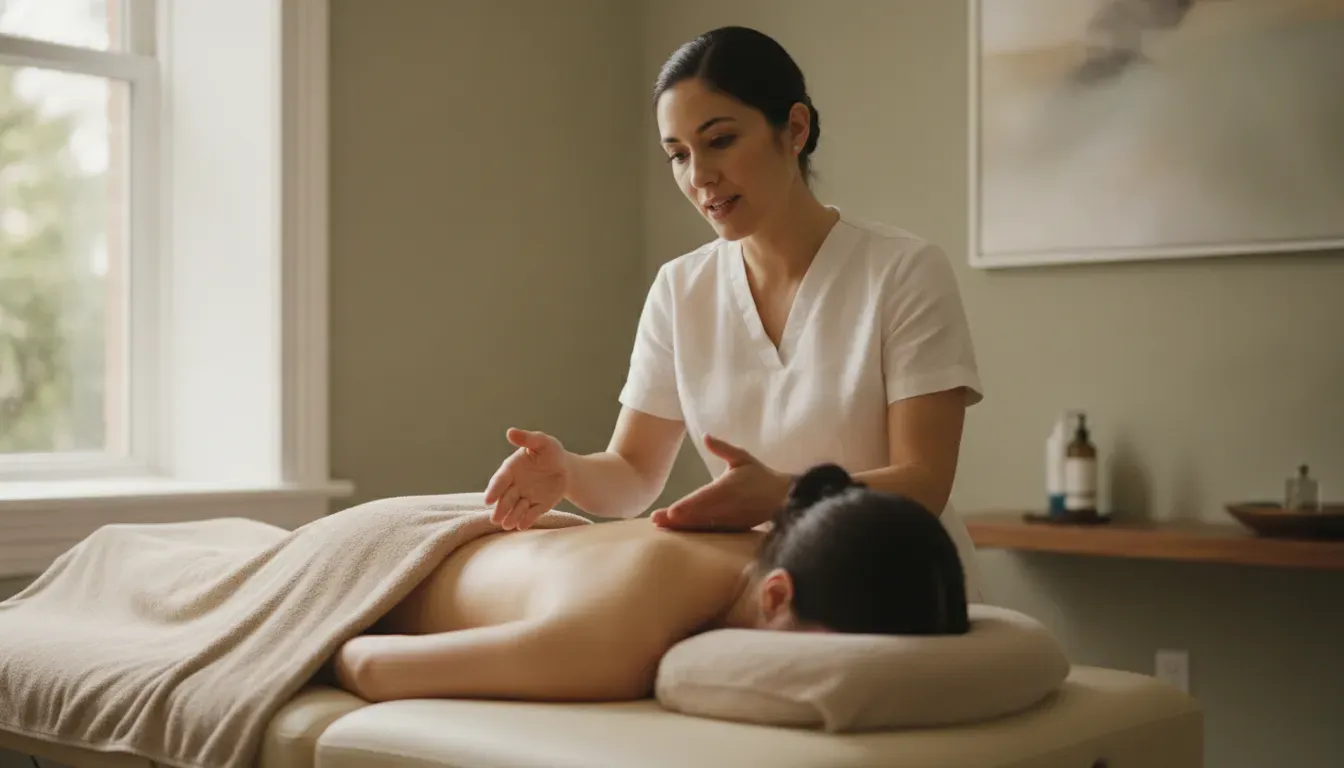

You know you need a massage, but you also know that not all massages are created equal. The difference between a mediocre session and a truly transformative one almost always comes down to the therapist’s training and experience. While searching for a “licensed massage therapist near me” is the correct first move, the license itself is just the starting point. It’s the baseline for professional care. To find a truly great therapist, you need to know what to look for next. This guide will show you how to evaluate a therapist’s credentials, specialized skills, and client reviews to find a professional who can deliver the targeted, effective treatment your body needs.
Key Takeaways
- Prioritize a Licensed Therapist for Safety and Expertise: Always confirm your massage therapist holds a current state license. This is your guarantee that they have completed hundreds of hours of professional training in anatomy and technique and adhere to strict safety and hygiene standards.
- Find the Right Fit with Specialized Skills: A great massage goes beyond a basic license, so look for a therapist whose experience and advanced training align with your goals. Check client reviews and ask about certifications in specific modalities like deep tissue, prenatal, or Ashiatsu to find your perfect match.
- Expect a Collaborative and Customized Session: A professional massage should always start with a conversation about your needs and health history. Your therapist will create a personalized treatment plan, and you should feel comfortable giving feedback on pressure to ensure the session is effective for you.
Why a License Matters for Your Massage
When you’re looking for a massage, you’re probably thinking about relieving stress or soothing sore muscles, not checking credentials. But the difference between a licensed massage therapist and someone without a license is significant. A license isn’t just a formality; it’s your assurance of quality, safety, and professionalism. It means the therapist has met rigorous state requirements for education and hands-on training. This is the baseline standard for anyone who will be working on your body.
Choosing a licensed professional protects you from practitioners who may lack the proper knowledge of human anatomy, potentially turning a relaxing experience into a risky one. At Nola Bliss, every member of our team is a highly experienced, Licensed Massage Therapist who is passionate about their craft. We believe this commitment to professional standards is the foundation of a truly therapeutic massage. It’s how you know you’re in good hands, literally. When you book a session, you can relax completely, confident that your therapist has the expertise to address your specific needs safely and effectively.
Guaranteed Professional Training
So, what does a massage therapy license actually guarantee? First and foremost, it confirms extensive professional training. To become licensed, a therapist must complete hundreds of hours of education covering subjects like anatomy, physiology, and kinesiology (the study of body movement). They learn not just how to perform different massage techniques, but why they work. This education ensures your therapist understands the intricate systems of the human body. They can identify your needs and apply the right techniques to provide a safe and effective treatment, whether you’re seeking a relaxing Swedish massage or targeted deep tissue work.
Commitment to Safety and Hygiene
A license also represents a firm commitment to your safety and well-being. State licensing boards enforce strict standards for hygiene and professional conduct that every therapist must follow. This includes everything from proper hand washing and sanitizing equipment to appropriate draping techniques that respect your privacy and comfort. Licensed therapists are also trained to screen for contraindications, which are specific conditions or situations where massage could be harmful. This knowledge is crucial for preventing complications and ensuring your massage experience is not only pleasant but also genuinely beneficial for your health. It’s a level of care you can count on.
Your Protection: Insurance and Liability
Finally, choosing a licensed massage therapist provides a crucial layer of protection. Licensed professionals are required to carry liability insurance. While injuries are very rare with a trained therapist, this insurance protects you in the unlikely event that something goes wrong. Furthermore, a license means the therapist is accountable to a state regulatory board. This gives you an official channel for recourse if you ever have a serious concern about professional conduct. It’s a safety net that simply doesn’t exist with an unlicensed individual. This accountability ensures you can fully relax during your couples massage or individual session, knowing you’re in a professional and secure environment.
What Makes a Great Licensed Massage Therapist?
Finding a massage therapist is easy, but finding a great one requires looking a little deeper. Beyond a basic license, several key qualities separate a truly exceptional therapist from the rest. A great LMT doesn’t just go through the motions; they combine technical skill with a deep commitment to their craft and your well-being. They are dedicated professionals who invest in their education, specialize in specific techniques, and bring years of hands-on experience to the table. Let’s look at what you should be looking for to ensure you’re in the best possible hands.
State License Verification
First things first: a state license is non-negotiable. A Licensed Massage Therapist (LMT) has completed hundreds of hours of professional training, passed a rigorous national exam, and met all the requirements set by their state’s licensing board. This is your assurance that they understand anatomy, physiology, and proper safety protocols. Before booking an appointment with any new therapist, you should always confirm they hold a current license. For practitioners in Louisiana, you can easily verify a license through the Louisiana Board of Massage Therapy. Think of it as a baseline qualification that guarantees a professional standard of care and protects you from untrained individuals.
Advanced Certifications and Ongoing Education
The best massage therapists are lifelong learners. While a license is the foundation, a passion for the craft drives them to pursue advanced certifications and continuing education. This commitment shows they are dedicated to honing their skills and staying current with the latest, most effective techniques. A therapist who invests in additional training in modalities like Ashiatsu, prenatal massage, or myofascial release brings a deeper level of expertise to your session. At Nola Bliss, our therapists are passionate about their work, which is why we also serve as a certified training center to help other LMTs advance their skills.
Specialized Training for Your Needs
One size rarely fits all, especially when it comes to massage therapy. A great LMT will have specialized training that aligns with your specific goals, whether you need relief from chronic pain, recovery from an injury, or simply want to manage stress. If you’re an athlete, you might look for a therapist certified in deep tissue or sports massage. Expecting a baby? A therapist with advanced prenatal massage training is essential for a safe and effective session. This specialized knowledge allows the therapist to tailor the treatment directly to your body’s needs, ensuring you get the best possible results from your time on the table.
Proven Experience and Expertise
There is simply no substitute for experience. A therapist who has been practicing for many years has developed an intuitive touch and a deep understanding of how to address a wide variety of physical issues. They have worked with countless body types and conditions, refining their ability to identify the source of discomfort and apply the right techniques to provide relief. An experienced LMT can often feel exactly where your body is holding tension without you having to say a word. This level of expertise, built over thousands of hours of hands-on work, is what transforms a good massage into a truly therapeutic and healing experience.
How to Find the Right Licensed Massage Therapist for You
Finding the right massage therapist is a personal process. The goal isn’t just to book any available appointment; it’s to connect with a professional who truly understands your body’s needs and your wellness goals. Whether you’re seeking relief from chronic pain, recovering from an injury, or simply need to unwind from daily stress, the right therapist can make all the difference. A great massage experience depends on the therapist’s skill, professionalism, and ability to create a comfortable environment where you feel safe and heard.
Think of your search as building a partnership for your health. You want someone with the proper credentials, proven experience, and a style that resonates with you. Taking the time to do a little research upfront can lead to a lasting therapeutic relationship that supports your well-being for years to come. The following steps will guide you through finding a qualified professional who is the perfect fit for you. From checking professional databases to reading what other clients have to say, these tips will help you make an informed decision and find a therapist you can trust.
Check Professional Directories
A great place to begin your search is with professional massage therapy organizations. These groups maintain databases of their members, who are all required to meet specific standards for education and ethics. The American Massage Therapy Association (AMTA), for example, is one of the most respected names in the field and offers a national locator service on its website. Using these directories allows you to search for therapists in your area and often lets you filter by specialty. This is an efficient way to find qualified professionals who are serious about their practice and committed to upholding high standards in their work.
Ask for Referrals
Sometimes the best recommendations come from people you already trust. Ask friends, family members, or colleagues if they have a licensed massage therapist they love. You can also ask other wellness professionals, like your chiropractor, physical therapist, or family doctor, for a referral. A personal recommendation often gives you more insight than an online search. Your friend can tell you about the therapist’s specific pressure style, their personality, and the overall atmosphere of the studio. This inside information helps you find someone whose approach aligns with your personal preferences and comfort level before you even book an appointment.
Read Client Reviews
Once you have a few names or studios in mind, see what past clients have to say. Online reviews on sites like Google or Yelp can provide a wealth of information about a therapist’s skills and professionalism. Look for patterns in the feedback. Do clients consistently mention relief from pain? Do they praise the therapist’s knowledge, communication, or ability to create a relaxing atmosphere? Testimonials are powerful because they show real-world results. At Nola Bliss, we are proud of our dedicated team of experienced therapists and the positive feedback they receive for helping clients achieve their wellness goals.
Verify Their Credentials
Always make sure any massage therapist you consider is licensed to practice in your state. A license is a baseline credential that confirms the therapist has completed the required education and passed a standardized exam. But don’t stop there. Many excellent therapists pursue advanced certifications in specialized techniques like Ashiatsu Deepfeet Bar Therapy or prenatal massage. These extra credentials show a deep commitment to their craft and a passion for learning. You can usually verify a license on your state’s professional licensing board website, and most therapists or studios will gladly share their qualifications with you.
Types of Massage a Licensed Therapist Offers
Licensed therapists offer a whole menu of services, not just a one-size-fits-all massage. The right massage for you depends entirely on your goals. Are you trying to relieve a nagging shoulder pain, or do you just need to escape from a stressful week? A great therapist will talk with you to understand your needs and recommend the perfect approach. From targeted therapeutic work to deeply relaxing sessions, there’s a massage style designed to help you feel your best. Understanding the different options can help you communicate what you’re looking for and find a therapist who specializes in the techniques that will benefit you most.
Therapeutic Massage for Pain and Recovery
If you’re dealing with chronic pain, recovering from an injury, or have specific areas of tension, a therapeutic massage is what you need. This isn’t just about feeling good for an hour; it’s a focused treatment designed to address the root cause of your discomfort. A therapist might use techniques like deep tissue massage to work on specific muscle groups, helping to relieve everything from persistent back pain and headaches to joint stiffness. The goal is long-term relief and improved function, so you can get back to doing what you love without being held back by pain. It’s a proactive way to manage your body’s health and recovery.
Relaxation Massage for Stress Relief
Sometimes, the main goal is simply to unwind and let go of stress. That’s where a relaxation massage comes in. This style focuses on calming your nervous system and promoting a sense of peace and well-being. Using smooth, gliding strokes, a Swedish massage is the classic choice for melting away tension and quieting a busy mind. It’s less about working out deep knots and more about creating a tranquil experience that leaves you feeling refreshed and centered. Think of it as a reset button for your mind and body, helping to ease anxiety and improve your overall mood.
Specialized Modalities (Deep Tissue, Prenatal, and More)
Beyond the basics, many licensed therapists pursue advanced training in specialized techniques to meet specific client needs. For example, a prenatal massage is tailored to the unique physical changes and discomforts of pregnancy, providing safe and effective relief for expectant mothers. Other therapists might offer unique and powerful modalities like Ashiatsu Deepfeet Bar Therapy, where the therapist uses their feet to deliver deep, consistent pressure. This technique is incredible for achieving profound muscle release. When searching for a therapist, ask about their specializations to find someone whose skills align perfectly with your wellness goals.
Couples Massages and Service Enhancements
A massage doesn’t have to be a solo activity. A couples massage is a wonderful way to connect with a partner, friend, or family member while you both enjoy a relaxing and therapeutic experience in the same room. It’s a perfect choice for anniversaries, special occasions, or simply a shared wellness retreat. To make your session even more special, many studios offer service enhancements. You might add the soothing warmth of Hot Himalayan Salt Stones to ease muscle tension or incorporate CBD oil for its anti-inflammatory and calming properties. These additions allow you to customize your massage for a truly personalized experience.
What to Expect From Your Massage Session
Understanding Pricing and Session Lengths
First things first, let’s talk about cost. Pricing for massage therapy can vary quite a bit, and it’s helpful to know why. Factors like the therapist’s experience, the specific type of massage you choose, and the length of your session all play a role. A highly specialized treatment from a therapist with years of advanced training will naturally be priced differently than a basic relaxation massage. Think of it as an investment in your well-being. Before you book, it’s always a good idea to review the studio’s list of massage services to understand the options and find what fits your budget and needs. This way, you can relax completely, knowing exactly what to expect.
Your First Visit: Consultation and Assessment
Your first massage appointment with a new therapist should always begin with a conversation. Before you even get on the table, a licensed professional will take a few minutes to chat with you. They’ll ask about your health history, any specific areas of pain or tension, and what you hope to get out of the session. This initial consultation is a hallmark of a safe and effective practice. It’s how a therapist ensures the treatment is right for you. Our dedicated team of highly trained therapists uses this time to listen carefully to your needs, so don’t be shy about sharing. This is your time to be heard.
Creating Your Personalized Treatment Plan
After your consultation, your therapist will develop a treatment plan just for you. This isn’t a cookie-cutter routine; it’s a session designed to address your specific goals. Whether you need focused work on a stubborn knot in your shoulder or a gentle, restorative session to de-stress, the plan will reflect that. Your therapist might recommend a specific approach, like a Deep Tissue or Swedish Massage, and will explain why it’s the best fit. The best part? This plan is a collaboration. You should always feel comfortable speaking up during your massage if you’d like more or less pressure. Your feedback helps the therapist make adjustments for the best possible results.
Building a Relationship with Your Therapist
Finding the right massage therapist is a lot like finding any other trusted health professional. When you find someone you click with, it can make a world of difference. A strong therapeutic relationship is built on trust and open communication, allowing you to work together toward your long-term wellness goals. Sticking with the same therapist for regular sessions allows them to learn your body’s unique patterns and responses, leading to more effective and intuitive treatments over time. Think of your therapist as a partner in your health journey, someone who is genuinely invested in helping you feel your best. It’s this connection that transforms a good massage into a truly healing experience.
Frequently Asked Questions
How can I be sure my massage therapist is actually licensed? The most direct way is to check with your state’s licensing board. Most have an online database where you can look up a therapist by name to verify their license is current and in good standing. A professional studio will also be completely transparent about their team’s credentials, so don’t ever hesitate to ask. It’s a standard part of ensuring you receive safe and professional care.
I’ve had massages before that weren’t very helpful. How do I find a therapist who can address my specific pain? This is a great question, and it often comes down to specialization. Look for a therapist who has advanced training or certifications in therapeutic techniques designed for pain relief, not just general relaxation. Reading client reviews can also be incredibly insightful; look for testimonials where people mention getting relief from issues similar to yours. A therapist with proven experience in addressing chronic pain or injuries will have a much deeper understanding of how to help you.
What should I say during the initial consultation? I’m not sure what’s important to share. Your therapist wants to know your story, so be open. The most important things to share are your goals for the session (like reducing stress or working on a stiff neck), any specific areas of pain or tension, and your medical history, including injuries or conditions. Also, be clear about your pressure preferences. This conversation isn’t a test; it’s the foundation for a personalized treatment that truly works for you.
Is a deep tissue massage the only option for serious muscle tension? Not at all. While deep tissue is a fantastic and effective technique, it’s not the only way to achieve profound muscle release. Modalities like Ashiatsu, where the therapist uses their feet to deliver broad, consistent pressure, can feel even deeper without the pointed intensity some people dislike. The best approach is to describe the relief you’re looking for to your therapist, and they can recommend the specific technique that will work best for your body and your preferences.
Why does pricing vary so much between different massage studios? Pricing typically reflects the therapist’s level of experience, the extent of their specialized training, and the overall quality of the professional environment. A session with a highly experienced therapist who has invested in years of advanced education is different from a standard massage at a chain. You are investing in their expertise and a higher standard of care that is tailored specifically to your wellness goals.