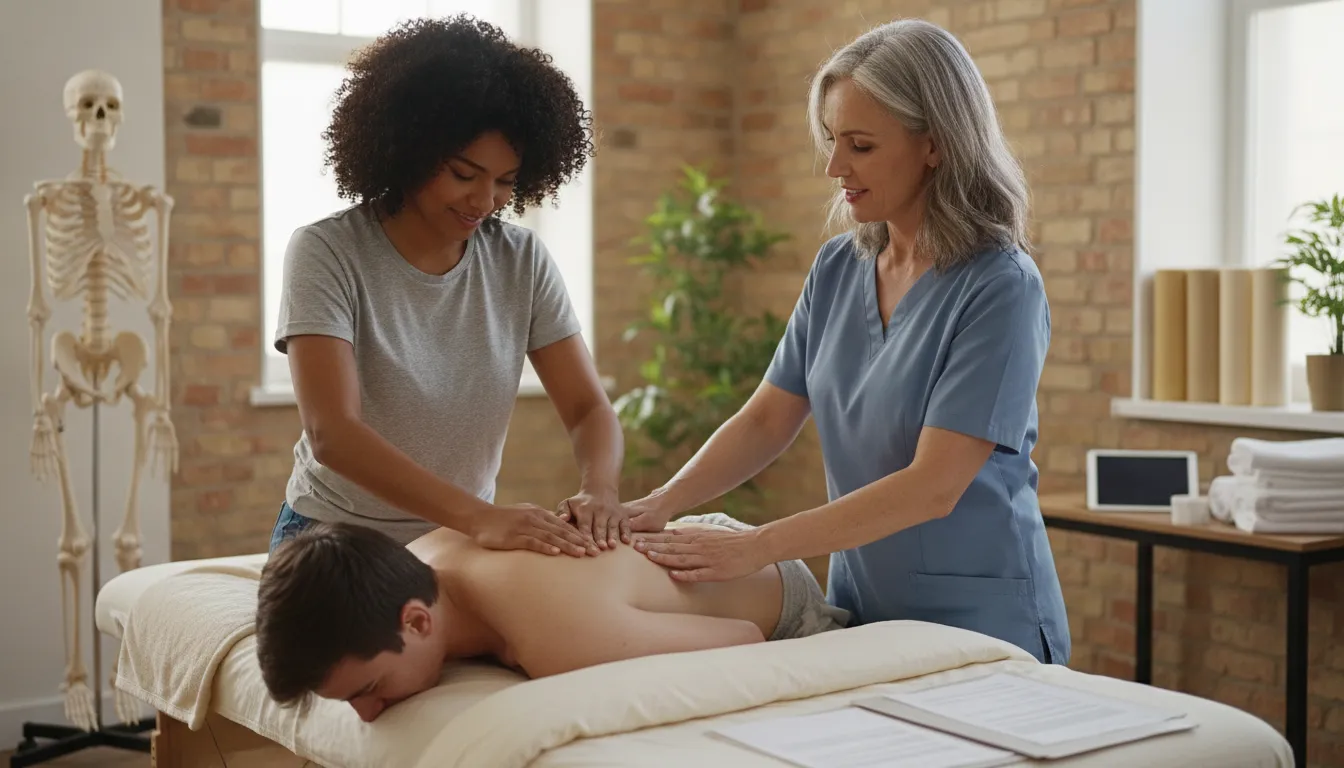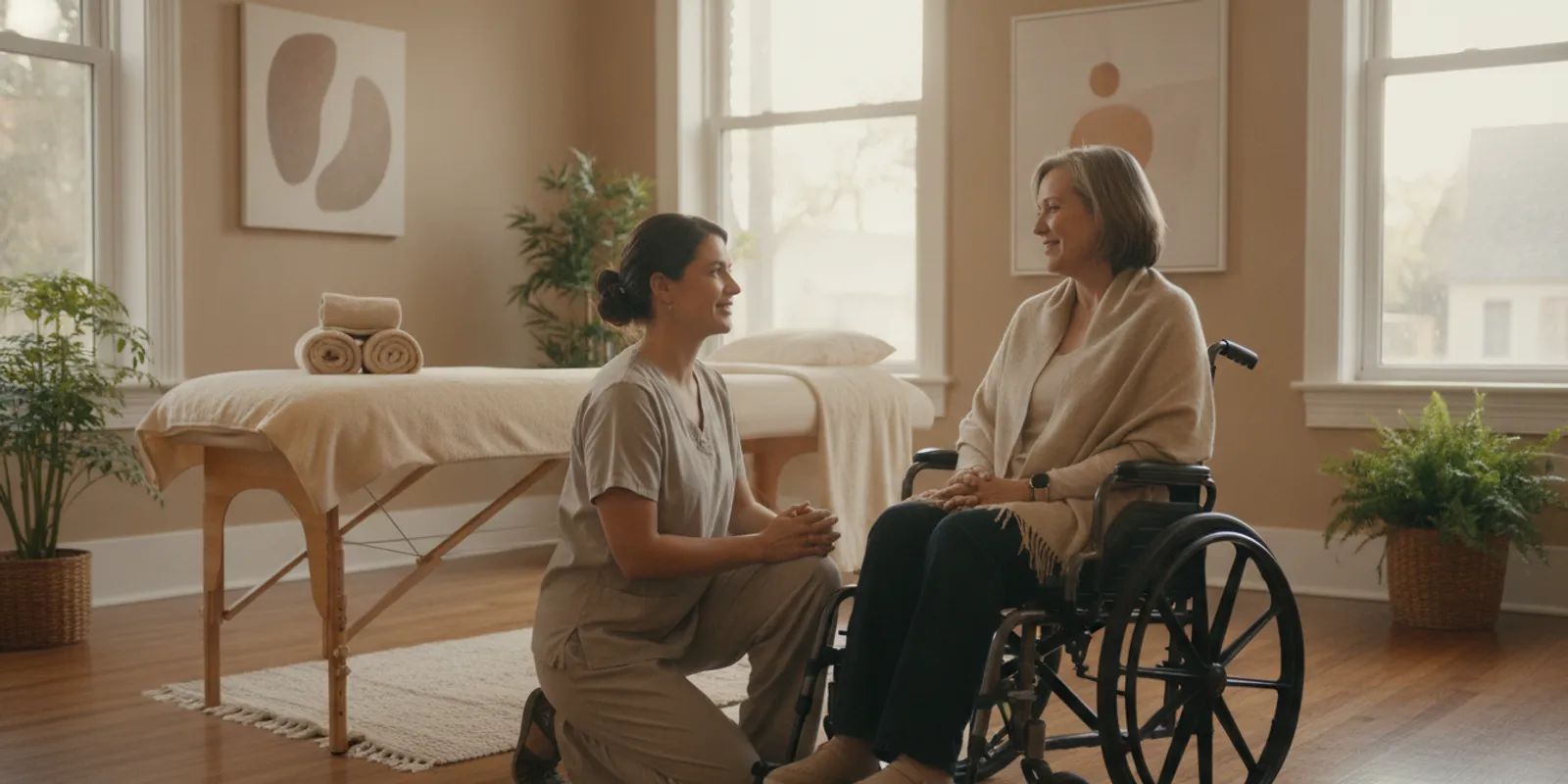

Living with polycystic ovary syndrome (PCOS) can involve ongoing health questions as well as day-to-day stress. If you are considering massage for PCOS, it helps to separate a possible relaxation benefit from medical treatment: massage may offer a calm, comfortable experience, but it does not treat PCOS or replace care from a qualified healthcare professional. Here is how to think about comfort, communication, and realistic expectations before deciding whether a session is right for you.
What does PCOS mean for a massage decision?
PCOS is a health condition that calls for individualized medical guidance. Symptoms, treatment plans, and personal concerns vary. A massage therapist can work with you on a comfortable massage experience, but should not diagnose PCOS, interpret lab results, or advise you to change prescribed care. If you want dependable background information, start with a qualified clinician or a trusted public health resource such as the National Institute of Child Health and Human Development.
Massage is best considered an optional wellness service, not a PCOS intervention. There is no promise that it will change hormones, menstrual cycles, ovulation, fertility, insulin response, or other aspects of the condition. Do not use a massage session instead of an appointment, medication, or other care recommended by your healthcare professional. If a provider makes a guaranteed claim about treating PCOS through massage, be cautious and seek a second opinion from a qualified medical professional.
That distinction does not mean you have to ignore your comfort. You may want a quiet break, a chance to relax, or a session focused on areas that feel tense from ordinary daily demands. Those are reasonable goals to discuss, as long as they are framed as comfort and relaxation rather than treatment of PCOS itself.
What might massage offer, and what are its limits?
People seek massage for different reasons. Some appreciate the restful setting, focused time, and sense of physical ease that can follow a massage. Others prefer not to receive massage, or find that touch is uncomfortable on a particular day. There is no single response that applies to everyone. Your own preferences and feedback should guide the decision.
Massage does not address the underlying causes of PCOS, and there is not a basis here to promise relief from PCOS symptoms. It should not be described as a way to balance hormones, restore ovulation, improve fertility, regulate a cycle, or reverse the condition. Be wary of claims that a specific pressure, technique, or body area can accomplish those outcomes. A session can be planned around how you want to feel during the appointment, while medical questions remain with your healthcare team.
If your main goal is to unwind, tell the therapist that directly. If a particular area feels tight, sensitive, or uncomfortable, say so without needing to explain a diagnosis. You can ask to use lighter pressure, avoid an area, change position, pause, or stop. Your comfort matters more than completing a particular technique.
How can you compare massage with other kinds of support?
Different types of support have different purposes. The following comparison is a starting point for choosing what conversation to have; it is not a treatment plan. Your healthcare professional can help you decide what is appropriate for your health and circumstances.
| Option | What it may be for | What it does not replace | Useful next step |
|---|---|---|---|
| Massage | A relaxation-focused, hands-on wellness experience shaped around comfort and preference. | PCOS diagnosis, medical treatment, or guidance about hormones or fertility. | Ask the studio about session options and describe any comfort needs before the visit. |
| Medical appointment | Discussing symptoms, diagnosis, tests, treatment choices, and changes in health. | Individualized care from a clinician cannot be replaced by general online advice. | Prepare your questions and share relevant health changes with your clinician. |
| Mental health or stress support | Working through stress, mood concerns, coping, or the emotional impact of ongoing health questions. | Medical assessment when physical symptoms or urgent concerns need evaluation. | Ask a qualified provider what kind of support fits your needs. |
| Self-care routine | Personal activities you find restorative, such as rest, enjoyable movement, or quiet time. | Medical care or a clinician’s recommendations. | Choose manageable activities that feel appropriate for you. |
Massage is only one possible way to make time for comfort. A session does not need to be part of a PCOS plan, and choosing not to book is equally valid. If you are looking into the kinds of sessions available, you can review massage services in New Orleans and decide whether any option sounds comfortable to explore.
How can you decide what you want from a session?
A useful way to make a decision is to name a simple, realistic goal before you compare services. “I would like a quiet hour and a comfortable shoulder massage” is specific enough to guide a conversation. “I want to change a PCOS symptom” is a medical goal that massage cannot promise to meet. Separating these intentions can help you choose a session for the experience itself, rather than for an outcome outside the therapist’s role.
You can also consider what would make touch feel manageable today. Think about pressure, areas you do or do not want addressed, whether you would rather talk or rest quietly, and whether any position is uncomfortable. You do not need to have every answer in advance. A short list of preferences can make it easier to communicate, and you can revise it once the session begins.
For example, someone who mainly wants a quiet break might ask whether a relaxation-focused service is available and request gentle pressure. Someone who has a tense upper back might ask about focusing there while leaving the abdomen untouched. A person who is unsure about being touched that day can ask questions first and decide later. None of these choices requires disclosing more health information than feels relevant to comfort and safety.
It may also help to ask yourself whether your expectations are within the scope of massage. If you are hoping for a change in cycle, fertility, or another PCOS concern, take that question to your healthcare professional. If your goal is time set aside for comfort, massage may be one optional way to spend that time. You can choose another activity instead without missing a necessary PCOS treatment.
What should you discuss before booking?
You do not have to disclose every detail of your health history to ask about a session. Share what is relevant to your comfort and safety, and ask how the studio handles questions about adapting a session. You can contact the studio in advance if you are unsure what to mention or which service to consider.
- Your goal: For example, you want a calming experience or would like attention to a non-sensitive area that feels tense.
- Your preferences: Tell the therapist what pressure feels comfortable, which areas you want avoided, and whether you prefer quiet conversation or minimal talking.
- Current concerns: Mention any pain, unusual or new symptoms, recent procedure, injury, or health change that could affect whether massage is appropriate. A massage therapist is not the person to evaluate a new or unexplained medical symptom.
- Positioning and touch: Ask about options if a position, draping, or touch feels uncomfortable. You can request an adjustment or stop at any time.
- Medical guidance: If you have been told to avoid massage, have a specific concern about a condition or treatment, or are uncertain whether massage is safe for you, check with your healthcare professional first.
It is also fine to ask practical questions before you commit: what service choices are available, how long the session is, what the general experience involves, and how to communicate a change in pressure. NOLA Bliss Massage offers therapeutic services; you can read about the studio and its approach on the about page. For service questions or to discuss an appointment, use the contact page.
How can you make a session feel more comfortable?
Think of the appointment as a conversation, not a test you have to pass. You can state a preference plainly and change your mind as the session goes on. For instance: “I am looking for a gentle, relaxing session today,” “Please avoid my abdomen,” or “That pressure is too much; please use less.” You do not need to justify a boundary.
Before the massage begins, agree on the areas to work on and any areas to avoid. Ask about positioning if lying face down or turning over is uncomfortable. During the session, give feedback early rather than waiting until the end. If you feel unwell or uncomfortable, ask the therapist to pause. You are allowed to end the session.
Do not feel that you need to request abdominal massage or any specific technique because you have PCOS. There is no requirement to work on the abdomen, pelvis, or another area to make massage worthwhile. Choose only what feels acceptable to you. A general session focused on relaxation can remain separate from care for PCOS.
If you prefer a different style of massage, compare the service descriptions rather than assuming one technique is medically better for PCOS. The studio’s Ashiatsu massage information describes one service option; it should not be interpreted as a PCOS treatment. If you are looking for general context about massage around the back and neck, the back and neck massage guide may help you prepare questions about those areas.
How can you plan the visit and communicate in the moment?
Planning a few details can reduce uncertainty without turning a wellness appointment into a medical consultation. Before booking, write down the one or two things that matter most to you. That might be avoiding a particular area, using lighter pressure, or having time to settle in before hands-on work begins. Ask the studio whether those preferences can be accommodated, and decide whether you are comfortable with the answer.
When you arrive, you can repeat your main request in plain language. A brief statement such as “I would like to focus on my back and shoulders, use light pressure, and skip my abdomen” gives clear direction. If you are not sure what pressure you prefer, you can ask to start gently and adjust. You may also ask what to do if you need a pause, or how to signal that you want the therapist to stop.
During the session, check in with yourself rather than waiting for discomfort to become intense. Notice whether the pressure, position, room temperature, or amount of conversation feels right. If something needs to change, simple feedback is enough: “Could you move to my shoulders?” “Please use less pressure,” or “I need a moment.” Agreeing to a session does not mean agreeing to every technique for its full duration.
Afterward, you can evaluate the visit by how well your stated preferences were respected and whether the experience felt comfortable. That is a practical measure of fit, not a test of whether massage affected PCOS. If you would prefer a different pressure or focus next time, make a note so you can bring it up when asking about another appointment. If you do not want another session, that choice is equally reasonable.
When should you pause and seek medical guidance?
Massage is not the right response to every physical concern. If you have a new, severe, worsening, or unexplained symptom, seek medical advice rather than trying to address it through massage. If you believe you may need urgent care, contact an appropriate medical service. Likewise, ask your healthcare professional whether massage is suitable if you have a health condition, are receiving treatment, or have been given specific restrictions that could affect a hands-on session.
This is general caution, not a list of PCOS-specific contraindications or a substitute for a clinician’s assessment. The massage therapist should not be asked to decide whether a medical symptom is caused by PCOS or whether a treatment is working. If a concern arises during the appointment, stop and get appropriate medical guidance.
You can also postpone without having to give a detailed reason. If you are not feeling well, feel uncertain about touch, or cannot communicate what would make the session comfortable, waiting may be the better choice. Your decision can change from one day to another.
What should you expect after a relaxation-focused session?
People can respond differently to massage. Avoid expecting a particular change in PCOS symptoms, and do not use how you feel immediately afterward to judge whether a medical treatment is effective. If you have a concerning reaction or a symptom that worries you, contact a healthcare professional. If the session simply did not suit you, you can choose another approach or not book again.
It may help to reflect on simple questions: Did I feel listened to? Was the pressure comfortable? Did I feel able to ask for a change? Would I choose the same areas or a different service next time? These observations are about your experience, not evidence that massage is affecting PCOS. You can share practical feedback with the therapist if you decide to have another session.
People visiting Downtown New Orleans can review parking information for the studio while planning a visit. If you are considering massage with a partner, the studio also has information about couples massage; that is a separate booking choice and does not change what massage can or cannot do for PCOS.
Contact NOLA Bliss Massage with questions
Frequently asked questions about massage for PCOS
Can massage balance hormones or treat PCOS?
No. Massage should not be presented as a way to balance hormones, treat PCOS, restore ovulation, or improve fertility. It may be chosen for relaxation and comfort, but it does not replace medical care. Discuss PCOS treatment questions with your healthcare professional.
Should I tell the massage therapist that I have PCOS?
You can share that information if you think it is relevant, but you do not have to give a full medical history to set a comfort boundary. It is useful to mention anything that could affect the session, along with areas to avoid or preferences about pressure and positioning. Ask your healthcare professional about medical suitability when you are unsure.
Is abdominal massage necessary for someone with PCOS?
No. You do not need abdominal massage or any specific technique because you have PCOS. Ask to avoid any area you do not want touched, and choose only a session that feels comfortable to you. Massage to the abdomen should not be advertised as a treatment for PCOS.
Can I book massage while receiving PCOS care?
That depends on your own circumstances and any guidance you have received. Massage is not a substitute for your care plan. If you have restrictions, symptoms that concern you, or questions about how a treatment or health condition may affect massage, ask your clinician before booking.
What is a sensible next step?
If a relaxation-focused massage sounds appealing, ask questions before booking and be clear about the experience you want. Keep medical decisions with your healthcare professional, set boundaries that feel right, and remember that massage is optional support for comfort—not treatment for PCOS.