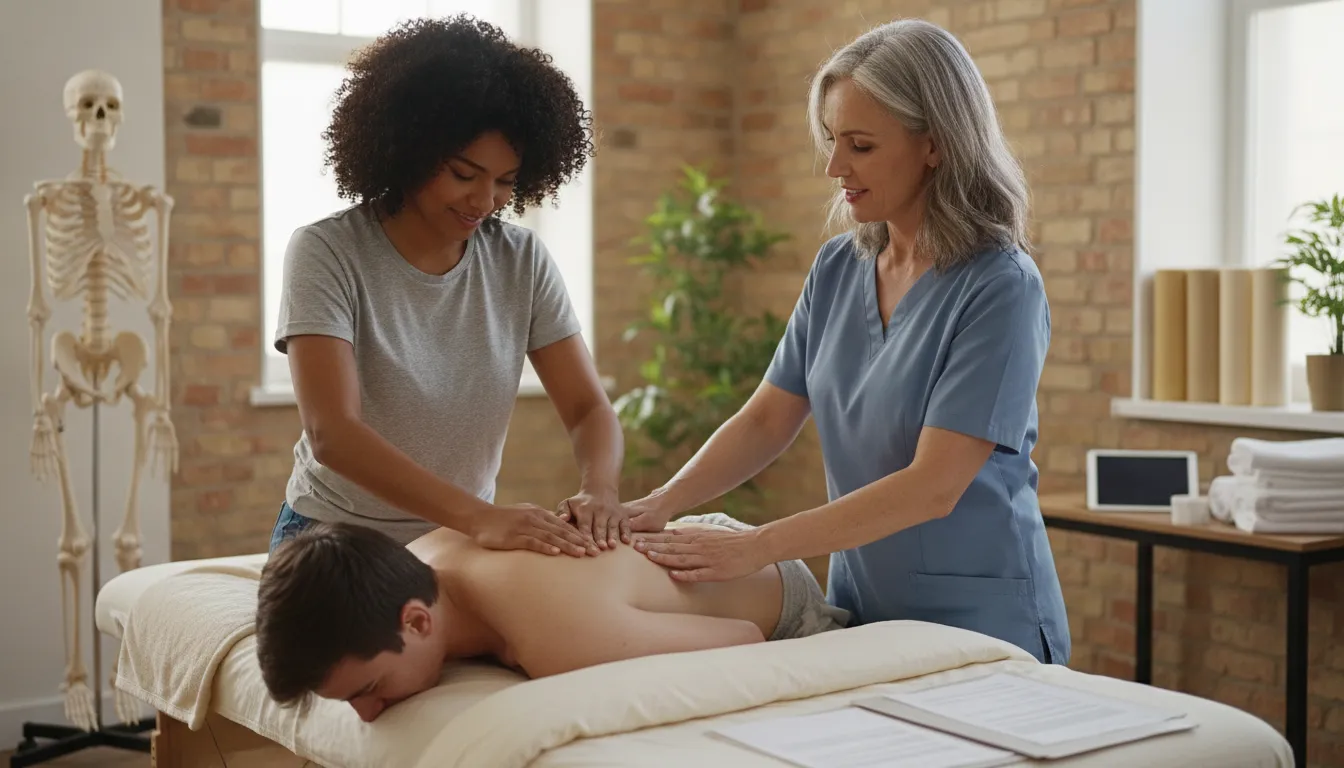
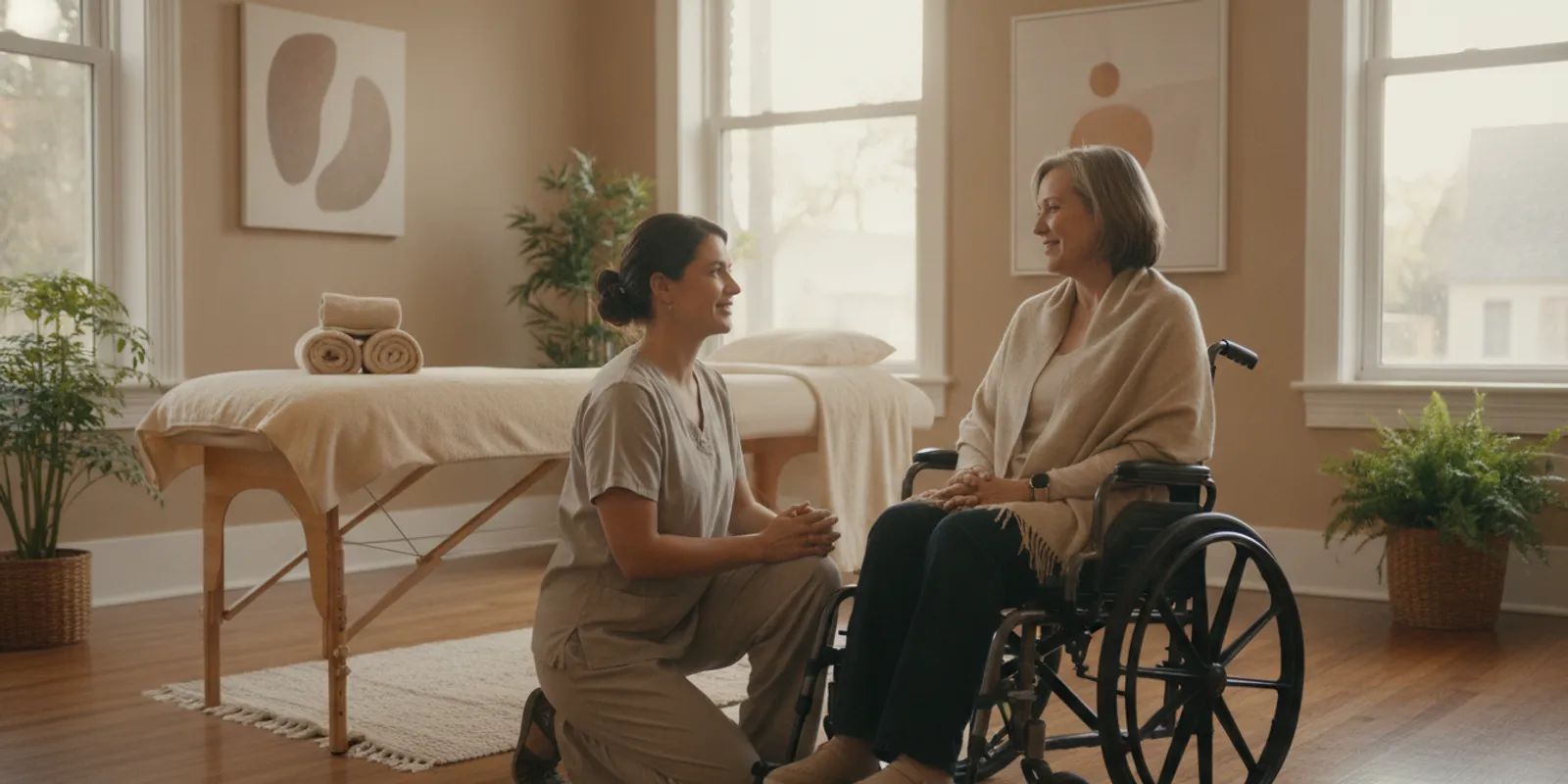
If you are looking into massage for sleep, it helps to begin with a realistic goal: massage may help you unwind, but it is not a guaranteed fix for insomnia or a substitute for medical care. A thoughtful session can be one part of a calmer evening routine, especially when muscle tension or a busy mind makes it harder to settle.
Book a massage for a calmer evening
Can massage help you feel ready for sleep?
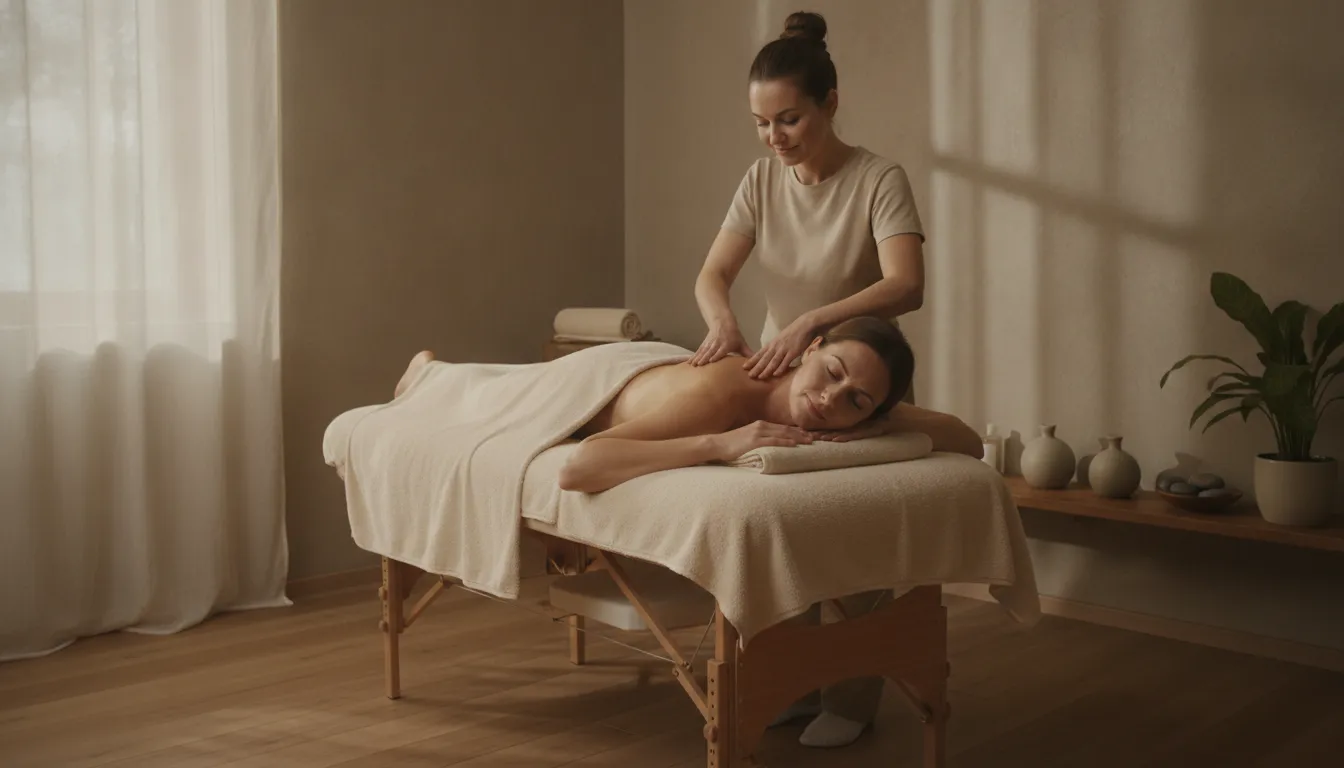
Some people find that massage helps them shift from a keyed-up state toward a more relaxed one. Slow, comfortable touch can give you a quiet break from work, travel, or the physical tension you carry through the day. That feeling of relaxation may make it easier to begin your bedtime routine. It does not mean that a massage will make everyone fall asleep quickly or stay asleep all night.
Research on massage and sleep is encouraging but specific. A 2025 study reported that a relaxation massage session had a greater effect on reducing arousal and facilitating sleep onset in its study setting; it is not proof that every massage session treats a sleep disorder. Read the study on massage and daytime brain activity. A separate study of nurses working rotating night shifts examined aromatherapy massage and sleep quality in that particular group. Its findings should not be assumed to apply equally to everyone. Review the aromatherapy massage study.
These studies point to an important distinction: massage can be considered a relaxation or wellness support, not a diagnosis or a stand-alone treatment for chronic sleep problems. If you are regularly unable to sleep, wake often, feel exhausted during the day, or notice a sudden change in your sleep, speak with a healthcare professional about what may be contributing.
Which massage approach might fit a calmer evening?
The most useful choice is usually the approach that feels comfortable and matches what you want from the session. If your goal is to relax before bed, tell the therapist that comfort and unwinding matter to you. You do not need to request intense pressure for a massage to feel worthwhile. A session should not be treated as a test of how much pressure you can tolerate.
Options to discuss
Swedish massage
May suit someone who: Wants a general relaxation-focused session and prefers to discuss a comfortable level of pressure.
Useful question to ask: Can we keep the pace and pressure soothing and comfortable?
Deep tissue massage
May suit someone who: Has particular areas of persistent muscular tightness and wants to discuss focused work.
Useful question to ask: Would focused work make sense for my goals, or would gentler pressure be a better fit?
Ashiatsu
May suit someone who: Is curious about a specialized technique and wants to learn what the session involves before choosing.
Useful question to ask: What should I expect, and can the pressure be adjusted to my comfort?
No massage yet
May suit someone who: Is unsure whether massage is appropriate, has a health concern, or mainly needs help with ongoing sleep trouble.
Useful question to ask: Should I check with my healthcare professional before booking?
These are starting points for a conversation, not promises about sleep outcomes. NOLA Bliss offers several massage services in New Orleans, including Swedish, deep tissue, and Ashiatsu. You can also read about the studio’s Ashiatsu massage approach. Choose based on comfort, preferences, and the reason you want massage, rather than assuming that one technique is best for everyone who has trouble sleeping.
How should you time a massage before bed?
There is no universal best time. Some people prefer to have space after a session to return home, eat if needed, and move through their ordinary bedtime routine. Others may find a session earlier in the day fits better. Consider how you tend to feel after massage: calm and ready to rest, energized, or a little tender in an area that received focused work. Your own response can help guide future timing.
- Leave room to wind down. Avoid packing a demanding activity immediately after your appointment if your aim is to make the evening feel less rushed.
- Keep your bedtime routine familiar. Massage is one possible part of a routine, not a reason to discard habits that already help you relax.
- Plan around travel and commitments. Visitors in Downtown New Orleans may want to factor in their hotel, dinner, and evening plans. Check practical details such as free downtown parking when planning the visit.
- Notice how you feel afterward. If a late session feels too stimulating or leaves you rushing, consider an earlier appointment next time.
If sleep is a primary concern, you can explain that when you inquire. You might say, “I am hoping to relax this evening. What type of session and timing would you suggest?” You can ask what the session involves and what options are available without making assumptions about the outcome.
What should you tell the therapist?
A short, clear conversation can help shape a more comfortable session. Share what you hope to get from the appointment, which areas feel tense, and what pressure you generally prefer. If you have a health condition, recent injury, medication-related concern, or other question about whether massage is suitable, raise it before the session and seek medical guidance where appropriate.
It can help to be specific about comfort. For example, you could say, “I would like a relaxing session, with light-to-moderate pressure,” or “Please check in before working more deeply on my shoulders.” You can ask for an adjustment or a pause at any point. A session should be collaborative; you are not expected to stay silent if something feels uncomfortable.
People with neck or back tension may find it useful to read Back and Neck Massage 101 before deciding what areas they want to discuss. If you are considering a session with a partner as part of a relaxing trip or evening, see the studio’s information about couples massage in New Orleans. A shared appointment may be a pleasant experience, but it is still important for each person to communicate their own preferences and needs.
What can you do between massage sessions?
Sleep routines are personal, and small, repeatable steps may be more practical than trying to change everything at once. A massage appointment cannot control your schedule, environment, stressors, or health, so think of it as one optional element rather than the entire plan.
- Set a wind-down cue. Choose a simple transition that signals the busy part of your day is ending, such as dimming lights or setting aside work for the night.
- Make the last part of the evening less crowded. If possible, give yourself time between obligations and bed instead of trying to fit relaxation into the final few minutes.
- Use a comfortable, familiar routine. Quiet reading, gentle breathing, or another low-key activity may help you settle. Choose something that feels sustainable for you.
- Track patterns without judging yourself. Notice when sleep feels harder and whether timing, travel, stress, or discomfort may be involved. A brief note can help you explain the pattern to a clinician if needed.
- Ask for support when sleep trouble persists. A qualified healthcare professional can help assess ongoing or severe sleep problems and discuss appropriate next steps.
For some clients, regular massage fits into a broader self-care plan. For others, a single session is simply a chance to pause. Neither approach guarantees better sleep. It is reasonable to evaluate massage by whether the experience felt comfortable and worthwhile to you, not by expecting a certain number of hours of sleep afterward.
How can you make a first appointment useful?
If you have not had massage before, you do not need to know the name of a technique before you reach out. Start with your goal and questions. You might tell the studio that you are hoping for a relaxing session and ask which options could fit. NOLA Bliss Massage is an appointment-based therapeutic studio in Downtown New Orleans; you can explore its massage services and studio information before deciding what to ask.
Before booking, consider a few practical points. How much time can you comfortably set aside, including travel? Do you prefer a quieter, more general relaxation experience, or do you want to discuss a specific area that feels tight? Are you comfortable with a particular pressure level? Having a rough answer helps you describe your preferences, but it is fine to ask questions first and decide after you learn more about the available sessions.
It can also help to avoid building unrealistic expectations into the appointment. A massage is not a sleep test, and one night afterward cannot prove whether it worked. Sleep can be affected by many factors, including ordinary changes in schedule and stress. Consider the immediate experience separately: Did the pressure feel comfortable? Did you feel able to communicate? Was the appointment a useful pause in your day? Those are practical questions you can answer for yourself.
If you are traveling, account for the day you are actually having. A convention, festival, long walk, late dinner, or time-zone change may affect how you feel more than usual. Leave enough time for your plans and consider whether an appointment earlier in the day fits better than trying to squeeze a session in just before bed. If you want to check location or scheduling details, use the studio’s contact information before finalizing your evening.
After the appointment, keep the rest of your evening simple if that is your intention. You could return to a familiar quiet activity, prepare for the next day, and go to bed at your usual time. There is no need to add elaborate steps or to judge yourself if you do not fall asleep immediately. If the session left you more alert, that is useful information about your own response and may help you choose a different appointment time next time.
When should you seek medical guidance instead?
Massage is not a replacement for care when sleep problems are persistent, severe, or affecting your ability to function. Speak with a healthcare professional if difficulty sleeping continues, if you have pronounced daytime sleepiness, or if you are concerned about pain, breathing, medication, or another health issue. A clinician can help explore possible causes and options suited to your situation.
Also ask for medical advice before booking when you are unsure whether massage is appropriate because of a health condition, recent procedure, injury, or other specific concern. The goal is not to self-diagnose from a blog post. It is to make an informed choice and to get the right kind of support.
How can you tell whether massage fits your routine?
Think about the experience you want to repeat, rather than judging it by one night of sleep. After a session, you could note whether you felt comfortable during the massage, whether the chosen pressure matched your request, and whether the appointment fit your schedule without adding stress. If you decide to book again, these observations give you a clearer starting point for the next conversation. You can ask to adjust pressure, focus, or timing based on what you noticed.
On the other hand, if sleep remains difficult, do not keep adding appointments in place of asking for help. Ongoing trouble deserves attention in its own right, even if massage feels pleasant. Wellness care and medical guidance can serve different purposes, and it is reasonable to use one, both, or neither depending on your needs and advice from a healthcare professional.
NOLA Bliss Massage is an appointment-based therapeutic massage studio in Downtown New Orleans. Learn more about the studio and its approach, then contact the team with questions about selecting a service that fits your preferences.
Book your massage for sleep or contact NOLA Bliss with questions.
Frequently asked questions about massage for sleep
Should I book a massage if I have insomnia?
You may choose massage as a relaxation experience, but it should not replace an assessment or treatment plan for insomnia. If trouble sleeping is ongoing or affecting your daily life, speak with a healthcare professional. You can also ask whether massage is appropriate for your circumstances.
Is a deeper massage better for sleep?
Not necessarily. Pressure is a matter of comfort and individual preference, and more intense work is not a requirement for relaxation. Explain your goals and ask for adjustments during the session. If focused pressure is uncomfortable, say so.
How soon before bed should I schedule a massage?
There is no fixed interval that works for everyone. Consider your travel time, evening plans, and how you typically feel after a session. If you feel rushed or energized after a late appointment, try scheduling earlier next time.
Can massage replace a bedtime routine?
No. Massage can be one part of self-care, but it does not replace a consistent routine or medical guidance when sleep problems persist. Keep the habits that work for you and treat massage as an optional addition.
Massage for sleep is best approached as a possible way to create space for relaxation, not as a promise of a cure. Start with comfort, ask questions, and seek healthcare guidance when sleep problems need more than a wellness appointment.