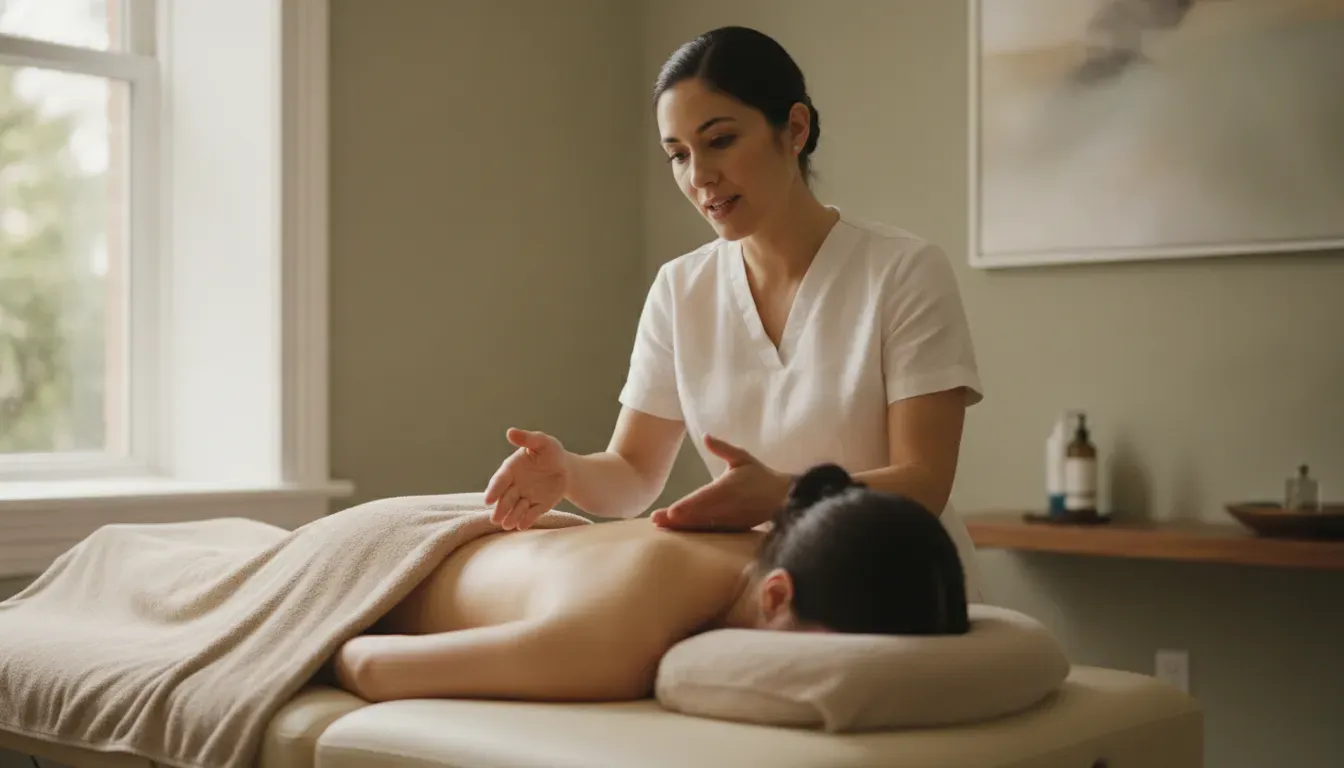

That scar you have? It’s not just a finished chapter in your body’s story. It’s living tissue that continues to change and remodel itself for months, even years after an injury. This means you can still influence how it feels and functions. If your scar is stiff, sensitive, or restricts your movement, you are not stuck with that discomfort. A consistent, gentle massage for scar tissue can work wonders, helping to break down adhesions and make the tissue more pliable. And yes, this works even on old scars. I’ll show you exactly how this simple therapy works to support your body’s healing.
Key Takeaways
- Prioritize Proper Timing: The most important rule is to wait until your wound is completely closed, with no scabs or stitches. Starting scar massage too early can interfere with healing and introduce bacteria, so patience is essential for a safe recovery.
- Consistency is More Important Than Pressure: A successful routine involves massaging the area for a few minutes every day. Use firm, gentle pressure to manipulate the tissue underneath—not just glide over the skin—to help improve flexibility and circulation over time.
- Know When to Seek Professional Help: While self-massage is effective, you should see a licensed therapist if your scar remains painful, tight, or isn’t improving. A professional can create a tailored treatment plan and use advanced techniques to help you achieve the best results.
What Is Scar Tissue?
If you’ve ever had surgery, a deep cut, or even a bad case of acne, you’re probably familiar with scars. But what exactly is that mark left on your skin? Scar tissue is your body’s incredible way of healing itself. Think of it as a natural bandage made from your own cells. When your skin or other tissues are damaged, your body gets to work, laying down a tough, fibrous protein called collagen to patch things up.
While this process is amazing, the patch isn’t a perfect match for the original tissue. This new tissue can look and feel different, sometimes leading to tightness, sensitivity, or a limited range of motion. Understanding what scar tissue is and how it forms is the first step toward managing it effectively. With the right approach, you can help your scar heal better, feel more comfortable, and become a simple reminder of your body’s resilience rather than a source of discomfort.
Understanding Your Body’s Healing Process
When you get an injury, whether it’s a surgical incision or a scraped knee, your body launches an immediate repair mission. The first phase involves stopping any bleeding and cleaning the area. Next, your body starts rebuilding by producing a network of collagen fibers to close the wound. This collagen is the main ingredient in scar tissue. It’s a strong, structural protein that acts like a scaffold, pulling the edges of the wound together. This natural healing process is essential for preventing infection and repairing damage, creating a protective barrier over the vulnerable area as it mends from the inside out.
The Three Stages of Scar Formation
Your body’s healing journey unfolds in three distinct phases. First is the inflammatory stage, which starts right after the injury and lasts a few days. You’ll notice swelling, redness, and some pain as your body works to clean the wound. Next comes the proliferative stage, where the real rebuilding begins. Over the next two to three weeks, your body produces collagen to close the wound. Finally, the maturation or remodeling stage kicks in. This is the longest phase, lasting anywhere from six months to two years. During this time, the collagen fibers reorganize to strengthen the tissue. This is also when a scar can become tight or painful, making it the perfect time for massage to guide the tissue toward greater flexibility.
How Strong is Scar Tissue?
While scar tissue is a testament to your body’s ability to repair itself, it’s not quite the same as your original skin. It’s a functional patch, but it’s not a perfect replacement. Scar tissue is inherently weaker, reaching only about 70% to 80% of the strength of uninjured skin. It also has a different structure than normal skin; it tends to be stiffer, receives less blood flow, and can hold onto more cells that cause swelling. This is why scars can feel tight, look different, and sometimes limit movement. Gentle massage helps address these differences by encouraging better circulation and helping the tissue become more pliable and less restrictive over time.
Scar Tissue vs. Healthy Tissue: What’s the Difference?
The collagen that forms scar tissue is different from the collagen in your healthy, uninjured skin. In normal tissue, collagen fibers are arranged in a neat, basket-weave pattern, which gives your skin its strength and elasticity. When your body is in a hurry to heal a wound, it lays down collagen fibers more quickly and in a more random, cross-linked pattern. This makes scar tissue more fibrous and dense. It’s often less flexible than the surrounding skin and may lack things like hair follicles or sweat glands. This difference in structure is why scars can feel tight, raised, or stiff, sometimes restricting movement in the area.
What Causes Scars to Form?
Scars are a part of life and can form for many different reasons. Any time the deeper layer of your skin, the dermis, is damaged, a scar is likely to form. Some of the most common causes include surgical incisions from operations, which are a planned form of trauma that the body must heal. Accidental injuries like deep cuts, scrapes, or burns also trigger this healing response. Even certain skin conditions, such as severe acne or chickenpox, can leave behind facial scars after the inflammation subsides. Essentially, any significant trauma that your body needs to repair can result in the formation of scar tissue.
How Does Scar Tissue Massage Work?
So, how exactly does rubbing a scar help it heal? It might seem almost too simple, but there’s a lot of science happening just beneath the surface. Scar tissue massage is a targeted, hands-on approach that works with your body’s natural healing process to improve the texture, flexibility, and appearance of a scar. It’s not about trying to erase what happened, but about helping the new tissue integrate better with the surrounding skin.
When a licensed massage therapist works on a scar, they use specific techniques to manually manipulate the tissue. This gentle pressure helps to break down adhesions, which are bands of scar tissue that can stick to underlying structures and restrict movement. By encouraging the collagen fibers to realign in a more organized pattern, the massage makes the scar softer, flatter, and less noticeable. This process also helps restore function, reduce pain, and give you back your full range of motion. It’s a powerful way to support your body’s recovery long after the initial wound has closed.
What Happens When You Massage a Scar?
To understand how scar massage works, you first have to know that scar tissue isn’t the same as your regular skin. After an injury or surgery, your body creates collagen fibers to mend the wound, but this new tissue is often stiffer, less elastic, and has a weaker blood supply. Think of it like a patch on your favorite jeans—it does the job, but it doesn’t move or feel quite the same. Massage helps to break down and realign this tough, fibrous tissue. Gentle, consistent pressure encourages the collagen fibers to lay down in a more organized, flexible pattern, closer to how your original skin was structured.
How Massage Helps with Circulation and Flexibility
One of the most immediate effects of scar massage is on your circulation. The gentle kneading and pressure bring fresh, oxygen-rich blood to the area. This is crucial because scar tissue often has poor blood flow, which can slow down healing. When massage stimulates circulation, it delivers the nutrients your tissue needs to regenerate and become healthier. This process helps soften the scar, making it more pliable and improving its flexibility. Over time, you’ll likely notice a greater range of motion and less of that tight, pulling sensation that often comes with significant scarring.
Scar Massage: Separating Fact from Fiction
There are a few common myths about scar massage that are important to clear up. First is the idea that more pressure equals better results. This isn’t true—in fact, applying too much force can irritate the delicate new tissue and may even make the scarring worse. A gentle, therapeutic touch is far more effective. Another misconception is that scars are just inactive, “dead” tissue. The truth is that scars are living tissue that can continue to change and heal for months, or even years. With the right approach, you can absolutely improve a scar’s texture and mobility, no matter how old it is.
When Is It Safe to Start Scar Massage?
It’s completely normal to be eager to help your scar heal, but timing is everything. Starting scar massage too early can do more harm than good, while waiting too long might mean missing a key window for improving flexibility and appearance. The goal is to work with your body’s natural healing process, not against it. When done correctly and at the right time, massage can help break down adhesions, improve blood flow, and make the scar tissue more pliable, which can reduce tightness and improve its overall look and feel.
So, how do you know when the time is right? It comes down to a combination of general timelines, specific physical signs, and a clear understanding of the risks. This isn’t something to guess at. Before you begin any kind of self-massage, and especially before booking a professional therapeutic massage, you need to be certain your body is ready. Think of this as the preparation phase—getting the green light from your body ensures that massage will be a healing, helpful part of your recovery. We’ll walk through exactly what to look for and when to get started so you can feel confident in your next steps.
Timing Your First Massage After Injury or Surgery
Patience is your best friend in the early stages of healing. As a general rule, you should wait until your wound is fully closed before you even think about massaging it. Most medical professionals recommend waiting about two to three weeks after surgery or injury to begin. This gives your skin the time it needs to knit back together and build a solid foundation. Remember, this is a guideline, not a hard-and-fast rule. Every body heals at its own pace, and your doctor or surgeon can give you the most accurate timeline for your specific situation. Following their expert advice is the safest first step.
Is Your Scar Ready? Here’s How to Tell
Your body will give you clear signals when it’s ready for scar massage. The most important sign is that the wound is completely closed. This means there are no stitches, staples, or scabs left on the surface. The skin should be fully sealed with no open areas. Gently touch the area; while some minor tenderness is normal, it shouldn’t be acutely painful. You also want to check for any signs of infection, such as excessive redness, swelling, warmth, or discharge. If everything looks calm, clean, and closed, you’re likely ready to begin. The key is to promote healing safely, and that starts with making sure the initial healing phase is complete.
Why You Shouldn’t Massage a Scar Too Soon
Jumping the gun on scar massage can set your recovery back significantly. Massaging a wound that isn’t fully healed can introduce bacteria, leading to a serious infection. It can also disrupt the delicate new tissue, potentially causing the wound to reopen. This not only prolongs the healing process but can also make the final scar more prominent. If you start massaging and notice your skin becoming sore, inflamed, or developing a rash or blisters, stop immediately. These are signs that the tissue isn’t ready for manipulation. Listening to your body is crucial; never push through pain or ignore warning signs from your skin.
Simple, Effective Ways to Massage Scar Tissue
Once your scar is ready, you can begin using specific massage techniques to support the healing process. The goal of these movements is to help realign the new collagen fibers, improve blood flow, and restore flexibility to the affected area. While you can perform these techniques on yourself at home, working with a professional can make a significant difference. A licensed therapist can assess your scar, apply the right amount of pressure, and incorporate these methods into a broader therapeutic massage plan tailored to your body’s needs.
Consistency is the most important part of a successful scar massage routine. A few minutes each day can have a much greater impact than a longer session once a week. Remember to start gently and listen to your body. The massage should feel productive, not painful. Before you begin, make sure your hands and the scarred area are clean. You can use a small amount of lotion or oil to reduce friction, but you want enough grip to be able to manipulate the tissue itself, not just slide over the skin. Below are a few of the most effective techniques you can use to soften scar tissue and improve its appearance and function.
Technique 1: Cross-Fiber Friction
Cross-fiber friction is a technique that involves moving your fingers back and forth across the scar, perpendicular to its direction. Imagine the scar is a guitar string; you want to gently strum across it, not along its length. To do this, place one or two fingers directly on the scar and apply firm pressure. Move your fingers from side to side, making sure you are moving the scar tissue itself, not just gliding over the skin. You can also gently pinch and lift the scar to help separate it from the underlying layers of tissue. This motion is excellent for breaking down adhesions and encouraging the collagen fibers to align in a more flexible, organized pattern.
Technique 2: Gentle Circular Motions
Another simple yet effective technique is to use small, circular motions directly on the scar. Using your fingertips, apply steady pressure and move in slow, deliberate circles. Be sure to go in both clockwise and counter-clockwise directions to work the tissue from all angles. The key is to make sure the skin moves with your fingers, not that your fingers are just sliding over the surface. This gentle, consistent movement helps to soften the scar tissue and increase circulation to the area. Improved blood flow brings fresh oxygen and nutrients, which are essential for healthy tissue remodeling. This technique is especially good for smaller scars or for warming up the tissue before moving on to deeper methods.
Technique 3: Smooth Linear Strokes
Linear strokes involve applying pressure along the length of the scar. Place your finger at one end of the scar and push firmly along its entire length. A great visual indicator that you’re applying enough pressure is when the skin “turns white (blanches) and then pink again as blood returns.” This temporary color change shows you’re effectively stimulating blood flow. This technique helps to stretch the scar tissue, improving its length and flexibility. It’s particularly useful for long, straight scars from surgical incisions, as it can help prevent the scar from tightening and restricting your movement as it heals.
Technique 4: Skin Rolling
Skin rolling is a fantastic way to address tightness by gently lifting and rolling the skin around the scar. To perform this, carefully pinch the skin on one side of the scar between your thumb and index finger. Once you have a gentle hold, lift the skin slightly and roll it across the scar to the other side. This movement helps to separate the scar tissue from the underlying layers, which is crucial for restoring flexibility. According to experts at the MD Anderson Cancer Center, this technique is effective because it helps to improve mobility and reduce the sensation of the scar being “stuck.” It encourages the tissue to become more pliable and less restrictive over time.
Technique 5: Pushing Towards the Scar
This technique focuses on mobilizing the tissue surrounding the scar, rather than working on the scar itself. Start by placing your fingers just above the scar and gently push the skin and tissue downward, moving it toward the scar line without going over it. Hold this gentle stretch for a few seconds. Next, place your fingers below the scar and push the skin upward, again moving it toward the scar. As recommended by My Health Alberta, you should push the skin and tissue along the entire length of the scar, alternating between pushing from above and below. This helps to stretch the surrounding area and prevent adhesions from forming, ensuring the scar integrates smoothly with the healthy tissue around it.
How Much Pressure Should You Use?
Knowing how much pressure to use is key to getting results without causing irritation. The goal is to apply firm, deep pressure that you can feel working the tissue, but it should never be sharply painful. You want to “aim for firm pressure that moves the skin and tissue beneath, not just your fingers across the surface.” If you’re just rubbing the top layer of skin, you won’t be able to break down the adhesions underneath. Start with lighter pressure and gradually increase it as your tolerance builds. A little tenderness is normal, but if you feel sharp pain, ease up. A professional massage therapist is skilled at finding this therapeutic sweet spot and can adjust the pressure for the best results.
Tips for an Effective Scar Massage
Knowing the right techniques is a great start, but to make your scar massage truly effective, a few extra details matter. It’s not just about what you do, but also when you do it and what products you use—or, in some cases, don’t use. Getting these small things right can make a big difference in your results, helping you avoid irritation and support the healing process in the safest way possible. Think of these tips as the foundation for your routine, ensuring that every minute you spend on your scar is productive, comfortable, and beneficial for your long-term recovery.
When to Use Lotions or Creams
It might seem natural to reach for lotion before you start, but this is one time you’ll want to wait. For scar massage to be effective, your fingers need enough grip to gently manipulate the tissue underneath the skin, not just slide across the surface. Using lotion beforehand can make the area too slippery, preventing you from getting the traction needed to break down adhesions. Instead, perform the massage on clean, dry skin. Afterward, you can apply a gentle, unscented lotion or Vitamin E to hydrate the area. This approach allows you to promote healing effectively during the massage and moisturize the skin once you’re done.
The Best Time to Massage Your Scar
Patience is your best friend in the early stages of healing. As a general rule, you should wait until your wound is fully closed before you even think about massaging it. Most medical professionals recommend waiting about two to three weeks after surgery or injury to begin. This gives your skin the time it needs to knit back together and build a solid foundation. Before you start, make sure there are no scabs, stitches, or open areas left. Starting too soon can introduce bacteria or reopen the wound. Following your doctor’s expert advice on timing is the safest way to ensure your massage efforts help, rather than hinder, your recovery.
How Often Should You Massage a Scar?
When it comes to scar massage, consistency is your best friend. Think of it like watering a plant—doing it sporadically won’t get you the results you’re looking for. Creating a regular routine is what helps break down tough scar tissue and improve the skin’s flexibility over time. But how much is enough, and how much is too much? The key is finding a rhythm that works for your body and your schedule. By understanding the right frequency, building a solid habit, and having realistic expectations, you can give your scar the best possible chance to heal well.
Finding the Right Frequency and Duration
For the best results, aim to massage your scar for about 10 minutes, twice a day. This dedicated time allows you to gently work the tissue and encourage healing. Most experts recommend you continue this routine for at least six months as the scar matures. If, after that time, your scar feels softer and moves more easily, you can often reduce the frequency to three or four times a week. Always listen to your body—if you feel sharp pain or see any signs of infection, it’s important to stop and check in with your doctor or physical therapist.
How to Create a Consistent Massage Routine
Making scar massage a regular part of your day is crucial for seeing real improvement. You can piggyback the new habit onto an existing one, like massaging the area while you watch your favorite show in the evening or right after you get out of the shower. The goal is to make it feel less like a chore and more like a normal part of your self-care. Remember that effective scar tissue management requires firm, intentional pressure that moves the skin and the tissue underneath it, not just light rubbing on the surface. A few minutes of focused, consistent effort each day will make a much bigger impact than a long, infrequent session.
When to Adjust Your Massage Frequency
Your scar massage routine won’t stay the same forever. As your scar matures and heals, you’ll need to adjust how often you work on it. The key is to pay close attention to how the tissue feels. If you notice the scar becoming softer, flatter, and more pliable after several months of consistent massage, that’s a great sign of progress. At this point, you can likely scale back your routine from twice a day to just three or four times a week. The most important rule is to listen to your body. If you ever feel sharp pain or notice any new redness or swelling, stop immediately and check in with your doctor to make sure everything is healing properly.
Is It Ever Too Late to Start?
Absolutely not. It’s a common myth that old scars are set in stone, but the truth is that scars are living tissue that can continue to remodel for months, and even years. While newer scars often respond more quickly to massage, you can still achieve significant improvements in the texture, flexibility, and appearance of an older scar. It may require more patience and consistency, but it’s never a lost cause. If you’re working with an older, more stubborn scar that feels particularly tight or restrictive, a professional massage therapist can use more advanced techniques to help break down the adhesions and restore mobility to the area.
How Long Until You See a Difference?
Patience is a virtue, especially when it comes to healing. Scar tissue can take a full one to two years to completely mature, so don’t be discouraged if you don’t see dramatic changes overnight. The good news is that it’s almost never too late to start. While beginning scar massage a few weeks after an injury or surgery often yields the best results, you can still find relief from sensitivity and tightness even on older scars. You’ll likely notice gradual improvements in the scar’s texture, color, and mobility over several months of consistent care. Keep at it, and trust the process of healing.
Why Massaging Your Scar Is Worth It
When you’re recovering from an injury or surgery, taking an active role in your healing can make all the difference. Scar tissue massage is a powerful, hands-on way to support your body’s natural repair process. It’s more than just rubbing a scar; it’s a specific approach that can help you heal more completely, both physically and emotionally. By gently manipulating the scar and the surrounding area, you can encourage better tissue alignment, reduce discomfort, and reclaim a sense of connection with your body. The benefits are tangible, helping you move more freely and feel better in your own skin.
Regain Flexibility and Range of Motion
One of the most common complaints with scarring is that feeling of tightness. Scar tissue is less flexible than regular skin and can create adhesions that pull on surrounding tissues, limiting how well you can move. Think of it like a snag in a sweater. Scar tissue massage can help soften scars, improve flexibility, and reduce that restrictive feeling. By carefully breaking down these adhesions, a skilled therapist can help restore your normal range of motion. This is especially important for scars near joints like the knee, shoulder, or hip, where even a small restriction can impact your daily activities. Our therapeutic massage services are designed to help you regain that freedom of movement.
Find Relief from Pain and Sensitivity
It’s not uncommon for scars to be painful, tingly, or overly sensitive, sometimes long after the initial wound has healed. This happens because nerve endings can get caught up in the dense, fibrous scar tissue. Massage can help to alleviate this pain by relaxing the muscles and tissues around the scar, which reduces pressure on those trapped nerves. A professional massage therapist will use specific techniques to gently desensitize the area over time. Regular, gentle massage can lead to significant pain relief, making it easier to go about your day without that constant, nagging discomfort. It’s a simple, effective way to calm the area and improve your overall quality of life.
Can Massage Improve How Your Scar Looks?
While a scar will never completely disappear, massage can certainly help improve its appearance. The techniques used in scar massage stimulate circulation, bringing a fresh supply of oxygen and nutrients to the tissue, which can aid in healing and regeneration. This increased blood flow is essential for healthy skin repair. Over time, this can help a scar become softer, flatter, and less red or purple. The massage also helps the new collagen fibers lay down in a more organized, smoother pattern, which can prevent the thick, raised appearance of hypertrophic or keloid scars. It’s a simple way to help your skin heal in the best way possible.
Additional Benefits of Scar Massage
Beyond improving the look of a scar and helping you move more freely, scar massage offers some other important benefits that contribute to your overall comfort and well-being. These advantages address some of the less-discussed but equally frustrating side effects of scarring, like persistent itchiness or swelling. By incorporating gentle, targeted massage into your recovery, you can help your body heal more completely. This hands-on approach can restore normal sensation to the area and even support better function in other parts of your body, proving that the positive effects of massage reach far beyond the surface of your skin.
Reduce Itchiness and Restore Sensation
If your scar feels constantly itchy, tingly, or painfully sensitive to the touch, you’re not alone. These sensations are common and happen when nerve endings get tangled in the dense, fibrous scar tissue as it forms. Massage can help alleviate this discomfort by relaxing the surrounding tissues, which takes the pressure off those trapped nerves. Over time, this gentle manipulation can help desensitize the area, calming the overactive nerve signals that cause itching and pain. This process helps restore a more normal sensation to the skin, making the scar feel less like a foreign object and more like a natural part of you again.
Decrease Swelling and Improve Breathing
Scar massage is also incredibly effective at reducing localized swelling and fluid buildup, which can linger long after an injury. The gentle pressure helps to stimulate the lymphatic system, your body’s natural drainage network, encouraging it to clear away excess fluid from the area. For scars on the torso, such as from abdominal or chest surgery, this can have an even bigger impact. Scar tissue in this area can become hard and stuck to the underlying muscles and bones, restricting the movement of your diaphragm. By keeping the tissue pliable, massage can help you breathe better and move more easily, preventing that tight, restrictive feeling.
The Emotional Benefits of Scar Massage
The physical aspect of a scar is only part of the story. Scars can also carry an emotional weight, serving as a constant reminder of a traumatic event, injury, or surgery. The act of touching and caring for your scar through massage can be incredibly healing on an emotional level. It can help you reconnect with your body, feel more in control of your recovery, and reduce anxiety. This gentle practice fosters a sense of empowerment and acceptance. Working with a compassionate therapist from our dedicated team can provide a safe space to process these feelings and support your overall well-being during your healing journey.
Are You Making These Scar Massage Mistakes?
To get the most out of your scar massage, it’s just as important to know what not to do. A gentle and consistent approach is your best bet for helping your scar heal beautifully. Let’s walk through a few common missteps so you can avoid them and give your body the best support possible.
Mistake #1: Using Too Much Pressure Too Soon
It’s a common myth that more pressure equals better results, but when it comes to scar tissue, that’s not the case. Applying too much force, especially when a scar is still new, can backfire by irritating the delicate tissue and increasing inflammation. Think of it as coaxing the tissue to relax, not forcing it. Start with a light touch, just enough to move the skin around the scar. As the area becomes less sensitive and more pliable over time, you can gradually increase the pressure. A licensed massage therapist is trained to gauge the right amount of pressure for every stage of healing, ensuring the massage is both safe and effective.
Mistake #2: Not Sticking to a Routine
Like any therapeutic practice, scar massage delivers the best results when it becomes a regular habit. A one-off session here and there won’t be enough to make a lasting difference in the tissue’s flexibility or appearance. For massage to be effective, consistency is crucial. Try to build it into your daily schedule, perhaps for five to ten minutes in the morning or before bed. This steady, gentle work helps prevent adhesions from becoming rigid and encourages the collagen fibers to align properly. Think of it as a small, daily investment in your body’s long-term healing and comfort.
Mistake #3: Ignoring Pain or Discomfort
Your body is excellent at telling you what it needs—the key is to listen. If you experience sharp pain, increased redness, swelling, or any signs of skin irritation like a rash while massaging your scar, it’s a clear signal to stop. Pushing through pain can cause more harm than good, potentially leading to inflammation or even reopening the wound. A therapeutic massage should feel productive, not painful. If you notice any of these warning signs, give the area a rest. If they persist, it’s always a good idea to check in with your doctor or a professional massage therapist to make sure your technique is correct and your scar is healing as it should.
Mistake #4: Forgetting Sun Protection
It’s easy to focus on massage and forget one of the simplest yet most crucial steps in scar care: sun protection. Fresh scar tissue is incredibly sensitive and lacks the protective melanin of your normal skin, making it highly vulnerable to UV rays. When exposed to the sun, a scar can quickly darken and become permanently discolored, a process known as hyperpigmentation. This can make the scar much more noticeable and can even hinder the healing process. To prevent discoloration and help your scar fade properly, make sun protection a non-negotiable part of your routine. Apply a broad-spectrum sunscreen with an SPF of 30 or higher every day, and for new scars, try to keep the area covered with clothing whenever possible. This simple habit makes a huge difference in the final appearance of your scar.
Should You See a Professional for Scar Massage?
While self-massage is a fantastic tool for scar management, there are times when calling in a professional is the best move for your healing journey. A licensed massage therapist brings a level of expertise and advanced techniques that can make a significant difference, especially with stubborn or complicated scars. They can properly assess your scar tissue, create a customized treatment plan, and ensure you’re getting the most effective and safest care possible. Think of it as bringing in a specialist to give your body the expert support it deserves.
Signs You Might Need an Expert’s Help
Your body is great at sending signals, and it’s important to listen. If you’ve been massaging a scar and it remains painful, tight, or continues to limit your range of motion, it’s a clear sign to seek professional help. You should also stop immediately and consult a therapist if you notice adverse reactions like blisters, rashes, or open skin, as you might be applying pressure incorrectly. A professional can help you get back on track safely. If you’re unsure about your technique or aren’t seeing progress, scheduling a session is a proactive step toward better healing.
Can Specialized Therapies Like Ashiatsu Help?
For dense or deep scar tissue, standard massage may not be enough. This is where specialized therapies come in. At Nola Bliss, we specialize in Ashiatsu Deepfeet Bar Therapy, where the therapist uses their feet to deliver deep, consistent pressure. This technique is incredibly effective for scar tissue because it stimulates circulation and releases adhesions deep within the muscle and fascia more comfortably than pointed elbow or thumb pressure. This enhanced blood flow promotes healing in and around the scar, helping to restore the tissue’s health and function.
Why a Professional Treatment Plan Makes a Difference
Consistency and proper technique are everything when it comes to scar massage. A professional therapist does more than just perform a single massage; they create a structured treatment plan tailored to your needs. During your first visit, they will assess your scar, discuss your history, and establish clear goals. Based on this, they’ll determine the right frequency of sessions and the specific techniques to use as your scar heals and changes. This professional guidance removes the guesswork and ensures you’re using the right approach at every stage for safer, more effective results.
Other Professional Scar Treatment Options
While therapeutic massage is a cornerstone of effective scar management, it’s helpful to know about other professional options, especially for scars that are particularly thick, raised, or stubborn. Your doctor or dermatologist might recommend medical treatments like silicone gel sheets, which help hydrate the tissue and can flatten scars over time. For more significant scarring, they may suggest options like corticosteroid injections to reduce inflammation and itching, or laser therapy to improve the scar’s color and texture. These approaches often work best as part of a comprehensive plan. Combining these medical interventions with regular, skilled massage can create a powerful synergy, helping to maintain tissue mobility and support the healing process from all angles.
Are There Any Risks to Scar Massage?
While scar massage is an incredibly effective and safe tool for healing, it’s not something to jump into without a little know-how. Like any therapeutic treatment, timing and technique are everything. Doing it incorrectly or too soon can interfere with your body’s natural healing process. The key is to work with your body, not against it. Understanding the potential risks and following a few simple safety guidelines will ensure you get all the benefits without any setbacks.
When to Avoid Massaging Your Scar
The most important rule of scar massage is simple: never, ever massage an open wound. Your scar needs to be fully closed, with no scabs, stitches, or staples remaining. Massaging a wound that is still healing can introduce bacteria, leading to infection and delaying recovery. You should also stop immediately if you notice any adverse reactions. If the skin around your scar becomes overly sore, red, or inflamed, or if you develop a rash or blisters, it’s a clear signal from your body to take a break. Patience is your best friend here. Give your body the time it needs to finish the initial phase of healing before you begin any hands-on work.
Pausing Massage During Radiation Treatments
If your recovery plan includes radiation therapy, it’s time to press pause on scar massage. Radiation can make the skin in the treated area incredibly sensitive and fragile, and applying pressure during this period can lead to irritation, blisters, or even open sores. Your skin needs time to heal without any extra friction, so it’s essential to give it that space. Once your radiation course is complete and your oncologist gives you the all-clear, you can usually start again once the skin has fully recovered. This is a crucial time to listen to your body—and your medical team—to make sure your efforts are supporting your healing, not getting in the way.
Side Effects to Look Out For
Your body is the ultimate guide, so learning to listen to its signals is crucial. While you should feel a gentle stretching sensation during a scar massage, you should never feel sharp or shooting pain. If you do, you’re likely applying too much pressure or working on an area that isn’t ready yet. Increased swelling, redness, or sensitivity after a massage are also signs to ease up. In some cases, scar tissue can grow around nerves, causing discomfort. While a therapeutic massage can often provide relief, improper technique could irritate the area further. If pain persists or worsens, it’s always best to consult with your doctor or a licensed massage therapist.
Simple Safety Tips for Scar Massage
Once your scar is fully closed and ready for massage, following a few key precautions will set you up for success. Always start with clean hands and clean skin to prevent infection. Begin with very light pressure and gradually increase it as the tissue becomes more pliable over time. The goal is to apply firm, consistent pressure that moves the skin and the tissue underneath, not just your fingers gliding over the surface. Most importantly, listen to your body. If you feel any pain, stop. A proper scar massage should feel productive, not painful. If you’re unsure about your technique, a professional massage therapist can provide guidance and create a treatment plan tailored to your needs.
What Happens During a Professional Scar Massage?
Walking into a professional massage studio for scar work can feel a little intimidating, but it’s a huge step toward your healing. Unlike a standard relaxation massage, this session is highly targeted and collaborative. Your therapist is there to partner with you, combining their expertise with your feedback to create a treatment plan that helps you feel better in your own skin. The goal is to improve mobility, reduce discomfort, and support your body’s natural healing process by making sure the new tissue forms in a healthy, organized way.
At Nola Bliss, our licensed massage therapists are dedicated to therapeutic work. We start by listening to your story and understanding your goals. From there, we’ll explain every step of the process so you feel comfortable and in control. A professional session is all about creating a safe space for you to heal, ensuring the techniques used are perfectly suited to your scar’s specific needs and your comfort level. It’s a personalized experience designed to get you the best possible results, whether you’re recovering from a recent surgery or dealing with an old injury that still gives you trouble. We’re here to help you move freely and confidently again.
First Things First: Your Initial Assessment
Your session will begin with a conversation. Your therapist will ask about your scar—how you got it, how old it is, and what you’re feeling. This isn’t just small talk; it’s a crucial step in understanding how to best help you. Scar tissue can sometimes adhere to the underlying muscles and bones, which can restrict your movement and cause discomfort. The initial assessment helps your therapist identify these restrictions and tailor the massage service to your specific needs, ensuring the treatment is both safe and effective for your stage of healing.
What Does Scar Massage Actually Feel Like?
During the massage, your therapist will use firm, intentional pressure. The goal is to manipulate the tissue beneath the skin, not just glide over the surface. It might feel a bit uncomfortable at first, especially if the area is sensitive, but it should never be sharply painful. Communication is key, and your therapist will check in with you to ensure the pressure is just right. Over time and with consistent sessions, you’ll notice the area becomes less tender as the tissue becomes more pliable and healthy.
Your Aftercare Plan for Lasting Results
The benefits of your session extend far beyond our studio walls. Your therapist will give you simple, effective aftercare instructions to continue your progress at home. This often includes guidance on how to massage the scar yourself for a few minutes each day, especially for the first six months of healing. They’ll also likely recommend keeping the area moisturized with a gentle, perfume-free lotion to prevent dryness and support skin health. This partnership in your care is what creates lasting change and helps your scar heal beautifully.
Related Articles
- Ashiatsu | Nola Bliss Massage Therapy
- Red Light Therapy | Nola Bliss Massage Therapy
- Couples Massage | Nola Bliss Massage Therapy
Frequently Asked Questions
Is it too late to massage an old scar? It’s almost never too late to start. While beginning massage a few weeks after an injury often gives the most dramatic results, working on older scars can still make a big difference. You can still improve flexibility, reduce tightness, and lessen sensitivity in a scar that’s years old. The tissue may be more stubborn, but with consistent effort, you can absolutely help it become more pliable and less restrictive.
What kind of lotion or oil should I use for my scar massage? The most important thing is to choose something simple and gentle. A basic, unscented lotion or a natural oil like vitamin E or jojoba oil works perfectly. You want to avoid anything with heavy perfumes or harsh chemicals that could irritate the sensitive new skin. The goal is to use just enough product to reduce friction so your fingers can move the tissue underneath without causing irritation on the surface.
Will scar massage make my scar go away completely? It’s helpful to think of scar massage as a way to improve your scar’s health and appearance, not erase it. A scar is a permanent mark, but massage can make it much less noticeable. Consistent work helps the scar become flatter, softer, and closer to your natural skin tone. More importantly, it helps the tissue function better, reducing the tightness and discomfort that can be more bothersome than the scar’s appearance.
How do I know if I’m pressing too hard or not hard enough? Finding the right pressure is all about listening to your body. You should press firmly enough to feel like you’re moving the tissue beneath the skin, not just rubbing the surface. A good indicator is seeing the skin blanch (turn white) slightly before the color returns. However, it should never be sharply painful. A feeling of stretching or mild discomfort is productive, but if you feel any sharp pain, you should ease up immediately.
Can scar massage help with internal scar tissue, like after an abdominal surgery? Yes, it absolutely can. After surgeries like a C-section or other abdominal procedures, adhesions can form internally, connecting layers of tissue that should be separate. This can cause pain and restrict movement. A licensed massage therapist who specializes in this work can use specific techniques to gently release these deeper adhesions. This is definitely a situation where seeking professional guidance is the safest and most effective approach.