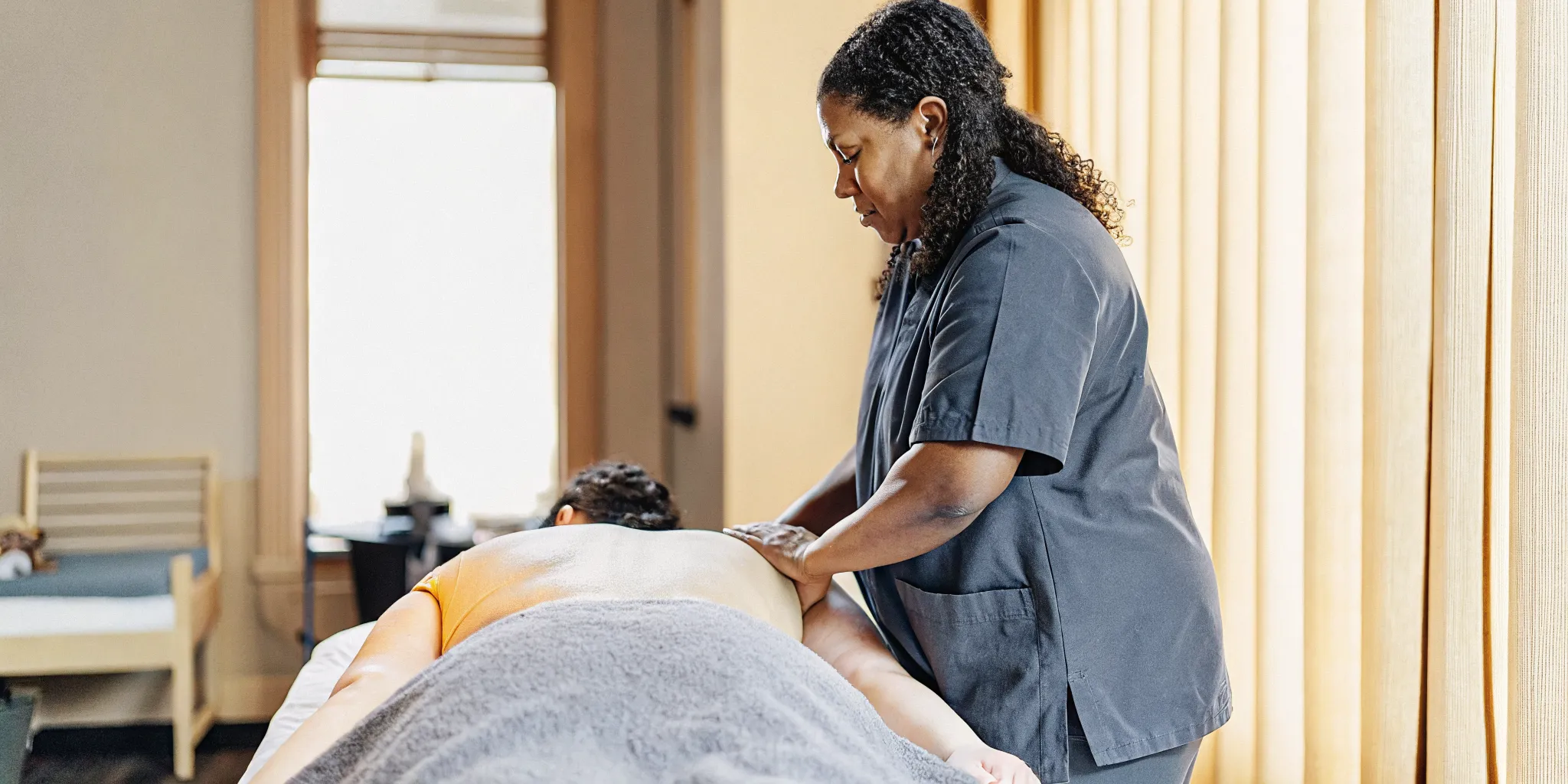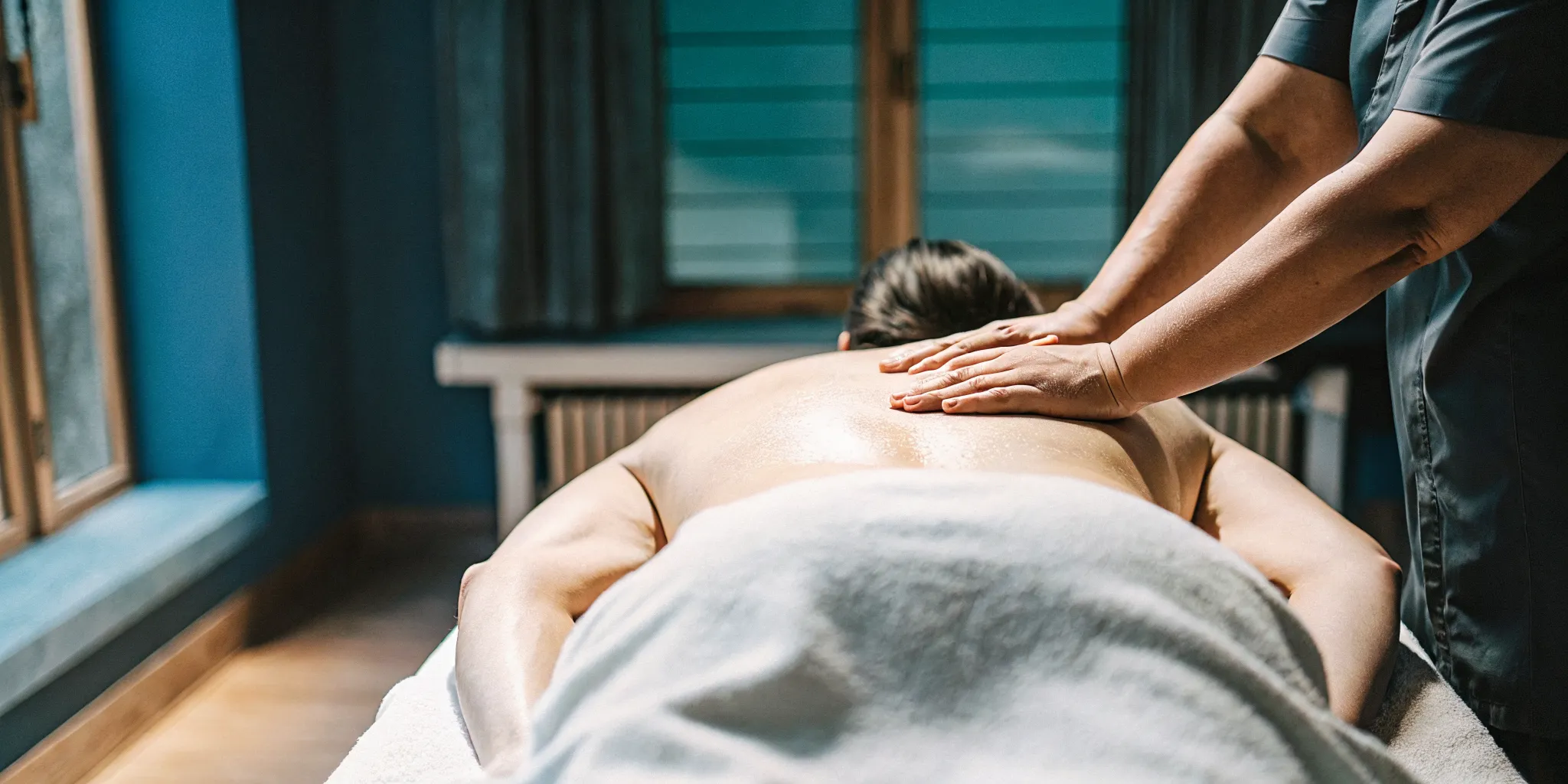

Let’s stop treating massage like an emergency button—pushed only when our shoulders are by our ears and our patience is gone. What if it wasn’t a last resort? Think of massage as proactive care, a way to keep stress from building up in the first place. Like regular exercise, consistent therapy makes your body more resilient to daily pressures. It keeps your muscles loose and your nervous system balanced. Making a regular massage for stress relief part of your routine is how you stay ahead of tension and maintain a sense of calm.
Key Takeaways
- Massage physically interrupts the stress cycle: Therapeutic touch signals your nervous system to shift from its “fight or flight” mode into a state of rest, which lowers stress hormones, eases muscle tension, and calms your mind.
- Match the massage to your specific needs: A gentle Swedish massage is ideal for full-body relaxation and mental unwinding, while a deep tissue or Ashiatsu session is better for releasing the chronic, stubborn knots that build up from stress.
- Create a sustainable routine for lasting relief: The best results come from consistency, not just a single session. Make massage a regular part of your wellness plan and use simple at-home techniques between appointments to manage stress proactively.
How Massage Therapy Melts Away Stress
We all know what stress feels like—the tight shoulders, the racing thoughts, the feeling of being constantly on edge. While it’s a normal part of life, chronic stress can take a serious toll on both your body and mind. Massage therapy is one of the most effective ways to directly counteract these effects. It’s not just about feeling good for an hour; it’s a powerful practice that helps reset your entire system. The therapeutic touch from a skilled massage therapist can interrupt the cycle of stress, easing muscle tension and calming your nervous system.
This process works on two interconnected levels. First, it addresses the physical symptoms of stress that you can feel, like knotted muscles and aches. Second, it triggers a chemical response in your brain that helps soothe your mind, reducing anxiety and improving your mood. Research from the Mayo Clinic Health System confirms that massage can lower stress levels and feelings of anxiety, making it a valuable tool for your overall well-being. By understanding how our massage services calm both your body and mind, you can see why it’s such a fundamental part of any stress management routine.
Releasing Your Body’s Physical Tension
When you’re stressed, your body tenses up, preparing for a “fight or flight” response. A professional massage directly addresses this physical strain. The pressure and movement from your therapist’s hands (or feet, in the case of Ashiatsu) help release tightly-held muscles, which immediately signals to your brain that it’s safe to relax. This process helps lower your body’s production of cortisol, the primary stress hormone.
At the same time, massage encourages your body to switch from the sympathetic nervous system (which governs “fight or flight”) to the parasympathetic nervous system (which controls “rest and digest”). This shift slows your heart rate, deepens your breathing, and improves circulation, allowing your body to enter a state of deep relaxation and recovery. A classic Swedish massage is especially effective at triggering this calming response.
Boosting Your Body’s “Happy Hormones”
Beyond easing physical tension, massage therapy gives your mood a natural lift by encouraging your brain to release a cocktail of “happy hormones.” These are the chemicals responsible for feelings of joy, calm, and contentment. During a massage, your body increases its production of endorphins, which act as natural pain relievers and create a sense of well-being. At the same time, studies show that massage can increase levels of serotonin and dopamine—two crucial neurotransmitters. Serotonin helps regulate your mood and promotes feelings of happiness, while dopamine is tied to your brain’s reward system, giving you a sense of pleasure and motivation. This powerful chemical shift is a key reason why you leave a massage feeling not just relaxed, but genuinely happier and more positive.
Quieting Your Anxious Mind
The benefits of massage go far beyond your muscles. The physical act of therapeutic touch prompts your brain to release endorphins—neurotransmitters like dopamine and serotonin that create feelings of happiness, calm, and well-being. This natural mood lift is a powerful antidote to the anxiety and irritability that often come with stress. According to the American Massage Therapy Association, research shows a significant link between massage and reduced symptoms of anxiety and depression.
Beyond the brain chemistry, a massage session provides a dedicated space for your mind to quiet down. It’s a rare opportunity to disconnect from screens, deadlines, and responsibilities. This quiet, focused time helps you feel more centered and present. Sharing this experience through a couples massage can also strengthen your connection with a partner, adding another layer of emotional comfort and support.
What Is Stress *Really* Doing to Your Body?
We often talk about stress as if it’s just a feeling—something that makes us feel overwhelmed or anxious. But stress is a full-body experience. When you’re under pressure, your body undergoes real, physiological changes that can significantly impact your health over time. Understanding what’s happening internally is the first step toward finding effective relief.
The Physical Symptoms of Chronic Stress
A little stress is normal. It’s your body’s way of gearing up for a challenge. The problem starts when that stress response never turns off. Chronic stress puts your body in a constant state of high alert, and the long-term effects can be serious. It can contribute to high blood pressure, weaken your immune system, and disrupt your sleep. Over time, this sustained tension leads to persistent aches and pains, leaving you feeling worn out. A therapeutic Swedish massage is an excellent way to begin addressing this built-up physical tension and give your body a much-needed break.
Calming Your Overwhelmed Nervous System
Ever feel your shoulders tense up or your jaw clench on a tight deadline? That’s your nervous system at work. Your body is hardwired with a “fight-or-flight” response to protect you from immediate danger. Today, however, that response is often triggered by emails, traffic, and daily worries. When your body is constantly primed for action, your muscles remain tight and contracted, which can lead to chronic back pain, tension headaches, and stiff joints. Our massage services are designed to directly counteract this response, signaling to your nervous system that it’s safe to relax and let go.
What Are Cortisol and Other Stress Hormones?
When you’re stressed, your body releases a flood of hormones, with cortisol being the main one. Cortisol gives you a quick burst of energy, but when its levels stay high for too long, it causes problems. Massage therapy is a powerful tool for rebalancing your body’s chemistry. It helps decrease cortisol levels while increasing the production of “feel-good” hormones like serotonin and dopamine. This hormonal shift is why you feel so calm and clear-headed after a session. Our dedicated team of therapists understands how to use specific techniques to encourage this positive response, helping you find lasting relief.
Which Type of Massage Is Best for Stress Relief?
When you’re feeling overwhelmed, a massage can feel like a lifesaver. But with so many options, how do you choose the right one? The truth is, the best massage for stress relief really depends on you—your preferences, your tension levels, and what your body is asking for. Think of it less as a one-size-fits-all solution and more as a personalized path to calm. Let’s look at a few of our most popular massage services to help you find your perfect match for melting away stress.
Swedish Massage: The Go-To for Gentle Relaxation
If your idea of a perfect massage involves pure, uninterrupted relaxation, a Swedish massage is calling your name. This classic style is designed to soothe both body and mind. A Swedish massage uses long, flowing strokes, kneading, and gentle circular motions for overall relaxation and to ease muscle tension. It’s a fantastic choice if you’re new to massage or simply want to unwind without intense pressure. The primary goal of a Swedish massage is to relax the entire body, which in turn helps quiet a busy mind. You’ll leave feeling refreshed, centered, and ready to face the world with a little more peace.
Deep Tissue Massage: For Releasing Stubborn Knots
Do you carry your stress in your shoulders? Or maybe it’s a persistent tightness in your lower back? If you’re dealing with chronic knots and tension, a deep tissue massage can provide powerful relief. This technique works on deeper muscle layers to relieve tension, stretch muscle fibers, and reduce pain, which in turn lowers stress. Unlike the broad strokes of a Swedish massage, this approach uses slower, more forceful strokes to target the deeper layers of muscle and connective tissue. While the pressure is firmer, it should never be painful. A skilled therapist will work with you to find the right intensity, helping you feel lighter and more at ease.
Ashiatsu Therapy: Experience Deep, Consistent Pressure
For a truly unique and deeply relaxing experience, consider Ashiatsu. This incredible therapy involves the therapist using their feet to deliver long, gliding strokes with deep, consistent pressure. Because the therapist uses overhead bars for balance and support, they can apply their body weight to create a pressure that is both deep and broad, which can feel more comforting than the targeted pressure of thumbs or elbows. This method allows for a consistent and deep pressure that can be particularly beneficial for stress relief, as it helps to elongate the spine and release tension throughout the entire back. If you love deep pressure but want a more flowing, seamless feel, Ashiatsu Deepfeet Bar Therapy might be the perfect way for you to decompress.
Prenatal Massage: For Expecting Mothers
Pregnancy is an incredible journey, but it also brings a unique set of physical and emotional stressors. Your body is going through massive changes, which can lead to aches, pains, and a whole new level of anxiety. A prenatal massage is specifically designed to address these challenges, offering a safe and nurturing way to find relief. It focuses on relaxing tense muscles, improving circulation, and easing joint pain. According to the American Pregnancy Association, this specialized massage can also help reduce symptoms of depression and anxiety, leading to better labor outcomes. Our prenatal massage provides a peaceful space for you to connect with your body and find comfort during this special time.
Therapeutic Massage: A Gentle Approach to Healing
Sometimes, stress relief is about more than just relaxing—it’s about healing. Therapeutic massage takes a focused approach, aiming to restore balance and support your body’s natural recovery processes. It’s a gentle yet powerful way to interrupt the cycle of stress, calm your nervous system, and address the root causes of your tension. This type of massage is highly personalized to what your body needs on any given day. For an even deeper level of healing, you can add enhancements to your session. For example, incorporating Hot Himalayan Salt Stones can help reduce inflammation and gently draw out toxins, leaving you feeling profoundly restored. It’s a perfect choice when you need your massage to be a true act of self-care and healing.
Add-Ons: Using Salt Stones for Extra Calm
Sometimes, a little something extra can take your massage from relaxing to truly blissful. That’s where enhancements come in. Using heated salt stones during a massage can enhance relaxation and provide a deeper sense of calm, as the warmth and minerals work together to soothe muscles. The warmth from the stones penetrates your muscles, helping them release tension more easily, while the 84 trace minerals in the salt gently detoxify your body. The smooth stones glide over your skin, creating a soothing sensation that melts stress away. Adding Hot Himalayan Salt Stones to your session is a simple way to deepen your relaxation and leave you feeling profoundly peaceful and grounded.
When to Seek Massage for Stress Relief
While regular massage is a fantastic way to manage everyday stress, there are specific times when it becomes an essential tool for your well-being. It’s not just about proactive care; it’s also about responding effectively when life throws you a curveball. Whether you’re dealing with a sudden bout of pain or recovering from an injury, a targeted massage can make a significant difference in how you feel, both physically and mentally. Knowing when to book an appointment can help you get back on your feet faster and with far less discomfort.
Managing Acute Pain and Discomfort
Sudden pain, whether from a tension headache or a muscle you pulled at the gym, brings its own unique brand of stress. The discomfort itself is stressful, and that mental strain can make the physical pain feel even worse. Massage therapy offers a direct way to interrupt this cycle. It works to reduce the stress that intensifies pain by relaxing tense muscles and lowering your body’s levels of cortisol, a stress hormone known to increase pain sensitivity. A focused session, like a deep tissue massage, can target the specific area of discomfort, providing immediate relief while also calming your nervous system. This approach helps your body move out of its high-alert state and into a mode of healing and recovery.
Supporting Post-Injury Recovery
Recovering from an injury is about more than just healing a muscle or a joint; it’s also a mental game. The frustration and stress of being unable to do your usual activities can take a toll on your mood and even slow down your recovery. Massage can be an invaluable part of your healing process by addressing this emotional component. Therapeutic touch helps your body release its natural “happy hormones”—like endorphins, serotonin, and dopamine—which can significantly improve your mood and create a more positive mindset for healing. Our experienced therapists can customize any of our massage services to work safely around your injury, helping to reduce compensatory tension in other parts of your body and support your overall well-being as you get back to feeling like yourself.
The Techniques That Make a Massage So Relaxing
Ever wondered what makes a professional massage feel so different from a simple back rub? It’s all in the technique. A licensed massage therapist uses specific, intentional movements to calm the nervous system and release physical tension. It’s a thoughtful process where every stroke has a purpose. The magic happens when these techniques are tailored to you. A skilled therapist listens to your body, using long strokes to warm up muscles before switching to focused pressure on a stubborn knot. This personalized approach transforms a good massage into a great one. Understanding these techniques can help you appreciate the artistry behind your massage service.
The Art of Stroking and Kneading Away Tension
Two of the most fundamental massage techniques are kneading and stroking. Think of kneading (petrissage) like working dough—it involves lifting, rolling, and squeezing muscles to release deep-seated tension and increase circulation. It’s incredibly effective for breaking up knots and softening stiff areas. Stroking (effleurage) uses long, gliding movements, often at the beginning and end of a massage, to warm up the body and soothe the nervous system. Together, these foundational movements create a rhythm that encourages your body to let go and relax completely.
Tapping and Vibration to Loosen Stiff Muscles
Beyond the familiar strokes and kneading, your therapist might use more energetic techniques like tapping and vibration to wake up your muscles. Tapping, also known as tapotement, involves quick, rhythmic motions using the fingertips or the sides of the hands. This technique is fantastic for improving blood circulation and loosening up muscles that are too stiff or sore for deep pressure. Vibration is a more subtle movement where the therapist gently shakes or trembles an area, which helps warm up the muscles and release tension. These methods are often used to invigorate tired muscles and are a great example of how a skilled therapist customizes a therapeutic massage to address exactly what your body needs in the moment.
Lymphatic Drainage for Reducing Swelling and Pain
Sometimes, stress manifests as puffiness, swelling, or a general feeling of sluggishness. This can be due to a buildup of waste products in your body’s lymphatic system. Lymphatic drainage is a gentle technique that encourages the natural movement of lymph fluids, helping your body efficiently clear out this waste. According to experts at Physio.co.uk, this process helps reduce swelling and pain by flushing out toxins and bringing in fresh oxygen and nutrients. This technique can also focus on “trigger points”—those small, tight knots that cause discomfort. By applying steady pressure, a therapist can help these points soften, which not only relieves localized pain but also contributes to an overall sense of calm and well-being.
Targeting Knots with Trigger Point Therapy
Different types of massage use specific techniques to achieve their goals. A classic Swedish massage, for example, is known for its long, flowing strokes that promote a sense of overall calm. It’s the perfect choice when you just need to unwind. For more targeted relief, therapists often use trigger point therapy, a key component of deep tissue massage. This involves applying direct, sustained pressure to specific tight spots, or “knots,” in the muscle fibers. Releasing these trigger points can relieve pain and address the chronic tension that contributes to your stress.
How to Breathe for Deeper Relaxation
Your breath is one of the most powerful tools for relaxation. When you’re stressed, your breathing tends to be shallow. During your massage, focus on taking slow, deep breaths. Try to inhale fully as the therapist uses lighter pressure and exhale slowly as they apply deeper pressure to a tight area. This simple practice does wonders for your nervous system. Deep breathing helps your body switch from its “fight-or-flight” stress response to its “rest-and-digest” state, helping you sink into a deeper state of relaxation.
Quick Massage Stress Relief You Can Do at Home
While nothing compares to the deep, lasting relief of a professional massage, you don’t have to wait for your next appointment to find some calm. When stress builds up between sessions, a few simple self-massage techniques can make a world of difference. Think of it as maintenance for your mind and body. These quick, easy exercises can be done at your desk, on your couch, or whenever you have a few minutes to spare, helping you release tension before it takes hold. Integrating these practices into your routine supports the work your therapist does and empowers you to manage stress day-to-day.
Ease Headaches with a Scalp and Temple Massage
Tension headaches are one of the most common ways stress shows up in the body. A quick scalp and temple massage is a fantastic way to address them directly. Using the pads of your fingertips, apply gentle but firm pressure to your temples and move in slow, small circles. Then, move your fingers through your hair to your scalp and continue the same circular motion across your entire head. Close your eyes and focus on your breathing as you do this. This simple act helps increase blood flow, eases the tightness in the muscles around your forehead and scalp, and can provide almost instant feelings of relaxation. It’s a perfect reset during a busy workday.
Release Tension in Your Neck and Shoulders
Our necks and shoulders are notorious for holding onto stress, especially if you spend a lot of time sitting at a computer or looking down at your phone. To release this tension, sit up straight and use your right hand to gently squeeze the fleshy area between your neck and left shoulder. Hold for a few seconds, release, and repeat, working your way down the muscle. Then, switch sides. This helps to release knots and improve circulation in the area. You can follow this up with gentle neck stretches, like slowly tilting your ear toward your shoulder, to deepen the release. This technique mimics some of the kneading used in a professional deep tissue massage.
Soothe Tired Hands and Feet with Acupressure
We often forget how much work our hands and feet do until they ache. Giving them a little attention can have a surprisingly calming effect on your whole body. For your hands, use the thumb of one hand to press and knead the center of the opposite palm in a circular motion. For your feet, one of the best tools is a simple tennis or lacrosse ball. While sitting in a chair, place the ball under your foot and gently roll it back and forth from heel to toe. When you find a tender spot, pause and apply gentle pressure for a few breaths. This helps stimulate pressure points, providing relief from a long day of standing or walking.
Try These Simple At-Home Massage Tools
You don’t need expensive equipment to enhance your self-care routine. Simple tools can help you apply pressure more effectively and reach spots that are hard to get to on your own. A foam roller is great for releasing tension in your back and legs, while a simple tennis ball, as mentioned, works wonders on your feet, glutes, and shoulders. Using these tools can help extend the benefits of your professional massage services and keep your muscles feeling loose. These at-home practices are a great way to stay connected to your body and manage stress levels between your appointments, making them an essential part of any wellness plan.
Your First Massage? Here’s What to Expect
Stepping into a massage studio is your chance to leave the world behind and focus completely on your well-being. A professional massage is a dedicated time for healing and rest, and knowing what to expect can help you sink into relaxation from the moment you arrive. The entire experience is designed to be calming, from the quiet atmosphere and soft music to the focused attention of your therapist. It’s a space where you can truly let go of your to-do list and just be. Research consistently shows that massage therapy significantly reduces stress and promotes a deep sense of calm, making it a powerful tool for managing the pressures of daily life.
Whether you’re coming in for a gentle Swedish massage to unwind or a targeted deep tissue session to work out stubborn knots, the goal is the same: to help you feel better in your body and mind. Our professional massage services are tailored to your specific needs, ensuring you get the most out of every minute on the table. Your therapist will check in with you to understand your goals for the session, whether that’s easing muscle pain, reducing anxiety, or simply enjoying an hour of peace. By understanding the flow of a session—from preparing for your appointment to the best ways to extend that post-massage bliss—you can fully embrace the therapeutic process.
Choosing the Right Session Length for Your Needs
Once you’ve picked the type of massage you want, the next step is deciding how long your session should be. This choice is key to getting the results you’re looking for. A 60-minute session is perfect for a full-body Swedish massage or for focused work on one or two problem areas. If you have several spots that need attention or want to combine deep relaxation with targeted muscle work, a 90-minute session is ideal. It gives your therapist ample time to address chronic knots and still provide a full-body experience. As experts from the University of Colorado suggest, more time allows for a more thorough focus on areas of pain. For the ultimate stress relief, a 120-minute session allows for meticulous, detailed work from head to toe, leaving you feeling completely renewed. The right amount of time ensures your therapist can address your needs without feeling rushed, making all our massage services even more effective.
How to Prepare for Maximum Relaxation
A little preparation can go a long way in making your massage experience even more relaxing. Try to arrive 10 to 15 minutes early so you can fill out any necessary paperwork and take a few deep breaths without feeling rushed. It’s also a good idea to be well-hydrated, so drink some water throughout the day leading up to your appointment. Before you arrive, take a moment to think about your goals. Are there specific areas of tension you want your therapist to focus on? Knowing what you want helps your therapist tailor the session just for you. This simple prep work helps you get the most from an experience that can improve your mood and relaxation.
Communicating with Your Therapist for the Best Results
Open communication with your massage therapist is the key to a fantastic session. Think of your therapist as your partner in wellness—they are there to help you feel your best. Before the massage begins, be sure to mention any injuries, medical conditions, or areas of pain. During the session, don’t hesitate to speak up. Let your therapist know if the pressure is too firm or too light, if you’re feeling chilly, or if a particular technique is especially helpful. Our dedicated team of therapists has the expertise to adjust your treatment, but your feedback is what makes it truly personalized. This communication ensures your massage provides a large reduction in anxiety and leaves you feeling refreshed.
What to Do After Your Massage to Extend the Benefits
The calm and relief you feel after a massage don’t have to end when you walk out the door. To extend the benefits, be sure to drink plenty of water. This helps your body flush out any metabolic waste that was released from your muscles during the session. If you can, try to take it easy for the rest of the day and avoid any strenuous activities. A warm bath with Epsom salts can also be a wonderful way to soothe your muscles and continue the relaxation process. By taking a little time for aftercare, you can fully absorb the many health benefits of massage and carry that feeling of peace with you.
How Often Should You Get a Massage for Stress?
Deciding how often to get a massage is less about a magic number and more about creating a sustainable routine that works for your body, schedule, and budget. While a single massage can provide immediate relief, the real magic happens with consistency. Regular massage therapy helps manage your body’s reaction to stress over time, keeping chronic tension from building up in your muscles and calming your nervous system before it goes into overdrive. Think of it like exercise—the cumulative benefits are what truly transform your well-being.
Is Weekly or Monthly Massage Better for You?
The ideal massage frequency is completely personal. If you’re going through a particularly stressful period at work or in your personal life, you might find that a weekly or bi-weekly session is exactly what you need to stay grounded. For general maintenance and proactive stress management, once a month is a fantastic goal. The key is to listen to your body. Pay attention to how you feel in the days and weeks after your appointment. Your therapist can also be a great resource, helping you create a personalized schedule based on your specific needs. The health benefits of massage are cumulative, so finding a rhythm that works for you is the most important step.
Making Massage a Consistent Part of Your Routine
The easiest way to make massage a consistent part of your life is to treat it like any other essential health appointment. Schedule your next session before you even leave the studio, or book a few appointments in advance. Putting it on your calendar makes it a firm commitment to yourself. Many of our clients find that purchasing a series of massages helps them stay on track while also being more cost-effective. When you start to feel how regular massage can improve your mood and reduce feelings of anxiety, it becomes a habit you’ll look forward to keeping.
Combine Pro Massages with At-Home Self-Care
To get the most out of your professional massages, you can extend the benefits with a little at-home care. Simple practices between appointments can make a huge difference in keeping tension at bay. Try incorporating gentle stretching into your morning routine, especially for your neck and shoulders. Using a foam roller on tight spots or practicing the self-massage techniques we discussed earlier can also provide relief. This combination of professional therapy and at-home maintenance creates a powerful, holistic approach to managing stress. Research consistently shows the positive impact of massage on mental health, and these small habits help that feeling of calm last even longer.
Create Your Personal Massage Stress Relief Plan
Turning massage into a powerful tool for stress management starts with a little intention. Instead of just booking an appointment when you feel overwhelmed, you can create a personal plan that makes every session count. Think of it as a proactive strategy for your well-being. A good plan helps you choose the right type of massage for what you’re feeling, set clear intentions for each session, and integrate this practice into your life for lasting benefits. It’s about moving from a reactive “I need a massage now” mindset to a sustainable “this is how I care for myself” routine. By being thoughtful about your approach, you get so much more out of the experience than just a temporary escape. You build resilience against stress, one massage at a time.
Step 1: Choose the Right Type of Massage
The first step is matching the massage to your specific needs. Are you carrying tension in your shoulders from long hours at a desk, or is your stress more of a mental fog? If you need gentle, full-body relaxation to quiet your mind, a Swedish massage is a fantastic choice. Its long, flowing strokes are designed to soothe the nervous system. If you’re dealing with chronic knots and muscle tightness, a deep tissue massage can work through those layers of tension. Research shows that both techniques are highly effective for promoting relaxation and reducing stress. Don’t be afraid to try different styles to see what your body responds to best.
Step 2: Set Clear Goals for Your Sessions
Before you even get on the table, take a moment to think about what you want to achieve. Is your goal to sleep better, feel less anxious, or simply have an hour of uninterrupted peace? Having a clear intention helps you and your therapist focus the session. Communicating your goals—whether it’s releasing a tight jaw or letting go of work worries—allows your therapist to tailor the treatment specifically for you. Massage is known to improve mood and lower stress levels, and setting a goal helps you tap into those benefits more directly. It transforms the massage from a passive experience into an active part of your self-care.
Step 3: Integrate Massage into Your Wellness Routine
For the best results, view massage as a regular part of your wellness routine, not just an occasional treat. Just like exercise or healthy eating, consistency is key. Regular massage can lead to a significant reduction in anxiety and stress over time. Think about how it can complement your other self-care practices. Maybe you schedule your massage after a particularly stressful week at work or as a monthly reset. By making it a recurring appointment in your calendar, you ensure that you’re consistently investing in your mental and physical health. This simple habit can make a huge difference in how you manage stress day-to-day.
Related Articles
- Couples Massage | Nola Bliss Massage Therapy
- Ashiatsu | Nola Bliss Massage Therapy
- Home | Nola Bliss Massage Therapy
Frequently Asked Questions
I’m new to massage. Which type is best to start with for stress? If you’re just starting out, a Swedish massage is a wonderful introduction. It uses long, flowing strokes and gentle pressure designed for full-body relaxation. It’s a great way to get comfortable with the process and soothe your nervous system without the intensity of deeper work. The main goal is to help you unwind completely, making it a perfect choice for your first step into stress relief.
What if I can’t quiet my mind during the massage? That’s completely normal, so don’t put any pressure on yourself to have a perfectly clear mind. The goal isn’t to stop thinking altogether. Instead, try focusing on the physical sensations of the massage or on your breathing. Pay attention to the feeling of the therapist’s hands on your muscles and take slow, deep breaths. This simple focus can help anchor you in the present moment and give your racing thoughts a place to rest.
Will a deep tissue or Ashiatsu massage be painful if I’m just trying to relax? A therapeutic massage like deep tissue or Ashiatsu should never be painful. While the pressure is much firmer and more focused than a Swedish massage, it’s meant to feel productive, not punishing. A skilled therapist will communicate with you to find the right level of pressure that releases deep-seated tension without causing you to tense up. The relief you feel from releasing those chronic knots is a powerful form of relaxation in itself.
How long will the stress-relieving effects of my massage last? The immediate feeling of calm can last for several days, but the long-term benefits come from consistency. A single massage can absolutely reset your nervous system, but regular sessions train your body to better manage stress over time. You can extend the benefits by staying hydrated, doing some gentle stretching, and practicing the at-home self-massage techniques between your professional appointments.
Besides feeling relaxed, are there other signs the massage is working to reduce my stress? Absolutely. After your massage, you might notice that you sleep more deeply that night or that you have a clearer, more focused mind the next day. Many people also report feeling less irritable and having more patience. Physically, you might notice that chronic issues like tension headaches or jaw clenching have eased up. These are all signs that the massage has helped calm your nervous system and rebalance your body.