
Let’s be honest: a bad massage is more than just a waste of money. It’s a huge disappointment. We’ve all been there—leaving an appointment feeling unchanged, or worse, sore in all the wrong places. A truly great massage, the kind that leaves you feeling completely renewed, all comes down to the therapist. Your search for a “massage therapist near me” shouldn’t be a gamble. You deserve a professional who can address your specific needs, from deep relaxation to chronic pain relief. I’ll show you exactly how to find a skilled, licensed therapist you can trust with your well-being.
Key Takeaways
- Do your homework before you book: A great massage starts with a great therapist. Always confirm they have a valid state license and look for professionals who specialize in the type of massage you need, whether it’s deep tissue or prenatal.
- Speak up to get the session you need: Your therapist isn’t a mind reader. Clearly communicate your goals, relevant health history, and preferences for pressure before and during your massage to ensure the experience is tailored perfectly to you.
- Plan ahead to save on regular sessions: If you want to make massage a consistent part of your routine, ask about buying a package of sessions or signing up for a membership. These options often provide the best value and make it easier to prioritize your well-being.
What to Look for in a Great Massage Therapist
Finding the right massage therapist can feel a lot like dating—you want someone who listens, understands your needs, and has the right touch. The person performing your massage is the single most important factor in your experience. A beautiful room and calming music are nice, but it’s the therapist’s skill and dedication that truly make a difference. So, what separates a good massage therapist from a truly great one? It comes down to a few key things: their credentials, their hands-on experience, and their commitment to their craft. When you find a therapist who checks all these boxes, you’re not just getting a massage; you’re getting a partner in your wellness journey.
Confirm Their Licensing and Certifications
First things first, a great massage therapist must be licensed and insured. This is the absolute baseline for professionalism and safety. A license proves they’ve met the state’s legal requirements for training and knowledge, so you can relax knowing you’re in qualified hands. Think of it as a guarantee of their professional standards. You can usually verify a therapist’s license through your state’s online database, which is a simple step that provides a lot of peace of mind. It ensures you’re receiving care from someone who takes their practice—and your well-being—seriously.
Find a Therapist with the Right Experience
Experience is where the real magic happens. A therapist who has been practicing for several years develops an intuitive understanding of the body that can’t be taught in a classroom. They know how to listen to your muscles and adapt their technique for the best results. It’s also smart to look for therapists with specializations that match your needs. Whether you’re seeking relief from chronic pain with Ashiatsu Deepfeet Bar Therapy or need the gentle care of a prenatal massage, a specialist will have the focused training to provide a more effective and tailored session.
Aim for 5+ Years of Experience
While a newer therapist can certainly be skilled, aiming for someone with at least five years of hands-on experience is a great rule of thumb. Over time, a therapist develops a refined sense of touch and an intuition for what your body needs, often without you having to say a word. They’ve worked with a wide range of clients and conditions, which means they are better equipped to customize your session. This level of experience ensures you pick someone who can confidently address your specific goals, whether it’s releasing a stubborn knot or simply helping you unwind. At Nola Bliss, we prioritize this depth of knowledge, as our team is made up of dedicated career therapists who have honed their craft over many years.
Look for 500+ Hours of Training
Beyond years in the field, the quality of a therapist’s initial education is fundamental. A comprehensive training program provides the essential knowledge of anatomy, physiology, and various massage techniques. Even if your state doesn’t mandate a license, you should look for therapists with at least 500 hours of training from a reputable school. This benchmark indicates they have a solid foundation in the science and art of massage, which is crucial for delivering a safe and effective treatment. This extensive education allows them to understand the body’s complexities and apply techniques with precision. It’s this commitment to high standards that ensures you receive a truly therapeutic experience from a well-qualified professional.
Verify Their Memberships and Insurance
Beyond the basics, look for a therapist’s commitment to their profession. Membership in organizations like the American Massage Therapy Association (AMTA) is a great sign. It shows they are dedicated to upholding ethical standards and pursuing ongoing education to stay at the top of their field. It’s a signal that they view their work not just as a job, but as a career dedicated to healing. The team at Nola Bliss is made up of career therapists who are passionate about their practice. This level of dedication is what transforms a simple massage into a truly therapeutic experience.
How to Find a Great Massage Therapist Near You
Finding the right massage therapist is a lot like finding a great hairstylist or personal trainer—it’s a personal choice, and the right fit can make all the difference. A truly great massage experience goes beyond just the technique; it’s about feeling comfortable, heard, and cared for by a skilled professional. Taking a little time to research your options ensures you find a therapist who not only meets your needs but also helps you achieve your wellness goals, whether that’s relaxing after a stressful week or addressing chronic pain. So, where do you start? There are a few trusted methods you can use to find a licensed, experienced, and reputable massage therapist in your area.
Start with Online Directories and Associations
Professional massage associations are a fantastic starting point because they’ve already done some of the vetting for you. To be listed, therapists often need to meet specific educational and ethical standards. The American Massage Therapy Association (AMTA) has a national locator service that only includes members who adhere to their code of ethics. Another excellent resource is MassageBook, which lets you search for local professionals, read about their specialties, and book appointments online. These directories help you move beyond a simple web search and connect with qualified therapists who are serious about their craft.
Ask Friends and Family for Recommendations
Sometimes, the best recommendations come from people you trust. Ask friends, family, or coworkers if they have a massage therapist they love. You can also ask other wellness professionals, like your chiropractor or physical therapist, for a referral. When you get a recommendation, ask specific questions. What do they like about the therapist? What kind of massage do they usually get? This insight is invaluable because it gives you a sense of the therapist’s style and strengths. A personal referral often leads you to a hidden gem, like one of the dedicated therapists on our Nola Bliss team, who has built a loyal following through exceptional care.
Read Online Reviews (The Right Way)
Online reviews on Google or Yelp are helpful, but it’s important to read them with a discerning eye. Instead of focusing on the overall star rating, look for patterns in the comments. Do multiple reviewers mention the same therapist by name? Do they describe the studio as clean and professional? Look for detailed reviews that talk about specific outcomes, like relief from back pain or a wonderfully relaxing experience during a couples massage. Vague, overly enthusiastic, or extremely negative one-off reviews can sometimes be misleading. Consistent, detailed, and positive feedback is a strong indicator that you’ve found a reputable studio with a solid track record.
Which Type of Massage Is Right for You?
Walking into a massage studio and seeing a menu of services can feel a bit like ordering from a new restaurant—everything sounds good, but you’re not sure what’s right for you. The key is to match the massage technique to your personal goals. Are you looking to simply relax and de-stress after a long week? Or are you dealing with a nagging knot in your shoulder that just won’t go away? Understanding the difference between the most common types of massage will help you book the perfect session every time.
Try Swedish Massage for Ultimate Relaxation
If your main goal is to unwind and melt away stress, a Swedish massage is your classic, go-to choice. Think of it as the foundation of modern massage therapy. Your therapist will use long, flowing strokes, gentle kneading, and circular movements to help relax your entire body. This technique is fantastic for improving circulation and easing muscle tension without intense pressure. It’s an excellent option for anyone new to massage or for those who simply want a session focused purely on relaxation and tranquility. A great Swedish massage can leave you feeling refreshed and completely at ease.
Need Pain Relief? Consider Deep Tissue
For those dealing with chronic tightness, soreness, or specific problem areas, a deep tissue massage is often the answer. This technique targets the deeper layers of your muscle and connective tissue. Your therapist will use slower strokes and more direct, focused pressure to break up stubborn knots and relieve tension. While it can be more intense than a Swedish massage, it shouldn’t be painful. Always communicate with your therapist about the pressure level. A deep tissue massage is ideal for addressing issues like back pain, stiff necks, or muscle soreness from physical activity.
Explore Specialized Techniques like Ashiatsu
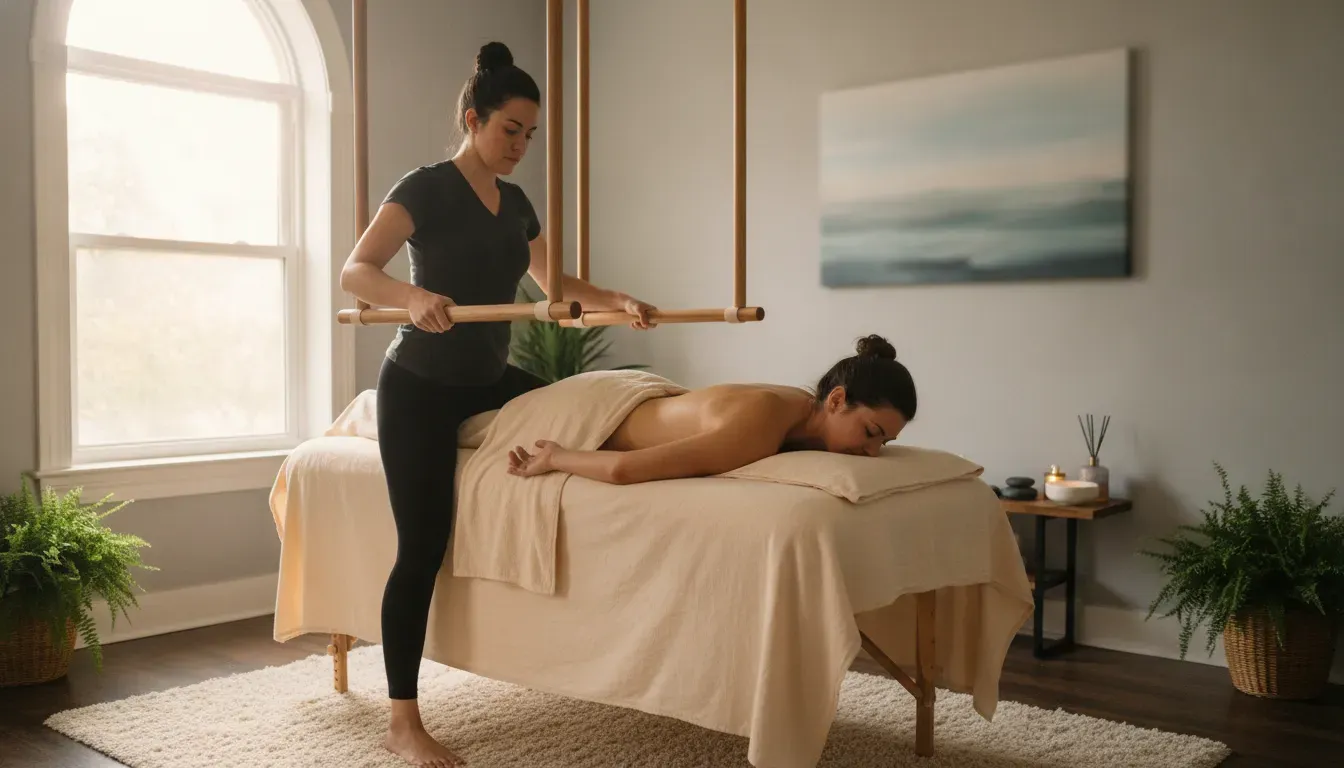
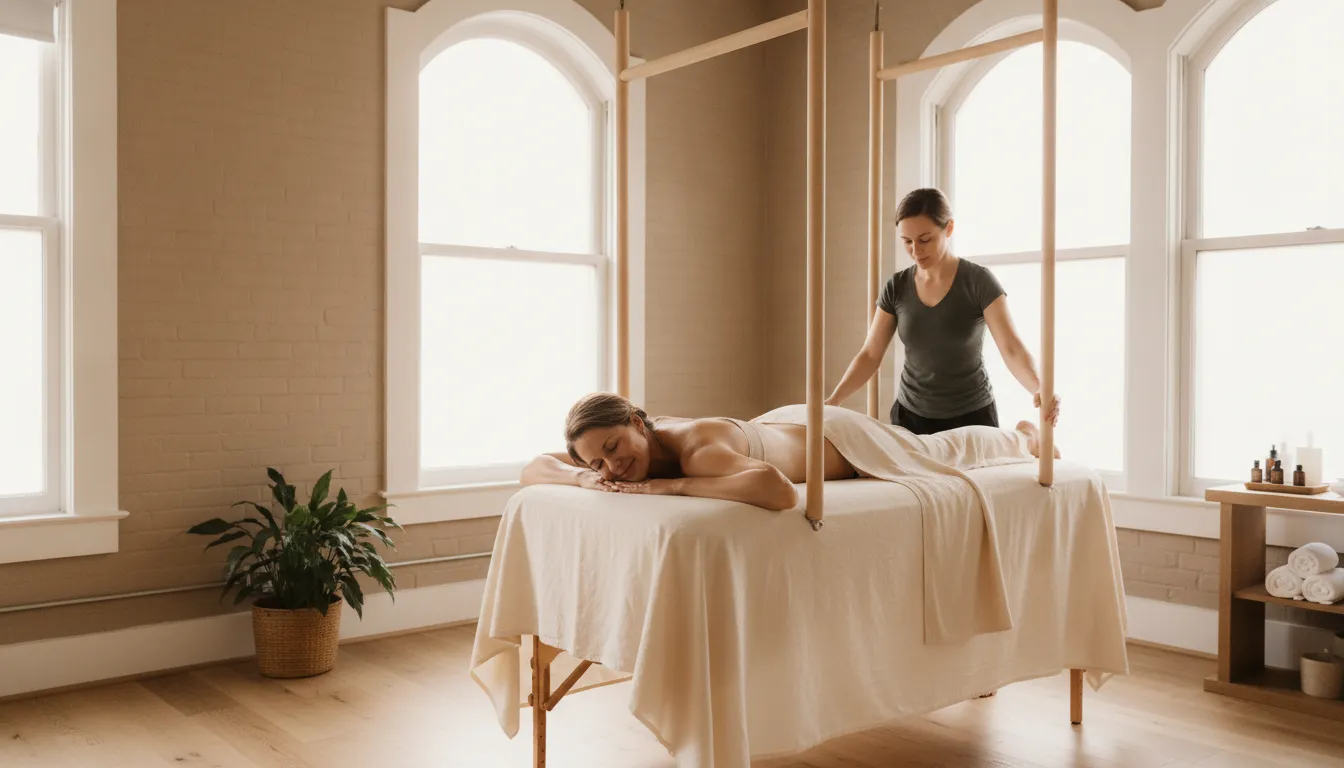
Beyond the classics, there are many specialized massage techniques designed for unique needs. One of the most effective for deep, consistent pressure is Ashiatsu Deepfeet Bar Therapy. During an Ashiatsu session, the therapist uses their feet to deliver long, gliding strokes, supported by overhead bars for balance and control. This allows for a much broader and deeper pressure than hands can typically provide, making it incredibly effective for those with dense muscle tissue or anyone who feels a traditional deep tissue massage just isn’t enough. It’s a powerful and deeply therapeutic experience.
Find Support with Prenatal or Therapeutic Massage
Pregnancy brings a unique set of physical demands, and a prenatal massage is specifically designed to address them safely and effectively. Therapists trained in this modality use special positioning and gentle techniques to relieve common discomforts like back pain, swollen ankles, and hip tension. It’s a wonderful way for expectant mothers to find comfort and relaxation. More broadly, therapeutic massage encompasses any session aimed at achieving a specific physical outcome, whether it’s improving mobility, recovering from an injury, or managing a chronic condition. It’s a problem-solving approach tailored completely to your body’s needs.
Melt Tension with Hot Stone Massage
If you want to take relaxation to the next level, a hot stone massage is an incredible choice. This technique involves placing smooth, heated stones on key points of the body, allowing the warmth to penetrate deep into your muscles. The heat helps to relax tense muscles and expand blood vessels, which can help with circulation and pain. Your therapist may also use the stones to apply gentle pressure, creating a sensation that is both soothing and deeply therapeutic. At Nola Bliss, you can enhance your session with Hot Himalayan Salt Stones, which add the benefit of minerals to further calm your nervous system and gently exfoliate the skin, leaving you feeling completely renewed.
Improve Performance with Sports Massage
You don’t have to be a professional athlete to benefit from a sports massage. This modality is perfect for anyone with an active lifestyle or those dealing with repetitive strain from work or hobbies. A sports massage targets muscle pain and improves movement by focusing on specific muscle groups to increase flexibility and aid in recovery. Whether you’re a weekend warrior, a frequent traveler, or someone who spends hours at a desk, the techniques used in sports massage can help prevent injuries and keep your body functioning at its best. It’s a proactive way to care for your muscles and ensure you can continue doing the activities you love, pain-free.
Understanding the Benefits of Improved Circulation
Many massage benefits come down to one simple but powerful effect: improved circulation. As a therapist applies pressure, they are manually pushing blood through congested areas. When that pressure is released, new, oxygen-rich blood flows in to bring nutrients to damaged and tense muscles, which is essential for healing. This process helps flush out lactic acid, reduce soreness, and speed up recovery time. Better circulation means your muscles get the resources they need to repair themselves, which is why so many different massage services can leave you feeling both relaxed and physically revitalized.
How Much Does a Massage Actually Cost?
Let’s talk about one of the most common questions people have when booking a massage: how much should it cost? The truth is, prices can vary quite a bit, and it’s helpful to understand what you’re paying for. I always encourage people to think of a massage not just as a one-time indulgence, but as a real investment in their health and well-being. The price often reflects the therapist’s level of training, the quality of the studio, and the type of service you receive.
You’ll find a wide spectrum of pricing, from budget-friendly chains to high-end hotel spas. A dedicated therapeutic studio often sits in a sweet spot, offering exceptional quality without the resort price tag. Here, the cost is tied directly to the expertise of the licensed therapists and the personalized care you get. When you see a price, consider the experience behind it. Are you paying for a routine, one-size-fits-all service, or are you investing in a session with a specialist who can truly address your specific needs for pain relief or relaxation? Understanding the factors below will help you find the perfect massage that fits both your budget and your wellness goals, ensuring you walk away feeling like your money was well spent.
Understanding Average Massage Prices
Generally, you can expect a one-hour massage in the U.S. to cost somewhere between $50 and $150. That’s a pretty wide range, right? Location plays a huge role. Prices in a major city like New Orleans will naturally be different from those in a smaller town. This range also accounts for the type of establishment, from a simple, no-frills clinic to a full-service studio. While it’s tempting to hunt for the lowest price, remember that cost often correlates with quality. A lower price point might mean a less experienced therapist or a less serene environment. Instead of focusing only on the number, think about the value. You can check a studio’s massage services menu to get a clear idea of their pricing and see how it aligns with the experience they offer.
Cost by Massage Duration
The length of your session is one of the biggest factors determining the final price. While a standard one-hour massage is the most popular choice, many studios offer shorter and longer options to fit different needs and budgets. A quick 30-minute session, perfect for targeting a specific area like your neck and shoulders, typically costs between $30 and $65. For a more comprehensive and deeply relaxing experience, a 90- or 120-minute massage allows the therapist ample time to address your entire body without feeling rushed. These extended sessions can range from $90 to $200, often providing better value per minute and giving your muscles the extra attention they deserve.
Cost by Massage Type
The specific technique you choose also plays a role in the cost. A classic Swedish massage is often the baseline, with hourly rates typically falling between $50 and $90. More specialized modalities that require advanced training usually come with a higher price tag. For instance, a deep tissue massage might cost between $80 and $120, while a prenatal massage tailored for expectant mothers can range from $70 to $120. This difference reflects the therapist’s additional expertise and the focused skill needed to perform these therapeutic services safely and effectively. The higher price is an investment in a therapist who has the specific training to address your unique needs.
Shared experiences or sessions with enhancements will also affect the price. A couples massage, for example, typically costs between $120 and $220 per hour for two people receiving massages in the same room. Add-ons like hot stones can also increase the price, with a full hot stone session often costing between $85 and $150. At Nola Bliss, we offer a similar upgrade with our Hot Himalayan Salt Stones to deepen your relaxation. These various estimates account for the extra materials, setup, and specialized attention required to deliver a premium, therapeutic experience that goes beyond a basic massage.
What Influences the Cost?
Several key factors determine the price of a massage. First and foremost is the therapist’s experience and specialization. A therapist with advanced certifications in techniques like Ashiatsu Deepfeet Bar Therapy has invested significant time and money into their education, and their rates will reflect that expertise. The type of massage also matters. A classic Swedish or deep tissue massage is often the baseline, while more complex modalities or sessions that include enhancements like Hot Himalayan Salt Stones will cost a bit more. These add-ons require extra supplies and skill, but they can greatly enrich the therapeutic benefits of your session. The overall ambiance and amenities of the studio contribute to the cost as well.
How Location Affects Pricing
It’s no surprise that where you get your massage has a big impact on the price tag. Just like a cup of coffee or a dinner out, the cost of a massage is influenced by the local economy. Massages cost more in major metropolitan areas where the cost of living and running a business is higher. A session in downtown New Orleans, for example, will be priced differently than one in a small rural town. Within the city itself, you’ll also see a range. A massage at a luxury hotel spa in the French Quarter will likely carry a premium price for the lavish amenities, while a dedicated therapeutic studio focuses your investment on the therapist’s skill. It’s all about finding the right balance of location, expertise, and environment that fits what you’re looking for.
How Pricing Differs for Solo vs. Couples Massages
Sharing a massage experience with a partner or friend is a wonderful way to relax and connect. A couples massage typically costs more than two individual sessions booked separately. You can generally expect to pay between $120 and $220 for a 60-minute session, though this varies. The price reflects the resources required: a dedicated, larger room and the coordinated time of two skilled massage therapists working in sync. It’s a premium service that creates a special, shared memory. At Nola Bliss, we have more capacity for couples massages than any other licensed studio in New Orleans, making it one of our most popular offerings for locals and visitors alike who want to unwind together.
What About In-Home Massage Costs?
The idea of a massage therapist coming directly to your door is the ultimate convenience, especially after a long day exploring New Orleans or a packed schedule of meetings. This luxury, however, comes with a different price tag. The cost for an in-home Swedish massage typically falls between $80 and $130 per hour, with deep tissue sessions ranging from $90 to $130. You’re not just paying for the hands-on therapy; you’re investing in the convenience of skipping traffic, saving travel time, and being able to relax in your own familiar space immediately after your session ends. While this is often a bit higher than visiting a dedicated studio, many people find the personalized comfort and ease of an at-home service to be a worthwhile trade-off for a truly seamless relaxation experience.
Key Questions to Ask Before You Book
Finding the right massage therapist is a partnership, and clear communication is key. Before you commit to an appointment, asking a few specific questions can make all the difference between a so-so experience and one that leaves you feeling truly restored. A professional studio will always welcome your questions. This initial conversation helps you walk into your appointment feeling confident, comfortable, and ready to relax. Don’t hesitate to speak up; your body will thank you for it.
What’s Their Massage Style and Philosophy?
First things first, you want to know you’re in good hands—literally. It’s perfectly acceptable to ask about a therapist’s credentials. Are they a Licensed Massage Therapist (LMT) in the state? How many years of experience do they have? A reputable studio will be proud to share this information. At Nola Bliss, we’re incredibly proud of our dedicated team of highly experienced professionals who have made massage their life’s work. You can also ask about their specific approach. Do they specialize in relaxation, pain management, or a specific modality like Ashiatsu? Understanding their style helps ensure it aligns with your goals.
Be Open About Your Health History
This is a big one, and it’s all about your safety and comfort. Be prepared to share any relevant health information, whether it’s a recent injury, a chronic condition, or if you’re pregnant. This allows your therapist to customize the massage and avoid any techniques that might be unsuitable. For instance, if you’re expecting, a specialized prenatal massage is designed to address the unique aches of pregnancy safely. A true professional will always conduct a thorough intake, but coming prepared with your history helps the process go smoothly and ensures you get the most effective treatment.
Clarify Your Goals for the Session
To get the massage you want, you have to know what to ask for. Before you book, think about your primary goal. Are you looking for a gentle, relaxing escape, or do you need targeted work on a knot that just won’t quit? Communicating your expectations helps the studio match you with the right therapist and modality. Take a look at the different massage services offered to see what resonates with you. Whether you need the deep pressure of an Ashiatsu massage or the soothing strokes of a Swedish massage, being clear about your desired outcome is the first step toward achieving it.
Inquire About Licensing, Insurance, and Experience
This might sound a bit formal, but it’s one of the most important steps: always confirm your therapist is licensed and insured. A valid license is your assurance that they’ve met the state’s legal requirements for training and knowledge, which means you can fully relax knowing you’re in qualified hands. It’s a fundamental sign of professionalism. Beyond the license, ask about their experience. A therapist who has been practicing for several years develops an intuitive understanding of the body that simply can’t be taught in a classroom. This experience is especially important if you’re seeking specialized care, like a prenatal massage or targeted deep tissue work. A therapist’s dedication to their craft, often shown through memberships in professional organizations, is what elevates a good massage into a truly therapeutic one.
Health, Safety, and Your Massage
Thinking about massage as part of your health routine is a great step, and just like any other wellness practice, safety should always come first. A truly professional massage experience is built on a foundation of trust, expertise, and an unwavering commitment to your well-being. This means ensuring your therapist is properly credentialed, the environment is clean and safe, and the techniques used are appropriate for your specific health needs. Before you even get on the table, there are a few key health and safety considerations to keep in mind that will help you relax completely, knowing you’re in excellent hands.
Will Health Insurance Cover My Massage?
This is a question that comes up often, and the answer is: maybe. In some cases, your health insurance might cover massage therapy, especially if your doctor provides a prescription or referral for it as part of a treatment plan for a specific medical condition. However, coverage varies dramatically between insurance providers and individual plans. Your best bet is to call your insurance company directly before you book an appointment to understand what your policy covers. While many therapeutic studios don’t bill insurance directly, they can often provide you with a detailed receipt that you can submit for potential reimbursement.
Important Safety Considerations
Your safety is non-negotiable. The absolute baseline for any professional is that they are a licensed and insured massage therapist. A license is proof that they have completed the necessary training and met the state’s legal requirements, which is your first and most important guarantee of quality and safety. At Nola Bliss, we are proud that our entire team is composed of highly trained and experienced career therapists who are fully licensed and dedicated to their craft. Beyond credentials, a safe experience also depends on a clean, professional environment and open communication about your health history and comfort levels throughout the session.
Safety Guidelines for Prenatal Massage
For expectant mothers, massage can be a wonderful source of relief, but it requires special care. It’s essential to talk to your doctor before getting a massage while pregnant to make sure it’s right for you. A specialized prenatal massage is designed to be both safe and effective, typically using gentle techniques like Swedish massage to ease discomfort. A properly trained therapist will know which areas to avoid and how to position you comfortably. As a rule, deep tissue work, hot stones, strong pressure on the belly, and certain acupressure points should be avoided during pregnancy to ensure the safety of both you and your baby.
How to Save Money on Massages
Making therapeutic massage a regular part of your wellness routine is an investment in your health. While you should never compromise on the quality and expertise of your therapist, there are smart ways to make consistent care more affordable. Think of it less as bargain-hunting and more as strategic planning for your self-care. High-quality massage studios understand the value of repeat clients and often have programs in place to make regular visits more accessible. By exploring these options, you can enjoy the incredible benefits of professional massage more often, without straining your budget.
Save More with Package Deals
If you’ve found a therapist you love or are working through a specific issue that requires multiple sessions, buying a package is one of the best ways to save. Many studios offer a series of massages—typically three, five, or ten sessions—at a discounted rate when you purchase them upfront. This is a fantastic option for locals who want to commit to their well-being. It locks in a lower price per session and takes the friction out of booking future appointments. When you explore a studio’s massage services, check to see if they offer series packages for your favorite treatment, whether it’s deep tissue or a specialized therapy.
Is a Massage Membership Worth It?
For those truly dedicated to incorporating regular massage into their lifestyle, a membership can offer the most significant savings. Memberships typically involve a recurring monthly fee that includes one or more massages at a substantially reduced rate, plus potential perks like discounts on additional services or products. This model is designed to reward loyal clients and make consistent self-care a seamless part of your monthly budget. It’s an excellent way to prioritize your health, ensuring you get on the table regularly to manage stress, relieve pain, and maintain your physical well-being. It’s a popular choice for New Orleans residents who make massage a non-negotiable part of their routine.
Don’t Forget to Ask About Discounts
It never hurts to ask about current promotions. Many studios run special offers around holidays, for first-time clients, or during slower seasons. You can often find these deals on their website or by signing up for their email newsletter. When you find a great deal, remember this important piece of etiquette: always tip your massage therapist based on the original, non-discounted price of the service. Your therapist provides the same high level of skill and effort regardless of the price you paid, and a proper tip is the best way to show your appreciation for their professional care.
Understanding Massage Tipping Etiquette
Once you’ve had a fantastic massage, the last thing you want is to feel awkward at the checkout counter. Tipping can feel like a gray area, but it doesn’t have to be. In the massage world, a tip is more than just a custom; it’s a direct way to show your appreciation for the therapist’s skill, effort, and personalized care. They’ve just spent an hour or more focusing entirely on your well-being, and a gratuity is a powerful acknowledgment of their hard work. Understanding the general guidelines can help you leave your appointment feeling just as relaxed as you did when you got off the table.
The Standard Tipping Amount
When it comes to how much to tip, the standard practice is very similar to what you’d see in a restaurant. Most experts suggest tipping your massage therapist between 15% and 20% of the total service cost. If you had a great experience and feel your therapist really listened to your needs, tipping 20% is a wonderful way to express your gratitude. It’s also easy to calculate, which is always a plus. For example, if your 60-minute Swedish massage was $100, a tip of $20 would be a generous and appropriate gesture. Think of it as the final step in a great session.
Why Tipping Your Therapist Matters
Tipping is especially meaningful for massage therapists. Much like servers in a restaurant, their hourly pay doesn’t always reflect the full price of the service, so gratuities make up a significant portion of their income. This is particularly true for the dedicated professionals you’ll find at a studio like Nola Bliss, who have invested years in honing their craft. A tip is a tangible way to show appreciation for their physical effort and the specialized knowledge they used to address your specific needs, whether it was relieving chronic back pain or providing a deeply relaxing experience.
When Tipping Isn’t Expected
While tipping is standard in most spa and studio settings, there are a few exceptions. You generally don’t need to tip for massages that are considered more medical or clinical. For example, if you’re receiving a massage as part of a treatment plan at a physical therapy office, a chiropractic clinic, or a hospital, a tip is usually not expected. The service is viewed as part of your medical care. However, at a therapeutic massage studio focused on wellness, relaxation, and pain relief—like when you book a couples massage or a session with Hot Himalayan Salt Stones—tipping is a customary and appreciated practice.
How to Handle Unsatisfactory Service
What if your massage wasn’t what you hoped for? The best approach is to speak up during the session. Your therapist wants you to have a good experience, so if the pressure is too hard or too soft, or if they’re spending too much time on one area, let them know. They can’t adjust what they don’t know is wrong. If you’ve communicated your needs and the service still falls short, you can reflect that in the tip. For a minor issue, you might tip a little less, perhaps closer to 15%. However, clear communication is always the most effective tool to ensure you get the therapeutic experience you’re looking for.
How to Vet Your Therapist (and Spot Fake Reviews)
Finding a massage therapist you trust is a big deal. This is someone you’re allowing into your personal space to work on your body, so you want to be sure they’re a qualified professional who can meet your needs safely and effectively. A little bit of research upfront can save you from a disappointing or even uncomfortable experience. By checking for proper credentials and learning how to read between the lines of online reviews, you can feel confident and relaxed before you even step into the treatment room.
How to Check State Licensing Databases
First things first: a massage therapist must have a state license. This isn’t just a nice-to-have; it’s a legal requirement that proves they’ve completed the necessary education and passed a standardized exam. It’s your baseline for safety and professionalism. Thankfully, verifying a license is usually straightforward. Most states, including the Louisiana State Board of Massage Therapy, have online databases where you can search for a therapist by name. A reputable studio will always have this information readily available, as our team of highly trained therapists at Nola Bliss can attest. If you can’t easily verify a license, consider it a major red flag and move on.
Confirm Their Professional Memberships
While a state license is the mandatory credential, membership in a professional organization is a great sign of a therapist’s dedication to their craft. Groups like the American Massage Therapy Association (AMTA) or Associated Bodywork & Massage Professionals (ABMP) require their members to adhere to a code of ethics and often have continuing education requirements. This shows a commitment to staying current with the best techniques and practices in the field. It tells you that your therapist is passionate about what they do and invested in their professional growth. It’s an extra layer of assurance that you’re in capable, caring hands.
How to Read Reviews and Spot Red Flags
Online reviews are incredibly helpful, but it’s important to approach them with a discerning eye. Instead of just looking at the star rating, read through the comments to find patterns. Are clients consistently praising a therapist’s professionalism, skill with a specific technique, or ability to listen to their needs? Look for detailed descriptions of the experience. Vague, one-line reviews like “It was great!” aren’t as telling as a review that explains why it was great. Be cautious if you see a sudden surge of generic five-star reviews, as this can be a sign of fake feedback. A truly great therapist or studio will have a long history of authentic, detailed praise from clients who have enjoyed their massage services.
How Often Should You Get a Massage?
So you had an amazing massage, and as you float out of the studio, you’re already wondering, “When can I do this again?” It’s one of the most common questions we hear, and the answer is beautifully simple: it depends entirely on you and your goals. The ideal frequency for massage isn’t a one-size-fits-all prescription. It’s a personalized plan that should align with your body’s needs, your lifestyle, and what you hope to achieve. Are you looking to maintain your overall well-being and keep stress in check, or are you working to address a specific issue like chronic pain or muscle tension? Your answer will guide you toward the perfect schedule for your self-care routine.
For General Wellness and Relaxation
If your main goal is to manage everyday stress, prevent tension from building up, and simply feel your best, a monthly massage is often the perfect rhythm. Think of it as a regular tune-up for your body and mind. This consistent schedule helps keep your muscles pliable, your circulation healthy, and your stress levels manageable before they become overwhelming. It’s a proactive approach to self-care that allows you to reset and recharge on a regular basis. To figure out how often you should get a massage, it’s best to discuss your needs with your therapist. For general wellness, a monthly massage is often recommended, creating a sustainable habit that supports your long-term health.
For Chronic Pain or Stress Management
When you’re dealing with a specific issue like chronic back pain, recovering from an injury, or managing high levels of stress, more frequent sessions are key to making real progress. For ongoing pain or stress, weekly or bi-weekly sessions might be necessary at first. This consistency allows your therapist to address the root of the problem and helps your body learn to release long-held tension patterns. Making therapeutic massage a regular part of your wellness routine is an investment in your health. As your symptoms improve, you and your therapist can work together to gradually decrease the frequency to a maintenance schedule, ensuring you continue to feel great.
Your First Massage: What to Expect
Walking into a massage studio for the first time can feel a little intimidating, but it doesn’t have to be. Knowing what’s ahead can help you relax and get the most out of your appointment. The entire experience is designed for your comfort and well-being, from the moment you arrive until you float out the door. Your only job is to breathe, relax, and communicate. Here’s a simple guide to help you prepare for your first session and turn it into a fantastic, recurring part of your self-care routine.
How to Prepare for Your Session
A little preparation can make a world of difference. Before your appointment, make sure you’re well-hydrated by drinking plenty of water, as this helps your muscles respond better to the massage. Plan to arrive about 10 to 15 minutes early. This gives you time to find the studio, use the restroom, and fill out an intake form without feeling rushed. This form is important, so be thorough about your health history and what you hope to achieve with the session. Are you looking to relieve neck pain? Or just de-stress? Wear comfortable clothing, and come with an open mind. Your therapist is a trained professional dedicated to helping you feel your best.
Speaking Up: What to Say During Your Massage
Your voice is the most important tool for a great massage. Before the session begins, your therapist will ask about your goals and any areas of concern. This is your chance to mention that nagging shoulder pain or your preference for lighter pressure. But the conversation doesn’t stop there. During the massage, feel free to speak up if the pressure is too much or not enough, if you feel cold, or if anything feels uncomfortable. Effective communication is the key to a successful experience. Remember, this time is for you, and your therapist wants to tailor the session to your exact needs. Don’t be shy—we want you to love your massage.
Creating a Lasting Relationship with Your Therapist
Finding a massage therapist you connect with can be a game-changer for your long-term wellness. When you see the same therapist regularly, they learn the unique patterns of your body—where you hold tension, what techniques work best for you, and how you’re progressing over time. This rapport builds a foundation of trust, making it easier for you to relax completely and communicate openly. Think of it like finding the perfect hairstylist or personal trainer. Our goal is to match you with a member of our dedicated team who understands your needs, so you can build a lasting therapeutic relationship that supports your health goals session after session.
Related Articles
- Couples Massage | Nola Bliss Massage Therapy
- Massage Services | Nola Bliss Massage Therapy
- Vote for us as the Best Place to Get a Massage!
Frequently Asked Questions
How do I decide between a Swedish and a Deep Tissue massage? Think about your main goal for the session. If you’re looking to unwind, quiet your mind, and simply melt away general stress, a Swedish massage is your best bet. It uses long, flowing strokes to promote overall relaxation. If you have specific “problem spots,” like a stubborn knot in your shoulder or chronic tightness in your lower back, then a deep tissue massage is the more effective choice. It uses focused, intense pressure to target those deeper layers of muscle and provide lasting relief.
Do I have to get completely undressed for my massage? Absolutely not. Your comfort is the top priority. The general guideline is to undress to your personal comfort level. Some people prefer to leave their underwear on, while others prefer to be completely nude. No matter what you choose, you will be professionally draped with a sheet and blanket the entire time, and only the specific area the therapist is working on will be uncovered. Your therapist will leave the room to give you privacy to get on the table and will do the same at the end of the session.
What if the pressure is too intense or not deep enough during the session? Please speak up! Your massage therapist wants and needs your feedback to give you the best possible experience. A great therapist will check in with you, but you should always feel empowered to say something like, “That pressure is perfect,” or “Could you go a little deeper/lighter there?” This is your time, and communication is the key to making sure you get exactly what your body needs. We never want you to lie there in discomfort.
Why does a massage at a dedicated studio often cost more than one at a large chain? The price often reflects the level of experience and the focus of the practice. At a dedicated studio like Nola Bliss, you are paying for a session with a highly experienced career therapist who has invested in advanced training and specializations. The focus is on providing a truly therapeutic, customized experience to address your specific wellness goals, rather than a standardized routine. You’re investing in a higher level of expertise and personalized care.
Is it okay to talk during my massage? It is completely up to you. Some people find that talking helps them relax, while others prefer to remain quiet to fully immerse themselves in the experience and quiet their minds. Your therapist will likely follow your lead. If you start a conversation, they will engage, but if you are quiet, they will respect your silence. There is no right or wrong answer—the most important thing is that you do whatever feels most relaxing for you.