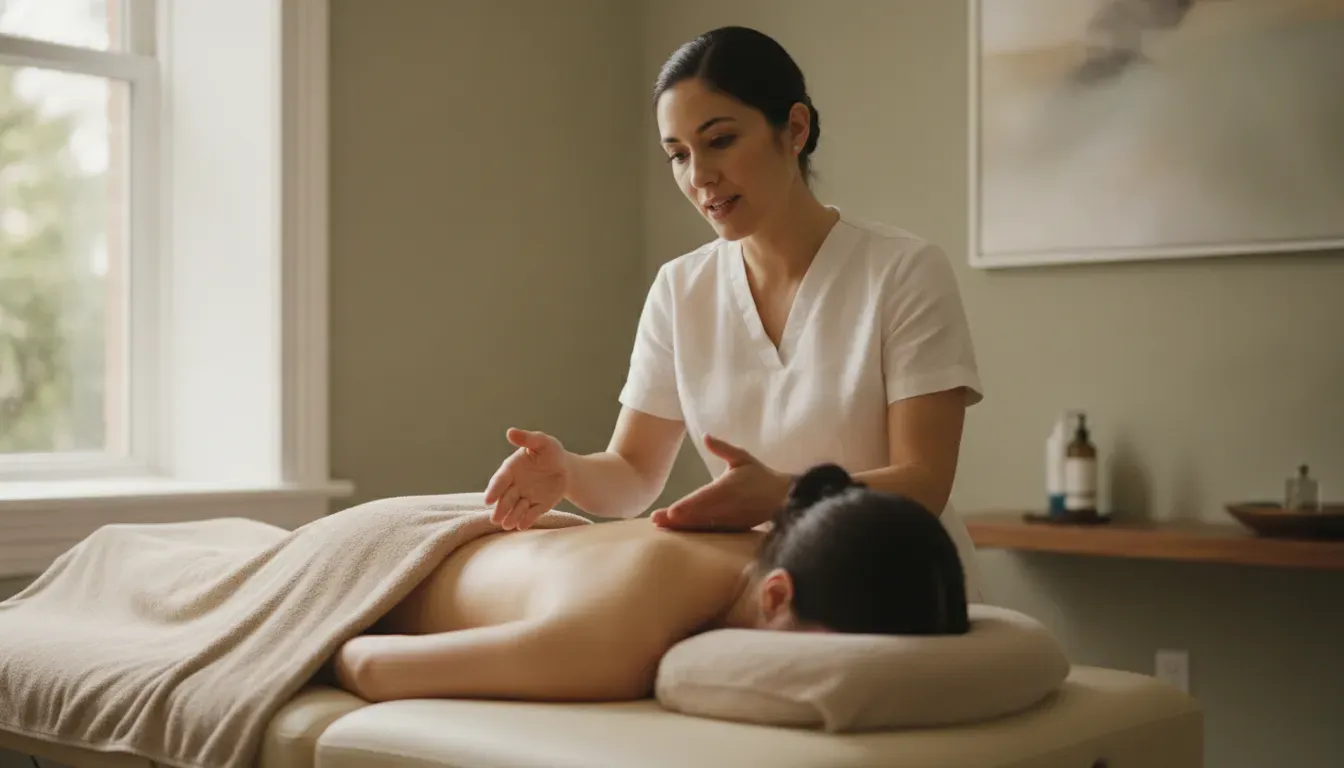

When you’re dealing with persistent pain or recovering from an injury, you need more than just a relaxing massage. You need a targeted solution. That’s where medical massage comes in. It’s a focused, therapeutic treatment that works with your body’s natural healing process to create lasting change. Unlike a typical spa session, every technique is chosen with a specific goal in mind—from releasing a stubborn knot to improving your joint function. This personalized approach is what makes it so effective. The list of medical massage benefits is extensive, offering a path to not only feel better but to truly function better in your daily life.
Key Takeaways
- It’s Therapy, Not Just a Treat: Medical massage is a goal-oriented treatment designed to address specific health issues like chronic pain or injury recovery, using a clinical and personalized approach rather than a standard relaxation routine.
- More Than Just Muscle Relief: The benefits extend beyond the targeted area; this therapy can improve your range of motion, reduce stress, support better sleep, and improve circulation for your overall wellness.
- Your Role is Key to Success: To get the best results, find a qualified therapist, communicate openly about your symptoms and comfort levels, and view it as a legitimate part of your healthcare strategy.
What Is Medical Massage (and How Is It Different)?
When you hear the word “massage,” you might picture a relaxing spa day with soft music and scented candles. While that’s certainly one type of massage, medical massage is something different entirely. Think of it less as a general wellness treatment and more as a targeted therapy designed to address specific health concerns. It’s a hands-on approach focused on producing a particular outcome, whether that’s recovering from an injury, managing chronic pain, or improving your mobility. The session is built around your specific symptoms and treatment goals, making it a powerful tool for healing.
While relaxation is often a wonderful side effect, the primary goal of medical massage is functional. A therapist performing a medical massage uses their deep knowledge of anatomy and physiology to work on the specific muscles and connective tissues causing your issues. It’s a problem-solving session for your body, tailored to your unique needs and health goals. Unlike a standard relaxation massage that might follow a set routine, a medical massage is a dynamic process. Your therapist will assess your condition and apply specific treatments to the affected areas of your body. At Nola Bliss, our therapists are experts in these therapeutic techniques, providing a professional, high-quality experience that goes far beyond a surface-level treatment.
More Than Relaxation: A Focus on Healing
The core purpose of medical massage is to promote healing. It’s specifically designed to help ease discomfort, reduce pain, increase your range of motion, and support your body’s recovery from injuries or chronic conditions. For example, if you’re dealing with persistent lower back pain, your therapist will concentrate on releasing the specific muscles and trigger points contributing to that pain rather than performing a general full-body massage. The session is structured to create lasting change, not just temporary relief. It’s an active partnership between you and your therapist to get your body functioning at its best again. This focus on a specific outcome is what sets it apart and makes it an effective form of therapy.
A Treatment Plan Designed Just for You
Medical massage takes a clinical, personalized approach to your health. Before your session begins, your therapist will conduct a thorough assessment to understand your health history, symptoms, and what you hope to achieve. This isn’t a one-size-fits-all experience; it’s a treatment plan created just for you. This type of therapeutic massage is often used to complement other medical treatments and can even be prescribed by a doctor to address specific health problems. The primary goal is to resolve the underlying issues causing your symptoms and support your overall treatment plan. Your therapist uses their expertise to identify the root cause of your discomfort and apply the right techniques to address it effectively.
Specialized Techniques for Targeted Pain Relief
To achieve these specific outcomes, medical massage therapists use a variety of advanced techniques. Depending on your condition, your session might include myofascial release, trigger point therapy, or specific stretching methods. These are chosen to provide targeted relief right where you need it most. At Nola Bliss, our therapists are trained in powerful and effective modalities. For instance, Ashiatsu Deepfeet Bar Therapy allows for incredibly deep, consistent pressure that can release chronic tension. We also specialize in traditional deep tissue and Swedish massage, applying focused strokes to break up muscle knots and restore mobility. The right technique is always chosen based on your body’s needs to ensure the best possible results.
Neuromuscular Therapy
If you have a specific spot that’s always causing trouble—a knot in your shoulder that just won’t quit—neuromuscular therapy might be the answer. This technique zeroes in on trigger points, which are those tight, irritable spots in your muscles that can cause pain both locally and in other parts of your body. According to experts in medical massage, this method is designed to relieve pain and dysfunction by getting to the root cause of your muscle tension. By applying concentrated pressure to these specific areas, a therapist can release the tension, which helps restore balance to your nervous system and musculoskeletal system, leading to improved function and significant pain relief.
Craniosacral Release
Some therapeutic techniques are surprisingly gentle, and craniosacral release is a perfect example. This is a light-touch approach that focuses on the craniosacral system—the membranes and fluid that protect your brain and spinal cord. The goal is to relieve tension deep within the body to improve the overall function of the central nervous system. As one health and wellness resource explains, this technique promotes a deep sense of relaxation and well-being by easing restrictions around these vital structures. It’s particularly helpful for those dealing with headaches, TMJ, or chronic stress, offering a subtle yet powerful way to help your body reset and heal from the inside out.
Reflexology
You might be surprised to learn how much healing potential is held in your feet, hands, and ears. Reflexology is a technique built on this idea, using pressure on specific reflex points that correspond to different organs and systems throughout your body. It’s more than just a foot rub; it’s a targeted method to support your body’s natural healing processes. By stimulating these points, a therapist can help improve circulation and encourage relaxation across your entire system. This makes it a valuable part of a comprehensive treatment plan, helping to address everything from stress to digestive issues by working through the nerve endings in your extremities.
How Does Medical Massage Relieve Pain?
If you’re dealing with persistent pain, you know it can affect every part of your life, from your work to your sleep. While a standard relaxation massage feels wonderful, medical massage goes a step further by focusing on the underlying cause of your discomfort. It’s a targeted, outcome-based approach designed to address specific issues, whether you’re recovering from an injury, managing a chronic condition, or trying to get rid of stubborn muscle knots that just won’t quit.
The goal isn’t just temporary relief; it’s about creating lasting change in your body. By using specific techniques, a skilled therapist can help reduce inflammation, release tight muscles and connective tissues, and support your body’s natural healing processes. This approach helps break the cycle of pain by addressing the source directly. Whether it’s deep tissue work to release long-held tension or more specific techniques to calm muscle spasms, each session is tailored to your unique needs and health goals. It’s a collaborative process between you and your therapist to get you feeling and moving better for the long haul.
Blocking Pain Signals and Boosting Mood
Medical massage works on both a physical and a chemical level to help you feel better. On the physical side, it helps interrupt the constant pain conversation happening between your muscles and your brain. A skilled therapist uses targeted techniques that can effectively block pain signals and improve your body’s alignment, which is crucial for reducing nerve-related pain. This focused relief can significantly lessen discomfort, sometimes even reducing the need for pain medication. At the same time, your body is having its own positive chemical reaction. The pressure and manipulation from the massage encourage the release of natural mood enhancers like endorphins and serotonin, while also lowering levels of the stress hormone cortisol. This creates a powerful sense of calm that not only feels great but also supports your overall recovery.
Manage Chronic Pain and Recover from Injuries
Living with chronic pain or recovering from an injury can feel like a long, frustrating road. Medical massage offers a focused, results-oriented treatment to help you get back on track. It’s specifically designed to relieve pain, reduce muscle spasms, and restore your range of motion. This therapeutic approach is incredibly effective for aiding in recovery from surgery or managing chronic conditions like fibromyalgia and sciatica. By working with a therapist on a consistent treatment plan, you can make real progress in your healing journey and regain control over your body.
Soothe Inflammation and Release Painful Trigger Points
That nagging, persistent ache often comes from inflammation and tight knots in your muscles, also known as trigger points. Medical massage helps address these issues at their source. By applying targeted pressure, your therapist can improve blood flow to the affected areas, which helps reduce swelling and delivers much-needed oxygen and nutrients to your tissues. This process not only relieves sore, tight muscles but also encourages your body to heal more efficiently. Releasing these trigger points can provide significant relief and is a key part of a comprehensive treatment plan.
Find Lasting Relief with Deep Tissue Work
Sometimes, the source of pain lies deep within your muscle layers. That’s where specialized techniques come in. Modalities like deep tissue massage are designed to work on the deeper layers of your muscles, tendons, and other soft tissues. These methods are perfect for addressing long-lasting (chronic) pain or more recent (acute) injuries, including persistent back pain, frozen shoulder, and muscle strains. By applying slow, firm pressure, your therapist can break up scar tissue and release chronic tension, helping you find relief that truly lasts.
How Medical Massage Helps You Move Better
Feeling stiff or finding it harder to move like you used to? It’s a common complaint, but you don’t have to accept it as a normal part of life. Medical massage goes beyond temporary pain relief to address the root causes of restricted movement. By targeting tight muscles, connective tissues, and joints, it helps restore your body’s natural ability to move freely and without pain. Think of it as a tune-up for your body, helping you get back to the activities you love with greater ease and comfort.
Regain Flexibility and Range of Motion
Whether you’re reaching for a jar on the top shelf or simply turning your head, your range of motion affects almost everything you do. When muscles become tight and stiff, they can seriously limit how well you move. Medical massage can make those stiff muscles softer, helping you move your body parts more easily. Our therapists use targeted techniques, like those in a deep tissue or Swedish massage, to lengthen and relax muscles. This can significantly improve your flexibility, helping you perform daily activities with less strain and a greater sense of freedom.
Release Tight Muscles and Fascia
Have you ever felt like your muscles are encased in a tight, restrictive suit? That might be your fascia. Fascia is the web of connective tissue that surrounds every muscle, bone, and organ in your body. When it becomes tight from injury, stress, or repetitive movements, it can cause pain and limit mobility. A skilled massage therapist can stretch these tightened areas, releasing the “stuck” spots that restrict your movement. Techniques like our Ashiatsu Deepfeet Bar Therapy are especially effective at applying broad, consistent pressure to release fascial adhesions and restore fluid movement throughout your body.
Get Your Joints Moving Freely Again
Healthy joints depend on the muscles that support them. When surrounding muscles are chronically tight or imbalanced, they can pull your joints out of proper alignment, leading to discomfort, inflammation, and even long-term damage. Medical massage helps by addressing these muscular imbalances directly. By releasing tension and restoring balance to the muscles, we can reduce unnecessary strain on your joints. This approach not only eases current discomfort but also supports your overall treatment plan and promotes lasting joint health. It’s a proactive way to care for your body and stay active for years to come.
Improve Posture and Digestive Health
If you spend your days hunched over a computer, you know the toll it takes on your posture. This creates muscular imbalances, often leading to chronic neck and back pain. Medical massage targets the specific muscles that have become tight and shortened, releasing tension to help restore your body’s natural alignment. This not only helps you stand taller and feel more confident but also reduces unnecessary strain on your joints. The benefits can even extend to your digestive health. Stress and poor posture can negatively impact your digestive system, but the deep relaxation and improved circulation from a massage can help calm your nervous system and support better function. It’s a powerful reminder that everything in the body is connected.
What Conditions Can Medical Massage Treat?
Medical massage is a versatile and targeted therapy that can make a real difference for a wide range of health issues. It’s not a one-size-fits-all approach. Instead, your therapist uses specific techniques to address your unique condition, whether you’re dealing with a recent injury, a chronic illness, or the physical strain of daily life. By focusing on the underlying cause of your discomfort, medical massage can help you find lasting relief and get back to feeling your best.
Soothe Sports Injuries and Muscle Pain
If you’re an athlete or just love to stay active, an injury can be incredibly frustrating. Medical massage can help you get back in the game sooner by addressing sprains, strains, and muscle soreness at their source. This therapy helps reduce swelling and encourages the delivery of nutrients and oxygen to injured tissues, which speeds up the natural healing process. Whether you’re recovering from a tough workout or a specific injury, a targeted session can release tension and restore mobility. For deep, consistent pressure that’s great for athletic recovery, many people find relief with Ashiatsu Deepfeet Bar Therapy.
Aid Your Recovery After Surgery
Healing after surgery is a complex process that involves more than just rest. Medical massage can be a gentle yet powerful part of your recovery plan. With the approval of your doctor, a skilled therapist can use specialized techniques to support your body’s healing. It promotes healing by improving blood flow and helps drain fluids, which can lower swelling and inflammation around the surgical site. This can also help manage post-operative pain and may reduce the formation of restrictive scar tissue, helping you regain movement and comfort more easily. Your therapist will customize your massage service to fit your specific needs.
Ease Chronic Pain Syndromes
Living with chronic pain from conditions like fibromyalgia, sciatica, or persistent neck and back pain can affect every part of your life. Medical massage offers a way to manage these symptoms effectively. It provides relief for ongoing muscle and joint pain by addressing trigger points, releasing constricted fascia, and improving muscle alignment. Unlike a purely relaxation-focused massage, this approach aims to correct the structural imbalances that contribute to your pain. Regular deep tissue massage can be an essential tool for managing chronic conditions and improving your overall quality of life.
Relief from Headaches and Migraines
Frequent headaches and migraines can be debilitating, but medical massage offers a powerful way to find relief. By focusing on the tight muscles in your neck, shoulders, and scalp that often trigger this type of pain, a therapist can address the root cause of your discomfort. This targeted approach goes beyond just soothing the symptoms; it works to release chronic tension patterns that contribute to the cycle of pain. According to the Cleveland Clinic, therapeutic massage can be a great addition to your treatment for many types of pain, whether it’s a long-lasting problem or something that just happened. It’s a comprehensive solution that can reduce both the frequency and intensity of headaches, helping you regain control of your days.
Addressing Whiplash, Herniated Discs, and TMJ
Medical massage is also highly effective for complex conditions like whiplash, herniated discs, and temporomandibular joint (TMJ) disorders. These issues require a specialized approach that focuses on the specific muscles and connective tissues involved. As noted by Rockwell Physicians, medical massage is designed to address specific areas of concern, including jaw pain (TMJ) and recovery from injuries. For whiplash, it can help soothe strained neck muscles, while for herniated discs, it can relieve pressure on surrounding nerves. If you suffer from TMJ, targeted work on the jaw muscles can ease pain and improve function. This specialized treatment is an essential part of a comprehensive care plan, helping to restore balance and comfort to the affected areas.
Relieve Arthritis and Repetitive Strain
Conditions like arthritis and repetitive strain injuries from work or hobbies can cause persistent stiffness and pain. Massage therapy can help manage this discomfort by improving circulation to stiff joints and soothing inflamed tissues. For those with arthritis, this can mean less pain and greater flexibility. If you have a repetitive strain injury, like carpal tunnel syndrome, massage can release the tight muscles and tendons that are causing the problem. Adding Hot Himalayan Salt Stones to your session can further ease joint pain with gentle, penetrating heat, providing another layer of relief.
Support for Systemic Health Conditions
Medical massage isn’t just for muscle aches and injuries; it can also play a supportive role when you’re managing health conditions that affect your entire body. When your system is under stress from an illness or chronic condition, therapeutic massage can help ease some of the associated symptoms and improve your overall sense of well-being. It works alongside your primary medical care to provide comfort, relieve stress, and support your body’s functions, making it a valuable part of a holistic approach to your health.
Managing Symptoms of Cancer Treatment
Going through cancer treatment is incredibly taxing on both your body and mind. With your doctor’s guidance, medical massage can be a gentle, supportive therapy to help manage some of the difficult side effects. It can be a powerful tool to reduce pain, anxiety, and fatigue that often accompany treatment. This type of focused bodywork can also help with lymphedema, a condition involving fluid buildup, by encouraging gentle drainage. Additionally, by improving circulation, it can help lessen nerve damage, or neuropathy, offering a source of comfort and relief during a challenging time. It’s about caring for the whole person, not just the illness.
Complementary Care for Diabetes and High Blood Pressure
For chronic conditions like diabetes and high blood pressure, managing stress and supporting healthy circulation are key. Medical massage can be an excellent complementary therapy to your regular healthcare routine. It helps improve blood flow throughout the body, which is crucial for delivering oxygen and nutrients to tissues and can be particularly beneficial for those with diabetes. This enhanced circulation also supports the body’s healing processes. Furthermore, the deep relaxation achieved during a therapeutic massage can help lower stress levels, which is a significant factor in managing high blood pressure. It’s a proactive way to support your body’s systems and contribute to your overall health management plan.
How Medical Massage Benefits Your Overall Health
Medical massage does more than just address specific aches and pains. It’s a powerful tool for supporting your body’s overall function and promoting a deep sense of well-being. By working with your body’s natural systems, a skilled therapist can help you feel better from the inside out. This holistic approach helps you build resilience, manage daily stressors, and maintain your health long-term, making it a vital part of any wellness routine.
Whether you’re a New Orleans local dealing with daily stress or a visitor needing to recharge, integrating therapeutic massage into your life can make a significant difference. It’s an investment in your long-term health that pays dividends in your physical and mental state.
Calm Your Mind and Reduce Stress
It’s no secret that a great massage helps you relax, but the benefits go much deeper than that. Therapeutic massage is a fantastic way to manage stress and support your mental health. During a session, your body releases endorphins, which are natural mood elevators. At the same time, it can lower cortisol, your body’s primary stress hormone. This chemical shift helps calm your nervous system and creates a lasting sense of peace.
Regular massage services can be an effective strategy for managing anxiety and improving your overall mood. By giving your mind a dedicated break, you can return to your day feeling more centered, clear-headed, and ready to handle whatever comes your way.
Improve Circulation and Lymphatic Flow
Think of your circulatory system as your body’s delivery service. Good circulation is essential for carrying oxygen and nutrients to your muscles and tissues, which is critical for healing and recovery. Medical massage techniques are designed to stimulate blood flow, helping to speed up the repair of injured tissues and reduce inflammation.
This process also supports your lymphatic system, which is responsible for clearing out waste and toxins. By encouraging lymphatic drainage, massage helps reduce swelling and fluid retention. This is especially beneficial after an injury or surgery, but it also helps keep your body’s internal environment clean and healthy on a daily basis.
Enjoy Deeper Sleep and a Stronger Immune System
If you struggle to get a good night’s rest, massage can be a game-changer. By reducing muscle tension and calming your nervous system, it helps prepare your body for deeper, more restorative sleep. And quality sleep is directly linked to a stronger immune system. When you’re well-rested, your body is better equipped to fight off illness and recover quickly.
The stress-reducing effects of massage also play a huge role here. Consistently high levels of stress can weaken your immune response over time. By making therapeutic massage a regular part of your routine, you can help strengthen your body’s natural defenses and improve your ability to stay healthy, even during busy or challenging times.
The Science and Growth of Medical Massage
Medical massage is more than just a relaxing experience; it’s a legitimate therapeutic practice that is gaining recognition in the broader healthcare community. Its effectiveness is supported by scientific research, and its role in health and wellness continues to expand. Understanding the evidence behind medical massage and its place in modern healthcare can help you see it not as an occasional luxury, but as a vital component of your long-term health strategy.
Evidence-Based Results
Medical massage isn’t just a hunch or a feel-good practice; it’s a therapeutic approach grounded in real science. A growing body of research shows just how effective it is for a wide range of health issues, from chronic pain to muscle tension. Organizations like the National Institutes of Health recognize massage as a valuable tool for managing pain and improving wellness. The goal of these evidence-based treatments is to create actual, physiological change in your body. By applying specific methods, a skilled therapist can reduce inflammation, release tight connective tissues, and support your body’s own healing mechanisms. At Nola Bliss, our highly trained therapists are dedicated to this approach, using their deep understanding of anatomy to provide services that deliver lasting relief, not just a temporary fix.
A Growing Field of Healthcare
The secret is out: medical massage is becoming a key player in modern healthcare. More people and their doctors are recognizing its value, viewing it not as an occasional indulgence but as an important part of a complete wellness plan. This is part of a larger, positive shift toward treating the whole person, where traditional medicine works alongside therapies like massage. In fact, many hospitals now offer massage therapy as a standard part of patient care. It’s becoming common for doctors, chiropractors, and physical therapists to recommend targeted massage to support recovery and manage chronic conditions. This growing acceptance means you can feel confident that choosing therapeutic massage is a smart, proactive step for your health.
What to Know Before Your First Session
Stepping into a massage studio for a therapeutic session can feel like a big step, especially if you’re dealing with pain or a specific health concern. Knowing what to expect can help you feel more comfortable and get the most out of your treatment. Think of it as a partnership between you and your therapist, where your comfort and healing are the top priorities. From finding the right professional to understanding the process, a little preparation goes a long way in making your first medical massage a positive and effective experience.
How to Find a Qualified Medical Massage Therapist
The single most important factor in a successful medical massage is the person providing it. Always make sure your massage therapist is licensed, which means they have completed extensive training and passed state-level examinations. At Nola Bliss, we take this a step further. Our team is made up of dedicated and highly trained therapists who have built their careers around the art and science of healing. A qualified professional will not only have the technical skills but also the knowledge to address your issues safely and effectively, giving you peace of mind.
The Importance of Advanced Training and Certification
While a license is the essential first step, true medical massage requires a much deeper level of expertise. Therapists who pursue advanced training and certifications have invested in understanding the complex ways the body works and how to address specific health conditions effectively. This specialized education goes far beyond standard massage school, covering advanced anatomy, pathology, and a wide range of therapeutic techniques. At Nola Bliss, we prioritize this dedication to continuous learning because it’s what allows a therapist to accurately assess your needs and create a personalized treatment plan. This commitment to mastery is why we are not only a provider of therapeutic massage but also the only certified training center for Ashiatsu Deepfeet Bar Therapy on the Gulf Coast, ensuring our team is always at the forefront of effective healing practices.
What to Expect During Your Treatment
Your session will be customized specifically for you, and it starts with a conversation. Be prepared to share details about your health, your pain points, and what you hope to achieve. The more information you provide, the better your therapist can tailor the treatment. During the massage, communication is key. Your therapist will check in on pressure, but don’t hesitate to speak up if something feels too intense. A therapeutic massage often feels deeper and more targeted than a typical relaxation massage, sometimes creating a “good hurt” sensation as tight knots are released.
Safety First: When to Consult Your Doctor
While medical massage is a powerful tool for healing, it’s important to remember that it’s a therapeutic intervention. That’s why safety should always come first. Before you book a session, especially if you’re managing a specific health condition, it’s a good idea to check with your doctor. They can give you the green light and ensure that massage therapy is a safe and beneficial addition to your overall healthcare plan. Think of it as building a team for your well-being, where your doctor and your massage therapist work together to support your health goals. This collaborative approach ensures you get the most effective and appropriate care for your body.
Precautions for Specific Health Concerns
It’s especially important to talk to your doctor before getting a massage if you have certain health factors. For instance, if you take blood thinners, have a history of blood clots, or have conditions like osteoporosis, it’s crucial to get medical advice first. The same goes for anyone with implanted medical devices like a pacemaker, tumors, or very fragile skin. If you’ve recently had surgery or been in the hospital, your body is in a delicate state of recovery, and your doctor needs to clear you for any hands-on therapy. A licensed massage therapist will always prioritize your safety, and having this information allows them to tailor your session appropriately or wait until it’s safe to proceed.
Medical Massage Myths, Busted
One of the biggest myths is that massage is just a luxury. While it certainly feels good, medical massage is a recognized therapeutic practice that can help manage pain, reduce stress, and support recovery from injuries. It’s a proactive part of a wellness plan, not just a special-occasion treat. Another common misconception is that massage only affects your muscles. In reality, skilled therapists also work on your fascia, the web of connective tissue surrounding your muscles and organs. Releasing tightness in the fascia is often crucial for lasting relief.
Working With Your Doctor on a Treatment Plan
If you’re seeking massage for a specific medical condition, it’s a good idea to talk with your doctor first to ensure it’s a safe option for you. Your massage therapist can then work in tandem with your doctor’s recommendations to create a cohesive treatment plan. This collaborative approach ensures your care is aligned with your overall health goals. Your therapist can share findings with your doctor (with your permission), and your doctor can provide guidance that helps the therapist focus their efforts. This teamwork helps you get the most effective and responsible care possible.
Understanding Treatment Settings and Insurance
It’s important to know that the setting for medical massage can differ from a typical spa. Often, this type of therapy is provided in a clinical environment, like a hospital or a physical therapy office, especially when it’s part of a formal treatment plan prescribed by a doctor. This is also where insurance coverage usually comes into play. While some health insurance plans may cover therapeutic massage for diagnosed conditions, it almost always requires a doctor’s referral. Before booking, it’s a good idea to check with your insurance provider about your coverage and what documentation they require. Even if your sessions aren’t covered, investing in high-quality therapeutic massage from a licensed professional is a direct investment in your health and well-being.
Related Articles
Frequently Asked Questions
How is a medical massage different from a regular deep tissue massage? While both can involve firm pressure, the main difference is the intent. A deep tissue massage typically focuses on relieving general muscle tension across the body. A medical massage, on the other hand, is a problem-solving session. Your therapist assesses a specific issue, like a rotator cuff injury or chronic back pain, and then applies targeted techniques to address the root cause of your symptoms and help you reach a specific functional goal.
Should I expect a medical massage to be painful? You should not expect sharp or unbearable pain, but the session can feel intense. We often refer to this sensation as a “good hurt.” The pressure is focused on releasing deep, long-held tension, which can be uncomfortable at times. However, you are always in control, and clear communication with your therapist ensures the pressure remains productive and well within your tolerance.
How many sessions will I need to feel better? The number of sessions you’ll need depends entirely on your condition, how long you’ve been experiencing symptoms, and your personal health goals. Some people with a recent, minor issue feel significant relief after just one or two appointments. For more complex or chronic conditions, a series of treatments is usually necessary to achieve lasting results. Your therapist will discuss a potential treatment plan with you after your initial session.
Do I need a referral from my doctor to book a medical massage? No, you do not need a doctor’s referral to schedule a medical massage with us. However, if you are being treated for a specific medical diagnosis, are pregnant, or are recovering from surgery, we strongly encourage you to speak with your doctor first. This ensures that massage is a safe and appropriate part of your overall healthcare plan.
Can I request a specific technique, like Ashiatsu, for my medical massage? Of course. Your session is tailored to you. During your initial consultation, you can discuss your preferences with your therapist. Together, you can determine if a specific modality like Ashiatsu Deepfeet Bar Therapy or a more traditional deep tissue approach is the best way to address your needs and help you achieve your goals.