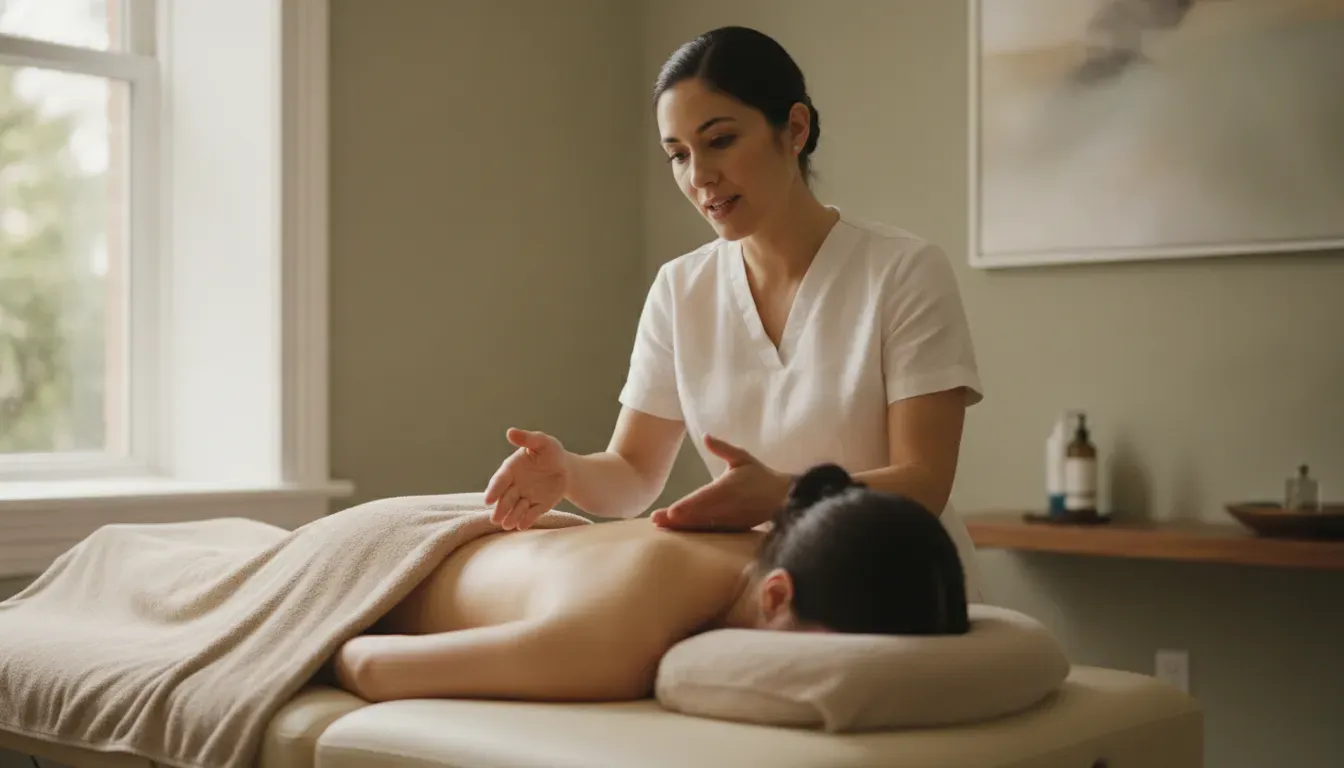

Your body goes through a remarkable transformation during pregnancy, and sometimes it can feel like it’s no longer your own. Prenatal massage offers a wonderful opportunity to reconnect with yourself and honor the incredible work your body is doing. It’s a dedicated time to tune into your physical and emotional needs in a safe, nurturing environment. A skilled therapist helps you feel more comfortable in your changing skin, easing the discomforts so you can better appreciate the journey. Understanding the full range of pregnancy massage benefits helps you embrace this practice as a way to support and celebrate your body every step of the way.
Key Takeaways
- Seek out specialized care: A safe prenatal massage is more than a typical spa treatment; it requires a certified therapist who understands how to position you comfortably on your side and uses techniques appropriate for pregnancy.
- Embrace whole-body wellness: Prenatal massage offers more than just physical relief for aches and swelling. It’s also a powerful way to manage stress, improve your mood, and foster a positive connection with your changing body.
- Follow the safety checklist: For total peace of mind, wait until your second trimester to begin, get a quick approval from your doctor, and communicate openly with your therapist about your needs before and during your session.
What Makes a Prenatal Massage Different?
If you’ve had a massage before, you might wonder what sets a prenatal massage apart. It’s more than just a standard massage for an expecting mother; it’s a specialized therapy tailored to the unique physical and emotional needs of pregnancy. A trained therapist understands the changes your body is going through and adapts every aspect of the session, from the techniques they use to how you’re positioned on the table, to ensure both you and your baby are safe and comfortable.
This careful approach allows you to get the relief you need without any of the worry. It’s all about creating a supportive and soothing experience that addresses pregnancy-specific issues like back pain, swollen ankles, and stress.
Techniques Designed for You and Your Baby
A prenatal massage uses specific techniques to address the aches and pains that come with carrying a baby. The primary method is often a modified Swedish massage, which involves long, gentle strokes to relax tense muscles and improve circulation. This gentle pressure is key, as deep tissue work on certain areas can be unsafe during pregnancy.
The focus is on providing comfort and relief from common issues like a sore lower back, tight hips, and neck tension. Your therapist will avoid specific pressure points on the ankles and wrists that are thought to potentially trigger contractions. Every touch is intentional, designed to soothe both the physical and emotional discomforts of pregnancy, helping you feel more at ease in your changing body.
Positioning for Comfort and Safety
Proper positioning is one of the most important parts of a safe prenatal massage. After the first trimester, lying flat on your back or stomach is no longer recommended. Lying on your back can put pressure on a major blood vessel, which can reduce blood flow to your baby, while lying on your stomach is simply not practical or comfortable.
Instead, you’ll be comfortably positioned on your side with plenty of pillows and cushions for support. This side-lying position keeps your spine aligned, takes pressure off your lower back, and ensures optimal circulation for you and your baby. Our highly trained therapists are experts in this setup, making sure you feel completely secure and relaxed throughout your entire session.
The Physical Perks of Prenatal Massage
Pregnancy is an incredible journey, but it asks a lot of your body. As your baby grows, you might notice new aches, pains, and other physical changes that can be tough to manage. This is where a great prenatal massage comes in. It’s more than just a relaxing treat; it’s a therapeutic practice that can provide real, tangible relief and support your body through every trimester. From easing a sore back to helping you get a better night’s sleep, the physical benefits are some of the most compelling reasons to make massage a regular part of your pregnancy wellness routine.
Soothe Aches, Pains, and Sciatica
As your center of gravity shifts and your ligaments loosen, it’s common to experience backaches, sore hips, and joint pain. A skilled therapist can target these tense areas, providing much-needed relief. According to the American Pregnancy Association, massage can significantly reduce muscle aches and joint pains. It’s also incredibly effective for sciatica, a sharp nerve pain that can run from the lower back down the leg. By releasing tension in the surrounding muscles, a prenatal massage can ease the pressure on the sciatic nerve. This focused work not only helps you feel more comfortable day-to-day but can also contribute to better labor outcomes.
Reduce Swelling and Improve Circulation
Have you noticed your ankles and feet looking a little puffier than usual? This swelling, or edema, happens because your body is retaining more fluid to support your pregnancy. Massage is a fantastic way to combat this. The gentle pressure and long strokes used in prenatal massage help stimulate your circulatory and lymphatic systems. This improved circulation encourages your body to move excess fluid away from your joints and tissues, which can visibly reduce swelling. Better blood flow is also great for you and your baby, as it ensures that a healthy supply of oxygen and nutrients is getting where it needs to go.
Sleep Better and Relieve Muscle Tension
Getting a full night of restful sleep can feel like a distant dream during pregnancy. Discomfort from a growing belly, muscle cramps, and general tension can make it hard to settle in and relax. Prenatal massage can be a game-changer for your sleep quality. By soothing the nervous system and easing muscle tension throughout your body, massage helps you reach a deeper state of relaxation. When your body isn’t fighting aches and tightness, it’s much easier to drift off and stay asleep. Regular sessions can help establish a pattern of better rest, which is essential for your health and well-being as you prepare for your baby’s arrival.
More Than Just Physical: The Mental and Emotional Benefits
Pregnancy is a journey of incredible physical transformation, but the emotional and mental shifts are just as profound. While a massage is fantastic for soothing sore muscles, its effects go much deeper. Taking time for a prenatal massage is a powerful way to care for your mental well-being, giving you a quiet space to process, relax, and prepare for the changes ahead. It’s an opportunity to nurture your mind and spirit right alongside your growing baby.
Lower Stress and Anxiety
With a new baby on the way, it’s completely normal to feel a mix of excitement and worry. A prenatal massage can be a wonderful tool for managing these feelings. Studies show that regular massage can decrease cortisol, your body’s main stress hormone, while increasing serotonin and dopamine, which are known for creating feelings of happiness and well-being. This hormonal shift helps create a calmer internal environment for both you and your baby. It’s a dedicated hour where the outside world fades away, allowing your mind to quiet down and your anxieties to soften.
Balance Hormones and Lift Your Mood
The hormonal rollercoaster of pregnancy is real, and it can leave you feeling unlike yourself from one day to the next. Prenatal massage offers a natural way to help find your equilibrium. By encouraging the release of mood-regulating hormones like serotonin and dopamine, massage can provide a gentle lift when you’re feeling low. This isn’t just about feeling good in the moment; it helps support a more stable, positive emotional state throughout your pregnancy. Think of it as a reset button that helps you feel more centered and in control.
Connect With Your Changing Body
As your body changes rapidly to accommodate your growing baby, it can sometimes feel unfamiliar. A prenatal massage provides a safe and supportive space to reconnect with yourself. It’s a chance to appreciate the amazing work your body is doing, rather than just focusing on the discomforts. This dedicated time helps you build a more positive relationship with your pregnant body, fostering a sense of acceptance and wonder. Our experienced therapists create a nurturing environment where you can feel comfortable and truly at home in your own skin.
Is Prenatal Massage Safe? What You Need to Know
It’s completely normal to wonder about the safety of, well, everything when you’re pregnant. The good news is that when performed by a trained professional, prenatal massage is a safe and wonderful way to find relief and relaxation during your pregnancy journey. A therapist with specialized training understands the changes your body is going through and knows how to adapt their techniques to keep both you and your baby comfortable and secure.
That said, there are a few key guidelines and best practices to keep in mind. Think of these not as restrictions, but as simple steps to ensure your experience is as beneficial as possible. From timing your first massage to communicating with your doctor and therapist, a little knowledge goes a long way in giving you total peace of mind.
When to Wait for a Massage
Most massage therapists and healthcare providers recommend waiting until after the first trimester to begin prenatal massage. The first 12 weeks are a time of rapid development for your baby, and the risk of miscarriage is naturally highest during this period. While there is no scientific evidence that massage can cause a miscarriage, this guideline is a widely accepted precaution. Waiting until the second trimester allows you to move past the initial fatigue and morning sickness, so you can fully relax and enjoy the experience without any lingering worries.
Getting Your Doctor’s Go-Ahead
Before booking your first appointment, it’s always a smart idea to have a quick chat with your doctor or midwife. Every pregnancy is different, and your healthcare provider can give you the official green light based on your personal health history. This is especially important if you have a high-risk pregnancy or conditions like high blood pressure or gestational diabetes. Once you have their approval, you can confidently find a therapist who is specially trained and certified in prenatal massage. These professionals have a deep understanding of how to support the pregnant body safely.
Important Areas to Avoid
A certified prenatal massage therapist knows exactly how to position you for maximum comfort and safety. For instance, after the first trimester, you won’t lie flat on your back. This position can put pressure on a major blood vessel, potentially reducing blood flow to your baby. Instead, you’ll be comfortably supported on your side with pillows and cushions. Your therapist will also avoid deep pressure on your legs. Pregnancy increases the risk of blood clots, and while gentle, sweeping strokes are great for circulation, deep tissue work in this area is a no-go. They will also steer clear of specific acupressure points that are thought to stimulate contractions.
When to Start Prenatal Massage (and How Often to Go)
One of the most common questions we hear is about the right time to start getting prenatal massages. While you’re probably eager for relief, timing is important for ensuring the safety and comfort of both you and your baby. The general consensus among health professionals is to be patient during the early weeks and then settle into a regular routine as your pregnancy progresses. Think of it as a well-deserved part of your self-care plan that adapts to each stage of your journey. By understanding the guidelines for each trimester, you can create a schedule that helps you feel your best right up until your delivery day.
What to Know About the First Trimester
The first trimester is a time of incredible development, but it’s also the most delicate phase of pregnancy. Because the risk of miscarriage is highest during the first 12 weeks, most massage therapists and wellness experts, including the team at Nola Bliss, recommend waiting until you’ve entered the second trimester to begin massage therapy. While there’s no evidence that a gentle massage causes problems, this precaution gives you peace of mind. It’s a standard safety measure that prioritizes your well-being. Use this time to focus on rest and gentle movement, and get excited about the relaxing massages that await you in the coming months.
The Sweet Spot: Second and Third Trimesters
Once you hit the 12-week mark, you’ve entered the sweet spot for prenatal massage. Your pregnancy is well-established, and this is often when the aches and pains really start to make an appearance. As your baby grows, you might notice more strain on your back, hips, and legs. This is the perfect time to introduce regular massage. According to the Cleveland Clinic, waiting until the second trimester is best. A skilled therapist can help soothe sore muscles, reduce swelling, and give you a much-needed opportunity to relax and connect with your body as it changes.
How Often Should You Get One?
Consistency is key to getting the most out of your prenatal massages. During your second trimester, scheduling a massage every two to four weeks is a great way to manage any discomfort. As you move into the third trimester and get closer to your due date, you might find that weekly sessions provide even more relief. Regular massage does more than just ease physical pain. Research from the American Pregnancy Association shows that consistent massage can lower stress hormones like cortisol while increasing mood-lifting hormones like serotonin and dopamine. This creates a healthier, happier environment for both you and your baby.
What to Expect During Your Prenatal Massage
If you’ve never had a professional massage while pregnant, you might be wondering how it differs from a standard massage. The goal is the same: to help you relax and feel your best. But the process includes a few key adjustments to ensure you and your baby are safe and comfortable from start to finish. A great prenatal massage is a team effort between you and your therapist, and it all starts with a conversation.
From the moment you walk in, your session is tailored to your specific needs during this unique time. We’ll chat about how you’re feeling, get you settled in a secure and cozy position, and maintain an open line of communication throughout your massage. This way, you can let go of any worries and simply focus on the soothing experience. It’s your time to rest, and we’re here to make sure you can do just that.
Your Pre-Massage Consultation
Before your massage begins, your therapist will sit down with you for a brief consultation. This is your time to share everything about your pregnancy journey. We’ll ask about your due date, any aches or pains you’re experiencing, and areas you’d like us to focus on or avoid. It’s also a great idea to check with your doctor before your appointment to get their approval, especially if you have a high-risk pregnancy.
Think of this chat as the first step in customizing your massage. Have you been dealing with a sore lower back? Swollen ankles? Let us know. This conversation ensures your prenatal massage is perfectly suited to your body’s current needs, giving you peace of mind and allowing you to fully relax.
Getting Comfortable: Pillows, Props, and Positioning
Getting comfortable on a massage table can be tricky with a growing belly, so we do things a little differently. Instead of having you lie on your stomach or flat on your back, the safest and most comfortable position for a prenatal massage is lying on your side. We use a variety of soft pillows, cushions, and bolsters to support your body, propping them under your head, behind your back, and between your knees.
This side-lying position takes all the pressure off your abdomen and lower back. It also ensures healthy circulation for both you and your baby. You’ll find that with the right support, you can let go of tension you didn’t even know you were holding. Our focus is on creating a secure, stable, and deeply relaxing environment for you.
Keeping the Conversation Going With Your Therapist
Your comfort is our top priority, and communication is key. The pre-massage consultation is just the beginning of the conversation. During your session, we encourage you to speak up about anything you’re feeling. If the pressure is too much or not enough, if a certain position isn’t working, or if you simply need an extra pillow, please let us know. This is your time, and you are in complete control.
Our licensed massage therapists are trained to listen to both your words and your body’s responses, but your feedback is always the most important guide. There’s no need to be shy. A simple “that feels great” or “could you ease up a little?” helps us make real-time adjustments to give you the most beneficial and enjoyable massage possible.
How to Choose the Right Prenatal Massage Therapist
Finding the right massage therapist is always important, but it’s absolutely essential during pregnancy. You’re not just looking for someone who can soothe sore muscles; you need a professional who truly understands the changes your body is going through. The right therapist will create a safe, comfortable, and effective experience for both you and your baby. Think of it as adding another trusted expert to your pregnancy support team. Making sure they have the right qualifications and are a good fit for you will help you relax and get the most out of every session.
Look for Specialized Training and Certification
A standard massage therapist, no matter how skilled, may not have the knowledge needed for a safe prenatal massage. That’s why you should always look for a licensed massage therapist who is specifically trained and certified in prenatal care. According to the American Pregnancy Association, this specialized training is crucial because these therapists know how to position you safely and understand the unique needs of a pregnant body. They are experts in avoiding sensitive pressure points and using techniques that are both gentle and effective for pregnancy-related discomfort. At Nola Bliss, our therapists have dedicated training to provide a safe and therapeutic prenatal massage tailored to each stage of your pregnancy.
Key Questions to Ask Your Therapist
Before you even book an appointment, it’s a good idea to have a chat with your doctor or midwife. They can give you the green light and let you know if there are any personal health considerations to keep in mind. This is especially important if you have a condition like high blood pressure or gestational diabetes. Once you’re cleared, don’t be shy about asking the massage therapist a few questions. A great therapist will be happy to answer them. You can ask about their specific prenatal certification, how much experience they have, and what kind of pillows or bolsters they use to keep you comfortable and properly supported during the massage.
A Look at Common Prenatal Massage Techniques
A great prenatal massage is much more than just a gentle back rub. It involves specific, time-tested techniques designed to address the unique needs of your changing body while keeping you and your baby completely safe. A certified therapist understands the anatomy and physiology of pregnancy and knows exactly how to provide relief without putting pressure on sensitive areas. From the way you’re positioned on the table to the type of strokes used, every detail is thoughtfully considered. Let’s look at a few of the core techniques you can expect from a skilled prenatal massage therapist.
The Comfort of Side-Lying Positions
Your comfort and safety are the top priorities, which is why positioning is so important. The American Pregnancy Association confirms that the safest and most comfortable way to receive a massage during pregnancy is by lying on your side. Your therapist will use a system of soft pillows and cushions to support your head, knees, and growing belly, creating a secure and relaxing nest for you to rest in. This position takes all the pressure off your lower back and prevents strain on your uterine ligaments, allowing you to fully let go and enjoy the treatment without a single worry.
Gentle Swedish Massage Strokes
The foundation of most prenatal massages is a modified Swedish massage. This technique uses long, gliding strokes, gentle kneading, and friction to soothe sore muscles and calm the nervous system. The focus is on relaxation and improving circulation, which can be a huge help for reducing pregnancy-related swelling in your hands and feet. The pressure is always adjusted to be comfortable for you, targeting areas of tension in your back, neck, and hips without being too intense. It’s the perfect way to ease general aches and pains while promoting an overall sense of well-being.
Myofascial Release and Craniosacral Therapy
Beyond Swedish massage, your therapist might incorporate other specialized techniques to address specific issues. As noted by the Cleveland Clinic, modalities like myofascial release and craniosacral therapy can be incredibly beneficial during pregnancy. Myofascial release involves applying gentle, sustained pressure to the connective tissues, helping to release tightness that contributes to back pain or sciatica. Craniosacral therapy is an extremely light-touch technique that can help relieve headaches and reduce stress. These advanced methods allow your therapist to tailor the session precisely to what your body needs that day.
The Benefits Don’t Stop After Birth: Postpartum Massage
Once your little one arrives, the focus naturally shifts to them. But your body has just gone through an incredible and demanding experience, and it deserves attention, too. Continuing with massage therapy after birth is a wonderful way to honor that journey and support your recovery. Postpartum massage is specifically tailored to the unique needs of new mothers, helping you heal physically and adjust emotionally to your new role. It’s dedicated time for you to rest, recharge, and feel cared for.
Think of it as a vital part of your postpartum care plan. It addresses everything from sore muscles and hormonal shifts to the emotional weight of new motherhood. Taking this time for yourself isn’t selfish; it’s a necessary step to ensure you can be the best, most present parent for your new baby. A skilled therapist understands the postpartum body and can help with issues like abdominal muscle recovery, scar tissue from a C-section, and the general aches that come from holding and feeding a newborn. It helps you reconnect with your own body and find your footing during a time of immense change, making the transition into motherhood a little smoother and a lot more comfortable.
Support Your Body’s Healing After Birth
Giving birth is a major physical event, and your body needs time and support to recover. Postpartum massage can be a key part of that healing process. It helps soothe the muscle soreness that comes from labor and from caring for a newborn (hello, nursing posture!). Massage also improves circulation, which is essential for recovery, and can even help reduce pain after a C-section. By taking time for a therapeutic massage, you’re giving your body a chance to relax deeply and mend. It can also help strengthen your immune system, which is a welcome advantage when you’re running on little sleep.
Ease Into Motherhood With Emotional Support
The postpartum period is often called the “fourth trimester” for a reason. It’s a time of huge hormonal shifts and emotional adjustments. Massage can be an incredible source of support during this transition. Studies show that massage helps lower stress hormones like cortisol while increasing mood-lifting hormones like serotonin and dopamine. This can make a real difference in managing the “baby blues” or more persistent feelings of sadness. Beyond the science, simply having a quiet hour to yourself can help you process the challenges and joys of new motherhood, reducing feelings of anxiety and helping you feel more like yourself again.
Related Articles
Frequently Asked Questions
When is the best time during my pregnancy to start getting massages? We recommend waiting until you are in your second trimester, or past the 12-week mark, to begin prenatal massage. This is a standard precaution that most healthcare providers and therapists follow. Once you’re in your second and third trimesters, scheduling a massage every two to four weeks is a great way to manage aches and pains.
How do you make sure I’m comfortable on the table with my belly? Your comfort is our main focus. You will be positioned on your side, which is the safest and most relaxing option during pregnancy. We use a system of soft pillows and supportive cushions to prop up your head, support your back, and cushion the space between your knees. This setup keeps your spine aligned and takes all pressure off your abdomen and lower back.
I love deep pressure. Can I still get a deep tissue massage while pregnant? While a traditional deep tissue massage isn’t recommended during pregnancy, our therapists are skilled at providing firm, satisfying pressure that is completely safe. We use modified techniques to release tension in your back, hips, and shoulders without applying deep pressure to sensitive areas, like your legs. This approach gives you the relief you crave while prioritizing your and your baby’s well-being.
Do I need to get my doctor’s permission before booking an appointment? It is always a great idea to chat with your doctor or midwife before scheduling a prenatal massage. While massage is safe for most pregnancies, getting their approval gives you complete peace of mind. This is especially important if you have a high-risk pregnancy or a condition like gestational diabetes or high blood pressure.
Can I continue getting massages after the baby is born? Absolutely. Postpartum massage is a wonderful way to support your body’s recovery after birth. It can help soothe sore muscles from labor and from caring for a newborn, regulate your hormones, and provide much-needed emotional support during the transition to motherhood. It’s a perfect way to take care of yourself so you can better care for your new little one.