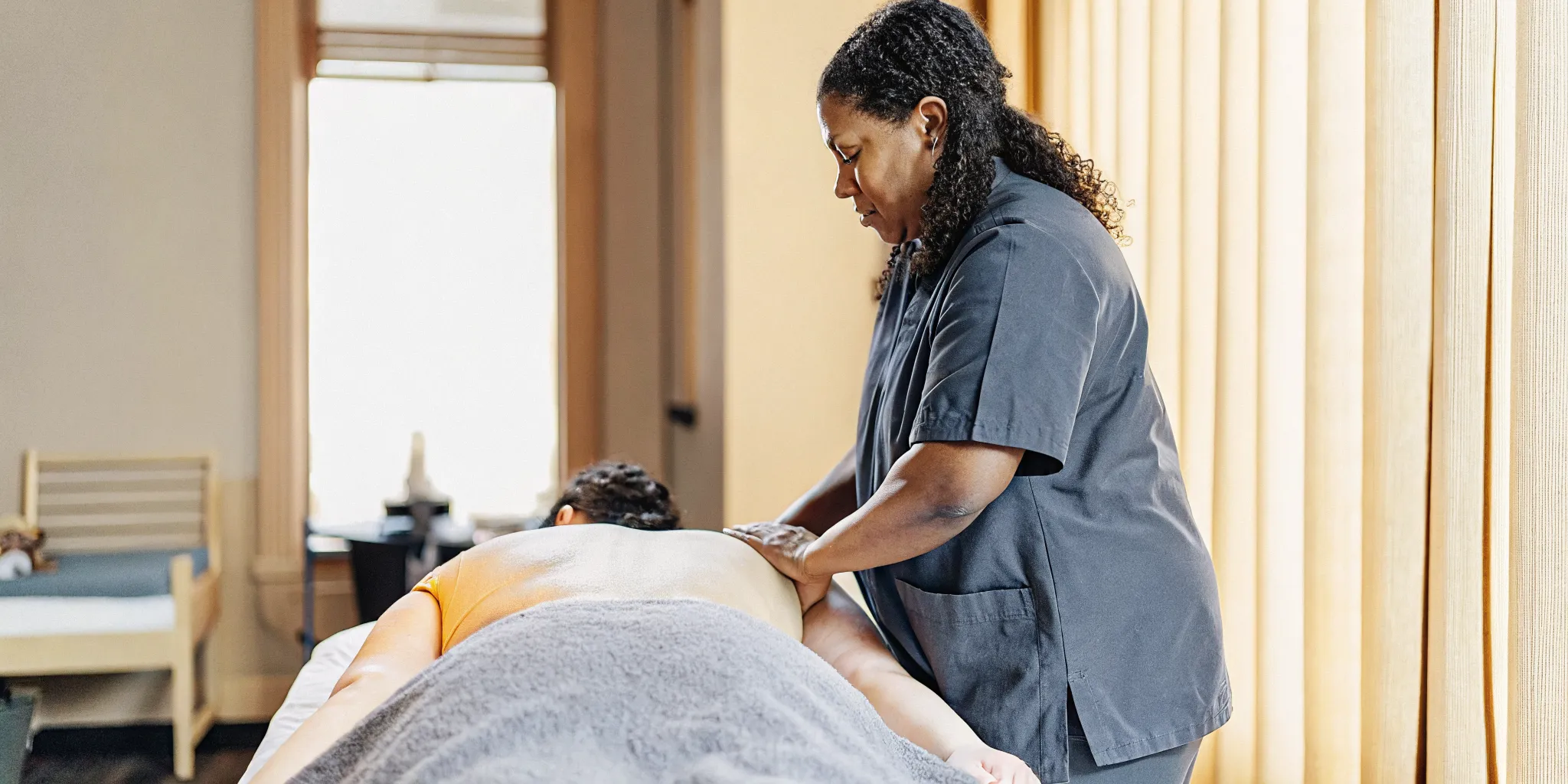

Your body is performing a miracle, and behind the scenes, its systems are working harder than ever. Your lymphatic system, in particular, has a huge job managing the extra fluid needed to support your baby. Sometimes, it gets overwhelmed, leading to the swelling you feel in your hands and feet. A prenatal lymphatic massage acts as a gentle assistant for this hardworking system. It doesn’t force anything; it simply uses light, precise movements to encourage the natural flow of lymph fluid. This helps your body clear out waste and reduce puffiness, supporting your overall wellness from the inside out.
Key Takeaways
- Address Pregnancy Swelling with a Gentle Touch: This specialized massage uses light, rhythmic strokes to encourage your body’s natural fluid movement, providing relief from the puffiness common in your legs, ankles, and hands.
- Your Safety Comes First: Always get your doctor’s approval before booking and choose a licensed therapist with specific certifications in both prenatal massage and Manual Lymphatic Drainage (MLD) to ensure a safe and effective experience.
- It’s Different From a Regular Massage: Expect a unique session focused on comfort and gentle fluid movement, not deep muscle work. You’ll be positioned safely on your side with pillows as the therapist uses an extremely light, soothing touch.
What is Prenatal Lymphatic Massage?
If you’re dealing with the puffiness and swelling that often come with pregnancy, you’re not alone. Prenatal lymphatic massage, also known as Manual Lymphatic Drainage (MLD), is a specialized and incredibly gentle massage designed to support your body through these changes. Think of it as a helping hand for your lymphatic system, which is working overtime right now. This technique uses light, rhythmic strokes to encourage the movement of lymph fluid throughout your body. The goal is to help reduce swelling, particularly in your legs, ankles, and hands, and leave you feeling more comfortable and refreshed.
Unlike a deep tissue or Swedish massage that focuses on muscle tension, a prenatal massage that incorporates lymphatic drainage is all about supporting your body’s natural detoxification process. It’s a safe, non-invasive way to find relief from fluid retention and promote a sense of lightness and well-being. Our trained therapists understand the unique needs of your body during pregnancy and tailor every session to ensure both you and your baby are safe and comfortable. It’s a wonderful way to practice self-care and manage some of the less glamorous, but very normal, side effects of growing a new life.
How Your Lymphatic System Changes During Pregnancy
Your body is doing an amazing job, and that involves some major adjustments. During pregnancy, your body produces and retains about 50% more blood and body fluids to support your developing baby. While this is completely normal and healthy, it can put extra pressure on your lymphatic system—the network responsible for clearing out waste and maintaining fluid balance. This extra load is why you might notice swelling, or edema, in your feet, ankles, and hands. Hormonal shifts and the pressure from your growing uterus can also slow down lymphatic circulation, making it harder for your body to keep up. This is where a targeted massage can make a world of difference.
Explaining the Gentle Technique
When you hear “massage,” you might picture deep pressure and muscle kneading, but Manual Lymphatic Drainage is different. The technique is exceptionally gentle, using light, rhythmic, and precise hand movements that feel more like soft pumping motions than a traditional rubdown. This specific touch is designed to stimulate your lymph vessels, which are located just below the skin. The light pressure helps move stagnant fluid back into circulation so your body can process and eliminate it naturally. This process not only helps reduce swelling but also supports your immune system by clearing out toxins and waste products, making it one of the most beneficial massage services you can receive while expecting.
The Benefits of Prenatal Lymphatic Massage
Pregnancy is an incredible journey, but it also brings a lot of changes to your body. From swollen ankles to general aches, it’s normal to feel a bit uncomfortable as your baby grows. Prenatal lymphatic massage is a gentle and effective way to find relief. This specialized technique focuses on encouraging the natural movement of lymph fluid, offering a host of benefits that support both your physical comfort and overall well-being during this special time. It’s more than just a relaxing treatment; it’s a way to help your body manage the extra demands of pregnancy.
Reduce Swelling and Fluid Retention
One of the most common complaints during pregnancy is swelling, especially in the legs, ankles, and feet. This happens because your body produces more blood and body fluids to support your growing baby. A prenatal lymphatic massage can provide significant relief from this puffiness, also known as edema. The therapist uses light, rhythmic strokes to help move this excess fluid out of your tissues and back into circulation. This process helps reduce the uncomfortable tightness and heaviness you might be feeling, making it easier to stay on your feet and feel more like yourself.
Ease Pregnancy Discomfort and Pain
When fluid builds up, it can put extra pressure on your joints and muscles, leading to aches and pains. By reducing that swelling, lymphatic massage helps alleviate some of this discomfort. But the benefits don’t stop there. This gentle therapy can also help soothe sore spots and ease the general aches that come with carrying a baby. Many women find that regular sessions also lead to better sleep and can even help with other common issues like constipation. It’s a holistic approach to feeling more comfortable in your changing body.
Find Relaxation and Stress Relief
Taking time for yourself is essential during pregnancy, and a lymphatic massage is a wonderful way to do just that. The technique itself is incredibly soothing. The slow, gentle, and predictable movements are designed to calm your nervous system, helping you shift from a state of stress to one of deep relaxation. This dedicated quiet time allows you to connect with your body and your baby, providing a much-needed mental and emotional break. Reducing stress is not only good for you but also creates a healthier environment for your little one.
Support Circulation and Immune Health
Your lymphatic system is a key player in your body’s circulatory and immune functions. A prenatal lymphatic massage helps keep it running smoothly, which in turn supports healthy blood flow. Better circulation ensures that vital oxygen and nutrients are efficiently delivered to your baby. It can also help prevent common pregnancy issues like varicose veins. Furthermore, a well-functioning lymphatic system is crucial for immune health, helping your body filter out waste and defend against illness. Our prenatal massage services are designed to support your body’s natural processes, keeping both you and your baby healthy.
Is Prenatal Lymphatic Massage Safe?
When you’re expecting, your top priority is the health and safety of you and your baby. So, it’s completely natural to ask whether a new treatment is safe to try. The short answer is yes, prenatal lymphatic massage is widely considered safe for most healthy pregnancies. Because the technique is so gentle and non-invasive, it’s a wonderful way to find relief from common pregnancy discomforts.
However, “generally safe” comes with a few important conditions. Your safety and comfort depend on three key factors: getting the green light from your doctor, ensuring certain health conditions are not present, and working with a therapist who is professionally trained in prenatal care. Let’s walk through exactly what you need to know to make an informed and confident decision.
General Safety Guidelines
First things first: always chat with your doctor or midwife before booking a prenatal massage of any kind. They know your health history and can give you personalized advice. This is especially crucial if you have a high-risk pregnancy. Once you have your doctor’s approval, the next step is to find a qualified therapist. You’ll want to work with a licensed massage therapist who has specific certification and experience in prenatal massage. They understand the changes your body is going through and know how to adapt the massage to keep you and your baby safe and comfortable.
When to Avoid This Type of Massage
While beneficial for many, this massage isn’t suitable for everyone. It’s important to avoid lymphatic massage if you have certain health conditions, as the treatment can affect circulation and fluid balance. Steer clear if you have a history of blood clots, pre-eclampsia, active infections or fever, high blood pressure, or serious heart or kidney problems. A professional therapist will always start your appointment with a detailed health intake to screen for these contraindications, but it’s essential that you share your full health history with both your doctor and your therapist to ensure the treatment is appropriate for you.
Considerations for Each Trimester
Your body’s needs change throughout your pregnancy, and your massage should, too. While lymphatic massage can be safe during the first trimester with a doctor’s okay, many people prefer to wait until the second trimester, when the risk of miscarriage has significantly decreased. It’s most popular during the second and third trimesters, when swelling tends to become more noticeable. A key safety consideration after 20 weeks is positioning. You should not lie flat on your back, as this can put pressure on a major vein and reduce blood flow. Instead, your therapist will have you lie on your side, supported by pillows and cushions for a comfortable and safe experience.
How is Prenatal Lymphatic Massage Different From a Regular Massage?
If you’ve had a massage before, you might be picturing the long, flowing strokes of a Swedish massage or the focused pressure of a deep tissue session. Prenatal lymphatic massage is a completely different experience, designed from the ground up for the unique needs of your body during pregnancy. It’s not simply a lighter version of a regular massage; it’s a specialized therapy that uses distinct techniques, avoids certain areas, and prioritizes your comfort and safety above all else.
The primary goal shifts from working on muscle tension to supporting your lymphatic system. While a standard massage aims to release knots and soothe sore muscles, a prenatal lymphatic massage focuses on gently encouraging fluid movement to reduce swelling and discomfort. This requires a therapist with specific training in both prenatal care and lymphatic drainage to ensure every touch is both safe and effective for you and your baby. Understanding these key differences will help you know exactly what to expect and why this gentle therapy can be so beneficial during your pregnancy.
Specialized Techniques for Expecting Mothers
The biggest difference lies in the technique itself. Prenatal lymphatic massage, also known as Manual Lymphatic Drainage (MLD), uses incredibly light, rhythmic strokes that feel more like gentle stretching of the skin than a typical massage. Unlike the kneading and gliding motions you might find in a Swedish or deep tissue massage, this method is designed to stimulate your body’s lymphatic system. The goal is to help move extra fluid and reduce the swelling common in pregnancy, particularly in the legs, ankles, and hands. The touch is feather-light and repetitive, creating a deeply relaxing and soothing effect without putting any stress on your body.
Important Areas and Pressure Points to Avoid
A therapist trained in prenatal care knows that an expecting mother’s body has sensitive zones that should not be massaged. A skilled therapist will always avoid applying pressure to your abdomen. Beyond the obvious, there are also specific acupressure points, particularly around the ankles and wrists, that are thought to potentially stimulate uterine contractions. A certified prenatal massage therapist is trained to recognize and avoid these areas completely. This specialized knowledge is crucial for ensuring the session is safe and supportive, allowing you to relax fully without any worry. Your therapist’s expertise is your peace of mind.
How We Keep You Comfortable and Supported
Your comfort is our top priority. During a prenatal lymphatic massage, you will never be asked to lie flat on your stomach or, in later trimesters, flat on your back. Instead, you’ll be positioned comfortably on your side or in a semi-reclined position, supported by plenty of pillows and bolsters. This setup prevents any pressure on your belly and major blood vessels, ensuring healthy circulation for both you and the baby. The massage itself uses light, gentle pressure that is never deep or forceful. The entire session is designed to feel nurturing and calming, helping you find a moment of complete tranquility.
Finding a Qualified Massage Therapist
When you’re pregnant, you deserve to be in the best hands. Finding the right massage therapist for a prenatal lymphatic massage goes beyond just looking for someone with good reviews. This is a highly specialized treatment that requires a unique combination of skills. You’re looking for a professional who not only understands the complexities of the lymphatic system but also has deep knowledge of the pregnant body and its specific needs.
The right therapist will have dedicated training that equips them to provide a safe, comfortable, and effective experience. They’ll know how to adjust their techniques for each trimester and work with you to address concerns like swelling and discomfort. Taking the time to find a properly qualified professional is the most important step you can take to ensure you get all the wonderful benefits of this gentle therapy. At Nola Bliss, we believe in the power of expert care, which is why our team is composed of highly trained and experienced therapists dedicated to their craft.
Look for Key Certifications and Training
First things first, let’s talk credentials. A standard massage license is the baseline, but for prenatal lymphatic massage, you need to look for more. Your therapist should be certified in Manual Lymphatic Drainage (MLD). This isn’t a technique that’s covered in basic massage school; it requires extensive post-graduate training. You might see specific methods mentioned, like the Vodder method, which is a highly respected and effective approach. A therapist with these credentials has proven they have the specialized knowledge to work with your lymphatic system safely. This ensures they can provide a true MLD session, not just a light-pressure massage.
Specialization in Manual Lymphatic Drainage
So, what exactly is Manual Lymphatic Drainage? Unlike a deep tissue or Swedish massage that focuses on muscles, MLD is a very gentle technique designed to support your lymphatic system. This system is crucial for removing waste and maintaining your immune health. Using light, rhythmic, and precise hand movements, a trained therapist helps encourage the natural movement of lymph fluid through the body. It’s a quiet, soothing, and non-invasive treatment. Understanding this distinction is key, as the goals and methods are completely different from other massage services you might be familiar with.
Experience with Prenatal Clients
A certification in MLD is one piece of the puzzle; the other is direct experience with pregnant clients. A therapist who regularly provides prenatal massage understands the anatomical changes that occur during pregnancy and knows how to keep you and your baby safe. They will know how to position you comfortably with supportive pillows and bolsters, what areas to avoid, and how to adapt the session to your specific needs and trimester. An experienced prenatal therapist will also insist that you consult with your doctor before your session, especially if you have any pregnancy complications, ensuring your entire care team is on the same page.
What to Expect During Your Session
If you’ve never had a prenatal lymphatic massage, it’s natural to have questions about what the experience will be like. Knowing what to expect can help you relax and fully enjoy the benefits of your session. The entire process is designed to be gentle, soothing, and completely safe for you and your baby. From the moment you walk in, our goal is to create a calm and supportive environment where you can unwind.
Getting Comfortable: Positioning and Support
Your comfort is our top priority. During a prenatal massage, you won’t be lying flat on your back or stomach. Instead, we’ll have you rest in a comfortable side-lying or semi-reclined position. We use a system of soft cushions, pillows, and bolsters to support your body, taking all the pressure off your belly and lower back. This position ensures proper circulation and keeps you and your baby safe and comfortable throughout the entire treatment. Your therapist will check in with you to make sure you feel perfectly supported before the massage begins.
Session Length and Pressure Levels
A typical prenatal lymphatic massage session lasts about an hour, which is the ideal amount of time to stimulate your lymphatic system effectively. During this time, the flow of your lymph fluid can temporarily increase, helping your body process and remove excess fluid and waste.
One of the biggest differences you’ll notice is the pressure. Unlike a deep tissue massage, lymphatic massage uses extremely light, gentle pressure. The technique is designed to work on the lymphatic system, which sits just below the surface of your skin. The touch is soft and rhythmic—never deep, forceful, or painful. It’s a very specific method meant to soothe and encourage fluid movement, not to work out muscle knots.
A Step-by-Step Guide to Your Treatment
Your session will begin with a brief chat with your massage therapist to discuss how you’re feeling and any specific areas of concern, like swollen ankles or tired legs. Once you’re comfortably positioned on the table, the massage will start.
Your therapist will use very gentle, slow, and rhythmic strokes. The treatment often begins near the collarbone area to clear the central lymphatic pathways before addressing other parts of the body. From there, your therapist will work downwards, gently stretching the skin in specific directions to encourage the lymph fluid to move toward the lymph nodes. This process helps your body’s natural detoxification system work more efficiently. The entire experience is incredibly relaxing, and many expecting mothers find it to be a peaceful escape.
How Often Should You Get a Prenatal Lymphatic Massage?
One of the most common questions we hear is, “How often should I come in?” The truth is, there’s no single answer that fits every expecting mother. The ideal frequency for your prenatal lymphatic massages depends on your unique needs, how you’re feeling, and which trimester you’re in. Your body is doing incredible work, and your wellness plan should reflect that. The goal is to find a rhythm that provides consistent relief and support throughout your pregnancy journey.
Think of it less as a strict schedule and more as a responsive part of your self-care routine. Some women find that a monthly session is perfect for maintenance, while others dealing with more significant discomfort may benefit from coming in more often. We’ll work with you to figure out what feels best for your body.
Frequency Recommendations by Trimester
As your pregnancy progresses, your body’s needs will change, and so will your ideal massage schedule. For general wellness and to keep your lymphatic system flowing smoothly, a session every two to four weeks is a great starting point during the first and second trimesters. This can help manage early fluid retention and keep you feeling your best. However, as you enter the third trimester, you might notice a significant increase in swelling, particularly in your legs, ankles, and feet. During this final stage, weekly sessions can be incredibly beneficial for easing pregnancy swelling and providing much-needed comfort.
Tailoring Sessions to Your Needs
Every pregnancy is a unique experience, and your massage plan should be just as personal. While general guidelines are helpful, the most important factor is how you feel. Manual Lymphatic Drainage is especially effective because it directly addresses common pregnancy complaints like puffiness and fluid retention. We always tailor the frequency and focus of your prenatal massage to your specific symptoms. If you’re on your feet all day and notice persistent ankle swelling, more frequent sessions might be the key. If you’re simply seeking relaxation and general maintenance, a monthly appointment could be perfect. We’ll listen to your body’s cues together.
Creating Your Personal Treatment Plan
Your safety and comfort are our top priorities. Before you begin any new treatment during pregnancy, it’s essential to create a plan with your healthcare team. First, we always recommend you consult with your doctor or midwife to ensure lymphatic massage is right for you. Once you have their approval, we can work together to build a safe and effective schedule. Our dedicated team of licensed massage therapists has specialized training in prenatal care and will partner with you to create a treatment plan that supports your health, addresses your concerns, and helps you feel comfortable and cared for every step of the way.
Important Steps to Take Before Your Massage
A prenatal lymphatic massage can be an incredible source of relief and relaxation, but your safety and comfort are always the top priority. Before you book your appointment, taking a few simple steps can ensure you have the best and safest experience possible. Think of it as setting the stage for a truly blissful session where you can fully let go and enjoy the benefits.
Talk With Your Doctor First
Before scheduling any new treatment during pregnancy, it’s always a good idea to have a quick chat with your doctor or midwife. Your healthcare provider knows your specific situation best and can give you the green light, especially if you have a high-risk pregnancy or other health concerns. A simple conversation can provide peace of mind and confirm that a prenatal massage is a safe and beneficial choice for you and your baby. This step ensures that everyone on your care team is on the same page, allowing you to relax completely during your session.
Health Conditions to Discuss with Your Therapist
Open communication with your massage therapist is key to a safe and effective treatment. During your intake, be sure to mention any pre-existing health conditions. It’s especially important to let your therapist know if you have a history of blood clots, clotting disorders, pre-eclampsia, high blood pressure, or severe varicose veins, as these conditions may mean lymphatic massage isn’t right for you. Our professional therapists are here to listen and tailor the session to your needs, but they rely on you to share your full health history. This transparency helps us create a treatment plan that is both safe and supportive for your pregnancy.
Key Questions to Ask Your Therapist
Feeling confident in your therapist’s skills is essential. Don’t hesitate to ask about their qualifications and experience. You’ll want to ensure they are certified in manual lymphatic drainage and have specific training in working with pregnant clients. A great question to ask is, “How much experience do you have with prenatal lymphatic massage?” A skilled practitioner will confidently explain their background and will also know to avoid sensitive areas, like your abdomen, during the session. The dedicated team at Nola Bliss is always happy to discuss our training and experience to make sure you feel completely comfortable and cared for.
Common Myths About Prenatal Lymphatic Massage
When you’re expecting, it feels like everyone has an opinion on what you should and shouldn’t do. It’s easy for misinformation to spread, especially about supportive therapies like prenatal massage. Let’s clear the air and address some of the most common myths about prenatal lymphatic massage so you can feel confident and informed about your care.
Myth vs. Fact: Safety Concerns
One of the biggest questions we hear is, “Is lymphatic drainage safe during pregnancy?” The answer is a resounding yes—when performed correctly by a trained professional. The myth that this type of massage is risky often comes from a misunderstanding of the technique. Unlike deep tissue work, lymphatic massage uses an incredibly gentle, rhythmic touch designed to support your body’s natural processes, not disrupt them. It’s a non-invasive therapy specifically adapted for the changes your body is going through. The key is to work with a therapist who has specialized training in both prenatal care and manual lymphatic drainage. Our team of therapists has the experience and knowledge to provide a safe, comforting, and effective session.
Clearing Up Myths About Pressure and Technique
Many people mistakenly believe that any light-touch massage is a form of lymphatic drainage, or that deep pressure is required to reduce swelling. Neither is true. Manual lymphatic drainage is a highly specialized skill that involves specific, feather-light strokes to stimulate lymph flow just beneath the skin. It’s far more precise than a simple relaxation massage. Another misconception is that therapists can’t safely work on pregnant clients without a specific certification. While training is crucial, what truly matters is that your therapist has sought out in-depth education from experienced prenatal instructors. A knowledgeable therapist understands the anatomy and contraindications of pregnancy, ensuring your prenatal massage is both supportive and powerful.
Knowing if the Treatment is Right for You
While prenatal lymphatic massage offers incredible benefits, it’s important to remember that it isn’t a one-size-fits-all solution. The most crucial step you can take is to talk with your doctor before booking an appointment. Your healthcare provider knows your health history and can give you the green light, especially if you have any pre-existing conditions or pregnancy complications. This conversation ensures that massage therapy is a safe addition to your prenatal care plan. Once you’re cleared, you can explore our massage services with peace of mind. Being an active participant in your wellness journey helps you and your therapist create the best possible experience for you and your baby.
How to Prepare for Your Appointment
A great massage experience starts before you even walk through the door. Taking a few simple steps to prepare for your prenatal lymphatic massage will help you get the most out of your session. It ensures you feel comfortable, safe, and ready to relax from the moment you arrive. Think of it as the first step in your self-care routine—a little planning goes a long way in helping us tailor the perfect treatment for you and your baby.
What to Wear and Bring
Your comfort is our top priority. We recommend wearing loose, comfortable clothing to your appointment—something that’s easy to change in and out of. During the massage, you’ll undress to your personal comfort level. You will be securely draped with a sheet and blanket the entire time, with only the area being worked on exposed.
You don’t need to bring much with you. We provide everything needed for your session, including fresh linens, supportive pillows, and bolsters. Our therapists are experts in positioning expecting mothers safely and comfortably, often using a side-lying position to avoid any pressure on your belly. Just bring yourself and get ready to unwind.
Your Pre-Session Health Consultation
Open communication is key to a safe and effective prenatal massage. Before your first session, it’s always a good idea to get clearance from your doctor, especially if you have any health concerns or pregnancy complications. When you arrive, you’ll have a private consultation with your massage therapist. This is your time to share your health history, discuss any specific aches or swelling, and ask questions.
Our licensed massage therapists have extensive experience with prenatal massage and will listen carefully to your needs. Be sure to mention any areas that are particularly sensitive or anything that feels “off.” This conversation helps us customize the session to provide you with the best possible care.
After Your Massage: Self-Care and Hydration Tips
The benefits of your massage don’t have to end when you leave the studio. To help your body process the lymphatic work, it’s important to drink plenty of water throughout the rest of the day. Staying hydrated helps your system flush out waste products that were moved during the session. Try to take it easy afterward and listen to your body—a warm bath or a quiet evening can extend that feeling of relaxation.
Between appointments, simple at-home care can also help manage swelling. Elevating your legs for 15-20 minutes a day can provide relief for tired feet and ankles. When you’re ready for your next session, you can explore all of our massage services to find the right fit for your ongoing wellness plan.
Related Articles
Frequently Asked Questions
Is this different from a regular prenatal massage? Yes, it’s quite different. While a standard prenatal massage focuses on easing muscle tension and general relaxation, a lymphatic massage uses a specific, feather-light touch. The goal isn’t to work out knots but to gently encourage your body’s natural fluid movement to reduce swelling and puffiness. It’s a specialized technique aimed directly at supporting your lymphatic system.
Will the massage be painful? Not at all. In fact, it’s one of the most gentle forms of massage you can receive. The pressure is extremely light and rhythmic, designed to work with the delicate network of lymph vessels just below your skin. You shouldn’t feel any pain or deep pressure, just a soothing and deeply relaxing sensation.
When is the best time in my pregnancy to get this massage? While it can be beneficial at any stage with your doctor’s approval, many women find it most helpful during the second and third trimesters. This is typically when fluid retention and swelling become more noticeable. We can always tailor the session to your specific needs, no matter which trimester you’re in.
How will I feel right after the session? Most people feel incredibly light and relaxed immediately afterward. You might notice a reduction in the tightness or heaviness in your legs and ankles. It’s also common to feel a bit tired as your body processes the treatment, so we recommend drinking plenty of water and taking it easy for the rest of the day.
Can I book this as part of a couples massage? Absolutely. We can easily incorporate a prenatal lymphatic massage into a couples session. While you receive this specialized treatment, your partner can enjoy any of our other services, like a deep tissue or Swedish massage, in the same room. It’s a wonderful way for both of you to relax and connect.