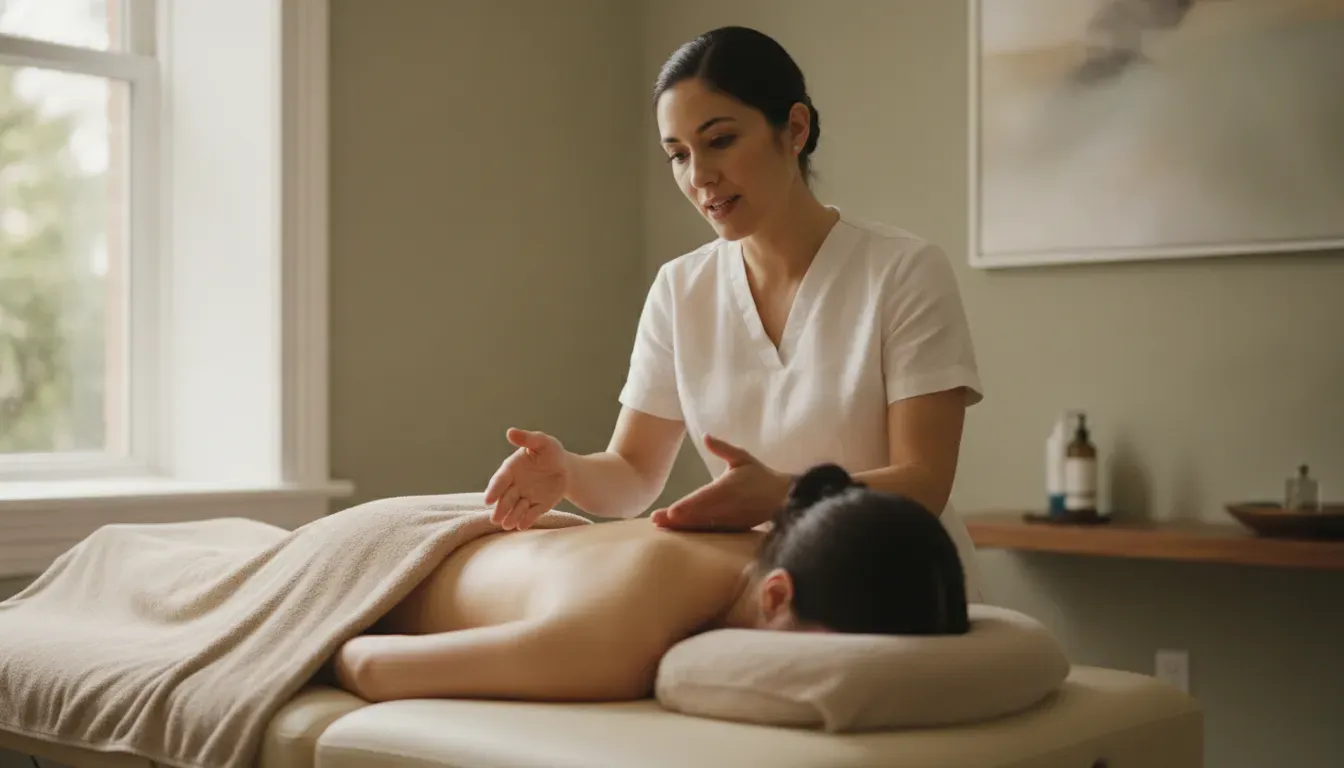

As you prepare for your baby’s arrival, your to-do list can feel endless. In all the planning, it’s easy to forget that taking care of yourself is one of the most important things you can do. Your body is working hard, and supporting it with therapeutic care can make a world of difference for your physical and mental health. A prenatal massage is a dedicated time for you to rest, reconnect with your changing body, and address the unique demands of pregnancy. It’s a powerful tool for reducing stress, easing muscle tension, and promoting better sleep, helping you feel more comfortable and centered.
Key Takeaways
- Always talk to your doctor first: Getting the green light from your healthcare provider is the most important first step, especially if you have a high-risk pregnancy. This confirms that massage is a safe and beneficial part of your prenatal care plan.
- Seek out a certified prenatal therapist: A therapist with specialized training understands the unique needs of a pregnant body. They know how to position you for comfort and safety, which techniques provide the best relief, and what areas to avoid.
- Speak up to personalize your session: Your comfort is the top priority, so communicate with your therapist about massage pressure, your positioning, or any specific aches you want them to focus on. This ensures you get a truly customized and relaxing experience.
What Is Prenatal Massage?
If you’re expecting, you know that pregnancy brings a mix of joy and, let’s be honest, some serious physical discomfort. A prenatal massage is a type of massage designed specifically for the changes your body goes through during pregnancy. Think of it as a regular massage’s thoughtful, extra-cautious cousin. The goal is to help soothe aches, ease tension in your joints and muscles, and give you a much-needed moment of relaxation.
A skilled therapist uses modified techniques to address common pregnancy complaints, from a sore lower back to swollen ankles. It’s more than just a feel-good treat; it’s a form of supportive care that can help you feel more comfortable in your changing body. A great prenatal massage can help relieve joint pain from carrying extra weight, improve circulation, and give you a peaceful space to connect with your body and baby before the big day arrives.
How It’s Different from a Regular Massage
The biggest difference between a prenatal massage and a standard one is the attention paid to your body’s specific needs. You won’t be asked to lie on your stomach. Instead, your therapist will use pillows and cushions to support you in a comfortable side-lying position. The massage itself is also adapted, focusing on areas that carry the most stress during pregnancy, like your hips, legs, and lower back.
Another key distinction is the expertise of the therapist. A certified prenatal massage therapist has received specialized training to understand the anatomy of a pregnant body. They know which areas to focus on and, more importantly, which techniques and pressure points to avoid to keep both you and your baby safe and comfortable throughout the session.
Safe Positioning for You and Your Baby
Your comfort and safety are the top priorities during a prenatal massage. The most common and recommended position is lying on your side, propped up with plenty of pillows for support. This takes all the pressure off your abdomen and lower back, allowing you to fully relax. It also ensures healthy circulation and blood flow for you and the baby, which is especially important as your pregnancy progresses.
A properly trained therapist will know how to create a supportive nest of cushions to keep your spine aligned and your hips comfortable. They will never have you lie flat on your back for an extended period, as this can put pressure on a major blood vessel and reduce blood flow. This focus on careful positioning is what makes prenatal massage a safe, effective way to find relief.
The Benefits of Prenatal Massage
Pregnancy is an incredible experience, but it also asks a lot of your body. As you focus on growing a healthy baby, it’s just as important to take care of yourself. Prenatal massage is more than just a relaxing treat; it’s a therapeutic practice that supports your physical and emotional well-being through every trimester. Think of it as a dedicated time for you to rest, reconnect with your changing body, and address the unique demands of pregnancy. While your body is busy creating life, a massage therapist can help you manage the discomfort, find a sense of calm, and feel more at home in your own skin.
Many of the changes happening are wonderful, but they can also bring stress, fatigue, and physical strain. Your muscles are stretching, your hormones are fluctuating, and your mind is preparing for a major life shift. This is where therapeutic massage comes in. It’s not about luxury; it’s about maintenance and support for your body and mind. By making massage a regular part of your prenatal care, you’re giving yourself a powerful tool for a healthier, more comfortable, and more joyful pregnancy journey. It’s an investment in your own well-being, which in turn, is an investment in your baby’s.
Find Relief from Pregnancy Aches and Pains
As your baby grows, your body adapts in ways that can lead to new aches and pains. Your center of gravity shifts, your posture changes, and the extra weight puts pressure on your back, neck, hips, and feet. A professional prenatal massage offers a safe, drug-free way to manage this discomfort. Your therapist can use specialized techniques to release tension in your shoulders, soothe a sore lower back, and even address sciatic nerve pain, which is a common complaint for many expecting mothers. It’s a gentle yet effective way to find relief and move more comfortably through your day.
Reduce Stress and Improve Your Mood
The emotional journey of pregnancy is just as significant as the physical one. It’s normal to feel a mix of excitement and anxiety as you prepare for your new arrival. Massage therapy is a wonderful way to calm your nervous system and support your mental health during this time. Research from the American Pregnancy Association shows that prenatal massage can help reduce anxiety and decrease symptoms of depression. Taking this time for yourself allows your mind to quiet down, helping you feel more centered and positive. It’s a peaceful escape that nurtures both you and your baby.
Get Better Sleep and Circulation
Getting a good night’s sleep can become more difficult as your pregnancy progresses, but it’s so important for your health. Massage helps by relaxing tense muscles and calming your mind, making it easier to drift off and stay asleep. It also supports healthy circulation, which is crucial during pregnancy. By gently encouraging blood and lymph flow, your therapist can help reduce swelling in your hands, legs, and feet. This not only feels great but also contributes to your overall well-being. With a team of highly experienced therapists, you can rest assured that you are in safe, knowledgeable hands.
Is Prenatal Massage Safe for You?
It’s completely normal to wonder about the safety of massage during pregnancy. Your body is going through incredible changes, and your top priority is keeping yourself and your baby healthy. The great news is that prenatal massage is not only safe but also highly beneficial when performed by a therapist with specialized training. A qualified professional understands the anatomy of a pregnant body and knows how to adapt their techniques to ensure your complete comfort and safety.
The key is communication and awareness. Certain health conditions might mean massage isn’t right for you at this time, and it’s always best to get the green light from your doctor before booking an appointment. Think of your doctor and your massage therapist as part of your wellness team, working together to support you through every stage of your pregnancy. By understanding when to be cautious and what to expect, you can feel confident and relaxed heading into your session.
When to Wait for a Massage
While prenatal massage is safe for most expecting mothers, there are a few situations where it’s best to hold off. If you are experiencing a high-risk pregnancy, it’s essential to get clearance from your doctor first. Conditions like preeclampsia, high blood pressure, severe swelling, or a history of preterm labor require extra caution.
Your therapist needs to be aware of any complications to provide the safest possible care. If you have any concerns at all, even if they seem minor, it’s always better to have a quick chat with your healthcare provider before scheduling your massage. Your peace of mind is just as important as your physical comfort.
Guidelines for Each Trimester
You might have heard that you should avoid massage during the first trimester, but this is a common misconception. When done by a trained therapist, a prenatal massage can be a wonderful support from the moment you get a positive test until you’re ready to deliver. In the first trimester, it can help ease stress and manage early pregnancy symptoms.
As you move into the second and third trimesters, your therapist will use pillows and cushions to keep you in a comfortable and safe side-lying position. This prevents putting any pressure on your belly or major blood vessels. The massage will be tailored to address the specific aches and pains that come with a growing baby, ensuring you get relief right where you need it most.
Why You Should Talk to Your Doctor First
Before you book your first prenatal massage, make it a point to speak with your doctor or midwife. This is the most important step you can take to ensure a safe and positive experience. Your doctor knows your health history and can advise you on whether massage therapy is a good fit for your specific pregnancy.
This is especially critical if you have a high-risk pregnancy or any underlying health concerns. As one expert guide points out, you should “always talk to your doctor before getting a prenatal massage.” Getting their approval allows your massage therapist to work with confidence, knowing they have all the information needed to provide you with the best possible care.
How to Choose the Right Prenatal Massage Therapist
Finding the right massage therapist is always important, but when you’re pregnant, it’s essential. You need someone who doesn’t just know massage, but who truly understands the unique changes your body is going through. A great prenatal massage therapist has specialized skills to provide safe, effective relief that supports both you and your baby. Taking a few extra steps to vet your therapist ensures you can fully relax, knowing you’re in expert hands.
Look for Specialized Training and Certifications
A prenatal massage is much more than a standard massage adapted for a pregnant body. It requires a deep understanding of the physiological shifts that happen during pregnancy. That’s why you should always look for a therapist with specialized training in prenatal care. This training goes beyond standard massage school, focusing specifically on the needs and safety of expecting mothers. A certified therapist knows which areas to avoid, what techniques are most effective for pregnancy-related aches, and how to position you safely. Don’t hesitate to ask about a therapist’s credentials; our team of professionals is always happy to share their qualifications.
Questions to Ask Before You Book
Feeling confident in your choice comes from asking the right questions. Before booking, have a quick chat with the studio or therapist. A knowledgeable professional will be happy to answer your questions and put your mind at ease. Here are a few things you can ask:
- What specific prenatal massage training have you completed?
- How many pregnant clients do you typically see?
- How will you position me for comfort and safety?
- Are there any techniques or areas you avoid during pregnancy?
Asking these questions helps you gauge their expertise and ensures they can provide the best possible prenatal massage for you.
Check Their Experience with Expecting Mothers
While certification is the foundation, hands-on experience is just as crucial. A therapist who regularly works with pregnant clients has a practical understanding that can’t be learned from a textbook. They’ve seen firsthand how to address common issues like sciatic pain, lower back tension, and swelling in the legs and feet. An experienced therapist is also more adept at adjusting the massage to your specific needs, which can change from one trimester to the next. When you choose a therapist who specializes in this work, you’re getting someone who is passionate about supporting mothers-to-be and knows how to create a comfortable session.
What to Expect During Your Prenatal Massage
Walking into your first prenatal massage can feel a little uncertain, especially when you’re focused on keeping yourself and your baby safe. Knowing what to expect helps you relax and fully enjoy the experience. A professional prenatal massage is designed entirely around your comfort and well-being. From the way you’re positioned to the specific techniques used, every detail is tailored to the needs of pregnancy. Your therapist is there to support you, so clear communication is key to getting the relief you need.
Getting Comfortable: Positioning and Support
First things first, you won’t be lying on your stomach. Instead, you’ll be comfortably positioned on your side, supported by pillows and bolsters. This setup takes pressure off your lower back and hips while keeping your spine aligned. Our trained prenatal massage therapists understand the anatomical shifts you’re going through. They know exactly how to arrange the cushions to support your belly and joints, ensuring you and your baby are secure and relaxed throughout the entire session. This careful positioning allows the therapist to work on your muscles effectively without putting any strain on your body.
Massage Techniques and Pressure
The techniques in a prenatal massage differ from a standard deep tissue session. The goal is to provide safe relief from pregnancy discomforts. Your therapist will use gentle, flowing strokes, often adapted from Swedish massage, to soothe sore muscles and improve circulation. While you might crave deep pressure, a prenatal massage therapist will use a lighter touch, especially on your legs. This is a critical safety measure to prevent dislodging blood clots, which can be a higher risk during pregnancy. The focus is always on gentle relief, not intense muscle work, ensuring the experience is both relaxing and beneficial.
Communicating with Your Therapist
Your comfort is the top priority, and open communication is essential. Don’t hesitate to speak up if anything feels uncomfortable, whether it’s the pressure, the room temperature, or your position. A great therapist will check in with you, but you should always feel empowered to share feedback. Before the session, your therapist will ask about any specific aches or sensitive areas. This is your chance to guide the session. Our team of experienced therapists is dedicated to creating a personalized experience that addresses your unique needs and helps you feel your best.
Techniques to Relieve Common Pregnancy Pains
A great prenatal massage is more than just a gentle back rub. Your therapist will use specific techniques designed to address the unique aches and pains that come with carrying a baby. From a sore lower back to swollen ankles, every part of the massage is tailored to provide safe and effective relief. A properly trained therapist understands the anatomy and physiology of a pregnant body, allowing them to target problem areas without putting any strain on you or your baby. These methods focus on easing tension, improving circulation, and promoting deep relaxation, ensuring you leave feeling lighter and more comfortable.
Your therapist will draw from several modalities, adapting them to your specific needs and stage of pregnancy. It’s a thoughtful approach that ensures you feel deeply cared for. For example, they know which areas to avoid and how to apply pressure safely to spots like the lower back and legs, where you might be holding extra tension from the added weight. They also understand how to manage common issues like sciatica and swelling with specialized strokes that encourage fluid movement and release nerve pressure. This level of expertise is what separates a truly therapeutic prenatal massage from a standard one. Below are a few of the core techniques you can expect during your session.
Adapting Swedish Massage for Pregnancy
One of the most common and effective techniques used in prenatal massage is an adaptation of Swedish massage. This style uses long, gliding strokes with gentle to medium pressure to soothe sore muscles and calm the nervous system. For expecting mothers, this technique is ideal because it helps improve blood flow to both you and your baby, reduces muscle tension in the back and legs, and can even help decrease stress hormones. It’s a wonderfully relaxing foundation for any prenatal session, providing all-over relief without using deep, targeted pressure that might be uncomfortable or unsafe in certain areas.
Using Side-Lying Positions for Comfort
Since lying face-down is not an option, your therapist will have you rest in a side-lying position. This is the safest and most comfortable way to receive a massage during pregnancy. You’ll be supported by a system of soft cushions and pillows, strategically placed to support your growing belly, align your spine, and take pressure off your hips and lower back. This secure setup not only keeps you and your baby safe by avoiding pressure on the abdomen and key blood vessels, but it also allows your therapist to easily access the muscles in your back, shoulders, and hips that often need the most attention.
Targeting Swelling with Gentle Pressure
Many expecting mothers experience swelling in their legs, ankles, and feet, a condition known as edema. Your therapist can use light, rhythmic strokes directed toward the heart to help reduce this fluid retention and improve circulation. This gentle pressure can also provide immense relief for sciatica, a sharp pain that can run from the lower back down the leg. By carefully working on the muscles in the hips, glutes, and lower back, your therapist can help release the tension that contributes to this common pregnancy complaint. All of our massage services are performed by experts who know how to adjust pressure for your specific needs.
How Often Should You Get a Prenatal Massage?
So, you’re sold on the benefits, but how often should you actually book a prenatal massage? The simple answer is that it depends on you. Every pregnancy is different, and your needs will change as you move through each trimester. While there’s no magic number, establishing a regular schedule can make a huge difference in managing discomfort and keeping stress levels low. Think of it as consistent maintenance for your body during a time of incredible change. Working with your therapist to figure out a rhythm that feels right for you is key to getting the most out of your sessions.
Our Recommendations by Trimester
As your body changes, so will your massage needs. Here’s a general timeline you can use as a starting point to discuss with your therapist and doctor.
- First Trimester (Weeks 1–12): Once you have your doctor’s okay, a massage every three to four weeks can help your body adjust to hormonal shifts and ease early pregnancy anxiety.
- Second Trimester (Weeks 13–27): This is often called the “honeymoon” phase, but new aches can still pop up. Scheduling a session every two to three weeks helps manage back pain and improves circulation for you and your baby.
- Third Trimester (Weeks 28–Birth): As you get closer to your due date, weekly massages can be a game-changer for managing sciatic pain, reducing swelling in your legs and feet, and preparing your body for labor.
Creating a Custom Treatment Plan
These recommendations are just a guide. The most important thing is to listen to your body and work with a professional who understands the unique demands of pregnancy. A qualified prenatal massage therapist does more than just provide a relaxing service; they create a treatment plan tailored specifically to you. Our certified prenatal massage therapists will talk with you about your specific aches and concerns to develop a schedule that supports your well-being throughout your entire pregnancy journey. This personalized approach ensures you receive safe, effective, and deeply comforting care when you need it most.
Common Myths About Prenatal Massage
Pregnancy comes with a lot of advice, and it can be tough to separate fact from fiction. When it comes to massage, a few persistent myths might make you hesitant to book an appointment. Let’s clear up some of the most common misconceptions so you can feel confident about getting the care you deserve.
Is First-Trimester Massage Really Unsafe?
Let’s start with the big one. You may have heard that you should avoid massage during your first trimester. This is probably the most common myth out there, and it often comes from a place of caution, since the first 12 weeks are the most delicate. The truth is, a prenatal massage from a therapist with specialized training is perfectly safe at any stage of pregnancy. According to the American Pregnancy Association, the key is finding a certified therapist who understands the specific needs of an expecting mother. They know which techniques to use and which areas to avoid to ensure both you and your baby are safe and comfortable. So, you don’t have to wait to get the relief you need.
Can You Still Get Deep Pressure?
Another common misconception is that prenatal massage has to be a super light, fluffy experience. While your therapist will avoid deep pressure on certain areas, like your abdomen or legs, that doesn’t mean the entire massage is limited to gentle strokes. Many women experience intense tension in their hips, lower back, and shoulders during pregnancy, and firm, therapeutic pressure can provide incredible relief. A skilled therapist knows how to apply the right amount of pressure safely. The key is open communication. Always let your therapist know if the pressure feels right for you. They can adjust their technique to meet your needs while keeping you and your baby completely safe.
How to Prepare for Your First Appointment
Getting ready for your first prenatal massage is simple, but a little preparation can make your experience even more relaxing and effective. The goal is to walk in feeling confident and leave feeling completely refreshed. It all starts with clear communication and prioritizing your own comfort from the moment you arrive. Think of this appointment as dedicated time for you and your well-being, and we’re here to make sure you get the most out of it.
What to Share with Your Therapist
Open communication with your massage therapist is the key to a great session. Before the massage begins, we’ll chat about your specific needs. Be ready to share how far along you are, any areas where you’re feeling aches or tension, and any pregnancy-related conditions you might have, like sciatica or swelling. It’s also important to mention any medical history your doctor has advised you to share. Our highly trained and highly experienced therapists understand the unique changes your body is going through and will use this information to tailor the prenatal massage just for you. Don’t be shy about your preferences for pressure, either. This is your time, and we want you to feel completely at ease.
Tips for Your Comfort
Your comfort is our top priority from start to finish. We recommend arriving a few minutes early to settle in without feeling rushed. It’s also a good idea to be well-hydrated, so drink some water before you come and plan to drink more after your session to help flush out toxins. Wear whatever feels comfortable for you. During the massage, you will be modestly draped at all times, and you should only undress to your personal comfort level. Most importantly, please speak up during your appointment. If the pressure is too much or not enough, if you need another pillow, or if you’re feeling chilly, let your therapist know. We can make adjustments anytime to ensure your experience is perfectly relaxing.
Related Articles
Frequently Asked Questions
Is it really safe to get a massage during my first trimester? Yes, it is safe to receive a massage during your first trimester, provided it is from a therapist with specialized certification in prenatal care. This is a common myth, but a trained professional understands how to support your body and avoid any techniques that could be harmful. In fact, a massage during this time can be a wonderful way to manage stress and ease into the changes of early pregnancy.
How is a prenatal massage different from a regular massage? A prenatal massage is tailored specifically for the anatomical changes of pregnancy. The biggest differences are positioning and technique. You will be comfortably supported on your side with pillows instead of lying on your stomach, and your therapist will use methods that are safe for you and the baby. They have advanced training to know which areas require a gentle touch and which pressure points to avoid entirely.
What if I have a high-risk pregnancy or other health issues? Your safety is the number one priority. If you have a high-risk pregnancy or any other medical concerns, it is essential to speak with your doctor or midwife before booking a massage. Once you have their approval, be sure to share that information with your therapist. This ensures everyone is on the same page and that your massage can be safely customized to your specific health needs.
Do I need to lie on my stomach? Absolutely not. A professional prenatal massage therapist will never ask you to lie on your stomach. You will be positioned comfortably on your side with a system of pillows and cushions to support your belly, back, and hips. This position keeps you and your baby safe, takes all pressure off your abdomen, and allows the therapist to effectively address tension in your back and shoulders.
Can I book a prenatal massage as part of a couples massage? Yes, you can. A couples massage is a wonderful way to connect with your partner before your new arrival, and we can easily incorporate a prenatal massage into that experience. While one of you receives a specialized prenatal massage, your partner can enjoy any of our other services, like a deep tissue or Swedish massage, right alongside you.