
New wellness trends can sometimes sound a little far-fetched, and it’s smart to be skeptical. When you hear about adding light to a massage, you might wonder if it’s just a gimmick. But this isn’t about mood lighting; it’s about proven science. The combination of red light therapy and massage is a therapeutic approach grounded in how our bodies actually work. The specific wavelengths of light stimulate your cells to produce more energy, which they use to repair tissue and reduce inflammation. It’s a gentle, non-invasive way to support the hands-on work of your therapist, leading to faster recovery and more significant relief.
Key Takeaways
- A Powerful Wellness Partnership: Red light therapy and massage create a synergistic effect for healing. The light warms your muscles and supports cellular repair, allowing your therapist to work more effectively, while the massage improves circulation and releases tension for enhanced results.
- More Than Just Muscle Relief: This combination helps speed up muscle recovery, reduce inflammation, and ease pain. It also calms your nervous system, which can lead to a deeper state of relaxation during your session and contribute to better sleep quality afterward.
- Your Safety and Comfort Come First: To get the most out of your session, choose a licensed massage therapist who is knowledgeable about red light therapy. Always discuss your health history and any medications you are taking to ensure the treatment is a safe and appropriate choice for you.
What is Red Light Therapy and How Does It Complement Massage?
You may have heard about red light therapy as a treatment for skin, but its benefits go much deeper, especially when paired with massage. Think of it as a gentle, non-invasive treatment that uses specific wavelengths of red and near-infrared light to support your body’s natural healing processes. It’s a quiet, relaxing experience that feels like soaking in a warm, soothing light.
When you combine this innovative therapy with the skilled hands of a massage therapist, the results can be remarkable. The light helps prepare your body for the massage, and the massage can amplify the healing effects of the light. Together, they create a powerful wellness experience that addresses pain, inflammation, and stress on multiple levels. It’s a perfect addition to a therapeutic service like a deep tissue massage or a relaxing Swedish session.
How Red Light Therapy Works on a Cellular Level
So, what’s happening when that red light shines on your skin? It’s actually working at a cellular level. The light penetrates your skin and is absorbed by the mitochondria, which are the tiny “powerhouses” inside your cells. This process encourages the mitochondria to produce more ATP (adenosine triphosphate), which is the main source of energy for your cells.
With more energy, your cells can function more efficiently. This means they can repair damage, regenerate new tissue, and reduce inflammation more effectively. Studies have shown this can lead to faster wound healing and better overall tissue health. Essentially, red light therapy gives your cells the fuel they need to do their best work, helping your body heal itself from the inside out.
The Synergistic Effect of Light and Touch
Combining red light therapy with massage creates a synergistic effect where each treatment enhances the other. Using red light before a massage session can help warm up and relax your muscles, making them more pliable and receptive to treatment. This allows your therapist to work more deeply and effectively without as much pressure, which can be especially helpful for chronic tension.
This combination is fantastic for recovery. The red light helps with cellular repair, while the massage improves circulation, flushing out metabolic waste and bringing fresh, oxygenated blood to the area. Clients often report a deeper sense of relaxation and ease during and after their sessions. It’s a one-two punch against muscle soreness and stress, helping you feel better faster and making the benefits of your massage last even longer.
What Are the Benefits of Combining Red Light Therapy with Massage?
Think of red light therapy as a supportive partner to your massage. While a great massage already does wonders for your body and mind, adding red light therapy can amplify those positive effects, helping you feel better faster and for longer. This combination works on a deeper, cellular level to prepare your body for treatment and extend the benefits well after you’ve left the table.
When used together, these two therapies create a powerful synergy. The red light warms and relaxes your muscles, which allows your therapist to work more effectively and address tension with greater ease. At the same time, the massage stimulates circulation, helping the light penetrate more deeply into your tissues. This dual-action approach targets everything from sore muscles and stiff joints to stress and fatigue. It’s a gentle, non-invasive way to get more from your self-care routine and support your body’s natural healing processes. Many of our clients find it helps them reach their wellness goals, whether that’s recovering from an injury or simply finding a deeper state of calm.
Accelerate Muscle Recovery and Relieve Pain
If you’re dealing with sore muscles from a tough workout or the aches of a physically demanding job, combining red light therapy with massage can be a game-changer. The light works at a cellular level to speed up repair, reduce swelling, and improve blood flow to tired muscles. This process helps your body heal more efficiently. When paired with a therapeutic deep tissue massage, the benefits are even greater. The massage releases knots and tension while the red light helps flush out metabolic waste, leading to less pain, reduced soreness, and a quicker return to feeling your best.
Improve Blood Flow and Circulation
Healthy circulation is essential for healing, as it delivers oxygen and vital nutrients to your body’s tissues. Red light therapy gives your circulatory system a gentle nudge, widening blood vessels and improving flow. Using red light before your session can warm up your muscles, making them more pliable and receptive to massage. This pre-treatment preparation allows your therapist to address deeper layers of tissue more effectively. With better blood flow, every knead and stroke of your massage becomes more productive, helping to release stubborn tension and promote a sense of revitalization throughout your entire body.
Reduce Inflammation for Faster Healing
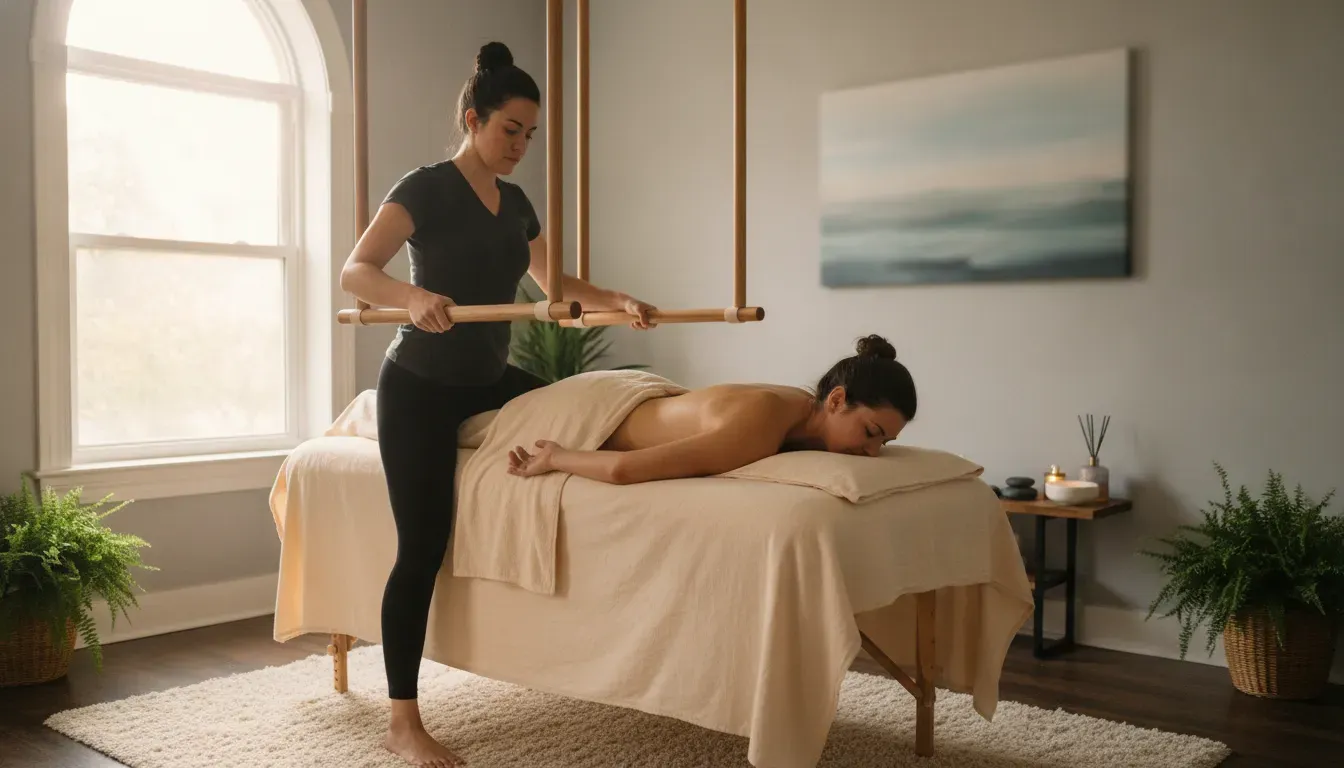
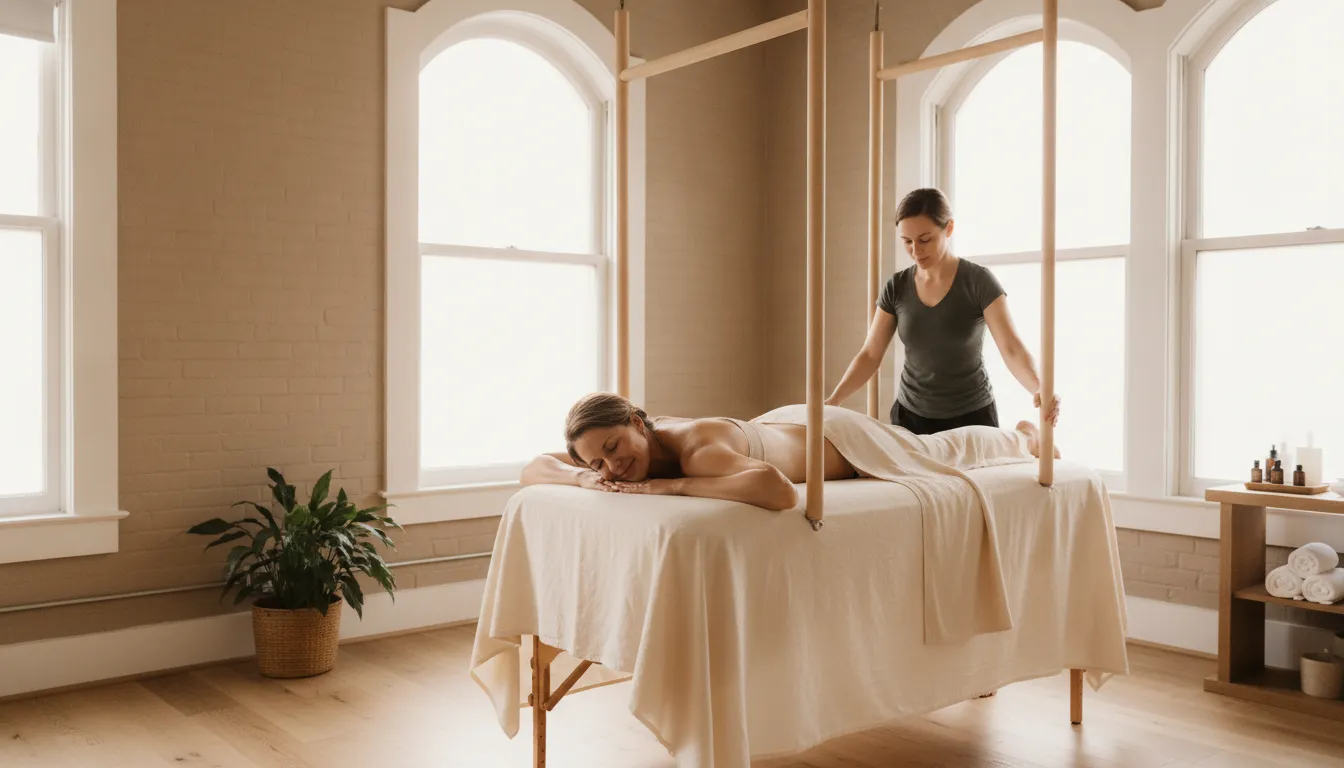
Inflammation is a natural part of the healing process, but when it becomes chronic, it can lead to persistent pain and stiffness. Red light therapy is known to help lower inflammation by reducing the presence of inflammatory molecules in the body. This can provide significant relief for those with conditions like arthritis or tendonitis, as well as anyone recovering from an injury. When you combine this with a specialized treatment like Ashiatsu Deepfeet Bar Therapy, which uses deep, consistent pressure to soothe inflamed tissues, you get a powerful approach to managing discomfort and supporting long-term healing.
Deepen Relaxation and Enhance Sleep
The benefits of this combination go beyond the physical. The gentle, soothing warmth of red light therapy helps calm your nervous system, easing you into a profound state of relaxation before your massage even begins. Many people report a greater sense of ease and tranquility during their session. This deep relaxation doesn’t just feel good in the moment; it can also lead to better sleep quality later that night. By quieting both your mind and body, this pairing helps reset your internal clock, making it a wonderful addition to a relaxing couples massage or any session aimed at melting away stress.
What Red Light Therapy Devices Are Used with Massage?
When you hear “red light therapy,” you might picture different things. That’s because the technology comes in several forms, each designed for a specific purpose. In a massage setting, a therapist will choose a device based on your unique needs and the goals for your session. Whether you need focused attention on a nagging knot or a full-body wellness experience, there’s a device that’s right for the job. Let’s look at the most common types.
Handheld Devices for Targeted Relief
Handheld devices are the precision tools of red light therapy. Think of them as a spotlight for healing, allowing your massage therapist to concentrate light on a specific area. If you have a stubborn knot in your shoulder or a tight spot in your calf, a handheld device delivers targeted energy right where it’s needed most. They are portable and easy to maneuver, making them perfect for integrating into a hands-on massage. This focused approach is ideal for addressing acute pain, helping to release tension and prepare the muscle tissue for deeper work during your deep tissue massage.
Full-Body Panels for Comprehensive Treatment
For a more comprehensive experience, therapists use full-body panels. These large units are designed to provide extensive coverage, treating your entire body at once. They often emit both red and near-infrared light, which can penetrate deeper into your tissues to support overall wellness and recovery. This approach is less about one specific ache and more about creating a systemic effect, like reducing inflammation and promoting deep relaxation. A session with a full-body red light therapy panel before or after your massage can prepare your body for treatment or help you soak in the benefits long after you’ve left the table.
Portable Pads for Versatile Application
Portable pads offer a great middle ground, providing more coverage than a handheld device but more versatility than a large panel. These flexible pads can be wrapped around a leg or arm, laid across your lower back, or placed on your abdomen. Their adaptability makes them a fantastic tool for a massage therapist, as they can be applied to various parts of the body while you’re comfortably lying down. This makes them a convenient and effective option for enhancing red light massage therapy, allowing you to receive the benefits of the light while your therapist works on other areas.
Which Massages Pair Best with Red Light Therapy?
Red light therapy can be a fantastic addition to almost any massage, but certain pairings really shine. Think of it like choosing the right wine for your meal; the right combination can create an experience that’s greater than the sum of its parts. Whether you’re looking for deep muscle relief, specialized therapeutic work, or gentle support, there’s a massage pairing that can help you get the most out of your session.
Enhancing Deep Tissue and Swedish Massage
If you’re a fan of classic massage styles, you’ll love what red light therapy brings to the table. When used before or during a Deep Tissue or Swedish Massage, the light gently warms your muscles and improves circulation. This preparation allows your therapist to work more effectively, releasing knots and tension with greater ease. The therapy also works on a cellular level to reduce inflammation, which means you’ll likely experience less soreness afterward. This combination helps your body recover faster and extends the feel-good benefits of your massage long after you’ve left the studio.
Complementing Ashiatsu and Other Specialized Modalities
Specialized treatments like Ashiatsu Deepfeet Bar Therapy deliver deep, consistent pressure to release chronic tension. Pairing this powerful modality with red light therapy is a game-changer. The light helps soothe inflammation and supports your body’s natural healing processes, making the deep work of Ashiatsu even more effective. It’s an excellent way to address persistent aches and pains. By preparing the tissue and calming the area, red light therapy allows the therapist to achieve profound results, helping your body find balance and relief from stubborn discomfort.
Applications for Prenatal and Therapeutic Massage
For those needing gentle yet effective care, like expectant mothers, red light therapy is a wonderful complement to a Prenatal Massage. Pregnancy often brings joint aches and discomfort, and red light can provide a deeper sense of relief than massage alone. It’s a non-invasive way to soothe sore spots, especially in the lower back and hips. This pairing enhances overall comfort and supports your well-being during a time when your body is working overtime. It’s a safe, supportive way to make your therapeutic massage experience even more restorative.
How is Red Light Therapy Used in a Massage Session?
Integrating red light therapy into a massage isn’t a one-size-fits-all approach. Think of it as a versatile tool your therapist can use to customize your session for maximum results. Depending on your specific needs and goals, the light can be applied before, during, or after your massage. Each timing offers unique benefits, working with the massage to prepare your muscles, enhance the therapeutic effects, and support your body’s recovery process long after you’ve left the table. This flexibility allows your therapist to create a truly personalized experience that addresses everything from chronic pain to general stress relief.
Preparing Your Body Before the Massage
Using red light therapy before your massage is like doing a warm-up before a workout. It gently prepares your muscles for the work ahead. The light energy penetrates your skin, helping to increase circulation and relax tight muscle tissue. When your muscles are more pliable and relaxed from the start, your therapist can work more deeply and effectively without needing to apply as much intense pressure. This pre-session treatment can make your entire experience more comfortable and productive, especially if you’re coming in with a lot of tension or are looking for a deep tissue massage. It sets the stage for a more profound release.
Incorporating Light During the Session
Red light therapy can also be used directly during your massage to target specific problem areas. As your therapist works on a knot in your shoulder, for example, they might simultaneously apply a red light device to that same area. This combination of light and touch creates a powerful synergistic effect. The massage manually releases tension and improves blood flow, while the red light works at a cellular level to encourage repair and reduce inflammation. This dual-action approach can make the hands-on work even more effective, helping to soothe stubborn pain and accelerate your body’s natural healing mechanisms. It’s a great way to get more out of all our massage services.
Supporting Recovery After the Massage
Applying red light therapy after your massage is a wonderful way to extend the benefits of your session. Once your muscles have been worked on, the light can help soothe any potential soreness, reduce inflammation, and speed up tissue repair. This post-massage application helps your body recover more quickly and can make the relaxing, pain-relieving effects of the massage last longer. It’s particularly beneficial for deep and specific modalities like Ashiatsu Deepfeet Bar Therapy, as it supports the healing of the deeper muscle layers. Think of it as the perfect finishing touch that helps lock in all the therapeutic benefits of your treatment.
Is Red Light Therapy Safe to Use with Massage?
Red light therapy is widely considered a safe, gentle, and non-invasive treatment, which is why it pairs so well with therapeutic massage. For most people, it’s a fantastic way to enhance a massage session. However, your health and safety are always the top priority. Like any wellness treatment, it’s smart to know if it’s the right fit for you. Before adding red light to your routine, there are a few things to consider, especially if you have certain health conditions or are taking specific medications.
Who Should Be Cautious with Red Light Therapy
While red light therapy is gentle, it can increase your skin’s sensitivity if you have certain pre-existing conditions. It’s important to be open about your health history with your massage therapist. If you have any conditions that affect your skin or make you sensitive to light, you should proceed with caution. The best first step is always to have a conversation with your doctor. They can give you personalized advice based on your health profile. A quick chat with a healthcare professional ensures you can relax and enjoy your treatment without any worries.
Potential Medication Interactions
Certain medications can make your skin more sensitive to light, a side effect known as photosensitivity. Some antibiotics, for example, fall into this category. If you’re taking any prescription medications, it’s a great idea to check with your doctor or pharmacist before trying red light therapy. Additionally, anyone undergoing treatment for cancer should get clearance from their oncologist before using red light therapy to ensure it doesn’t interfere with their care plan. Open communication with your healthcare team is key to safely incorporating new therapies into your wellness routine.
Safety Guidelines and Best Practices
The great news is that red light therapy has a very low risk of side effects for most people. The golden rule is to be informed and communicative. Always disclose your full health history and any medications you’re taking to your massage therapist. At Nola Bliss, our licensed therapists are trained to conduct thorough intakes to ensure every treatment is safe and customized for you. Consulting with your healthcare provider beforehand is also a recommended step, especially if you have specific skin concerns or underlying health conditions. This ensures your experience is both effective and perfectly safe.
What Are Common Myths About Red Light Therapy and Massage?
As red light therapy becomes more popular, a lot of misinformation has started to circulate. It’s easy to get confused about what’s true and what’s just noise. Let’s clear up a few common myths so you can feel confident about adding this gentle, effective treatment to your wellness routine.
Myth: All Red Light Devices Are the Same
It’s easy to assume that one red light lamp is just like any other, but that’s far from the truth. The effectiveness and safety of a device depend heavily on its quality, power output, and the specific wavelengths of light it emits. Professional-grade equipment used in a therapeutic setting is carefully calibrated and tested to deliver consistent results. At a professional studio, you can trust that the equipment is high-quality and designed for therapeutic use. Investing in your health means choosing a provider who invests in safe, effective technology to support their massage services.
Myth: It’s a Risky or Intense Treatment
The word “therapy” can sometimes sound intense, but red light therapy is actually very gentle and non-invasive. Unlike the sun’s damaging UV rays, it uses low-level light that safely penetrates the skin without burning or harming it. Most people simply feel a pleasant, subtle warmth during the session. There’s no pain or discomfort involved. When administered by a trained professional, it’s a safe and relaxing addition to your massage. It’s simply a tool to support your body’s natural healing processes without any significant risks or downtime.
Myth: You’ll See Results Instantly
While you’ll likely feel more relaxed right after your session, the full benefits of red light therapy aren’t instantaneous. The therapy works by stimulating healing at a cellular level, a process that takes time and consistency. Think of it like starting a new fitness routine; you don’t see major changes after just one workout. Your results will depend on your specific goals, the condition being treated, and your body’s unique response. For lasting relief from pain or inflammation, incorporating red light therapy into your regular deep tissue massage sessions is the best approach for cumulative benefits.
Where Can You Experience Red Light Therapy with Massage?
Combining red light therapy with massage is an innovative approach to wellness, so you’ll typically find it at studios that prioritize therapeutic results over simple relaxation. These professional spas and wellness centers are often at the forefront of bodywork, investing in new technologies to give their clients the best possible outcomes. Because this combination is so effective for recovery and pain management, it’s a great indicator that a studio is serious about healing. When you find a place that offers this service, it often means they have a team of therapists dedicated to their craft and committed to helping you achieve long-term relief and well-being.
Finding a Professional Spa or Wellness Center
As more people discover the benefits of red light therapy, you’ll find it offered at forward-thinking spas and wellness centers dedicated to deep, therapeutic healing. These aren’t your typical day spas; they are studios focused on delivering tangible results. Adding red light therapy helps them provide more effective therapeutic massage services that reduce pain, improve circulation, and speed up tissue repair. When a studio invests in this technology, it’s a good sign they are committed to offering the latest, most effective treatments. It shows they care about helping you feel your best, not just for an hour on the table, but long after you’ve left.
What to Look for in a Qualified Provider
When you’re ready to try this combination, it’s important to find the right professional. Look for a provider who is not only a licensed massage therapist but also has specific training in red light therapy. Don’t hesitate to ask about their experience and the equipment they use. A quality provider will use professional-grade, FDA-cleared devices to ensure both safety and effectiveness. Your comfort and health are the top priorities, so it’s also wise to check with your doctor before your session if you have any health concerns. The best studios are staffed by highly trained and highly experienced therapists who can confidently answer your questions and customize the treatment for you.
What is the Cost of Red Light Therapy with Massage?
When you’re ready to try red light therapy with your massage, one of the first questions you’ll likely have is about the cost. The price can vary quite a bit, depending on whether you opt for a professional session or invest in a device for home use. Let’s look at both options so you can decide what works best for your wellness goals and budget.
Comparing Professional Services to At-Home Devices
Investing in a red light therapy device for home use gives you the freedom to have a session whenever you like. This convenience is great if you want to make it a part of your daily routine. If you go this route, it’s a good idea to choose a device that is FDA-cleared to ensure it meets safety and quality standards. On the other hand, a professional setting like a massage studio provides access to powerful, medical-grade equipment. These devices are often more potent than what’s available for home use, potentially leading to more significant results. While it involves a per-session cost, you’re paying for top-tier technology and the expertise of a trained provider who can integrate it seamlessly into your massage.
Finding Package Deals and Memberships
Many massage studios now offer red light therapy as an add-on service, making it simple to combine with your favorite massage. At NOLA Bliss, we’ve integrated medical-grade red light therapy into our offerings because it’s fantastic for reducing inflammation and soothing aches, making it a perfect partner for a therapeutic massage. To make regular sessions more affordable, look for package deals or memberships. This is a great way to commit to your wellness without breaking the bank. For example, we offer options like session packs and even an unlimited monthly membership, which can bring the cost down significantly. These packages allow you to experience the cumulative benefits of consistent red light therapy and massage.
How to Choose the Right Provider for You
When you’re ready to combine red light therapy with massage, finding the right professional is key to a safe and effective experience. This isn’t just about getting a good massage; it’s about entrusting someone with a specialized therapy that affects your body on a cellular level. A great provider will not only be a skilled massage therapist but also knowledgeable about the science and application of red light therapy. They should be able to answer your questions clearly and make you feel completely comfortable.
The best practitioners take the time to understand your unique health profile and wellness goals before you even get on the table. They will conduct a thorough intake to discuss your medical history, current concerns, and what you hope to achieve. This initial conversation is crucial for tailoring the session to your specific needs and ensuring the treatment is right for you. Look for a studio that prides itself on its team of highly trained therapists who are dedicated to their craft. A provider’s transparency, expertise, and commitment to personalized care are the hallmarks of a quality experience that delivers real results.
Key Questions to Ask Your Therapist
Don’t hesitate to ask questions before booking a session. A confident and qualified therapist will welcome your curiosity and provide clear answers. Start with these to get the conversation going:
- What is your experience and training with red light therapy?
- How do you decide when and how to incorporate it into a massage?
- What specific benefits might I expect for my concerns (e.g., muscle pain, inflammation)?
- Is red light therapy safe for me, considering my health conditions?
It’s especially important to discuss any pre-existing conditions, medications, or skin sensitivities. A responsible therapist will always prioritize your safety and confirm if the treatment is a good fit for you.
Verifying Certifications and Training
When you’re receiving any kind of bodywork, you want to know you’re in capable hands. First, confirm that your practitioner is a Licensed Massage Therapist (LMT). This ensures they have met professional standards for training and ethics. Next, inquire about their specific knowledge of red light therapy. While formal certifications in this area are still emerging, a dedicated therapist will have pursued continuing education on the topic. You should also ask about the equipment they use. Using FDA-cleared devices is important for safety and trust, as it means the technology has been reviewed for performance and security.
Finding a Practitioner You Can Trust
Ultimately, the best therapeutic relationships are built on trust. From your first interaction, you should feel heard, respected, and cared for. A trustworthy practitioner will conduct a detailed consultation to understand your complete health profile and ensure red light therapy is a safe choice for your specific circumstances. They should be able to explain the process clearly and set realistic expectations for your results. Reading reviews and testimonials can offer insight into other clients’ experiences. When you find a provider who is both skilled and genuinely invested in your well-being, you can relax and fully embrace the healing benefits of your massage session.
Related Articles
- Red Light Therapy | Nola Bliss Massage Therapy
- Couples Massage | Nola Bliss Massage Therapy
- Massage Services | Nola Bliss Massage Therapy
Frequently Asked Questions
What does red light therapy actually feel like? It’s a very gentle and relaxing experience. Most people describe feeling a subtle, pleasant warmth on their skin where the light is applied. There is no pain, discomfort, or intense heat involved. The sensation is quite soothing and helps prepare your mind and body for the massage, allowing you to sink into a deeper state of calm from the very start of your session.
How often should I combine red light therapy with my massage for the best results? The ideal frequency depends on your personal wellness goals. If you are addressing a specific issue like chronic pain or recovering from an injury, you will likely see the most benefit by adding it to your massage on a consistent basis, such as weekly or bi-weekly. For general stress relief and maintenance, incorporating it into your monthly massage is a fantastic way to support your overall well-being.
Is red light therapy safe for my skin? I’m worried about light exposure. That’s a very common question. Red light therapy is quite safe for the skin because it does not contain the damaging ultraviolet (UV) rays found in sunlight. The specific wavelengths of light used are non-invasive and work to support your body’s natural healing processes without burning or harming tissue. It is a gentle therapy designed to be restorative, not damaging.
Can I add red light therapy to my prenatal massage? Yes, red light therapy can be a wonderful and supportive addition to a prenatal massage. It offers a gentle, non-invasive way to soothe the common aches that can accompany pregnancy, particularly in the hips and lower back. As with any new treatment during pregnancy, we always recommend that you speak with your doctor first to make sure it is a good fit for you.
How long will it take to notice a difference from this combination? You will likely feel more relaxed and notice that your muscles feel looser during your very first session. The deeper, more lasting benefits, such as reduced inflammation and improved tissue repair, are cumulative. This means the results build over time with consistent treatment. Think of it as a supportive practice; the more regularly you do it, the more profound and lasting the effects will be.