That persistent ache in your lower back, the tension that lives in your shoulders, the mental fog that follows a stressful week—these aren’t things you just have to live with. While a single massage can offer temporary relief, creating a consistent routine is a powerful strategy for addressing these issues at their source. It works on a physiological level to calm your nervous system, reduce inflammation, and release chronic muscle patterns that contribute to your discomfort. This is where the true regular massage benefits come to life, moving you beyond a quick fix toward lasting wellness and resilience. Let’s explore how this practice can fundamentally change your relationship with your body, helping you manage pain and stress more effectively.
Key Takeaways
- Make massage a consistent part of your wellness plan: The greatest benefits, like lasting pain relief and better stress management, come from regular sessions that build on each other over time.
- Address both physical and mental well-being: Massage works on a physiological level to lower stress hormones, calm your nervous system, and release muscle tension, making it a powerful tool for your overall health.
- Customize your approach for the best results: The right massage depends on your goals, so communicate openly with a licensed therapist to choose the best techniques and schedule for your specific needs.
What Are the Benefits of Regular Massage?
Thinking of massage as just a once-in-a-while treat is a common mistake. While a single session can feel amazing, the real magic happens when you make it a consistent part of your wellness routine. Regular massage isn’t about luxury; it’s about investing in your long-term physical and mental health. When you commit to consistent bodywork, the benefits build on each other, creating a cumulative effect that can transform how you feel every day.
From easing chronic aches and pains to helping you manage stress, regular massage therapy works to bring your body back into balance. It can improve your circulation, help you sleep more soundly, and even support your immune system. Whether you’re an athlete pushing your limits, a professional dealing with daily stress, or someone simply looking to feel more comfortable in your own skin, creating a routine can make all the difference. Think of it as essential maintenance for your body, helping you feel more resilient, relaxed, and ready for whatever life throws your way. At Nola Bliss, our team of therapists is dedicated to creating a personalized plan that helps you achieve these lasting benefits. We see firsthand how clients who come in regularly experience profound changes, moving beyond temporary relief to find lasting solutions for their wellness goals.
Improve Your Physical Health
When you get massages regularly, you give your body a consistent opportunity to heal and realign. This practice is fantastic for reducing muscle tension and stiffness, which can lead to greater flexibility and a better range of motion. According to the Mayo Clinic Health System, consistent sessions also improve circulation, which helps deliver oxygen and nutrients to your tissues and organs. This can help with everything from managing low-back pain to relieving tension headaches. Whether you need the targeted work of a deep tissue massage or the broad, deep pressure of Ashiatsu, making it a habit helps your body function at its best.
Support Your Mental Well-being
Life can be stressful, and that tension often settles in our bodies as tight shoulders or a clenched jaw. Regular massage is a powerful tool for managing your mental and emotional health. It works by lowering cortisol, your body’s main stress hormone, while encouraging the release of endorphins, serotonin, and dopamine, which are chemicals that create feelings of happiness and calm. This hormonal shift can significantly reduce feelings of anxiety and leave you with a lasting sense of peace. Taking that time for yourself on the massage table gives your mind a much-needed break, helping you feel more centered and clear-headed long after your session is over.
Strengthen Your Immune System
Did you know that regular massage can also help your body defend itself against illness? It’s true. Consistent massage therapy can give your immune system a helping hand by increasing the activity of your white blood cells, which are essential for fighting off infections. At the same time, by lowering stress hormones that can weaken your immune response, massage helps create a stronger internal environment. Some studies even suggest that massage can increase the body’s “Killer T cells,” which are specialized cells that take on viruses. Making massage a part of your routine is a proactive way to support your overall health and keep you feeling your best.
How Can Massage Reduce Stress and Anxiety?
Stress isn’t just a feeling; it’s a physical response that can leave you with tense shoulders, a racing mind, and a sense of being completely drained. While it’s a normal part of life, chronic stress can take a serious toll on your health. The good news is that you have powerful tools to manage it, and massage therapy is one of the most effective. It goes far beyond a simple luxury. A professional massage works on a physiological level to counteract your body’s stress response. By targeting your hormones, brain chemistry, and nervous system, regular therapeutic massage can help you find a lasting sense of calm and resilience. Let’s look at exactly how it works.
Balance Your Hormones and Lower Cortisol
When you’re stressed, your body produces cortisol, often called the primary stress hormone. In short bursts, it’s helpful for “fight or flight” situations. But when stress is constant, cortisol levels stay high, leading to anxiety, sleep problems, and other health issues. Massage therapy directly addresses this by signaling to your body that it’s safe to relax. Studies show that massage can significantly lower cortisol levels, helping to restore your body’s natural hormonal balance. This is why you feel that wave of relief during and after a session; your body is literally shifting out of stress mode and into a state of recovery.
Release Feel-Good Endorphins and Serotonin
Have you ever noticed that incredible mood lift after a massage? That feeling of happiness and calm isn’t just from taking an hour for yourself; it’s chemistry. Massage stimulates the release of powerful neurotransmitters like endorphins, serotonin, and dopamine. These are your body’s natural “feel-good” chemicals, responsible for creating feelings of happiness, pleasure, and well-being. By encouraging their production, a massage can act as a natural mood stabilizer. This chemical shift helps to reduce feelings of anxiety and sadness, leaving you with a brighter, more positive outlook long after you’ve left the massage table.
Calm Your Nervous System
Your body has two main nervous system modes: the sympathetic (“fight or flight”) and the parasympathetic (“rest and digest”). Modern life often keeps us stuck in fight-or-flight mode, in a constant state of high alert. Massage is a powerful way to activate your parasympathetic nervous system, guiding your body into a state of deep relaxation. The gentle, rhythmic pressure of a Swedish massage, for example, soothes muscle tension and slows your heart rate. This calming effect helps improve sleep quality, eases discomfort, and allows your body the space it needs to truly recover and rejuvenate from daily stressors.
How Does Massage Help with Pain and Recovery?
Beyond the immediate feeling of relaxation, massage therapy is a powerful tool for managing pain and helping your body recover. Whether you’re dealing with a nagging old injury, chronic discomfort, or the simple aches of an active life, targeted massage can make a significant difference. It works by addressing the root causes of physical pain, from tight muscles to poor circulation. By incorporating regular massage into your wellness routine, you give your body the support it needs to heal itself, build resilience, and move more freely.
Find Relief from Chronic Pain
Living with chronic pain can be exhausting, but you don’t have to just push through it. Regular massage sessions can effectively reduce muscle soreness, tension headaches, and persistent pain from conditions like lower-back pain and fibromyalgia. A skilled therapist can identify and release trigger points that contribute to your discomfort. Consistent treatment helps calm inflamed areas and interrupts the pain signals your body sends to your brain, leading to a significant improvement in your quality of life. A therapeutic Deep Tissue or Swedish Massage is an excellent starting point for managing these issues.
Ease Muscle Tension and Improve Flexibility
Do you ever feel stiff, tight, or like your body just doesn’t move the way it used to? That’s often due to tension stored in your muscles and connective tissues. Massage therapy works directly on these areas to release knots and lengthen tight muscle fibers. By working on muscles, connective tissues, tendons, and ligaments, massage helps increase joint flexibility and your overall range of motion. This can make everyday movements easier and reduce your risk of injury. For an especially effective treatment, Ashiatsu Deepfeet Bar Therapy uses deep, broad pressure to release tension.
Speed Up Injury Recovery and Boost Circulation
If you’re recovering from an injury or a tough workout, massage can help you get back on your feet faster. The pressure from a massage enhances blood flow, which is crucial for healing. This improved circulation brings more oxygen and vital nutrients to your tissues, accelerating repair. At the same time, it helps your lymphatic system flush out metabolic waste and reduce swelling. This process speeds up recovery and supports your immune function. Our full range of massage services can be tailored to support your body’s natural healing process, wherever you are in your recovery journey.
Can Massage Help You Sleep Better?
A good night’s sleep is one of the cornerstones of a healthy life, yet so many of us struggle to get the rest we need. Tossing and turning, waking up groggy, and feeling drained is a frustrating cycle. If you’re looking for a natural way to improve your sleep, regular massage therapy can be a game-changer. It works on multiple levels, addressing the physical pain and mental stress that often stand between you and a restorative night’s sleep. By helping your body and mind unwind, massage sets the stage for deeper rest, allowing you to wake up feeling refreshed.
Encourage Deeper, More Restful Sleep
If you find it hard to shut off your brain at night, a massage can help signal to your body that it’s time to rest. The gentle, rhythmic pressure encourages the release of serotonin, a key hormone that helps you feel calm. Serotonin is also a precursor to melatonin, the hormone that regulates your sleep-wake cycles. By supporting your body’s natural production of these chemicals, massage helps you fall asleep faster and stay asleep longer. A relaxing Swedish massage is perfect for soothing the nervous system and preparing you for a night of deep, uninterrupted sleep.
Ease Physical Discomfort That Disrupts Sleep
It’s nearly impossible to get comfortable when you’re dealing with nagging aches and pains. Whether it’s a stiff neck, chronic lower back pain, or soreness from a workout, physical discomfort is a major cause of poor sleep. Massage therapy directly addresses these issues by releasing tight muscles and lessening pain from injuries or conditions like sciatica. A targeted deep tissue massage can work out stubborn knots, while the unique pressure of Ashiatsu Deepfeet Bar Therapy can provide profound relief. When your body isn’t fighting pain, it can finally relax into a truly restful state.
Gain Mental Clarity and More Energy
A racing mind is the enemy of good sleep. When you’re stressed or anxious, your thoughts can spiral, making it difficult to drift off. Massage provides a dedicated time to quiet that mental chatter. The calming environment and therapeutic touch help lower stress hormones like cortisol, allowing your mind to settle. Many people find that after a massage, they not only sleep better but also wake up with improved mental clarity and a more positive outlook. By giving your mind a much-needed break, you create the conditions for restorative sleep, which leaves you feeling more energized the next day.
Which Type of Massage Is Right for You?
With so many options available, picking the right massage can feel like a big decision. The best choice really comes down to your personal goals. Are you looking to unwind after a stressful week, work through a chronic knot in your shoulder, or address a specific health concern? Each massage style uses different techniques to achieve different results. Understanding these differences is the first step toward getting the relief and relaxation you need. Exploring the various massage services available can help you find the perfect fit for your body and your wellness objectives. Whether you need gentle strokes or deep pressure, there’s a therapeutic approach designed just for you.
Classic Relief: Deep Tissue and Swedish
If you’re new to massage or simply want to melt away everyday stress, a Swedish massage is a wonderful starting point. It uses long, flowing strokes, kneading, and gentle circular movements to promote relaxation and improve circulation. For those dealing with chronic aches and stubborn muscle tension, a deep tissue or Swedish massage offers a more targeted approach. Your therapist will use slower, more forceful strokes to reach deeper layers of muscle and connective tissue. Research shows that massage is an effective way to manage everything from persistent low-back pain to general stress, making these classic styles a reliable choice for overall wellness.
The Deepest Pressure: Ashiatsu Deepfeet Bar Therapy
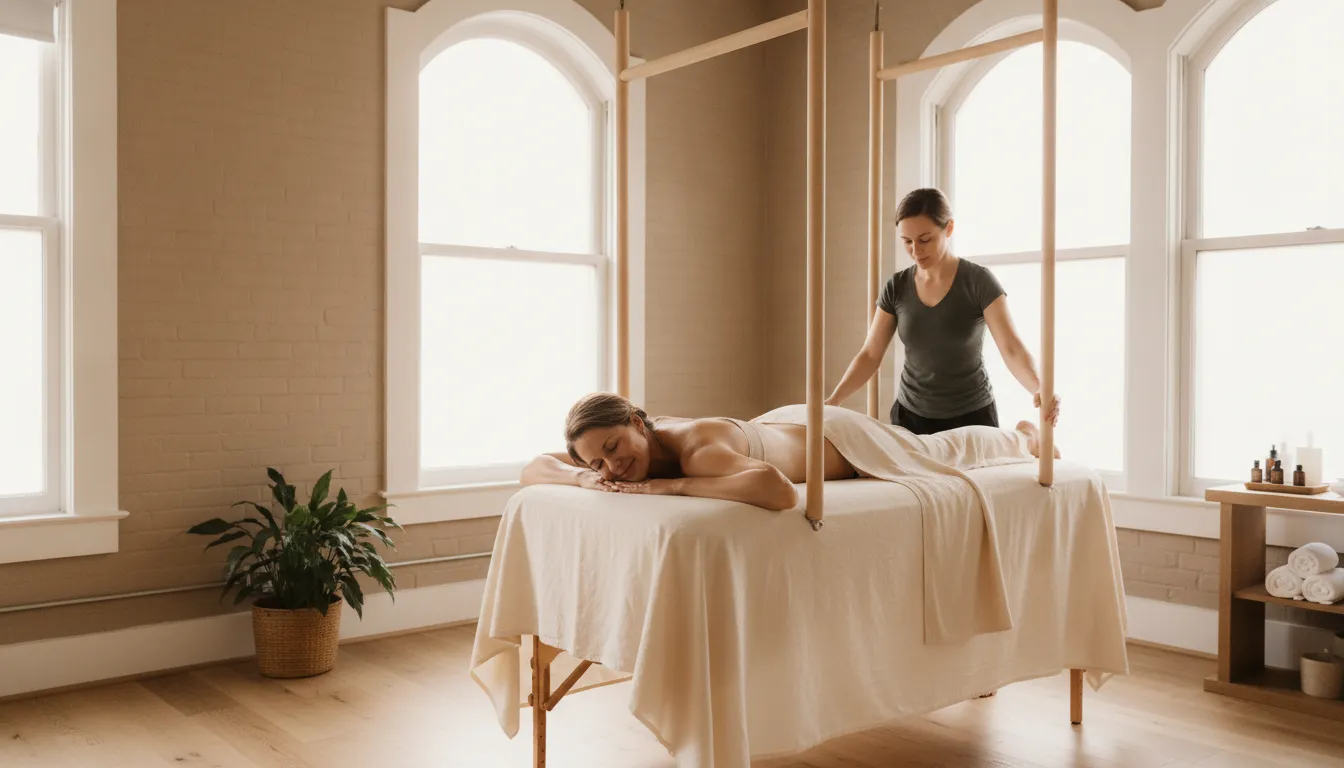
For those who feel like they can never get enough pressure, Ashiatsu is the answer. This unique and powerful technique is a modern take on an ancient practice where the therapist uses their feet to deliver deep, consistent pressure. With the help of overhead bars for balance and support, your therapist can apply broad, gliding strokes that cover a larger area than hands or elbows ever could. This allows for an incredibly deep massage without the sharp discomfort that can sometimes come with it. Our therapists are highly trained in Ashiatsu Deepfeet Bar Therapy, making it a specialty you can trust for profound muscle relief.
Specialized Care: Prenatal and Therapeutic Massage
Massage therapy can be adapted to support you through different stages of life and specific health needs. A prenatal massage, for example, is tailored specifically for the comfort and safety of expectant mothers. Using special positioning and gentle techniques, it helps alleviate the backaches, stiff necks, and swelling associated with pregnancy. This type of specialized care is a perfect example of how massage can be a valuable part of your overall health plan, providing targeted relief when you need it most. It’s a safe and natural way to support your body and find comfort during this special time.
Add-On Enhancements: CBD and Himalayan Salt Stones
Want to add an extra layer of therapeutic benefit to your session? Consider an enhancement. Adding Hot Himalayan Salt Stones can help reduce inflammation, gently exfoliate the skin, and introduce 84 trace minerals to your body for a deeply grounding experience. Alternatively, incorporating CBD oil is known to help soothe sore muscles and joints while promoting a greater sense of calm and relaxation. These add-ons allow you to customize your massage, creating a more personalized treatment that addresses your specific needs and helps you get even more out of your time on the table.
How Often Should You Get a Massage?
So, what’s the magic number? The truth is, the perfect massage schedule is unique to you. It depends entirely on your body, your lifestyle, and what you want to achieve. Are you looking to manage daily stress, address chronic pain, or simply make wellness a consistent part of your life? Think of massage not as a rare treat, but as a regular practice. Consistency is what turns a relaxing hour into lasting results. Let’s break down some general guidelines based on your goals.
For Stress Management
If you’re using massage to keep stress and anxiety at bay, consistency is your best friend. A single massage feels great, but regular sessions create cumulative benefits that help your body become more resilient to stress over time. We recommend scheduling a session every two to four weeks. This rhythm helps manage stress hormones, release built-up tension in your shoulders and neck, and gives you a dedicated time to reset. It’s a proactive way to maintain balance rather than waiting until you feel completely overwhelmed. Our Swedish and deep tissue massages are perfect for this.
For Pain Relief
When you’re dealing with chronic pain, like persistent low-back aches or tension headaches, or recovering from an injury, your massage schedule might need to be more frequent at first. To get ahead of the pain cycle, we often suggest starting with weekly or bi-weekly appointments. This allows your therapist to make significant progress on tight muscles and trigger points. As you start to feel better and your mobility improves, you and your therapist can adjust the schedule to a maintenance frequency. For intense, targeted relief, many of our clients find incredible results with Ashiatsu Deepfeet Bar Therapy.
For General Maintenance and Prevention
Think of massage as essential maintenance for your body, just like eating well or going to the gym. For general wellness and preventing future issues, a monthly massage is a fantastic goal. A session every four weeks is usually enough to work out the minor kinks that build up from daily life, support your immune system, and maintain good flexibility. This proactive approach keeps small problems from turning into bigger ones. It’s an investment in your long-term health and ensures you’re always feeling your best. Explore all of our massage services to find the perfect fit for your wellness routine.
Common Myths About Massage Therapy
Let’s clear up a few common misconceptions about massage. Understanding the truth behind these myths can help you get the most out of your sessions and see massage as the powerful wellness tool it truly is.
Myth: It’s Just a Luxury, Not a Treatment
Many people think of massage as a special-occasion splurge, something you do on vacation or for a birthday. While it’s certainly a wonderful way to treat yourself, it’s so much more than that. Therapeutic massage is a legitimate and effective treatment for a wide range of health concerns. Research from trusted sources like the Cleveland Clinic shows that massage can provide real relief from anxiety, headaches, and chronic muscle pain. Viewing massage as a vital part of your health care routine, rather than just a luxury, allows you to tap into its full healing potential. It’s an investment in your long-term physical and mental well-being.
Myth: It Has to Hurt to Work
The old saying “no pain, no gain” does not apply to massage therapy. While a deep tissue massage involves firm pressure to target knots and tension deep within your muscles, it should never be excruciating. A skilled massage therapist knows how to work within your comfort level to release tension effectively. Communication is key. Your therapist should check in with you about the pressure, and you should always feel comfortable speaking up if it’s too much. The goal is to relieve pain, not cause it. An effective massage can be both deeply therapeutic and incredibly relaxing, without making you wince.
Myth: You’ll See All the Benefits After One Session
While you will absolutely feel more relaxed and refreshed after a single massage, the most profound benefits are cumulative. Think of it like exercise or healthy eating; consistency is what creates lasting change. One session can offer immediate relief, but regular appointments build on that progress, helping to manage chronic pain, reduce long-term stress, and improve your overall health over time. Skipping sessions can slow down your progress. By incorporating massage into your routine, you allow your body to heal more deeply and maintain a state of balance and well-being.
How to Find the Right Therapist and Create a Routine
Finding the right massage therapist is a lot like finding any other trusted professional. It’s about connection, expertise, and a shared understanding of your goals. When you find the right fit, massage therapy can become a powerful part of your wellness routine. The key is to find a professional who listens to your needs and has the skills to help you achieve your health objectives, whether that’s managing chronic pain or simply carving out time for deep relaxation. A consistent routine with the right therapist is what creates lasting change.
Look for Proper Qualifications and Training
First things first, make sure your therapist is a licensed professional. Massage therapy credentials show that a therapist has completed extensive education and hands-on training, ensuring they understand the body’s anatomy and can perform techniques safely and effectively. Don’t hesitate to ask about a therapist’s background, specialties, or continuing education. At Nola Bliss, we pride ourselves on our dedicated team of highly trained and experienced Licensed Massage Therapists. They have devoted their careers to the practice of massage, so you can feel confident you’re in skilled, caring hands every time you visit.
Find a Personalized Treatment Plan
Your massage should be tailored specifically to you. A great therapist will start with a consultation to discuss your health history, lifestyle, and what you hope to get from the session. This conversation is essential for creating a personalized treatment plan. Are you dealing with a stiff neck from work, training for a marathon, or just need to de-stress? Your answer will help your therapist choose the right types of massage and techniques for your body. Open communication ensures each session is productive and addresses your specific concerns, helping you get the most benefit from your time on the table.
Set Realistic Goals and Track Your Progress
While a single massage can feel amazing, the most significant benefits come from consistency. Work with your therapist to set realistic goals. Maybe you want to reduce the frequency of tension headaches or improve your range of motion in your shoulders. Your therapist can help you create a schedule that supports these goals. It’s also important to check in and share feedback. Let your therapist know what’s working and how you’re feeling between sessions. This allows them to adjust your treatment plan as needed, ensuring you’re always making progress on your wellness journey.
Related Articles
Frequently Asked Questions
What’s the real difference between a Swedish and a deep tissue massage? Think of it this way: a Swedish massage is your go-to for full-body relaxation. It uses long, flowing strokes with light to medium pressure to ease general tension and improve circulation. A deep tissue massage, on the other hand, is more focused. It uses slower, more intense pressure to target chronic knots and tension stored in the deeper layers of your muscles and connective tissues. If you’re looking to unwind, start with Swedish. If you have specific problem areas, deep tissue is likely the better choice.
I want deep pressure, but I’m worried it will be painful. What do you recommend? This is a common concern, and the short answer is that a massage should never be excruciating. While deep work can be intense, it should always feel productive, not painful. Communication with your therapist is everything. For a truly deep yet comfortable experience, you might consider Ashiatsu. Because the therapist uses their feet, the pressure is broad and consistent, allowing for incredibly deep work without the sharp or poky feeling that can sometimes come with elbows or thumbs.
Why is a consistent massage routine better than just booking a session when I feel stressed or sore? Booking a massage only when you’re in pain is like only drinking water when you’re already dehydrated. It helps, but it’s a reactive fix. Regular massage is proactive care. When you get massages consistently, you’re training your muscles to stay relaxed and helping your nervous system better manage stress. This approach prevents small aches from becoming chronic issues and keeps your overall wellness at a higher baseline, so you feel better all the time, not just for a day or two after your appointment.
I’m pregnant. Is it safe for me to get a massage? Yes, absolutely. Prenatal massage is not only safe but also incredibly beneficial for expectant mothers. Our therapists are specially trained to work with the unique needs of the pregnant body. We use supportive cushions and safe positioning to ensure your complete comfort and safety. The techniques are adapted to help relieve common discomforts like back pain, swollen ankles, and neck stiffness, making it a wonderful way to support your body during this time.
How do I know which massage is right for me if I’m new to this? You don’t have to be an expert to book a session. The best first step is to have a conversation with your licensed massage therapist. When you arrive, they will ask about your goals, any pain points, and your pressure preferences. Based on your answers, they can recommend the perfect approach for you. You can never go wrong booking a Deep Tissue or Swedish massage and letting your therapist customize it to fit your needs on that particular day.