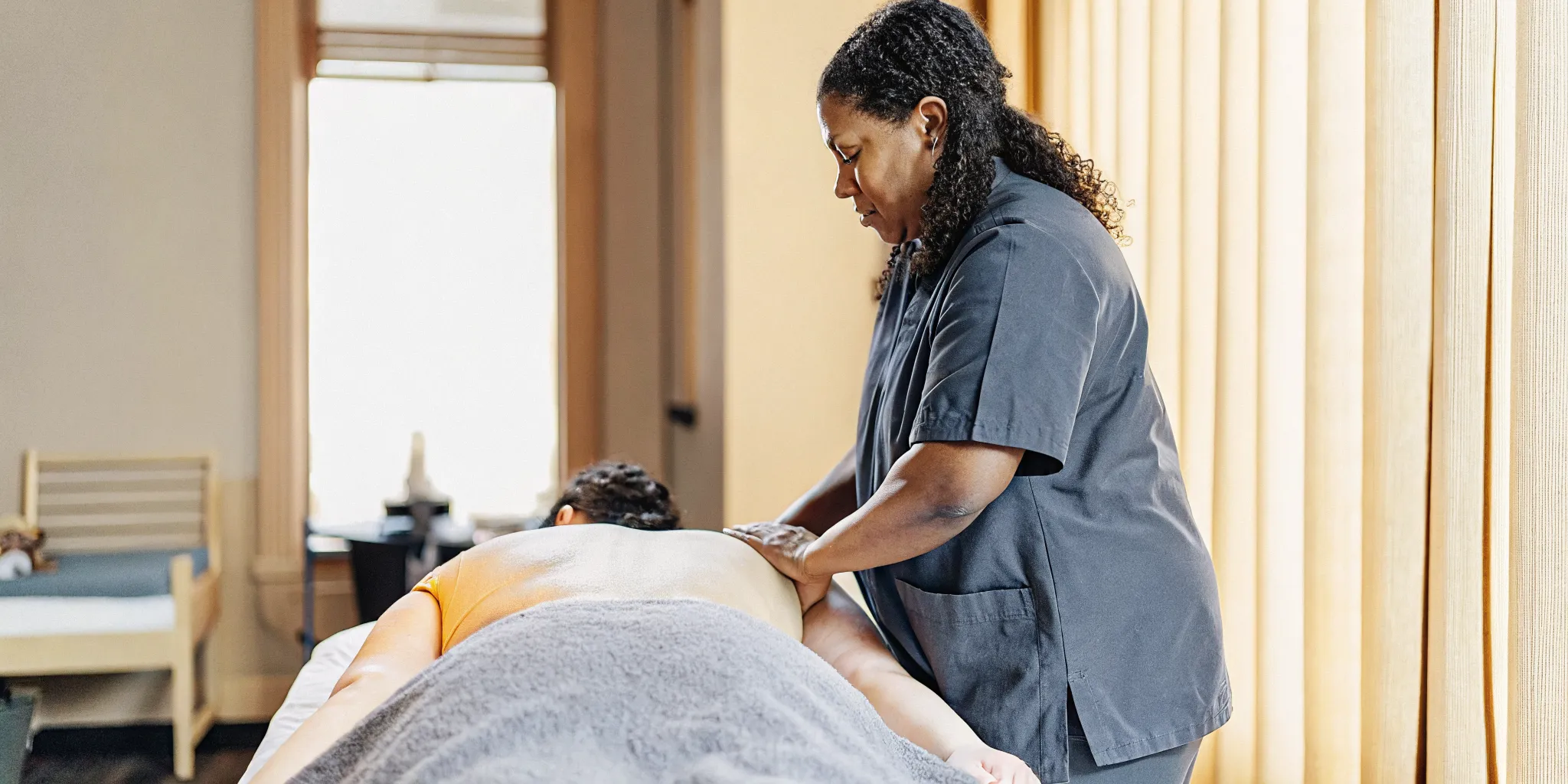

When you’re pregnant, you get advice from everyone. It can be hard to know what’s a myth and what’s a fact, especially when it comes to self-care. Can you get a massage in the first trimester? Will certain pressure points really induce labor? These questions can make seeking relief feel more stressful than it should be. We’re here to clear up the confusion. A professional prenatal massage is one of the best ways to support your body through this incredible journey, but its effectiveness is rooted in expertise and safety. We’ll break down the facts, debunk the myths, and give you the confidence to find a safe prenatal massage that will leave you feeling relaxed, supported, and cared for.
Key Takeaways
- Prioritize a safe experience: Always get the green light from your doctor before booking, and make sure your therapist is certified in prenatal massage. This ensures they are trained in safe positioning and pressure for every stage of your pregnancy.
- Expect targeted, therapeutic relief: A prenatal massage is specifically designed to ease common pregnancy discomforts like back pain, sciatica, and swelling. It’s a practical way to manage physical strain, reduce stress, and improve your sleep.
- Your feedback is essential for comfort: Open communication with your therapist is key. Don’t hesitate to speak up about your needs, pressure preferences, and any discomfort so they can tailor the session perfectly for you.
What Is Prenatal Massage?
If you’re expecting, you know that pregnancy is an incredible journey—but it can also be tough on your body. As your center of gravity shifts and hormones soften your ligaments, you might be dealing with new aches, pains, and general stress. That’s where prenatal massage comes in. Think of it as a massage specifically designed for the unique needs of a pregnant body. It’s a therapeutic practice that can help improve your overall health, lower stress, and ease the muscle tension that comes with carrying a baby.
Unlike a standard massage, a prenatal massage is performed by a therapist with specialized training in how to safely and effectively work with pregnant clients. They understand the anatomical changes you’re going through and know how to adapt their techniques to provide relief without compromising your or your baby’s well-being. From adjusting your position for maximum comfort to using the right amount of pressure on just the right spots, every aspect of the session is tailored to support you through each trimester. It’s a wonderful way to connect with your changing body, find some much-needed relief, and take a moment for yourself.
How It Differs from a Standard Massage
So, what makes a prenatal massage different from the regular massage you might be used to? The main distinction lies in the modifications made to keep you and your baby safe and comfortable. A standard massage might have you lying on your stomach or flat on your back, but these positions aren’t suitable during pregnancy. Instead, a prenatal massage changes how you lie down and what areas are massaged. Your therapist will use pillows and cushions to support your body, usually in a side-lying position, to take the pressure off your belly and lower back. It’s all about creating a secure and relaxing environment for you both.
Specialized Techniques for Pregnancy
Prenatal massage also uses specific techniques to address common pregnancy discomforts. While a deep tissue massage focuses on intense pressure, a prenatal session uses lighter, more soothing strokes. The focus shifts to areas that are under the most strain, like your lower back, hips, and legs. Your therapist will use gentle pressure to relieve tension in these key areas affected by your changing posture and the extra weight you’re carrying. They are also trained to avoid certain pressure points on the body that are thought to potentially trigger contractions. This specialized approach ensures you get the relief you need in the safest way possible.
Adjusting Pressure and Positioning for Comfort
Comfort is the top priority during a prenatal massage. The entire session is built around ensuring you feel supported and at ease. Your therapist will use light to medium pressure, as deep tissue work is generally avoided during pregnancy. The goal is to soothe sore muscles, not cause pain. You’ll typically lie on your side, propped up with plenty of pillows to support your belly, back, and knees. This position prevents putting pressure on major blood vessels and ensures healthy circulation for you and your baby. Open communication is key, so your therapist will check in with you to make sure the pressure and positioning feel just right.
Is Prenatal Massage Safe?
The short answer is yes, prenatal massage is widely considered safe and beneficial for most expecting mothers. However, “safe” comes with a few important guidelines. To have the best and most comfortable experience, it’s essential to understand the right time to get a massage, the importance of medical clearance, and situations where it might be best to wait. A professional therapist who specializes in prenatal massage will know exactly how to keep you and your baby safe and comfortable.
Safety Guidelines for Each Trimester
When it comes to scheduling your massage, timing is key. Most massage therapists, including our team at Nola Bliss, will wait until after the first trimester to begin treatments. The first 12 weeks are a critical period of development, and the risk of miscarriage is naturally highest during this time. While there’s no evidence that massage causes miscarriage, we prefer to take every precaution. Once you enter your second trimester, it’s generally the perfect time to start. Your therapist will use supportive pillows and bolsters to position you comfortably on your side, ensuring there’s no pressure on your abdomen or lower back.
When to Check with Your Doctor First
Before you book any massage appointment during your pregnancy, the most important first step is to have a conversation with your doctor or midwife. Think of it as getting a green light to ensure massage therapy is a good fit for your specific pregnancy journey. Your healthcare provider knows your medical history and can give you personalized advice. Getting their okay provides peace of mind for everyone involved—you, your doctor, and your massage therapist. Reputable therapists will always encourage this step and appreciate knowing you’ve been cleared for treatment by a medical professional.
Reasons to Postpone Your Massage
Your health and safety are the top priority. There are certain conditions where it’s best to postpone your massage until after you’ve consulted with your doctor. If you have a high-risk pregnancy, high blood pressure (preeclampsia), gestational diabetes, severe swelling, or a history of blood clots or preterm labor, you should definitely get medical advice first. The American Pregnancy Association also recommends caution in these situations. Always be open and honest with your therapist about your health history. This allows them to make the best decisions for your care and ensure your massage experience is nothing but relaxing and beneficial.
What Are the Benefits of Prenatal Massage?
Pregnancy is an incredible experience, but it asks a lot of your body. As your baby grows, you might notice new aches, added stress, and restless nights. A prenatal massage is more than just a way to pamper yourself; it’s a form of therapeutic self-care designed to support your physical and emotional well-being through every trimester. It’s a dedicated time for you to rest, recharge, and connect with your changing body in a calm and supportive environment. Many women find it becomes an essential part of their prenatal care routine, helping them feel more comfortable and in control as their body changes.
The advantages of incorporating massage into your pregnancy routine are significant. It’s a natural and effective way to manage the common discomforts that come with carrying a child, from a sore back to swollen ankles. Beyond the physical relief, prenatal massage offers powerful mental and emotional benefits, helping to soothe anxiety and create a more positive mindset. By addressing pain, reducing stress, and improving sleep, you’re not just taking care of yourself—you’re creating a healthier, more serene environment for your baby to thrive in. It’s a simple practice that can make a world of difference in how you experience your pregnancy.
Find Relief from Pregnancy Aches and Pains
As your body changes to accommodate your growing baby, your center of gravity shifts, putting new strain on your back, neck, and hips. This often leads to persistent muscle tension and joint pain. Prenatal massage directly addresses these issues by targeting sore spots and relaxing tight muscles. According to the American Pregnancy Association, this therapy can effectively relieve common discomforts like backaches, stiff neck, leg cramps, and sciatica. A trained therapist knows exactly how to apply gentle, safe pressure to ease tension, helping you move more freely and with less pain throughout your day. It’s a wonderful way to find comfort when your body is working its hardest.
Reduce Stress and Improve Your Mood
The emotional side of pregnancy is just as important as the physical. It’s completely normal to feel a mix of excitement and anxiety, and managing stress is key to a healthy pregnancy. Massage is a fantastic tool for this. It encourages your body to release endorphins—the brain’s natural feel-good chemicals—while reducing levels of stress hormones like cortisol. Studies show that prenatal massage can help lower anxiety and improve your overall mood by increasing levels of serotonin and dopamine. This calming effect doesn’t just benefit you; a more relaxed mother contributes to a healthier environment for the baby.
Get Better Sleep and Circulation
Many expectant mothers find it difficult to get a good night’s sleep, especially in the later trimesters. By easing muscle tension and calming the nervous system, prenatal massage can help you fall asleep more easily and enjoy deeper, more restorative rest. At the same time, the techniques used in a prenatal massage help stimulate your circulatory system. Better circulation means less swelling in your hands and feet, and it also ensures that more oxygen and nutrients are delivered to both you and your baby. This gentle, therapeutic touch supports your body’s systems when they need it most, helping you feel more energized and comfortable.
How to Choose Your Prenatal Massage Therapist
Finding the right massage therapist is always important, but it’s absolutely essential during pregnancy. Your body is going through incredible changes, and you need a therapist who understands exactly how to support you safely and effectively. Think of it less like a standard massage and more like a specialized treatment tailored to you and your baby.
When you’re ready to book a prenatal massage, you’re not just looking for relaxation—you’re looking for expertise. The best therapist will have a specific skill set that goes beyond general massage techniques. They’ll know how to position you to avoid strain on your ligaments, which areas need a gentle touch, and how to address common issues like sciatic pain or swelling in a way that’s both safe and effective. To make sure you’re in good hands, there are three key areas to focus on: their training, their hands-on experience with pregnant clients, and their in-depth knowledge of how the body changes during pregnancy. Asking a few simple questions about these things will give you the peace of mind you need to fully relax and enjoy the benefits of your massage.
Look for Certifications and Specialized Training
First things first, you’ll want to find a therapist who is certified in prenatal massage. This isn’t just a fancy title; it means they’ve completed special training that focuses specifically on the needs of expectant mothers. This education covers crucial topics like how to position you safely, which techniques to use (and which to avoid), and how to address common pregnancy-related discomforts. Don’t be shy about asking the studio or therapist about their credentials. A professional will be happy to share their qualifications and help you feel confident in their ability to provide safe, effective care for you and your baby.
Ask About Their Experience with Pregnant Clients
While certification is the foundation, hands-on experience is just as important. A therapist who is specifically trained and regularly works with pregnant clients will have a deeper, more intuitive understanding of your needs. They’ll be more familiar with the common aches and pains that pop up each trimester and will know how to adjust the massage as your body changes. When you call to book, feel free to ask, “How often do you work with pregnant clients?” An experienced prenatal therapist will be comfortable with the question and can offer you reassurance based on their extensive work in the field.
Ensure They Understand Pregnancy Anatomy
A deep understanding of pregnancy anatomy is what separates a good prenatal massage from a great one. A certified prenatal massage therapist knows more than just muscles and joints; they understand the physiological shifts happening inside your body. This knowledge allows them to position you correctly to support your joints and baby bump, improve circulation, and avoid putting pressure on sensitive areas. They are also trained to recognize potential red flags, ensuring your session is as safe as it is relaxing. This expertise is key to providing true therapeutic relief and making sure you leave feeling better than when you arrived.
What Are the Safest Positions for a Prenatal Massage?
When you’re expecting, your comfort and your baby’s safety are the top priorities. That’s why a professional prenatal massage looks a little different from a standard one, especially when it comes to positioning. A properly trained therapist will never ask you to lie flat on your stomach or back after the first trimester. Instead, they use specific, supported positions that protect you and your little one while allowing you to fully relax and get relief from those pregnancy aches and pains. Let’s walk through the safest options you’ll experience during your session.
The Side-Lying Position
This is the gold standard for prenatal massage. Lying on your side, supported by a strategic arrangement of pillows and bolsters, is the most comfortable and safest way to receive a massage during pregnancy. Your therapist will place pillows between your knees, under your belly, and behind your back to keep your spine aligned and take all the pressure off your joints and lower back. This position allows for excellent access to your hips, legs, and back—all the spots that tend to get sore. It’s important to note that you should be wary of tables with a “belly hole,” as the American Pregnancy Association warns they can cause the uterine ligaments to stretch uncomfortably.
The Semi-Reclined Position
Another fantastic and safe option is the semi-reclined position. If you experience heartburn or congestion when lying down, this can be a much more comfortable alternative. Your therapist will use a wedge or a cushion system to prop up your upper body so you’re resting at a comfortable incline, almost like you’re in a cozy recliner. This position is perfect for focusing on your neck, shoulders, arms, and feet. It ensures there’s no pressure on your abdomen or major blood vessels while still allowing you to unwind completely. It’s all about finding what feels best for your body, and this is a wonderful, supportive choice.
Why Lying on Your Back or Stomach Is Avoided
After the first few months of pregnancy, lying on your stomach is simply not practical or comfortable. But the more critical reason to avoid certain positions involves lying flat on your back. After about 20 weeks, the weight of your uterus can press on the vena cava, a major vein that carries blood from your lower body back to your heart. According to the Cleveland Clinic, this pressure can reduce blood flow to your baby and may cause you to feel dizzy or nauseous. This is why a certified prenatal massage therapist will always use the side-lying or semi-reclined positions to ensure proper circulation and keep both you and your baby safe throughout the entire session.
How to Prepare for Your Prenatal Massage
A prenatal massage is a wonderful way to connect with your changing body and find relief from the aches and pains of pregnancy. To make sure you have the best experience possible, a little preparation goes a long way. Taking a few simple steps beforehand will help you relax completely, knowing you and your baby are in great hands. Think of it as setting the stage for an hour of pure, uninterrupted bliss.
Get Medical Clearance
Your safety and comfort are the top priority. Before you book an appointment, it’s always a good idea to have a quick chat with your doctor or midwife. While prenatal massage is safe for most pregnancies, your healthcare provider can give you the green light based on your personal health history. This is especially important if you have a high-risk pregnancy or conditions like high blood pressure, preeclampsia, or gestational diabetes. Getting their okay is a simple step that provides peace of mind, allowing you to fully unwind during your session without a single worry.
Communicate Openly with Your Therapist
Your massage therapist is your partner in creating a comfortable and therapeutic experience. When you book your appointment, let us know that you’re expecting and how far along you are. Don’t hesitate to share any specific issues you’re dealing with, whether it’s lower back pain, swollen ankles, or tension in your shoulders. Our licensed massage therapists are trained in prenatal care and can tailor the session to your needs. During the massage, keep the lines of communication open. If the pressure is too much or not enough, or if a position feels awkward, please speak up. This is your time, and we want you to feel supported and cared for.
Tips for Staying Hydrated and Comfortable
Staying well-hydrated is crucial during pregnancy, and it’s just as important when you’re getting a massage. Try to drink plenty of water before and after your appointment. Massage helps release metabolic waste from your muscles, and water helps your system flush it all out. On the day of your session, wear comfortable, loose-fitting clothes that are easy to take off and put back on. It’s also wise to have a light snack an hour or so before you arrive so your stomach isn’t growling. Most importantly, listen to your body. We’ll have plenty of pillows and bolsters to support you, but you are the ultimate expert on what feels right.
Common Myths About Prenatal Massage
When you’re expecting, you get a lot of advice—some helpful, some not so much. It can be tough to sort through the noise, especially when it comes to your well-being. Prenatal massage is an incredible tool for easing the discomforts of pregnancy, but it’s surrounded by its fair share of myths. Let’s clear up some of the most common misconceptions so you can feel confident and cared for during your session.
The most important thing is to work with a therapist who has specialized training in prenatal care. They understand the unique changes your body is going through and know how to provide relief safely and effectively.
Is It Safe During the First Trimester?
This is probably the most common question we hear. You might find that some massage studios are hesitant to offer a prenatal massage during the first 12 weeks. This isn’t because the massage itself is inherently dangerous, but rather a precaution. The first trimester carries a higher natural risk of miscarriage, and most therapists prefer to be extra cautious to ensure there’s no question about your safety and peace of mind. The American Pregnancy Association acknowledges this common practice. The best first step is always to talk to your doctor. Once you have their approval, you can find a qualified therapist who is comfortable working with you.
Can You Get a Deep Tissue Massage?
Pregnancy can bring on some serious aches in your back, hips, and shoulders, so it’s natural to think a deep tissue massage is what you need. However, traditional deep tissue work is generally avoided during pregnancy. Your body’s blood volume increases significantly, and pregnant women can be more susceptible to blood clots. The Cleveland Clinic advises against deep pressure because it could potentially dislodge a clot. A certified prenatal massage therapist knows how to apply firm, therapeutic pressure using modified techniques that are both safe and effective for relieving muscle tension without posing any risks. You can still get profound relief without the intense, focused pressure of a standard deep tissue massage.
Will Certain Pressure Points Induce Labor?
You may have heard rumors about “magic buttons” or specific pressure points, particularly around the ankles and hands, that can trigger labor. While some acupressure points are associated with uterine contractions, there is no strong scientific evidence to suggest that a massage therapist could accidentally induce labor. That said, a properly trained prenatal therapist is well aware of these points and knows to avoid sustained, deep pressure in those areas as a precaution. Their goal is to help you relax and feel comfortable, not to create any anxiety. You can rest easy knowing your therapist’s expertise is focused entirely on providing a safe and soothing experience for you and your baby.
What to Expect at Your First Appointment
Walking into your first prenatal massage appointment should feel exciting, not stressful. Knowing what the process looks like can help ease any nerves and let you focus on the relaxation ahead. At Nola Bliss, we structure your visit to ensure you feel safe, heard, and completely comfortable from the moment you arrive until you float out the door. Your appointment will generally follow three simple steps: a pre-session chat to get on the same page, the massage itself where you can unwind, and a post-session plan to help you extend the benefits of your treatment.
The Pre-Session Consultation
Your appointment begins with a conversation. This is your time to connect with your massage therapist and share exactly how you’re feeling. We’ll ask about your pregnancy, any specific aches or pains you’re experiencing, and what you hope to get out of the session. It’s incredibly important to let your therapist know you’re pregnant and how far along you are. While you should always get clearance from your doctor or midwife before booking, this chat ensures your massage is tailored to your unique needs. Our licensed massage therapists have specialized training in prenatal care and will use this time to answer any questions you have.
During Your Massage
Once you’re ready, it’s time for the main event. For your safety and comfort, you’ll likely be positioned on your side with plenty of pillows and cushions to support your belly, back, and knees. This side-lying position is the safest and most comfortable way to receive a prenatal massage. Your therapist will use gentle to medium pressure, focusing on areas of tension like your lower back, hips, and shoulders. The goal is relief and relaxation, not pain, so communication is key. If the pressure ever feels off or a position becomes uncomfortable, just say the word. This is your time, and your comfort is our top priority.
Aftercare and Planning Future Sessions
After your massage, we’ll give you a few minutes to slowly get up and reorient yourself. We’ll also encourage you to drink plenty of water to help your body process the therapeutic work. Many expectant mothers find that regular massage helps them manage the physical and emotional demands of pregnancy. You might consider incorporating massage into your regular prenatal care routine for continued benefits. Depending on how you feel, you can schedule appointments every couple of weeks, or even weekly as you get closer to your due date. We can discuss a schedule that works best for you and your body.
Related Articles
- Massage Services | Nola Bliss Massage Therapy
- Couples Massage | Nola Bliss Massage Therapy
- Ashiatsu | Nola Bliss Massage Therapy
Frequently Asked Questions
When is the best time during pregnancy to get a massage? Most therapists, including our team, recommend waiting until you’ve entered your second trimester. The first 12 weeks are a sensitive time, so we prefer to be extra cautious. Once you’re in the second and third trimesters, massage can be incredibly helpful for managing aches and pains. As always, the best first step is to chat with your doctor to make sure it’s the right choice for you.
I’m worried about the pressure. Will it be too intense? Not at all. A prenatal massage is designed for your comfort, so the pressure is typically light to medium. The goal is to soothe sore muscles and relieve tension, not to cause any discomfort. Your therapist will check in with you throughout the session, and you should always feel empowered to speak up if you’d like the pressure adjusted. It’s all about what feels best for your body.
Why can’t I just get a regular massage and ask to lie on my side? It’s the specialized training that makes all the difference. A certified prenatal therapist understands the specific anatomical changes your body is going through. They know how to position you with pillows for optimal support, which techniques are safe and effective for pregnancy-related issues, and which areas of the body require a gentler approach. This expertise ensures both you and your baby are safe and cared for properly.
How often should I schedule prenatal massages? This really depends on how you feel and what your body needs. Some women find that a monthly massage is perfect for managing general aches and stress. As you get further along in your pregnancy, you might find that more frequent sessions, perhaps every two weeks or even weekly, provide more consistent relief. We can help you figure out a schedule that supports you best through each trimester.
Can I still get a massage if I have a high-risk pregnancy? Your health is the top priority, so if your pregnancy is considered high-risk, you must get explicit approval from your doctor or midwife before booking a massage. Conditions like preeclampsia, gestational diabetes, or a history of preterm labor require medical clearance. Once you have the green light from your provider, we can work with you to ensure your session is safe and beneficial.