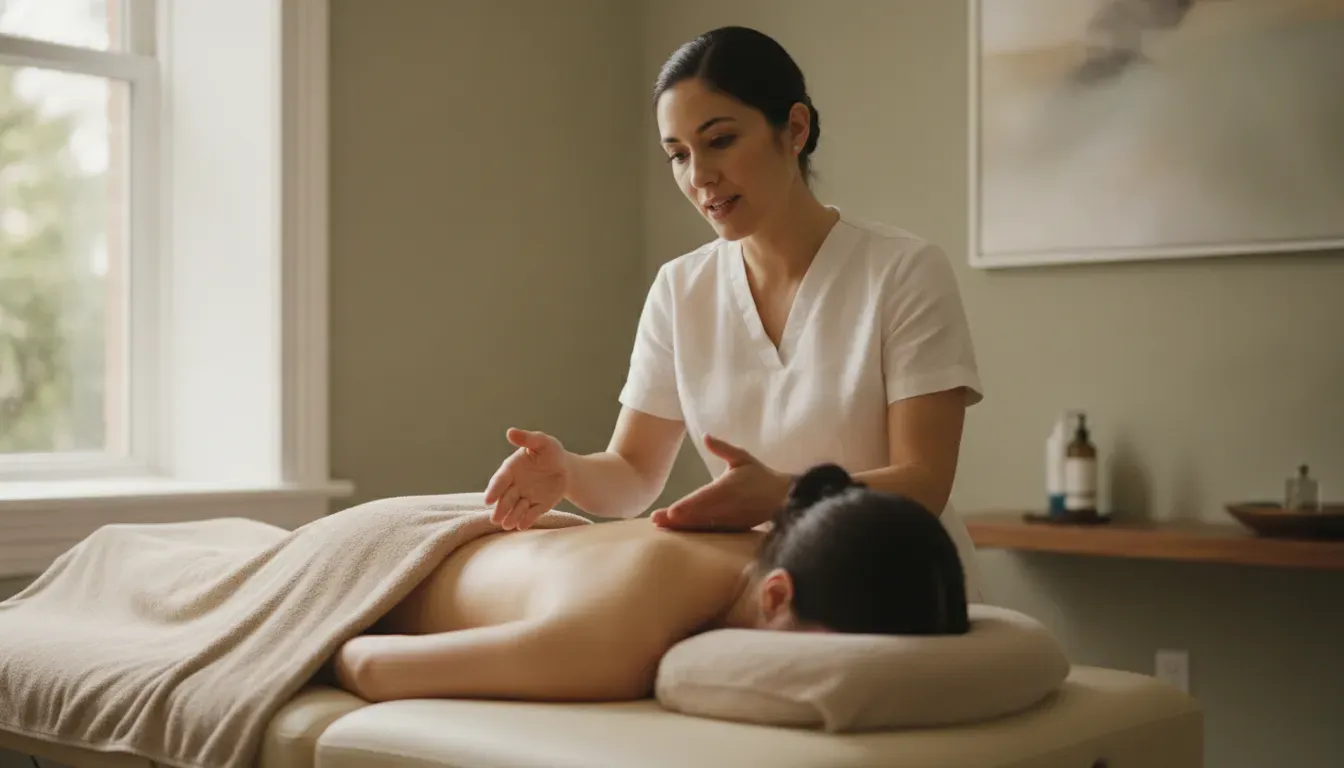

At its core, sciatica is a problem of pressure. When the sciatic nerve gets compressed by a tight muscle or herniated disc, it sends out those unmistakable signals of pain, numbness, or tingling. So, the most logical path to relief is to gently reduce that pressure. While medications can mask the pain, they don’t address the mechanical issue. A professional Swedish massage for sciatica is designed to do just that. By focusing on relaxing the specific muscles in your lower back, glutes, and legs, a skilled therapist can help create space around the nerve, easing the compression and allowing your body to begin the healing process naturally.
Key Takeaways
- Gentle Pressure is Key for Sciatica Relief: Swedish massage uses long, soothing strokes to relax the muscles in your lower back and glutes that often press on the sciatic nerve. This gentle approach provides effective relief without the risk of aggravating an already sensitive nerve, making it ideal for active flare-ups.
- Find a Therapist Who Understands Your Pain: Your results depend on your therapist’s skill. Look for a licensed professional with experience treating sciatica and be prepared to communicate your specific symptoms and comfort levels. A great therapist will listen and tailor the session to your needs.
- Combine Massage with Your Overall Wellness Plan: Massage works best as part of a comprehensive approach to managing sciatica. It helps reduce stress, which can worsen muscle tension, and makes your body more receptive to other treatments like physical therapy or chiropractic care.
What is Sciatica and How Does It Affect You?
If you’ve ever felt a sharp, shooting pain that starts in your lower back and travels down your leg, you might be dealing with sciatica. It’s a common issue, but that doesn’t make it any less frustrating. Sciatica happens when the sciatic nerve—the longest nerve in your body, running from your lower back down to your feet—gets compressed or irritated. This pressure can cause anything from a dull ache to a sharp, burning sensation that makes it difficult to walk, stand, or even sit comfortably.
Understanding what’s causing your discomfort is the first step toward finding relief. While the pain can feel overwhelming, it’s important to remember that you have options. Many people find that therapeutic approaches, including targeted massage services, can make a significant difference in managing their symptoms and getting back to their daily activities without that constant, nagging pain. It’s all about finding the right strategy to soothe the nerve and relax the surrounding muscles.
Recognizing Common Sciatica Symptoms
Not sure if what you’re feeling is sciatica? The symptoms can be pretty distinct. The most classic sign is pain that radiates from your lower spine down the back of one leg. It rarely affects both legs at the same time. This pain can range from a mild ache to a sharp, jolting sensation, sometimes described as an electric shock. You might also experience numbness, tingling, or muscle weakness in the affected leg or foot. For many, the pain gets worse after sitting for a long time, coughing, or sneezing. If these symptoms sound familiar, it’s a good idea to consult a healthcare professional for an accurate diagnosis.
The Root Causes of Sciatic Nerve Pain
So, what causes the sciatic nerve to get so irritated in the first place? The most frequent culprit, accounting for about 90% of cases, is a herniated or slipped disc in your lower back. When a disc bulges out of place, it can press directly on the sciatic nerve, triggering pain. Another common cause is spinal stenosis, which is a narrowing of the spinal canal that can also put pressure on the nerve. Less often, conditions like a bone spur on the spine or, in rare cases, a tumor can be the source of the problem. Understanding the underlying cause is key to finding the most effective treatment for your specific situation.
Sciatica Myths vs. Facts
There’s a lot of misinformation out there about sciatica, so let’s clear a few things up. One of the biggest myths is that you should stay in bed and rest until the pain goes away. While a short period of rest might be helpful initially, prolonged inactivity can actually make things worse by weakening your back and core muscles. Another common myth is that sciatica is a lifelong condition you just have to live with. The fact is, most people find significant relief with the right treatment plan. Gentle movement and therapies like massage can play a huge role in alleviating pain and improving mobility, helping you get back on your feet faster.
How Swedish Massage Eases Sciatica Pain
When you’re dealing with the sharp, radiating pain of sciatica, finding relief is your top priority. That nagging ache that travels from your lower back down your leg can make even simple activities feel like a major challenge. While many people think of Swedish massage as a tool for simple relaxation, its techniques are incredibly effective at addressing the root causes of sciatic nerve pain. It’s more than just a feel-good experience; it’s a targeted therapeutic approach that can make a real difference in your daily comfort and mobility.
So, how exactly does it work? A Swedish massage for sciatica isn’t just about rubbing sore muscles. It’s a strategic process designed to tackle the problem from multiple angles. By focusing on the specific muscles and tissues surrounding the sciatic nerve—like those in your lower back, hips, and glutes—a skilled therapist can help release the chronic tension that’s putting pressure on the nerve. At the same time, the massage strokes improve circulation, bringing vital oxygen and nutrients to the irritated area to promote healing. Finally, this process helps calm the inflammation that’s causing your discomfort. It’s a gentle yet powerful method that works with your body to create the right conditions for relief, offering a drug-free way to manage your symptoms and get you moving comfortably again.
Key Techniques for Nerve Pain Relief
Swedish massage uses a series of specific strokes to gently manipulate muscles and soft tissues. Techniques like long, gliding strokes (effleurage) and kneading (petrissage) are especially helpful for sciatica. These movements work to relax the tight muscles in your lower back and glutes—muscles that often press on the sciatic nerve and cause that signature pain. While massage may not be a permanent cure, it’s an excellent way to get significant, drug-free relief. A therapeutic Swedish massage can ease the pressure on the nerve, helping to reduce pain and restore mobility so you can get back to your life.
The Science of How Massage Improves Circulation
One of the most important ways massage helps with sciatica is by improving blood flow to the affected area. When muscles are tight and constricted, circulation can be poor, slowing down your body’s ability to heal. The pressure from a Swedish massage encourages blood vessels to open up, bringing a fresh supply of oxygen and nutrients to the irritated tissues around the sciatic nerve. This increased circulation not only helps reduce pain but also supports the healing process. As explained in the many science-backed benefits of massage, better blood flow is fundamental to recovery and overall wellness.
Reducing Muscle Tension and Inflammation
Sciatica pain is often made worse by tense muscles, particularly the piriformis muscle located deep in the buttocks. When this muscle becomes tight, it can directly compress the sciatic nerve. Swedish massage is designed to target and release this kind of deep-seated tension. By methodically relaxing the muscles that are putting pressure on your nerve, your therapist can provide immediate relief from pain and discomfort. This process also helps to reduce inflammation in the surrounding tissues, calming the irritation and allowing the nerve to function without interference. It’s a gentle approach that addresses the problem right at the source.
Can Swedish Massage Really Help Your Sciatica?
If you’re dealing with the sharp, radiating pain of sciatica, you might wonder if a gentle approach like Swedish massage can make a real difference. The answer is a resounding yes. While it’s not a magic cure, a therapeutic Swedish massage is a powerful, non-invasive way to address the underlying issues causing your pain. It works by targeting the tight muscles, poor circulation, and inflammation that contribute to sciatic nerve irritation, offering you a path toward significant relief. Unlike more intense modalities, Swedish massage uses long, flowing strokes to soothe the nervous system and gently release tension. This is crucial for sciatica, as aggressive pressure can sometimes aggravate an already sensitive nerve. Instead, this technique encourages your body to relax deeply, which allows the muscles constricting the sciatic nerve to let go. It’s a holistic approach that not only addresses the physical symptoms but also helps reduce the stress and anxiety that often come with chronic pain. By focusing on the root causes of the discomfort, a skilled therapist can help you find lasting comfort and improved mobility, making it a comprehensive tool for managing your sciatica.
Easing Nerve Compression with Gentle Strokes
One of the main culprits behind sciatica is pressure. When muscles in your lower back and glutes become overly tight, they can compress the sciatic nerve, triggering that unmistakable pain. Swedish massage uses long, gliding strokes to gently coax these tense muscles into relaxing. As your therapist works, the goal is to soften the tissue that’s pressing on your sciatic nerve. This technique helps relax tense muscles that might be pressing on your sciatic nerve, reducing the pressure and pain. It’s a targeted approach that encourages your body to let go of the tension that’s causing the problem in the first place, providing relief right at the source.
Improving Blood Flow Where You Need It Most
Healing requires resources, and your blood is the body’s ultimate delivery service. When an area is injured or inflamed, good circulation is essential for recovery. Massage is known to increase blood circulation to the painful area, bringing important nutrients that can help your body heal. For sciatica, this means a fresh supply of oxygen is delivered directly to the irritated tissues surrounding the nerve. This improved blood flow also helps flush out waste products and reduce inflammation, creating an ideal environment for your body to heal itself naturally and effectively. Think of it as giving your body the tools it needs to get the repair job done.
Calming Sciatic Muscle Spasms
Pain often creates a vicious cycle: your nerve hurts, so your muscles tighten up to protect the area, but this tightening only causes more pain. These muscle spasms can be exhausting and make your sciatica feel even worse. Swedish massage helps break this cycle. The rhythmic, soothing techniques calm your nervous system and signal to your muscles that it’s safe to relax. By relaxing the tight muscles that cause pain, massage therapy can help relieve sciatica without relying on medication. This gentle release not only eases the spasms but also helps restore mobility and comfort to your lower back and legs, allowing you to move more freely and with less discomfort.
What to Expect From Your Sciatica Massage Session
Walking into a massage appointment, especially when you’re in pain, can feel a little uncertain. Knowing what the session will involve can help you relax and get the most out of your treatment. A therapeutic massage for sciatica is a collaborative process between you and your therapist, focused entirely on bringing you relief. From the moment you arrive, our goal is to understand your specific pain points and create a session that is both safe and effective for you. We’ll talk you through every step, ensuring you feel comfortable and confident in the care you’re receiving.
Your Initial Consultation and Pain Assessment
Before your massage begins, your therapist will sit down with you for a brief but important chat. This isn’t just small talk; it’s a crucial step where we assess your condition to create a personalized treatment plan. We’ll ask you about your sciatica symptoms: where you feel the pain, what it feels like, and what movements make it better or worse. This is your time to share your health history and any concerns you have. Our expert therapists are trained to listen carefully, using this information to tailor the massage specifically to your body’s needs and ensure your session is both safe and beneficial.
Targeted Techniques for Your Treatment
Once we have a clear picture of your pain, your therapist will focus on the techniques best suited to bring you relief. For sciatica, this often involves a therapeutic Swedish or deep tissue massage centered on your lower back, glutes, and the back of your leg. The goal is to soothe the tight muscles that may be pressing on your sciatic nerve. By using gentle, gliding strokes and targeted pressure, we can help release this tension, reduce inflammation, and improve circulation to the affected areas. This approach helps calm the nerve and can provide significant relief from that persistent, radiating pain.
How Often Should You Get a Massage?
One of the most common questions we hear is, “How often should I come back?” While some studies show benefits from daily massage, that isn’t practical for most people. The ideal frequency really depends on the severity of your symptoms and how your body responds. During an acute flare-up, you might find that weekly sessions provide the most relief. As your symptoms improve, you might switch to bi-weekly or monthly appointments for maintenance. Your therapist will work with you to recommend a treatment schedule that fits your needs, your budget, and your path to feeling better. Consistency is key to managing sciatica long-term.
Important Safety Considerations
Your safety is always our top priority. While massage is incredibly beneficial for most cases of sciatica, there are a few important exceptions. Be sure to tell your therapist about your complete health history, including any chronic conditions. It’s also vital to see a doctor first if your sciatica is accompanied by symptoms like sudden weight loss or any loss of bladder or bowel control, as these can indicate a more serious issue. Open communication with both your doctor and your massage therapist ensures that your treatment plan is the safest and most effective one for you.
How Swedish Massage Compares to Other Treatments
When you’re dealing with sciatic pain, you have several options for relief, from physical therapy to more intensive treatments. Massage therapy, particularly Swedish massage, stands out as a powerful, non-invasive approach. It offers a unique combination of physical relief and mental relaxation that can be a game-changer for managing your symptoms. Understanding how it stacks up against other methods can help you decide if it’s the right choice for your healing plan. Let’s look at how Swedish massage compares to other common treatments for sciatica.
Why Choose Swedish Over Deep Tissue?
While deep tissue massage is fantastic for chronic muscle tension, it might not be the best starting point for acute sciatica. Sciatic pain often involves an inflamed nerve, and the intense, focused pressure of a deep tissue massage could potentially irritate it further. In contrast, Swedish massage is a gentler technique that uses therapeutic touch to relax muscles and release tension without being overly aggressive. By focusing on the superficial muscles, a Swedish massage can soothe the areas around the sciatic nerve, providing relief without the risk of aggravating your pain. It’s an ideal choice for calming an active flare-up.
A Gentle, Non-Invasive Approach to Pain
One of the biggest advantages of Swedish massage is that it’s a completely natural and non-invasive way to address your pain. Instead of relying on medication or more intensive procedures, this therapy works with your body’s own healing capabilities. The techniques used in a Swedish massage help relax tense muscles that might be pressing on your sciatic nerve, which directly reduces the pressure and pain you feel. It’s a gentle yet effective way to find relief by addressing one of the primary mechanical causes of sciatica—tight muscles compressing the nerve pathway.
More Than Just Pain Relief: Stress Reduction and Wellness
Living with chronic pain is incredibly stressful, and that stress can create a vicious cycle by causing your muscles to tense up even more. Swedish massage is renowned for its ability to calm the nervous system. The long, flowing strokes promote deep relaxation, helping you feel calmer and less anxious, which in turn aids in your recovery. This holistic benefit is crucial; managing the mental and emotional strain of sciatica is just as important as addressing the physical symptoms. A massage session gives you a much-needed opportunity to rest, reset, and support your overall well-being.
Pairing Massage with Other Therapies
Swedish massage doesn’t have to be a standalone treatment. In fact, it works wonderfully as a complementary therapy alongside other professional care like physical therapy or chiropractic adjustments. Regular massage can help improve your quality of life by making your body more receptive to these other treatments. It also promotes the release of endorphins, your body’s natural painkillers. This isn’t just a temporary feel-good response; it can actually increase your pain threshold, making daily activities and other therapies more manageable. For an even deeper sense of relief, consider adding an enhancement like Hot Himalayan Salt Stones to your session.
How to Choose the Right Massage Therapist for Sciatica
Finding the right massage is only half the battle; finding the right massage therapist is what truly makes the difference. When you’re dealing with something as specific as sciatica, you want to be sure you’re in capable, knowledgeable hands. The right therapist will not only have the technical skills but will also listen to your needs and create a personalized treatment plan. Think of them as a partner in your journey toward feeling better. Here’s how to find the perfect match for you.
Look for a Licensed and Experienced Therapist
First things first, always make sure your massage therapist is licensed. This is your assurance that they’ve completed the required training and adhere to professional standards. But for sciatica, you’ll want to go a step further and look for experience. A therapist who has worked with clients with sciatic pain will understand the nerve pathways, know which muscles are likely involved, and apply techniques that bring relief without causing more irritation. Don’t hesitate to check out a studio’s website to learn about their team. At Nola Bliss, we’re proud of our dedicated team of highly trained therapists who have years of experience helping clients manage chronic pain conditions just like yours.
Communicating Your Needs and Condition
Your massage therapist is an expert in their field, but you are the expert on your body. Clear communication is essential for a successful session. When you call to book an appointment, be upfront about your sciatica and any preferences you have. Let them know where you feel the pain, what makes it worse, and what you’re hoping to achieve with the massage. This conversation should continue during your session. If a certain pressure feels too intense or a specific area is particularly sensitive, speak up! It might take a few tries to find the best therapist for you, so don’t be afraid to ask questions and communicate your needs. A great therapist will welcome your feedback.
Key Questions to Ask Before Your First Session
Feeling prepared before your first appointment can make all the difference. Arm yourself with a few key questions to ensure you’re choosing the right person to help with your sciatica. When you call or before your session begins, feel free to ask things like:
- Have you worked with clients who have sciatica before?
- What is your experience with sciatic nerve pain?
- Which of your massage services do you recommend for my condition?
- What techniques do you typically use for this type of pain?
A confident and experienced therapist will be happy to answer your questions and help you feel comfortable. This initial conversation sets the stage for a trusting relationship and, most importantly, an effective treatment.
Ready to Try Swedish Massage for Your Sciatica?
If you’re considering Swedish massage to manage your sciatica, you’re on the right track to finding gentle, effective relief. Taking this step is about investing in your well-being and actively addressing your pain. A great massage experience starts before you even get on the table, and knowing what to expect can help you get the most out of every session. From preparing for your first visit to exploring enhancements, here’s how you can move forward with confidence.
How to Prepare for Your First Appointment
Your first massage appointment is all about creating a foundation for your healing. Before your session begins, your therapist will want to talk with you. This initial assessment is crucial for us to create a safe and effective plan tailored to your specific needs. Be ready to share details about your sciatica, like where you feel the pain, what it feels like, and what movements make it better or worse. The more information you provide, the better your licensed massage therapist can target the source of your discomfort. Don’t be shy—open communication is the key to a successful treatment.
Enhance Your Session with Himalayan Salt Stones
Want to deepen your relaxation and soothe your muscles even more? Consider adding an enhancement to your Swedish massage. At Nola Bliss, we offer Hot Himalayan Salt Stones to complement your treatment. These warm, smooth stones are used by your therapist to gently massage your body, helping to release tension in the muscles surrounding the sciatic nerve. The gentle heat can feel incredibly comforting and helps the therapeutic effects of the massage penetrate more deeply, giving you a uniquely restorative wellness experience that goes beyond a standard session. Just let us know you’d like to add them when you book.
Take the Next Step Toward Pain Relief
You don’t have to just live with sciatic pain. Taking action is the first step toward feeling better, and a therapeutic massage can make a significant difference. The targeted pressure of a Swedish massage helps relax the tight muscles that may be contributing to your nerve pain. It also increases blood flow, which is essential for healing because it delivers more oxygen and nutrients to your tissues. By committing to a session, you’re choosing a proactive, non-invasive path to managing your pain and improving your overall quality of life. When you’re ready, we’re here to help you on your journey to relief with our full range of massage services.
Related Articles
Frequently Asked Questions
Will a Swedish massage hurt if my sciatica is already flared up? This is a very common concern, and the short answer is no, it shouldn’t hurt. Swedish massage is a gentle technique that focuses on long, soothing strokes to relax muscles and calm the nervous system. A skilled therapist will communicate with you throughout the session to ensure the pressure is comfortable and will avoid working directly on the inflamed nerve, instead focusing on the tight muscles in your lower back and glutes that are contributing to the problem.
I thought deep tissue was for pain. Why do you recommend Swedish massage for sciatica instead? While deep tissue massage is excellent for chronic muscle knots, the intense pressure can sometimes be too much for an already irritated sciatic nerve, potentially making the inflammation worse. Swedish massage offers a gentler approach that effectively releases the surface-level muscle tension compressing the nerve. It provides relief by improving circulation and calming the area without the risk of aggravating your pain during an acute flare-up.
How quickly can I expect to feel relief from my sciatica pain? Many people experience a noticeable reduction in pain and an increase in mobility after their very first session. However, sciatica is often a persistent issue, and long-term relief usually comes with consistency. The goal of the first massage is to calm the initial flare-up. Subsequent sessions help to address the underlying muscle tension and prevent future pain, so think of it as a process rather than a one-time fix.
Is it possible for a massage to make my sciatica worse? When performed by a licensed and experienced therapist, it’s very unlikely that a therapeutic massage will worsen your sciatica. The key is communication. It’s essential to be open with your therapist about your pain levels and any sensations you feel during the session. A professional will know how to adjust their technique to work safely and effectively. However, it’s always best to get a proper diagnosis from a doctor first to rule out more serious underlying causes.
What should I do after my massage to maintain the benefits? After your session, it’s a great idea to drink plenty of water to help flush out any metabolic waste released from your muscles. Gentle stretching, as recommended by your doctor or physical therapist, can also help maintain the flexibility gained during the massage. Try to avoid long periods of sitting or activities that you know trigger your pain. This combination of professional massage and mindful self-care can extend your relief significantly.