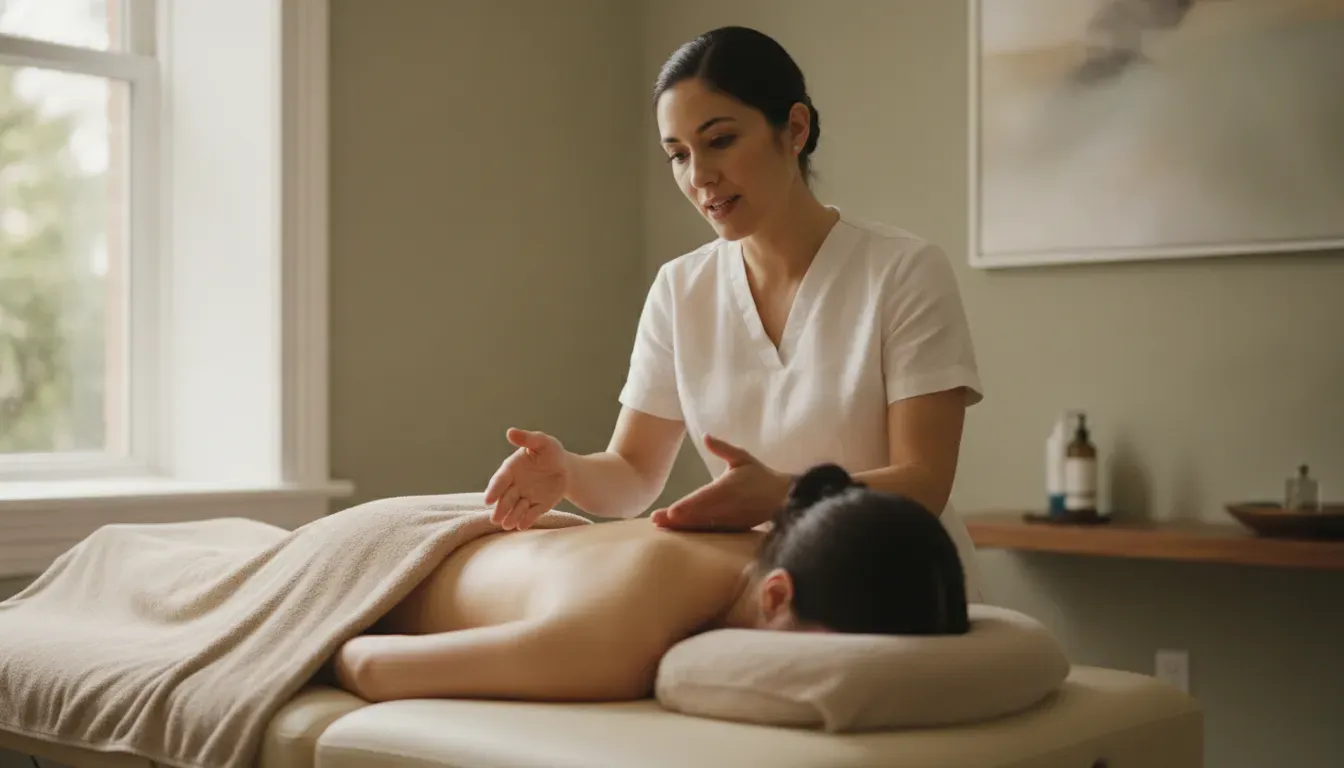
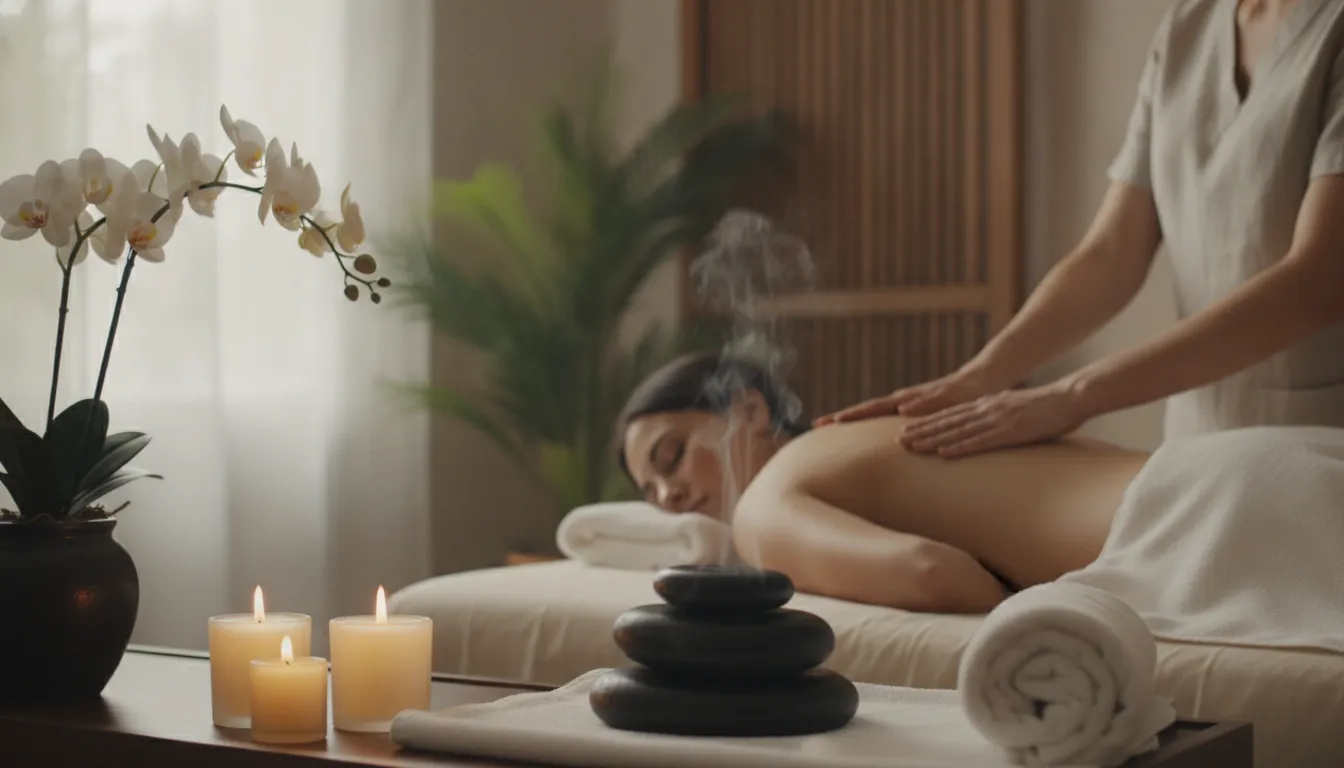
Choosing a hot stone treatment is about more than finding the most attractive room or the lowest advertised price. The right New Orleans studio should make therapeutic quality visible before you book. From licensed massage therapists and clear intake questions to clean linens, well-maintained stones, controlled heat, and enough time for your needs.
The best hot stone spa combines qualified therapists, careful hygiene, smooth heat-retaining stones, a calm treatment environment, transparent pricing, and customized care. Look for evidence of those standards rather than relying on luxury language or a discount alone.
Whether you live near the Warehouse District or are visiting from the French Quarter, a few practical checks can help you compare options with confidence. Start by looking at what the studio explains about its therapists, safety practices, and treatment process before considering the finer details of the experience.
Book your hot stone spa session at NOLA Bliss Massage
What to Look for in a Hot Stone Spa Before You Book
A thoughtful hot stone spa should treat warmth as part of a therapeutic service, not as a decorative extra. Before you reserve, look for evidence that the business understands both the massage technique and the responsibilities that come with applying heated stones. The strongest signs appear before your appointment begins: clear information, qualified practitioners, careful hygiene, and a booking process that answers basic questions instead of rushing you to checkout.
Start with qualified professionals and clear communication
Find out who will perform the session and whether the spa identifies its massage professionals by name, training, or license. A practitioner should be prepared to ask about your goals, current discomfort, medications, injuries, and any health considerations that could affect the treatment. Massage techniques vary in pressure and movement, so the session should be adjusted to the individual rather than delivered as a fixed routine. Mayo Clinic explains how massage therapists tailor pressure and movement to a client’s needs.
The booking process also offers useful clues. A professional spa should make the service length, price, cancellation terms, and intake expectations easy to understand. If you submit a request online, look for a confirmation from the staff rather than assuming that an unreviewed form guarantees an appointment. That small step helps prevent scheduling confusion and signals that the business is paying attention to the client experience.
Look for visible hygiene standards
Heated stones come into direct contact with the body, which makes cleaning and handling practices worth asking about. Stones should be sanitized between clients, and linens should be clean and changed for every session. You should not feel awkward asking how stones are cleaned, where they are stored, or how the spa prevents used materials from being returned to service. These answers should be direct and matter-of-fact.
Also notice the treatment room when you arrive. Surfaces should look orderly, supplies should be handled neatly, and the practitioner should wash or sanitize their hands appropriately. A calm environment is welcome, but scented candles or soft lighting do not compensate for unclear sanitation practices. Professional care is demonstrated through consistent routines, not atmosphere alone.
Evaluate the stones and the therapist’s technique together
Smooth volcanic stones and skilled technique should work together. Volcanic stones are commonly chosen for their ability to retain warmth, while the therapist controls placement, movement, pressure, and temperature throughout the session. The stones should feel comfortably warm, never painfully hot, and the practitioner should check in rather than leaving you to tolerate discomfort.
Ask whether the massage will be customized for your preferred pressure and the areas you want addressed. If you are deciding between approaches, this guide to hot stone massage versus deep tissue massage can help you compare the role of heat with a more pressure-focused treatment. The goal is not simply to choose the most intense option. It is to find a safe, well-executed session that fits your body and reason for booking.
How Do You Verify a Hot Stone Spa Therapist’s Credentials?
A hot stone session is still massage therapy, not simply the placement of warm stones in a quiet room. Massage therapy involves working with soft tissues such as muscles, connective tissue, tendons, ligaments, and skin. The quality of that work depends on the therapist’s training, judgment, and ability to respond to the person on the table. Before booking, look for a licensed massage therapist (LMT) and confirm that the spa clearly identifies who will provide the service.
Licensure does not guarantee that every session will be the right fit, but it establishes an important professional baseline. An LMT has completed required education and works within a regulated scope of practice. That matters when heat, pressure, positioning, or a client’s medical history could affect the treatment. A credentialed therapist should be comfortable asking about injuries, medications, pregnancy, recent procedures, skin sensitivity, and other conditions that may change how massage is performed. If a provider makes broad promises or treats every client exactly the same, that is a reason to ask more questions.
What should a trained therapist be able to explain?
Massage techniques vary in pressure and movement, and a skilled therapist adjusts both to the client’s needs. The warmth of hot stones may support relaxation, but the therapist remains responsible for choosing appropriate contact, pressure, pace, and placement. You should be able to say when the pressure is too strong, when a stone feels too hot, or when a position is uncomfortable. A professional should welcome that feedback rather than presenting discomfort as proof that the treatment is working.
It is also useful to ask about the therapist’s foundational training. Swedish, or classical, massage is the core of most massage training programs in Western countries, according to the National Center for Complementary and Integrative Health. That foundation can include practical knowledge of anatomy, body mechanics, draping, communication, and common contraindications. Additional education in therapeutic massage, hot stone techniques, or work with specific populations may be valuable, especially if your goal involves persistent tension or a known health concern. Massage can complement medical care in some situations, but it should not be presented as a replacement for diagnosis or treatment from a qualified healthcare professional.
Questions to ask before you reserve
- Is the therapist licensed, and can you share the therapist’s name and relevant certifications?
- How do you adjust hot stone work for injuries, medications, pregnancy, or sensitive skin?
- Will the therapist review my goals and health history before the session begins?
- How can I communicate if the heat, pressure, or positioning does not feel right?
- What should I do if my healthcare provider has recommended restrictions?
Clear answers show that the spa treats hot stone massage as individualized care. The goal is not to find the most elaborate menu. It is to choose a provider whose credentials, communication, and clinical awareness make the treatment feel considered from intake through checkout.
Sources: Mayo Clinic overview of massage therapy and NCCIH guidance on massage therapy.
Hygiene Standards a Hot Stone Spa Should Never Skip
Cleanliness should feel like part of the treatment, not an afterthought. Before settling onto the table, you should be able to recognize that the room has been prepared carefully for your visit. A well-run environment supports relaxation because you can focus on the warmth, breathing, and therapist’s technique instead of wondering whether basic sanitation has been handled. Massage can help reduce stress and muscle tightness, but the setting should support that therapeutic experience from the moment you arrive. Mayo Clinic describes massage therapy as a hands-on practice involving soft tissues, which makes clean equipment, surfaces, and linens an essential professional standard.
Stones should be sanitized between clients
Hot stones are placed on and moved across the body, so they should be cleaned and sanitized after every session according to the spa’s established procedure. A professional team should also store them in a way that keeps sanitized stones separate from used equipment. You do not need to know every product or step in the process, but a direct, confident answer to a hygiene question is a good sign. Staff should be able to explain how stones are cleaned, where they are kept, and how they are checked before being warmed for the next client.
Fresh linens and a prepared treatment room matter
Every client should receive fresh, clean linens, including sheets, towels, and any coverings used during the service. Linens should be changed between appointments rather than simply folded or repositioned. The treatment room should also look orderly, with wiped surfaces, clean bolsters, and no used towels or supplies left from the previous session. These details are simple, but they show that the spa has a repeatable process rather than relying on appearances.
Sanitary handling extends beyond the table. Products should be dispensed without repeatedly touching shared containers, hand hygiene should be routine, and frequently handled surfaces should receive regular attention. If you have allergies, sensitive skin, or a health concern, mention it before the massage so the therapist can discuss appropriate products and adjustments. A professional conversation should feel practical and respectful, never dismissive.
Professional care includes your information
Good standards also apply to the information you provide when booking. A spa should collect only what it needs, explain how client details are used, and handle contact and health-related information confidentially under applicable privacy requirements. This is a general expectation of professional data handling, not a claim that every massage studio is a HIPAA-covered healthcare provider. Clear policies and discreet communication help establish trust before the session begins.
When evaluating a hot stone spa, look for consistency: clean rooms, fresh linens, sanitized stones, careful product handling, and respectful privacy practices. Together, these visible habits create the calm, well-managed environment that allows therapeutic work to take center stage.
Stone Quality and How a Spa Regulates Heat
The stones are not a decorative extra. Their material, finish, cleanliness, and temperature all affect whether a hot stone session feels therapeutic or simply uncomfortable. A well-run spa treats the stones as part of the treatment equipment and explains how they are selected, warmed, handled, and checked before they touch your body.
Choose stones that hold warmth evenly
Many hot stone treatments use volcanic basalt because these dense stones retain heat for longer periods. That steady warmth gives the therapist time to combine heat with massage technique, rather than repeatedly replacing stones that cool too quickly. The goal is not maximum heat. It is a controlled, consistent temperature that helps soften the experience of working with tense muscle tissue. Smooth volcanic stones paired with expert technique can support relaxation and ease muscle tension, without making exaggerated promises about results.
Stone shape and surface matter, too. Stones should feel smooth and polished, without sharp edges, chips, cracks, or rough patches that could irritate the skin. A therapist should also be able to explain which stones are used for placement and which are held during massage. If you want a deeper look at the differences among volcanic stones and other options, read this guide to hot stone massage stone types and care.
Temperature control is part of professional care
A responsible spa warms stones in a purpose-built heater designed for hot stone treatments. Stones should never be heated in a way that leaves them dangerously hot or difficult to handle. Before placing a stone on you, the therapist should check its temperature against their own skin and ask how the warmth feels. That simple check is an important safety habit, not an interruption to the service.
- Ask whether the stones are warmed in a dedicated, temperature-controlled heater.
- Confirm that the therapist tests each stone before placing it on your skin.
- Tell the therapist immediately if a stone feels too hot, too heavy, or uncomfortable.
- Ask how stones are cleaned and sanitized between clients, and look for fresh linens and a clean treatment area.
Heat should support the therapist’s technique, not replace it. The useful combination is smooth stones, appropriate warmth, and movement adapted to your comfort and goals. A thoughtful therapist will adjust placement, pressure, and duration rather than treating every client with the same sequence. Those details are what separate a careful hot stone spa from a session built around heat alone.
Why Is Spa Atmosphere and Treatment Time Important at a Hot Stone Spa?
The room is part of the treatment. A calm, clean environment helps your body shift out of the pace of the day before the massage even begins. Soft lighting, a comfortable temperature, and subtle scents can support relaxation without becoming distracting. The goal is not visual extravagance. It is a setting that feels orderly, private, and intentionally prepared for focused therapeutic care.
Pay attention to how the spa manages sound and transitions. You should be able to discuss your goals without feeling overheard, settle in without unnecessary interruptions, and receive clear guidance about positioning and draping. A therapist should also take time to ask about pressure, areas of concern, injuries, and anything that may affect the session. Those details show that the appointment is being adapted to you rather than delivered as a fixed routine.
What an unhurried session feels like
Quality is also reflected in the therapist’s pace. Heated stones should be introduced thoughtfully, with attention to comfort and temperature, while massage techniques are adjusted to your response. You should not feel hurried through the intake, treatment, or closing conversation. An unhurried therapist does not mean a slow or unfocused appointment. It means each part of the service has enough time to be done carefully.
- You receive a clear explanation of what the session includes before treatment begins.
- The therapist checks in about pressure and temperature instead of assuming that more intensity is better.
- Room changes, draping, and transitions are handled discreetly and calmly.
- The appointment ends with enough time to get dressed, ask questions, and review aftercare without pressure.
Confirm the session length before booking
Read the booking details closely. Professional spas commonly offer options such as 60, 90, or 120 minutes, allowing the appointment to match different schedules and treatment goals. The time you reserve should be the time you can reasonably expect for the service, not an unexpectedly shorter window caused by vague policies or rushed transitions. Ask whether the listed duration refers to hands-on massage time or the total appointment if the information is unclear.
The same standard should apply from scheduling through checkout. Clear communication, an easy arrival process, and a straightforward payment experience are small but meaningful signs that a spa respects your time. When the environment is calm and the schedule is honest. You can focus on the therapeutic value of the hot stone spa experience rather than wondering what will happen next.
Understand Hot Stone Spa Pricing Before You Reserve
Price is useful information, but it is not the whole measure of a hot stone spa. A clear menu should tell you what the session includes, how long hands-on treatment lasts, whether enhancements cost extra, and what happens if you need to reschedule. Transparent pricing and straightforward booking policies make it easier to compare services and build trust before you arrive. Well-run spas commonly list different rates for longer sessions, rather than presenting one vague starting price.
Session length is one of the most important variables. A 60-minute appointment may suit a focused area or a first experience. A 90-minute session leaves more time for a complete treatment, while 120 minutes may be appropriate when you want a slower pace or several areas addressed. Confirm whether the advertised time includes consultation, changing, and checkout, or refers to hands-on massage only. The available options often include 60, 90, and 120 minutes, so ask what each tier actually delivers before reserving.
| Typical option. | Session length. | Stone quality. | Therapist credentials. | Atmosphere. | What you pay for. |
|---|---|---|---|---|---|
| Standard or entry session. | Usually 60 minutes. | Heated stones with basic care explained. | Ask whether a licensed or qualified massage therapist performs the service. | Comfortable, functional setting. | Core treatment time and standard setup. |
| Premium full-service session. | Often 90 or 120 minutes. | Smooth, well-maintained stones and controlled heat. | Experienced, credentialed therapist with a customized approach. | Quiet, unhurried environment with attentive service. | More treatment time, individualized care, preparation, and service details. |
| High-volume or discount environment. | Often a shorter or tightly scheduled appointment. | Ask how stones are cleaned, stored, and heated. | Confirm who provides the treatment and their qualifications. | May be busy or streamlined. | Lower advertised price, with inclusions and add-ons requiring careful review. |
As general market examples, a 50-minute hot stone session may be listed near $105, while published 90-minute examples are around $110 and 120-minute examples around $140. These are comparison points, not NOLA Bliss Massage prices or guarantees. Rates can reflect location, therapist experience, treatment time, facility standards, and the amount of individualized attention included.
Questions to ask before you compare rates
- Is the price for hot stone therapy or a standard massage with stones added?
- Are consultation time, gratuity, taxes, and enhancements included or separate?
- How are stones cleaned between clients, and how is heat tested during the session?
- What cancellation policy applies, and can the spa explain the service before payment?
The best value is a session whose timing, therapeutic approach, safety practices, and final cost are clear before you book. A detailed menu lets you choose based on your needs instead of guessing from a headline price.
Why NOLA Bliss Is a Top Hot Stone Spa in New Orleans
Choosing a hot stone spa in New Orleans should come down to more than the setting. The quality of the treatment depends on who provides it, how carefully the session is planned. And whether the studio treats heat as part of a thoughtful therapeutic approach. NOLA Bliss Massage brings those priorities together in a professional, welcoming environment in the Warehouse District of Downtown New Orleans.
Experience grounded in therapeutic care
NOLA Bliss Massage was established in 2012 and is led by Sara Albee, LMT. The studio’s focus is therapeutic, with an emphasis on pain relief, injury treatment, and medical massage applications rather than beauty-focused services alone. That distinction matters when you are comparing providers. A hot stone session should be adapted to your needs, not delivered as a one-size-fits-all routine.
The NOLA Bliss team averages more than 10 years of experience. That depth of experience supports better communication before and during a session, including discussion of pressure, areas of concern, and how warmth fits into the treatment. If you are deciding whether hot stone work is appropriate for your goals, you can review what to expect from a hot stone massage in New Orleans before booking.
Careful standards from booking through treatment
A strong provider should make the practical details clear. NOLA Bliss emphasizes professional credentials, hygiene, and dedicated treatment time. Those standards help create a more comfortable experience for clients managing pain, recovering from an injury, or simply looking for a focused way to reduce physical tension. The goal is not to rush through a high-volume appointment. It is to give the therapist enough time to understand the client and deliver the planned work with care.
- Credentials: Treatments are provided by licensed massage professionals, with leadership from Sara Albee, LMT.
- Therapeutic planning: Sessions can center on pain relief, injury-related needs, or other clearly discussed goals.
- Hygiene: Clean, professional treatment practices are part of the studio’s stated standards.
- Transparent choices: Clients can choose between traditional hot stone work and complementary options based on their preferences and treatment discussion.
More than one way to use therapeutic warmth
NOLA Bliss also offers Himalayan Salt Stone therapy as a complementary therapeutic option. It gives clients another way to explore heated stone work while discussing what may best suit the session. For a clearer comparison, read about hot stone and Himalayan Salt Stone massage before making your selection. Together, experienced therapists, a therapeutic-first philosophy, and attentive care make NOLA Bliss a strong choice for clients seeking hot stone massage in New Orleans.
Schedule your hot stone massage at NOLA Bliss Massage today
Frequently Asked Questions
How do I choose the best hot stone spa in New Orleans?
Start with the therapist, not the decor. Look for a qualified licensed massage therapist, clear service details, responsive communication, and a consultation that covers pressure, health concerns, and treatment goals. Then confirm that the spa explains its stone-cleaning practices, session length, total price, and cancellation policy before you reserve. A convenient location matters, but consistent standards matter more.
Is a hot stone massage safe?
It is generally appropriate for many people when provided by a trained professional, but heat and massage are not right for every situation. Share relevant medical conditions, pregnancy, medication use, skin sensitivity, or changes in sensation before treatment, and ask whether your healthcare provider should approve massage first. During the session, the stones should feel comfortably warm, never painfully hot. Tell your therapist immediately if the temperature or pressure feels wrong.
What should I look for in a hot stone spa’s hygiene standards?
Ask how stones are cleaned and sanitized between clients, whether fresh linens are used for every appointment, and whether treatment surfaces and equipment are cleaned routinely. The facility should look maintained, and staff should answer hygiene questions directly rather than treating them as an inconvenience. You should also receive a private intake and a clear explanation of draping and consent before the session begins.
How long does a typical hot stone massage last?
Many spas offer 60-, 90-, and 120-minute options, although the exact menu varies. A shorter appointment may suit a focused treatment, while a longer session allows more time for consultation, warming the muscles, full-body work, and an unrushed finish. Confirm whether the listed duration is hands-on treatment time or includes check-in and changing, then choose based on your goals rather than price alone.
Book Your Hot Stone Session in New Orleans
Choosing a spa that prioritizes trained therapists, clean practices, quality stones, and a calm treatment setting can make your experience more comfortable and purposeful. NOLA Bliss Massage offers a therapeutic approach in Downtown New Orleans, with sessions tailored to your needs. When you are ready to take the next step, book an appointment at NOLA Bliss Massage.