
Whether you’re in town for a festival or just walked miles through the French Quarter, your body is likely telling you it’s time for a break. A massage is the perfect way to recharge, but finding a quality provider in an unfamiliar city is a challenge. You want a truly restorative treatment, not a generic, overpriced hotel spa experience. This is where a little local knowledge goes a long way. We’ll show you how to find an experienced massage therapist in New Orleans for professional, therapeutic care. Think of this as your insider’s guide to a session that will leave you refreshed and ready for more NOLA fun.
Key Takeaways
- Verify Your Therapist’s Qualifications: For a safe and effective experience, always confirm your therapist has a valid Louisiana license and proper insurance. Supplement this by reading recent online reviews and asking for referrals to ensure you’re in skilled, professional hands.
- Define Your Goal to Choose the Right Massage: Decide what you want from your session—stress relief, pain management, or a shared experience—to select the best massage style. Knowing whether you need a relaxing Swedish massage or a targeted Deep Tissue or Ashiatsu session helps your therapist deliver the results you want.
- Speak Up to Get the Most from Your Session: Your massage is for you, so communicate your needs. Discuss any health concerns, injuries, and your pressure preferences before you start, and always feel comfortable giving feedback during the treatment to ensure it’s perfectly tailored to you.
Why Regular Massage is More Than Just a Treat
Thinking of massage as a once-in-a-while luxury is a common mistake. While it certainly feels like a wonderful treat, consistent massage therapy is a powerful tool for maintaining your physical and mental health. Integrating it into your routine is an investment in your long-term well-being, helping you manage stress, prevent injuries, and stay connected to your body’s needs. For New Orleans locals, this means a sustainable way to handle daily pressures, while for visitors, it’s a way to truly reset and recover from the demands of travel. Making massage a regular practice shifts it from a simple indulgence to an essential part of your self-care strategy, with benefits that build over time.
How Massage Works on a Physical Level
So, what’s actually happening when a massage therapist goes to work on your muscles? It’s more than just relaxing pressure. Therapeutic massage helps your body heal by improving blood flow, which is crucial for carrying fresh oxygen and nutrients to tight, painful areas. This increased circulation not only speeds up recovery but also helps flush out metabolic waste that can contribute to soreness and stiffness. Whether you’re dealing with a stiff neck from a long flight or chronic tension from sitting at a desk, a professional deep tissue or Swedish massage can directly address the source of your discomfort, making it a fundamental part of physical wellness.
The Cumulative Health Benefits of Massage
The positive effects of massage therapy extend far beyond the session itself. When you receive massages regularly, the benefits compound. Consistent treatments can lead to lower stress levels, reduced blood pressure, and improved joint flexibility. It can also help manage chronic conditions like arthritis, ease headache frequency, and even promote clearer thinking by calming your nervous system. This makes massage a vital component of proactive health care, not just a reaction to pain. By exploring different massage services, you can find a therapy that supports your unique health goals and enhances your overall quality of life.
How to Spot a Truly Great Massage Therapist
Finding the right massage therapist can feel like finding a hidden gem. The connection you have with them and their specific skill set are what transform a good massage into a truly restorative experience. But beyond good vibes, there are a few key qualifications that separate a professional therapist from the rest. Knowing what to look for ensures you’re in safe, skilled hands, so you can relax and get the full benefits of your treatment. Think of it as a simple checklist to help you find a therapist you can trust for a single session or for years to come.
First, Check for a Louisiana License
First things first: any massage therapist you consider in New Orleans must have a valid Louisiana license. This isn’t just a piece of paper; it’s your assurance that the therapist has met strict state requirements. To earn this license, a therapist must complete at least 500 hours of training from an accredited school and pass a comprehensive national exam. This process ensures they have a deep understanding of anatomy, physiology, and safe massage techniques. Always feel comfortable asking to see a therapist’s license—a true professional will be happy to show you and will appreciate that you care about quality and safety.
Look for National Certifications
While a state license is the baseline, national certifications show a therapist’s commitment to going above and beyond. Membership in professional organizations like the American Massage Therapy Association (AMTA) indicates a dedication to high ethical standards and continuing education. These groups often require members to stay current with the latest research and techniques in the field. It’s a great sign that your therapist is passionate about their craft and invested in honing their skills, which translates to a better, more effective massage for you. It shows they view their work as a career, not just a job.
LMT vs. CMT: What’s the Difference?
You might see the acronyms LMT and CMT used and wonder what they mean. Simply put, an LMT is a Licensed Massage Therapist. This is the baseline credential required by the state, confirming the therapist has completed the necessary training hours and passed an exam to practice legally. A CMT, or Certified Massage Therapist, often indicates an extra level of dedication. While some states use this term for licensure, it frequently refers to a therapist who has earned a voluntary national certification, demonstrating a higher standard of knowledge. Think of the license (LMT) as the mandatory driver’s license and the certification (CMT) as an advanced driving course—it shows a commitment to excellence.
The Importance of Continuing Education
A great therapist’s education doesn’t stop after massage school. The best practitioners are lifelong learners, constantly seeking out new information and techniques to refine their craft. This commitment to continuing education is a huge green flag. It means your therapist is up-to-date on the latest research and can offer more effective treatments for everything from stress relief to chronic pain. It also allows them to master specialized modalities that require advanced training, like the incredibly effective Ashiatsu Deepfeet Bar Therapy. When a therapist invests in their skills, they are really investing in your well-being, ensuring you get the most beneficial and personalized session possible.
Ask About Their Specialized Training
If you’re seeking relief for a specific issue—like chronic back pain, pregnancy discomfort, or muscle tension from sports—look for a therapist with specialized training. Many practitioners pursue advanced certifications in modalities like deep tissue massage, prenatal massage, or Ashiatsu. At NOLA Bliss, our therapists have dedicated their careers to the art of massage, bringing years of focused experience to the table. Don’t hesitate to ask about a therapist’s background and what techniques they specialize in to find the perfect match for your body’s needs. A great therapist will be excited to share their expertise with you.
Confirm They Have Liability Insurance
Finally, a professional massage therapist will always carry liability insurance. This is a standard practice that protects both you and the practitioner. It demonstrates that the therapist operates a legitimate business and takes their responsibility for your well-being seriously. In Louisiana, it’s a requirement for practicing, so it serves as another checkpoint for confirming you’re working with a qualified professional. This simple verification provides peace of mind, allowing you to fully relax and trust that you are in a safe and professional environment where your care is the top priority.
Watch Out for These Red Flags
Just as important as knowing what to look for is knowing what to avoid. A few key red flags can help you steer clear of a negative or unsafe experience. Pay attention to the environment—a professional studio should be clean, calm, and organized. If the space feels messy or the linens don’t seem fresh, it’s a sign that your well-being isn’t the top priority. Another major warning sign is a therapist who doesn’t listen. Your massage should be tailored to you, and if a therapist ignores your feedback about pressure or continues a technique that causes pain, you should speak up or even end the session. A professional will always respect your boundaries and create a safe, comfortable atmosphere, free from any unprofessional comments or behavior.
Which New Orleans Massage Is Right for You?
Once you’ve found a few promising therapists, the next step is choosing the right type of massage. Think about your goal: are you looking to unwind after a long week, work through some chronic shoulder pain, or share a relaxing experience with a partner? New Orleans has a massage style for every need, and knowing what you want ahead of time helps your therapist deliver the best possible results. Let’s walk through some of the most popular options you’ll find.
Wellness vs. Clinical Massage
Before you book, it helps to know if you’re looking for a wellness massage or something more clinical. A wellness massage is what most people picture: a session focused on general relaxation, stress relief, and promoting an overall sense of well-being. It’s perfect for when you just need to unwind and recharge. On the other hand, a clinical or therapeutic massage is goal-oriented. It uses targeted techniques, like those found in a Deep Tissue massage, to address specific issues like chronic pain, injury recovery, or limited mobility. The key difference is the intent. While both feel great, a clinical approach is designed to resolve a particular problem, which is why communication with your therapist about your needs is so important. A great therapist can often blend both, providing a relaxing experience that also addresses your specific aches and pains.
The Classics: Swedish, Deep Tissue & Prenatal
If you’re new to massage or just want a time-tested treatment, you can’t go wrong with the classics. A Swedish massage uses long, flowing strokes to promote relaxation and improve circulation—it’s the perfect choice if your main goal is to de-stress. If you have specific knots or chronic tension, a Deep Tissue or Swedish Massage that focuses on deeper layers of muscle might be a better fit. And for expectant mothers, a specialized Prenatal Massage can safely and effectively relieve the aches and pains that come with pregnancy.
Specialty Therapies for Targeted Relief
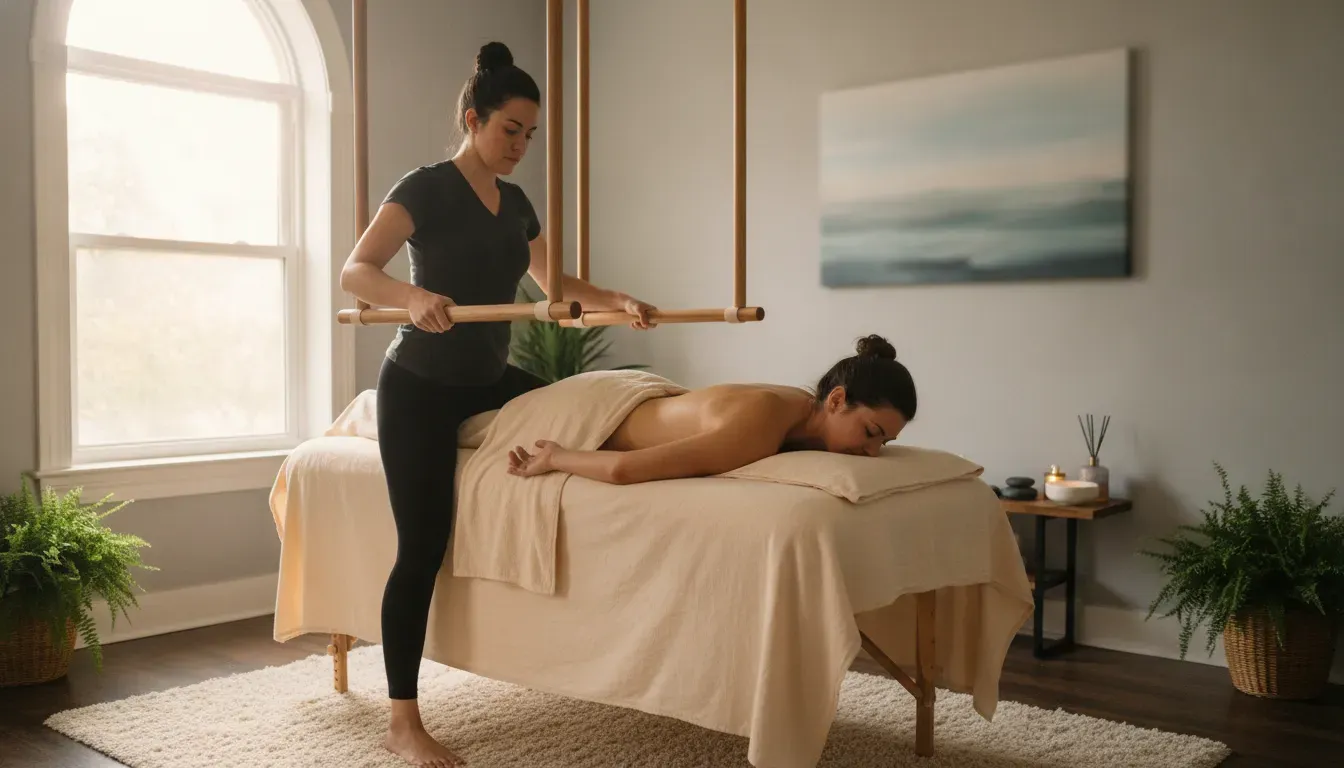
For those looking for something beyond a traditional hands-on massage, it’s worth exploring specialized modalities. One of the most effective is Ashiatsu Deepfeet Bar Therapy, a unique technique where the therapist uses their feet to deliver deep, broad, and consistent pressure. Using overhead bars for balance, the therapist can apply a level of pressure that’s hard to achieve with hands alone. This style is incredible for anyone with chronic back pain or who simply loves very deep pressure without the discomfort of a pointy elbow.
Other Therapeutic Modalities to Explore
Beyond the primary massage styles, many therapists offer enhancements that can deepen your relaxation and therapeutic results. For instance, incorporating Hot Himalayan Salt Stones into your session can melt away tension with gentle, sustained heat. These warm stones not only soothe sore muscles but also contain dozens of trace minerals that help replenish the body. Another powerful addition is CBD oil, which can be used to target areas of inflammation and provide more focused pain relief. Other modalities you might see offered include cupping or myofascial release, each designed to address specific issues. Don’t be afraid to ask your therapist which enhancements might be right for you; they can help you customize the perfect treatment.
Enhance Your Session with Popular Add-Ons
Want to add a little something extra to your session? Many studios offer enhancements that can take your massage to the next level. Adding CBD oil can help reduce inflammation and calm the nervous system, making it a great choice for pain relief. Another fantastic option is incorporating Hot Himalayan Salt Stones, which are used to soothe sore muscles and melt away tension. The gentle heat allows your therapist to work more deeply, leaving you feeling incredibly relaxed and rejuvenated.
Relax Together with a Couples Massage
A massage is a wonderful solo activity, but it can be even more special when shared. A couples massage is a fantastic way for you and a partner, friend, or family member to relax and reconnect in a peaceful environment. You’ll each have your own therapist and table in the same private room, allowing you to enjoy your individual treatments together. It’s a perfect addition to a New Orleans vacation, an anniversary celebration, or simply a much-needed date to unwind from the stresses of daily life.
How to Find an Experienced Massage Therapist in New Orleans
Finding the right massage therapist is a lot like dating—you want someone who listens, understands your needs, and makes you feel comfortable and cared for. In a city like New Orleans, with so many options, it can feel a little overwhelming to find “the one.” But a truly great massage experience goes beyond just the massage itself; it’s about finding a skilled professional you can trust with your well-being. A little research upfront can make all the difference between a so-so session and a transformative one that leaves you feeling renewed.
So, how do you find a therapist who is the perfect fit for you? It comes down to a few key steps. By looking at what other clients have to say, asking for recommendations, checking for proper qualifications, and considering the practical details, you can confidently choose a therapist who will help you meet your wellness goals. Whether you’re looking to de-stress from a busy work week, manage chronic pain, or simply treat yourself while on vacation, these tips will guide you to the best hands in the city.
Start Your Search with Online Reviews
A great place to start your search is by seeing what other people are saying. Online reviews on sites like Google and Yelp are your window into the real experiences of past clients. Look for patterns in the comments. Do people consistently praise the studio’s clean and calming atmosphere? Do they mention specific therapists by name for their skill and professionalism? Reading reviews can help you get a feel for a studio’s strengths, whether it’s their incredible deep tissue work or their team of highly experienced therapists. Pay attention to detailed reviews that explain why the person had a good experience, as this will give you the best insight into whether it’s the right place for you.
Use Search Filters to Narrow Your Options
Once you’ve found a few platforms with good reviews, it’s time to dig deeper. Most booking sites and directories have search filters that can save you a ton of time. You can often narrow your search by location, like a specific neighborhood or zip code, which is super helpful if you’re staying downtown and want someone nearby. You can also filter by the therapist’s gender if you have a preference. The most useful filter, though, is often the treatment type. Whether you’re looking for a relaxing Swedish massage, targeted Deep Tissue work, or a specialized service like Prenatal or Ashiatsu, you can zero in on therapists who have the exact skills you need.
Beyond the basics, some search tools offer filters that can help with the financial side of things. While less common, you might find options to search for therapists who offer a sliding scale based on what you can afford, making professional care more accessible. It’s also worth checking if a therapist accepts payments from a Health Savings Account (HSA), which can be a great way to use pre-tax dollars for your wellness. Using these filters helps you find a professional who not only meets your therapeutic needs but also fits within your budget, ensuring your entire experience is stress-free from start to finish.
Get Recommendations from People You Trust
Sometimes, the best recommendations come from people you already know and trust. Ask friends, family, or coworkers if they have a massage therapist in New Orleans they swear by. You can also ask other wellness professionals, like your doctor, chiropractor, or physical therapist, for a referral. A personal recommendation is powerful because it often comes with specific context. Your friend might say, “You have to see this therapist—she completely sorted out my shoulder tension,” which is much more compelling than a generic ad. This is especially helpful if you’re looking for support with a specific issue, like finding a great prenatal massage during pregnancy.
Do a Quick Credentials Check
This step is all about your safety and peace of mind. Massage therapy is a regulated health profession in Louisiana, and for good reason. To become a Licensed Massage Therapist (LMT), individuals must complete a minimum of a 500-hour training program from an accredited school and pass a national board exam. You can always ask a therapist or studio about their team’s credentials—any true professional will be proud to confirm them. Ensuring your therapist is properly licensed and certified guarantees they have the anatomical knowledge and hands-on skill to provide a safe and effective treatment, so you can fully relax knowing you’re in qualified hands.
Factor in Location and Convenience
You could find the most amazing therapist in the world, but if their studio is impossible to get to, you’re less likely to make it a regular part of your self-care routine. Think about what makes the most sense for your lifestyle. Is the studio near your home or office? Is there easy parking? If you’re visiting New Orleans, is it a short walk or ride from your hotel? The goal of a massage is to reduce stress, not add to it with a frantic commute. Choosing a conveniently located studio makes it easier to prioritize your well-being and keep your appointments, allowing you to fully enjoy the relaxing massage services you deserve.
What Does a Massage Cost in New Orleans?
Understanding the cost of a massage in New Orleans is key to finding an experience that fits your budget and your wellness goals. Prices can vary quite a bit, and it’s helpful to know what you’re paying for. Generally, the cost reflects the therapist’s level of training, the length of the session, and the quality of the studio. While it can be tempting to hunt for the lowest price, remember that a great massage is an investment in your well-being. Paying a little more often means you’re getting a highly skilled therapist dedicated to delivering real, lasting results.
A Look at Average Massage Rates
In New Orleans, you can generally expect to pay between $110 and $160 for a 60- to 90-minute massage at a reputable, professional studio. This price range typically covers popular services like Swedish, deep tissue, and prenatal massage. While some places might offer lower prices, these rates are a good benchmark for a high-quality session with an experienced, licensed therapist. The final cost depends on the length of your appointment, as longer sessions naturally cost more. When you explore different massage services, you’ll find that this investment ensures you’re in the hands of a professional who can truly address your needs.
Save Money with Packages or Memberships
If you plan on making massage a regular part of your self-care routine, look for studios that offer packages or memberships. This is one of the best ways to save money over time. Many New Orleans massage studios provide a discount when you buy a series of three, five, or even ten sessions at once. This is a fantastic option for locals who want consistent treatment for chronic pain, stress management, or general relaxation. It not only reduces the cost per session but also encourages you to stay committed to your wellness journey, ensuring you get the cumulative benefits of regular therapeutic work.
Creating a Maintenance Plan
Think of massage less as a one-time fix and more as an essential part of your ongoing wellness routine. The true benefits of massage are cumulative; regular sessions help train your body to maintain a state of relaxation and balance. For many people, a monthly massage is the sweet spot for managing stress and preventing chronic tension from building back up. The key is to work with your therapist to create a plan tailored to your specific goals, whether that’s addressing persistent back pain or simply carving out dedicated time for self-care. By making therapeutic massage services a consistent part of your life, you invest in long-term health, ensuring you feel your best not just for a day, but for months and years to come.
Keep an Eye Out for New Client Deals
Many studios use new client promotions to attract first-time visitors. These can be a great way to try out a new place without committing to the full price. You might find a percentage off your first visit or a special rate for a 60-minute introductory session. While a discount is always nice, try not to let it be the only factor in your decision. The most important thing is finding a therapist and an environment where you feel comfortable and confident you’ll receive excellent care. Use a promotion as an opportunity to vet a studio, but prioritize quality and expertise for the best long-term results.
What Factors into the Final Cost?
Several key factors determine the price of a massage. A therapist with advanced certifications and years of experience will rightfully charge more for their expertise. Specialized modalities also impact the cost; for example, a session of Ashiatsu Deepfeet Bar Therapy often costs more than a standard Swedish massage because it requires unique skills and training. The studio’s location and amenities also play a part. Finally, you can often customize your session with enhancements. Adding services like Hot Himalayan Salt Stones or CBD oil will increase the total price but can also deepen your relaxation and therapeutic benefits.
Will Insurance Cover My Massage?
This is a common question, and the straightforward answer is that most health insurance plans do not cover massage therapy. Even if a doctor recommends massage as medically necessary for an injury or chronic condition, it’s unlikely to be covered by standard insurance policies. Government programs like Medicare and Medicaid also typically do not include massage therapy in their benefits. While it’s always worth calling your insurance provider to confirm the details of your specific plan, it’s best to assume that you will be paying for your massage out of pocket. This allows you to budget accordingly and focus on finding a therapist based on their skill and expertise rather than on insurance network limitations.
Using an HSA for Massage Therapy
While traditional insurance may not be an option, you might be able to use funds from a Health Savings Account (HSA) or Flexible Spending Account (FSA) to pay for your massage. These accounts allow you to use pre-tax dollars for qualified medical expenses. In many cases, massage therapy can qualify if your doctor provides a Letter of Medical Necessity stating that the treatment is to address a specific health condition, such as back pain or anxiety. Before booking, you should check with your HSA or FSA provider to understand their specific requirements and ensure you have the proper documentation.
Don’t Forget to Factor in a Tip
When you’re budgeting for your massage, remember to include a tip for your therapist. Just like in other service industries, tipping is a standard and appreciated practice that shows your gratitude for the therapist’s skill, effort, and personalized care. A typical gratuity for a massage is between 15% and 20% of the original, non-discounted price of the service. Of course, you can always adjust this based on your experience. Factoring this into your total cost ahead of time ensures you can properly thank your therapist for their hard work in helping you feel your best, making the entire experience smooth and stress-free from start to finish.
Smart Questions to Ask Before You Book
Once you have a few potential therapists in mind, asking the right questions can help you feel confident in your final decision. A professional will always be happy to provide answers and ensure you feel comfortable before you even get on the table. Think of it as a brief interview to find the perfect match for your wellness needs. This simple step ensures your massage experience is exactly what you’re looking for—relaxing, therapeutic, and tailored just for you.
Ask About Their Experience and Specialties
Don’t hesitate to ask about a therapist’s background. Inquiring about their years of experience, training, and the specific techniques they specialize in is completely normal. Are you looking for someone who excels at deep, therapeutic work, or do you need a gentler approach? Knowing their strengths helps you find the right fit. For example, if you’re interested in something unique like Ashiatsu Deepfeet Bar Therapy, you’ll want a therapist with certified training. A studio that values its dedicated team will be proud to share their qualifications.
Discuss Your Health and Pressure Preferences
Your massage is all about you, so it’s essential to communicate your needs. Before the session begins, have a conversation with your therapist about any injuries, chronic pain, allergies, or health conditions you have, including pregnancy. This is also the time to mention your pressure preference. Do you prefer a light, relaxing touch or deep, firm pressure? Providing this information allows the therapist to customize the session safely and effectively. A good therapist wants to know your goals, whether it’s relieving tension in your shoulders or simply de-stressing.
Ask About Their Cleaning and Safety Protocols
Your peace of mind is paramount. It’s perfectly acceptable to ask about the studio’s health and safety protocols. You can inquire about how they sanitize the massage room, linens, and equipment between clients. Reputable establishments maintain the highest standards of cleanliness and are transparent about their procedures. Knowing that you’re in a clean and safe environment allows you to fully relax and get the most out of your massage. A professional studio will welcome these questions and be ready with reassuring answers.
Know What to Expect During Your Session
Clarifying what the session will entail can help ease any pre-massage jitters. Ask your therapist how the session will begin and what you should do if the pressure needs adjusting. Remember that communication shouldn’t stop once the massage starts. Your feedback is crucial. Whether you’re enjoying a solo deep tissue massage or a relaxing couples experience, you should always feel comfortable speaking up. If you want more or less pressure or need an extra blanket, just say so. Your therapist’s goal is to make your experience as comfortable and effective as possible.
What to Expect After Your Session
The benefits of your massage continue long after you leave the table. Immediately afterward, you’ll likely feel a deep sense of relaxation and reduced muscle tension. For some, especially after a deep tissue or Ashiatsu session, it’s normal to experience mild soreness for a day or two, similar to how you might feel after a good workout. This is a sign that your muscles are releasing stored tension. To help your body process the therapeutic work, be sure to drink plenty of water throughout the day. This helps flush out any metabolic waste released from your muscles. Over time, you’ll notice that the benefits of massage therapy are cumulative, contributing to better flexibility, lower stress levels, and overall improved well-being.
Related Articles
- Massage Services | Nola Bliss Massage Therapy
- About Us | Nola Bliss Massage Therapy
- Couples Massage | Nola Bliss Massage Therapy
- Home | Nola Bliss Massage Therapy
Frequently Asked Questions
What’s the single most important thing to verify before booking a massage? Before you even think about massage styles or pressure, confirm that your therapist holds a current Louisiana state license. This is your non-negotiable guarantee that they have completed hundreds of hours of professional training in anatomy and safe techniques. A license ensures you’re in the hands of a true professional who is serious about their craft and your well-being, not just someone practicing a hobby.
I’m new to massage. Which type should I choose? If you’re just starting out, a Swedish massage is a wonderful introduction. It uses long, gentle strokes designed purely for relaxation and stress relief. However, the best first step is to have a conversation with the studio or your therapist. You can describe what you’re hoping to get out of the session, and they can recommend the perfect service for your individual needs, ensuring you have a great first experience.
How can I find a therapist who can actually help with my chronic pain? Look for a therapist with specialized training in modalities designed for pain relief, such as deep tissue or Ashiatsu. When you call to book, be specific about your issues, whether it’s lower back pain or neck tension. A reputable studio will be able to match you with a therapist whose skills and experience are a perfect fit for addressing your particular concerns effectively.
Why do massage prices vary so much, and is it worth paying more? The cost of a massage often reflects the therapist’s experience, the level of specialized training required for the service, and the professional environment of the studio. While a lower price can be tempting, a higher rate usually means you are investing in a highly skilled practitioner who has dedicated their career to their work. This expertise translates into a safer, more effective massage that delivers real therapeutic results.
What should I do if the pressure is too much or not enough during the massage? You should always feel comfortable speaking up. Your therapist wants you to have the best experience possible, and your feedback is the only way they know if an adjustment is needed. A simple, “Could you use a little more pressure there?” or “That’s a bit too deep for me,” is all that’s needed. A professional therapist will appreciate your input and adjust their technique immediately to make sure you’re comfortable.