Your first massage appointment can feel much easier when you know what will happen before you arrive. At NOLA Bliss Massage in Downtown New Orleans, the visit begins with a thoughtful conversation about your goals, comfort, and health, then moves into personalized therapeutic bodywork rather than a one-size-fits-all routine.
For a first massage New Orleans guests can expect a thorough intake, a private consultation, guidance on choosing the right technique, professional draping, and practical aftercare recommendations. You can also ask about same-day availability and use two hours of complimentary parking at 330 Exchange Alley.
NOLA Bliss Massage has earned Gambit’s Best Massage Therapist recognition for four consecutive years, but a welcoming first visit is about more than an award. From arriving at 322 Lafayette St. Suite 300 to communicating during and after your session, the details below will help you feel prepared and in control.
Book your first massage New Orleans appointment online today and arrive knowing exactly what to expect.
What to Expect During Your First Massage in New Orleans
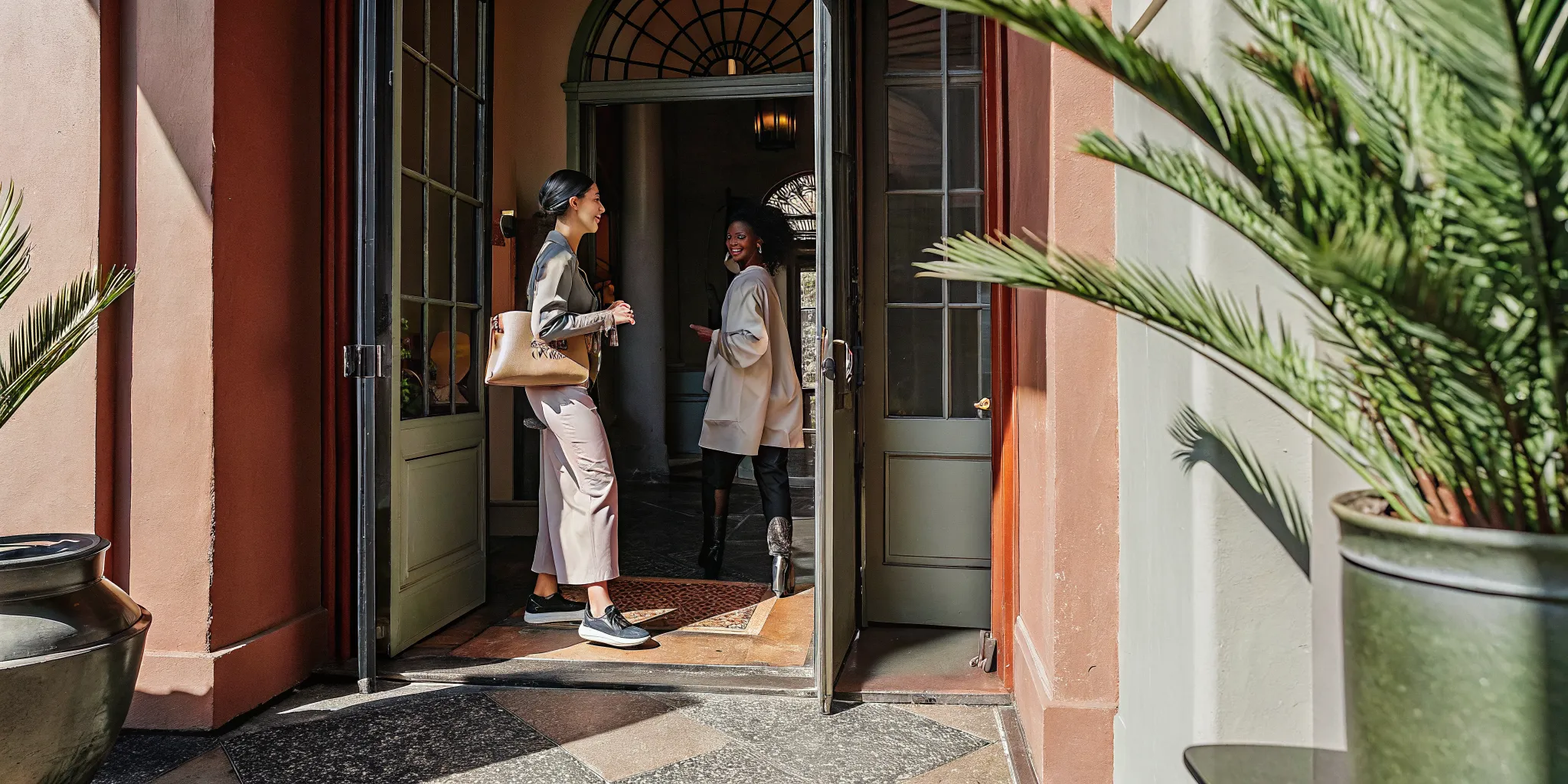
Arriving for your first massage should feel straightforward, not intimidating. NOLA Bliss Massage is located at 322 Lafayette St., Suite 300, in the Warehouse District of Downtown New Orleans. If you are driving, guests receive two hours of complimentary downtown parking at 330 Exchange Alley, so you can arrive without adding parking stress to your appointment.
Arriving and checking in
Give yourself a few extra minutes to find the building, park, and settle in. Once you arrive, you will check in and have time to get comfortable before treatment begins. If you are visiting New Orleans for a convention, festival, or weekend trip, same-day availability may also be possible. It is worth reaching out if your schedule changed or you decided to make therapeutic bodywork part of your visit at the last minute.
The studio welcomes people who are new to massage as well as guests who already receive regular therapeutic care. You can learn more about our studio and its approach before your appointment if knowing what to expect helps you feel prepared.
Your intake and consultation
Your first visit includes a thorough intake and consultation. This conversation gives your therapist a practical understanding of what brought you in, where you are experiencing discomfort, and what you hope to address. You may discuss your work, activity level, stress patterns, previous massage experience, and any areas that need focused attention.
Be open about your medical history, current symptoms, medications, and recent procedures. For example, guests who take blood thinners or have had surgery within the last 48 hours should speak with a healthcare provider before treatment. Sharing this information is not a test, and you do not need to know the perfect massage terminology. Honest details help your therapist make informed decisions about pressure, positioning, and technique.
During the session
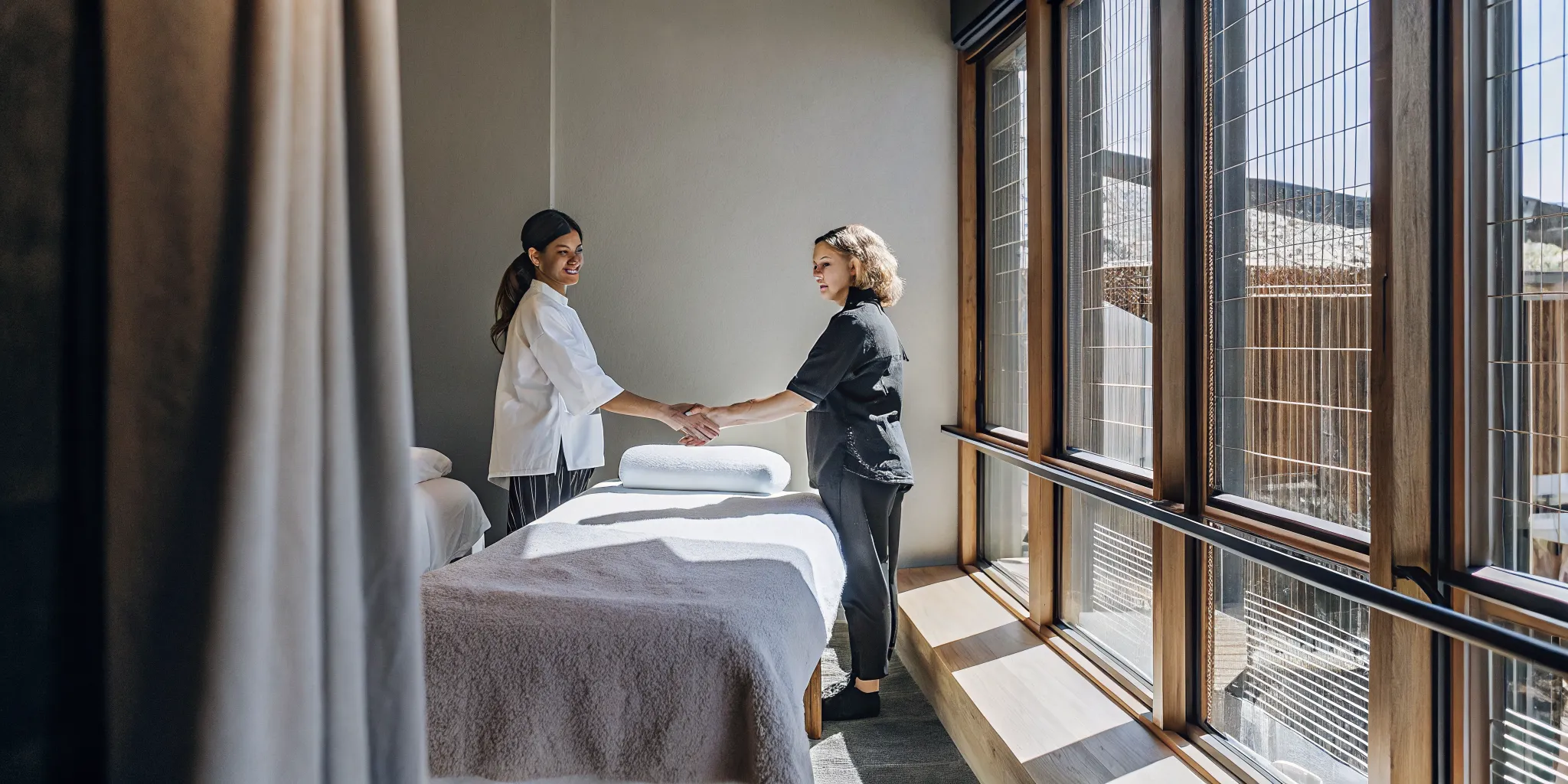
After the consultation, your therapist will explain the next steps and answer questions before beginning. A typical massage therapy session lasts about 50 minutes, although the appointment experience also includes time for your intake and transition in and out of the treatment.
- Your therapist steps out so you can undress to your comfort level and get on the table under the sheet.
- They knock and re-enter, then begin with the area you identified as the priority.
- Throughout the session, they check in on pressure and comfort as they move to different areas.
- When the session ends, they step out again so you can dress in private.
You remain part of the conversation throughout the session. Let your therapist know if the pressure, temperature, positioning, or focus does not feel right. A first massage in New Orleans should be personalized to your body and goals, never something you have to quietly endure. Asking questions and offering feedback are normal parts of therapeutic care.
What to Wear to Your First Massage Appointment
Choosing what to wear should be the easiest part of preparing for your first massage. Wear something comfortable and easy to change out of, such as loose pants, soft shorts, or a simple top. You do not need special clothing for a therapeutic massage, and you can keep your underwear on throughout the session if that helps you feel more at ease.
Before the massage begins, your therapist will explain what to expect and give you privacy to undress. The therapist leaves the room while you change, so you never need to undress in front of anyone. When you are ready, you will lie on the massage table under the sheet and let your therapist know when they can return.
Undress only to your comfort level
Every guest has a different comfort level, and there is no single right amount of clothing to remove. Some guests choose to undress fully, while others keep underwear on or leave on additional clothing. Your therapist can adapt the session to your choice. If you prefer to remain partially dressed, mention it during the intake so the treatment can be planned around you.
Professional draping protects your privacy
Professional draping is used throughout the massage. A sheet covers your body, and only the area being treated is uncovered at that moment. Your therapist will move the sheet carefully and securely rather than leaving you exposed. Areas that are not part of the treatment remain covered, including your chest and pelvic region.
You are also welcome to speak up at any time. Ask for more coverage, a different position, lighter pressure, or a pause if something feels uncomfortable. Clear communication is part of a personalized experience, not an interruption. At NOLA Bliss Massage, guests may undress to their comfort level while professional draping is maintained throughout the session. Explore the full range of massage services offered before your visit.
Schedule a first massage New Orleans appointment and see why guests return again and again.
How to Choose the Right Massage for Your First Visit
There is no single “best” massage for every guest. The right choice depends on what you want from the session, how your body feels today, and whether you prefer lighter relaxation work or focused therapeutic pressure. Massage therapy uses soft-tissue manipulation and movement to support health, well-being, and relief from tension and discomfort. It may also help manage concerns such as chronic pain, neck pain, low back pain, headaches, and stress-related muscular tension. Cleveland Clinic’s massage therapy guidance provides additional medical context.
For relaxation and a gentle introduction: Swedish massage
Swedish massage is often a comfortable starting point for a first visit. Long, flowing strokes and moderate pressure can help you settle into the experience while your therapist learns how your body responds. Choose it when your priority is general relaxation, improved body awareness, or easing everyday muscle tightness without intense pressure.
For persistent tightness: deep tissue massage
Deep tissue massage is designed for more focused work on areas of chronic tension. It can be a good fit if you regularly experience tight shoulders, restricted movement, or stubborn discomfort in the neck, back, or hips. Deeper pressure should still be purposeful rather than unbearable. Tell your therapist when pressure feels too strong so the technique can be adjusted to your needs.
For therapeutic barefoot pressure: Ashiatsu
Ashiatsu is a form of therapeutic deep tissue massage in which the therapist uses their feet to deliver broad, sustained pressure. Many guests appreciate the consistency and depth of the technique, especially when hands-on work has not fully addressed dense muscle tension. As NOLA Bliss Massage’s signature specialty, Ashiatsu barefoot massage is worth considering when you want targeted therapeutic bodywork with a distinctive approach.
For warmth or an enhancement: hot stone and CBD massage
Hot stone massage adds smooth heated stones to massage techniques for a warming, grounding experience. CBD massage incorporates CBD oil as an add-on enhancement to a massage session, not as a standalone service. Guests may choose it when they want to pair their selected massage style with an added relaxation and anti-inflammatory-focused element.
For two people: couples massage
If you are planning your first massage with a partner, friend, or family member, couples massage in New Orleans allows two guests to receive treatment in the same room. Each person gets their own therapist and personalized pressure and technique, making it an excellent way to share the experience without compromising individual comfort.
When you are unsure, start with the goal you want to address rather than choosing by name alone. A thorough consultation helps tailor the session to your preferences and concerns.
| Massage Type | Best For | What to Expect |
|---|---|---|
| Swedish | Relaxation, first-time guests, gentle introduction | Long flowing strokes, moderate pressure, full-body focus |
| Deep Tissue | Chronic tension, tight shoulders, restricted movement | Focused pressure on specific areas, slower pace |
| Ashiatsu | Dense muscle tension, deep therapeutic work | Barefoot technique delivers broad sustained pressure |
| Hot Stone | Warming grounding experience, muscle relaxation | Smooth heated stones combined with massage techniques |
| CBD Enhancement | Added relaxation, anti-inflammatory support | CBD oil added to your chosen massage style |
Review the full menu of massage services before booking, then share your priorities with your therapist so your first visit feels informed, comfortable, and genuinely useful.
How to Talk to Your Massage Therapist
The most helpful thing you can bring to a first appointment is honest information. Your therapist will begin with a consultation so they can understand what you want from the session, where you feel discomfort, and how your body is responding that day. You do not need to know the technical name for a muscle or condition. Describe what you notice in everyday language, such as a tight neck after working at a desk, a sore lower back, or tension that makes it difficult to sleep.
Share your health history before treatment
Be open about relevant medical history, medications, injuries, and ongoing conditions. In particular, tell your therapist if you take blood thinners. Cleveland Clinic advises discussing this with a healthcare provider before massage because anticoagulants may increase bruising. You should also mention any recent procedure or acute injury. Massage may not be appropriate after surgery within the last 48 hours, and your healthcare provider can help determine when treatment is safe. Review Cleveland Clinic’s massage therapy guidance if you are unsure what to disclose.
Describe pressure and problem areas clearly
Tell your therapist whether you prefer light, moderate, or deeper pressure, and point out areas that need attention. You can also identify places to avoid, positions that feel uncomfortable, or movements that aggravate symptoms. Preferences are not permanent instructions. Your ideal pressure may change as the session progresses, especially when working with a tender or guarded area.
Speak up during the session
Feedback is part of the treatment, not an interruption. Say if the pressure feels too intense, too light, too warm, or otherwise uncomfortable. You can ask for a position change or request more time on a particular area. A skilled therapist wants to adjust the session to support your comfort and goals. You never need to tolerate pain to prove that a therapeutic massage is working, and you are always welcome to pause or stop the treatment.
A clear conversation helps turn a standard appointment into bodywork that feels personal, respectful, and useful for you.
What to Expect After Your First Massage
When the session ends, your therapist will step out so you can take a moment privately. There is no need to rush. Sit up slowly, notice how your body feels, and give yourself time to get dressed before returning to the studio. If you feel lightheaded or need another minute, simply let your therapist know.
Water is an important part of your post-massage care. Learn more about the NOLA Bliss Massage approach to therapeutic bodywork. Keep water nearby and sip regularly, especially if the massage included focused or deeper work.
How you may feel afterward
Many guests leave feeling calm, grounded, and more aware of areas that had been holding tension. You may also notice that your range of motion feels different as your muscles settle. If your session included deeper therapeutic work, mild soreness can occur afterward, similar to the feeling following physical activity. Rest, gentle movement, and hydration can help you transition comfortably.
Your response is useful information for the next appointment. Pay attention to what feels better, what remains tender, and whether the pressure or focus felt right. Sharing those observations helps your therapist adjust future sessions to your needs. Ongoing therapeutic massage is not a one-size-fits-all plan, so your feedback matters.
Planning your next visit
Before you leave, you can talk with your therapist or the front desk about follow-up timing. Some guests schedule regular visits to support an ongoing wellness routine, while others return when a specific area needs attention. NOLA Bliss Massage offers same-day availability and same-day rebooking when appointments allow. Which can be helpful if you are visiting New Orleans or want to continue care without a long wait.
There is no pressure to commit to a schedule. The goal is to leave feeling informed, comfortable, and confident about the next step for your body.
Ready to schedule your first massage in New Orleans? Book your session now.
Frequently Asked Questions
How should I prepare for my first massage in New Orleans?
Arrive ready to discuss what you want from the session, including areas of discomfort, pressure preferences, and relevant medical history. Mention conditions or medications that may affect treatment, such as blood thinners, and ask questions before the bodywork begins. If you are visiting Downtown New Orleans, NOLA Bliss Massage provides two hours of complimentary parking at 330 Exchange Alley.
What should I wear to my first massage appointment?
Wear whatever helps you feel comfortable before and after the appointment. During the session, you choose how much clothing to remove, and your therapist uses professional draping throughout the treatment. You remain covered except for the specific area being worked on, so you can communicate any concerns and adjust your comfort level at any time.
How do I choose the right massage type for my first visit?
Start with your goals rather than choosing a technique by name. Tell your therapist whether you want help with chronic pain, neck or low back tension, stress, mobility, or general therapeutic support. Your intake and consultation help match the approach to your needs. Ask about pressure, focus areas, and whether a specialty such as Ashiatsu is appropriate for you.
What should I do after my first massage?
Give yourself a little space to notice how your body feels, drink water, and follow any personalized recommendations from your therapist. Hydration is encouraged after a therapeutic session to support the body’s natural process of flushing metabolic waste. If you experience unusual or worsening pain, contact a qualified health care provider for guidance.
Ready to Book Your First Massage?
A thoughtful first appointment can help you feel more comfortable, informed, and supported throughout your massage experience. When you are ready to take the next step, book your first massage appointment online through our online booking page. Share your goals and questions during your visit so your massage therapist can help personalize the session to your needs.