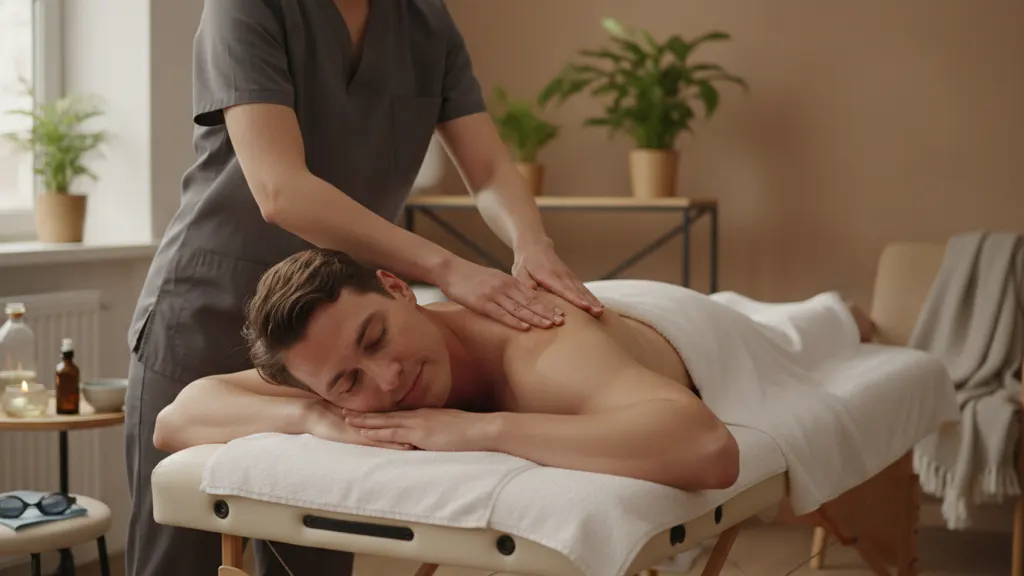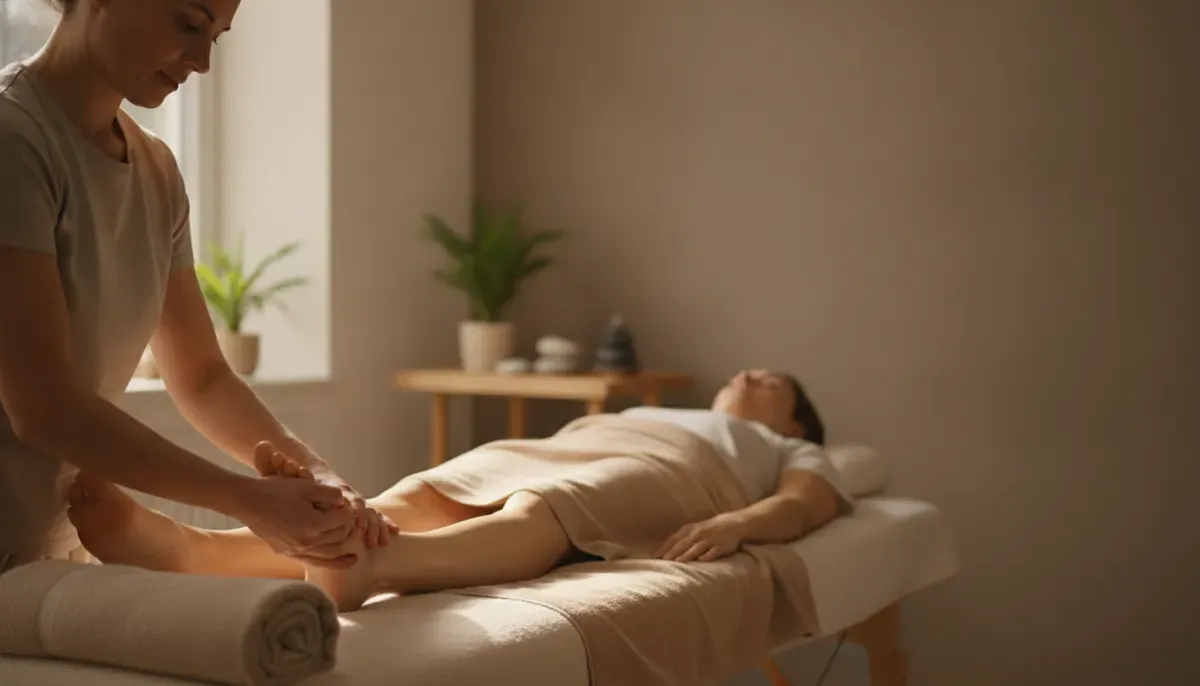

After a collision, soreness and stiffness can leave you wondering whether massage after car accident is a sensible next step. The answer depends on your symptoms, the type of injury, and whether a medical professional has assessed you. Massage is not a substitute for emergency care, diagnosis, or injury treatment. If you have new or severe symptoms, get medical advice before arranging bodywork.
Contact the studio about planning a visit
What should you do before considering massage after a car accident?
Start with your health, not a massage appointment. A collision can cause injuries that are not obvious right away, and soreness alone cannot tell you what happened. If you have not been evaluated and you are concerned about an injury, contact a medical professional for guidance. If symptoms are severe or feel urgent, seek emergency care rather than waiting for a massage.
Once a clinician has assessed your situation, ask whether massage is appropriate for your specific condition and when it could be considered. That advice matters if you have a diagnosed injury, significant bruising, a wound, a fracture, recent surgery, or any restrictions on movement or pressure. Do not assume that a technique is safe simply because it feels gentle or because you have received massage before.
The next step may be different for someone who has mild, improving muscle tension than for someone with significant pain or symptoms that are changing. Your clinician can help distinguish what should be monitored or treated medically from what may be suitable for supportive comfort care. If you are already seeing a physical therapist or another provider, ask how massage would fit alongside that plan.
When should you seek urgent medical care instead of massage?
Do not book a massage to evaluate a possible injury or to see whether a concerning symptom goes away. Contact emergency services or seek urgent medical care for symptoms such as difficulty breathing, chest pain, fainting, confusion, severe or worsening pain, new weakness or numbness, or trouble walking. A head impact, loss of consciousness, or significant bleeding also calls for prompt medical assessment. These examples are not a complete checklist: if something feels seriously wrong, get professional help.
Also speak with a clinician before massage when symptoms are new, worsening, unexplained, or not yet assessed. A person can feel generally well and still need an examination after a collision. Follow the advice you receive about observation, activity, medication, and follow-up rather than using a massage appointment as a substitute.
There is a reason to take those boundaries seriously. A review of reports on massage-related adverse events described rare but potentially serious injuries, including reports involving people with underlying conditions or particular circumstances. The paper does not establish how likely an injury is for an individual or prove that massage caused every event; it does reinforce the value of sharing relevant health information and avoiding inappropriate treatment. See the review, Adverse Events of Massage Therapy in Pain-Related Conditions, for its discussion of the reported cases.
How can medical clearance help you decide?
“Medical clearance” does not have to mean the same thing in every case. It means getting specific guidance from a qualified health professional when your symptoms or injury history make that prudent. The person who evaluates you can explain whether massage should wait, what areas to avoid, and whether any pressure or position should be limited. If you have not been told whether massage is appropriate, ask rather than guessing.
When you ask, describe the collision and your current symptoms in plain terms. Mention when they began, whether they are improving or getting worse, and what movements or positions affect them. Share any diagnosis, imaging results, treatment instructions, medication changes, or follow-up plan that is relevant. You do not need to interpret medical terms yourself; bring written instructions or ask your provider to clarify them.
Keep the answer practical. You might ask:
- Is massage appropriate for me now, or should I wait?
- Are there areas that should not be touched or positions I should avoid?
- Should pressure be limited, and are there techniques I should not receive?
- What symptoms mean I should stop and contact you?
- How should massage fit with my current care plan or follow-up visits?
If your medical advice changes, update the massage therapist before your session. A prior approval is not a permanent guarantee that every technique, body area, or future visit is suitable.
How soon after a collision can you book a massage?
There is no single waiting period that is right for everyone. The timeline depends on the circumstances of the crash, your symptoms, any injury found, and the guidance of your clinician. Online rules of thumb such as “wait a day” or “book within a week” cannot account for those differences. Do not use a calendar estimate in place of an assessment when you have concerning symptoms.
If you have medical guidance that massage may be considered, use it to plan. Ask whether the recommendation applies now or after a particular milestone, such as a follow-up evaluation. If you are improving but still sore, explain that honestly when you contact a studio. A massage therapist can discuss the service and your preferences, but should not be asked to diagnose an accident-related injury or overrule your clinician.
You can review the studio’s massage services while deciding what questions to ask. The goal is not to select the most intense option or to target every sore area. It is to establish whether a session makes sense at this stage and, if so, what a comfortable and appropriate plan could involve.
What type of massage should you ask about?
There is no universally best massage style after a collision. A service name does not determine whether it is suitable for a particular injury, and more pressure is not automatically more helpful. Ask about the approach, expected pressure, and whether the therapist can avoid areas your clinician has identified. Start from your current symptoms and medical guidance rather than choosing a technique based on a promise to fix an injury.
| Option or situation | What it may mean for planning | What to do next |
|---|---|---|
| Symptoms have not been assessed | You do not yet know what is causing them or what activity is appropriate. | Seek medical guidance before booking massage. |
| Clinician recommends waiting | Massage may not fit your current stage of care. | Follow the recommendation and ask when to check back. |
| Clinician says massage may be considered with limits | Some areas, positions, pressure, or techniques may need to be avoided. | Share those limits with the therapist before the session. |
| Symptoms have been assessed and are stable, with no restrictions | A discussion about a comfortable approach may be reasonable. | Describe your goals and stop if anything feels wrong. |
| New or worsening symptoms appear | Your situation may have changed since the last assessment. | Pause plans and contact a medical professional. |
Some people ask about a gentler Swedish-style session; others wonder about focused work for muscle tension. A label cannot guarantee a particular pressure level, so describe what you can tolerate and ask what can be adjusted. If you are considering Ashiatsu massage or another specialized approach, specifically ask whether that style is compatible with your clinician’s instructions. Do not choose a deep-pressure service for a newly injured or medically unexplained area without appropriate guidance.
For ongoing neck or back discomfort, the studio’s general back and neck massage guide can help you frame questions about comfort and preferences. It is general information, not an assessment of injury caused by a collision. If your provider has told you to avoid a specific area, follow that direction even if a general article discusses massage for that region.
What should you tell the massage therapist before a session?
Give a clear, brief account of what happened and how you feel now. You can say when the collision occurred, which areas feel sore, whether anything is improving or worsening, and which movements are uncomfortable. State what your clinician has advised, including any restrictions or areas to avoid. If you do not know whether a detail matters, mention it and let the therapist ask follow-up questions.
Relevant information can include a diagnosed injury, recent medical procedure, bruising, skin irritation, medication that affects how you feel, or other health factors that your clinician has asked you to monitor. Do not stop or change medication to prepare for massage unless the professional who prescribed it tells you to. If you are unsure whether a condition or medication changes what is appropriate, check with your healthcare provider.
Be specific about consent and comfort. You can ask for lighter pressure, request that an area be avoided, change position, or end the session. You do not need to tolerate discomfort to make a session worthwhile. Agree on a simple way to pause the work, and speak up if a sensation feels sharp, unusual, or concerning. A therapist should be able to discuss adjustments without diagnosing the cause of your symptoms.
For practical questions about a visit, you can learn about NOLA Bliss Massage or contact the studio directly. If getting to an appointment is part of your planning, review the studio’s downtown parking information before you travel. These details can make scheduling easier, but they do not replace medical advice about whether to attend.
What should you expect from a first visit after an accident?
Plan to discuss your goals and any guidance you have received before treatment begins. Be ready to say what feels comfortable, what does not, and whether your symptoms have changed since you booked. If anything new has happened, call the studio before arriving and seek medical guidance when appropriate. The purpose of that conversation is to establish comfort and boundaries, not to have the therapist determine what injury you have.
For a first session, consider asking whether the therapist can use a conservative approach and adjust pressure or positioning as needed. Agree that the session can pause or stop at any time. Avoid treating a first visit as a test of how much pressure you can withstand. Your response during and after a session matters; if you feel worse or develop a concerning symptom, stop and contact a healthcare professional for advice.
There is no need to book a particular length or style just because you were in a collision. Ask about available services and choose only after you understand what is appropriate for you. NOLA Bliss Massage is an appointment-based studio in Downtown New Orleans; you can use the contact page to ask about planning a visit. For a broader overview of choices, see the studio’s service list.
How can you tell whether to book, wait, or seek care?
Use three questions to choose your next step: Have your symptoms been assessed? Have you received any restrictions or instructions? Have your symptoms changed since that advice? If the answer to the first question is no and you are concerned, start with a clinician. If you have clear instructions to wait or avoid certain areas, follow them. If symptoms are new or worsening, get medical guidance before reconsidering massage.
If you have been assessed and massage may be suitable, explain your situation to the therapist and confirm that the proposed approach respects your clinician’s advice. You can decide not to proceed if the plan does not feel comfortable or if you still have unanswered health questions. A pause is a reasonable choice; there is no need to force a session into your recovery schedule.
For a booking conversation, contact NOLA Bliss Massage and describe the kind of visit you are considering. Keep the discussion focused on service options and comfort, while directing injury questions to the medical professional responsible for your care.
How can you plan a massage appointment while following your care plan?
Keep the medical plan at the center of the schedule. If you have an upcoming appointment or follow-up, ask your clinician whether it makes sense to wait until after that visit. Avoid arranging massage in a way that causes you to miss a recommended evaluation or treatment. If the clinician gives you written limits, keep them handy so you can explain them accurately when you contact the studio.
Before you book, make a short note with four details: when the collision happened, which areas are sore, what has changed, and what your clinician has advised. Add any movement or position that is uncomfortable. This can help you explain your situation without trying to remember every detail during a phone call. It also helps distinguish the service questions you can ask a massage studio from medical questions that need to go back to your provider.
Think about what you need from the visit. You might want to ask whether a particular service can be adapted, whether a certain area can be left alone, or what comfortable positioning options may be available. Do not presume every request can be accommodated; ask in advance and decide whether the answer fits your needs. If the studio cannot confirm that the proposed session respects your medical limits, pause and check with your clinician.
After a visit, follow the health guidance you have already received. If you notice a new symptom or feel that your condition has changed, contact a medical professional rather than scheduling another massage to investigate it. Use your follow-up plan to decide what comes next, and be willing to adjust or postpone appointments as circumstances change.
Frequently asked questions about massage after a car accident
Can massage diagnose an injury from a car accident?
No. A massage therapist does not replace a medical evaluation for an accident-related injury. If you have not been assessed, or your symptoms are concerning, consult a healthcare professional. A massage therapist can discuss session preferences and comfort, but should not be relied on to identify the cause of pain.
Should I wait until all soreness is gone?
There is no one rule that applies to every person. Ask your clinician whether massage is appropriate given your symptoms and any injury or treatment plan. Do not assume that lingering soreness means massage is required, or that feeling less sore means a session is automatically safe.
Is deep pressure a good choice after a collision?
Not automatically. The appropriate pressure depends on your health, the area involved, and any guidance you have received. Tell the therapist about restrictions and ask what pressure can be adjusted. Avoid intense work on an unassessed or restricted area.
What if I feel worse during or after massage?
Ask for the session to stop if something feels wrong. Contact a healthcare professional if symptoms worsen or concern you, and seek urgent care for severe or urgent symptoms. Do not use another session as a way to test or treat a new problem.
Massage after a car accident is a decision to make around your health status and medical guidance, not a fixed timeline or a particular technique. If you have the go-ahead to explore a session, share your limits clearly and choose an approach that feels comfortable; if you are unsure, ask a clinician first.